

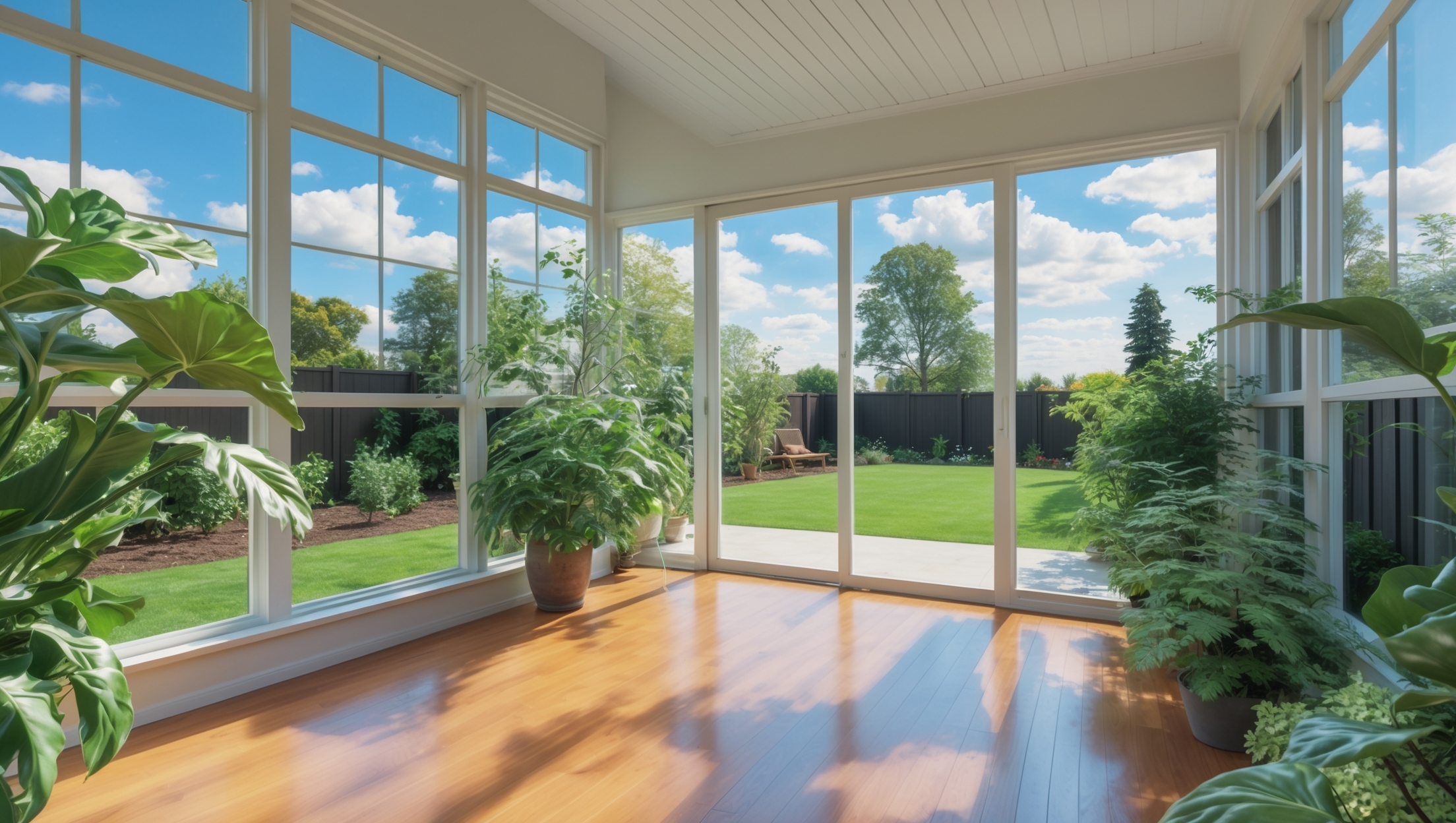
Introduction: The Appeal and Challenge of Sunroom Additions
Sunrooms are one of the most coveted home improvement projects for homeowners seeking extra space, natural light, and a seamless connection to the outdoors. Whether you envision a cozy reading nook, a vibrant plant haven, or an all-season family lounge, a sunroom can significantly enhance both your home’s value and your daily comfort. However, transforming this dream into reality involves much more than picking out windows and furnishings. One major hurdle that often catches homeowners off guard is navigating the complex world of compliance and permits.
Many sunroom projects stall—or worse, incur costly penalties—because of overlooked or misunderstood local regulations. From zoning setbacks to structural codes, ignoring these requirements can lead to fines, forced demolition, or even insurance complications down the line. This comprehensive guide will walk you through every step of the compliance and permitting process for adding a sunroom, highlighting common pitfalls and providing actionable strategies to keep your project on track and above board. Whether you plan a DIY build or intend to hire professionals, understanding these essentials will save you money, time, and headaches.
Understanding Sunroom Types and Their Compliance Implications
Defining Your Sunroom: Three Main Categories
- Three-season sunrooms: Typically uninsulated, designed for spring, summer, and fall use. Often considered less structurally complex but still subject to permit scrutiny.
- Four-season sunrooms: Insulated, climate-controlled, and suitable for year-round use. Usually require higher compliance standards due to HVAC connections and energy codes.
- Solariums/conservatories: Glass-heavy structures for maximum sunlight, sometimes requiring unique structural and safety reviews.
Why Sunroom Type Matters for Permitting
The classification of your sunroom affects which permits you’ll need, the level of inspection, and which building codes apply. For instance, a four-season sunroom attached to your home’s HVAC system may involve additional electrical, insulation, and energy efficiency requirements compared to a simple three-season enclosure.
Core Compliance Areas for Sunroom Additions
Zoning Restrictions
- Setbacks: Local ordinances often specify how close you can build to property lines. Sunrooms, as additions, must comply with these setbacks. Violations can lead to denied permits or forced removal.
- Lot coverage and floor-area ratio: Many municipalities limit how much of your lot can be covered by structures. Check these limits before designing your sunroom.
- HOA rules: If you live in a neighborhood with a homeowners’ association, you may face additional requirements or aesthetic restrictions.
Building Codes
- Structural safety: Your sunroom must meet local structural requirements, especially regarding snow loads, wind resistance, and foundation.
- Electrical and HVAC: Any electrical work or integration with your home’s heating/cooling systems must be up to code and inspected.
- Energy efficiency: Four-season sunrooms may be subject to energy codes concerning insulation, glazing, and air sealing.
Permitting Process
- Building permits: Almost all sunroom additions require a building permit. This ensures your plans comply with zoning and safety codes.
- Special permits: Depending on your location, you may need additional permits for electrical work, structural changes, or environmental impact (e.g., if near wetlands).
Step-by-Step: Navigating the Sunroom Permit Process
1. Start with Local Research
Every municipality is different. Begin by reviewing your city or county’s planning and building department resources online. Download application forms and review guidelines specific to residential additions.
2. Consult with the Building Department
Before investing in design or materials, schedule a meeting or call with your local building official. Bring sketches or concept drawings of your proposed sunroom. Ask:
- What setbacks and zoning rules apply to my property?
- What permit types will I need for my sunroom’s size and features?
- Which building codes or special requirements should I be aware of?
3. Prepare Detailed Plans
You’ll need detailed construction plans, including dimensions, foundation details, materials, and (for four-season rooms) insulation and HVAC specifications. These may need to be stamped by a licensed architect or engineer, especially for larger or more complex structures.
4. Submit Your Permit Application
Include all required documents: site plans, construction drawings, engineering reports (if applicable), and permit fees. Be thorough; missing information is a leading cause of delayed approvals.
5. Respond to Plan Review Comments
The building department may request clarifications or modifications. Respond promptly and document any changes made to your plans. Don’t start construction until you have official, written permit approval.
6. Schedule Inspections
Once your permit is issued, you’ll need to schedule inspections at key stages (foundation, framing, electrical, final). Keep all inspection records and ensure corrections (if any) are made before proceeding to the next phase.
Common Permit and Compliance Pitfalls—and How to Avoid Them
- Skipping the permit: Some homeowners hope to save time or money by building without a permit. This is risky—unpermitted work can result in fines, forced demolition, or insurance claim denials.
- Relying on out-of-date codes: Building codes are updated every few years. Always check current requirements, especially for insulation, glazing, and egress.
- Inadequate plans: Vague or incomplete drawings are a top reason for permit rejection. Invest in professional-quality plans, even for DIY projects.
- Ignoring HOA or neighborhood rules: These can be stricter than municipal codes. Get written approval before you begin.
- Missing inspections: Skipping required inspections can void your permit. Schedule them promptly and keep a copy of each inspection report.
- Improperly classified sunroom: If your sunroom is more like an enclosed addition (with HVAC, plumbing, etc.), it may be subject to stricter codes than a basic enclosure. Don’t misrepresent your project to the building department.
Budgeting for Compliance: Hidden Costs You Need to Know
Permit Fees and Professional Services
- Permit application fees: Vary widely ($100–$1,000+), depending on your municipality and project size.
- Architectural/engineering fees: Required for structural plans or complex builds. Budget $500–$2,500+.
- Surveying: Some jurisdictions require a site survey, especially if setback compliance is unclear ($300–$1,000).
Inspection and Compliance Costs
- Additional inspections: If your project is complex, extra inspections (fire, energy, structural) may be needed, sometimes with added fees.
- Remediation: If you fail an inspection, fixing issues can mean extra labor and material costs.
Potential Penalties
- Unpermitted work fines: Penalties can range from several hundred to thousands of dollars, and may include court costs or legal fees.
- Insurance surcharges: Some insurers raise rates or refuse claims if additions are not properly permitted and inspected.
Factor these items into your overall sunroom budget from the beginning. Skimping here often results in much higher expenses later.
DIY vs. Contractor: Who Handles Compliance?
DIY Sunroom Additions
If you manage your own sunroom project, you’re responsible for:
- Researching codes and zoning rules
- Preparing and submitting permit applications
- Scheduling and passing all inspections
- Keeping all documentation for future resale or insurance
This route can save money, but missing a step can be costly. If you’re unsure, consult a local architect or code consultant.
Hiring a Contractor
Reputable contractors will typically handle permits and arrange inspections as part of their service. Key points to confirm before signing a contract:
- Ask for proof of permit application and approval before work starts.
- Ensure the contractor is licensed and insured for your area.
- Request copies of inspection reports and final occupancy or completion certificates for your records.
- Include permit and compliance responsibilities in your written contract.
Be wary of any contractor who suggests skipping permits or “working under the radar.” This is a red flag for shoddy workmanship or future legal trouble.
Insurance and Resale: Why Compliance Matters Long-Term
Insurance Risks of Unpermitted Sunrooms
Most homeowners’ insurance policies require all additions to be permitted and up to code. In the event of damage (fire, weather, etc.), unpermitted sunrooms may not be covered—or worse, your entire policy could be jeopardized. Document every step of the permit and inspection process, and notify your insurer of the completed addition to update your coverage.
Resale and Appraisal
When selling your home, unpermitted additions can drastically lower your property value or derail a sale. Appraisers and potential buyers will request permit documentation. In some cases, sellers are forced to remove unpermitted structures or pay for expensive retroactive compliance.
Peace of Mind
Perhaps most importantly, a permitted, code-compliant sunroom is safer for your family and guests. Proper electrical, structural, and weatherproofing standards reduce the risk of accidents, leaks, or costly repairs in the future.
Case Study: Navigating Permits for a Four-Season Sunroom
Consider the example of the Jones family, who planned a 200-square-foot four-season sunroom. Their property was subject to strict setbacks and local energy codes. By consulting the city building department early, they discovered:
- They needed a variance for a 2-foot setback encroachment
- Special insulated glass was required to meet energy efficiency standards
- Electrical permits and separate inspections were needed for integrating the sunroom with their existing HVAC system
Although this added $2,800 to their initial budget, the Joneses avoided costly rework and delays. Their sunroom passed all inspections, was fully insured, and added significant value to their home at resale—demonstrating the real-world benefits of diligent compliance.
Conclusion: Building Your Sunroom the Right Way
Adding a sunroom is a rewarding investment that can transform how you enjoy your home. Yet, the excitement of design and construction must be balanced with a careful, informed approach to compliance and permitting. By understanding the types of sunrooms, researching local regulations, and budgeting for professional assistance, you lay the groundwork for a project that enhances your property and peace of mind.
Ignoring compliance may seem tempting if you’re eager to start or cut costs. However, the risks—fines, forced demolition, insurance issues, and resale headaches—far outweigh any perceived savings. Instead, approach your sunroom addition as a partnership with your local building department and, if applicable, a qualified contractor. Keep thorough records, communicate openly, and never hesitate to ask questions about rules you don’t understand.
Ultimately, a permitted, code-compliant sunroom provides all the beauty and function you dream of—without surprise setbacks. With the guidance in this article, you can confidently navigate compliance and permit requirements, ensuring your sunroom is a lasting, legal, and safe extension of your home.
If I want to convert an existing screened porch into a four-season sunroom, do I go through the same permit process as building from scratch, or are there different requirements?
Converting a screened porch to a four-season sunroom usually still requires permits, but the process may be simpler since you’re working with an existing structure. Requirements can differ based on your local building codes, so it’s best to check with your municipality to confirm what’s needed for your specific project.
If I’m considering a solarium with mostly glass walls, are there additional structural codes or safety inspections that I should be aware of compared to standard sunroom additions?
Yes, solariums with mostly glass walls often face stricter structural codes, especially for wind, snow loads, and glass safety. You may need specialized safety glass, reinforced framing, and possibly extra inspections for glazing and energy efficiency. It’s important to check your local building regulations and consult with a contractor experienced in glass structures before proceeding.
If a sunroom project doesn’t meet all the local setback or zoning rules, is there usually a way to apply for a variance, or do you have to redesign completely? Curious what happens if you already started building before realizing.
You can often apply for a variance if your sunroom project doesn’t meet local setback or zoning rules, but approval isn’t guaranteed. If you’ve already started building, you might face fines and could be required to stop work or even remove what’s been built until you resolve the issue with the local permitting office.
Could you clarify whether the permitting and compliance process differs significantly if my sunroom is attached to an existing deck versus being built on a new foundation?
Yes, there is a difference. Building a sunroom on a new foundation often involves more stringent permitting and inspections compared to attaching it to an existing, code-compliant deck. However, the deck must meet current codes for load and safety if you build on it. Local requirements can vary, so it’s best to check with your permitting office.
You mentioned insurance complications if compliance is overlooked. Could you clarify what kind of insurance issues can come up with sunrooms that aren’t fully permitted or meet all local codes?
If your sunroom isn’t properly permitted or doesn’t meet local codes, your homeowner’s insurance might not cover damage to the sunroom itself. In some cases, claims related to the unpermitted area could be denied entirely, and your policy might even be canceled if the insurer discovers the issue.
You mentioned solariums might need unique safety reviews. What kind of extra requirements or inspections should I expect if I choose that type over a typical four-season sunroom?
Solariums, with their extensive glass, often require additional safety checks such as tempered or laminated glass requirements, structural load reviews for snow and wind, and special fire code compliance. Inspectors may also verify that the glass framing and supports meet higher engineering standards compared to standard four-season sunrooms.
Can you explain more about what kind of insurance complications might come up if someone skips permit steps for a sunroom addition? How would that affect homeowners long-term?
If you add a sunroom without permits, your homeowner’s insurance might not cover damages or liability related to that room. In the long term, this could mean denied claims for weather damage, fire, or injuries. It could also cause issues when selling your home, since unpermitted work often needs to be corrected for buyers or insurers.
If I want to build a three-season sunroom mostly on my own, what specific permits should I expect to apply for, and are there common mistakes first-timers make with identifying the right zoning setbacks?
For a three-season sunroom, you’ll likely need a building permit, possibly electrical and HVAC permits if you add wiring or heating. Always check local zoning rules for setback requirements from property lines—many first-timers overlook easements or misread property surveys, leading to costly corrections. It’s wise to confirm permit needs and setbacks with your local building department before starting.
We’re considering a four-season sunroom, but I’m worried about the extra permitting and inspection requirements around HVAC and energy codes you mentioned. How much of a hassle is this compared to a three-season option?
A four-season sunroom usually has stricter permitting and inspection requirements, especially for HVAC and meeting energy codes like insulation and windows. These steps add time and paperwork versus a three-season room, which often faces fewer regulations. However, most contractors are familiar with the process and can guide you through. Expect more upfront effort, but it ensures long-term comfort and compliance.
If I want to convert my existing porch into a three-season sunroom, do I still need to go through the full permit process or are there sometimes exceptions for converting existing structures?
You will usually still need to go through the permit process, even when converting an existing porch into a three-season sunroom. Requirements vary by location, but structural changes, insulation, and electrical work often trigger permit needs. It’s best to check with your local building department for any possible exceptions.
If a homeowner wants to convert an existing porch into a sunroom, how would the compliance process compare to building a new solarium or conservatory from scratch?
Converting a porch into a sunroom usually involves fewer compliance hurdles since the structure already exists, but you’ll still need permits and inspections. Building a new solarium or conservatory from scratch often requires more extensive approvals, including foundation work, zoning review, and stricter code adherence. Always check with your local permitting office for specific requirements.
How do local zoning setbacks typically impact the size or placement of a sunroom, especially if I want a four-season versus a three-season design?
Local zoning setbacks determine how close your sunroom can be to property lines or other structures. Four-season sunrooms sometimes require stricter setbacks due to their year-round use and insulation needs. This can limit size or placement compared to a three-season room. It’s important to check your municipality’s specific setback rules before finalizing your sunroom plans.
I’m planning a DIY three-season sunroom but I’m confused about which permits I actually need since it’s not insulated. Do I still have to meet the same structural codes as a four-season sunroom?
Even though your three-season sunroom isn’t insulated, you still need to check local building codes and obtain the required permits. Structural safety codes typically apply to both three- and four-season sunrooms since both are permanent structures. It’s best to confirm specifics with your local permitting office to ensure compliance.
How long does the permit process usually take for a standard three-season sunroom, and is it common for projects to get delayed by zoning issues?
The permit process for a standard three-season sunroom typically takes anywhere from two to six weeks, depending on your local building department’s workload. Delays due to zoning issues can happen, especially if your project is close to property lines or in a neighborhood with strict rules, so it’s a good idea to check requirements early.
Are there specific permit challenges for solariums or conservatories because of all the glass, and how do those differ from adding a regular sunroom?
Yes, solariums and conservatories typically face stricter permit requirements than regular sunrooms because of their extensive glass use. You might need to meet higher standards for energy efficiency, safety glass, and structural support. These requirements can be more involved than for traditional sunrooms, which usually use more walls and less glass.
Does the type of sunroom (like a solarium with lots of glass) usually make a big difference in permit costs or approval times, or is it mostly based on the size and location?
The type of sunroom can influence permit costs and approval times, especially if it involves more complex materials like extensive glass or structural changes. However, size and location are typically the biggest factors. Unique designs like solariums might require extra reviews, which can affect both costs and timelines.
If I’m planning a DIY build for a three-season sunroom, are there specific compliance steps that homeowners tend to overlook during the early planning phase?
Homeowners often overlook researching local zoning restrictions, setback requirements, and HOA guidelines early on. Also, make sure to verify whether your sunroom needs a specific type of permit and that your plans meet energy codes or structural standards. Consulting with your local permitting office early can help you avoid delays or costly revisions later.
Could you clarify how zoning setbacks might impact the footprint or placement of a solarium if my property line is already tight?
Zoning setbacks require a certain distance between your sunroom (or solarium) and your property line. If your property line is already tight, you may not be allowed to build as close as you’d like, possibly reducing the size or shifting the placement of your solarium. Check your local setback requirements before planning.
For DIY projects, how early in the planning process should homeowners consult local building officials about permits, and are there typical documents or plans they’ll need to have ready for that first discussion?
Homeowners should contact local building officials right at the start of their planning process, even before finalizing design plans. For the first discussion, it’s helpful to bring a basic sketch of the sunroom, a site plan showing the home and property lines, and any ideas about materials or construction methods.
What’s the typical timeline for getting all the needed permits, especially if I’m hiring a contractor instead of doing the sunroom myself?
When hiring a contractor, the permit process for a sunroom usually takes 2 to 6 weeks, depending on your local government’s workload and how complete the application is. Contractors often handle paperwork and inspections for you, which can help things move more smoothly and quickly compared to doing it yourself.
You mentioned insurance complications if permits or codes are ignored. Could you elaborate on what kinds of insurance issues homeowners might face down the line if their sunroom wasn’t properly permitted?
If your sunroom isn’t properly permitted, your homeowner’s insurance could deny coverage for damage related to the addition. Claims might be refused if a fire or structural issue originates in the unpermitted area, and your policy could even be canceled or non-renewed if the insurer discovers the violation.
Could failing to get the right permits for a sunroom impact my homeowner’s insurance or resale value even if the project looks complete and passes my own inspections?
Yes, not having the proper permits can affect both your homeowner’s insurance and resale value. Insurance may deny future claims related to the sunroom, and potential buyers or their lenders could raise concerns, possibly reducing your home’s value or delaying a sale. Proper permits protect you on both fronts.
Do insurance companies treat sunrooms differently depending on whether it’s a solarium or a regular insulated addition, and can that impact my premiums if something goes wrong with compliance?
Insurance companies often distinguish between solariums (usually glass-enclosed) and regular insulated sunrooms. Solariums may be seen as higher risk for weather damage, which can affect your premiums. If your sunroom was not built to code or lacks proper permits, your claim could be denied or premiums increased regardless of type. Always check with your insurer before starting construction.
How early in the planning process do I need to get my local zoning office involved before starting a sunroom addition, especially if my house is close to the property line?
You should contact your local zoning office as soon as you start planning your sunroom, especially if your house is near the property line. Early involvement helps you determine setback requirements and other restrictions, which can save you time and prevent costly design changes later.
The article says overlooked local regulations can cause insurance problems later. Could you explain how adding a sunroom without proper permits might affect home insurance coverage or claims?
If you add a sunroom without the required permits, your home insurance might not cover damage to that addition. Insurers may deny claims or even void your policy if unpermitted work is discovered, as it could be considered non-compliant or unsafe.
How do setback requirements typically differ for a solarium compared to a four-season sunroom? I’m worried my property line might be an issue if the regulations are stricter for glass structures.
Setback requirements can sometimes be stricter for solariums because they’re considered glass structures, which some local codes may treat as less permanent or more susceptible to weather. However, many jurisdictions apply the same setbacks to both solariums and four-season sunrooms. It’s important to check your local zoning office to confirm how each structure is classified on your property.
You mentioned insurance complications if local regulations are ignored—could you clarify what specific issues homeowners might run into with their insurance if a sunroom is added without the proper permits?
If you add a sunroom without the correct permits, your insurance company might deny claims for damage to that area, refuse coverage entirely, or even cancel your policy. Unpermitted work can be considered a violation of your policy terms, leaving you responsible for repairs or liability if issues arise.
If a sunroom addition accidentally violates zoning setbacks, is there typically a way to resolve this without tearing down part of the structure, or is demolition the only solution?
If a sunroom violates zoning setbacks, options besides demolition may be available. You could apply for a zoning variance or seek retroactive approval from your local building department. However, approval depends on local rules and how significant the violation is. Consulting with local authorities promptly is your best next step.
If I am planning to build a three-season sunroom but might upgrade it to a four-season one later, do I need to get a different permit now, or can I modify the permit down the line?
It’s best to discuss your long-term plans with your local permitting office before starting. Some areas require a different permit for a four-season sunroom due to insulation and HVAC codes. Updating a permit later is possible in many places, but it could involve extra fees or re-inspections. Planning ahead can help avoid delays or costly revisions.
Are there usually big differences in permit fees or inspection requirements between a three-season sunroom and a full solarium?
Yes, there are often differences. A full solarium is typically considered a more permanent, year-round structure, so it may require stricter inspections and higher permit fees compared to a three-season sunroom. Requirements can also vary by location, so it’s best to check with your local building department for specifics.
If I wanted to DIY a solarium, what’s usually the first compliance step to tackle before I even start buying materials? Does it differ much from hiring a contractor?
Before buying any materials for a DIY solarium, your first compliance step is to check with your local building department about permit requirements and zoning rules. This step is the same whether you DIY or hire a contractor, but as a DIYer, you’ll need to handle all paperwork and approvals yourself, while contractors often do this for you.
Could you clarify whether the permitting process is generally faster or less expensive for a typical three-season sunroom compared to a solarium or conservatory?
A three-season sunroom usually has a simpler structure and may avoid some of the technical requirements that apply to solariums or conservatories, so the permitting process is often faster and less expensive. However, timelines and fees can still vary depending on your local building department’s rules.
Is there usually a significant difference in the length of the permitting process depending on whether you choose a solarium versus a standard four-season sunroom?
Yes, the permitting timeline can vary. Solariums often involve more glass and unique structural elements, which may require more detailed review by building officials. Standard four-season sunrooms typically follow more conventional construction, which can streamline approval. However, local requirements ultimately dictate the exact timeline, so it’s a good idea to check with your local permitting office.
How do permit requirements typically change if you add HVAC to a three-season sunroom to convert it into a four-season space later on?
When you add HVAC to convert a three-season sunroom into a four-season space, permit requirements usually become stricter. The upgraded space must meet energy codes, insulation standards, and possibly electrical requirements. You’ll likely need to apply for new or amended permits and schedule inspections to ensure compliance with local building regulations.
Do zoning rules for sunrooms vary depending on whether it’s an addition to the front, back, or side of the house, and how early in the planning process should I check on these setback requirements?
Yes, zoning rules and setback requirements often vary based on whether the sunroom is added to the front, back, or side of your house. It’s best to check these requirements with your local zoning office right at the very start of your planning process to avoid costly changes or delays later.
You said solariums might need special structural and safety reviews. What are some examples of unique requirements for those compared to regular three- or four-season sunrooms?
Solariums typically have more extensive glass walls and roofs, so they often require stronger framing to support the weight and withstand wind or snow loads. Building codes might also require special glazing for safety, upgraded insulation, and extra attention to moisture control, all beyond what’s usually needed for standard sunrooms.
What are some common zoning setbacks that trip people up when planning a solarium, and is there a way to check these before submitting a permit application?
Common zoning setbacks include minimum distances from property lines, restrictions on building height, and limitations on lot coverage. Before submitting a permit application, check your local zoning maps and regulations or contact your city’s planning department. They can confirm specific requirements for your property and help you avoid surprises.
Out of the three sunroom types mentioned, which one typically has the quickest permit approval process? I’m hoping to minimize delays since I have a tight schedule.
Prefabricated sunrooms generally have the quickest permit approval process. They often meet standard building codes and require less structural modification, so most local authorities can review and approve these permits faster than for custom-built or fully integrated sunrooms.
You mention that ignoring zoning setbacks can result in fines or forced demolition. How can I check what the setback requirements are for my property before I start planning the sunroom?
To find out your property’s setback requirements, contact your local building or zoning department. They can provide details specific to your address. You can also check your property’s plat map or visit the city or county website, which may have zoning codes and setback guidelines online.
You mentioned that some sunroom projects are considered less structurally complex. Does choosing a three-season sunroom typically lower the overall compliance costs and project timeline compared to a solarium or a full four-season room?
Yes, a three-season sunroom is often considered less structurally complex than a solarium or a four-season room. This usually means lower compliance costs and a shorter project timeline, since insulation and HVAC requirements are reduced and permitting is sometimes simpler.
I’m worried about the potential for fines or having to redo work if I miss something with the permit process. What’s the first step I should take to make sure everything is compliant before actual construction begins?
The first step is to contact your local building or planning department to find out exactly what permits and approvals are required for a sunroom in your area. They can provide specific guidelines, forms, and any zoning restrictions so you can ensure full compliance before starting any work.
What should I watch out for regarding insurance if I add a three-season sunroom without proper permits? Could it affect future claims?
If you add a sunroom without the required permits, your insurance company might deny coverage for damages related to that addition. In the event of a claim, they could also reduce payouts or even void your policy, since unpermitted structures often violate policy terms.
How do permit requirements differ if I decide to build a three-season sunroom myself versus hiring a contractor, especially in terms of zoning and inspections?
Permit requirements typically remain the same whether you build the sunroom yourself or hire a contractor. Both zoning rules and inspections must be followed. However, as a DIY builder, you’re personally responsible for submitting all permit applications, coordinating inspections, and ensuring code compliance, whereas a contractor usually handles these processes for you.
What are some common mistakes homeowners make with sunroom zoning setbacks? I’m worried about accidentally breaking a rule and facing fines later.
A common mistake is not verifying the exact setback requirements for your property before starting construction. Some homeowners assume setbacks are the same as for other structures, but sunrooms might have different rules. It’s important to check with your local planning office, measure carefully, and get all approvals in writing to avoid costly fines or forced changes later.
Do the permitting and compliance steps differ much if I’m in a neighborhood with an HOA, especially for adding a solarium? I’m wondering if HOA rules can override local code requirements, or do I have to satisfy both?
You need to satisfy both your local building codes and your HOA’s requirements. The HOA cannot override local code, but they may have additional rules or design standards. Make sure to get HOA approval in addition to pulling any required permits from your local authorities before starting your solarium project.
When hiring a contractor for a sunroom, what questions should I ask to be sure they understand all the compliance and permit requirements for my specific sunroom type?
Ask the contractor if they have experience with sunrooms in your area and if they can handle the specific permits needed. Request examples of past sunroom projects, and verify they understand zoning, HOA rules, and local building codes. Also, ask how they manage inspections and what happens if compliance issues arise during construction.
You mentioned that four-season sunrooms have stricter codes, especially with HVAC. How can I estimate the extra cost or time needed to meet those requirements compared to a regular three-season sunroom?
Four-season sunrooms typically require insulation, energy-efficient windows, and extending the home’s HVAC system. These upgrades can add both time and cost. On average, expect to spend several thousand dollars more and allow a few extra weeks for permitting and inspections compared to a three-season sunroom. Consulting local contractors for quotes is the best way to get a more accurate estimate.
If my sunroom is mainly glass like a solarium, are there extra structural codes or safety requirements I should plan for compared to a standard three-season sunroom?
Yes, a mostly glass sunroom like a solarium usually requires stricter structural codes. You may need stronger framing to support the glass, tempered or laminated safety glass, and enhanced insulation or energy standards. Local codes may also require specific wind, snow load, and egress considerations. Check with your local building department for precise requirements.
If I plan to convert an existing covered patio into a four-season sunroom, does the permitting process generally treat this as new construction or a modification, and how does that impact compliance requirements?
Converting a covered patio into a four-season sunroom is usually treated as a significant modification rather than entirely new construction. However, it often triggers similar permit and compliance requirements as new builds, especially regarding insulation, electrical work, and energy codes. Be sure to check with your local building department for specifics, as rules can vary by location.
What should I watch out for when hiring a contractor to make sure they handle the permit process correctly for a sunroom, especially to avoid costly mistakes or delays?
Ask potential contractors about their experience with local permit requirements and request references from past sunroom projects. Make sure the contract clearly states who is responsible for securing permits, and ask for copies of all permit documents before work begins. This helps prevent delays and ensures compliance.
I’m trying to budget for my sunroom project—are permit and compliance costs generally higher for solariums because of the extra structural reviews mentioned?
Permit and compliance costs can be higher for solariums compared to standard sunrooms. This is mainly due to additional structural reviews required for the extensive glass and framing. Local building departments often require more detailed engineering plans for solariums, which may increase both permit fees and associated inspection costs.
If someone started a DIY sunroom build and realized too late they missed some structural code requirements, what are the realistic options for getting compliant without risking huge penalties or having to tear it down completely?
If code requirements were missed, contact your local building department to discuss your situation honestly. An inspector may suggest retrofitting specific areas to bring the sunroom up to code rather than tearing it down. It’s best to address issues proactively, as permitting after the fact is usually possible but may involve extra inspections or some modifications.
For someone considering a DIY sunroom build, are there specific permit pitfalls unique to solariums or conservatories that might trip up a homeowner compared to standard three- or four-season rooms?
Yes, solariums and conservatories often have stricter permit requirements because of their glass walls and roofs, which can impact energy codes, structural loads, and safety regulations. Be sure to check for rules about tempered glass, insulation, and snow load ratings—these usually don’t apply to standard three- or four-season rooms to the same extent.
If I decide to do a DIY build for a three-season sunroom, are there common compliance pitfalls that small business owners like me should watch out for, especially regarding setbacks or insurance issues?
When building a DIY three-season sunroom, check your local zoning rules for setback requirements, as violations can lead to expensive fixes. Also, alert your insurance provider about the new structure to ensure coverage. Small business owners sometimes overlook occupancy limits or ADA compliance if the space is used for client meetings, so review these regulations too.
Is there a recommended approach to budgeting for possible penalties or re-inspection fees if my sunroom project encounters unexpected compliance issues with local zoning setbacks?
When budgeting for your sunroom, it’s wise to include a contingency fund—typically 10–20% of your project cost—to cover unexpected expenses like penalties or re-inspection fees. Research local zoning rules beforehand, and consult with your contractor to estimate potential costs related to compliance setbacks.
For someone planning a DIY sunroom, what are the first steps to figuring out which permits are needed? Is it best to start with the city planning office, or should I consult a contractor first?
Start by contacting your local city or county planning office—they can tell you exactly which permits and codes apply to your area. If you’re doing everything yourself, this is the best starting point. Consulting a contractor is helpful later if you decide you need expert guidance or clarification.
If a sunroom is built without obtaining the proper permits initially, what steps should a homeowner take to resolve compliance and avoid potential demolition orders?
If a sunroom was built without permits, the homeowner should contact their local building department right away. They’ll likely need to apply for retroactive permits, schedule inspections, and address any code violations. Making necessary corrections promptly can help avoid fines or demolition orders.
Could you clarify what kind of setbacks or restrictions typically apply for a four-season sunroom, especially in neighborhoods with smaller lots? I’m not sure how close I can build to my property line.
For a four-season sunroom, local zoning laws usually require setbacks, meaning the sunroom must be a certain distance from property lines—often 5 to 15 feet. On smaller lots, these rules can be stricter. It’s best to check with your city or county planning department for the exact setback requirements in your neighborhood.
Could you share examples of common mistakes homeowners make with local zoning setbacks when planning a sunroom, and how to avoid them?
Common mistakes include building too close to property lines, misreading setback measurements, or assuming existing structures are grandfathered in. To avoid these issues, always check your local zoning code, get a site survey, and confirm measurements with your local permit office before starting your sunroom project.
If a sunroom addition accidentally violates a zoning setback, what options does a business owner have to resolve the issue without demolishing the structure?
If a sunroom addition violates a zoning setback, a business owner may apply for a zoning variance or special exception from the local planning authority. Sometimes, modifying the structure to comply, such as reducing its size, is also possible. Consulting with the local zoning office early can help explore these alternatives and avoid demolition.
Could you clarify if insurance companies treat three-season and four-season sunrooms differently when it comes to coverage or claims, given the differences in structural and compliance requirements mentioned?
Insurance companies often do treat three-season and four-season sunrooms differently. Four-season sunrooms, being more structurally integrated and insulated, are typically considered part of the home’s living space and covered similarly. Three-season rooms, with lighter construction, may have more limited coverage or specific exclusions. It’s best to confirm with your insurer how your sunroom is classified and covered.
If I’m planning a DIY three-season sunroom, how can I find out exactly which local zoning setbacks and codes apply to my area before I start building?
To find your local zoning setbacks and codes, contact your city or county building department directly. They can provide the specific requirements for your property. You can also check your municipality’s official website, where zoning maps and code documents are often posted.
You mentioned that ignoring regulations can affect insurance—does that mean my home insurance might not cover damages to a sunroom that wasn’t properly permitted or inspected?
Yes, if your sunroom wasn’t properly permitted or inspected, your home insurance may not cover any damages related to it. Insurers often require that additions meet local codes and permits. If a claim involves an unpermitted structure, it could be denied or not fully covered.
If I hire a contractor to handle the permit process, what should I double-check myself to avoid possible fines or insurance issues later?
Be sure to confirm that your contractor actually files for and receives the proper permits in your name or theirs. Ask to see copies of approved permits and final inspections. Double-check that your HOA, if applicable, is notified. Keep all documentation for your records in case of future insurance or legal questions.
You mentioned that ignoring regulations can lead to insurance complications—can you share examples of issues homeowners might face with their insurance if permits aren’t properly secured?
If permits aren’t secured, homeowners may find their insurance won’t cover damage related to the sunroom, or claims could be denied entirely. In some cases, policies might even be canceled or face higher premiums because the addition is considered an unapproved or higher-risk modification.
If you’re going for a four-season sunroom and it needs HVAC connections, does that usually mean a much longer permit approval process compared to a three-season sunroom?
Yes, adding HVAC connections for a four-season sunroom can make the permit process longer. This is because your project may need additional reviews for mechanical and energy code compliance. Be prepared for possible extra paperwork and inspections compared to a three-season sunroom.
Could you explain what the process looks like if you start construction before realizing you needed a permit? What penalties or steps would a homeowner have to go through to get back on track?
If you start building without a permit, you may face fines, a stop-work order, or even have to undo completed work. To get back on track, you’ll need to halt construction, apply for the required permit, and pass all relevant inspections. Depending on local codes, some parts might need to be exposed for inspection or redone.
If I’m planning a three-season sunroom but want to leave the option open to upgrade to a four-season in the future, would that affect the initial permits or inspections required?
If you plan to upgrade your three-season sunroom to a four-season later, it’s important to mention this to your permitting office from the start. Building codes for four-season rooms are stricter, so your initial plans and permits may need to account for future insulation, HVAC, and electrical upgrades.
For a busy family looking to hire a contractor, what’s the best way to be sure the contractor is handling all the necessary permits for a sunroom addition?
To ensure your contractor is handling all necessary permits, ask to see copies of the permit applications and approvals before any work begins. Also, make it part of your written contract that the contractor is responsible for obtaining and displaying all required permits.
Could you share more about how building codes differ between a three-season and a four-season sunroom, especially when it comes to electrical and HVAC requirements during the permit process?
Three-season sunrooms usually have less stringent requirements since they’re not designed for year-round use, so HVAC and electrical standards may be minimal or optional. Four-season sunrooms, meant for all-weather use, must meet full residential codes for insulation, HVAC, and electrical safety, often requiring more detailed plans and inspections to get a permit.
How do local zoning setbacks usually affect where you can build a sunroom on your property, especially for glass-heavy solariums or conservatories?
Local zoning setbacks determine how far your sunroom, including glass-heavy solariums and conservatories, must be from property lines, streets, and sometimes other structures. These rules can limit how close you can build to the edges of your lot and may affect the size and placement of your addition. Always check your municipality’s specific setback requirements before starting.
For homeowners considering a solarium with a lot of glass, what specific structural or safety reviews should be expected that might not apply to more standard sunroom builds?
For a glass-heavy solarium, expect stricter reviews on structural load (to support glass weight), tempered or laminated safety glass requirements, enhanced glazing for insulation, and possibly wind or impact resistance checks. Fire safety and egress may also be scrutinized more than with standard sunrooms due to the larger glass areas.
Could you elaborate on how the permit process differs between a three-season sunroom and a four-season sunroom, especially in relation to energy codes and HVAC requirements?
A four-season sunroom usually faces stricter permit requirements than a three-season one, especially regarding energy efficiency and HVAC. Four-season rooms must often meet insulation and window performance standards and integrate with your home’s heating/cooling systems, in line with energy codes. Three-season rooms, used only part of the year, generally have more flexible requirements and may not need full HVAC integration.
Can you clarify if the permit process changes much between a four-season sunroom and a basic solarium, especially in terms of inspections and code requirements?
Yes, the permit process often differs. Four-season sunrooms are designed for year-round use, so code requirements for insulation, HVAC, and energy efficiency are stricter, leading to more inspections. Basic solariums may have fewer requirements if they’re not conditioned space, but always check with your local building department for specifics.
If my sunroom project transitions from a three-season to a four-season space in the future, would I need to go through the entire permitting process again, or are there ways to streamline it?
If you upgrade your sunroom from a three-season to a four-season space, you’ll typically need updated permits since you’ll be adding heating, insulation, or electrical work. However, having existing permits and plans can make the process faster—check with your local building department for requirements and see if they’ll allow an amendment instead of a full new application.
What are some common insurance issues that can arise if the sunroom isn’t fully compliant with local codes and permitting, and how hard is it to resolve them later on?
If your sunroom isn’t up to code or lacks permits, your homeowner’s insurance might deny claims related to damage, liability, or even void your coverage for that area. Fixing this later can mean expensive retrofitting and re-inspection, and sometimes higher premiums. It’s usually much easier and cheaper to get it right from the start.
For a homeowner considering a four-season sunroom, what kind of HVAC and energy code requirements should we expect during the permit process?
For a four-season sunroom, expect to show how you’ll provide heating and possibly cooling that meets local energy codes. You may need to document insulation values for walls, floors, and windows, and your HVAC plan may require ductwork or a separate unit. The building department typically checks that your design meets efficiency and mechanical ventilation standards.
If someone builds a sunroom without realizing the zoning setback rules, what are the typical steps for resolving that issue before facing penalties or forced demolition?
If a sunroom was built in violation of zoning setback rules, the first step is to contact your local building or zoning department. You may need to apply for a variance or retroactive permit. Sometimes, modifications to the structure are required to comply. Acting quickly and proactively can help avoid penalties or orders to remove the sunroom.
If my sunroom is technically only a three-season room with no insulation, do I still need to worry about energy codes or HVAC compliance during the permitting process?
Even for a three-season sunroom without insulation, you may still need to address some energy code and HVAC considerations, depending on your local regulations. Permitting requirements can vary, so it’s wise to check with your local building department about whether exemptions apply for your specific sunroom design.
If I hire a contractor for a four-season sunroom, should I expect them to handle all permit paperwork, or is some of the compliance responsibility still on the homeowner?
Most reputable contractors will handle the permit paperwork for your four-season sunroom, but as the homeowner, you are ultimately responsible for ensuring all permits and compliance requirements are met. It’s wise to clarify with your contractor exactly what they’ll manage and keep copies of all approvals for your records.
How much extra time should we expect the permitting process to add to our project, especially if our sunroom design is mostly glass like a solarium?
The permitting process can add anywhere from a few weeks to a couple of months to your timeline, especially for mostly glass sunrooms like solariums. These designs often require detailed review for energy code and structural compliance, so check with your local permitting office for a more precise estimate.
Could you elaborate on how permit costs and approval timelines compare between adding a basic three-season sunroom versus a glass-heavy solarium?
Permit costs for a basic three-season sunroom are generally lower because they use standard materials and simpler designs. In contrast, a glass-heavy solarium often requires more thorough inspections and higher fees due to structural and energy considerations, which can also lengthen approval timelines. Expect more detailed reviews and potentially longer waits for solariums.
If I’m planning a four-season sunroom with HVAC, what specific energy codes or compliance steps should I be aware of that might not apply to a simple three-season sunroom?
For a four-season sunroom with HVAC, you’ll need to meet stricter energy codes such as insulation R-values, high-performance windows, air sealing, and HVAC efficiency requirements. Unlike a three-season sunroom, you may need to submit detailed energy calculations and possibly get inspections for HVAC and insulation compliance.
If I want to build a four-season sunroom, do I have to upgrade my home’s HVAC system for it to meet code, or are there alternative solutions for staying compliant?
You may not always need to upgrade your home’s main HVAC system; some codes allow for separate, code-compliant heating and cooling units in the sunroom, like ductless mini-splits. The key is making sure the sunroom meets your local energy and comfort standards, so check with your building department for approved alternatives.
For someone who wants to manage the permitting process themselves, what are the most common mistakes homeowners make that can lead to fines or forced demolition?
Common mistakes include starting construction without obtaining the proper permits, failing to check local zoning and setback requirements, submitting incomplete or inaccurate permit applications, and not scheduling required inspections. Missing any of these steps can result in fines or even having to tear down your sunroom. Always double-check local regulations and keep thorough records throughout the process.
You mention fines and forced demolition for non-compliance. How common are these penalties in practice, and are there any warning signs before it gets to that point?
Penalties like fines or demolition aren’t extremely common, but they do happen, especially if violations are reported or discovered during inspections. Usually, you’ll get warning notices or a chance to correct issues before penalties escalate. Ignoring official notices or repeated violations increases the risk of serious consequences.
What should I watch out for with insurance if I add a sunroom before getting all the right permits, or are there ways to fix compliance mistakes after the build is finished?
If you add a sunroom without permits, your insurance might not cover damages or liability related to it, and you could face denied claims. After building, you can usually seek retroactive permits or have the work inspected, but it may require costly changes to meet current codes.
What are some common compliance pitfalls that DIY homeowners face when starting a sunroom project, and what initial steps would you recommend to avoid permit-related surprises?
DIY homeowners often overlook local zoning laws, property line setbacks, and building codes when planning a sunroom. To avoid permit issues, start by contacting your local building department to learn about specific requirements. Gathering all necessary documents and getting approval before starting construction helps prevent costly delays or fines.
If someone starts a DIY sunroom build and unintentionally violates a zoning setback, what are the realistic steps or costs to get back into compliance before facing major penalties?
If a DIY sunroom violates a zoning setback, pause construction and contact your local building or zoning office. You may need to apply for a variance or modify the structure to meet setback rules. Costs can include permit fees, possible redesign expenses, and sometimes partial demolition. Acting quickly can help avoid fines and more severe penalties.
If I want to build a four-season sunroom, how do I find out which energy and HVAC codes apply in my area before I start the permit process?
To determine the energy and HVAC codes for your area, start by contacting your local building or permit office. They can provide specific requirements for sunrooms. You can also check your city or county’s official website for code information, or consult with a licensed contractor familiar with local regulations.
Are there typically differences in permitting costs or approval timelines when comparing a three-season sunroom to a fully insulated four-season sunroom?
Yes, there are often differences. Four-season sunrooms, being fully insulated and usable year-round, usually face higher permitting costs and longer approval timelines due to stricter building codes and energy efficiency requirements. Three-season sunrooms tend to have simpler permit processes, since they aren’t designed for year-round use.
What are the most common mistakes DIYers like me make when dealing with zoning setbacks for a new sunroom, and is there a simple way to avoid getting fined or forced to change the design later?
DIYers often overlook local zoning setback requirements or misinterpret property lines, which can lead to building too close to boundaries. To avoid fines or redesigns, always confirm setback rules with your local planning office and get official approval in writing before starting construction.
What are some common budget or timeline pitfalls that homeowners run into during the approval and inspection phases, especially when adding HVAC for a four-season sunroom?
Homeowners often underestimate the time needed for permit approvals, especially if local codes require detailed HVAC plans for a four-season sunroom. Budget issues can arise from unexpected fees, required code upgrades, or additional inspections. Delays also happen if inspections reveal issues with HVAC installation or insulation, which might require costly rework.
I’m trying to figure out if a three-season sunroom would be easier to get approved for than a four-season one. Are the permits usually less strict for the uninsulated type, or is the process just as complicated?
A three-season sunroom often faces less strict permit requirements than a four-season, insulated one, since it’s not intended for year-round use and may not need to meet the same energy codes. However, each municipality sets its own rules, so check with your local building department for the exact permitting process and requirements in your area.
If I’m planning to add a four-season sunroom but my home is in a historic district, are there extra permitting steps or compliance challenges I should expect compared to a standard neighborhood?
Yes, building in a historic district usually involves extra steps. You’ll likely need approval from your local historic preservation board or commission, in addition to standard building permits. Design guidelines might restrict materials, colors, or placement, so be sure to review these before making plans.
If a sunroom addition accidentally fails to meet a specific local structural code, what is the usual process for resolving that issue—would it involve starting over or can corrections be made after inspection?
If a sunroom addition doesn’t meet a local structural code, the usual process is to make the necessary corrections after inspection. This rarely means starting over; instead, specific changes or repairs are made to bring the sunroom up to code, followed by a re-inspection.
You mention that four-season sunrooms usually require higher compliance standards because of HVAC and insulation. Are there specific energy codes or documentation requirements homeowners commonly overlook during permitting for these types of additions?
Yes, homeowners often overlook compliance with local energy codes such as requirements for insulation values (R-values), window efficiency (U-factor), and mechanical ventilation. Documentation like energy compliance reports or Manual J calculations for HVAC sizing may be needed to show the sunroom meets these standards.
How do insurance companies typically respond if a sunroom was added without all the proper permits, especially if it’s only a three-season type?
If a sunroom was added without the necessary permits, insurance companies may deny coverage for any claims related to the sunroom, even if it’s just a three-season type. They might also refuse to cover damage, or could even cancel your policy, since unpermitted work can be considered a risk or policy violation.
If I want to build a three-season sunroom that’s mostly uninsulated, do I still need the same permits and inspections as I would for a fully climate-controlled four-season sunroom?
Yes, you’ll typically need similar permits and inspections for both three-season and four-season sunrooms, since both involve structural changes and may affect your home’s safety and compliance. Requirements can vary by location, so check with your local building department to confirm the specific rules.
Can you explain how insurance complications might arise if someone skips the proper permits for a sunroom addition? I’m wondering if that affects coverage even after the sunroom is finished.
If you add a sunroom without proper permits, your homeowner’s insurance may deny claims related to that addition, even after it’s finished. Insurers often require permitted work for coverage, so unpermitted structures could be excluded or cause policy cancellation. It’s important to clarify with your insurer before starting the project.
If my sunroom is primarily glass like a solarium but I plan to use it only in warmer months, would I still be held to stricter compliance standards similar to a four-season room?
Even if you plan to use your glass sunroom only in warmer months, building codes often focus on the structure’s features—like insulation and glass type—rather than just intended use. A room with mostly glass may be subject to stricter standards, so check with your local permitting office to confirm the exact requirements.
Does the need for permits usually apply to prefabricated sunroom kits as well, or are those handled differently by local authorities?
Prefabricated sunroom kits typically still require permits, just like custom-built sunrooms. Local authorities usually base their permit requirements on the addition’s size and impact, not whether it’s prefabricated or custom. Always check with your local building department to confirm what rules apply in your area.
What happens if you start building a sunroom without realizing you needed a permit—can you still get everything approved afterward, or do you run into bigger legal and insurance issues?
If you start building a sunroom without a permit, you may face fines and could be required to halt or even undo the work. You can often apply for a retroactive permit, but approval isn’t guaranteed and corrections might be needed. Insurance claims may also be denied for unpermitted work, so addressing the issue quickly is important.
How do I find out if my property has specific zoning setbacks that could affect where I can put a sunroom, and is that different from just checking my local building codes?
To find your property’s specific zoning setbacks, check with your local zoning office or planning department—they maintain maps and records for setback rules. This is different from building codes, which cover construction standards. Both zoning setbacks and building codes must be reviewed before planning your sunroom location.
For families with limited free time, what’s the most realistic way to ensure all permits and inspections are handled properly before building starts?
Hiring a licensed contractor with experience in sunroom additions is usually the most practical choice for busy families. They can handle all permitting and inspection requirements, ensuring everything is compliant before construction begins.
If I plan to DIY a three-season sunroom but later want to convert it to a four-season room, how does that affect my initial permits and compliance requirements?
If you intend to convert your three-season sunroom to a four-season room later, you’ll likely need an additional permit and must ensure the structure meets stricter building codes for insulation, HVAC, and energy efficiency. It’s wise to discuss your long-term plans with your local permitting office before starting so your initial build can accommodate future upgrades more easily.
Are solariums usually subject to stricter structural codes because of the extra glass, and could that make the permitting process take longer?
Yes, solariums often face stricter structural codes due to their extensive glass, which affects factors like insulation and load-bearing requirements. This can make the permitting process more complex and may cause additional reviews or longer approval times compared to standard sunrooms.
When budgeting for a sunroom, how much extra time and cost should I anticipate because of permits and compliance compared to the initial construction bit?
Permits and compliance can add both time and costs to your sunroom project. Typically, you might need to budget an extra 10-20% of your construction costs for fees, design changes, and inspections. In terms of time, allow for at least several extra weeks for paperwork, approvals, and possible plan revisions before construction begins.
If I’m considering a four-season sunroom with HVAC connections, are there typically different permitting requirements or inspections compared to a standard three-season sunroom?
Yes, a four-season sunroom with HVAC usually has stricter permitting requirements than a three-season sunroom. You’ll likely need additional inspections for electrical and mechanical work, and the structure may need to meet higher insulation and energy efficiency standards. It’s important to check your local building codes for specific requirements before starting your project.
You mention penalties and even forced demolition if permits are missed. In cases where a homeowner only realizes this after building, what steps should they take to resolve the issue and bring the sunroom into compliance?
If you’ve already built the sunroom without a permit, contact your local building department right away. They may require you to apply for a retroactive permit, schedule inspections, and possibly make modifications to meet code. Acting quickly and being honest can help you avoid harsher penalties or legal issues.
The article mentions fines and even demolition if you miss local regulations. Is there a way to check ahead of time if my neighborhood has any extra restrictions before I start designing the sunroom?
Yes, before you start designing your sunroom, contact your local city or county permitting office and your homeowners association if you have one. They can inform you about any extra neighborhood restrictions, special permits, or design guidelines that may apply.
How do setbacks and property lines usually impact where you can build a sunroom? I’m worried about accidentally running into zoning problems after I get started.
Setbacks are the required minimum distances between your sunroom and your property lines, usually set by local zoning codes. They determine how close you can build to your lot’s edges. Before starting, check with your local building department to find out the specific setback requirements for your area to avoid zoning violations.
For someone considering a solarium with lots of glass, what structural or safety reviews should I be prepared for during the permitting process to avoid delays or surprises?
Expect reviews focusing on the structural support for the glass, wind and snow load requirements, energy efficiency, and proper safety glazing. Inspectors will also look at how the solarium connects to your existing home and confirm you meet egress, electrical, and ventilation codes. Preparing engineering plans and accurate specs can prevent delays.
The article mentions potential insurance complications if you don’t get permits—can you explain what kind of issues might come up with homeowners insurance after adding a sunroom?
If you add a sunroom without proper permits, your homeowners insurance might not cover any damage related to that room. In case of a claim, the insurance company could deny coverage for problems, or even refuse to pay for fire, water, or structural damage linked to the unpermitted addition.
Can you explain how setbacks and zoning rules might affect the placement of a sunroom if my house is already close to the property line?
If your house is already close to the property line, setbacks and zoning rules may prevent you from building a sunroom in certain areas or at all. These rules specify the minimum distance required between your structure and the property edge, so you may need to adjust the sunroom’s size or location—or apply for a variance to proceed.
You mentioned that ignoring local regulations can affect insurance—can you clarify what kind of insurance issues might come up if a sunroom isn’t properly permitted?
If a sunroom isn’t properly permitted, your homeowner’s insurance may not cover damage to that addition or any incidents related to it. Some insurers might even deny claims for the entire house or cancel your policy if they discover unpermitted work, leaving you financially responsible for repairs or liability.
Is it usually more difficult to get permits approved for four-season sunrooms compared to three-season ones because of all the HVAC and energy code requirements?
Yes, four-season sunrooms typically face stricter permit requirements because they must meet the same HVAC, insulation, and energy codes as the rest of your home. Three-season sunrooms are usually less complex since they’re not designed for year-round use, so the permitting process is often simpler and faster.
Could you clarify what insurance issues might come up if I accidentally skip a required permit for my sunroom addition? Is this something that could affect my whole policy?
If you add a sunroom without the required permit, your insurance company may deny any future claims related to that addition, such as damage or liability. In some cases, it could even jeopardize your entire policy or make it harder to renew or file claims for your home. Always check permit requirements before building to avoid coverage issues.
How do setbacks and zoning requirements typically affect where a sunroom can be placed? I’ve heard that some cities have strict rules about how close you can build to your property line and I don’t want any surprises.
Setbacks and zoning rules determine how close your sunroom can be to property lines, streets, or other structures. Cities often have strict minimum distances to prevent overcrowding. Before starting, check your local zoning codes or consult your planning department to ensure your sunroom’s location complies and avoid permit issues.
Could you clarify if the permit process is usually faster or simpler for three-season sunrooms compared to four-season sunrooms, or does it depend more on local zoning ordinances?
The permit process isn’t automatically faster or simpler for three-season sunrooms. The requirements mostly depend on your local zoning ordinances and building codes. Sometimes, a three-season sunroom faces fewer energy or insulation requirements, but you should always check with your local permitting office for specifics.
What are some common issues people run into with insurance when a sunroom isn’t properly permitted? I’m trying to figure out what risks I might face down the road.
If a sunroom isn’t properly permitted, insurance may refuse to cover any damage related to that addition. Claims could be denied if there’s a fire, water damage, or structural failure. You also risk higher premiums or cancellation if the insurer discovers the unpermitted work during inspections or after a claim.
You mention insurance complications if sunrooms aren’t permitted properly—does that mean homeowners insurance could deny claims related to the sunroom if I missed a compliance step?
Yes, if your sunroom isn’t fully permitted and compliant, your homeowners insurance might deny claims for damage or liability related to that space. Insurers often require proof of proper permits and inspections, so getting everything approved upfront helps protect your coverage.
For homeowners on a tight budget, are there any tips or strategies in the permitting process that can help avoid unexpected fees or delays when planning a sunroom addition?
Start by contacting your local permitting office early to fully understand the requirements and fees before submitting plans. Double-check that your designs meet all codes and consider using pre-approved plans if available. Accurate, complete applications and prompt responses to requests for information can help you avoid costly delays or revisions.
Are there common insurance issues that pop up if a homeowner accidentally skips a step in the local permitting process for a sunroom like a solarium?
Yes, insurance can be affected if permit steps are missed. If you skip required permits, your homeowner’s insurance might deny claims for damage or liability related to the sunroom. It could also lead to higher premiums or coverage cancellations if the non-permitted work is discovered.
If I wanted to convert my porch into a four-season sunroom, would the permitting process be more complicated than for a three-season one, especially regarding HVAC and insulation requirements?
Yes, converting your porch into a four-season sunroom usually involves a more complex permitting process than a three-season sunroom. This is mainly due to stricter HVAC, insulation, and energy code requirements, since the space must be suitable for year-round use. Be prepared for more detailed plans and inspections.
How much extra time should I expect permitting and inspections to add to my sunroom project, especially if I’m aiming for a glass-heavy solarium design?
For a glass-heavy solarium, permitting and inspections usually add 2 to 6 weeks to your project timeline. More complex designs may require additional structural reviews or documentation, which can extend this period. It’s wise to check with your local permitting office early, as processes and wait times can vary.
Could you clarify how zoning setbacks for sunrooms might differ from those for other types of home additions, especially for solariums or conservatories?
Zoning setbacks for sunrooms can differ because some areas classify solariums and conservatories as separate structures, especially if they have more glass or specific heating features. These structures might need to be set farther from property lines compared to standard additions. Always check your local code for special rules on glass-heavy or standalone rooms.
Could you elaborate on how insurance complications might arise if a sunroom is built without proper permits, especially for solarium styles with extensive glasswork?
If a sunroom, especially a solarium with lots of glass, is built without the right permits, your insurer may deny claims for damage, like broken glass or leaks. Unpermitted construction can be seen as increased risk or even a policy violation, which could lead to reduced coverage or higher premiums.
You mentioned that skipping compliance can lead to insurance problems—does that mean my homeowner’s insurance might not cover my sunroom if I miss a permit step? How do I make sure I’m fully covered?
Yes, if you build a sunroom without proper permits or don’t follow local regulations, your homeowner’s insurance could deny coverage for damages related to that addition. To stay covered, always check permit requirements with your city, follow inspection steps, and notify your insurer once the sunroom is finished and approved.
If I want to use my sunroom mostly in spring and fall but occasionally in winter with a space heater, would it still be considered a three-season room for permits or does that bump it up to four-season requirements?
If your sunroom isn’t designed for year-round comfort with permanent heating, insulation, and energy-efficient windows, it typically remains a three-season room, even if you occasionally use a space heater. However, local codes vary, so always check with your permitting office to confirm their specific criteria.
If a sunroom is added without meeting all local structural codes, how might that impact homeowner’s insurance or the ability to sell the house later on?
Adding a sunroom without meeting local structural codes can lead to insurance claims being denied if problems arise. It may also complicate or delay selling your house, since buyers and lenders often require proof of permits and code compliance before closing.
What should I watch out for if my property sits close to the setback limits? Are there compliance tricks or waivers available for small lots when adding a sunroom?
If your property is close to setback limits, double-check local zoning rules before designing your sunroom. Some areas offer setback variances or waivers, especially for small lots, but you’ll need to apply and justify your case. Always get written approval from local authorities before starting construction to avoid fines or forced changes.
Could you clarify how zoning setbacks usually affect smaller lots when adding a sunroom, especially if I’m considering a glass-heavy solarium design?
Zoning setbacks can be especially limiting on smaller lots, often reducing the available space for additions like sunrooms. For a glass-heavy solarium, ensure you measure the required distance from property lines—sometimes setbacks are stricter for structures with extensive glazing. Always check your local codes, as you may need a variance if your design encroaches on setback limits.
What are some common zoning setbacks or structural code issues that homeowners unexpectedly encounter when attempting DIY sunroom builds, and how early in the planning process should these be checked?
Homeowners often run into zoning setbacks like minimum distances from property lines, height restrictions, and maximum lot coverage. Structurally, foundation requirements, proper insulation, and egress codes are common stumbling blocks. It’s best to check all local zoning and building codes right at the very start—before any design or purchasing materials—to prevent costly missteps.
You mentioned that overlooking local regulations can lead to fines or even forced demolition of a sunroom. How can small business owners who offer sunroom installation make sure they’re aware of all relevant zoning setbacks and codes before starting a project?
Small business owners should contact the local building department before starting any sunroom project to get current zoning setbacks, codes, and required permits. It also helps to review municipal ordinances and consider hiring a permit specialist or local architect familiar with area regulations to avoid costly oversights.
You mentioned that forgetting about certain codes can result in insurance issues later on. Can you explain how adding a sunroom without the proper permits might impact my homeowner’s insurance coverage or future claims?
If you add a sunroom without the proper permits, your homeowner’s insurance might not cover any damages or losses related to that addition. In some cases, insurers could even deny future claims or cancel your policy if unauthorized work is discovered. It’s always best to ensure every addition is fully permitted and up to code to protect your coverage.
If I’m considering a four-season sunroom with HVAC, are there specific energy codes I should be aware of before I start designing, or is that something contractors typically handle during the permitting process?
For a four-season sunroom with HVAC, energy codes like insulation requirements, window efficiency, and HVAC sizing definitely apply. While contractors usually handle code compliance during permitting, it’s smart to review your local residential energy codes early so you can make informed design choices from the start.
If I want to add a four-season sunroom but do most of the work myself, are there extra compliance steps since it connects to the HVAC? Or would it be similar to a three-season sunroom permit?
Since a four-season sunroom connects to your home’s HVAC, it usually requires additional permits and stricter code compliance than a three-season sunroom. You’ll likely need electrical and HVAC inspections, and possibly an energy efficiency review. Doing the work yourself doesn’t remove these requirements, so check with your local building department to be sure you’re meeting all regulations.
Could you clarify if the permitting or compliance requirements differ if a sunroom is attached to an existing deck versus being built from the ground up?
Yes, permitting and compliance requirements can differ. If your sunroom is attached to an existing deck, the deck’s structure must meet local building codes and support the added load. A ground-up build will require a new foundation and separate permits. Always check with your local building department for the specifics.
Does the permit process usually take longer for a four-season sunroom versus a three-season one, especially because of the extra HVAC and insulation requirements?
Yes, the permit process for a four-season sunroom can take longer compared to a three-season sunroom. This is mainly due to stricter code requirements for insulation, HVAC, and energy efficiency, which often require more detailed plans and inspections from local authorities.
If I accidentally start building my sunroom without a permit but catch the mistake early, what should I do right away to minimize fines or issues with my homeowner’s insurance?
Stop construction immediately and contact your local permitting office to explain the situation. Apply for the required permits as soon as possible, and keep thorough records of your communication. Notifying your homeowner’s insurance about the oversight can help preserve your coverage and show good faith.
Could you explain more about what kinds of local zoning setbacks could impact a sunroom project, and how far in advance should someone check these before starting construction?
Local zoning setbacks usually dictate how close your sunroom can be to property lines, streets, or neighboring homes. These rules can affect the size and placement of your addition. It’s smart to check these requirements with your local planning office at least a few months before starting, to allow time for any necessary adjustments or permits.
If a sunroom is built without the proper permit and the city finds out later, what are the typical steps a homeowner has to go through to get things back in compliance, and is it always possible to fix after the fact?
If a sunroom is built without a permit, the city will usually require you to apply for a retroactive permit. You may need to provide plans, allow inspections, and possibly make changes or remove the addition if it doesn’t meet codes. Fixing the issue is often possible, but not always guaranteed.
Could you explain how setbacks and zoning rules might differ if I want to build a solarium rather than a standard three-season sunroom?
Setbacks and zoning rules can vary based on the structure. Solariums, with more glass and sometimes different foundations, may be treated like conservatories, facing stricter placement or size limits than standard three-season sunrooms. It’s important to check with your local zoning office, as rules may differ by municipality or neighborhood.
I’m trying to set a project budget—are there common permit-related costs or surprise fees homeowners should expect when converting an existing porch into a solarium?
When converting a porch into a solarium, expect fees for building permits, possible zoning reviews, and inspections. You might also pay for architectural plans if required. Sometimes, there are additional costs for updating electrical or HVAC systems to meet code. Always check with your local permit office to get a precise estimate for your location.
You mentioned insurance complications if permits are skipped. How exactly would adding an unpermitted sunroom impact my homeowners insurance or any future claims?
If you add a sunroom without the required permits, your homeowners insurance may not cover any damages related to that structure. In case of a claim, the insurer might deny coverage for the unpermitted addition or even void your policy, leaving you responsible for repairs or liability issues.
Could you elaborate on how zoning setbacks might differ for a three-season versus a four-season sunroom, and what kind of documentation is usually required to prove compliance?
Zoning setbacks for a three-season sunroom are often less strict than for a four-season sunroom, since four-season rooms are considered year-round living spaces and may need to meet higher standards. To prove compliance, you typically need site plans, architectural drawings, and sometimes energy efficiency reports, all showing your sunroom’s distance from property lines and adherence to local regulations.
If I start building a sunroom and unexpectedly run into permit or compliance problems, what steps should I take to avoid fines or having to redo the work?
If you hit permit or compliance issues mid-project, stop construction right away and contact your local building department to clarify requirements. Gather all necessary documents, apply for the correct permits, and request an inspection if needed. Address any violations promptly to avoid fines or having to redo work.
If I want to turn our screened-in porch into a four-season sunroom, do I need to bring the whole structure up to current code, or just the new parts? We don’t want any surprises with permits.
When converting a screened-in porch to a four-season sunroom, most building departments require the entire structure to meet current codes, not just the new additions. This often includes insulation, electrical, and structural updates. Check with your local permitting office before starting to avoid any unexpected issues.
How much extra time should I budget for the compliance and permitting phase before construction even starts, especially if I’m hiring professionals for a four-season sunroom?
When hiring professionals, you should typically budget 4 to 8 weeks for the compliance and permitting phase before construction starts. Timelines can vary depending on your local jurisdiction, permit office workload, and any special site considerations, so asking your contractor about local averages is a good idea.
Could you clarify what types of insurance complications might arise if I accidentally skip a permit or inspection step during a sunroom addition?
If you skip a permit or inspection while adding a sunroom, your homeowner’s insurance may deny claims related to that addition. Unpermitted work can be considered non-compliant, possibly voiding coverage for damages or injuries connected to the sunroom. Insurers might even cancel your policy or refuse to renew it if they discover unapproved construction.
If I want to build a simple three-season sunroom myself, what kind of permits should I expect to need, and are there common mistakes DIYers make when dealing with zoning setbacks?
You’ll likely need a building permit, and possibly electrical or zoning permits depending on your area. Common DIY mistakes include underestimating required setbacks from property lines and not checking HOA rules. Be sure to confirm exact requirements with your local building department before starting your project.
When figuring out which permits I need for a sunroom, does it matter if I’m converting an existing deck or starting from scratch? Would the process or codes change depending on whether it’s a three-season or four-season space?
Yes, it does matter. Converting a deck or building new can change permit requirements, especially regarding foundation and structural codes. Three-season and four-season sunrooms also differ—four-season spaces usually need stricter insulation, HVAC, and energy codes. Always check with your local building department to confirm what permits and codes apply to your specific project.
If I’m planning a four-season sunroom that connects to my home’s HVAC, are there usually extra inspections or permits needed beyond what you’d need for a three-season room?
Yes, connecting a four-season sunroom to your home’s HVAC system typically triggers additional permits and inspections compared to a three-season room. You’ll likely need mechanical permits and inspections for the HVAC work, plus stricter requirements for insulation and energy efficiency. Always check with your local building department to be sure.
If I want my sunroom to eventually become a four-season space but start it off as a three-season room, will that affect my compliance process now? Should I mention future upgrades in the initial permit application?
Yes, your future plans can affect your compliance process. If you intend to upgrade to a four-season sunroom later, it’s best to mention this in your initial permit application. This helps ensure your foundation, wiring, and insulation meet the stricter requirements upfront, avoiding costly modifications and additional permits down the road.
What are some common reasons sunroom permit applications get rejected, and is there anything I can do to speed up approval if I’m working with a tight construction schedule?
Permit applications for sunrooms often get rejected due to incomplete paperwork, missing site plans, or failing to meet setback or zoning requirements. To speed up approval, double-check all required documents, consult with your local permit office beforehand, and consider hiring a contractor familiar with local regulations.
Can you explain what kinds of insurance problems might come up if I accidentally skip a permit when adding a sunroom?
If you skip a permit when adding a sunroom, your homeowner’s insurance might deny claims related to the sunroom, especially if there’s damage or injury. Some insurers could even cancel your policy or refuse to renew it, since unpermitted work may not meet safety codes. This could lead to costly repairs or legal issues if problems arise.
You mention insurance complications if local regulations are overlooked. Could you elaborate on what kind of insurance issues homeowners might face with non-permitted sunrooms?
If a sunroom is built without proper permits, homeowners may find that insurance won’t cover damages to the addition if anything happens, like fire or weather damage. Also, unpermitted construction can void parts of your policy or even lead to denied claims for unrelated issues if the insurer discovers the violation.
What are some common budget surprises related to compliance or permitting that homeowners often run into when starting a sunroom project, especially if they’re doing some work themselves?
Homeowners often overlook costs like permit application fees, unexpected code upgrades (such as electrical or insulation standards), and required inspections. DIY projects can lead to extra expenses if plans need revision to meet codes, or if work must be redone to satisfy inspectors, so it’s wise to budget for these potential issues.
You mentioned that ignoring zoning setbacks can lead to penalties. How do I find out what setbacks apply to my specific property before I even start designing my sunroom?
To find out your property’s zoning setbacks, contact your local city or county planning department. They can provide details on setback distances for front, side, and rear property lines based on your address. Reviewing your property survey or deed may also help, but always confirm with local officials before designing your sunroom.
When planning a four-season sunroom with HVAC, do I need to get special permits for the new electrical and heating work in addition to the standard building permit, or is it usually all covered under one application?
You typically need to obtain permits for each type of work—building, electrical, and HVAC. Many areas let you submit one application that covers all, but some may require separate permits for electrical and mechanical work. It’s best to check with your local permitting office to confirm their specific process.
If I’m planning a DIY three-season sunroom in a neighborhood with a strict HOA, are there any lesser-known zoning rules or setback requirements I should double-check before starting the permit process?
Absolutely—beyond standard setback requirements, check if your HOA or city restricts building heights, roof styles, or even exterior colors and materials. Some areas also limit how much of your lot can be covered by structures. It’s wise to review both HOA covenants and municipal zoning codes closely before applying for permits.
How strict are insurance companies when it comes to sunrooms that were built without going through all the proper permit steps? If I discovered a previous owner skipped something, what should I do?
Insurance companies can be quite strict if they find that a sunroom was built without the required permits, potentially denying claims related to that area or even canceling policies. If you discover a previous owner skipped permit steps, contact your local building department to see if retroactive permits can be obtained or if inspections are needed to bring the sunroom into compliance.
Do permit requirements differ a lot between three-season and four-season sunrooms even if they look pretty similar from the outside?
Yes, permit requirements can differ significantly between three-season and four-season sunrooms, even if they look alike. Four-season sunrooms usually need stricter insulation, electrical, and HVAC standards since they’re intended for year-round use. Always check with your local permitting office for specific rules before starting your project.
If I’m planning on building a three-season sunroom myself, what are some common compliance pitfalls a DIYer should watch out for compared to hiring a contractor?
As a DIYer, it’s easy to overlook local permitting requirements, setback rules, and energy codes. Be sure to check for HOA guidelines, get all necessary permits before starting, and properly document electrical or structural changes. Contractors usually know these rules, so double-check each step yourself to avoid costly mistakes or delays.
How do zoning setbacks usually affect the placement or size of a sunroom? For someone in a suburban neighborhood, what is the best way to check those requirements before starting design plans?
Zoning setbacks dictate how close your sunroom can be to property lines, streets, or neighboring homes, which can limit its size or placement. To check requirements for your area, contact your local zoning office or planning department and request setback information for your property before starting your design.
For businesses planning a DIY sunroom build, what’s the best way to double-check if our planned design meets local structural and zoning codes before we invest in materials?
Before purchasing materials, contact your local building department and request a plan review. Bring detailed drawings or blueprints of your sunroom design. You may also consider hiring a licensed architect or engineer to review your plans for compliance with both structural and zoning codes. This step can help avoid expensive corrections later.
I noticed three-season and four-season sunrooms have different compliance requirements—does it tend to make a big difference in total project cost or timeline based on which type you pick?
Yes, the type of sunroom can make a noticeable difference in cost and timeline. Four-season sunrooms usually require more insulation, HVAC work, and stricter code compliance, leading to higher costs and longer approval times compared to three-season sunrooms, which have fewer requirements.
If I’m planning to convert my screened porch into a four-season sunroom, do I need the same permits and inspections as building a new addition from scratch, or is the process different?
Converting a screened porch into a four-season sunroom usually requires permits and inspections similar to building a new addition, especially if you’re making structural changes or upgrading utilities. Requirements do vary by local codes, so it’s best to check with your municipal building department for specifics on your project.
What are some common budget surprises homeowners run into during the inspection phase for a sunroom, especially when it comes to zoning or energy codes?
During inspections, homeowners often discover extra costs for updating electrical work, insulation, or windows to meet energy codes. Zoning issues can lead to fees for variance applications or changes if setbacks aren’t met. Sometimes, unanticipated repairs to existing structures connected to the sunroom are required before approval.
The article mentions zoning setbacks—how can I find out if my property line might cause issues before I invest in design plans or materials for a sunroom?
To check if your property line could cause zoning setback issues, contact your local building or planning department. They can provide your property’s zoning map and setback requirements. It’s also helpful to review your plot plan or property survey to see how close structures can be built to the boundaries.
If I’m planning a DIY three-season sunroom, are there common zoning setbacks that people often miss, or do those mainly apply to four-season builds? It would be great to know what trips up homeowners the most.
Zoning setbacks—like minimum distance from property lines—commonly apply to both three-season and four-season sunrooms, not just the latter. Homeowners most often trip up by misjudging these setbacks, overlooking HOA rules, or not checking height limitations. Double-check your local codes to avoid surprises.
How strict are local zoning setbacks for sunrooms, especially if you have a small backyard? Are there usually ways to get variances if you don’t meet the standard requirements?
Local zoning setbacks for sunrooms can be quite strict, especially in neighborhoods with smaller lots. If your proposed sunroom doesn’t meet the standard setback, you can usually apply for a variance. Approval depends on local rules and whether you can show there’s a genuine hardship, so it’s wise to check with your local planning department early in the process.
If my sunroom is going to be used mainly three seasons with no added HVAC, will I still have to meet stricter energy codes, or are there exemptions for this type?
If your sunroom is intended for three-season use without HVAC, you may qualify for exemptions or less stringent energy codes in some areas. However, specific requirements vary by local building codes, so it’s important to confirm with your local permitting office before starting your project.
Is there a big difference in permit costs and timeline between a three-season sunroom and a solarium? I’m trying to budget and plan ahead before talking to contractors.
Permit costs and timelines can vary based on your local regulations, but typically, solariums may have higher permit costs and take longer for approval due to their complexity and the need to meet stricter building and energy codes. Three-season sunrooms are usually simpler structures and may have a faster, less expensive permitting process. It’s best to check with your local permitting office for precise details.
I’m planning to add a four-season sunroom, but I’m worried about meeting energy codes because of the insulation and HVAC. Could you explain what specific compliance steps usually trip people up with these types of sunrooms?
Common compliance issues for four-season sunrooms include insufficient insulation in walls, floors, and ceilings, as these must often meet the same R-value requirements as the main house. HVAC extensions can also cause problems if not properly permitted or sized. Be sure to use energy-efficient windows and confirm that all materials and mechanical work meet local energy codes before construction.
For a busy parent trying to save money, is it usually less complicated permit-wise to go with a three-season sunroom instead of a four-season one?
Yes, a three-season sunroom usually involves fewer permit requirements because it isn’t designed for year-round use and typically doesn’t require full insulation, HVAC, or advanced electrical work. This can make the process simpler and more cost-effective for busy parents looking to save both time and money.
You mention that solariums may require unique structural and safety reviews—could you elaborate on what distinguishes those requirements from the standard permits needed for a typical four-season sunroom?
Solariums often have more glass and fewer solid walls than typical four-season sunrooms, which means building codes may require special structural reviews for wind and snow loads, as well as enhanced safety glass. Fire codes, insulation, and ventilation standards can also be stricter due to the extensive glazing.
For someone thinking about a DIY sunroom project, what are some common permit-related mistakes that lead to fines or insurance issues later on?
Common mistakes include skipping the permit altogether, underestimating which parts of the project need approval, or not following local building codes for structural or electrical work. These oversights can lead to fines, forced changes, or your insurance refusing claims if problems arise. Always check with your local permitting office before you start.
How can a homeowner find out the specific zoning setbacks or structural codes for sunrooms in their area before spending money on designs or materials?
The best way is to contact your local building or planning department, as they can provide the exact zoning setbacks and structural codes for sunrooms in your area. You can also review your city or county’s official website, which often lists these regulations. This saves time and money before you commit to any plans or purchases.
Does the permit process take longer or cost more for a four-season sunroom since it needs HVAC and insulation? I’m debating between three- and four-season options and want to plan my budget.
Yes, the permit process for a four-season sunroom can take longer and may cost more because of additional requirements like HVAC, insulation, and energy code compliance. These features usually mean more detailed plans and inspections, which can add both time and fees compared to a three-season sunroom.
Can you clarify how zoning setbacks work for sunroom additions? I’m concerned about getting too close to my property line and running into compliance issues.
Zoning setbacks are minimum distances you must keep between your sunroom and your property lines, as set by local ordinances. Before building, check your local zoning code or talk with your municipal planning department to find out specific setback requirements for your property, so you avoid compliance issues and costly corrections.
How does insurance typically handle sunrooms added without proper permits—could it actually affect coverage if something goes wrong later?
Insurance companies often require that home additions like sunrooms meet local codes and have proper permits. If a sunroom was built without permits, your insurer could deny coverage for damages or even void your policy if something goes wrong. It’s important to have everything approved and documented to protect your coverage.
You mentioned fines and insurance issues from permit mistakes—could you give an example of how insurance might be affected if compliance isn’t met for a solarium addition?
If a solarium is added without proper permits or fails to meet building codes, your insurance company may deny claims related to that space. For example, if there’s damage from a storm or fire, they could refuse coverage, leaving you to pay for repairs yourself.
You mention that solariums sometimes need unique safety reviews—does this typically mean a longer or more expensive permit process compared to a regular three-season sunroom?
Yes, solariums often require more detailed safety reviews due to their extensive glass and structural design, which can make the permit process both longer and more expensive compared to a typical three-season sunroom. Expect additional inspections and engineering documentation, which can add to both time and cost.
How much extra time should small business owners budget for navigating zoning setbacks and structural code approvals when adding a sunroom to a commercial property rather than a residence?
Small business owners should plan for an extra 4 to 8 weeks to navigate zoning setbacks and structural code approvals for a commercial sunroom project. Commercial permits often take longer due to stricter reviews and possible public hearings, so building in additional lead time is wise.
For homeowners planning a DIY sunroom, what are the most commonly overlooked compliance steps that could delay completion or result in penalties?
Homeowners often overlook checking local zoning laws, securing the correct building permits, and ensuring their sunroom plans meet setback requirements and energy codes. Skipping these steps can cause project delays or fines. Also, don’t forget required inspections during construction to stay compliant.
What’s the best way to estimate permit-related costs and timing up front so I don’t run into surprise expenses midway through a sunroom addition?
To estimate permit costs and timing, contact your local building department early to ask about required permits, associated fees, and typical processing times. Request a full fee schedule, confirm if plan reviews are needed, and clarify inspection requirements. Also, ask contractors about past permitting experiences in your area to get realistic timelines and cost ranges.
When starting a sunroom addition, what should be my very first step to make sure I’m following the right order for compliance and permits before contacting contractors?
Your first step should be to contact your local building or planning department to learn about zoning laws and permit requirements for sunrooms in your area. This ensures you understand all regulations before talking to contractors, helping you avoid costly mistakes later.
How much does the permitting process usually cost for a four-season sunroom compared to a three-season one? I’m trying to figure out how much the additional compliance requirements impact the budget.
The permitting fees for four-season and three-season sunrooms are often similar, but costs can rise for four-season rooms due to stricter code requirements like insulation and HVAC. Expect permitting fees from $200 to $1,000, with four-season compliance sometimes adding extra inspection or plan review costs. Always check with your local building department for precise figures.
Are permit fees and compliance costs usually higher for solariums and conservatories compared to three-season sunrooms, given the extra structural and safety reviews you mentioned?
Yes, permit fees and compliance costs are typically higher for solariums and conservatories than for three-season sunrooms. These structures often require more thorough structural and safety reviews due to their use of more glass and specialized construction, which can increase both the application fees and the costs for meeting code requirements.
Is it realistic to manage the permit process myself as a homeowner, or do you recommend hiring a contractor specifically for navigating compliance issues—especially with all the different types of sunrooms?
Handling the permit process yourself is possible, but it can be complex, especially if you’re not familiar with local regulations or the specific requirements for different sunroom types. Hiring a contractor experienced in compliance can save you time and help avoid costly mistakes, but if you’re comfortable researching and dealing with the permitting office, managing it yourself is an option.
If I’m planning a DIY three-season sunroom, how do I determine which specific zoning setbacks or codes apply in my area before I even start the permit application?
To find your local zoning setbacks and codes, contact your city or county’s building or planning department. They can provide maps or documents detailing setback distances, height limits, and special restrictions for sunrooms in your neighborhood. You can also check your municipality’s website for zoning codes and use interactive parcel maps if available.
You mentioned fines and insurance issues if local codes are ignored. Does this mean my home insurance could refuse a claim if I add a sunroom without the right permits?
Yes, your home insurance could potentially refuse a claim if you add a sunroom without the required permits. Insurance companies often deny coverage for damages related to unpermitted work, since it doesn’t meet local building codes or safety standards. It’s important to check with your insurer and secure all necessary permits before starting the project.
Could you clarify what kind of insurance complications might arise if a sunroom is built without following all the required compliance steps mentioned here?
If a sunroom is built without proper permits or code compliance, your homeowner’s insurance might deny claims related to the addition. This could include refusing to cover damage, accidents, or liability issues tied to the sunroom, since it wasn’t constructed according to legal or safety standards.
You mentioned that ignoring local regulations can lead to insurance complications—could you give some examples of how that might impact a homeowner down the line?
If a sunroom isn’t built with proper permits, an insurance company might refuse to cover damage to that room, or even deny claims related to the whole house. Also, if an unpermitted addition causes injury or code violations, liability coverage could be reduced or denied.