

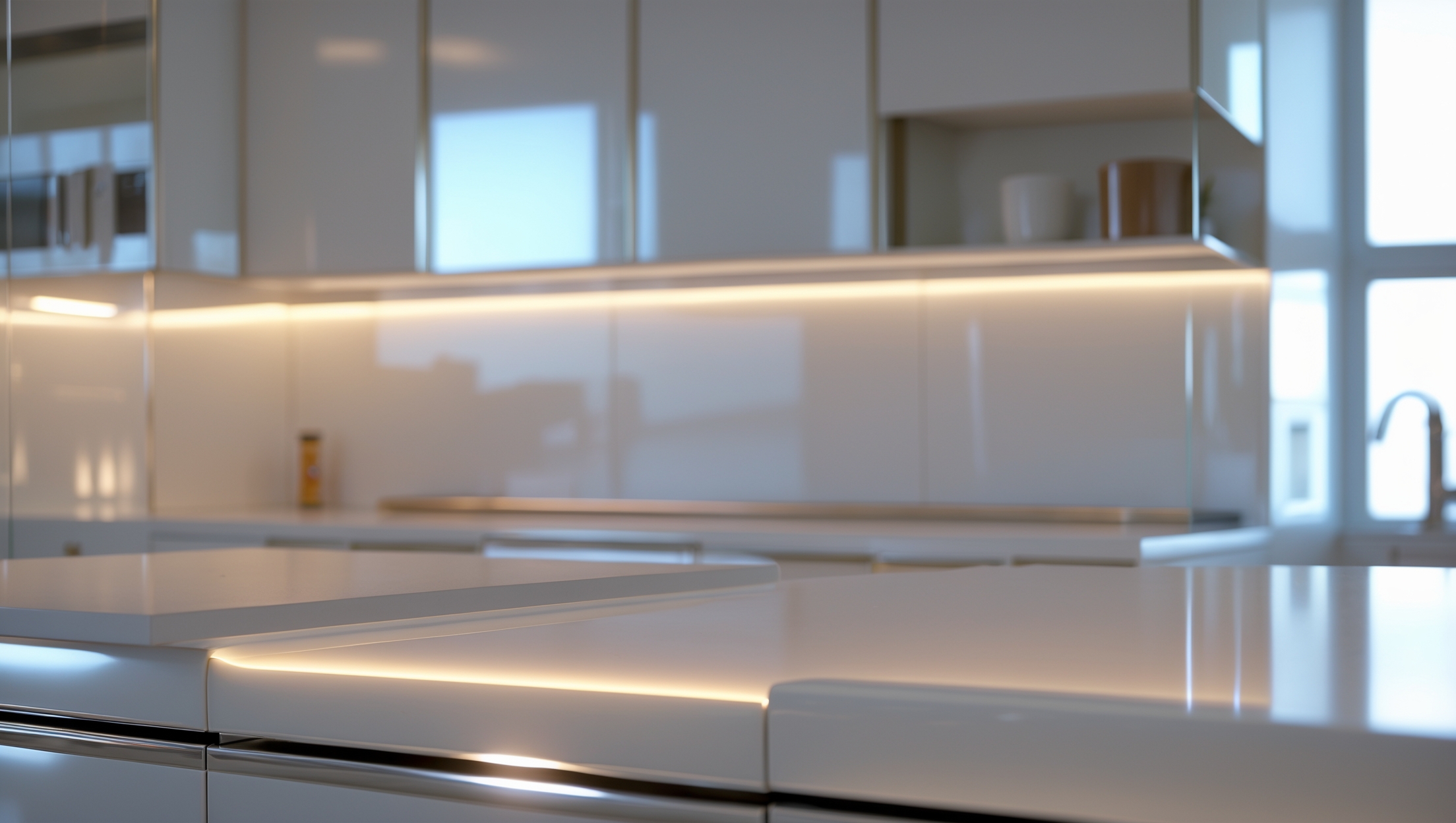
Introduction: Why Install Under-Cabinet Lighting?
Under-cabinet lighting is a game-changer in kitchen design, offering both functional task lighting and a modern aesthetic upgrade. Whether you’re an avid home chef needing better visibility for food prep or simply want to elevate the mood of your kitchen, installing under-cabinet lights is one of the most impactful, cost-effective improvements you can make. Yet, the process can feel daunting to those new to electrical work or DIY installations. This comprehensive tutorial demystifies every step, from selecting the right lighting system and tools to wiring, mounting, troubleshooting, and finishing touches. You’ll gain practical knowledge to complete this project safely, efficiently, and with professional-looking results, no prior experience required. If you’ve been considering a kitchen upgrade but dread the hassle or expense of a total renovation, this guide proves how a simple lighting enhancement can deliver remarkable transformation—boosting both utility and style.
Choosing the Right Under-Cabinet Lighting System
Understanding Lighting Types
There are three primary types of under-cabinet lighting: LED strips, puck lights, and fluorescent bars. Each has unique advantages:
- LED Strips: Flexible, energy-efficient, and available in various color temperatures. Ideal for continuous, even lighting.
- Puck Lights: Small, round fixtures perfect for spotlighting specific areas. Great for accent lighting.
- Fluorescent Bars: Provide bright, widespread illumination but are bulkier and less common in modern setups due to LED advancements.
Key Considerations
- Color Temperature: Warm white (2700K–3000K) complements wood cabinets, while cool white (4000K–5000K) suits contemporary kitchens.
- Dimmability: Choose fixtures compatible with dimmers for adjustable ambiance.
- Power Source: Plug-in systems are simpler to install, but hardwired options offer a seamless look and integration with wall switches.
- Size and Length: Measure your cabinet lengths to ensure optimal coverage without dark spots.
Recommended Products
For most DIYers, LED strip kits with adhesive backing and plug-in or hardwired options are user-friendly and deliver excellent results. Look for UL-listed products for safety assurance.
Budgeting and Cost Breakdown
Material Costs
- LED Strip Kit: $30–$80 (varies by length and quality)
- Power Supplies/Drivers: $15–$40
- Wire, Connectors, and Mounting Clips: $10–$30
- Optional Dimmers/Switches: $15–$40
- Basic Tools (if not already owned): $30–$60
Time Commitment
- Planning & Measuring: 30–60 minutes
- Installation: 2–4 hours (for an average-sized kitchen)
Potential Hidden Costs
- Hiring an electrician if hardwiring into existing circuits
- Drywall patching or paint touch-up if drilling new wall access points
Overall, a DIY under-cabinet lighting project typically costs $60–$200, depending on the complexity and quality of the system you select.
Essential Tools and Equipment Guide
- Measuring tape & pencil
- Utility knife or scissors (for cutting LED strips)
- Drill with small bits (for mounting clips or routing wires)
- Wire stripper/cutter (for hardwired systems)
- Screwdriver (Phillips and flathead)
- Voltage tester (for safety checks)
- Double-sided tape or mounting clips (usually included in kits)
- Cable management clips or channels (for a tidy finish)
Have all tools ready before you begin installation to streamline the process and avoid unnecessary interruptions.
Preparation and Safety Checklist
Planning Your Layout
- Measure the length of each cabinet section where lights will be installed.
- Mark planned positions for each fixture or LED strip to ensure even coverage.
- Identify nearby outlets or plan hardwiring route to wall switches.
Safety Essentials
- Turn off power at the breaker before any electrical work.
- Use a voltage tester to confirm wires are not live before connecting or splicing.
- Check that all lighting products are UL-listed and rated for kitchen use.
- Keep cables away from water sources and hot appliances.
Wear safety glasses and gloves when drilling or handling electrical components.
Step-by-Step Installation Tutorial
1. Dry Fitting and Marking
Before attaching anything, lay out all lights and components under the cabinets. Mark the placement with a pencil, ensuring that strips or fixtures are set towards the front edge for optimal countertop illumination.
2. Mounting the Lights
- LED Strips: Clean cabinet undersides with rubbing alcohol. Peel adhesive backing and press strips firmly in place. For longer runs, use mounting clips or channels at intervals to prevent sagging.
- Puck Lights: Screw mounting bases into pre-marked spots, then snap pucks into place.
- Fluorescent Bars: Screw brackets into the cabinet, then snap in the bars per manufacturer instructions.
3. Routing and Concealing Wires
- Drill small holes through cabinet dividers as needed to pass wires between sections.
- Use cable management clips or adhesive channels to keep wiring tidy and hidden from view.
- Avoid running wires near hot appliances (like toasters or ranges) to prevent heat damage.
4. Connecting Power
- Plug-in Systems: Run the power cord discreetly to the nearest outlet. Use cord covers if exposed.
- Hardwired Systems: If integrating with a wall switch, connect wiring per the light kit’s instructions—black to black (hot), white to white (neutral), and ground as directed. Secure connections with wire nuts and electrical tape.
- Double-check all connections with a voltage tester before restoring power.
5. Testing and Adjustments
- Switch the power back on.
- Test each section. If any segment fails to light, check for loose connections or incorrect polarity.
- Adjust position as needed for even illumination; reposition clips or strips if shadows appear.
Finishing Touches and Customization
Dimming and Smart Controls
Many LED kits support dimmers or smart home integration. Install an inline dimmer switch or connect to a smart plug for voice control and scheduling. Ensure compatibility with your lighting kit before purchasing dimmer accessories.
Color Temperature Fine-Tuning
Some modern LED strips offer adjustable color temperatures. Experiment with settings to find the most flattering light for your kitchen’s surfaces and your personal preference.
Hiding Power Supplies
Mount bulky power supplies or drivers inside upper cabinets, out of sight, using adhesive Velcro or screws. Drill a small hole to pass cables through if necessary.
Final Cable Management
Bundle excess cable neatly with twist ties or cable sleeves. A clean installation not only looks professional but also prevents dust buildup and accidental snags.
Maintenance Best Practices
- Dust lighting fixtures regularly with a microfiber cloth to maintain brightness.
- Inspect connections every six months for signs of wear or loosening.
- Replace faulty segments promptly—most LED strips allow for easy removal and replacement.
- Avoid using harsh chemicals that could degrade adhesives or cloud lens covers.
Keep a record of where each light is powered and how wiring is routed—helpful for troubleshooting or upgrading in the future.
Troubleshooting Common Issues
- Section not lighting: Check for loose connectors, poor splices, or incorrect polarity.
- Flickering lights: Ensure a stable power supply and that all connections are secure.
- Uneven brightness: Verify that the chosen power supply matches the total wattage of your lights. Consider splitting long runs into multiple circuits.
- Adhesive failure: Clean surfaces thoroughly; reinforce with clips or mounting tape if needed.
Frequently Asked Questions
Can I install under-cabinet lighting if I rent?
Yes! Opt for battery-powered or plug-in LED strips that don’t require drilling. Use removable adhesive clips and avoid permanent alterations.
Is it safe to link multiple LED strips together?
Yes, as long as you do not exceed the maximum wattage specified by the manufacturer for your power supply. Always follow product instructions.
How do I choose the best color temperature?
For warm, cozy light, select 2700K–3000K. For brighter, more neutral illumination, pick 4000K–5000K. Many modern LEDs let you adjust color temperature after installation.
Conclusion: Transforming Your Kitchen with Light
Upgrading your kitchen with under-cabinet lighting offers immediate, high-impact results—improving visibility, enhancing aesthetics, and even increasing property value. By following this comprehensive step-by-step guide, you can confidently tackle the project yourself, tailoring the installation to your kitchen’s unique needs and your personal style. Whether you prefer a subtle glow or crisp task lighting, today’s LED systems provide energy efficiency, flexibility, and long-lasting performance. Remember, successful installation hinges on careful planning, precise measurement, and adherence to safety best practices.
Beyond the functional improvements, new under-cabinet lighting creates an inviting ambiance that makes your kitchen a more enjoyable space for cooking, entertaining, or relaxing. The transformation is not only visual—many homeowners find that the improved lighting encourages better organization and even inspires culinary creativity.
With a modest investment of time and money, and the right tools and know-how, you can achieve a professional finish. Don’t hesitate to consult a licensed electrician for hardwiring or if you encounter unfamiliar wiring scenarios. Most importantly, take pride in your DIY accomplishment—each time you flip the switch, you’ll enjoy the results of your handiwork and the lasting benefits it brings to your home.
When you mention hardwired vs plug-in under-cabinet lighting, how complicated is it to hardwire the lights if I already have some outlets under my cabinets?
Hardwiring under-cabinet lights is more complex than plug-in options. Even with outlets present, hardwiring usually involves turning off power, running electrical wiring, and connecting the lights to a junction box. If you’re not experienced with electrical work, hiring a licensed electrician is safest.
For a small business kitchen that gets heavy daily use, do you recommend hardwired or plug-in LED strips for better durability and ease of maintenance?
For a small business kitchen with heavy daily use, hardwired LED strips are usually the better choice. They offer greater durability, a cleaner appearance, and less risk of cords getting unplugged or damaged. While installation is more involved, maintenance is easier long-term, as hardwired systems are designed for frequent use.
You mention that LED strips come in different color temperatures. For a small bakery kitchen, which temperature would provide the best balance of visibility and warmth for both staff and customers?
For a small bakery kitchen, a color temperature around 3500K to 4000K is a great choice. This range offers a balance between warm and cool light, ensuring good visibility for staff while still creating a welcoming atmosphere for customers.
Do LED strip lights usually come with dimmer compatibility, or is that something I would need to buy separately? I like the idea of adjusting the brightness throughout the day.
Most LED strip lights do not include a dimmer by default, so you’ll usually need to purchase a compatible LED dimmer separately. Some kits do offer built-in dimming features, so it’s a good idea to check the product details before buying if adjustable brightness is important to you.
You mention different color temperatures for matching cabinet styles, but how noticeable is the difference in real life? Would a cool white look too harsh in a kitchen with warm wood cabinets?
The difference in color temperature is quite noticeable in person. Cool white lighting can sometimes make warm wood cabinets look less inviting or even washed out. For kitchens with warm wood tones, a warmer white (around 2700K–3000K) usually complements the cabinets better and creates a cozier atmosphere.
How do I know if my existing electrical outlets are in a good spot for a plug-in system, or will I need to hire an electrician to add new outlets first?
Check if your current outlets are conveniently located near the cabinets where you want the lighting. Ideally, they should be easily accessible and not overloaded. If the nearest outlet is far away or hidden behind appliances, you may need new outlets installed, in which case hiring an electrician is recommended.
Could you share more about how to measure and plan for the right length of LED strips so there are no dark gaps or overlapping segments under the cabinets?
To ensure continuous lighting, measure the full length of the area under each cabinet where you want the LED strip. Add up these lengths and account for corners or breaks between cabinets. Cut the LED strips only at the marked cut points, and use connectors or corner pieces for turns. This prevents gaps or overlaps.
If I go with plug-in versus hardwired under-cabinet lights, will that noticeably affect the final look or resale value of my kitchen?
Plug-in under-cabinet lights are usually easier to install but may have visible cords unless well hidden, which can affect the sleekness of the look. Hardwired lights offer a cleaner, more seamless appearance and are often more appealing to potential buyers, potentially enhancing resale value.
How do I choose the right color temperature if my kitchen has both wood and white cabinets? The guide gives general suggestions, but I’m not sure what would look best in a mixed-style setup.
For a kitchen with both wood and white cabinets, a neutral white color temperature (around 3500K to 4000K) usually balances warmth and brightness. It flatters wood tones while keeping white cabinets looking crisp, creating cohesion in your mixed-style kitchen.
Could you clarify if it’s possible to install a dimmer switch with a plug-in under-cabinet LED system, or do dimmers only work with hardwired setups?
You can install a dimmer with a plug-in under-cabinet LED system, but it needs to be a plug-in dimmer designed for LEDs. Standard wall dimmers are typically for hardwired setups, so make sure the dimmer matches your lights and connects between the outlet and your plug-in system.
For a kitchen with wood cabinets, would you recommend warm white LED strips over puck lights in terms of overall light distribution and ease of installation? I’m especially curious about how even the lighting looks in practice.
Warm white LED strips are generally a better choice for wood cabinets if you want even light distribution. They provide a continuous line of light, which helps eliminate dark spots and shadows that puck lights can create. LED strips are also easier to install since they have adhesive backing and can be cut to fit your cabinet length.
If I go with puck lights to spotlight certain areas, would that leave dark patches between lights, or is there a way to get even coverage? Curious about the best way to layout those for both accent and task lighting.
Puck lights tend to create pools of light with darker areas in between, so spacing is key. For even coverage, place puck lights 8-12 inches apart and closer to the cabinet front. For both accent and task lighting, combine puck lights with strip lighting or overlap their light circles for better consistency.
I’m planning a small kitchen remodel on a budget—are plug-in under-cabinet systems usually much less expensive to install than hardwired options?
Yes, plug-in under-cabinet lighting systems are generally less expensive to install than hardwired options. They don’t require electrical work or a professional electrician, so you can often install them yourself. This makes them a popular choice for budget-friendly kitchen upgrades.
You mention that plug-in systems are simpler to install, but do they look noticeably different than hardwired ones? I want something beginner-friendly but I also want a seamless look in my kitchen.
Plug-in systems are definitely easier to install, but the cord and visible plug can make them look less seamless compared to hardwired options. If you want a truly seamless look, hardwired lights are best, but some plug-in models can be hidden well with careful cord management or by using cable covers.
Do you have any suggestions for choosing between warm and cool white LED strips when my kitchen has both dark wood and white cabinets? I’m trying to avoid clashing colors.
With both dark wood and white cabinets, a neutral white LED (around 3500K–4000K) usually works best to balance warmth and brightness without clashing. Warm white can highlight wood tones but may dull the white cabinets, while cool white sharpens whites but could feel too stark against dark wood.
Could you provide more detail on how to safely integrate dimmable LED strips with existing wall switches during a hardwired installation? I want to make sure I avoid common wiring mistakes.
To safely integrate dimmable LED strips with wall switches, use an LED-compatible dimmer switch. Ensure power is off before wiring. Connect the dimmer in place of your old switch, then wire the LED power supply through the dimmer. Double-check polarity, and never connect LEDs directly to mains power—always use the correct driver. If unsure, consult an electrician.
For someone with no electrical experience, how long should I expect the installation to take if I choose puck lights for a small kitchen?
If you have no electrical experience, installing puck lights in a small kitchen should take about 2 to 4 hours. This includes reading instructions, positioning the lights, securing them, and neatly managing the wires. Plan for a bit more time if you need to clear out cabinet spaces or troubleshoot issues.
You mentioned that hardwired under-cabinet lighting offers a more seamless look. Is that type of installation something a DIYer can handle safely, or is it better to hire an electrician?
Hardwired under-cabinet lighting does provide a sleek finish, but it typically involves working with your home’s electrical wiring. If you’re comfortable with electrical projects and local codes allow it, DIY is possible. However, if you’re unsure or new to electrical work, hiring a licensed electrician is safer and ensures your installation meets safety standards.
How long does a typical under-cabinet lighting installation take for someone who’s reasonably handy but hasn’t done electrical work before?
For someone reasonably handy but new to electrical work, installing under-cabinet lighting usually takes about 3 to 5 hours. This includes time for measuring, mounting fixtures, routing wires, and ensuring safe electrical connections. If you need to install a new outlet or do more complex wiring, allow a bit longer for those steps.
If I have an older kitchen with limited outlets under the cabinets, what are some safe troubleshooting tips or workarounds for installing plug-in lighting systems without overloading circuits?
If you have limited outlets, try using low-wattage LED under-cabinet lights to reduce electrical load. Avoid plugging too many lights into a single outlet. Use a power strip with surge protection only if it’s rated for the total wattage. If you’re unsure about your circuit’s capacity, consult an electrician to prevent overloads.
The article talks about choosing between LED strips, puck lights, and fluorescent bars. For a rental kitchen where I can’t do major electrical work, which type would you recommend for easy removal later?
For a rental kitchen, LED strips with adhesive backing or battery-operated puck lights are ideal. They’re easy to install without hardwiring, and you can remove them cleanly when you move out without damaging cabinets or wiring.
Between LED strips and puck lights, which would you recommend for a kitchen with mostly dark wood cabinets where both accent and task lighting are needed, and is there a big cost difference?
For dark wood cabinets needing both accent and task lighting, LED strips are usually better—they offer even, continuous light that brightens countertops and highlights cabinet finishes. Puck lights create focused spots and may leave shadows. LED strips are typically more cost-effective, especially for larger areas, while puck lights might cost more per unit and for installation.
When selecting between plug-in and hardwired under-cabinet lighting, what should I consider if my outlets are limited and I want to avoid visible cords?
If you have limited outlets and want to avoid visible cords, hardwired under-cabinet lighting is usually better. It connects directly to your home’s electrical system, so no plugs or dangling wires show. This option often requires professional installation but gives a clean, seamless look.
How much time should a beginner budget for completing the installation, from gathering materials to finishing touches, if they choose a plug-in system instead of hardwired lighting?
For a beginner using a plug-in system, you should allow about 2 to 4 hours to complete the entire installation. This includes gathering materials, mounting the lights, routing cords neatly, and testing everything for a polished look.
How much time should I budget for this project if I’ve never done any electrical work before, especially if I want dimmable lighting throughout my kitchen?
If you’re new to electrical work, set aside a full weekend—about 8 to 12 hours total. This allows extra time for reading instructions, careful wiring, and installing dimmer switches. Take it slow, and don’t hesitate to pause and double-check your work for safety.
You mention hardwired systems look more seamless, but is that something someone completely new to electrical work can safely tackle or should I stick with the plug-in versions?
If you’re completely new to electrical work, it’s safest to choose the plug-in versions. Hardwired systems often require handling electrical wiring and may involve shutting off circuits or installing junction boxes, which is best left to a licensed electrician to ensure safety and code compliance.
If I have dark wood cabinets, do you recommend warm white or cool white lights for the best visual effect? I want something that both looks nice and gives good task lighting.
For dark wood cabinets, warm white lights (around 2700K–3000K) usually complement the richness of the wood and create a cozy atmosphere. However, if you want brighter task lighting, a neutral white (around 3500K) is a great compromise, offering both clarity and a pleasant look.
How hard is it to retrofit hardwired under-cabinet lights if my kitchen currently only has plug-in outlets, and are there any safety concerns I should consider?
Retrofitting hardwired under-cabinet lights where only plug-in outlets exist can be moderately challenging, especially if new wiring and switches are needed. It typically involves electrical work, so hiring a licensed electrician is safest. Major safety concerns include proper wiring, avoiding overloading circuits, and following local electrical codes to prevent hazards.
For a small kitchen, what’s the most cost-effective way to get adjustable lighting—should I look for dimmable puck lights or are there affordable LED strips that work well with dimmers?
For a small kitchen, affordable LED strip lights are usually the most cost-effective and flexible option. Many LED strips are dimmable and work with inexpensive dimmer switches or remote controls. Just check that both the strips and dimmer are compatible. Dimmable puck lights can work too, but strips generally provide more even lighting and coverage.
Could you clarify how to safely hardwire under-cabinet lights if I’ve only ever done basic plug-in installations before? Are there specific safety steps to watch for when dealing with electrical wiring in kitchens?
When hardwiring under-cabinet lights, always turn off power at the circuit breaker first. Use a voltage tester to confirm wires are not live. Ensure connections are made inside an approved electrical box and wire nuts are tightly secured. Kitchens are wet areas, so use fixtures rated for damp locations and never splice wires outside a junction box. If unsure, consult a licensed electrician.
If I’m on a tight budget, are there certain types of under-cabinet lighting or features mentioned here, like dimmability, that I should skip to keep costs down while still improving my kitchen’s lighting?
To keep costs down, consider using basic LED strip lights or puck lights without extras like dimmability or remote controls. These provide good illumination and are affordable. You can always add features like dimmers later if needed, but simple plug-in options get you solid lighting on a budget.
You mentioned color temperature options—how noticeable is the difference between warm and cool white in an actual kitchen setting?
The difference between warm and cool white lighting is quite noticeable in a kitchen. Warm white gives a cozy, yellowish glow that feels inviting, while cool white is brighter and crisper, making surfaces look cleaner and more modern. Your choice will impact the overall mood and appearance of your kitchen space.
When deciding between plug-in and hardwired under-cabinet lights, are there any code requirements or permits to consider for a typical US kitchen?
For plug-in under-cabinet lights, you generally don’t need a permit since they just plug into existing outlets. Hardwired lights, however, usually require compliance with local electrical codes and may need a permit and inspection. Always check your local regulations or consult a licensed electrician before starting hardwired installations.
Can you clarify if the installation steps differ significantly between plug-in systems and hardwired under-cabinet lighting, especially regarding wiring and integration with existing kitchen switches?
Yes, there are key differences. Plug-in systems are simpler—just mount and plug into a nearby outlet, with no need to alter wiring. Hardwired lights require connecting to your home’s electrical system and often integrating with existing wall switches, which may need professional installation for safety and code compliance.
Do you recommend any specific dimmer switches for under-cabinet lighting, or are there compatibility issues I should watch out for depending on the type of lights I choose?
When choosing a dimmer switch, make sure it matches your lighting type—LED, fluorescent, or incandescent. For LED strips, use an LED-compatible dimmer to avoid flickering or buzzing. Some under-cabinet kits come with their own dimmer controls, so always check manufacturer recommendations for compatibility before purchasing.
If I choose puck lights for accent lighting, is there a way to make them dimmable if the fixtures themselves don’t support dimming, or would I need to select different lights?
If your puck lights aren’t designed to be dimmable, unfortunately, adding an external dimmer switch won’t make them dim. You would need to choose puck lights specifically labeled as dimmable to have that functionality.
Is it possible to add dimmer functionality to under-cabinet LED strip lights after installation, or do I need to select a dimmable system from the start?
You can often add dimmer functionality to LED strip lights after installation, as long as the type of LED strips and power supply you have are compatible with a dimmer. If your existing setup isn’t dimmable, you may need to swap to a dimmable driver or compatible dimmer switch.
If my cabinets are different depths along one wall, do LED strips still provide even lighting, or would you recommend puck lights for that situation?
When your cabinets have varying depths, LED strips can sometimes cause uneven lighting or shadows, especially on deeper sections. In such cases, puck lights may offer more focused, even illumination for each cabinet area. You can also combine both: use LED strips for continuous light and add puck lights where extra brightness is needed.
How do you recommend choosing between puck lights and LED strips if my main concern is getting both strong task lighting and a little accent lighting for ambiance? Is it ever worth mixing both types in one kitchen?
For strong task lighting plus ambient accent, LED strips usually offer more even, bright coverage for counters, while puck lights create focused pools of light and a decorative touch. Mixing both works well in larger kitchens—use strips for tasks, pucks for accent or display areas—giving you the best of both.
What should I budget for a typical under-cabinet lighting upgrade if I have about 15 feet of cabinet space and want both dimmability and a modern look?
For 15 feet of cabinet space with dimmable, modern LED lighting, you can expect to spend between $150 and $350. This includes quality LED strip lights, a compatible dimmer switch, connectors, and basic installation supplies. Hiring a professional would add extra labor costs, usually $100 to $250 more.
If I want to use LED strips but also want dimmable lighting, are there specific models or features I should look for to make sure they work with standard dimmer switches?
For dimmable LED strips, look for products labeled as “dimmable” and make sure they specify compatibility with standard wall dimmer switches. Many LED strips require an LED-compatible dimmer or a specific low-voltage dimmer rather than a traditional one. Check the product details and consider pairing with a compatible LED driver for smooth dimming.
In the tutorial, do you cover how to connect multiple LED strips so they work with a single wall switch if I want a hardwired look?
Yes, the tutorial explains how to connect multiple LED strips to a single power source so they can all be controlled by one wall switch for a hardwired appearance. It covers wiring tips, using connectors, and safety steps for achieving that streamlined setup.
You mention that color temperature affects how the cabinets look. Is it possible to mix warm and cool white lights in different areas, or would that look off in a single kitchen?
Mixing warm and cool white lights in one kitchen can create an uneven or disjointed appearance, as the color temperatures can clash. For a cohesive look, it’s best to stick with one color temperature throughout. If you want some variation, try subtle shifts rather than dramatic differences.
What’s a realistic estimate for total project time if I have no prior electrical experience and want to install dimmable under-cabinet lights throughout a medium-sized kitchen?
If you’re new to electrical work, installing dimmable under-cabinet lights in a medium kitchen will likely take 6 to 10 hours. This includes planning, gathering materials, mounting the lights, running cables, connecting dimmers, and cleanup. Taking your time and following safety instructions will help ensure a smooth project.
If I’m renting and can’t do any hardwiring, would plug-in LED strips still look polished enough, or do you have tips for hiding cords and making them blend in with my cabinets?
Plug-in LED strips can look polished if you take a few extra steps. Use adhesive cable clips or cord covers to route wires along the cabinet edges, keeping them out of sight. Choose strips with white or neutral cords to match your cabinets, and tuck excess cord behind appliances or inside nearby cabinets for a tidy look.
If I opt for LED strips, are there any recommended brands or features I should look for to avoid issues like flickering or uneven illumination over time?
When choosing LED strips, look for high CRI (Color Rendering Index) above 80, reputable brands like Philips or GE, and strips with at least 60 LEDs per meter for even lighting. Make sure they’re labeled as flicker-free and use a quality, compatible power supply to minimize flickering and ensure consistent illumination over time.
For someone who has never done any electrical work before, would you recommend starting with a plug-in system instead of a hardwired one to avoid making mistakes?
Yes, a plug-in under-cabinet lighting system is a much better choice for beginners. It requires no direct wiring and just plugs into a standard outlet, making installation safer and much easier if you have no electrical experience.
I noticed you mentioned different color temperatures for various kitchen styles. If my kitchen has both wood and modern metal accents, is it best to mix warm and cool white LEDs, or should I stick to one tone?
For a kitchen with both wood and metal accents, a neutral white LED (around 3500K–4000K) is usually a safe choice, as it balances warmth and modernity. Mixing warm and cool tones can work but often looks uneven, so sticking to one consistent tone generally creates a more cohesive look.
You mention picking the right color temperature for the kitchen. If my cabinets are a mix of wood and glossy white, would warm white or cool white lighting blend better, or should I consider adjustable LEDs?
With a mix of wood and glossy white cabinets, adjustable LEDs are a great choice—they let you experiment and pick what looks best. Warm white brings out the coziness of wood, while cool white highlights the sleekness of glossy finishes. Adjustable options give you flexibility for different moods and tasks.
How hard is it to install hardwired under-cabinet lighting if I’ve never done electrical work before? Does your guide cover how to safely connect wires to my existing wall switch?
Hardwired under-cabinet lighting can be challenging for beginners, especially if you’ve never worked with electrical wiring. The guide provides safety tips and step-by-step instructions for connecting wires to your existing wall switch, but if you feel unsure, it’s a good idea to consult a licensed electrician for that part.
Can you recommend the safest way for someone with very little electrical experience to hardwire under-cabinet lighting, or should I stick to plug-in options for now?
If you have very little electrical experience, it’s much safer to use plug-in under-cabinet lighting. Hardwiring involves working directly with your home’s electrical system, which can be risky without proper knowledge. Plug-in options are easier to install and still look great. If you want hardwired lights, consider hiring a licensed electrician.
When installing hardwired under-cabinet lights as you mention, is it usually necessary to add a new circuit or can you typically tie into an existing kitchen circuit safely?
You can often tie hardwired under-cabinet lights into an existing kitchen circuit, as long as the total load doesn’t exceed circuit capacity. However, kitchens can have tightly regulated electrical codes, so it’s important to check your local code requirements and consider consulting a licensed electrician to ensure safety and compliance.
If I want to hardwire LED strips so they turn on with my existing wall switch, do I need to hire an electrician, or is this something a DIYer can reasonably handle?
Hardwiring LED strips to your wall switch involves working with your home’s electrical wiring, which can be risky if you’re not experienced. If you’re comfortable and knowledgeable with basic wiring and local codes, some DIYers handle it safely. However, if you’re unsure, hiring a licensed electrician is safest to ensure proper installation and avoid hazards.
Are there any noticeable differences in energy efficiency or maintenance between LED strips and puck lights, especially over a few years of daily use?
LED strips are generally more energy-efficient than puck lights, using less power for the same brightness. Over a few years, LED strips also require less maintenance since they have fewer individual components and tend to distribute heat better, which helps them last longer with consistent daily use.
If I choose LED strips for my kitchen, are there specific troubleshooting steps you recommend for flickering or uneven lighting after installation?
For flickering or uneven lighting with LED strips, check all connections to ensure they’re secure, verify that your power supply matches the LED strip’s voltage and wattage, and inspect the strips for any damage or loose segments. Also, avoid mixing different brands or types of strips on the same circuit, as this can cause inconsistent lighting.
If I want to use a dimmer with LED strip lights, do I need a specific type of dimmer switch or will any regular dimmer work?
For LED strip lights, you need a dimmer switch specifically designed for LEDs. Regular incandescent dimmers often don’t work properly with LED lighting and may cause flickering or limited dimming range. Make sure to choose a compatible LED dimmer that matches your LED strip’s voltage and wattage requirements.
I’m interested in LED strips, but my cabinets have a lot of corners—do you have any tips for installing them around bends without gaps in the light?
For corners, use flexible LED strip connectors or cuttable LED strips designed for bending. You can also gently bend the strip at the corner if your model allows, but avoid sharp folds to prevent damage. Planning the layout and pre-measuring helps minimize gaps and keep the lighting continuous.
You mention warm versus cool white lighting for different cabinet styles. Is there a way to try out the color temperature before committing, or maybe a way to adjust it later if I change my mind?
You can purchase LED light strips or puck lights with adjustable color temperature (often called tunable white or CCT adjustable). These let you easily switch between warm and cool white until you find what suits your kitchen best, and you can change it anytime if your preferences or cabinet style changes.
How tricky is it to tie hardwired under-cabinet lighting into an existing wall switch without cutting too many holes in drywall? I want a seamless look but I’m worried about the electrical aspect since my outlets are on the backsplash.
Tying hardwired under-cabinet lighting into an existing wall switch can be challenging, especially if your outlets are on the backsplash and you want minimal drywall cuts. It’s possible, but often requires fishing wires behind the walls or cabinets. Hiring a licensed electrician can help you achieve a seamless look while ensuring everything is up to code and safely installed.
How much should I budget for a standard-size kitchen if I go with LED strips and want both dimmability and a hardwired installation?
For a standard-size kitchen, budgeting around $200 to $500 is reasonable for LED strip lighting with dimmable features and hardwired installation. Costs vary based on quality, length needed, and whether you hire an electrician. Labor usually makes up a significant portion if you don’t DIY.
I’m a little nervous about wiring since I have no experience. Are there any extra safety precautions I should take as a complete beginner when installing hardwired under-cabinet lights?
Since you’re new to wiring, always turn off power at the circuit breaker before starting. Use a voltage tester to double-check wires are not live. Wear insulated gloves, follow the manufacturer’s instructions closely, and don’t hesitate to ask a licensed electrician for help if you feel unsure at any step.
Does the guide cover how to hide wires and power adapters for plug-in lighting systems, or do you have tips to make sure everything looks tidy under the cabinets?
The guide does mention basic ways to conceal wires, such as using cable channels or adhesive clips to keep them neatly tucked along the cabinet edges. For plug-in systems, running wires close to the cabinet underside and using cord covers can help maintain a tidy, streamlined look.
For kitchens with both wooden and glossy cabinets, is it better to pick a warm or cool white color temperature, or even mix both types for different zones?
For a kitchen with both wooden and glossy cabinets, warm white lighting usually complements wood by enhancing its natural tones, while cool white can accentuate the sleekness of glossy surfaces. If you want a balanced look, you can mix both: use warm white under wooden cabinets and cool white under glossy ones.
If my cabinets vary in size, what’s the best strategy for measuring and selecting the correct length of LED strips to create even lighting without visible gaps?
Measure each cabinet section separately and choose LED strips that match the length of each underside. If strips aren’t available in exact sizes, pick slightly shorter strips and center them, or use connectors to link multiple strips for longer runs. This approach avoids gaps and keeps lighting even across all cabinet sizes.
Are there affordable dimmable LED strip options that still give that professional, seamless effect, or does adding dimmability significantly increase the cost?
There are definitely affordable dimmable LED strip options that look professional and seamless. Many budget-friendly LED strip kits include dimmable features, especially those using remote controls or compatible wall dimmers. Adding dimmability may increase the cost slightly, but it usually doesn’t make a huge difference—look for reputable brands with good reviews for the best results.
Are there any tips in the tutorial for hiding the wires completely if I have really shallow cabinets? I’m worried about cords showing and messing up the modern look.
The tutorial suggests using adhesive cable channels or raceways to hide wires, even under shallow cabinets. It also recommends running wires along the inside back edge or painting channels to match your cabinetry. For a seamless look, tuck the wires close to the bottom edge and secure them with clips or tape.
You mentioned color temperatures for matching the kitchen style, but are there specific brands or models of dimmable LED strips that consistently perform well and are easy for a beginner to install?
Yes, some brands like Philips Hue Lightstrip Plus, HitLights, and Litever are known for reliable dimmable LED strips that are beginner-friendly. These often come with adhesive backing and clear instructions, making installation straightforward. For kitchens, look for kits with adjustable color temperature and included dimmers for maximum flexibility.
You mention both plug-in and hardwired under-cabinet lighting options. Is it possible to upgrade from a plug-in system to hardwired later on, or does that require a full reinstallation?
Upgrading from a plug-in to a hardwired under-cabinet lighting system is possible, but it usually requires some rewiring and electrical work. In most cases, you’ll need to remove the plug-in system and install new hardwired fixtures, so it’s closer to a full reinstallation than a simple upgrade.
If I choose a plug-in system for ease of installation, are there any creative ways to hide cords and achieve a seamless look like you would get with hardwiring?
You can hide plug-in cords by using adhesive cable raceways or channels that match your cabinet color, running them along the underside or back edge of the cabinets. You can also secure cords neatly with clips and tuck plugs behind appliances or inside cabinets for a cleaner look, making the setup nearly as seamless as hardwired lighting.
When it comes to color temperature, if my cabinets are a mix of wood and painted surfaces, is there a recommended range that would look good with both?
A color temperature around 3000K to 3500K usually works well for both wood and painted cabinets. This range provides a warm yet neutral light that enhances natural wood tones while still looking fresh on painted surfaces.
Do LED strip lights usually require any special tools or skills for mounting and wiring compared to puck lights, especially for someone with very little DIY experience?
LED strip lights are generally easier to install than puck lights, especially for beginners. Usually, all you need is scissors for cutting to length and a screwdriver for attaching the power supply. Most strips have adhesive backing, so no drilling is required, and wiring is often just simple plug-and-play.
Could you explain how to determine the total length of LED strip lights needed before purchasing, especially if my cabinets are different sizes?
To figure out the total LED strip length, measure the underside of each cabinet where you want lighting. Add together the lengths of all cabinet sections, making sure to account for corners or gaps. This combined measurement is the total length of LED strip you’ll need to buy.
You mention color temperatures for matching cabinet styles, but is there a way to mix warm and cool lights if my kitchen has both wood and more modern elements?
Yes, you can mix warm and cool lights to complement different areas of your kitchen. For example, use warmer lights under wood cabinets to highlight their natural tones, and cooler lights under modern sections for a crisp, contemporary feel. Just try to avoid placing contrasting temperatures side by side, as it can look uneven.
How difficult is it to make sure all the under-cabinet lights match in color temperature, especially if I have to buy them in multiple packs?
Matching color temperature can be tricky if buying from multiple packs or brands, since slight variations may occur. To get a consistent look, buy all your lights from the same brand and product line, and check the Kelvin rating on the packaging to ensure they all match.
For someone new to wiring, could you elaborate on the main safety precautions to keep in mind during the hardwiring process for under-cabinet lighting?
When hardwiring under-cabinet lighting, always shut off power at the circuit breaker before starting. Use a voltage tester to double-check that the wires are not live. Work with dry hands, avoid touching exposed wires, and follow manufacturer instructions. If you’re unsure about any step, consider consulting a licensed electrician.
You mention that LED strips come in various color temperatures. Is it difficult to swap out the strip later if I decide I want a cooler or warmer tone, or is it better to decide up front?
Swapping out LED strips for a different color temperature is usually straightforward, especially if you use adhesive-backed strips with plug-in connectors. However, it’s easier and saves time to decide on your preferred tone before installing, as you’ll avoid repeating the measuring and mounting process.
You mention that LED strips come in different color temperatures. Is there a way to easily test which temperature looks best in my kitchen before I make a final purchase?
Yes, many lighting stores offer sample LED strips or demo kits with various color temperatures. You can temporarily set these up under your cabinets to see how each one looks in your kitchen’s lighting and decor before committing to a purchase.
Do you have any advice for mounting LED strips on textured or uneven cabinet undersides to make sure they stick well and look seamless like in your tutorial?
For textured or uneven cabinet undersides, clean the surface thoroughly and consider using mounting clips or aluminum channels for the LED strips. These provide a flat base and help conceal bumps, resulting in a more seamless look. Double-sided foam tape can also improve adhesion if the texture isn’t too rough.
If my kitchen is mostly wood cabinets, would you recommend warm white LED strips over cool white, or does it just come down to personal preference?
Warm white LED strips usually complement wood cabinets by highlighting their natural tones and creating a cozy atmosphere. Cool white can sometimes make wood appear a bit washed out. Unless you prefer a more modern, crisp feel, warm white is generally the better choice for wood kitchens.
Could you provide more detail on how to choose the right color temperature? Specifically, if my kitchen has mixed wood and white cabinets, is it better to lean towards warm or cool white lighting for the most balanced look?
For a kitchen with mixed wood and white cabinets, a neutral white (around 3500K to 4000K) usually offers the most balanced look. Warm white (2700K-3000K) can enhance wood tones but may make whites look yellowish, while cool white (5000K+) can make wood appear washed out. Neutral white helps both wood and white elements look fresh and natural together.
If my kitchen cabinets aren’t all the same length, how do I best size and position LED strip lights to avoid dark spots or unused overhang?
Measure each cabinet section individually and cut the LED strips to fit each one exactly, ensuring the strips start and end close to the cabinet edges. If there are gaps between cabinets, use flexible connectors to bridge them. This way, you’ll get even lighting coverage without dark spots or wasted overhang.
You mentioned that LED strips come in different color temperatures. Is there a noticeable difference in how food looks under warm versus cool lighting, and does it really affect the feel of the kitchen?
Yes, there is a noticeable difference! Warm lighting (around 2700K-3000K) gives food a cozy, inviting look and enhances warmer tones. Cool lighting (4000K-6000K) can make the kitchen feel brighter and more modern but might make food look a bit less vibrant. The choice really does impact the overall feel of your kitchen space.
If my kitchen cabinets are mostly warm wood tones, would sticking to 2700K lights look too yellow, or is there a middle ground that still feels modern?
A 2700K light will enhance the warmth of your wood cabinets but could look a bit yellow if you want a modern feel. For a balanced look, consider 3000K—it’s still warm but a bit crisper, maintaining coziness while feeling updated.
For someone on a tight budget, which under-cabinet lighting option tends to offer the best balance between energy savings and upfront cost, especially for a medium-sized kitchen?
LED strip lights are usually the most budget-friendly and energy-efficient option for a medium-sized kitchen. They offer low energy consumption, long lifespan, and are easy to install, which helps keep both initial costs and future electricity bills down.
Can you clarify if plug-in LED strips need to be mounted close to an outlet, or are there recommended ways to hide or extend the power cords for a cleaner look?
Plug-in LED strips do need access to a nearby outlet, but you don’t have to mount them right next to it. For a cleaner look, you can use cord covers, run the cord behind or under cabinets, or use extension cords rated for indoor use to reach a more hidden outlet.
For a student budget, which type of under-cabinet lighting tends to be the most cost-effective when factoring in both initial cost and long-term energy savings?
LED strip lights are usually the most cost-effective choice for students. They have a low upfront cost, are easy to install, and use very little electricity, which helps save money on energy bills over time compared to halogen or fluorescent options.
You mention both plug-in and hardwired options—how difficult is it for a beginner to safely do the hardwired installation, and are there specific tools needed beyond the basics?
Hardwired installation is more advanced than plug-in, as it involves working with electrical wiring and may require shutting off circuit breakers, wire stripping, and connecting wires with wire nuts. Besides basic tools, you’ll need a voltage tester, wire strippers, and possibly a drill. If you’re not familiar with electrical work, it’s safest to consult or hire a licensed electrician.
Could you clarify if hardwiring under-cabinet lighting into an existing wall switch requires any special permitting or inspection in most US states?
In most US states, hardwiring under-cabinet lighting to an existing wall switch typically does require a permit and possibly an inspection, since it involves electrical work. Requirements can vary by local code, so it’s important to check with your city or county’s building department before starting the project.
Could you clarify if plug-in LED strips are safe to use with power strips in older kitchens, or is it better to go hardwired even if the panel is far from the cabinets?
Plug-in LED strips are generally safe to use with power strips, as long as the power strip is in good condition and not overloaded. However, in older kitchens with outdated wiring, hardwiring can be safer and more reliable. If the panel is far, consider consulting an electrician to evaluate your setup and ensure everything meets safety codes.
I see you mention both puck lights and LED strips for under-cabinet lighting. Have you found one to be more durable or easier to maintain in a busy kitchen environment?
LED strips generally offer better durability and are easier to maintain in busy kitchens. They have fewer exposed parts, create a continuous light, and can be wiped clean quickly. Puck lights may require more frequent bulb changes and can collect more dust or grease over time.
Could you clarify whether LED strips or puck lights tend to last longer and require less maintenance over time? I’m trying to pick an option that won’t need frequent replacement.
LED strip lights generally last longer and require less maintenance than puck lights. Quality LED strips can last 30,000 to 50,000 hours with minimal upkeep, while puck lights may have shorter lifespans, especially if they use replaceable bulbs. If longevity and low maintenance are your priority, LED strips are usually the better choice.
I’m interested in LED strips, but I have an older home—will I need to update any wiring or breakers before starting this installation?
If your older home’s outlets and wiring are in good condition and up to code, you typically won’t need to update wiring or breakers for LED strip lights, as they use very little power. Just ensure you have a grounded outlet nearby for the LED power supply and check for any visible wiring issues before you start.
I noticed you mentioned both plug-in and hardwired options. For someone without electrical experience, is it realistic to attempt a hardwired setup, or should I stick to plug-in lights for safety?
If you don’t have electrical experience, it’s much safer to stick with plug-in under-cabinet lights. Hardwired installations involve working with your home’s electrical wiring, which can be risky without proper knowledge. Plug-in options are designed for easy, tool-free setup and are great for DIY projects.
For someone with zero prior experience, about how long does it typically take to complete the installation, including wiring and mounting, if I choose a plug-in system?
If you have no prior experience, installing a plug-in under-cabinet lighting system usually takes about 1 to 2 hours. Plug-in systems are designed for easy setup, usually requiring only basic tools for mounting and simple routing of the cord to a nearby outlet.
Is it possible to combine puck lights and LED strips in the same kitchen, or will that look mismatched? I have both open shelving and standard cabinets.
You can definitely combine puck lights and LED strips in your kitchen. Puck lights work well for spotlighting areas like open shelves, while LED strips offer even illumination under cabinets. Mixing both can create a layered look—as long as you choose similar color temperatures, the style will look cohesive, not mismatched.
If I want to use a dimmer switch with these under-cabinet lights, does it matter which type I pick, or do all LED strips work with any standard dimmer?
When using a dimmer switch with under-cabinet LED lights, it’s important to choose a dimmer compatible with your specific LED strips. Not all LED strips work with standard dimmers—some require special LED-compatible or low-voltage dimmers. Always check the manufacturer’s recommendations for both your LED strips and the dimmer.
If my kitchen has both wood and glossy white cabinets, how would you recommend balancing the color temperature of the under-cabinet lighting so it looks cohesive throughout the space?
To achieve a cohesive look, choose a neutral white color temperature—around 3500K to 4000K—which works well with both wood and glossy white cabinets. This range provides warmth without being too yellow or too cool, complementing both finishes evenly.
I like the idea of dimmable under-cabinet lights, but is it complicated to add a dimmer if I go with a plug-in system instead of a hardwired one?
Adding a dimmer to a plug-in under-cabinet lighting system is usually quite simple. You can use a plug-in dimmer switch that plugs into your wall outlet, then plug your lights into the dimmer. No wiring is necessary, just make sure your chosen lights are compatible with dimmers.
How much time should I realistically set aside to complete this under-cabinet lighting project, including wiring, mounting, and any troubleshooting that might pop up along the way?
You should plan for about 3 to 6 hours to complete the under-cabinet lighting project, depending on your experience and the kitchen size. This timeframe includes wiring, mounting the lights, and allowing for any troubleshooting or adjustments that might be needed along the way.
Could you share any troubleshooting tips for common issues like flickering or uneven brightness specifically with LED strip installations?
Flickering or uneven brightness in LED strip installations often results from loose connections, using the wrong power supply, or voltage drop along longer strips. Check all connectors for a secure fit, make sure your power supply matches the LED strip’s voltage and wattage requirements, and consider adding amplifiers for long runs to maintain even brightness.
When measuring the cabinets to choose the right size and length of lighting, do you have tips for dealing with corners or uneven cabinet spacing to ensure consistent illumination?
For corners or uneven cabinet spacing, measure each section separately and use flexible or segmented lighting strips. Overlap lighting slightly at corners to avoid dark spots. If cabinets vary in depth, choose lighting that can be trimmed or adjusted to fit each section for a seamless, consistent look.
For a kitchen with mostly wood cabinets, do you recommend sticking to the warm white LED strips, or can a higher color temperature still look good without making the space too harsh?
Warm white LED strips (around 2700K–3000K) generally complement wood cabinets by enhancing their natural tones and creating a cozy feel. Higher color temperatures (4000K and above) can work if you want a brighter, more modern look, but might make wood appear less rich. Consider testing both to see which suits your kitchen best.
If my cabinets are all different lengths, how do I figure out the right size and number of light fixtures to buy so everything lines up evenly? Is measuring each section separately the best approach?
Yes, measuring each cabinet section separately is the best way to ensure a good fit. Once you have those measurements, choose light fixtures that closely match each section’s length, or use multiple shorter bars for longer cabinets. This approach will help your lighting look even and continuous across all cabinet sizes.
For someone on a tight budget, are LED strips really that much more cost-effective in the long run compared to cheaper puck lights?
LED strips often use less electricity and last longer than cheaper puck lights, so they can save you money over time on both energy and replacements. While puck lights may have a lower upfront cost, LED strips are generally more efficient and require less frequent maintenance.
If I want to add dimmable under-cabinet lights on a tight budget, which type would be the most cost-effective without sacrificing quality or safety?
LED strip lights are a great option for dimmable under-cabinet lighting on a budget. Look for kits labeled as dimmable and UL-listed for safety. Pair them with a compatible LED dimmer switch to control brightness without sacrificing quality.
Can you give some tips on how to hide wires when installing plug-in LED strips so they don’t look messy under the cabinets?
To keep wires hidden, use adhesive cable clips to secure them along the underside or back edge of cabinets. If possible, route the wires through grooves or behind cabinet trim. You can also use paintable cable channels to match your cabinet color, making the wires blend in seamlessly.
If I want to keep costs low, are plug-in lighting systems significantly less expensive to install compared to hardwired options, or do other factors affect the overall budget?
Plug-in under-cabinet lighting systems are usually less expensive overall because you avoid hiring an electrician for wiring. However, consider the cost of visible outlets and the look you want—hardwired systems give a cleaner appearance but cost more in labor. So, while plug-in is more budget-friendly, your priorities for aesthetics and convenience also matter.
Do you have any recommendations on the most reliable type of dimmer switch to use with LED strip lights, especially for achieving a smooth range of brightness in a kitchen environment?
For LED strip lights in kitchens, a leading choice is a TRIAC-compatible LED dimmer switch, as long as your LED driver supports it. Look for models specifically rated for LEDs to prevent flicker and ensure smooth dimming. Lutron and Leviton are two reliable brands often recommended for consistent performance with LED strips.
I’m curious about using LED strips versus puck lights for a small kitchen—do you have advice on which provides better coverage for food prep, especially in darker corners?
For a small kitchen, LED strips usually provide more even and continuous light coverage along the entire countertop, which helps illuminate darker corners better for food prep. Puck lights tend to create bright spots with shadows in between, so strips are generally the better choice for comprehensive task lighting.
If I go with the hardwired LED strip option, does your guide cover how to safely connect the wiring to an existing kitchen circuit or should I hire an electrician for that part?
The guide explains the installation steps for under-cabinet lighting, but it does not provide detailed instructions for connecting to an existing kitchen circuit. For safety and code compliance, hiring a licensed electrician for the hardwired connection is strongly recommended.
I’m interested in LED strips for my small restaurant kitchen. Do you have recommendations for specific brands or features to look for if I want both dimmability and a cool white color temperature?
For your restaurant kitchen, look for LED strip brands like Philips Hue or WAC Lighting, as they offer good build quality and reliable dimmability. Choose models labeled as dimmable and with a color temperature around 4000K to 5000K for a cool white light. Make sure the strips are easy to clean and have sufficient brightness for a commercial space.
How complicated is it to add dimmers if I choose LED strips? Do you need any extra wiring or special switches beyond what comes in most kits?
Adding dimmers to LED strip lights is usually straightforward, but you may need a compatible dimmer switch and possibly some extra wiring. Many basic kits don’t include dimmable controllers, so check if your kit supports dimming and whether a special dimmer or remote is required for your specific LED strips.
About measuring for size and length, is it better to run the lights the full cabinet length or leave some space at the edges?
For the most seamless look and best light coverage, it’s usually best to run the under-cabinet lights as close to the full cabinet length as possible. Leaving a small space at the edges is fine for wiring or hardware clearance, but avoid large gaps so the lighting looks continuous.
If I want to make my kitchen brighter but also energy efficient, how do LED strips compare to fluorescent bars in terms of electricity usage over time?
LED strips are generally more energy efficient than fluorescent bars, using about 30–50% less electricity for the same brightness. Over time, this means lower utility bills. LEDs also last longer, so you’ll save on replacement costs as well.
You mention both LED strips and puck lights, but how do I decide which is better for my kitchen if I want both accent and task lighting?
If you want both accent and task lighting, consider combining the two. Use LED strips for even, continuous accent lighting along the length of your cabinets, and add puck lights under specific areas like prep zones or sinks for focused task lighting. This way, you get both ambiance and practical illumination where you need it most.
If I want to avoid hiring an electrician, is it realistic to hardwire under-cabinet lights myself using just the steps in this tutorial, or should I stick to plug-in options for safety?
If you don’t have electrical experience, it’s safest to use plug-in under-cabinet lights. Hardwiring involves working with your home’s electrical system, which can be risky without the right skills or permits. The tutorial is great for simple setups, but for hardwiring, hiring a professional is strongly recommended.
If my kitchen has a mix of wood and white cabinets, do you recommend sticking with one color temperature for the lighting, or is it possible to mix warm and cool tones for different sections?
It’s best to stick with one color temperature throughout your kitchen to create a cohesive and balanced look, especially with a mix of wood and white cabinets. Mixing warm and cool tones can create uneven lighting and distract from your kitchen’s design.
I’m curious if there’s a big difference in installation difficulty between plug-in and hardwired under-cabinet lights for someone new to DIY projects.
Plug-in under-cabinet lights are much easier for beginners since they only require mounting the fixtures and plugging them into an outlet. Hardwired lights involve electrical wiring, which can be more complex and may require turning off power and connecting wires safely. For someone new to DIY, plug-in options are usually the simplest and safest choice.
If I want my under-cabinet lights to be controlled by the same wall switch as my main kitchen lights, do I have to go with a hardwired setup or is there a way to do that with plug-in systems?
To control both your main kitchen lights and under-cabinet lights with the same wall switch, a hardwired setup is usually the best solution. Plug-in systems typically operate independently unless you use smart plugs or specialized wireless controls, but these may require extra configuration and not all plug-in lights support switch control.
I noticed you mentioned both plug-in and hardwired options for under-cabinet lights. For someone without much electrical experience, how complicated is it to install a hardwired system compared to plug-in, and are there specific safety codes I should be aware of in the US?
Installing a hardwired under-cabinet lighting system is significantly more complex than a plug-in version, especially if you lack electrical experience. Hardwired systems usually require running new wiring, connecting to your home’s electrical circuit, and sometimes installing a wall switch. In the US, you must follow the National Electrical Code (NEC) and may need a permit. Hiring a licensed electrician is strongly recommended for safety.
With kids in the house, I’m concerned about safety—do puck lights or LED strips tend to run cooler to the touch, or should I worry about heat buildup under the cabinets?
LED strip lights generally run cooler than puck lights, making them safer for homes with kids. Most modern LED strips produce very little heat, so heat buildup under cabinets is rarely an issue. As always, ensure the lights are properly installed and not covered to allow for good airflow.
Can you clarify if plug-in under-cabinet lights are safe to use near sinks, or would I be better off going with the hardwired option for safety?
Plug-in under-cabinet lights can be safe if they’re kept away from water and properly installed. However, for areas near sinks where moisture is present, hardwired options are generally safer and more secure, reducing the risk of electrical hazards. Always follow local electrical codes and consider using fixtures rated for damp locations.
Could you give a rough estimate of the total time and budget needed for a basic LED strip installation in a medium-sized kitchen?
For a medium-sized kitchen, installing basic LED strip lighting usually takes around 2 to 4 hours, depending on your experience. The total budget typically ranges from $50 to $150, covering LED strips, connectors, adhesive, and a power supply. Professional installation may cost more.
You mentioned that LED strips are ideal for continuous lighting, but are there any situations where puck lights or fluorescent bars work better, especially in smaller kitchens?
Puck lights can be a better choice if you want focused pools of light for tasks or to highlight specific areas, like under a single cabinet. Fluorescent bars are sometimes preferred for even lighting over longer runs, but they can be bulkier. In small kitchens, puck lights can add accent lighting without overwhelming the space.
If I want to use hardwired LED strips for a seamless look, how complicated is the wiring for someone who’s never done electrical work before? Are there any key safety steps you recommend?
Wiring hardwired LED strips can be tricky for a beginner, as it involves connecting to your home’s electrical system. If you’re unfamiliar with electrical work, it’s safest to hire a licensed electrician. If you want to try it yourself, always turn off the power at the breaker, use a voltage tester, and follow all instructions closely to prevent injury.
Could you provide more guidelines on matching the color temperature of LED strips to different countertop materials, not just cabinet color?
Certainly! For warm countertops like wood or beige stone, choose LED strips around 2700K–3000K for a cozy effect. White or gray countertops pair well with neutral 3500K–4000K LEDs for balanced light. For cooler materials like marble or blue-toned quartz, opt for 4000K–5000K to enhance their crisp look.
You mentioned that plug-in lighting systems are simpler to install. For someone renting an apartment, do you recommend these over hardwired options to avoid permanent changes?
Plug-in lighting systems are a great choice for renters since they don’t require any hardwiring or permanent changes to your kitchen. They’re easy to install and remove, so you can take them with you when you move out. Hardwired options typically aren’t allowed in rentals due to lease restrictions.
When measuring for LED strips, should I leave space at the ends to avoid overlap, and how do you recommend handling corners or uneven surfaces under the cabinets?
Yes, leave a small gap at the ends to prevent the LED strips from overlapping or being crammed against cabinet edges. For corners, use flexible LED connectors or gently bend the strip if it’s designed to do so. On uneven surfaces, clean and level the area as much as possible before sticking the strips for best adhesion.
If my kitchen has both wood and white cabinets, should I mix color temperatures for the under-cabinet lighting, or will that look mismatched?
Using a single color temperature for all under-cabinet lighting will create a more unified look. Mixing color temperatures can make the lighting appear mismatched, especially with both wood and white cabinets. A neutral white (around 3500K-4000K) usually complements both finishes well.
If my kitchen cabinets are a mix of wood and glossy finishes, should I stick with a single color temperature for the LED strips, or mix warm and cool lights for different sections?
It’s best to pick a single color temperature for your LED strips to ensure a cohesive and balanced look across your kitchen. Mixing warm and cool lights can create uneven lighting and make the finishes look mismatched. Choose the color temperature that best complements both your wood and glossy surfaces.
Our kitchen outlets are already pretty crowded. Can you recommend a budget-friendly solution if I want to hardwire under-cabinet lights so they’re controlled with my existing wall switch?
You might consider using low-voltage LED strip lights with a hardwired LED driver. An electrician can tie the driver into your existing wall switch circuit, which keeps outlets free. This setup is cost-effective and offers a sleek, modern look without overloading your outlets.
Does the tutorial cover how to hide or manage visible cords with plug-in under-cabinet lighting systems? I want to avoid a cluttered look but am not comfortable with hardwiring.
Yes, the tutorial includes tips for managing and concealing cords with plug-in under-cabinet lights. It suggests using cord channels, adhesive clips, and careful placement to keep wires tidy and out of sight, so you can achieve a clean look without hardwiring.
For a total beginner, how difficult is it to do a hardwired installation versus a plug-in system? Is it safe to attempt hardwiring myself, or should I stick with a simpler plug-in setup?
A plug-in under-cabinet lighting system is much simpler and safer for beginners—it usually just requires mounting the lights and plugging them in. Hardwiring involves electrical work, which can be risky if you’re not experienced. For safety, it’s best to hire a qualified electrician for hardwired installations.
I’m renovating on a pretty tight budget. Can you share if LED strip lights tend to be more affordable upfront compared to puck lights or fluorescent bars for a standard-sized kitchen?
LED strip lights are usually more affordable upfront than puck lights or fluorescent bars, especially for a standard-sized kitchen. They often require fewer accessories and are easy to install, which can help you save on both product and installation costs.
If I want to avoid hardwiring, is there a noticeable difference in appearance between plug-in and hardwired under-cabinet lighting once they’re installed?
Once installed, plug-in and hardwired under-cabinet lights look similar from the front, but plug-in options require a visible power cord and an accessible outlet. Hardwired lights have a cleaner, more seamless look because wires are hidden in the wall. If you can conceal cords creatively, plug-in lights can still look neat.
When wiring hardwired under-cabinet LED strips, do you recommend connecting them to an existing kitchen circuit, or should they be on a dedicated line for safety and code compliance?
For safety and code compliance, it’s best to have under-cabinet lighting on a dedicated circuit if possible, especially if your kitchen’s existing circuits are already heavily loaded. However, if the current circuit has capacity, you can connect to it. Always follow local electrical codes and consider consulting a licensed electrician.
Can you clarify how tricky it is to wire up dimmer switches with LED strip lights? I want to make sure I don’t run into issues if I try to do this myself with no prior electrical experience.
Wiring a dimmer switch for LED strip lights is manageable for beginners, but you need to ensure the dimmer is compatible with LED lights. Take care to turn off power, follow wiring diagrams, and use connectors as specified. If you’re ever unsure, it’s safest to consult an electrician to avoid wiring or compatibility issues.
If my cabinets vary in length and height, do I need to buy custom-sized lighting or can most LED strip kits be easily cut to fit unique spaces?
Most LED strip light kits are designed to be cut to size at marked intervals, making them flexible for cabinets of different lengths. For varying heights, you can position the strips underneath each cabinet as needed without requiring custom-sized lighting.
With three kids running around, I need this done quickly—about how long does it usually take to install LED strip lights if I’ve never done electrical work before?
If you’re new to electrical work, installing LED strip lights under your cabinets typically takes 2 to 3 hours. This includes measuring, mounting the strips, connecting the power supply, and tidying up. Gathering your tools and reading instructions beforehand will help things go more smoothly.
Is there a noticeable difference in energy usage or maintenance between LED strips and puck lights when used every day in a busy kitchen?
LED strips typically use less energy than puck lights, especially over long runs, making them more efficient for daily use in a busy kitchen. In terms of maintenance, both are low-maintenance, but strips often provide longer lifespans and are easier to clean since they have fewer individual fixtures to dust or replace.
How long does the full installation process usually take for a beginner, from unpacking the lights to flipping the switch on? I’m trying to plan if I should reserve just a weekend afternoon or a whole day.
For a beginner, installing under-cabinet lighting typically takes about 3 to 5 hours from unpacking to turning on the lights. If your kitchen layout is simple and everything goes smoothly, a weekend afternoon should be enough, but setting aside a whole day gives you extra time for careful measuring, mounting, and any unexpected hurdles.
For a first-time DIYer, how challenging is it to hardwire under-cabinet LED strips compared to using the plug-in version? Are there extra safety concerns or permits to consider in a typical US kitchen?
Hardwiring under-cabinet LED strips is more complex than using plug-in versions. It involves working with electrical wiring, which can be challenging for first-time DIYers and may require turning off breakers and making wire connections. Safety is a concern, and in many US areas, hardwiring new fixtures might need a permit or inspection. Plug-in strips are much simpler and safer for beginners.
When choosing the color temperature, is there actually a big difference in how the kitchen feels? I have off-white cabinets and am unsure which temperature would look best.
Yes, color temperature can really change the look and mood of your kitchen. For off-white cabinets, a neutral white (around 3500K to 4000K) usually balances warmth and brightness nicely. Warmer lights (2700K) give a cozy feel, while cooler lights (5000K) are brighter and more modern but can look harsher with off-white.
Could you clarify if it’s possible to connect LED strip lights to an existing kitchen light switch, or would that require rewiring for a hardwired setup?
You can connect LED strip lights to an existing kitchen light switch, but it usually requires some rewiring to hardwire the strips into your home’s electrical system. If you’re not experienced with electrical work, it’s best to consult a licensed electrician to ensure safety and code compliance.
Can you explain a bit more about how to choose the right color temperature? I have wood cabinets, but my kitchen has a cooler color scheme overall.
Since your kitchen has a cooler color scheme but wood cabinets, consider a neutral white (around 3500K to 4000K) for your under-cabinet lights. This will balance the warmth of the wood with the coolness of the overall space, keeping the look modern and cohesive without clashing.
The article mentions choosing color temperature based on the cabinet type. If my kitchen has a mix of painted and wood cabinets, should I stick to one color temperature or can I mix warm and cool whites for different areas?
You can mix warm and cool white lighting, especially if you want to highlight the differences between painted and wood cabinets. However, using a single color temperature throughout will create a more cohesive look. Consider what effect you prefer: uniformity or accentuating each finish.
I’m on a tight budget, so I’m wondering if LED strips are generally cheaper to install than puck lights or fluorescent bars, assuming I want to cover about 10 feet of cabinet space.
LED strips are typically more cost-effective than puck lights or fluorescent bars, especially for covering longer runs like 10 feet. They’re usually sold in reels, are easy to cut to length, and require fewer connectors and accessories, which helps keep installation costs down.
Could you give an idea of the typical budget range for under-cabinet lighting, especially comparing plug-in versus hardwired systems?
Plug-in under-cabinet lighting typically costs $30 to $100 per fixture, and it’s easy to install yourself. Hardwired systems are usually $50 to $200 per fixture, plus $100 to $500 for professional installation, depending on kitchen size and wiring complexity.
If I want to switch between warm and cool white lighting depending on the time of day, is there a system you suggest that makes this flexibility easy to control?
Look for under-cabinet LED lighting systems labeled as ‘CCT adjustable’ or ‘color temperature tunable.’ These typically come with a remote control or a wall switch, letting you easily switch between warm and cool white light. Some even offer app or voice control integration for added convenience.
When it comes to choosing between LED strips and puck lights, which type is easier to install for someone without much DIY experience, especially when it comes to hiding wires and getting even lighting?
LED strips are generally easier to install for beginners. They typically stick directly under the cabinet and provide more even lighting. Hiding wires is simpler too, since strips create fewer gaps and can be routed along cabinet edges with adhesive backing.
You mention color temperature recommendations for different cabinet styles—how noticeable is the difference in day-to-day use, and do most LED strips let you adjust color temperature after installation?
The difference in color temperature is quite noticeable—warmer lights create a cozy feel, while cooler tones look modern and crisp. Most basic LED strips have a fixed color temperature, but some advanced models offer adjustable color temperature, often called ‘tunable white’ or ‘CCT adjustable.’ Double-check your product before installing if adjustability is important to you.
In the troubleshooting section, do you cover common issues with dimmable LED strips? I’m worried about flickering or incompatibility with older wall dimmer switches in my shop.
Yes, the troubleshooting section addresses common problems with dimmable LED strips, including flickering and compatibility issues with existing wall dimmer switches. It suggests checking if your dimmer supports LEDs and recommends replacing older dimmers with LED-compatible models for best performance.
I’m a little unsure about color temperature—how noticeable is the difference between warm white and cool white under cabinets? My cabinets are white; should I go with cool white like the article suggests for modern kitchens?
The difference is noticeable: warm white gives a cozier, yellowish glow, while cool white looks brighter and more crisp. With white cabinets, cool white will make your kitchen look sleek and modern, highlighting the clean lines and colors. If you want a softer, more inviting vibe, warm white works, but for a modern look, cool white is a great choice.
The article mentions color temperatures for different cabinet styles, but how noticeable is the difference in everyday kitchen use? Do most people regret choosing warm vs cool white after installation?
The difference between warm and cool white lighting is definitely noticeable, especially in how it affects the mood and color of your kitchen. Most people are happy with their choice if they match the lighting to their kitchen’s style—warm white for traditional or cozy settings, cool white for modern looks. Regret is rare if you consider how you want the space to feel before deciding.
How much should I budget for a standard-sized kitchen if I want dimmable, hardwired under-cabinet lights like the ones you described? Are there hidden costs I should factor in beyond the lights themselves?
For a standard-sized kitchen, budgeting $200–$500 for dimmable, hardwired under-cabinet lights is typical. Beyond the lights, consider costs for a compatible dimmer switch, wiring supplies, and possibly hiring an electrician, which can add $150–$400. Also factor in materials like connectors, mounting hardware, and any patching or painting after installation.
When deciding between plug-in and hardwired under-cabinet lighting systems, are there any major safety or maintenance differences to keep in mind for a beginner?
Plug-in under-cabinet lights are generally safer and easier for beginners since they don’t require electrical work—just plug them into an outlet. Hardwired systems need proper installation and should follow electrical codes; if not done correctly, they can pose safety risks. Maintenance is simpler with plug-in lights, as you can easily unplug them for repairs or replacement.
Are there specific troubleshooting tips for common issues like flickering or uneven lighting with LED strips, especially if you’re connecting several lengths together under multiple cabinets?
Flickering or uneven lighting often happens if the power supply isn’t strong enough or the connections between LED strips are loose. Double-check all connectors, make sure you’re using a power supply rated for the total length of your LED strips, and look for damaged or bent contacts at connection points.