

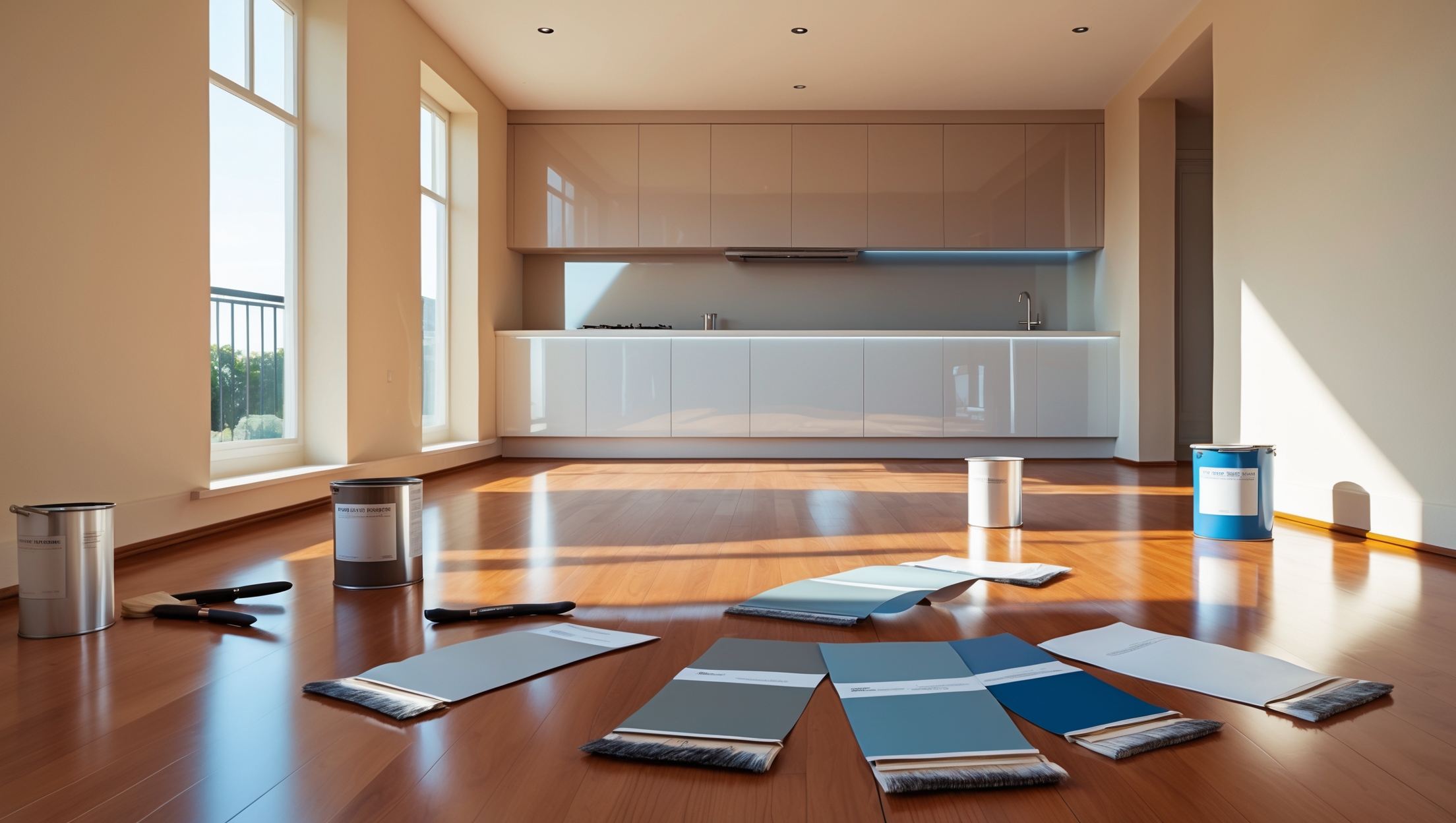
Introduction: Why Paint Finish Choices Matter
When embarking on a home improvement project, paint color is often the first thing that comes to mind. But the finish you choose—matte, satin, eggshell, semi-gloss, or high-gloss—can make just as significant an impact on the final look, feel, and durability of your space. Selecting the wrong finish can lead to unsightly blemishes, difficulties in cleaning, and even expensive do-overs. Yet, many homeowners and even some DIY enthusiasts focus solely on color, underestimating the practical and aesthetic consequences of their finish selection. This comprehensive guide will walk you through the most common mistakes people make when choosing paint finishes for different rooms in their homes. We’ll explore the science behind each finish, room-by-room recommendations, real-world scenarios, and actionable tips to help you make informed decisions that will stand the test of time. Whether you’re tackling a kitchen refresh, a bathroom remodel, or updating your living room, understanding how and where to use each paint finish will elevate your home improvement results and save you from frustration down the line.
Understanding Paint Finish Types: The Essentials
What Are the Main Paint Finishes?
- Flat/Matte: Offers no shine, excellent at hiding imperfections, but less durable and harder to clean.
- Eggshell: Slight sheen, more washable than matte, popular for living spaces.
- Satin: Noticeable luster, durable, and easy to clean—ideal for high-traffic areas.
- Semi-gloss: Shiny and highly durable, resists moisture and stains; suitable for kitchens, baths, and trim.
- High-gloss: Maximum shine and durability, highlights surface imperfections; best for accents and trim.
Finish Characteristics: Pros and Cons
- Matte: Conceals flaws but is not stain-resistant. Scrubbing can damage the finish.
- Eggshell: Balances aesthetics and practicality; easier to clean but still not for heavy-duty use.
- Satin: Cleanable and versatile, but can reveal wall imperfections if not applied carefully.
- Semi-gloss: Repels moisture and grease but exaggerates bumps and patchwork.
- High-gloss: Extremely durable and reflective, but every flaw is magnified.
Biggest Mistakes Homeowners Make When Selecting Paint Finishes
1. Ignoring Room Function and Usage
One of the most frequent errors is applying the same finish throughout the house, regardless of each room’s specific needs. For example, using a flat finish in a high-moisture bathroom can result in peeling, while semi-gloss in a cozy bedroom may create an unwelcome glare. Always consider how the space is used, how often it needs to be cleaned, and the level of moisture exposure.
2. Underestimating Lighting Effects
Natural and artificial lighting dramatically influence how a paint finish appears. Glossy finishes can create harsh reflections in brightly lit rooms, while matte finishes may look dull in spaces with limited light. Failing to account for lighting leads to dissatisfaction with the final result.
3. Overlooking Wall Condition
Glossy and semi-gloss finishes highlight every imperfection—nail holes, patched areas, uneven plaster. Many DIYers make the mistake of using shiny finishes on imperfect walls, only to be disappointed by the highlighted flaws. Prepping the surface properly or opting for a lower-sheen finish is essential.
4. Choosing Finish Based on Trend, Not Practicality
Trends come and go. Matte finishes may be fashionable in designer magazines, but they are often impractical for families with kids or pets. Matching your finish to your lifestyle ensures your walls look great for years, not just weeks.
5. Using the Wrong Finish on Trim and Ceilings
Ceilings should almost always be flat to reduce glare and hide imperfections. Trim, on the other hand, benefits from semi-gloss or high-gloss for wipe-ability and durability. Mixing these up can result in hard-to-clean ceilings and dingy-looking trim.
6. Not Testing Samples in Real Conditions
Paint chips and sample cards never tell the full story. Skipping real-world testing on your actual walls can mean the finish looks totally different once the paint dries and lighting hits it. Always test a small section and observe at different times of day before committing.
Room-by-Room Paint Finish Recommendations (and Mistakes to Avoid)
Living Room
- Best Choices: Eggshell or satin. Both provide a subtle sheen that’s easy to clean but not too shiny.
- Mistake: Using flat paint in a high-traffic family room—scuffs and stains will be tough to remove.
Kitchen
- Best Choices: Satin or semi-gloss. These finishes resist moisture, grease, and are easy to wipe down.
- Mistake: Going with matte or eggshell behind the stove or sink. These areas need extra durability and resistance to splashes.
Bathrooms
- Best Choices: Semi-gloss or specialty bathroom paints with mildew resistance.
- Mistake: Using a flat finish. Moisture will cause peeling and encourage mold growth.
Bedrooms
- Best Choices: Eggshell or matte for a restful, non-reflective look in adult bedrooms; satin for kids’ rooms for easier cleaning.
- Mistake: High-gloss in bedrooms—too much glare and an unnatural feel.
Hallways and Entryways
- Best Choices: Satin or eggshell. These high-traffic areas benefit from finishes that are washable but not overly shiny.
- Mistake: Flat finish—fingerprints, scuffs, and dirt will show quickly.
Ceilings
- Best Choices: Flat/matte. Reduces glare and hides imperfections.
- Mistake: Using gloss or semi-gloss—creates distracting reflections and highlights every flaw.
Trim, Doors, and Cabinets
- Best Choices: Semi-gloss or high-gloss for durability and easy cleaning.
- Mistake: Matte or eggshell—these don’t withstand frequent cleaning and may look dull.
Cost Considerations: Paint Finish and Your Budget
Do Higher Sheen Paints Cost More?
Yes, paints with higher sheen (satin, semi-gloss, high-gloss) are often more expensive than flat or eggshell finishes. The difference is typically $2–$5 more per gallon, which adds up on large projects. However, the added durability often justifies the cost, especially for kitchens, bathrooms, and trim.
Long-Term Costs of the Wrong Finish
Choosing a finish that’s not suited for the room can result in frequent touch-ups, premature repainting, or even costly repairs (like mold remediation in bathrooms). Investing in the right finish up front saves time and money over the lifespan of your paint job.
Step-by-Step: How to Test and Choose the Right Paint Finish
1. Evaluate the Room’s Function and User Traffic
Is this a high-traffic area, like a hallway or kitchen? Or a low-impact space, like a guest bedroom? The more use, the higher the sheen should be for cleanability.
2. Analyze Surface Condition and Lighting
Examine your walls for imperfections and observe how natural and artificial light plays in the space. For uneven walls, lean toward matte or eggshell. For smooth, newer walls, higher sheens can look stunning.
3. Select a Few Sample Finishes and Colors
Purchase sample pots in both your chosen color and a couple of finish options (e.g., eggshell and satin). Apply swatches to different walls to see how they look at various times of the day.
4. Observe and Test for a Week
Leave the samples up for at least a week. Clean them gently to test durability. Make your final selection only after seeing how each finish performs in the real environment.
Maintenance and Cleaning: Finish Matters
Cleaning Flat and Matte Paint
Use a soft sponge and gentle cleaner. Excessive scrubbing can remove the pigment and leave shiny marks. Best for low-traffic, low-touch areas.
Cleaning Eggshell and Satin Paint
These finishes can handle light scrubbing with a damp cloth and mild soap. Suitable for most living spaces and bedrooms.
Cleaning Semi-Gloss and High-Gloss Paint
These are the most durable and can handle regular cleaning—even with stronger cleaners. Ideal for trim, doors, kitchens, and baths.
Paint Finish Myths—Debunked
- Myth: “Flat paint is always best for ceilings.” Fact: While usually true, in high-moisture environments (like bathrooms), a mildew-resistant eggshell may be better.
- Myth: “High-gloss is only for trim.” Fact: High-gloss can create dramatic accent walls if surface prep is perfect, but it’s unforgiving of flaws.
- Myth: “One finish fits all rooms.” Fact: Each room has unique needs—customize for best performance.
Expert Tips for a Flawless Result
- Prep thoroughly: Fill holes, sand smooth, and prime when needed to ensure the best finish results.
- Use high-quality brushes and rollers for the chosen finish; cheap tools can leave marks, especially in glossy paints.
- Apply at least two coats for even sheen and color depth.
- Follow manufacturer’s drying times for optimal durability.
- Keep leftover paint for touch-ups, properly sealed and labeled with the finish type.
Conclusion: Elevate Your Home with Informed Paint Finish Choices
Selecting the right paint finish for each room is a crucial yet often overlooked aspect of home improvement. As we’ve seen, each finish offers distinct advantages and potential pitfalls, depending on the room’s function, lighting, and even the age of your home’s surfaces. Avoiding common mistakes—like mismatching finishes to room needs, ignoring wall condition, or blindly following trends—will save you money, time, and frustration in the long run. By testing samples in real conditions, considering both aesthetics and practicality, and paying attention to maintenance requirements, you’ll enjoy walls that look beautiful and stand up to the demands of everyday life. Remember, the perfect finish not only enhances color but also protects your investment, streamlines cleaning, and boosts your enjoyment of every space. Take a few extra steps before you buy your next gallon of paint, and you’ll achieve results that truly elevate your home for years to come.