

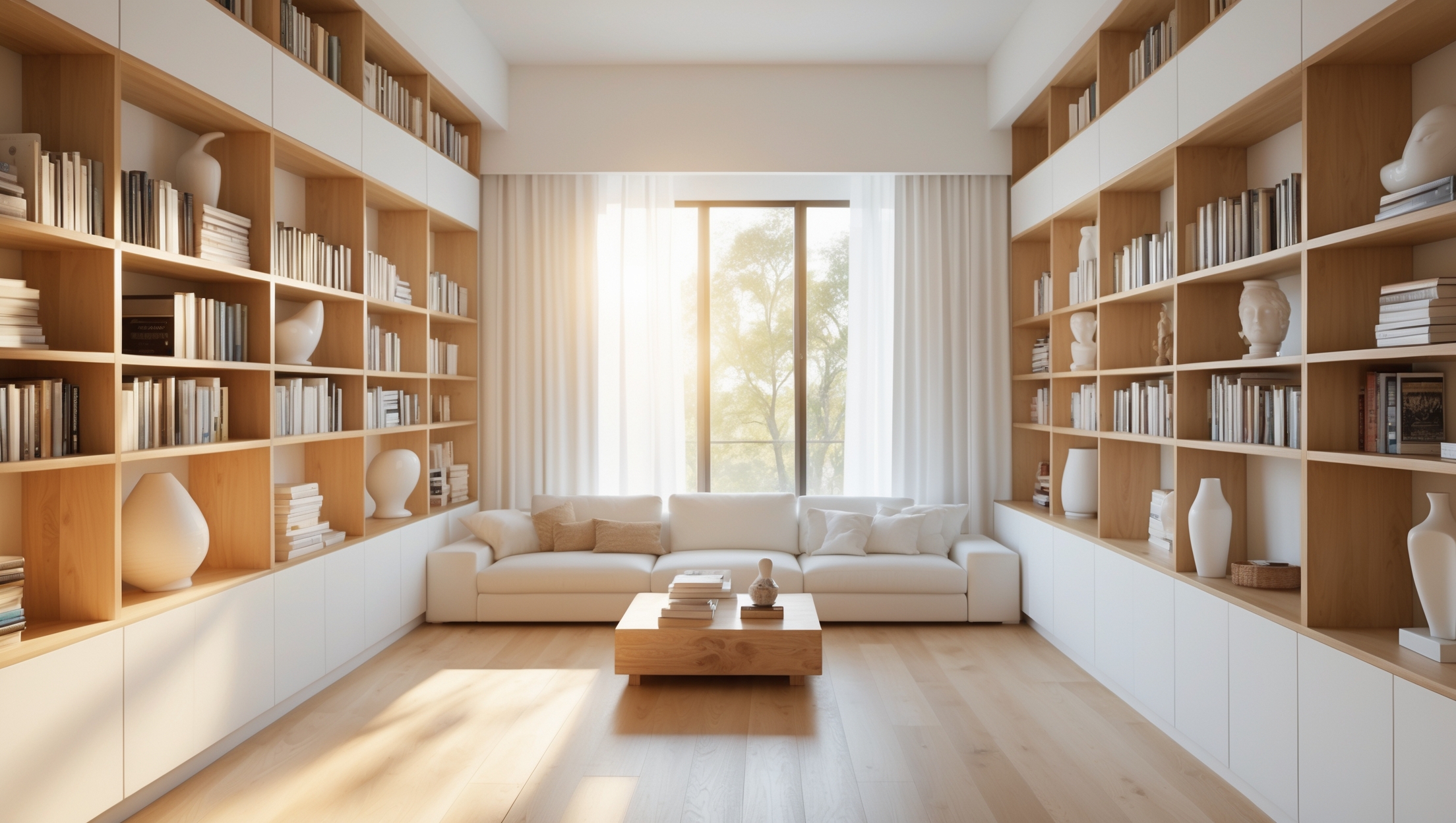
Introduction: Why Built-In Storage Is Worth the Investment
Every homeowner craves more space, but not everyone wants to sacrifice style or comfort to achieve it. Built-in storage solutions bridge that gap, offering seamless ways to maximize square footage while elevating your home’s look and functionality. Whether you live in a compact urban apartment or a sprawling suburban house, custom shelving, cabinetry, and hidden storage transform awkward nooks into practical assets. However, many homeowners hesitate to pursue built-ins due to uncertainty about costs and budgeting. What exactly goes into the price tag? Are there affordable options, or is every project a luxury splurge? This comprehensive guide breaks down every aspect of budgeting for built-in storage—from material choices and labor to hidden expenses—so you can plan your upgrade with total confidence. By the end, you’ll have actionable insights to avoid overspending, select the right features for your needs, and ensure your investment pays off in both storage and style.
Understanding Built-In Storage: Types and Benefits
Popular Built-In Storage Solutions
- Built-in Bookcases and Shelving: Perfect for living rooms, offices, and bedrooms.
- Window Seats with Storage: Combine seating and hidden compartments for a cozy, functional addition.
- Custom Closets: Maximize wardrobe space with tailored shelving, drawers, and hanging rods.
- Kitchen Pantry Built-ins: Streamline food storage with pull-out shelves and custom cabinetry.
- Media Centers: Organize electronics, consoles, and accessories in a sleek, integrated unit.
- Garage and Mudroom Built-ins: Tame clutter with cubbies, cabinets, and workbenches.
Key Benefits of Built-In Storage
- Space Optimization: Utilize every inch, including under stairs, alcoves, and corners.
- Custom Fit: Tailored to your room’s dimensions and your storage needs.
- Increased Home Value: High-quality built-ins are a selling point for buyers.
- Design Cohesion: Match existing décor for a seamless look.
- Durability: Professional installations often last longer than freestanding alternatives.
Cost Breakdown: What Influences the Price of Built-Ins?
1. Materials
The choice of materials has the biggest impact on cost. Here’s a breakdown of common options:
- MDF (Medium Density Fiberboard): Affordable, smooth surface, easily painted. Prone to moisture damage if not sealed. Average cost: $15–$40 per linear foot.
- Plywood: Durable and more moisture-resistant than MDF. Accepts paint and veneer well. Average cost: $25–$60 per linear foot.
- Solid Wood: Premium look and feel, highly durable, variety of species (oak, maple, cherry). Average cost: $70–$200+ per linear foot.
- Laminate or Melamine: Budget-friendly, easy maintenance, wide color options. Average cost: $10–$30 per linear foot.
- Glass Inserts/Metal Accents: For doors and shelves; adds visual interest but increases cost.
2. Labor and Installation
Professional installation is often the largest expense, typically ranging from $50–$150 per hour. Factors that affect labor costs include:
- Complexity of the design (curves, built-in lighting, custom doors)
- Size of the installation
- Accessibility (tight spaces, upper floors)
- Demolition and prep work (removing old structures or patching walls)
Average labor cost for a typical built-in: $1,000–$5,000, depending on scale and complexity.
3. Design and Planning Fees
If you work with a designer or an architect, expect to pay extra for detailed plans and renderings. This can range from a flat fee of $300–$1,500 or as a percentage (5–15%) of the total project cost. Some contractors include basic design in their quote.
4. Hardware and Finishes
- Drawer pulls, cabinet handles, hinges: $3–$30+ per piece
- Specialty hardware (soft-close slides, pull-out racks): $20–$100+ each
- Paint, stain, or lacquer: $50–$400 depending on area and finish type
5. Electrical and Lighting
- Integrated lighting (LED strips, puck lights): $100–$500 per unit including installation
- Electrical outlet modifications: $100–$250 per outlet
6. Hidden and Unexpected Costs
- Wall repairs or reinforcement
- Permits (if structural changes are involved): $50–$500
- Delivery and disposal fees for materials or debris: $100–$300
- Change orders or mid-project upgrades
Budgeting for Your Built-In Storage Project
Step 1: Assess Your Needs and Priorities
- Identify the type of storage you need (books, clothes, pantry items, tools)
- Decide on location and dimensions
- Rank must-have features versus nice-to-haves (e.g., soft-close doors, adjustable shelves, integrated lighting)
Step 2: Gather Inspiration and Set a Vision
Collect photos and sketches that reflect your taste and needs. This helps communicate your vision to contractors and avoid scope creep that inflates costs later.
Step 3: Define Your Budget Range
- Entry-level (DIY or basic carpenter): $500–$2,500
- Mid-range (custom features, professional install): $3,000–$8,000
- High-end (premium materials, complex design): $10,000–$25,000+
Set aside a 10–20% contingency fund to cover surprises.
Step 4: Get Multiple Quotes
- Request detailed, line-item quotes from at least 3 contractors.
- Ask about material, labor, hardware, finishes, and disposal costs.
- Clarify what is and isn’t included (design, permits, electrical).
Step 5: Consider DIY vs. Professional Installation
DIY built-ins can save on labor but require skills, time, and tools. Mistakes can lead to higher costs later. Evaluate your comfort level and the complexity of your project before deciding.
Cost-Saving Tips Without Compromising Quality
- Opt for Painted MDF or Plywood: Achieves a clean look at a lower cost than solid wood.
- Limit Customization: Standardize shelf heights and depths where possible to reduce labor hours.
- Reuse Existing Cabinets or Shelves: Integrate or repurpose for savings.
- DIY Finishing: Paint or stain yourself after professional installation.
- Purchase Hardware Separately: Shopping online or at discount retailers can cut costs.
- Phase the Project: Complete in stages to spread out expenses.
Sample Cost Scenarios
Scenario 1: Simple Built-In Bookcase (8 feet)
- Materials (Painted MDF): $350
- Labor: $700
- Hardware: $60
- Finishing Supplies: $100
- Total: $1,210
Scenario 2: Custom Window Seat with Storage
- Materials (Plywood, foam cushion): $650
- Labor: $1,200
- Hardware: $80
- Finishing Supplies: $150
- Total: $2,080
Scenario 3: Full Wall Media Center (12 feet, Solid Wood)
- Materials (Solid Maple): $2,800
- Labor: $4,500
- Electrical & Lighting: $750
- Hardware: $300
- Finishing Supplies: $400
- Total: $8,750
Budgeting Tools and Templates
What to Track in Your Budget Spreadsheet
- Material costs (break down by type and supplier)
- Labor and installation fees
- Design or architectural fees
- Hardware and accessories
- Permits and inspection fees
- Contingency fund
- Actual vs. estimated costs (track throughout the project)
Recommended Free Tools
- Google Sheets or Excel for custom budget tracking
- Home improvement budgeting apps (e.g., HomeZada, Houzz)
- Online calculators for linear footage and material estimation
When to DIY and When to Hire a Pro
Best Cases for DIY
- Simple open shelving
- Basic closet organizers
- Window seats with no complex angles or electrical work
Projects Best Left to Professionals
- Full wall units with integrated lighting or electrical
- Built-ins requiring structural modifications
- High-end finishes or specialty materials
Remember, permits and code compliance may require licensed professionals for certain installations, especially those involving electrical or structural work.
Red Flags and Budgeting Pitfalls
- Unclear Quotes: Vague or bundled estimates can hide extra fees. Always request itemized quotes.
- Ignoring Contingency: Failing to budget for surprises leads to stress and overspending.
- Choosing the Lowest Bid: Too-good-to-be-true pricing often means cut corners or surprise add-ons.
- Scope Creep: Adding features mid-project without updating your budget.
- Underestimating Timeline: Delays can increase labor and rental costs.
Conclusion: Plan Smart, Store Smarter
Investing in built-in storage is more than just a design upgrade—it’s a long-term strategy for improving how you live in and enjoy your home. With careful planning and a clear understanding of costs, you can achieve custom results that suit your space, style, and budget. Start by assessing your specific needs, gather inspiration, and set a realistic budget with a healthy contingency fund. Always get multiple bids and be diligent about what each quote includes. Don’t be afraid to mix DIY with professional help—often, painting or finishing yourself can balance a higher spend on expert carpentry. Keep meticulous records, track your spending as you go, and be prepared for a few surprises along the way. Most importantly, remember that built-in storage isn’t just about tidying up—it adds lasting value, both in daily use and eventual resale. By following the strategies in this guide, you’ll enjoy a clutter-free, beautiful home without breaking the bank. Ready to get started? Your ideal built-in awaits—and now, so does your perfectly tailored budget.
Do the costs for custom closets vary widely based on the type of shelving and drawer features you pick, or is most of the price determined by labor and installation?
The cost of custom closets can vary quite a bit depending on the shelving materials, finishes, and drawer features you choose. While labor and installation are important factors, premium hardware and custom configurations can significantly increase the total price.
For someone looking to add a window seat with storage, how much do material choices like MDF versus solid wood affect overall project costs?
Material choice can make a noticeable difference in project cost. MDF is generally much less expensive than solid wood, often reducing material costs by 30–50%. Solid wood offers more durability and a higher-end look, but expect a higher price. Your final budget will also depend on the size and finish, but MDF is the more budget-friendly option.
If we’re looking to add a window seat with storage in a small area, are there ways to keep costs down without sacrificing too much on style?
You can save on costs by using ready-made bench cabinets or modular storage units and customizing them with paint or cushions to match your decor. Opt for simple trim instead of custom woodwork and consider using plywood or MDF instead of solid wood to keep expenses low while still achieving a stylish look.