

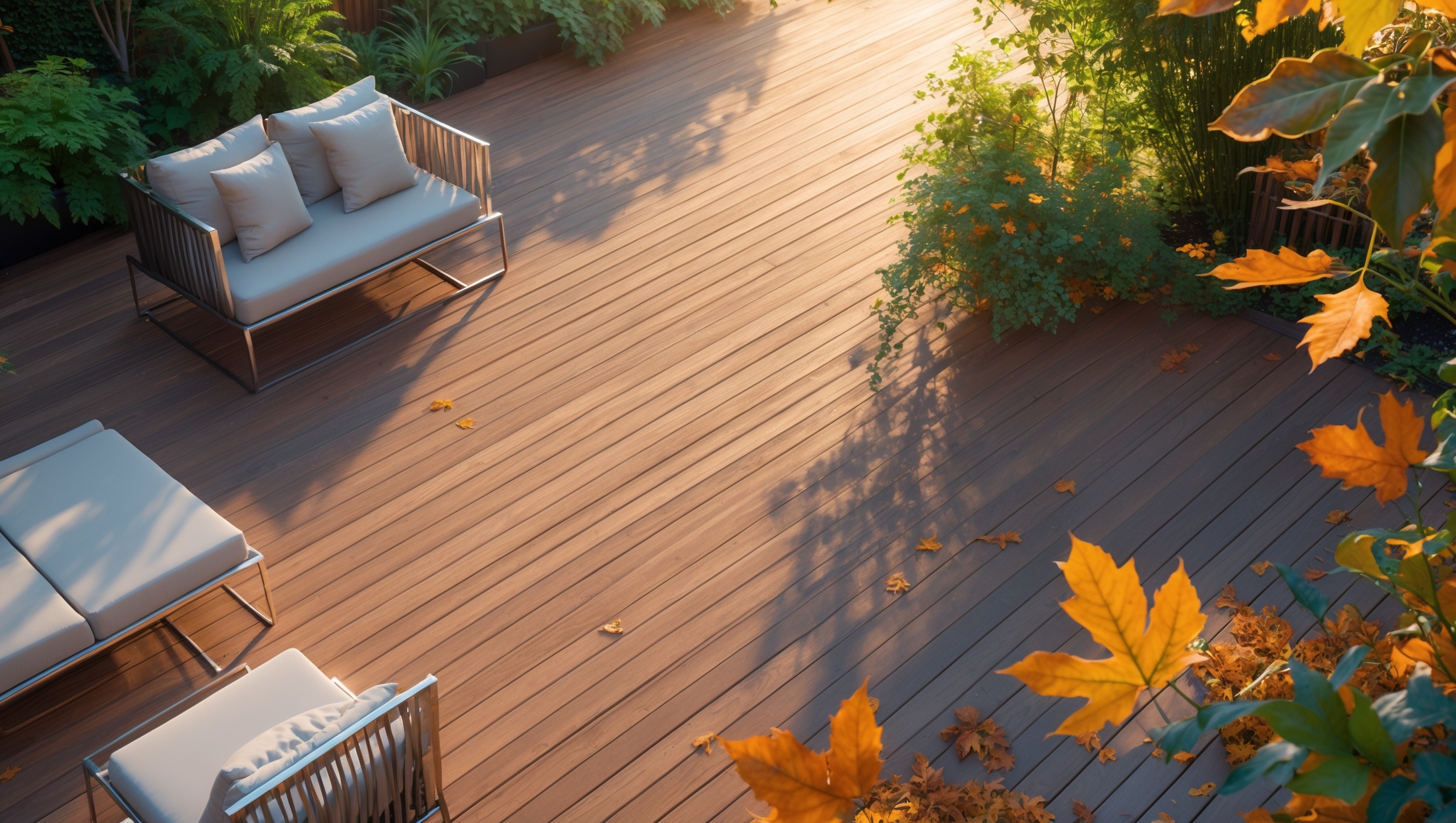
Introduction: Why Seasonal Deck Maintenance Matters
Your backyard deck is more than just an outdoor platform—it’s the heart of summer barbecues, a retreat for lazy afternoons, and a gathering space for friends and family. Yet, decks are also exposed to the harshest elements: sun, rain, snow, and everything in between. Without regular upkeep, even the sturdiest deck can suffer from warping, rot, splintering, and costly structural issues. Seasonal deck maintenance is the key to protecting your investment, ensuring safety, and preserving its beauty year after year. In this comprehensive guide, you’ll learn what tasks matter most each season, which tools and products to use, and how to spot early warning signs before minor annoyances become major repairs. Whether your deck is wood, composite, or another material, these practical, step-by-step tips will help you keep your outdoor oasis in top shape and maximize its lifespan.
Spring: Inspection and Deep Cleaning
Thorough Deck Inspection
As winter recedes, spring is the ideal time to assess your deck’s condition and address any damage from cold, moisture, or ice. Begin with a thorough inspection:
- Check for Structural Damage: Examine joists, posts, beams, and ledger boards for signs of rot, cracks, or shifting. Pay special attention to areas where the deck attaches to the house.
- Look for Surface Issues: Identify splintered boards, popped nails, loose screws, or warped planks. Use a screwdriver to test wood softness, which may indicate rot.
- Inspect Railings and Stairs: Wiggle railings and check stairs for secure attachment. Replace or tighten any loose or damaged parts.
- Assess Hardware: Look for rusted fasteners, brackets, or connectors. Replace any corroded hardware to ensure deck stability.
- Mold and Mildew: Check shaded areas for green or black patches, which can be slippery and damaging.
Deep Cleaning Techniques
Winter can leave behind grime, algae, and debris. A deep clean not only improves appearance but also prevents decay. Follow these steps:
- Clear Debris: Sweep away leaves, branches, and dirt. Use a putty knife to remove debris from between boards.
- Choose the Right Cleaner: For wood decks, use a deck-specific cleaner with a gentle scrub brush or a low-pressure power washer (under 1,500 psi). For composite decks, use non-abrasive cleaners recommended by the manufacturer.
- Address Stains: Spot-clean stains from grease, rust, or tannins. Use commercial stain removers formulated for your deck material.
- Rinse Thoroughly: Ensure all cleaning residue is completely washed away.
Repairs and Early Maintenance
Spring is the perfect time to repair any issues uncovered during inspection:
- Replace damaged or rotted boards.
- Hammer down popped nails or replace them with deck screws for greater holding power.
- Tighten or replace loose hardware.
- Sand splintered areas to prevent injuries.
Summer: Protection and Prevention
Sealing and Staining
Summer’s warmth and dry conditions make it the best season for applying protective finishes. Sealing and staining preserve your deck’s appearance and defend against UV, moisture, and mildew.
- Choose the Right Product: For wood decks, select a high-quality deck stain or sealer. Transparent sealers highlight wood grain but require more frequent reapplication, while semi-transparent stains offer color with moderate coverage. Solid stains provide maximum protection and color but obscure the grain.
- Prep the Surface: Ensure the deck is completely dry and free of debris. Sand rough spots for even application.
- Apply Evenly: Use a brush, roller, or sprayer, following the wood grain. Work in small sections to avoid lap marks. Apply two thin coats for best results.
- Dry Time: Allow at least 24–48 hours of dry weather for the finish to cure, based on manufacturer instructions.
Preventing Sun and Water Damage
- UV Protection: Use finishes with UV blockers to prevent graying and sun damage.
- Water Repellency: Ensure your sealer contains water-repellent properties to avoid swelling, warping, or rot.
- Check Drainage: Ensure water flows away from deck surfaces and doesn’t pool around posts. Redirect downspouts if necessary.
Regular Summer Upkeep
- Sweep the deck weekly to remove dust and debris.
- Spot-clean food and drink spills immediately to prevent stains.
- Trim nearby bushes or trees to improve airflow and reduce mildew risk.
- Move furniture occasionally to avoid uneven fading.
Fall: Preparing for Cold Weather
Clearing and Prepping
Autumn leaves may be beautiful, but left unattended, they trap moisture and promote rot. Prepare your deck for winter with these steps:
- Frequent Leaf Removal: Sweep or blow off leaves and organic debris regularly.
- Clean Gutters and Downspouts: Prevent water from overflowing and pooling near the deck structure.
- Inspect and Clean: Repeat the spring inspection and cleaning process to identify new issues.
Winterization Tasks
- Store Outdoor Furniture: Remove or cover furniture to prevent moisture damage.
- Check for Standing Water: Ensure there is no water trapped between or under deck boards.
- Protect Planters: Remove pots or planters directly from the deck surface to avoid trapped moisture and discoloration.
- Final Sealing: If necessary, apply a water-repellent sealer before the cold sets in.
Hardware and Fastener Care
- Tighten any loose screws or bolts to prevent shifting during freeze-thaw cycles.
- Lubricate metal hardware if needed to prevent rust through winter.
Winter: Monitoring and Light Maintenance
Snow and Ice Management
Winter brings unique deck hazards. Smart management prevents long-term damage:
- Shovel Carefully: Use a plastic shovel and push with the grain to avoid scratching the surface. Never use metal shovels.
- Choose the Right Ice Melt: Avoid rock salt, which corrodes metal and damages wood. Use calcium magnesium acetate or pet-friendly ice melts approved for decks.
- Remove Heavy Snow: Excessive weight can strain the deck’s structure. Remove snow promptly, especially after large storms.
Moisture and Mold Prevention
- Periodically check for ice dams or standing water.
- Brush off excess snow from railings and stairs to prevent moisture buildup.
- Keep drainage pathways clear so melting snow can escape.
Safety Checks
- Inspect for slippery patches and apply traction mats if necessary.
- Monitor for new cracks or shifting due to freeze-thaw cycles, and plan for repairs when weather improves.
Choosing the Right Products and Tools
Cleaning Supplies
- Deck cleaner (specific to your deck material)
- Soft-bristle scrub brush
- Putty knife for debris removal
- Low-pressure power washer (optional)
Protection and Repair Tools
- Sander (handheld or orbital)
- Deck stain or sealer, brushes, rollers, or sprayer
- Deck screws and driver
- Replacement boards (if needed)
- Pry bar for removing damaged planks
Winter Tools
- Plastic snow shovel
- Pet-friendly, deck-safe ice melt
- Outdoor furniture covers
Signs Your Deck Needs Professional Attention
While regular seasonal maintenance prevents most issues, some problems require a pro. Call a licensed contractor if you notice:
- Extensive rot or decay in structural components
- Major shifting, sagging, or instability
- Widespread mold, mildew, or insect damage beyond surface cleaning
- Loose ledger boards (where the deck attaches to the house)
- Persistent drainage or water pooling issues
Maintenance Tips for Different Deck Materials
Wood Decks
- Prioritize sealing and staining annually or as needed.
- Use wood-specific cleaners to preserve natural oils.
- Monitor for splinters and sand rough patches immediately.
Composite Decks
- Clean with non-abrasive, manufacturer-approved products.
- Avoid power washing at high pressure to prevent surface damage.
- Inspect for mold in shaded or damp areas.
Vinyl/PVC Decks
- Wash regularly with mild soap and water.
- Inspect for cracks or brittleness, especially after freezing temperatures.
- Check seams and edges for separation.
Frequently Asked Questions
How often should I seal or stain my deck?
Most wood decks benefit from sealing or staining every 1–3 years, depending on product type, sun exposure, and climate. Composite and PVC decks usually do not require sealing but should be cleaned seasonally.
Can I use a pressure washer on my deck?
You can, but use caution. For wood, keep pressure under 1,500 psi and use a fan tip. For composite decks, check manufacturer recommendations; too much pressure can cause damage.
What’s the best way to remove mildew?
Use a commercial deck cleaner with mildew-fighting ingredients or a mixture of water and oxygenated bleach. Avoid chlorine bleach, which can damage wood fibers.
Should I cover my deck in winter?
Covering your deck can trap moisture and cause mold or rot. Instead, remove snow promptly and keep the deck clear of debris. Cover only furniture or grills, not the deck itself.
Conclusion: Make Deck Maintenance a Habit for Lasting Enjoyment
Seasonal deck maintenance isn’t just another chore—it’s an investment in your home’s value, your family’s safety, and your own outdoor enjoyment. By dedicating a few hours each season to inspection, cleaning, protection, and minor repairs, you’ll prevent the majority of expensive problems that can develop over time. Remember, the key is consistency: addressing issues early, choosing the right products for your deck’s material, and adjusting your routine based on local weather and usage patterns. The result is a deck that remains sturdy, beautiful, and safe for gatherings year after year—no matter what the weather brings. Don’t wait until you see obvious signs of trouble; start your seasonal maintenance cycle today, and your deck will reward you with years of reliable service and memorable moments under the open sky.
You mentioned checking for rusted hardware—are there specific brands or types of fasteners that hold up better in areas with lots of rain or snow? Trying to avoid replacing them every year.
For areas with heavy rain or snow, stainless steel or coated galvanized fasteners are highly recommended, as they resist rust and corrosion much better than standard steel. Brands like Simpson Strong-Tie and GRK are known for durability in harsh climates. Look for fasteners specifically rated for exterior or marine use to maximize longevity.
If my deck is made of composite rather than wood, do I need to worry as much about things like rot or rusted hardware, or are the maintenance steps different?
With a composite deck, you don’t have to worry about wood rot, but it’s still important to check for rusted hardware and keep the deck clean. Maintenance is generally easier—just wash it regularly and inspect fasteners and supports to ensure everything stays in good shape.
Are there any recommended products for removing mildew and grime from wood decks that are safe for kids and pets?
Yes, look for oxygen-based deck cleaners, which are generally safer for kids and pets than bleach-based products. Brands with sodium percarbonate are effective at removing mildew and grime. Always rinse the deck thoroughly afterward and let it dry before allowing children or pets on it.
Does the type of cleaning solution or technique you recommend change if my deck is composite instead of wood? I want to avoid damaging the surface.
Yes, the cleaning approach does change for composite decks. Use a mild soap or a cleaner specifically labeled for composite materials, and avoid harsh chemicals or abrasive brushes that can scratch the surface. For wood decks, you can use a wood deck cleaner and a stiffer brush. Always follow manufacturer guidelines for your specific deck material.
Does the deep cleaning process differ between composite and traditional wood decks, especially when dealing with mold or mildew in shady areas?
Yes, the deep cleaning process does differ. For composite decks, use a cleaner specifically formulated for composites and avoid harsh scrubbing, as it can damage the surface. For wood decks, you may need a wood-safe cleaner and a stiff brush. Both types require thorough rinsing and prompt attention to mold or mildew, especially in shady spots.
If my deck has a few boards that are soft or show signs of rot during the spring inspection, do I need to replace the whole board right away or are there ways to repair just the damaged sections?
If only part of a deck board is soft or rotting, you may be able to cut out just the damaged section and splice in new wood. However, for extensive or deep rot, it’s safest to replace the entire board to prevent the problem from spreading and to maintain structural strength.
For homeowners with older wooden decks, what are the best ways to spot early signs of rot or structural weakening during the spring inspection mentioned in your guide?
During your spring inspection, look for soft or spongy spots on the wood, discoloration, splintering, and areas where the wood feels damp even after dry weather. Check underneath railings, steps, and in joints for signs of crumbling or loose fasteners, as these can indicate early rot or weakening.
If my deck is composite rather than wood, do I need to follow the same inspection routine in the spring, or are there different warning signs I should watch for?
With a composite deck, your spring inspection can be a bit simpler. You won’t need to check for rot or splinters like with wood, but you should still look for loose fasteners, mold, mildew, and debris buildup. Also, watch for staining or surface damage, which can affect durability.
How can I tell if surface issues like splintered boards or popped nails are a sign of bigger structural problems, or just normal wear that can be fixed easily?
Splintered boards or popped nails are usually signs of normal wear, but if you notice large areas affected, movement in the boards, or soft, spongy wood, it could indicate deeper structural issues. If unsure, inspect beneath the deck for rot or damage, or consult a professional for a thorough assessment.
When inspecting for structural damage in spring, how do I tell if a joist or beam is too compromised to repair versus just needing minor fixes?
Check for deep cracks, soft spots, or significant rot in the joist or beam. If you can easily penetrate the wood with a screwdriver or see sagging, it’s likely too compromised and should be replaced. Minor surface cracks or slight splintering can usually be repaired with sealant or fillers.
When inspecting for rot or soft wood in the spring, is there a recommended way to repair small isolated spots, or does that mean the whole board should be replaced?
If you find small, isolated spots of rot or soft wood, you can often remove the damaged area and fill it with epoxy wood filler. Make sure the surrounding wood is solid and dry. However, if the damage covers a large area or compromises the board’s strength, it’s safer to replace the whole board.
For composite decks, do you recommend any special cleaning techniques or products that differ from those used on wood, especially to prevent mold and mildew buildup in shaded areas?
For composite decks, it’s best to use a gentle soap or a cleaner specifically made for composites rather than wood cleaners. Avoid harsh chemicals and pressure washing. To prevent mold and mildew, regularly sweep debris and wash shaded areas with soapy water and a soft brush, rinsing thoroughly.
When inspecting the deck for rot or softness, are there specific areas that tend to be most vulnerable, especially where the deck attaches to the house? Any tips for spotting hidden problems before they get worse?
Yes, the ledger board where the deck connects to the house is especially prone to rot, along with areas around fasteners, rail posts, and under planters. Look for soft spots, discoloration, or spongy wood. Use a screwdriver to gently probe these areas—if it sinks in, rot may be present. Also check for gaps or water stains along the house connection.
If I spot a few loose screws or popped nails during my spring inspection, is it enough just to tighten or replace them, or should I be worried about underlying structural issues?
If you notice loose screws or popped nails, tightening or replacing them is usually enough. However, if the issue is widespread or you see signs of wood rot, warping, or movement in the boards, it’s best to inspect further for structural problems.
Are there specific cleaning products you recommend for composite decks versus wood decks when doing a deep clean in the spring?
Yes, for composite decks, use a cleaner specifically labeled for composite materials, as these are formulated to remove dirt and mildew without damaging the surface. For wood decks, choose a deck cleaner designed for wood, which often helps remove stains and brightens the wood. Avoid chlorine bleach for both, as it can damage surfaces and surrounding plants.
For the deep cleaning step in spring, are there any specific products you’d recommend for wood decks versus composite decks, or will the same cleaner work for both materials?
For wood decks, it’s best to use a deck cleaner specifically formulated for natural wood to remove mold, mildew, and stains. Composite decks usually require a specialized composite deck cleaner to avoid damaging the surface. Using a product made for your deck material will give the best results and help preserve its appearance.
After identifying and replacing rusted fasteners and securing loose boards, is it necessary to reseal or stain the deck right away, or can that wait until later in the season?
It’s best to reseal or stain your deck soon after replacing fasteners and securing boards, as this protects the new work and prevents moisture damage. Waiting too long leaves exposed areas vulnerable to weather. If rain or harsh sun is likely, try to finish sealing or staining within a couple of weeks.
If I find some green or black mildew patches during my spring inspection, what’s the safest way to remove them without damaging the wood, especially if kids and pets play on the deck?
To safely remove mildew from your deck, mix mild dish soap with warm water and scrub the area gently using a soft-bristle brush. Rinse thoroughly with water afterward. Avoid using harsh chemicals or pressure washers, as these can damage wood and may not be safe for kids or pets.
When inspecting for rot in deck joists and beams after winter, are there specific tools or techniques you recommend to detect hidden damage that isn’t visible on the surface?
To detect hidden rot in deck joists and beams, use a screwdriver or awl to gently probe suspect areas—soft or spongy spots are a warning sign. A moisture meter can also help identify high-moisture zones prone to rot. Tap the wood with a hammer; a dull sound suggests internal damage.
Could you explain a bit more about how to tell the difference between regular wear and early warning signs of rot or structural issues during the spring inspection?
During your spring inspection, regular wear usually appears as faded color or minor surface cracks. Early warning signs of rot include soft, spongy wood, discoloration, or a musty odor. For structural issues, watch for loose railings, wobbly steps, or boards that move underfoot. Press a screwdriver gently into suspect areas—if it sinks in easily, that’s often rot.
If my deck has a few rusted fasteners but the rest look fine, should I replace just those or is it better to upgrade all the hardware for long-term durability?
If only a few fasteners are rusted, you can replace just those for now. However, if your deck is older or you want better long-term durability, upgrading all the hardware to rust-resistant materials like stainless steel or coated fasteners is a wise investment.
You mention inspecting hardware for rust—do you recommend stainless steel fasteners for all climates, or are there affordable alternatives for people in less humid areas?
Stainless steel fasteners are ideal for preventing rust, especially in humid or coastal areas. However, in drier climates, galvanized fasteners are a more affordable alternative and generally resist corrosion well. Just make sure they’re rated for outdoor use to ensure your deck stays secure.
Are there any budget-friendly cleaning products that work well for removing mold and mildew on wood decks without damaging the material?
Yes, a mixture of white vinegar and water is a budget-friendly option that effectively removes mold and mildew from wood decks. Apply it with a soft brush, let it sit for about 10 minutes, and then rinse thoroughly. This solution is gentle and safe for most wood surfaces.
Can you give advice on how often railings and stairs typically need to be tightened or replaced? I’m trying to budget for potential repairs this season.
Railings and stairs should be checked for loose fasteners and stability at least twice a year, ideally in spring and fall. Tighten any loose screws or bolts during these checks. Replacement may only be necessary every 5–10 years, depending on wear, material, and exposure, but budget annually for minor repairs.
What’s the best way to spot early warning signs of rot, especially in places where the deck attaches to the house? I’m worried I might miss something important during my inspection.
To catch early signs of rot where your deck meets the house, check for soft or spongy wood, discoloration, or musty smells along the ledger board and fasteners. Gently probe these areas with a screwdriver—if it sinks in easily, rot may be present. Look for loose connections or rusty nails, too.
Do you have any recommendations for low-cost but effective products to treat mold and mildew on shaded areas of a wood deck after winter?
A mix of white vinegar and water or a solution of oxygen bleach (like OxiClean) with water can be effective and budget-friendly for treating mold and mildew on shaded deck areas. Scrub the affected spots with a stiff brush and rinse thoroughly. Avoid using regular bleach, as it can damage wood fibers.
For a wood deck that already has a few splintered boards and popped nails, is it better to repair these before doing the deep cleaning you recommend, or can both steps be done at the same time?
It’s best to repair splintered boards and reset or replace popped nails before deep cleaning. This ensures the surface is safe to work on and helps the cleaning process be more effective, as you’ll avoid further damaging the wood or injuring yourself.
Can you clarify how often hardware should actually be replaced if it shows signs of rust, or is cleaning and treating it enough to extend its life in most cases?
If hardware shows only light surface rust, cleaning and treating it with a rust inhibitor can often extend its life. However, if the rust is significant, causing pitting or weakening the metal, it’s best to replace those parts right away to ensure safety and durability.
Do you have any recommendations for safe, kid-friendly cleaning products for deep cleaning decks, especially if my kids play barefoot outside a lot?
For deep cleaning decks where kids play barefoot, consider using a solution of warm water, mild dish soap, and a little white vinegar. These are gentle, non-toxic, and effective for most grime. Avoid harsh chemicals or bleach. After cleaning, rinse the deck thoroughly with water to remove any residue.
I noticed you mentioned checking for rusted hardware in the spring. Is there a specific type of replacement fastener or connector you’d recommend to prevent future rust, especially if we live somewhere with lots of rain?
For rainy climates, stainless steel or hot-dipped galvanized fasteners and connectors are the best choices. Both resist rust much better than standard steel. Stainless steel is especially durable for consistently wet environments, while galvanized options work well if they’re rated for exterior use.
When inspecting for rot in the spring, is there an easy way to tell if a board needs to be replaced versus just cleaned and resealed?
To check for rot, press a screwdriver into the wood; if it sinks in easily or the wood feels spongy and crumbles, replacement is needed. If the wood is solid but just looks dirty or weathered, cleaning and resealing should be enough.
For a deck with a mix of old and new boards, should I use different cleaning or inspection techniques in the spring, or will the same process work for all the wood?
You can generally use the same cleaning and inspection process for both old and new boards in the spring. However, pay special attention to older boards, as they may have more wear, splinters, or hidden damage. Treat any problem areas as needed, but overall, a unified maintenance approach is fine.
For a small business owner with a composite deck, are there certain cleaning products or techniques you’d recommend to avoid damaging the material during the spring deep clean?
For composite decks, use a mild soap or a cleaner specifically labeled for composite materials. Avoid harsh chemicals, bleach, or abrasive scrubbers. A soft-bristle brush and a garden hose are usually enough for a thorough spring clean without damaging the surface.
How can I tell if I need to fully replace rusted fasteners or if a little rust is okay to leave alone for another season? Trying to avoid unnecessary expenses.
A small amount of surface rust on fasteners is usually not a concern, but if the rust is deep, flakes off in layers, or if fasteners feel loose or brittle, replacement is recommended. Check if the rust has compromised the fastener’s strength—if so, it’s safer to replace them.
My deck has a mix of old nails and new screws—should I switch everything to screws for stability, or does it not make much difference for yearly maintenance?
Switching old nails to screws can improve your deck’s overall stability, as screws hold boards more securely and are less likely to pop up over time. For yearly maintenance, having screws instead of nails can make repairs easier and reduce the chances of loose boards, so it’s a good idea if you’re able to do it gradually.
For older decks that have several warped planks and loose railings after winter, is it usually better to repair these issues individually or consider replacing larger sections?
For older decks with multiple warped planks and loose railings, it’s wise to first assess the overall structure. If damage is isolated, repairing individual boards and railings is fine. However, if problems are widespread or structural integrity is affected, replacing larger sections or even the entire deck may be safer and more cost-effective in the long run.
When inspecting for structural damage in the spring, how can you tell if a bit of softness in the wood is a sign of serious rot or just surface wear?
If the wood feels soft when you press it with a screwdriver or if it crumbles easily, that’s usually a sign of serious rot. Surface wear tends to be more superficial—there might be splinters or weathering, but the wood stays firm underneath. Always probe suspect areas to check how deep the softness goes.
How do you tell if a popped nail or warped plank requires full board replacement, or if it can be fixed with a quick repair to save costs?
If a board is only slightly warped or a nail has popped but the wood is otherwise solid, you can often fix it by reseating or replacing the fastener and gently flattening the board. If the plank is cracked, rotted, or badly twisted, replacement is best for safety and durability.
When inspecting my deck after winter, how can I tell if a soft spot in the wood is minor surface damage or a sign of deeper rot that needs replacement?
To check if a soft spot is just surface damage or deeper rot, press the area gently with a screwdriver. If the wood easily gives way, crumbles, or feels spongy beyond the surface, it likely indicates deeper rot and should be replaced. If only the outer layer is affected and the wood beneath is solid, it’s probably minor.
If my deck’s railing feels a bit loose but I don’t see any obvious bolts missing or cracked wood, what should my next steps be to troubleshoot and secure it before summer gatherings start?
If your deck railing feels loose, check for any hidden fasteners or screws that may have come loose over time. Tighten all connections, including those underneath the railing. Also, look for any movement at the posts where they meet the deck and reinforce them with additional brackets if needed.
If my deck is made from composite material instead of wood, do I need to follow the same spring inspection steps, or are there different issues I should watch for?
With a composite deck, you can skip some wood-specific checks like looking for splinters or rot, but you should still inspect for loose fasteners, structural issues, and mildew or debris buildup. Composite decks are less prone to moisture damage, but regular cleaning and inspection are still important to maintain their appearance and safety.
You mention using different products and tools for various deck materials. Could you elaborate on what cleaning methods work best for composite decks versus traditional wood, especially after a harsh winter?
For composite decks, gentle scrubbing with soapy water and a soft brush is best—avoid harsh chemicals or pressure washers. For traditional wood, use a wood deck cleaner and a stiff brush, and consider power washing with care. Both types benefit from promptly removing debris and inspecting for damage after winter.
For composite decks, are there any specific cleaning products or techniques you recommend that are different from those used on wood decks during spring maintenance?
For composite decks, use a mild soap or a cleaner specifically labeled for composite materials, as harsh chemicals or bleach can cause damage. Unlike wood decks, you should avoid using wire brushes; instead, use a soft-bristle brush to gently scrub the surface. Always rinse thoroughly with water after cleaning.
How can I tell if the softness in a deck board means it needs replacing right away, or if it can hold up until the end of the season?
If a deck board feels soft or spongy underfoot, push a screwdriver into the wood—if it sinks in easily or the wood flakes away, the board is likely rotted and should be replaced soon. If the area is only slightly soft and not breaking apart, you can monitor it, but check regularly for worsening.
Is there a particular type of cleaning product you recommend for removing mold and mildew from a wood deck, and will those products also work for composite decks?
For wood decks, a cleaner with oxygenated bleach is effective for tackling mold and mildew without damaging the wood. These products are generally safe for composite decks, too, but always check your deck manufacturer’s recommendations, as some composites may require milder solutions. Avoid using chlorine bleach, as it can harm both wood and composite materials.
When inspecting my deck in spring, I always struggle to tell if a board is actually starting to rot or just weathered. Is there a specific way to tell the difference besides using a screwdriver?
Besides the screwdriver test, you can check the color and texture of the wood. Rotting boards often feel spongy and look darker or have mold spots, whereas weathered boards are usually just gray and rough but still solid. Tapping the wood lightly—hollow sounds can also indicate rot.
Do you recommend any specific cleaners that work well on both mold and mildew for composite decks when deep cleaning after winter?
For composite decks, look for a non-abrasive cleaner specifically labeled for mold and mildew, such as those made for composite materials. Oxygenated bleach-based products usually work well, as do specialized composite deck cleaners available at hardware stores. Always follow the manufacturer’s recommendations for your particular decking brand to avoid any damage.
You mention checking hardware for rust and replacing corroded parts on the deck. Are there certain types of fasteners or connectors that hold up better in areas with a lot of rain or humidity?
Yes, in areas with high rain or humidity, stainless steel or hot-dipped galvanized fasteners and connectors are best. These materials resist rust and corrosion much better than standard steel, helping your deck stay safe and secure for longer.
If I have a composite deck instead of wood, do I need to inspect for mold and mildew in shaded areas as thoroughly, or are there different warning signs to watch out for?
Even with a composite deck, it’s important to check shaded areas for mold and mildew since these surfaces can still develop stains and buildup. Look for slippery spots, discoloration, or fuzzy patches, and clean them promptly to prevent any long-term issues.
After a deep clean, is it better to let my deck air dry for a certain amount of time before applying any protective finish, and if so, how long should I wait?
Yes, it’s important to let your deck air dry completely before applying any protective finish. For the best results, allow at least 24 to 48 hours of drying time after cleaning, depending on weather conditions and humidity levels.
Do you have any tips for distinguishing between normal weathering and signs of rot during a spring inspection? I want to make sure I’m not missing anything serious on my older wood deck.
During your spring inspection, check for soft, spongy, or crumbly wood—these are signs of rot, unlike normal weathering, which causes surface fading or slight cracking. Use a screwdriver to gently press suspect areas; if it sinks in easily, rot is likely present. Also, look for dark patches or mildew that persist after cleaning.
What are the best budget-friendly products for deep cleaning wood decks in the spring? I want to make sure I’m getting good results without overspending on specialized cleaners.
For deep cleaning wood decks on a budget, look for oxygenated bleach or powdered oxygen cleaners, which are effective and much cheaper than specialty deck cleaners. You can also make a homemade solution using warm water, dish soap, and a little white vinegar. Use a stiff brush to scrub for the best results.
When inspecting for rot as you suggested, how do I tell the difference between normal wear and something that actually needs replacing right away?
Normal wear usually appears as surface scratches, fading, or slight splintering. Rot, on the other hand, shows as soft or spongy wood, dark discoloration, or areas that easily crumble when pressed with a screwdriver. If you find these signs, it’s best to replace those sections promptly to prevent further damage.
If I find rusted hardware during my spring deck inspection, is it alright to replace just a few screws and brackets, or should I update all the fasteners at once to be safe?
If only a few fasteners are rusted, it’s fine to replace just those affected parts. However, inspect the rest closely—if you notice widespread rust or weakening, consider updating all the hardware to prevent future issues and to maintain your deck’s structural integrity.
When inspecting for structural damage after winter, is it enough to just look underneath the deck, or should I be taking apart any sections to check hidden spots for rot or corrosion?
It’s usually sufficient to visually inspect both underneath and around your deck, focusing on posts, beams, and connectors for signs of rot or corrosion. You don’t need to take apart sections unless you notice soft spots, rust, or visible damage—then a deeper look may be necessary.
After doing a deep clean in spring, how long should I wait before applying a new stain or sealant, and are there signs I should look for to know the deck is dry enough?
After a deep clean, let your deck dry for at least 24 to 48 hours, depending on weather and humidity. Check that the wood feels dry to the touch and that no moisture comes up when you press a piece of paper towel against it. These signs mean it’s ready for stain or sealant.
The article mentions using a screwdriver to check for wood softness. Could you clarify how much pressure to apply when testing, and what exactly to look for if rot is suspected?
When checking for wood softness, gently press the screwdriver tip into the wood with moderate hand pressure, like you’re pressing a doorbell. If the wood dents easily, feels spongy, or the tool sinks in, rot may be present. Sound, healthy wood should resist penetration and feel firm.
When inspecting for structural damage in spring, are there any early warning signs that might be easy to overlook, especially in composite decks as opposed to wood decks?
With composite decks, early warning signs like loose fasteners, shifting boards, small cracks, or swelling around joints are sometimes easy to overlook compared to wood. Also, check for soft spots or areas where the material feels spongy underfoot, which can indicate moisture problems or substructure issues.
When doing the spring inspection, if I find rusted screws and brackets, do you recommend switching to stainless steel hardware, or are there more affordable options that will still prevent rust in the future?
Switching to stainless steel hardware is the best long-term solution for preventing rust, especially in damp or coastal areas. If you’re looking for a more affordable option, galvanized hardware is also rust-resistant, though not as durable as stainless steel. Always avoid plain steel, as it will rust quickly outdoors.
When inspecting for rot or softness in the wood, is there a way to be sure if it’s bad enough to replace the board or can some areas be repaired instead?
Press a screwdriver or pick gently into the wood; if it sinks in easily or the wood feels spongy, the board likely needs replacing. Small, localized soft spots can sometimes be repaired with wood hardener and filler, but extensive rot usually means replacement is best for safety and durability.
If my deck has a few warped planks but the rest seems solid, is it better to replace just those boards right away or wait and address everything during a full renovation?
It’s best to replace just the warped planks now, especially if the rest of your deck is in good shape. This prevents further damage and maintains safety. You can always consider a full renovation later if more extensive repairs become necessary.
My deck is composite, not wood—do I still need to worry about popped nails or structural issues in spring, or are the inspection steps different for composite materials?
With composite decks, you typically won’t have popped nails since most use hidden fasteners or screws, but you should still check for loose boards, railings, or structural issues every spring. Also, inspect the support framing underneath, as it’s often made of wood and can be affected by moisture or pests.
Could you provide some guidance on choosing the best cleaning solutions or techniques for deep cleaning composite versus wood decks after winter?
For composite decks, use a gentle soap and water mix with a soft-bristle brush—avoid harsh chemicals or power washing. For wood decks, choose a wood deck cleaner or a diluted oxygen bleach solution. Scrub along the grain and rinse well. Always check manufacturer recommendations for both deck types to prevent damage.
When inspecting for rot in spring, are there certain areas or corners of the deck that are more susceptible and often overlooked during a routine check?
Yes, pay special attention to spots where water tends to collect, like where the deck boards meet the house, under planters, around posts, and in shaded corners. The bases of stairs and areas near fasteners are also common trouble spots that people often miss.
I’ve got a composite deck—do I still need to worry as much about rot and popped nails during my spring inspection, or are there different issues I should focus on?
With a composite deck, rot and popped nails are less of a concern than with wood, since composite materials resist moisture and usually use hidden fasteners. Instead, focus on checking for loose boards, mildew, debris buildup between boards, and any structural issues with the frame or supports.
For decks made from composite materials, do you recommend a different cleaning technique in spring compared to traditional wood, especially for removing algae and mildew?
For composite decks, use a soft brush and soapy water or a composite deck cleaner to remove algae and mildew in spring. Avoid harsh chemicals or pressure washing, which can damage composites. Unlike wood, composite materials are less porous, so they typically require less aggressive cleaning but still need routine attention to prevent buildup.
If my deck has a lot of shade and gets moldy every spring, is there a specific cleaner you recommend that’s safe for pets and kids? I’m always worried about harsh chemicals with little ones running around.
For decks with mold in shady areas, consider using an oxygenated bleach cleaner, as it’s effective against mold and generally safer for pets and kids than traditional chlorine bleach. Be sure to rinse thoroughly after cleaning and let the deck dry before allowing children and pets back on it.
For composite decks, are there specific cleaners or techniques you recommend for tackling mold and mildew during spring maintenance, or are the methods for wood and composite mostly the same?
For composite decks, use a cleaner specifically labeled safe for composites, as harsh chemicals or bleach can damage the material. Use a soft-bristle brush to gently scrub affected areas. Unlike wood, avoid power washing with high pressure, as it can scar the surface. Rinse thoroughly with water after cleaning.
How much time should I realistically budget for a full spring deck inspection and deep cleaning if I have a medium-sized deck, and are any of the tasks safe to skip if I’m short on time?
For a medium-sized deck, budget about 3 to 5 hours for a thorough spring inspection and deep cleaning. If you’re short on time, you might skip moving all furniture or detailed railing cleaning, but don’t skip inspecting for damage and cleaning the surface—these are essential for deck longevity.
For a small business on a budget, are there any affordable deep cleaning products you’d recommend for composite decks that still get the job done after winter?
For composite decks, a mix of warm water, mild dish soap, and a soft-bristle brush is budget-friendly and effective for deep cleaning after winter. If you prefer a store-bought cleaner, look for generic, non-abrasive deck cleaners labeled safe for composite material—they are often less expensive than specialty brands but work just as well.
For composite decks, are there any different warning signs or maintenance steps I should be aware of during spring inspection compared to traditional wood decks?
For composite decks, focus on checking for mold or mildew in shaded spots and between boards, as these can develop even though the material resists rot. Unlike wood, you don’t need to look for splinters or warping, but it’s important to inspect for loose fasteners and clean away debris to prevent staining.
When checking for structural damage in the spring, how can I tell the difference between normal wear and something that actually needs to be repaired right away?
Normal wear usually looks like slight fading, minor surface cracks, or small splinters. Issues that need immediate repair include large cracks, soft or spongy wood, loose or rusted fasteners, sagging boards, or any visible rot. If you notice any structural movement or instability, address it right away for safety.
For decks with a lot of shaded areas prone to mold and mildew, do you recommend any specific cleaning solutions or techniques that are both effective and safe for plants nearby?
For shaded decks prone to mold and mildew, a mix of water and oxygen-based bleach (like hydrogen peroxide) is effective and safer for plants than chlorine bleach. Gently scrub affected areas with a soft brush, then rinse well with water. Avoid harsh chemicals, and always cover or rinse nearby plants before and after cleaning for extra protection.
When inspecting for rot after winter, how can I tell the difference between minor surface softness and something that really needs to be replaced? Sometimes it’s hard to judge if a board is truly compromised.
If a board feels soft only on the surface but is still firm underneath, it’s often just minor surface wear. However, if your screwdriver easily pushes deep into the wood or the board feels spongy throughout, that’s a sign of more serious rot and likely needs replacement. Look for crumbling, deep cracks, or areas that give way when pressed.
If I find some minor rot on a joist during my spring inspection, is it something that can be patched, or should the whole section be replaced to keep the deck safe?
If you find minor rot on a joist, it’s important to assess how deep and widespread it is. Small, surface-level rot can sometimes be patched with wood hardener and filler, but if the rot goes deep or affects the strength of the joist, replacing the section is safer for long-term deck stability.
If my deck boards are showing some softness during the screwdriver test, is it better to replace individual boards right away, or can I treat the area and monitor it for a while?
If your deck boards feel soft when probed with a screwdriver, it’s usually a sign of rot. It’s best to replace those individual boards promptly rather than waiting, since rot can spread and compromise the deck’s safety and structure if left untreated.
When inspecting for rot each spring, how can you tell if a board needs to be fully replaced versus just treated or patched? Sometimes I see minor softness but no real structural sagging.
If you notice minor softness but no structural sagging, probe the area with a screwdriver. If the wood flakes away easily, is spongy deep inside, or the screwdriver sinks in more than about a quarter inch, replacement is best. If it’s just surface-level, you can often sand, treat, and seal instead.
For wood decks, is there a particular type of cleaner you recommend for deep cleaning in spring to avoid damaging the finish, or are standard household cleaners usually safe?
For wood decks, it’s best to use a cleaner specifically designed for wood surfaces, as these are formulated to clean deeply without stripping the finish. Standard household cleaners can sometimes be too harsh or leave residues, so wood deck cleaners are a safer choice for spring deep cleaning.
If my deck is made from composite materials instead of wood, are there specific cleaning methods or products you recommend to remove algae and mildew without causing damage?
For composite decks, use a soft-bristle brush and a mild soap or a cleaner specifically labeled safe for composites. Avoid harsh chemicals or pressure washers, as they can damage the surface. For algae and mildew, a diluted vinegar solution or a commercial composite deck cleaner works well. Rinse thoroughly with water after cleaning.
For composite decks, are there any specific products or cleaning techniques you recommend for deep cleaning in the spring that differ from those used on wood decks?
For composite decks, use a mild dish soap mixed with water or a specialized composite deck cleaner, and scrub with a soft-bristle brush. Avoid bleach or harsh chemicals often used on wood, as these can damage composite materials. Power washing is okay on a low setting, unlike wood, which can be more easily damaged.
Could you provide guidance on how frequently fasteners like screws and brackets should be replaced, or does it really depend on the local climate and how much rust you find each spring?
The frequency for replacing deck fasteners like screws and brackets does depend on your local climate and visible rust. Check them each spring—if you notice significant rust, corrosion, or loosening, replace them promptly. In harsh climates, more frequent checks and replacements may be necessary to maintain safety and durability.
When inspecting for rot in spring, are there specific spots on the deck that are most commonly affected, like the ledger board or stair stringers? I want to catch potential issues early but my deck is elevated and hard to access underneath.
You’re right to focus on areas like the ledger board and stair stringers—those spots are especially prone to rot, along with posts and where boards meet the house. For an elevated deck, use a flashlight and mirror or even a phone camera to inspect underneath if access is limited. Look for soft wood, discoloration, or signs of moisture.
If I find some softness in my deck boards during the spring inspection, does that always mean I need to replace them right away, or are there ways to repair minor rot?
Softness in deck boards usually means moisture damage or rot, but minor cases can sometimes be repaired. If the affected area is small, you can remove rotten sections, treat with wood hardener, and fill gaps with epoxy. However, if the softness covers a large area or the board feels unstable, replacement is safest.
If spring gets too busy and I can’t do a full inspection right away, what are the most urgent signs of deck trouble that I shouldn’t ignore until later in the season?
If you’re short on time, focus on spotting loose or rotting boards, unstable railings, rusted or missing fasteners, and patches of mold or mildew. These issues can quickly get worse and affect safety, so it’s best to address them as soon as possible, even if you postpone a full inspection.
Is there a particular cleaner you’d recommend for tackling mold and mildew on wood decks, especially when you have kids and pets around?
For a safer option around kids and pets, look for oxygen-based deck cleaners, as they don’t contain harsh chemicals like bleach. These products effectively remove mold and mildew, and after rinsing well, they’re generally safe for families and pets to be on the deck.
How often should I check for loose screws and nails on my wooden deck during the spring inspection? Is it necessary to do this every season or just after winter?
It’s best to check for loose screws and nails on your wooden deck during every seasonal inspection, not just after winter. Seasonal temperature changes can affect the wood and fasteners, so checking in spring, summer, fall, and after harsh weather helps maintain safety and durability.
I have a composite deck instead of wood—do I still need to worry about things like mold, mildew, or warped planks? Are the seasonal maintenance steps the same for composite materials?
With a composite deck, you’re less likely to deal with warping, but mold and mildew can still develop, especially in damp or shaded areas. Seasonal maintenance is a bit simpler: regular cleaning with soap and water and checking for debris between boards is usually enough, but you should still inspect for any buildup or surface stains.
For wood decks that have a lot of shaded areas prone to mold and mildew, is there a particular cleaner or technique you recommend that won’t damage the wood over time?
For shaded wood decks, use an oxygenated bleach cleaner instead of chlorine bleach, as it removes mold and mildew without harming the wood or plants nearby. Scrub gently with a soft-bristle brush and rinse thoroughly. Avoid pressure washing on high settings to prevent damaging the wood fibers.
When inspecting for rot on joists and beams in spring, is there a depth or extent of softness where you’d recommend replacing the board rather than treating it? I always wonder how much damage is too much.
If a joist or beam feels soft enough that a screwdriver sinks in more than about a quarter inch or the wood feels spongy and crumbles easily, it’s best to replace it. Surface softness or minor discoloration can sometimes be treated, but deeper softness means structural integrity is compromised.
When inspecting my deck for rot and soft spots in the spring, how can I tell if a board really needs replacing or if cleaning and sealing will be enough?
To decide if a board needs replacing, press firmly with a screwdriver; if the wood feels spongy, crumbles, or the tool sinks in easily, replacement is best. If the wood is solid but just dirty or discolored, thorough cleaning and resealing should be enough.
Could you elaborate on the best method to safely clean mold and mildew from composite decking compared to wood, especially in shaded areas?
For composite decking, use a mild soap and water with a soft brush to gently scrub away mold and mildew, then rinse well. Avoid bleach and harsh chemicals. For wood decking, a diluted bleach solution can be used, but rinse thoroughly and let it dry. Always clean shaded areas regularly to prevent regrowth.
How often should I check hardware like fasteners and brackets for rust, and are there budget-friendly options that last longer in wet climates?
You should inspect hardware such as fasteners and brackets for rust at least twice a year, ideally in spring and fall. For longer-lasting, budget-friendly options in wet climates, look for galvanized or coated steel hardware—they’re more affordable than stainless steel but still offer good resistance to moisture.
When inspecting for rot in spring, is there a reliable way to differentiate between surface discoloration and deeper wood damage without pulling up boards, especially in hard-to-reach spots?
A good way to tell the difference is to press a screwdriver or similar tool into the wood. If it feels soft, spongy, or the tool sinks in easily, that’s a sign of deeper rot. Discoloration alone, without softness, usually means only surface issues like mildew.
What’s a reasonable timeframe and budget for a thorough spring inspection and deep clean for a medium-sized deck if I’m hiring a professional versus doing it myself?
If you hire a professional, expect a spring inspection and deep clean of a medium-sized deck to take about half a day to one day, costing around $200 to $500 depending on location and services. Doing it yourself may take a weekend and cost $50 to $150 for materials and cleaning supplies.
You mention replacing rusted hardware for stability—does the type of fastener or bracket you use for replacements depend on whether the deck is wood or composite?
Yes, the type of fastener or bracket does depend on your deck material. For wood decks, galvanized or stainless steel fasteners are usually best. For composite decks, use fasteners specifically labeled for composites to prevent issues like staining or splitting. Always follow the manufacturer’s recommendations for your deck type.
For composite decks, does the deep cleaning process differ from wood decks, especially when dealing with mold or mildew in shaded areas?
Yes, deep cleaning composite decks differs from wood decks. For composites, use a soft-bristle brush and a cleaner designed for composite materials. Avoid harsh chemicals or pressure washing, which can damage the surface. For mold or mildew in shaded areas, a gentle solution of soap and water or a composite-safe mildew remover is best.
When you’re inspecting for rot in the spring, are there particular spots on a deck that tend to go bad first, like where the deck meets the house or under planters? I’ve missed small soft spots before, so any tips for catching early signs would be helpful.
Pay special attention to areas where the deck boards meet the house, under planters, near stairs, and around fasteners—these spots often trap moisture and are prone to rot. Press gently with a screwdriver to check for softness or sponginess and look for discoloration, mold, or cracking wood as early warning signs.
When you mention replacing corroded hardware for deck stability, is there a specific type or coating you recommend to prevent future rust, especially in humid climates?
For humid climates, stainless steel or hot-dipped galvanized hardware is highly recommended because both resist rust and corrosion well. If you want extra protection, look for hardware with a polymer or epoxy coating. Regularly check and clean your hardware to maintain its durability.
If my deck is made of composite boards instead of wood, do I still need to worry about mold and mildew like you said for shaded areas? Also, should I follow a different cleaning routine in the spring for composite materials?
Even with composite boards, mold and mildew can still develop, especially in shaded or damp areas. For spring cleaning, use a soft brush and a mild soap specifically designed for composite materials. Avoid harsh chemicals or pressure washing, as these can damage the boards. Regularly removing debris and rinsing the surface helps keep mold at bay.
For older wood decks that have developed some soft spots but aren’t completely rotted, do you recommend patching those areas or is full board replacement the safer move during spring inspections?
For older decks with soft spots, it’s usually safer to replace the affected boards rather than patching. Soft spots indicate moisture damage that can spread, so replacing those boards during your spring inspection helps maintain the deck’s structural integrity and prevents further issues.
For small business owners like me with a heavy foot traffic deck at our café, are there specific cleaning products or methods you recommend to handle stains and extra wear during the spring maintenance cycle?
For high-traffic decks, use a commercial-grade deck cleaner designed for wood or composite materials, depending on your deck type. For stubborn stains, an oxygenated bleach solution is effective and safe. Regularly sweeping and pressure washing (on a gentle setting) also helps remove dirt and prevent buildup during spring maintenance.
In terms of spotting early warning signs of rot or structural issues, what are some subtle signs that homeowners might easily overlook during their spring inspection?
Homeowners often overlook small cracks or soft spots in deck boards, slight discoloration, or loose railings. Pay attention to spongy wood, rusty fasteners, or areas where water pools or doesn’t dry quickly—these can all be early signs of rot or structural issues.
When inspecting for rot or softness in wood during spring maintenance, how do you know if a board needs to be replaced entirely versus just repaired or sealed?
If a board feels spongy, crumbles easily, or you can push a screwdriver deep into it, it’s likely beyond repair and should be replaced. If only the surface is affected and the wood beneath is solid, you can likely repair and seal it instead.
If I find a few warped or splintered boards during my inspection, is it better to repair them immediately or can it wait until later in the season without risking bigger problems?
It’s best to repair warped or splintered boards as soon as you spot them. Leaving them can allow moisture and pests to cause further damage, leading to more costly repairs down the line. Prompt attention helps maintain your deck’s safety and longevity.
How long does a typical spring deep cleaning take for a medium-sized deck, and are there any affordable tools you recommend for getting rid of algae and grime?
A typical spring deep cleaning for a medium-sized deck usually takes 2 to 4 hours, depending on buildup. For affordable tools, consider using a stiff-bristled brush, a garden hose with a spray nozzle, and a diluted vinegar solution or oxygen bleach to tackle algae and grime effectively.
For the deep cleaning part in spring, do you recommend using a power washer on a wood deck, or could that actually damage the boards? I want to get rid of algae but don’t want to cause splintering.
Using a power washer on a wood deck can remove algae, but if the pressure is too high or the nozzle is too close, it can splinter or damage the wood. If you do use one, keep the pressure under 1500 psi and move in the direction of the wood grain. Alternatively, a stiff brush and deck cleaner are gentler options.
Are there specific cleaning products or tools you’d recommend for composite versus wood decks, especially for removing mold and mildew after winter?
For composite decks, use a mild soap and water with a soft-bristle brush, or a cleaner specifically made for composite materials. For wood decks, an oxygenated bleach cleaner is effective, along with a stiff brush. Avoid pressure washing both types to prevent surface damage, and always rinse thoroughly after cleaning to remove any residue.
When inspecting for rot in joists or posts during spring, is there a way to tell if minor softness can be patched, or should anything even slightly soft be replaced right away?
If you find minor softness in joists or posts, probe the area with a screwdriver. If it sinks in easily or the wood feels spongy, replacement is safer. Small surface softness can sometimes be patched, but structural components should be solid to ensure safety.
When inspecting the deck for structural issues in spring, how can I tell the difference between superficial cracks and ones that could indicate a more serious problem with the joists or beams?
Superficial cracks are usually shallow and limited to the surface of boards, running along the grain. Cracks that run deep into the wood, especially across the grain or near fasteners, or those accompanied by soft spots or sagging, may point to issues with joists or beams underneath and should be investigated further.
For decks that already show some signs of rot or soft wood during the spring inspection, how do you decide if a board can be repaired or if it definitely needs full replacement?
If a board has only small, shallow areas of rot, you can often repair it by removing the damaged section and filling it with wood hardener or epoxy. However, if the board feels spongy, crumbles easily, or has deep, widespread rot, it’s safer and longer-lasting to fully replace it.
Do you have any recommendations for budget-friendly tools or cleaning products that still do a good job during the spring deep clean, especially for wood decks?
For a budget-friendly spring deep clean, try a mix of warm water, mild dish soap, and a soft-bristle brush—these are gentle but effective for most wood decks. For tougher stains, white vinegar diluted with water can help. A garden hose with a spray nozzle works well for rinsing without risking damage from high-pressure washers.
My deck is made out of pressure-treated wood, and I noticed some greenish patches in the shady spots this spring. Is there a specific cleaner I should use to get rid of mold and mildew without damaging the wood?
For pressure-treated wood, it’s best to use a cleaner specifically labeled for mold and mildew removal on wood surfaces. Look for an oxygenated bleach-based cleaner rather than chlorine bleach, as it’s effective but gentler on the wood. Follow the product instructions and rinse thoroughly to protect the finish.
For composite decks, are there specific products or techniques you recommend for deep cleaning that won’t damage the material or void warranties? I want to make sure I’m not being too aggressive with my power washer.
For composite decks, use a soft brush and a mild soap or a cleaner specifically made for composite materials. Avoid harsh chemicals or bleach. If you use a power washer, keep the pressure below 1500 psi and hold the nozzle at least 12 inches from the surface to prevent damage and protect your warranty.
When checking for soft wood during the spring inspection, how do you decide if a board is bad enough to need replacing or if it’s still safe to keep for another season?
When inspecting for soft wood, press firmly with a screwdriver or similar tool. If the wood feels spongy, crumbles easily, or your tool sinks in more than a quarter inch, the board likely needs replacing. If only the surface is slightly soft but the board remains solid and intact, it might be safe for another season with careful monitoring.
If my deck is composite instead of wood, do I still need to worry about things like mold and mildew in the spring, or are there different problems I should look for?
Even with a composite deck, mold and mildew can still develop, especially in shady or damp areas. It’s important to clean debris and check for buildup in the spring. Also, look for surface stains and make sure fasteners are secure, as composite decking can have different maintenance needs than wood.
My deck is composite, not wood. Are there any differences in how I should inspect for structural issues or clean off winter grime compared to traditional wooden decks?
For composite decks, you don’t need to worry about rot or splintering like with wood, but you should still check for loose fasteners or structural movement. When cleaning winter grime, use a soft brush and mild soap—avoid harsh chemicals or pressure washing, which can damage composite surfaces.
When inspecting for rot on deck joists and beams in the spring like the article suggests, how do you tell the difference between minor surface damage and something that actually needs replacing?
Surface damage usually shows as small cracks or discoloration but feels solid when probed with a screwdriver. If the wood feels soft, crumbles, or the screwdriver sinks in easily, that’s a sign of deeper rot and those areas may need to be replaced rather than just cleaned or resealed.