

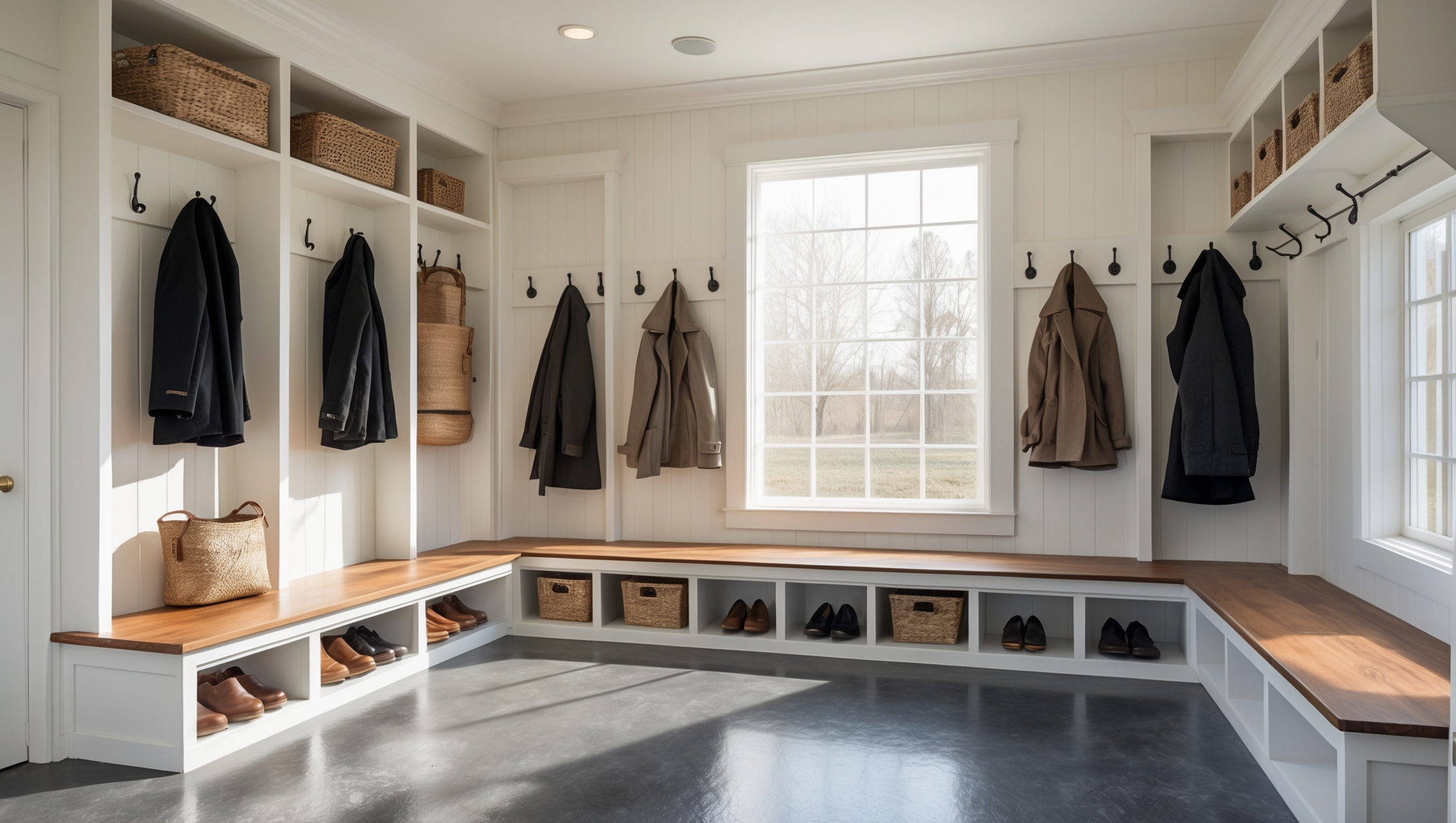
Introduction: Why a DIY Mudroom Is the Upgrade Your Home Needs
As the main hub for comings and goings, your home’s entryway shapes first impressions and influences daily organization. Yet, cluttered shoes, scattered bags, and lost keys are all too common. Enter the mudroom: a dedicated space for boots, coats, backpacks, and gear. Whether you have a sprawling foyer or a compact hallway, building a mudroom can dramatically improve your home’s functionality and tidiness. Even better, a DIY mudroom project is achievable for many skill levels and can be tailored to your unique space and needs. In this comprehensive step-by-step tutorial, you’ll learn how to plan, build, and maintain a custom mudroom that maximizes organization, withstands daily use, and adds value to your home. We’ll cover material selection, layout planning, essential safety considerations, smart storage solutions, and ongoing upkeep tips—empowering you to create a mudroom that truly works for your family and lifestyle.
Planning Your Mudroom: Purpose, Space, and Layout
Assessing Your Needs
Before picking up any tools, clarify what you need from your mudroom. Consider:
- Family Size & Lifestyle: How many people will use the space? Do you have kids, pets, or frequent guests?
- Main Functions: Will the mudroom serve only as an entryway, or double as laundry, pet zone, or utility area?
- Storage Requirements: List items you want to store—shoes, boots, coats, sports gear, pet leashes, umbrellas, cleaning supplies, etc.
Choosing the Right Location
Mudrooms can be created in various spots:
- Front or Rear Entryways: Ideal for families with heavy foot traffic.
- Garage Entry: Perfect for keeping outdoor messes contained.
- Converted Closets or Hallways: Efficient use of underutilized space for small homes.
Measure your chosen area, noting the width, depth, ceiling height, and proximity to electrical outlets, windows, or doors. Sketch a rough floor plan, marking where built-ins, benches, or cubbies might go.
Designing for Functionality
Key design principles for an effective mudroom:
- Durable Flooring: Opt for materials that can withstand mud, water, and grit (e.g., ceramic tile, luxury vinyl, sealed concrete).
- Easy-to-Clean Surfaces: Choose paint finishes and materials that wipe clean easily.
- Ventilation: Especially in humid climates or for drying wet gear, ensure good airflow.
- Lighting: Natural light is ideal; supplement with bright, energy-efficient fixtures.
- Smart Storage: Plan for vertical storage, hooks, cubbies, and closed cabinets to keep clutter hidden.
Budgeting and Materials: Cost-Savvy Choices
Estimating Your Budget
DIY mudroom costs can range from $300 for a simple bench-and-hook setup to $2,000+ for custom built-ins. Factors impacting cost include:
- Size of the space
- Materials chosen (MDF, plywood, hardwood, metal, etc.)
- Features (benches, shelving, lockers, cabinets, electrical upgrades)
- Tools required (some may be rented or borrowed)
Essential Materials Checklist
- Paint or wall paneling (for easy cleaning and moisture resistance)
- Plywood or MDF for shelving, cubbies, and benches
- Solid wood or pre-fab panels for doors and trim
- Heavy-duty hooks and coat racks
- Storage baskets or bins
- Durable flooring (as needed)
- Fasteners: screws, anchors, wood glue
- Finishing materials: primer, paint, caulk
Tools Required
- Stud finder
- Measuring tape and level
- Circular saw or miter saw
- Power drill and bits
- Hammer and nails
- Paintbrushes and rollers
- Safety equipment: goggles, dust mask, gloves
Step-by-Step: Building Your DIY Mudroom
Step 1: Prep the Space
- Clear out the area completely.
- Remove old trim, baseboards, or flooring if upgrading surfaces.
- Patch and prime walls as needed.
- Mark the studs with a pencil for secure anchoring.
Step 2: Install Durable Flooring (If Needed)
- If replacing flooring, do this first. Tile and luxury vinyl plank are popular for mudrooms.
- Level the subfloor and follow manufacturer instructions for installation.
- Seal edges to prevent moisture intrusion.
Step 3: Build the Bench
- Cut plywood or MDF to size for the bench top and supports.
- Frame the base using 2x4s anchored into studs for stability.
- Attach the bench top and add decorative trim for a finished look.
- Sand and paint or stain to suit your decor.
Pro tip: Add storage below the bench with open cubbies or pull-out baskets for shoes and boots.
Step 4: Add Vertical Storage
- Install vertical panels or cubbies above the bench, securing them to wall studs.
- Space cubbies or lockers for each family member for personalized organization.
- Add shelving for hats, gloves, and seasonal gear.
Step 5: Mount Hooks and Coat Racks
- Install heavy-duty hooks at varying heights for coats, bags, and backpacks.
- Include a lower row for children’s access.
- Use anchors if not attaching directly to studs.
Step 6: Finish with Cabinets, Baskets, and Accessories
- Add closed cabinets for cleaning supplies or unsightly items.
- Place baskets or labeled bins in cubbies for quick, organized storage.
- Install a message board, key rack, or charging station if desired.
- Lay down a durable, washable rug or boot tray to catch debris.
Smart Storage Solutions: Maximizing Every Inch
Customizing for Your Family
- Assign each family member a dedicated cubby, hook, and bin.
- Use color-coded baskets or labels for easy identification.
Optimizing Small Spaces
- Install wall-mounted shelves above doorways.
- Use pull-out drawers under benches for hidden storage.
- Choose slim-profile hooks and racks to save space.
Seasonal Adjustments
- Rotate out-of-season items to higher shelves or alternate storage locations.
- Keep a dedicated bin for wet weather gear.
Maintenance Best Practices
Daily and Weekly Cleaning
- Sweep or vacuum the floor regularly to remove dirt and debris.
- Wipe down benches, shelves, and hooks with a damp cloth.
- Empty and clean baskets or bins every week.
Seasonal Deep Cleaning
- Scrub flooring and grout to prevent mold or mildew.
- Check for signs of moisture damage or wear.
- Repaint or touch up finishes as needed.
Upkeep and Repairs
- Tighten loose hooks or hardware promptly.
- Replace worn rugs or cracked bins to maintain appearance.
Safety Checklist: Building and Using Your Mudroom
- Always use safety gear—goggles, gloves, dust mask—when cutting or sanding materials.
- Secure all storage units and shelves to wall studs to prevent tipping.
- Ensure electrical outlets and devices are moisture-protected.
- Use non-slip mats or flooring to avoid falls.
- Keep walkways clear of tripping hazards like loose shoes or bags.
- Choose low-VOC paints and finishes for better indoor air quality.
Personalization and Finishing Touches
Adding Style Without Sacrificing Function
- Paint or wallpaper the mudroom in a cheerful, welcoming color.
- Incorporate decorative baskets or hardware that match your home’s style.
- Hang artwork or family photos above the bench or on adjacent walls.
- Install a mirror for last-minute appearance checks before heading out.
Practical Add-Ons
- Mount a chalkboard or whiteboard for reminders and to-do lists.
- Include a small charging station with USB outlets for phones and tablets.
- Hang a shelf or hook for pet leashes, treats, or waste bags.
Conclusion: Enjoy a Clutter-Free, Efficient Entryway
Tackling a DIY mudroom project brings long-lasting rewards. You’ll immediately notice a reduction in clutter and chaos, with every family member knowing exactly where their shoes, coats, and bags belong. The sense of order extends beyond the mudroom, helping to keep the rest of your home tidier and more welcoming. By following the detailed steps and safety recommendations in this guide, you can confidently build a functional, attractive mudroom tailored to your family’s routine and style. Remember to plan carefully, invest in durable materials, and customize storage to meet your changing needs throughout the year. With regular maintenance and a few personal touches, your new mudroom will remain a hardworking, stylish entry point for years to come. Whether you’re wrangling muddy boots after a rainy day or corralling backpacks during the school rush, your DIY mudroom is the foundation of a more organized, stress-free home life.
When deciding between putting a mudroom in a garage entry versus converting a hallway closet, are there any specific pros and cons I should think about for families with pets and kids?
A garage entry mudroom usually offers more space for muddy boots, sports gear, and pet supplies, which is great for families with kids and pets. However, converting a hallway closet keeps things closer to your main living area, making it easier to supervise kids or pets. Just consider traffic flow, available space, and your cleaning preferences when choosing.
If I want my mudroom to double as a pet zone, are there specific materials or layouts you recommend to handle messes and make cleaning easier?
For a pet-friendly mudroom, consider using durable, water-resistant flooring like tile or luxury vinyl that’s easy to mop. Wall panels or washable paint help withstand splashes. Incorporate built-in storage for pet items and a dedicated spot with a washable mat for feeding or resting areas to simplify cleaning.
For a first-time DIYer, how do you recommend figuring out the right type of storage (like open cubbies versus closed cabinets) to keep things organized without making the mudroom feel cramped?
Think about what you use most often and how much space you have. Open cubbies are great for quick access to shoes and bags, while closed cabinets hide clutter but need more room to open. If space is tight, combine smaller cubbies with hooks above and maybe one closed cabinet for bulky or seasonal items.
For someone with limited DIY experience, how long should I expect the full project to take from planning to completion, and are there any common pitfalls I should watch out for?
If you’re new to DIY, plan for the mudroom project to take about two to three weekends, including planning, shopping, and building. Take time to measure carefully, follow the instructions step by step, and double-check your material list. Common pitfalls include mismeasuring spaces and underestimating the time needed for painting or assembly.
Do you have any tips for selecting durable materials that hold up well to pets and kids in a high-traffic mudroom?
For a high-traffic mudroom with pets and kids, choose materials like porcelain or ceramic tile for floors—they’re scratch-resistant and easy to clean. Go for semi-gloss or satin paints on walls, as they’re washable. Solid wood or metal hooks and benches hold up well. Avoid softwoods and light fabrics to minimize wear and stains.
You mentioned safety considerations—could you share what kind of safety steps are most important when installing built-in benches or cubbies, especially for homes with young kids?
When installing built-in benches or cubbies, be sure to anchor them securely to wall studs to prevent tipping. Smooth all corners and edges to avoid bumps or scrapes. Use non-toxic paints and finishes, and check that any hardware is child-safe or out of reach from small children.
I noticed you mentioned building the mudroom near a garage entry. Would you suggest different materials if the area tends to get a lot of wet or muddy traffic?
Yes, for areas with frequent wet or muddy traffic, it’s best to choose water-resistant materials. Consider tile or sealed concrete flooring, moisture-resistant paint on walls, and durable benches or cabinetry made from treated wood or laminate. Adding washable rugs and easy-to-clean surfaces will also help keep the space tidy and long-lasting.
When converting a small hallway into a mudroom, what are some smart ways to maximize storage without making the space feel cramped or blocking access to doors?
To maximize storage in a small hallway mudroom, consider using wall-mounted hooks, slim shelves, and overhead cubbies to keep the floor clear. Opt for narrow benches with built-in storage underneath, and use vertical space for baskets or organizers. Make sure to leave enough clearance for doors to open fully and keep walkways unobstructed.
If I want my mudroom to double as a laundry area, are there any layout tips or safety considerations I should keep in mind to avoid clutter and potential hazards?
To create a mudroom that also serves as a laundry area, keep laundry appliances away from entry doors to prevent crowding. Install non-slip mats to handle water spills, and use closed cabinets or baskets to organize detergents and supplies safely out of reach of children. Make sure electrical outlets are properly grounded and keep walkways clear for safety.
For someone on a tight budget, what types of materials would you recommend that balance durability and affordability for high-traffic mudroom storage solutions?
Consider using plywood or MDF for constructing shelves and cubbies, as they’re affordable and sturdy when properly sealed. For bench tops, look for finished pine or reclaimed wood. Sturdy metal hooks and baskets from discount stores provide durability on a budget. Paint or seal all surfaces to help withstand wear and moisture in busy mudrooms.
You mentioned considering pet zones as part of the mudroom. Do you have any tips for incorporating storage specifically for pet items like leashes and food bowls, especially in a small space?
For small mudrooms, wall-mounted hooks or racks work great for hanging leashes and collars without taking up floor space. Use narrow shelves or stackable bins for food bowls and pet supplies—placing them near the door keeps things accessible. If possible, add a small basket or caddy for quick grab-and-go items.
For a family with two young kids and a dog, what materials do you recommend for a mudroom bench and cubbies to make cleaning up muddy footprints and fur easier?
For easy cleanup with kids and a dog, choose a bench and cubbies made from sealed hardwood, laminate, or high-quality MDF with a durable finish. Opt for wipeable paint or a water-resistant sealant. Consider adding removable, washable mats or baskets to make cleaning up dirt, mud, and fur much simpler.
When planning a mudroom in a smaller hallway, do you have any tips for maximizing storage without making the space feel cramped? I’m especially interested in options for storing boots and backpacks.
For a small hallway mudroom, consider using vertical storage like wall hooks for backpacks and tall, narrow cubbies or shelves for boots. Benches with built-in storage underneath can also help. Keeping the storage open or using lighter colors will prevent the area from feeling cramped.
What kind of materials hold up best if you have pets who like to play in the mud, especially for the bench and flooring?
For a pet-friendly mudroom, consider using tile or luxury vinyl flooring—they’re both durable and easy to clean. For benches, sealed hardwood or composite materials resist moisture and scratches well. Adding washable cushions or mats can also help protect surfaces from muddy paws.
How much time should I realistically set aside for a full DIY mudroom build if I can only work on weekends and evenings?
For a full DIY mudroom build, expect to spend about 2 to 3 weekends if you work several hours each day, plus some weekday evenings for tasks like painting or assembly. If your design is complex or space is large, you might need 4 weekends in total.
What kind of materials would you recommend for a mudroom that’s going to have to handle a lot of wet boots and pet messes? Are there certain flooring or finishes that hold up better over time?
For a mudroom exposed to wet boots and pet messes, consider durable, water-resistant flooring like ceramic tile, luxury vinyl, or sealed concrete. Use semi-gloss or satin paint on the walls for easy cleaning, and opt for moisture-resistant cabinetry or benches, such as those made from treated wood or laminate. These choices will help your mudroom stay looking good and last longer.
If I want to convert a narrow hallway into a mudroom like the article mentions, what storage solutions would you recommend for maximizing space without making it feel cramped?
For a narrow hallway, consider using wall-mounted hooks and shelves to keep the floor clear. Slim benches with hidden storage underneath are great for shoes and bags. Tall, shallow cubbies or lockers can help organize items vertically without taking up much width, keeping the space open and functional.
You mentioned using garage entryways for mudrooms. Do you have tips for protecting the floor from salt and snow during Minnesota winters, and are there specific types of flooring you suggest?
For Minnesota winters, consider tile or luxury vinyl plank flooring as they resist water and salt damage. Use heavy-duty rubber mats or boot trays near the entrance to catch snow and salt. Regularly clean and seal grout lines if you choose tile to prevent staining.
I see the article mentions using garage entries for mudrooms to contain outdoor messes. Is there anything special I should consider when adding a mudroom in a garage area, like insulation or flooring materials?
When building a mudroom in a garage, it’s smart to add insulation if the space gets cold, to keep it comfortable and protect belongings. For flooring, choose durable, water-resistant options like tile, sealed concrete, or vinyl to handle dirt and moisture. Good ventilation and proper drainage are also helpful to prevent mold and odors.
Do you have any tips for making a really small hallway work as a functional mudroom? I’m worried there won’t be enough room for everything my family needs to store.
For a small hallway, use vertical space with wall hooks, floating shelves, or overhead cubbies. Slim benches with built-in storage can provide seating and a spot for shoes. Consider baskets or bins for each family member to keep things organized and easy to grab on the go.
Does the tutorial talk about a rough budget or how much the material selection usually costs for a basic mudroom setup? I’m trying to estimate expenses before I get started.
The tutorial does not provide a specific rough budget or detailed cost breakdown for materials. It mainly focuses on the steps and options for building the mudroom. For a basic setup, you might want to estimate costs based on the materials and features you choose, such as shelving, hooks, and benches.
You mention planning for electrical access in your layout—are there specific safety concerns or code requirements I should be aware of if I want to add outlets or lighting to my DIY mudroom?
Yes, there are safety and code requirements to consider. Outlets and lighting in a mudroom may need to be GFCI-protected, especially if moisture is present. Any electrical work should follow local building codes, including wire gauge and box installation. If you’re not familiar with electrical work, it’s safest to consult a licensed electrician.
When picking material for the mudroom, are there specific types of wood or finishes you recommend to handle wet boots and pet messes, especially for families with young kids?
For mudrooms with kids and pets, choose durable woods like oak or maple, and consider sealed or painted finishes for moisture resistance. Polyurethane or water-based sealants add extra protection against spills, wet boots, and pet messes, making cleanup easier and helping your surfaces last longer.
I’m thinking about converting a small hallway near my garage into a mudroom. Do you have any tips for making the most of a really narrow space so it still feels organized and not cramped?
For a narrow hallway, use wall-mounted hooks for coats and bags, and slim shelves or cubbies for shoes. Opt for vertical storage to keep the floor clear, and consider a bench with hidden storage underneath. Light colors and good lighting will also help the space feel more open.
Once the mudroom is built, how often do you suggest performing upkeep or maintenance, and are there any tips for keeping things organized long term?
A quick tidy-up every week and a deeper cleaning once a month should keep your mudroom in good shape. To stay organized long term, assign specific spots for shoes, coats, and bags, and involve everyone in the household in maintaining the system.
How much time should I expect to set aside for building a basic mudroom if I only have weekends free? Just trying to plan out how involved this project might be.
For a basic mudroom, you can expect the project to take about two to three weekends if you dedicate most of each weekend day to it. This allows time for planning, building, painting, and letting materials dry in between steps.
If my garage entry is pretty narrow, what are some layout tips to keep it functional without making it feel cramped or blocking the doorway?
For a narrow garage entry, try wall-mounted hooks and slim shelves to keep essentials off the floor. Use vertical storage like tall cubbies or pegboards. Opt for a bench with storage underneath and keep furniture low-profile so nothing sticks out into the walkway or blocks the doorway.
Could you elaborate on estimating the overall budget for a DIY mudroom project, especially when converting a small hallway or closet space?
Estimating a DIY mudroom budget depends on materials, size, and features. For a small hallway or closet, expect to spend $150–$600. Include costs for wood, paint, hardware, storage bins, and hooks. Reusing or upcycling items lowers expenses. Sketch your design first, list materials, and check local prices for accurate budgeting.
For a mudroom that doubles as both an entryway and laundry area, do you have any tips for handling moisture and preventing damage to built-ins, especially in a small space with limited ventilation?
Consider using moisture-resistant materials like sealed wood, laminate, or metal for built-ins. Add a small dehumidifier or moisture-absorbing packets to control humidity. If possible, install a vent fan or keep the door slightly open to improve airflow. Regularly wipe down surfaces to prevent mildew, and use washable rugs to catch moisture at the entrance.
If my entryway is really narrow, what are some space-saving storage solutions you recommend for creating a functional mudroom without crowding the area?
For narrow entryways, consider using wall-mounted shelves or hooks to keep the floor clear. Slim benches with built-in storage underneath can provide seating without taking up much space. Vertical cubbies and over-the-door organizers are also great for maximizing storage while keeping the area uncluttered.
If my entryway has limited space and no natural division from the living area, do you have tips for creating a functional mudroom zone without making the space feel cramped?
Try using slim wall hooks, a narrow bench with storage underneath, and vertical shelving to keep the area organized without overcrowding. You can define the mudroom zone visually with a small rug or mat, which separates the space without physical barriers or making it feel cramped.
How big of a project is this for a total beginner? I’ve never built anything before—are there specific tools or skills I absolutely need, or can most steps be done with basic hand tools?
This mudroom project is beginner-friendly and most steps can be done with basic hand tools like a hammer, screwdriver, and tape measure. You’ll need to measure, cut, and assemble materials, so basic measuring and safety skills are helpful. The article breaks down the process into manageable steps—just take your time and follow each one closely.
Do you have any tips for estimating the total cost of a DIY mudroom when converting a closet versus starting from scratch in a garage entryway?
For a closet conversion, factor in costs like shelving, hooks, paint, and possibly new doors. Starting in a garage entryway usually means higher expenses due to framing, drywall, and flooring. Make a list of materials for each scenario, price them at your local store, and add a buffer for tools or unexpected needs.
When deciding between installing a mudroom near the front or garage entry, how do you suggest weighing which location will best contain everyday messes for a family with kids and pets?
Consider where your family most often enters with dirty shoes, bags, or pet gear. For most families with kids and pets, the garage entry usually sees more daily mess. Placing the mudroom there helps contain dirt before it gets into your main living space. Think about your routines and traffic flow to pick the most convenient spot.
For the material selection you mention, which surfaces hold up best to wet boots and pets without showing too much wear over time?
For areas exposed to wet boots and pets, porcelain tile or luxury vinyl plank are excellent choices. Both surfaces are highly durable, water-resistant, and resist scratching, so they won’t show wear easily. If you prefer wood, go for sealed hardwood or engineered wood with a tough finish, but keep in mind they need more maintenance.
I have a big dog that tracks in a lot of mud. Any suggestions on materials or layouts that hold up better to pets and mess in a DIY mudroom setup?
For a pet-friendly mudroom, consider using durable, easy-to-clean flooring like tile or luxury vinyl plank, which resist scratches and moisture. Add washable rugs, boot trays, and built-in storage for leashes and towels near the entrance. A bench with cubbies or hooks can help keep everything tidy while managing pet mess.
Once the mudroom is set up, what ongoing upkeep or maintenance do you suggest to keep things organized and prevent clutter from coming back over time?
Stay on top of organization by regularly sorting through shoes, coats, and bags—try doing this weekly. Use labeled baskets or hooks so everyone knows where items go. Take a few minutes each day to tidy up, and do a deeper clean and declutter each season to prevent buildup.
If my entryway is really narrow, what’s the best way to include both seating and storage without making it feel cramped? Should I skip benches and just do wall hooks and shelves?
In a narrow entryway, consider a slim bench with built-in storage underneath to save space while still providing seating. Wall hooks and shelves above the bench can add vertical storage without crowding the area. If space is extremely tight, wall-mounted fold-down seats are another good option.
How much time should I realistically set aside for building a basic mudroom setup as a weekend DIYer with moderate skills?
For a basic mudroom setup, you should set aside about 1 to 2 full days. This allows enough time for measuring, assembling storage units or benches, installing hooks or shelves, and finishing touches like painting or organizing. If you run into unexpected issues, having a little extra time will make the process less stressful.
How much should I budget for materials if I want to include built-in benches and cubbies, like you mentioned, but keep costs reasonable for a small family?
For a small family mudroom with built-in benches and cubbies, you can typically expect to spend between $300 and $700 on materials if you use plywood, MDF, and basic hardware. Choosing stock materials and doing the work yourself will help keep costs down.
About how long does a full DIY mudroom usually take from planning to finish, assuming weekends and some evenings? Trying to decide if I should tackle it during a school break.
A full DIY mudroom typically takes about 2 to 3 weekends, plus a few evenings for planning and finishing details. So, if you have a week or more during a school break, you should have enough time to complete the project at a comfortable pace.
Do you have any tips for making a mudroom work in a really narrow hallway without making it feel cramped? I want to maximize storage but still have space to walk through.
In a narrow hallway, focus on vertical storage like wall hooks, high shelves, and slim cabinets. Use shallow benches with hidden storage underneath. Choose light colors and keep the floor as clear as possible to maintain an open feel. Modular or fold-away pieces can also help make the most of limited space.
I have a small hallway that barely fits a coat rack and shoes. Do you have any tips on how to make the most of such a tight space when planning a DIY mudroom?
For a narrow hallway, try using wall-mounted hooks instead of a bulky coat rack, and install a slim floating shelf or cubbies above for extra storage. A shoe rack that fits under a bench or a vertical shoe organizer can help keep shoes tidy without taking up much floor space.
For families with pets, do you have any tips on incorporating a dedicated pet zone in the mudroom without sacrificing space for backpacks and shoes?
You can add a compact pet station by using under-bench storage bins for leashes and treats or installing wall hooks at a lower height for pet gear. A small mat or tray tucked near the door works well for muddy paws, keeping the main floor space free for shoes and backpacks.
I’m working with a pretty small hallway—can you share any tips for maximizing storage in tight spaces without making it feel cramped?
Opt for wall-mounted hooks and floating shelves to keep the floor clear and create more usable space. Use slim benches with built-in storage, and consider vertical cubbies or baskets for shoes and accessories. Light colors and mirrors can also help open up the area visually.
For a very narrow hallway, what are some space-saving storage ideas or built-in features that work well without making the area feel cramped or hard to walk through?
In a narrow hallway, try installing shallow shelves, slim wall-mounted hooks, or vertical cubbies to keep storage off the floor. Consider overhead cabinets or a narrow bench with hidden storage underneath. Using light colors and open designs can help the space feel airy rather than cramped.
If I want my mudroom to double as a pet area, are there specific materials or layout changes you would recommend to make cleaning up easier?
For a pet-friendly mudroom, use water-resistant and scratch-resistant flooring like tile or sealed vinyl, which makes cleaning up fur and spills easier. Include built-in storage for leashes and supplies, and consider a washable mat or a designated rinse area if you bathe your pet there. Keep surfaces easy to wipe down and avoid open shelving near the floor.
If I want my mudroom to double as a laundry space but the area is pretty tight, do you have any layout tips or must-have features for making it work without things feeling too cramped?
Consider stacking your washer and dryer to save floor space, and use wall-mounted shelves or cabinets for storage above. A bench with storage underneath can provide a spot for shoes or baskets. Keep pathways clear by using hooks instead of bulky furniture, and opt for slimmer, taller cabinetry if possible.
When planning the mudroom layout, especially in a small hallway or converted closet, do you have advice for maximizing storage without making the space feel cramped?
To maximize storage in a small mudroom, use vertical space with tall shelves or cubbies, and install hooks for coats and bags rather than bulky racks. Opt for slim, wall-mounted benches with storage underneath, and keep the color scheme light to create an open feel.
How difficult is it to convert an existing coat closet into a functional mudroom with built-in benches and cubbies? I’m not very experienced with DIY projects.
Converting a coat closet to a mudroom with benches and cubbies is definitely doable, even for beginners, but it does involve some basic carpentry. You’ll need to measure, cut, and assemble materials like plywood or MDF. Consider starting with simple bench and shelf designs, and use pre-made storage bins to keep it manageable.
How durable should the materials be if my mudroom will double as a pet zone and also handle kids’ sports gear? Any recommendations on what holds up best?
For a mudroom that handles pets and kids’ sports gear, durability is key. Choose water-resistant flooring like tile or luxury vinyl, and use washable, sturdy wall paint. Opt for metal or solid wood hooks and benches to withstand heavy use. Storage bins made from tough plastic or coated wire also hold up well.
If I want to set up a mudroom in a converted hallway rather than near an entry door, do you have any tips on dealing with limited wall space for storage and hooks?
For a hallway mudroom, try using slim, vertical storage units or tall cubbies to maximize wall space. Install hooks at different heights for layered storage and consider overhead shelves for baskets. Benches with built-in drawers or bins underneath can offer extra storage without taking up much wall area.
If I wanted my mudroom to double as a pet zone, what are some smart layout choices or built-ins you recommend to keep the space organized but still easy to clean?
Consider adding a built-in bench with cubbies below for leashes and toys, and a designated nook for your pet’s bed. Use washable, moisture-resistant flooring and wall hooks for towels. Including a pull-out drawer for food bowls or a small cabinet for pet supplies helps keep everything tidy and easy to clean.
Can you share tips on choosing durable materials that look good but also stand up to kids, pets, and heavy use? I’m worried about mud and moisture ruining surfaces over time.
For a mudroom that handles kids, pets, and lots of mess, consider tile or luxury vinyl flooring—they’re both water-resistant and easy to clean. For benches and shelving, sealed or painted hardwood works well. Use washable paint on walls and add weather-resistant mats or rugs to catch moisture and dirt before it reaches other surfaces.
When converting a closet into a mudroom, how difficult is it to add electrical outlets safely if none already exist, and do you recommend hiring an electrician for that part?
Adding electrical outlets to a closet can be tricky, especially if there’s no existing wiring. It involves cutting into walls, running cables, and meeting safety codes. Unless you have electrical experience, it’s definitely best to hire a licensed electrician for safety and code compliance.
You mentioned combining the mudroom with laundry or a pet zone. Does adding those functions make the build a lot more complicated or expensive, and are there any common pitfalls to avoid?
Adding laundry or a pet zone can increase both complexity and cost, mainly due to plumbing, electrical work, and extra materials. Be sure to plan for proper ventilation, drainage, and durable surfaces. Common pitfalls include underestimating space needs and not waterproofing areas prone to moisture. Careful planning helps avoid these issues and makes the multi-purpose space functional.
For someone who’s never built anything before, are there any specific tools I absolutely need to buy upfront, or can I get by with just basic ones for a smaller mudroom in a hallway?
For a smaller mudroom in a hallway, you can definitely start with basic tools. A tape measure, drill or screwdriver, level, and hammer should cover most beginner projects. If you find you need more specialized tools later, you can pick them up as needed.
How much time should I realistically set aside for building a mudroom if I’m a beginner and planning to do it over a couple weekends?
For a beginner, you should plan to spend about 16 to 24 hours total on building your mudroom. This usually means two full weekends, allowing time for measuring, shopping, construction, painting, and drying. If your design is complex, consider giving yourself an extra weekend just in case.
For a family with pets and young kids, what are some durable material options that can handle a lot of mess and traffic in a DIY mudroom?
For a busy mudroom, consider using ceramic or porcelain tile for flooring—they’re tough and easy to clean. Wall hooks and benches made from sealed hardwood or powder-coated metal resist scratches and dents. For storage bins, look for heavy-duty plastic or coated wire baskets that can withstand frequent use and messy gear.
If my mudroom will also double as a laundry area, what materials should I use for benches and shelves to handle potential moisture and wear?
For a dual mudroom and laundry area, choose materials like sealed hardwood, marine-grade plywood, or powder-coated metal for benches and shelves. These resist moisture and are durable. For added protection, consider water-resistant finishes or laminates, and use rustproof hardware to prevent corrosion over time.
How would you recommend adapting the steps if my entryway is really narrow and doesn’t have much wall space for built-ins or benches? Are there particular storage solutions that work best for small, tight layouts?
For a narrow entryway, consider vertical storage like slim wall-mounted shelves, hooks for coats and bags, and over-the-door organizers. A small shoe rack or baskets under a floating shelf can add storage without taking up floor space. Choose multi-purpose pieces, like a bench with hidden storage, if space allows.
When measuring my chosen area for the mudroom, what should I do if the space has awkward angles or obstacles like radiators and low windows? Should I still try to fit in built-ins or look for alternative storage options?
If your space has awkward angles or obstacles, it’s best to adapt your design. You might use modular storage, open shelving, or baskets that fit around radiators or below windows. Built-ins can still work, but custom sizing or leaving some areas open may offer the most functional and attractive solution.
If I want my mudroom to double as a laundry area, are there specific layout considerations or storage solutions I should prioritize during the planning phase?
When combining a mudroom with a laundry area, prioritize keeping laundry appliances accessible and leave space for folding and sorting clothes. Consider closed cabinets for detergents, overhead shelves, hooks for outerwear, and baskets for sorting laundry. Make sure there’s enough room to move easily between zones to keep both areas functional and organized.
When you’re measuring the space for a mudroom, how much clearance do you recommend leaving in front of benches or cubbies so things don’t feel cramped, especially if it’s a high-traffic hallway?
It’s best to leave at least 36 inches of clearance in front of benches or cubbies to ensure people can walk by comfortably, even in a busy hallway. This gives enough room for opening doors, sitting to put on shoes, and moving around without feeling cramped.
If I only have a small hallway available, are there any recommendations for maximizing storage without making the space feel cramped? The article mentions converted closets and hallways, so I’m curious about best practices for tiny areas.
Absolutely, small hallways can work well with some careful planning. Opt for slim wall-mounted shelves, hooks for coats and bags, and a narrow bench with hidden storage underneath. Use vertical space for cubbies or baskets, and keep everything off the floor when possible to maintain a more open feel.
If I want my mudroom to double as a pet zone, what are some practical ways to organize leashes and pet supplies without cluttering up the space?
Try installing wall hooks or a small pegboard at pet-level for leashes and collars. Use labeled baskets or bins on lower shelves or in a bench cubby for toys, treats, and waste bags. This keeps everything tidy, easy to grab, and prevents clutter from spreading through the rest of the mudroom.
You mention converting closets or small hallways into mudrooms for compact homes. What are some layout tips to make the most out of a really narrow or awkward entryway?
For narrow or awkward entryways, choose slim wall-mounted shelves, hooks, and floating benches to maximize floor space. Use vertical storage like high shelves or stacked cubbies. Consider adding a mirror to brighten and visually widen the area, and use baskets or bins under seating for extra storage.
When planning the layout, how do you recommend handling a mudroom in a very narrow hallway so it doesn’t feel cramped? Any specific storage or bench ideas for tight spaces?
For a narrow hallway mudroom, consider using wall-mounted hooks and slim shelves instead of bulky cabinets. A narrow bench with built-in shoe storage underneath works well, and opting for open cubbies or baskets keeps the space airy. Using vertical storage maximizes functionality without making the area feel cramped.
Could you give more guidance on choosing materials that hold up well in homes with pets and kids? I want something durable but also easy to clean.
For homes with pets and kids, consider using ceramic or porcelain tile flooring since it’s scratch-resistant and easy to clean. For cabinetry and benches, opt for high-quality laminate or painted hardwood with a durable finish. Wall hooks and shelving in powder-coated metal can handle heavy use. Avoid materials like unfinished wood or plush fabrics, as they stain and wear easily.
Could you give some guidance on how much I should budget for basic materials if I’m building a simple mudroom bench with cubbies and hooks? I’m new to DIY, so a rough estimate would help.
For a simple mudroom bench with cubbies and hooks, basic materials like plywood or MDF, screws, wood glue, paint or stain, and hardware (hooks, hinges) typically cost between $100 and $250. Costs may vary by region and material choices, but this range should help you plan your budget for a beginner DIY project.
If my mudroom area doesn’t have many electrical outlets nearby, do you suggest running new wiring before building the storage units, or are there alternative solutions for adding things like charging stations later?
It’s usually easier and neater to add new electrical wiring before installing storage units, especially if you plan to use built-in charging stations. However, if running new wiring isn’t possible right now, you could use surface-mounted conduit or smart extension cords as a temporary solution and add permanent outlets later when convenient.
How much space do I really need for a functional mudroom in a small hallway, and do you have layout tips for maximizing storage in tight spots?
For a functional mudroom in a small hallway, aim for at least 3 feet of width if possible. Use vertical space with wall-mounted hooks, shelves, and cubbies. Narrow benches with storage underneath can help, and using baskets or bins keeps smaller items organized. Keep walkways clear by choosing slim-profile furniture and organizing up rather than out.
For measuring the area, do you have tips on handling odd-shaped spaces or rooms with slanted ceilings? I’m not sure how to plan built-in benches or cubbies around those kinds of features.
For odd-shaped spaces, break the area into smaller rectangles or triangles and measure each section separately, then add them together. For slanted ceilings, measure the lowest and highest points, and plan bench or cubby heights to fit the shortest clearance. Customizing each unit to fit the unique angles will help maximize storage and ensure everything fits comfortably.
For someone with a small hallway and a limited budget, which materials or storage solutions would you suggest to maximize organization without spending a ton of money?
Consider using wall-mounted hooks for coats and bags, which save floor space and are very affordable. Add a narrow bench with storage underneath, like baskets or crates, for shoes and small items. Floating shelves above the hooks can hold hats or bins, making the most of vertical space without breaking the bank.
When planning my mudroom layout, how do I decide between adding cubbies versus installing larger built-in units, especially if I might want to change the setup as my family’s needs evolve?
If you want flexibility as your family’s needs change, cubbies are easier to reconfigure or add/remove. Larger built-in units offer more storage but are more permanent. Consider starting with cubbies if you anticipate changes, or choose modular built-ins that can be adjusted over time.
If the only available space for a mudroom is a narrow hallway, what are some smart storage solutions you’d recommend for shoes and backpacks that don’t block the walkway?
For a narrow hallway, consider wall-mounted shelves or cubbies placed high enough to keep the floor clear. Use slim vertical lockers or hooks for backpacks, and install a shallow bench with hidden shoe storage underneath. Over-the-door organizers can also keep shoes and small items tidy without encroaching on walking space.
When choosing materials for a mudroom that’s right off the garage—with lots of wet shoes and mess—what should I look for to make sure it holds up over time?
For a mudroom with heavy use and lots of wet shoes, pick moisture-resistant flooring like tile or sealed vinyl, and use water-resistant paint on the walls. Choose durable hooks and shelves—metal or coated wood work well. Look for benches or storage with easy-to-clean surfaces, and consider adding washable mats to catch dirt and water.
When choosing materials for a DIY mudroom that will withstand heavy daily use, do you have specific recommendations for finishes or types of wood that balance durability with budget?
For a durable yet budget-friendly mudroom, consider using hardwoods like oak or maple for benches and shelving, as they resist dents and scratches. For finishes, water-based polyurethane provides good protection against moisture and scuffs. For cabinetry, quality plywood with a durable laminate or painted MDF can balance cost and longevity.
Our entryway is pretty narrow and has a window right by the door. Do you have any tips for designing a functional mudroom layout in a tight space without blocking natural light?
Consider using slim-profile benches with storage underneath and wall-mounted hooks or shelves to keep the floor clear. Place taller storage on the wall opposite the window, so natural light still comes through. Opt for light colors and open shelving to keep the space airy and bright.
When planning a mudroom in a smaller hallway or closet area, what are the smartest storage solutions for maximizing space without making it feel cramped?
For a smaller space, choose vertical storage like wall-mounted hooks and shelves to keep floors clear. Use slim benches with built-in cubbies or baskets underneath, and consider over-the-door organizers. Opt for light colors and minimal decor to keep the area feeling open and uncluttered.
How much should I budget for basic materials if I’m building a simple mudroom in a converted closet, and are there any cost-saving tips for first-timers?
For a simple mudroom in a converted closet, you can expect to spend $100 to $300 on basic materials like hooks, shelves, paint, and storage bins. To save money, reuse existing shelves, look for discounted materials at hardware stores, and consider DIYing items like benches with leftover wood.
For a family with both kids and pets, how would you suggest dividing up the mudroom area to keep things organized and safe for everyone?
To keep things organized, designate lower cubbies or baskets for kids’ shoes and backpacks, with hooks at their height. For pets, create a separate nook or mat for leashes, food bowls, and towels. Use higher shelves for adult items and cleaning supplies, keeping anything hazardous out of children’s and pets’ reach.