

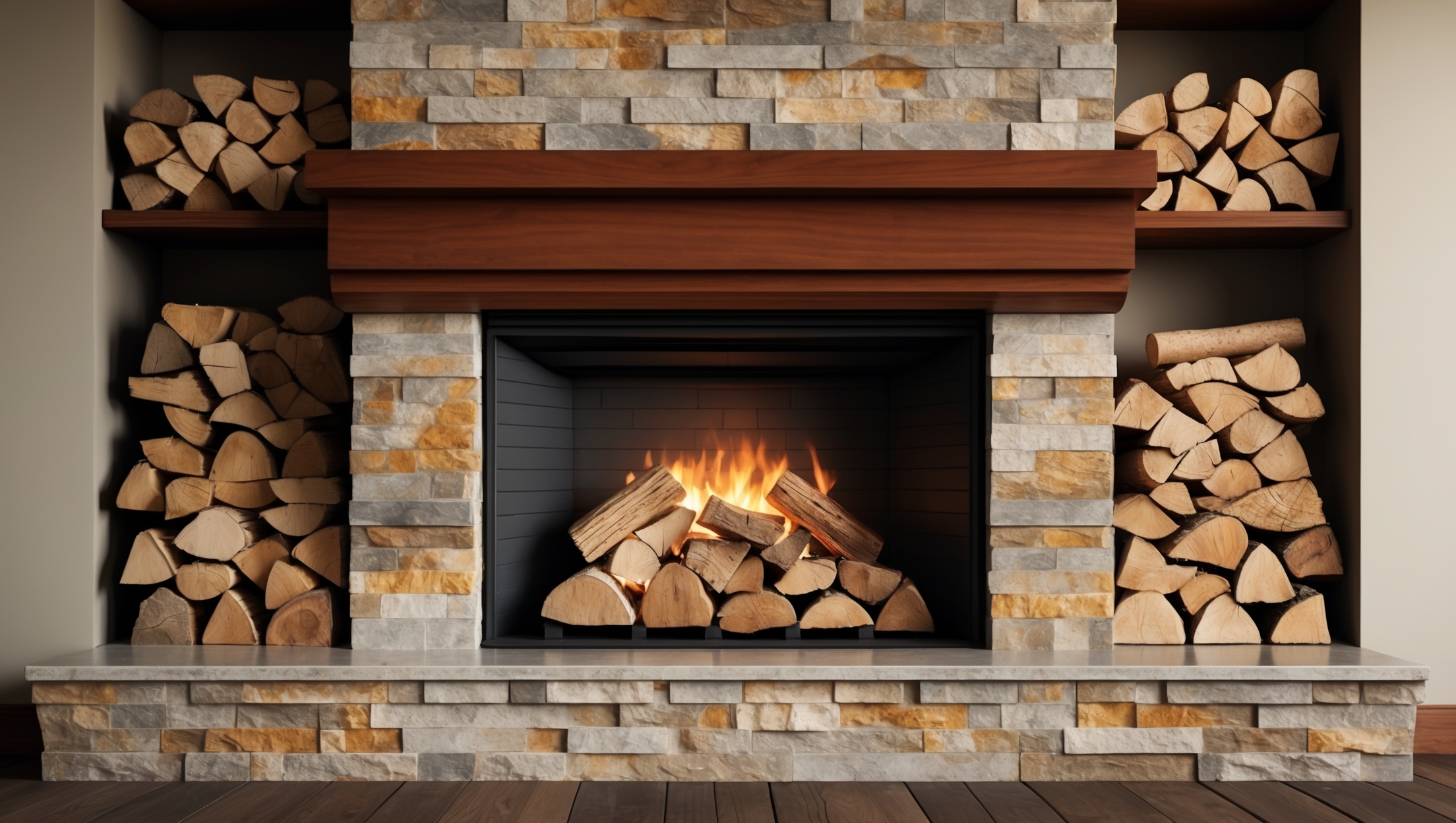
Introduction: Why Fireplace Renovation Matters
Fireplaces have long served as the heart of the home—a source of warmth, ambiance, and a natural gathering point for friends and family. Yet, many homeowners overlook the importance of maintaining, updating, or even fully renovating their fireplace. An outdated or poorly maintained hearth can pose significant safety risks, create draft and energy inefficiencies, and even run afoul of local building codes. Meanwhile, a tastefully renovated fireplace not only enhances your home’s comfort and style but can also add tangible value to your property. Whether you’re eyeing a full-scale transformation or a targeted upgrade, understanding the nuances of fireplace renovation is critical. This comprehensive guide will break down the true costs involved, clarify essential compliance and permit steps, and detail ongoing maintenance practices to ensure your fireplace remains a safe, efficient, and beautiful feature in your home for years to come.
Understanding Fireplace Renovation: Options and Considerations
Types of Fireplaces
- Wood-Burning Fireplaces: Traditional, atmospheric, but require more maintenance and compliance steps.
- Gas Fireplaces: Efficient, cleaner, and often easier to retrofit into existing spaces.
- Electric Fireplaces: Low maintenance, versatile, but may lack the authenticity of real flames.
- Ethanol Fireplaces: Modern, ventless options with flexibility in placement but higher fuel costs.
Common Renovation Goals
- Improving safety and compliance with updated codes
- Boosting heating efficiency and reducing drafts
- Modernizing aesthetics—new surrounds, mantels, and hearths
- Converting from wood to gas or electric for convenience
Cost Breakdown: Budgeting Your Fireplace Renovation
Material and Labor Costs
- Demolition and Preparation: $300–$1,000, depending on existing structure and debris removal.
- New Surround and Mantel:
- Tile: $10–$50/sq.ft.
- Stone: $25–$80/sq.ft.
- Brick Refacing: $1,500–$3,500 total
- Custom Wood Mantel: $500–$2,500
- Insert or Conversion Unit:
- Wood to Gas Insert: $2,000–$5,500 (including installation)
- Gas to Electric: $1,000–$3,000
- Electric Insert: $400–$1,500
- Chimney Repairs: $1,000–$4,000 (liner, damper, masonry fixes)
- Permits and Inspections: $100–$800 (varies by locality)
Hidden and Variable Costs
Budget for unforeseen structural repairs, especially if your home is older or if your renovation exposes previously hidden damage. Common surprises include:
- Cracked flue or liner replacements
- Mold or water damage around chimney chase
- Upgrading gas lines or wiring for new inserts
Sample Budget Scenarios
- Basic Refresh: New tile surround and paint, $1,000–$2,500
- Mid-Range Renovation: Gas insert, new mantel, minor chimney work, $4,500–$8,000
- Full Remodel: Structural rebuild, top-tier finishes, major code upgrades, $10,000–$20,000+
Compliance and Permitting: Navigating Codes and Safety Standards
Why Compliance Matters
Fireplaces are subject to stringent local and national codes due to the inherent risk of fire, carbon monoxide, and structural issues. Non-compliance can void insurance, lower resale value, or even create life-threatening hazards.
Key Compliance Steps
- Building Permits: Most jurisdictions require permits for any work involving structural changes, gas lines, or major electrical modifications.
- Fire Codes: Clearances from combustibles, hearth dimensions, and flue requirements are strictly regulated.
- Manufacturer’s Guidelines: Always follow the installation manual for any insert or prefab unit—inspectors will reference these during approval.
- Inspections: Expect at least one city or county inspection upon completion (sometimes a rough-in inspection if gas or electrical work is involved).
Common Compliance Pitfalls
- Failure to pull permits for insert installations or structural modifications
- Improper venting of gas or wood-burning units
- Non-compliant hearth extensions or mantel placements
- Use of non-rated materials too close to the firebox
How to Ensure Compliance
- Consult your local building department before starting any work.
- Hire a certified fireplace installer or reputable contractor familiar with local codes.
- Request manufacturer compliance documentation for any new inserts or prefab units.
- Keep copies of your permits and inspection reports for insurance and resale purposes.
Essential Tools and Equipment for Fireplace Renovation
Safety Equipment
- Respirator and dust masks (for demolition and masonry work)
- Safety goggles and heavy-duty gloves
- Fire extinguisher (on hand at all times)
Demolition and Prep Tools
- Pry bars and masonry chisels
- Sledgehammer (for brick or stone removal)
- Shop vacuum (HEPA filter recommended)
Installation and Finish Tools
- Drill/driver and masonry bits
- Trowel and mortar tools (for tile/stone work)
- Level and measuring tape
- Caulking gun and heat-resistant sealant
- Painter’s tools for finishing work
Specialty Tools
- Chimney inspection camera (available for rent)
- Gas leak detector (for conversions)
- Moisture meter (to assess surrounding wall integrity)
Step-by-Step Renovation Process
1. Planning and Design
- Assess your current fireplace type, structure, and condition.
- Define your renovation goals: efficiency, aesthetics, fuel type, or all three.
- Sketch a design or use visualizer tools offered by fireplace manufacturers.
- Obtain all necessary permits before any demolition or installation.
2. Demolition and Preparation
- Protect floors and nearby furniture with drop cloths.
- Demolish the existing surround, mantel, or hearth as needed—dispose of debris safely.
- Inspect for structural issues, water damage, and flue integrity.
3. Upgrading the Firebox and Chimney
- Repair or reline the chimney as needed to meet current safety codes.
- Install or update dampers and smoke shelves.
- For conversions, extend or reroute gas lines (licensed professionals only).
4. Installing the Insert or New Unit
- Follow manufacturer instructions to the letter for gas or electric inserts.
- Ensure proper venting or electrical wiring—never cut corners.
- Schedule required inspections before closing up the surround.
5. Building the Surround, Mantel, and Hearth
- Install new stone, brick, tile, or prefabricated panels as per your design.
- Mount the mantel at code-compliant distances from the firebox.
- Construct or reface the hearth, ensuring non-combustible materials and correct dimensions.
6. Finishing Touches
- Seal gaps with heat-resistant caulk.
- Paint or stain as desired (using heat-safe options).
- Install accessories: screens, doors, or tool sets.
7. Final Inspection and Testing
- Schedule final inspection with your local building department.
- Test the unit for proper operation, draft, and safety shutoffs.
- Keep all documentation for insurance and future reference.
Maintenance Essentials: Keeping Your Fireplace Safe and Efficient
Routine Cleaning
- Wood-burning fireplaces: Remove ash after each use; clean firebox monthly during the heating season.
- Gas and electric units: Wipe down glass and check for dust buildup on logs or coils.
Chimney and Venting Maintenance
- Schedule a professional chimney sweep annually for wood-burning units.
- Inspect flue, damper, and cap for obstructions (bird nests, debris).
- Gas units: Have vents checked yearly for leaks or blockages.
Safety Checks
- Test carbon monoxide and smoke detectors monthly.
- Inspect fireproof seals and gaskets for wear.
- Keep combustible materials well away from the hearth and surround.
Professional Inspections
- An annual safety inspection by a certified technician is recommended, even for gas and electric models.
- Document all maintenance to maintain compliance with insurance requirements.
Design Trends and Upgrade Ideas
Modern Minimalism
Sleek tile or concrete surrounds, flush mantels, and minimalist hardware create a contemporary look that complements open-concept spaces.
Rustic Revival
Natural stone, reclaimed wood mantels, and exposed brickwork offer timeless appeal and warmth.
Smart Fireplace Features
- Remote or app-based controls for gas and electric units
- Thermostatic and programmable timers
- LED accent lighting or color-changing effects
Eco-Friendly Upgrades
- High-efficiency inserts with EPA certification
- Direct-vent or ventless gas options to minimize heat loss
Conclusion: Making Your Fireplace Renovation a Lasting Success
Renovating your fireplace is more than a cosmetic upgrade—it’s an investment in your home’s safety, efficiency, and overall value. By understanding the true cost breakdown, you’ll avoid unwelcome surprises and budget confidently for the level of transformation you desire. Navigating permits and compliance isn’t just a bureaucratic hassle; it’s an essential safeguard against hidden hazards and future headaches. With the right tools, a clear renovation plan, and respect for local codes, even an ambitious fireplace project can be tackled with confidence.
Maintenance is the final, ongoing chapter in your fireplace story. Annual inspections, regular cleaning, and prompt attention to repairs will keep your new or updated hearth both beautiful and dependable. Don’t forget the finishing touches—modern smart features, eco-friendly upgrades, and a design that reflects your personal style can make your fireplace a true centerpiece year-round.
Whether you’re a DIY enthusiast or working with professional contractors, approaching fireplace renovation with an informed, detail-oriented mindset ensures your investment pays off in warmth, safety, and enjoyment for many years ahead.
I see that tile and stone have different price ranges for new surrounds—are there durability or maintenance factors I should consider before choosing between them?
Yes, there are differences. Stone surrounds are generally more durable and less likely to scratch or crack, but they may need occasional sealing. Tile offers a wider range of designs but can be more prone to chipping and requires grout maintenance. Consider both your budget and how much upkeep you’re comfortable with.
You mention brick refacing as a renovation option but don’t list a price range. Can you give an idea of typical costs for brick refacing compared to stone or tile surrounds?
Brick refacing usually costs between $1,500 and $4,000, depending on the size and labor involved. In comparison, stone surrounds often range from $2,500 to $10,000, while tile surrounds are typically $1,000 to $3,000, depending on the material and complexity.
Between gas and electric fireplaces, which option tends to have lower long-term maintenance costs and fewer compliance hassles for homeowners in the US?
Electric fireplaces generally have lower long-term maintenance costs and fewer compliance issues compared to gas fireplaces. They don’t require venting, annual gas inspections, or chimney upkeep, which simplifies ownership and often means fewer regulations to follow.
For budgeting purposes, how much of the total renovation cost tends to go toward ongoing maintenance for a newly installed gas or electric fireplace compared to a traditional wood-burning one?
Ongoing maintenance costs for gas or electric fireplaces are generally much lower than for wood-burning ones. Typically, expect to spend $50–$150 per year for gas or electric fireplaces, mainly for inspections. In contrast, wood-burning fireplaces often require $150–$350 annually for chimney cleaning and regular upkeep.
When it comes to switching from a wood-burning fireplace to an electric one, do you usually need major electrical upgrades, or is it typically just a matter of plugging into an existing outlet?
Most electric fireplaces are designed to plug into a standard outlet, so major electrical upgrades usually aren’t needed. However, if you choose a high-powered unit or want a built-in look, you might need a dedicated circuit or some rewiring for safety and code compliance.
For someone on a tight budget, which renovations would you consider most essential to boost both safety and energy efficiency, and are there ways to prioritize these without a full overhaul?
Focus first on having your chimney inspected and cleaned to prevent fire hazards. Adding a chimney cap and sealing gaps in the fireplace can greatly improve safety and energy efficiency at a low cost. If possible, install a fireplace insert or glass doors, which help retain heat and reduce drafts without requiring a complete renovation.
For a basic update just to improve efficiency and reduce drafts, is there a ballpark budget range I should plan for, or does that always require a full renovation?
A basic efficiency upgrade, such as adding a chimney balloon, installing glass doors, or sealing gaps, typically ranges from $200 to $1,200. You usually don’t need a full renovation—small improvements can make a noticeable difference in reducing drafts and improving heat retention.
How much of the total renovation budget usually goes toward materials like tile or stone surrounds versus labor costs? Is there any way to save money on those parts?
Materials like tile or stone surrounds typically make up 30–50% of the total fireplace renovation budget, while labor costs account for the rest. You can save money by choosing more affordable materials or handling some simpler tasks, like demolition or painting, yourself.
If I want to switch my old wood-burning fireplace to a gas one, does the article recommend any specific steps for making sure I meet updated codes and permits?
The article highlights the importance of checking local building codes and obtaining necessary permits before converting your wood-burning fireplace to gas. It suggests consulting with a licensed professional to ensure your renovation meets current safety standards and legal requirements.
The cost ranges for materials like tile and stone are pretty wide. What factors can cause the price to go toward the higher end when picking a new surround and mantel?
Several factors can push costs higher, such as choosing premium or imported materials, opting for custom designs, selecting intricate tile patterns, or needing specialized installation. Larger surrounds and mantels also require more material, raising the total price.
For budgeting purposes, does the quoted demolition and prep cost usually include debris removal, or is that something I should expect as a separate expense?
Demolition and prep costs often include debris removal, but it’s not always guaranteed. It’s important to confirm with your contractor whether debris disposal is covered in the quote or if it will be billed separately to avoid unexpected expenses.
You mention brick refacing as part of the cost breakdown, but I don’t see the price range listed. Can you share typical costs for brick refacing during a fireplace renovation?
Brick refacing for a fireplace renovation typically ranges from $1,500 to $4,000, depending on factors like the size of the fireplace, material quality, and regional labor rates. Custom work or premium materials may push costs a bit higher.
When budgeting for a new stone surround, do the quoted square foot prices in your breakdown include labor, or is that just for materials?
The square foot prices listed in the breakdown refer to materials only. Labor costs for installing a stone surround are typically calculated separately and should be added to your budget for a more accurate total.
You mentioned different surround materials like tile and stone—how do those choices affect both cost and ongoing maintenance requirements in practice?
Tile surrounds are generally more budget-friendly than stone and offer a wide variety of design options. Tile is also easier to clean and usually resists stains well. Stone, while more expensive, gives a classic look but may require periodic sealing and more detailed cleaning to prevent staining or residue buildup. The choice affects both initial cost and how much upkeep you’ll need over time.
When budgeting for a fireplace renovation in the US, how much should I set aside for permits and compliance costs on top of the labor and materials you listed?
For a fireplace renovation in the US, permits and compliance costs usually range from $100 to $1,000 depending on your location and project scope. It’s smart to check with your local building department for exact fees, as some areas require separate inspections or specific code upgrades.
Could you give more details on how the ongoing maintenance compares between gas and electric fireplaces, especially when it comes to cleaning and inspections?
Gas fireplaces need regular inspections for venting, gas lines, and burners, and they should be cleaned to remove soot or debris. Electric fireplaces require much less upkeep—just occasional dusting and making sure the fan and vents stay clear. Generally, maintenance for electric models is simpler and less frequent than for gas fireplaces.
How much of a difference in ongoing maintenance should I expect if I switch from a wood-burning fireplace to an electric model? I’m trying to estimate long-term upkeep costs.
Switching to an electric fireplace drastically reduces ongoing maintenance. You’ll avoid tasks like chimney cleaning, ash removal, and annual inspections. Electric models mainly need occasional dusting and basic safety checks, so upkeep costs are minimal compared to wood-burning fireplaces.
Do you have any guidelines for making sure a renovated wood-burning fireplace meets current local building codes, especially in older homes? I want to avoid compliance issues during our remodel.
To ensure your renovated wood-burning fireplace meets local building codes, consult your city or county building department before starting. Secure any required permits, use code-compliant materials and clearances, and work with a certified installer. For older homes, have a professional inspect the existing chimney and firebox for safety and code compatibility.
Could you explain a bit more about what counts as ‘ongoing maintenance’ for a gas versus an electric fireplace? I want to make sure I don’t miss any safety steps after the renovation.
For a gas fireplace, ongoing maintenance includes annual inspections, cleaning the burners and glass, checking for gas leaks, and ensuring proper venting. For an electric fireplace, it’s mostly about cleaning dust from the unit and checking electrical connections. Always follow the manufacturer’s recommendations for safety and maintenance after your renovation.
The cost breakdown mentions a wide range for demolition and prep work. What factors most commonly push these costs to the higher end of the range?
Demolition and prep work costs go up mainly due to factors like larger or more complex fireplaces, the need for structural changes, dealing with hazardous materials like asbestos, and accessibility issues. If your fireplace is difficult to reach or requires extra safety precautions, costs will be higher as well.
The article lists a pretty wide range for demolition and prep costs. What factors tend to push those costs to the higher end, like $1,000, during a typical fireplace renovation?
Demolition and prep costs can hit the higher end if the fireplace is made of heavy masonry, if there’s structural work involved, or if hazardous materials like asbestos are found. Limited access, extra labor, and the need for special disposal can also raise expenses during renovation.
You mention that stone surrounds can cost up to $80 per square foot. Is there a way to lower costs without sacrificing durability or appearance?
You can lower costs by choosing manufactured stone veneer instead of natural stone, as it offers a similar look and good durability at a more affordable price. Another option is to use a mix of materials, such as combining stone accents with less expensive finishes.
You mention compliance with updated codes for fireplace renovations. Could you elaborate on what specific permits or inspections might be required in most US municipalities during this process?
During fireplace renovations, most US municipalities require a building permit before starting work. Typically, you’ll need inspections for proper venting, clearance from combustibles, and adherence to updated safety codes. Gas line or electrical changes may also require separate permits and inspections. Always check with your local building department for exact requirements, as they can vary by location.
If I want to convert my old wood-burning fireplace to gas, do I need to get new permits or inspections, or can I just hire a contractor for the switch?
You will need to get permits and have inspections when converting a wood-burning fireplace to gas. Local building codes require this to ensure safety and compliance. A licensed contractor can usually help handle the permit process and coordinate inspections as part of the project.
If I want to switch from a wood-burning fireplace to a gas one mainly for convenience and lower maintenance, how much should I expect to pay for that specific conversion versus a full remodel?
Converting a wood-burning fireplace to gas usually costs between $2,000 and $5,000, depending on the gas line installation and type of gas insert. This is generally less expensive than a full remodel, which can range from $4,000 to $12,000 or more if you update the surround, mantel, or structure.
When considering a switch from a wood-burning to a gas or electric fireplace, are there specific code compliance issues or permits I should be aware of in older homes?
Switching from wood-burning to gas or electric fireplaces in older homes often requires permits and must comply with local building codes. You may need to update venting, electrical, or gas lines, and some areas require inspections. It’s wise to consult your local building department before starting to ensure everything is up to code.
If I want to convert my wood-burning fireplace to gas, are there extra compliance steps or permit requirements compared to just updating the mantel and surround?
Yes, converting a wood-burning fireplace to gas usually requires additional permits and compliance steps, such as ensuring proper gas line installation and ventilation according to local codes. Unlike just updating the mantel and surround, you’ll likely need inspections and approval from your local building authority for the conversion.
You mention that tile, stone, and brick all have different price ranges for the surround and mantel. Is there a noticeable difference in maintenance or longevity between those materials in a busy household?
Yes, there are some key differences. Brick and stone are generally more durable and resistant to scratches or chips, making them better for high-traffic households. Tile can be easier to clean but may crack or chip more easily. Brick may require occasional sealing, while stone might need special cleaners to maintain its look. Overall, brick and stone tend to last longer with less upkeep.
The cost breakdown mentions demolition and preparation costs, but how can a homeowner estimate debris removal fees if their fireplace includes older materials like brick or stone?
Debris removal fees often depend on the volume and weight of materials. For older fireplaces with brick or stone, estimate the cubic yards of debris and check with local waste disposal services or dumpster rental companies for pricing. Heavier materials like brick or stone may increase costs, so asking for quotes specifying these materials will give you a more accurate estimate.
When budgeting for a fireplace renovation, how much should I set aside for bringing an old wood-burning fireplace up to current building codes, especially in older US homes?
For updating an old wood-burning fireplace to meet current building codes, you should typically budget between $2,500 and $7,000. Costs vary based on the fireplace’s condition, chimney repairs, and local code requirements, especially in older homes. It’s wise to get a professional inspection for a more accurate estimate.
For a small business owner considering adding ambiance to a waiting area, what would be the average all-in cost for a basic electric fireplace installation, including both material and labor?
For a basic electric fireplace in a commercial waiting area, the average total cost including materials and professional installation typically ranges from $700 to $1,500. This estimate covers the fireplace unit, basic surround, and labor. Costs can vary based on the unit’s features and local installation rates.
For a fireplace renovation focused mainly on improving energy efficiency and reducing drafts, which material for the new surround would make the biggest difference, or is it more about the installation methods?
When it comes to improving energy efficiency and reducing drafts, both the material and installation matter, but proper installation is usually more critical. However, non-combustible materials like stone, brick, or insulated panels provide better thermal retention. Ensuring a tight fit, sealing gaps, and adding insulation behind the surround will have the biggest impact.
You mention that electric fireplaces are low maintenance but may lack authenticity. Are there any recent designs or features that make electric options look more realistic?
Yes, recent electric fireplaces often feature LED flame technology, adjustable color settings, and even realistic ember beds or crackling sound effects. Some models use 3D or holographic flames and molded logs to closely mimic the look and feel of a traditional wood-burning fireplace.
Can you clarify how labor costs might differ between installing a stone surround versus doing a full brick refacing, especially if my current structure is in rough shape?
Labor costs for installing a stone surround are usually lower than for a full brick refacing because stone surrounds typically involve placing panels or veneers over the existing structure. Full brick refacing requires more prep work, masonry skill, and time, especially if your fireplace is in rough shape, leading to higher labor charges.
You mentioned different material costs for new surrounds and mantels—do you have any advice on balancing durability and aesthetics if I’m on a tight budget?
If you’re on a tight budget, consider painted MDF or stone veneer for surrounds, as they’re both affordable and durable. For mantels, look at reclaimed wood or pre-finished materials, which offer a good balance of sturdiness and visual appeal without high costs.
For homeowners in older houses, what should we look for to make sure our fireplace upgrade meets local codes, especially when converting from wood-burning to gas?
When converting from wood-burning to gas, check that your chimney and flue are suitable for gas appliances, and verify the gas line installation meets code. Ensure clearances around the fireplace comply with local fire and building codes. It’s wise to have a certified professional handle inspections and permits before work begins.
Could you give a ballpark figure for a full conversion from a wood-burning fireplace to gas, including all the compliance steps and permits mentioned?
A full conversion from wood-burning to gas usually costs between $3,000 and $7,000. This includes equipment, installation, permits, compliance work, and inspections. The exact cost depends on your location, the type of gas insert, and local code requirements.
The article mentions compliance and permit steps—are there specific code updates in certain US regions that typically catch homeowners by surprise during a fireplace remodel?
Yes, some regions have updated codes that often surprise homeowners. Common ones include stricter requirements for clearances around combustibles, mandates for energy-efficient fireplace inserts, and specific venting or chimney liner standards. California and some Northeast states, for example, often enforce these updates more rigorously. It’s important to check with your local building department before starting your remodel.
Could you share more about how labor and materials costs might change if I opt for a modern ethanol fireplace instead of a traditional stone surround renovation?
Choosing a modern ethanol fireplace typically reduces both labor and material costs compared to a traditional stone surround. Ethanol units are usually easier to install, often requiring minimal structural changes, and the materials are simpler and lighter. You’ll likely avoid the higher labor charges associated with masonry work and expensive stone, making the overall renovation more budget-friendly.
I noticed you mentioned the higher fuel costs associated with ethanol fireplaces. Can you estimate what ongoing monthly or yearly expenses might look like for a typical homeowner compared to gas or electric fireplaces?
Ethanol fireplaces typically cost more to run—around $2 to $3 per hour, depending on fuel prices and usage. For regular use (say, 4 hours a day), that’s about $240 to $360 per month. Gas fireplaces average $20 to $60 per month, and electric models often cost between $10 and $30 monthly, making ethanol the priciest option.
You mentioned that electric fireplaces are low maintenance but lack the authenticity of real flames. For someone who mainly wants extra heat but likes the look of fire, would a gas or electric option be preferable?
If your main focus is added heat and a realistic flame appearance, a gas fireplace is likely the better choice. Gas models generally provide more heat and offer convincing flame visuals, though they require occasional servicing. Electric fireplaces are easier to maintain but offer less heat and less authentic flame effects.
If we switch our fireplace from wood-burning to gas, what kind of ongoing maintenance should we expect compared to what we do now?
Switching to a gas fireplace usually means less maintenance than a wood-burning one. You’ll no longer need to clear ash or chimney soot, but you should have annual inspections to check gas lines, vents, and pilot lights. Also, keep the glass and burners clean for safe, efficient operation.
For budgeting purposes, can you give a ballpark estimate for renovating a small electric fireplace versus updating a traditional wood-burning one with tile surrounds?
Renovating a small electric fireplace typically costs around $500 to $1,500, depending on the materials and labor. Updating a traditional wood-burning fireplace with tile surrounds can range from $1,500 to $4,000, since it may involve more extensive work and material costs.
You mentioned that demolition and preparation can range up to $1,000. What factors typically push costs toward the higher end of that range?
Demolition and preparation costs can be higher if your fireplace is made of heavy materials like brick or stone, if there’s structural reinforcement needed, or if hazardous materials (such as asbestos) are found. Limited access or complex layouts can also require extra labor and time, increasing expenses.
I noticed you mentioned that wood-burning fireplaces require more maintenance and compliance steps. Can you give some examples of what those compliance steps actually involve, especially compared to gas units?
Wood-burning fireplaces often need regular chimney inspections, creosote removal, and sometimes compliance with local air quality or emissions regulations. You may also be required to install spark arrestors or specific types of dampers. Gas units generally have fewer regulations, mainly focusing on safe gas connections and proper venting.
When budgeting for a fireplace renovation, what unexpected costs should homeowners be prepared for aside from materials and labor?
Homeowners should be aware of possible unexpected costs like chimney repairs, addressing code compliance issues, upgrading the flue, structural modifications, or hidden damage such as water leaks or rot. Permit fees and disposal of old materials can also add to your budget.
I’m trying to estimate my total budget—are there any hidden costs homeowners often overlook during a fireplace renovation, especially when updating the surround or mantel?
Homeowners often overlook costs like unexpected repairs to the wall behind the fireplace, upgrading to meet current building codes, disposal fees for old materials, and possible electrical or gas line updates. If you’re changing the surround or mantel, you might also need new trim or paint touch-ups around the area.
About the cost breakdown, could you clarify if demolition and debris removal include any hidden fees, or should I budget extra for unexpected complications in an older home?
Demolition and debris removal usually cover the standard labor and disposal fees, but with older homes, unexpected issues like hazardous materials or structural surprises can arise. It’s wise to set aside an extra 10-20% in your budget for unforeseen complications, just in case.
You listed a pretty wide range for demolition and prep costs. What usually drives the higher end of that range, and are there ways for a DIYer to save on those expenses?
Demolition and prep costs go up if your fireplace has complex masonry, hazardous materials like asbestos, or if structural changes are needed. DIYers can often save by handling demolition themselves—just be sure to check for hidden hazards and get the proper permits before starting any work.
The article mentions a wide range for demolition and preparation costs. What typically drives those costs higher, and is there anything a business owner can do to keep them down?
Demolition and preparation costs often go up if there are structural issues, hazardous materials like asbestos, or difficult access to the fireplace. Business owners can help keep costs down by clearing the area beforehand, confirming what materials are present, and getting multiple quotes to compare prices and approaches.
If I want to switch my old wood-burning fireplace to a gas one, how much of the cost is usually labor versus materials in a typical renovation?
When converting a wood-burning fireplace to gas, labor typically accounts for about 50% to 60% of the total cost, while materials and equipment make up the remaining 40% to 50%. The exact split can vary depending on your location, fireplace condition, and specific gas insert or log set chosen.
When budgeting for a fireplace renovation, how much should I expect to pay for converting a wood-burning fireplace to gas, including permits and labor?
For converting a wood-burning fireplace to gas, you can generally expect to pay between $2,500 and $5,500. This includes the gas insert or log set, professional installation, permits, and necessary gas line work. Costs can vary by region and the complexity of your setup, so it’s best to get a few quotes.
You mention the cost per square foot for materials like tile and stone for the surround—can you give an example of what a typical total price might be for a standard-sized fireplace?
For a standard-sized fireplace surround, which is usually about 20–25 square feet, using tile at $5–$15 per square foot would total around $100–$375 for materials. Stone, priced at about $15–$30 per square foot, would range from $300–$750. Labor and other materials are additional.
You mention that tile, stone, and brick refacing all have different price ranges per square foot. Is there a functional difference between these materials, or is it mostly an aesthetic choice?
Tile, stone, and brick mainly differ in appearance, but each also offers varying durability and heat resistance. Stone is usually the most durable and heat-resistant, brick is sturdy and classic, and tile offers many styles but can chip more easily. Most people choose based on looks, but function can matter if your fireplace gets heavy use.
You mention tile, stone, and brick refacing for new surrounds and mantels, but how should I estimate labor costs if my existing structure needs a lot of prep work or debris removal?
When significant prep work or debris removal is needed before refacing, labor costs will increase. Ask contractors for itemized estimates that separately list demolition, cleanup, and installation. Prep and removal can add several hundred dollars or more, depending on the extent of the work and access to your site.
I’m curious about the permit process you mentioned for fireplace renovations. If I want to convert a wood-burning fireplace to gas, what sort of compliance steps or inspections should I expect to go through in the US?
When converting a wood-burning fireplace to gas in the US, you’ll likely need a permit from your local building department. The process usually involves submitting plans, having your installation inspected for proper venting and gas line work, and making sure it meets local codes. A final inspection is often required before you can use the new gas fireplace.
The article mentions different costs for materials like tile and stone for surrounds—do these prices include labor or is that usually figured separately?
The prices mentioned for materials like tile and stone generally refer to the cost of the materials only. Labor is usually a separate charge, and the total cost can vary depending on the complexity of the installation and your location.
Does the labor cost for demolition and preparation usually include handling any required code upgrades, or is that a separate expense I should budget for?
Labor costs for demolition and preparation often cover basic removal and site readiness, but handling required code upgrades is usually a separate expense. It’s smart to ask your contractor exactly what’s included, as code-related work like venting or electrical upgrades typically comes with additional charges.
When budgeting for a fireplace renovation, how much should I typically set aside for converting a wood-burning fireplace to gas, including any needed permits or compliance upgrades?
For converting a wood-burning fireplace to gas, you should generally budget between $2,500 and $7,500. This range covers the gas insert or log set, installation, necessary permits, and any code compliance upgrades. Costs can vary based on your local regulations and the specifics of your existing fireplace setup.
How much should I budget for ongoing maintenance after renovating a gas fireplace compared to a wood-burning one, and are there specific tasks I should be aware of to keep it functioning efficiently?
After renovating, annual maintenance for a gas fireplace typically costs $75-$150, while a wood-burning fireplace might range from $150-$300 due to chimney cleaning. Key tasks for gas include checking gas connections and cleaning glass and vents. For wood-burning, schedule chimney sweeps and inspect for creosote buildup and cracks. Regular inspections help both types work efficiently and safely.
When renovating a wood-burning fireplace to meet updated safety codes, are there any common permit issues that first-timers should watch out for, especially with older homes?
Yes, first-timers often overlook permits required for structural changes, chimney repairs, or installing new liners. Older homes may also have outdated wiring or venting that needs upgrading to meet code. Be sure to check local building codes and get permits before starting work to avoid fines or project delays.
I’m interested in updating my old fireplace mainly to improve efficiency. How significant are the energy savings when converting from a traditional wood-burning setup to a gas or electric unit, based on the costs outlined?
Switching from a traditional wood-burning fireplace to a gas or electric unit can significantly boost efficiency. Gas fireplaces typically convert 60-80% of fuel to heat, while electric units can reach over 99% efficiency. This means lower energy bills and less heat loss compared to wood-burning models, which are often only 10-30% efficient.
You mentioned different costs for tile and stone surrounds. Are there durability or maintenance differences between these materials that would make one a better investment for a high-traffic space like a café?
Tile surrounds are usually easier to clean and more resistant to stains, making them practical for high-traffic areas like cafés. Stone is very durable and offers a premium look, but it can be more porous and may require regular sealing to prevent stains. For a busy café, tile is often a lower-maintenance and cost-effective choice.
If I’m mainly interested in improving energy efficiency and reducing drafts, would converting from wood to electric be worth the renovation costs outlined, or should I consider just updating my existing fireplace instead?
If energy efficiency and reducing drafts are your priorities, converting to an electric fireplace could be worth the cost, as electric units generally lose less heat and are easier to seal. However, if your budget is tight, sealing and updating your current wood fireplace with inserts or glass doors can also improve efficiency at a lower cost.
For those on a tighter budget, which renovation option tends to have the most impact on both safety and aesthetics without requiring a full-scale transformation?
Updating the fireplace surround with materials like paint, tile, or veneer can greatly enhance both safety and aesthetics without a major overhaul. Ensuring the hearth and surround are made from fire-resistant materials addresses safety, while new finishes refresh the appearance affordably.
For the demolition and preparation costs you listed, does that usually cover any structural changes needed, or would that be a separate expense during a full renovation?
Demolition and preparation costs typically cover removing the old fireplace and getting the area ready for installation. If your renovation requires major structural changes—like altering walls, chimneys, or support beams—those would usually be considered separate expenses and should be discussed with your contractor.
If I convert a wood-burning fireplace to gas, are there specific compliance or permit issues I should be aware of that might differ from simply updating the mantel or surround?
Yes, converting a wood-burning fireplace to gas usually requires specific permits and inspections to meet local building and safety codes, including proper venting and gas line installation. These requirements are more involved than just updating the mantel or surround, which often only need aesthetic approvals or none at all.
For the cost estimates you gave on new surrounds and mantels, does that include installation, or should I budget extra for labor on top of those material prices?
The cost estimates for new surrounds and mantels in the article generally refer to material prices only. You should plan to budget extra for labor and installation, as those expenses are usually separate and can vary depending on the complexity of the project.
When budgeting for ongoing maintenance after a renovation, are there big cost differences between gas and electric fireplaces over time?
Yes, ongoing maintenance costs can differ between gas and electric fireplaces. Gas fireplaces usually require annual inspections and servicing, which can add up over time. Electric fireplaces typically need less maintenance—just occasional cleaning—so their long-term upkeep is generally more affordable.
Can you provide more details on how the cost breakdown would differ if I choose a tile surround compared to a stone one, especially factoring in labor for a moderate-sized fireplace?
A tile surround usually costs less than stone, mainly due to material price and installation time. For a moderate-sized fireplace, tile materials might range from $10–$50 per square foot, while stone can be $30–$100 or more. Labor for tile is generally quicker and less expensive, but intricate stonework can take longer and add to the labor bill.
You mention tile, stone, and brick refacing for new surrounds, but how do labor and installation costs compare between these materials? Is there much difference in how long each typically takes to install?
Labor and installation costs do vary: tile is generally the quickest and often the least expensive to install, while brick and stone tend to require more time and skill, increasing both cost and duration. Stone usually takes the longest due to its weight and need for precise fitting, followed by brick, then tile.
When considering a ventless ethanol fireplace, are there any specific local code issues or compliance hurdles in US cities to watch out for besides the higher fuel costs you mentioned?
Yes, some US cities and states restrict or even prohibit ventless ethanol fireplaces due to indoor air quality and fire safety concerns. Always check with your local building department about specific codes, permits, or restrictions before installation. Additionally, multi-unit buildings or condos may have their own association rules you’ll need to follow.
The article mentions that demolition and preparation can cost up to $1,000. What factors most commonly drive those costs higher, and are there ways to minimize them during a renovation project?
Costs for demolition and preparation often increase if your fireplace has complex masonry, hidden structural issues, or requires special permits. To minimize expenses, get a thorough inspection before starting, only remove what’s necessary, and handle minor demolition tasks yourself if it’s safe and allowed.
The article says demolition can cost up to $1,000—does that estimate include debris removal, or is that usually billed separately by contractors?
The $1,000 demolition estimate typically covers labor and removal of the fireplace structure itself, but debris removal may not always be included. Some contractors bundle debris hauling in their quote, while others charge separately. It’s a good idea to confirm with your contractor exactly what the demolition fee covers.
When budgeting for a new stone surround, does the $25–$80 per square foot include labor, or is that just for materials?
The $25–$80 per square foot range for a stone fireplace surround typically includes both materials and labor. However, costs can vary based on your region and the specific type of stone, so it’s always a good idea to confirm with your contractor.
Could you elaborate on what maintenance electric fireplaces need compared to wood or gas ones? I’m considering switching for lower upkeep but want to know if there are any hidden maintenance requirements.
Electric fireplaces are much easier to maintain than wood or gas models. They mainly need occasional dusting, checking the power cord, and ensuring the vents stay clear. No chimney sweeping, fuel handling, or vent cleaning is required. There aren’t really any hidden upkeep costs, making them a popular low-maintenance option.
The cost breakdown mentions materials like tile and stone for a new surround, but does the choice of material really affect long-term maintenance or just the upfront cost?
The choice of surround material affects both upfront cost and long-term maintenance. For example, tile is often easier to clean and maintain, while natural stone may need periodic sealing and more careful cleaning to preserve its appearance. So, material choice impacts ongoing upkeep as well as the initial price.
For budgeting purposes, does the $300–$1,000 demolition and prep estimate usually include handling older brick or stone, or should I expect extra fees if my fireplace is original to the house?
The $300–$1,000 estimate often covers standard demolition, but handling original, older brick or stone can cost more. If your fireplace is original, extra fees may apply due to the added labor and care required to remove historic or difficult materials safely.
You mentioned the cost ranges for different mantel materials, but how much should I budget for ongoing maintenance if I go with a gas fireplace versus an electric one?
For ongoing maintenance, gas fireplaces typically require annual servicing, which can cost $100 to $200 per year. This covers inspection, cleaning, and checking for leaks. Electric fireplaces need very little maintenance—just occasional dusting and maybe a bulb replacement, usually costing under $50 yearly.
You mention that tile, stone, and brick have different price ranges for new surrounds and mantels. In your experience, which material tends to hold up best over time when exposed to regular heating cycles?
Stone generally holds up best over time when exposed to regular heating cycles. It’s highly resistant to cracking, fading, and wear compared to tile and brick, making it a durable choice for fireplace surrounds and mantels.
For budgeting the renovation, do the price ranges for materials like tile or stone typically include labor, or should I expect those costs to be separate?
The price ranges mentioned for materials like tile or stone usually refer to the cost of the materials only. Labor costs are typically separate and can vary depending on the complexity of the installation and your location. It’s a good idea to get detailed quotes from contractors to understand the full cost.
You mentioned stone surrounds can range up to $80 per square foot. Are there cost-effective alternatives that still boost property value, or is stone worth the extra investment in resale markets?
Stone surrounds do look upscale, but alternatives like tile, brick veneer, or even high-quality MDF can also add visual appeal at a lower price. These materials can freshen up the fireplace and still enhance property value if well-installed. Stone is most valuable in high-end markets, but for many homes, a well-done alternative works just as well for resale.
For homeowners with busy schedules, how much ongoing maintenance is actually required for newer gas or electric fireplaces compared to traditional wood-burning ones?
Newer gas and electric fireplaces require much less ongoing maintenance than wood-burning ones. Gas and electric models mainly need annual inspections and occasional cleaning. In contrast, wood-burning fireplaces need regular ash removal, chimney cleaning, and more frequent checks for creosote buildup. For busy homeowners, gas or electric options are definitely more convenient.
You mentioned tile, stone, and brick for the surround—does one material require less ongoing maintenance than the others, especially if I use my fireplace a lot?
Tile generally requires the least ongoing maintenance, as it’s easy to clean and resists soot and staining. Stone and brick are both durable, but they tend to absorb soot and may need more frequent cleaning if your fireplace sees heavy use.
For a homeowner considering converting a wood-burning fireplace to gas, what kind of compliance or permit steps should we expect beyond the standard installation costs?
When converting a wood-burning fireplace to gas, you’ll typically need a permit from your local building department. Inspections are required to ensure compliance with fire codes, venting regulations, and gas line safety. You may also need to hire licensed professionals for installation and have your utility company approve the gas connection.
I see the cost breakdown for materials like tile and stone per square foot. Can you share any tips on which material tends to offer the best balance of durability and long-term maintenance needs for a frequently used fireplace?
For a frequently used fireplace, porcelain tile is often a top choice. It offers excellent durability, resists heat, and needs minimal maintenance compared to natural stone, which can require sealing and special cleaners. Porcelain is also less prone to staining and easier to clean, making it a practical and long-lasting option.
You mention tile, stone, and brick as options for new surrounds and mantels. Does choosing a more affordable material like tile significantly reduce the overall renovation budget, or are labor and prep the biggest expenses?
Choosing tile instead of stone or brick can lower material costs, but labor and prep often make up a large share of the total expense. If the project involves lots of demo, structural work, or custom fitting, those labor costs may outweigh material savings. Simpler designs and easier-to-install materials usually help reduce overall costs most effectively.
You mention that electric fireplaces are low maintenance but might not have the same feel as wood or gas. For a family with young kids, is electric really more practical and safe in the long run?
For families with young children, electric fireplaces are generally more practical and safer. They don’t produce real flames or hot surfaces like wood or gas units, reducing burn risks. Plus, there’s no risk of smoke, open fire, or gas leaks, making them a safer long-term option for households with kids.
Out of all the surround materials listed like tile, stone, and brick refacing, which option tends to be the most cost-effective for a student budget while still improving aesthetics?
Tile is usually the most cost-effective option for a student budget. It comes in a range of styles and prices, allowing you to find something affordable while still giving your fireplace an updated look. Ceramic or porcelain tiles, in particular, offer good durability and visual appeal for less.
The cost range for demolition and preparation is pretty wide. What typically drives the price up toward the higher end—is it more about the type of materials, or complications with existing structures?
Costs can rise mainly due to complications with existing structures—like hidden damage, difficult access, or needing to reroute utilities. The type of materials, such as brick versus stone, also plays a role, but unexpected structural issues are the biggest factor pushing costs higher.
When budgeting for a fireplace renovation in a commercial space, do labor costs differ much for electric fireplace installations compared to gas, considering the added compliance or venting requirements?
Yes, labor costs for commercial electric fireplace installations are generally lower than for gas fireplaces. Gas units typically require additional work, such as venting and strict code compliance, which increases labor time and expenses. Electric fireplaces are simpler to install, with fewer compliance steps, making them less costly on the labor side.
The article mentions demo and preparation can cost up to $1,000—does that estimate include hauling away heavy brick or stone debris, or is that usually charged extra?
The $1,000 estimate for demo and preparation typically covers basic demolition and initial site prep. Hauling away heavy brick or stone debris is often an extra charge, so it’s a good idea to confirm with your contractor whether debris removal is included in their quote.
You mention tile and stone for new surrounds, but what are the most budget-friendly materials that still meet code and look professional?
Painted brick, ceramic tile, and concrete are all budget-friendly options for fireplace surrounds that can look professional and meet code. Painted brick is especially cost-effective if you already have brick in place, while ceramic tiles offer variety and are easy to clean. Just ensure any material you choose is non-combustible and installed according to local codes.
When converting a wood-burning fireplace to gas, what kind of permits or code compliance steps should I expect to deal with in most US cities?
When converting a wood-burning fireplace to gas, most US cities require a permit for the gas line installation. You’ll likely need inspections by a local building or fire department to ensure code compliance. Codes usually cover venting, gas connections, and appliance safety. It’s best to check with your city’s permit office for specific requirements.
Does updating the surround and mantel usually require structural changes, or can it be more of a cosmetic project if I’m just looking to modernize the look?
If you’re only updating the surround and mantel for a more modern look, the project is often cosmetic and doesn’t require structural changes. However, structural work might be needed if you plan to alter the size, shape, or support of these elements. For simple updates, it’s usually a straightforward cosmetic upgrade.
You mentioned tile, stone, and brick refacing for new surrounds and mantels. Could you offer guidance on how these material choices affect long-term maintenance and cleaning needs?
Tile is generally the easiest to clean and resists stains, making routine upkeep simple. Stone offers a durable, upscale look but can need periodic sealing and gentle cleaning to avoid damage. Brick is quite sturdy but absorbs soot and dust more easily, requiring regular brushing or vacuuming to keep tidy.
For budgeting purposes, how much of the total renovation cost typically goes toward compliance and code upgrades versus purely aesthetic changes like new mantels or surrounds?
Typically, compliance and code upgrades account for about 30-50% of the total fireplace renovation cost, especially if significant safety updates or changes to venting are needed. Purely aesthetic changes like mantels or surrounds usually make up the remaining 50-70%, depending on materials and design complexity.
You mentioned that electric fireplaces are low maintenance, but do they still require any regular inspections or special care compared to gas or wood options?
Electric fireplaces do require some basic care, like dusting the exterior and occasionally checking cords or connections for wear. Unlike gas or wood fireplaces, they don’t need annual chimney inspections or vent cleaning, but it’s still wise to keep them clean and ensure the electrical components are working safely.
Could you clarify which types of fireplace renovations are most likely to require permits or inspections, particularly when converting from wood-burning to gas or electric?
When converting from wood-burning to gas or electric fireplaces, permits and inspections are usually required because these changes often involve altering venting, gas lines, or electrical work. Any structural modifications or changes to chimney systems also typically need approval to ensure safety and code compliance.
For the material costs listed, such as tile or stone for the surround, do these estimates include installation, or should I expect to pay additional labor fees on top of the price per square foot?
The material costs mentioned in the article, like tile or stone per square foot, typically cover just the materials themselves. You should expect to pay additional labor fees for installation, which are usually calculated separately based on the project’s size and complexity.
For someone mainly focused on modernizing the fireplace’s look without fully rebuilding it, which surround materials tend to offer the biggest visual impact for the budget?
If you want a modern look without a full rebuild, tile, stone veneer, and paint-grade MDF surrounds offer great visual impact for the cost. Tile and stone veneer create a dramatic update, while painting an existing surround in a bold or neutral color is very budget-friendly and surprisingly transformative.
When budgeting for a fireplace renovation, should I expect most of the costs to come from materials like stone or tile, or does labor usually end up being a bigger part of the total expense?
Labor often makes up a significant portion of the total expense, especially for skilled work like masonry or custom installations. However, if you choose premium materials like high-end stone or tile, material costs can also be substantial. The final balance depends on your material choices and the complexity of your project.
If my main goal is to reduce drafts and boost heating efficiency, would it be better to retrofit my existing wood-burning fireplace or consider switching to a gas insert?
If reducing drafts and improving heating efficiency are your top priorities, switching to a gas insert is generally more effective than retrofitting a wood-burning fireplace. Gas inserts are sealed units that minimize air leaks and provide more consistent, efficient heat compared to traditional fireplaces.
You mention that stone surrounds can be quite a bit more expensive than tile or brick refacing. Are there specific advantages to stone that make the higher price worth it in terms of durability or heat efficiency?
Stone surrounds do offer some benefits that can justify the higher cost. They are generally more durable, resistant to chips and cracks, and can withstand high temperatures very well. Stone also provides excellent heat retention, which can help keep your room warmer for longer after the fire is out.
You mentioned that switching from wood to gas or electric can boost efficiency. Could you elaborate on potential timeline and permitting challenges involved in those conversions?
Converting from wood to gas or electric can take anywhere from a few days to several weeks, depending on complexity and contractor availability. Permits are usually required, especially for gas line installations or electrical work, which can add extra time for approval and inspection. Local codes and inspections may also impact your timeline, so contacting your municipality early in the process is important.
I’m considering switching from a wood-burning fireplace to gas for our shop lounge area. Could you elaborate on the cost differences between retrofitting gas versus installing an electric fireplace instead?
Retrofitting a wood-burning fireplace to gas usually costs between $2,000 and $5,000, depending on gas line installation and venting needs. Installing an electric fireplace is often much less expensive, typically ranging from $500 to $2,500, as it requires no venting or gas line. Electric units are also easier and quicker to install.
If my main goal is to improve heating efficiency and reduce drafts, would investing in a total renovation be more effective than just upgrading the existing fireplace insert?
Upgrading your existing fireplace insert can significantly boost heating efficiency and reduce drafts at a lower cost than a total renovation. A full renovation might be worthwhile if your fireplace structure is damaged or poorly insulated, but for most efficiency goals, a modern insert upgrade is usually sufficient.
You mentioned that tile and stone have different price ranges for new surrounds and mantels. How does the choice of material impact both maintenance needs and long-term durability?
Tile surrounds are generally easier to clean and resist stains well, but grout lines may need periodic resealing. Stone, like marble or granite, tends to be more durable but can require sealing and may be prone to chipping or staining if not properly cared for. Both materials are long-lasting with routine maintenance, but stone usually demands a bit more attention.
You mention materials like tile and stone for new surrounds and mantels. For someone on a tighter budget, are there recommended lower-cost material options that still look modern and meet safety standards?
Absolutely, there are more budget-friendly materials that still look stylish and meet safety codes. Painted brick, concrete, and MDF (with proper fire-resistant backing) can give a modern look. Pre-fabricated surrounds or peel-and-stick tiles rated for fireplaces are also affordable alternatives to natural stone or tile.
If I want to switch my wood-burning fireplace to a gas one for less maintenance, do I need special permits or inspections? The article mentions compliance but I’m not sure how involved that really is.
Yes, you generally need special permits and inspections when converting a wood-burning fireplace to gas. This is to ensure all work meets local building codes and safety standards. The process can involve gas line installation, venting checks, and final inspections by authorities, so it’s wise to check with your local building department before starting.
How does the total cost generally compare between upgrading a wood-burning fireplace to gas versus switching to electric, especially when factoring in demolition and installation expenses mentioned in the article?
Switching from wood-burning to gas generally costs more than converting to electric, mainly due to the need for gas lines and venting. Electric fireplaces typically require less demolition and simpler installation, so their overall cost is usually lower when factoring in both demolition and installation expenses as discussed in the article.
If I decide to convert my fireplace to electric for lower maintenance, what are the main ongoing upkeep tasks I should expect compared to keeping a wood-burning setup?
Switching to an electric fireplace means much less upkeep than a wood-burning one. Electric fireplaces mainly need occasional dusting, checking the electrical parts, and cleaning the glass. You won’t have to deal with ash removal, chimney cleaning, or storing firewood. Overall, electric fireplaces are far easier to maintain.
For a fireplace makeover focused just on updating the surround and mantel, would the cost differences between tile, stone, or brick be mostly in materials, or does labor play a big part too? I’m trying to estimate my total budget.
Both materials and labor contribute to the cost differences for surrounds and mantels, but labor can be significant, especially with stone or intricate brickwork, which often require more skill and time. Tile is usually less labor-intensive than stone or brick, so overall cost tends to be lower. For your budget, consider both the price of materials and the complexity of installation.
When budgeting for a basic tile surround update, should I expect the labor to cost more than the materials? The article lists a wide price range per square foot.
For a basic tile surround update, labor often does cost as much as or more than the materials, especially if you choose standard tiles. Materials can be affordable, but skilled installation drives up the overall cost. Your final price depends on tile choice and local labor rates, so getting a few quotes can help clarify your budget.
The cost estimates for new surrounds and mantels are helpful, but how much should I expect to pay for ongoing maintenance if I renovate with a gas fireplace versus sticking with wood-burning?
Ongoing maintenance for a gas fireplace is usually lower, typically $75–$150 per year for inspections and cleaning. In contrast, wood-burning fireplaces often require $150–$350 annually for chimney sweeping and more frequent upkeep. Gas fireplaces are generally more cost-effective to maintain long term.
When upgrading from a wood-burning to a gas fireplace, are there specific US codes or permits that typically add to the renovation time or cost compared to sticking with wood?
Switching from wood to gas usually requires extra permits and must follow local and national codes, like the International Fuel Gas Code (IFGC) and National Fire Protection Association (NFPA) standards. You’ll likely need inspections for gas lines and venting. These requirements can add both time and cost compared to simply updating a wood-burning setup.
You mentioned that demolition and preparation costs can range a lot—what typically makes it more expensive, and are there ways a DIYer could prep the area to save money?
Demolition and prep costs go up if your fireplace has brick or stonework, requires structural changes, or if hazardous materials like asbestos are found. DIYers can save by removing mantels, old tile, or drywall themselves, making sure to turn off utilities first and use proper safety gear. Leave structural or hazardous work to professionals.
For someone on a tight budget, which renovation elements tend to give the biggest improvement in heating efficiency without major demolition costs?
Sealing gaps around the fireplace and upgrading to a fireplace insert are two cost-effective ways to boost heating efficiency. Adding a fireplace door or using a chimney balloon can also help prevent heat loss without requiring major demolition.
You mention demolition and prep can be $300 to $1,000. What factors make the cost go up, and are there ways to keep that part of the budget lower?
Costs for demolition and prep rise if the fireplace is large, made of stubborn materials like stone or brick, or if there are structural issues to address. To keep costs lower, you can handle minor demolition yourself, clear the area beforehand, or get multiple quotes from contractors to compare rates.
As a small business owner, I’m considering converting my outdated wood-burning fireplace to gas for easier maintenance. Could you share more details on the permit and compliance steps involved in this specific conversion?
For converting a wood-burning fireplace to gas, you’ll typically need to obtain a building permit from your local authority. An inspection will ensure that the gas line and venting meet safety codes. Using a licensed contractor is usually required, and you may need to provide plans or product specs for approval before work begins.
You mentioned that electric fireplaces are low maintenance, but might lack authenticity. Do you have any advice on making electric fireplaces look more realistic or stylish if I choose that option?
To make an electric fireplace look more realistic, consider choosing models with 3D flame effects and glowing ember beds. You can also frame the unit with a stylish mantel, add surrounding tile or stonework, and arrange decorative logs or fire glass for added authenticity.
If we just want to update the surround and mantel for a quick modern look, is there a way to estimate the total renovation time and possible disruptions to the living room?
Updating just the surround and mantel is usually less invasive than a full fireplace renovation. The work often takes 1 to 3 days, depending on materials and complexity. Expect some dust, noise, and limited access to the living room during installation, but daily life can often continue with minor adjustments.
You mention that switching from wood-burning to gas or electric can improve efficiency and convenience. For older homes, are there usually any hidden costs or challenges with this kind of conversion?
For older homes, hidden costs may include updating the chimney or venting, upgrading gas or electrical lines, or repairing structural issues uncovered during the switch. It’s also possible that you might need permits or professional inspections to meet safety codes. Consulting with a qualified technician before starting can help identify potential challenges early.
Can you provide some guidance on how ongoing maintenance costs differ between gas and electric fireplaces after renovation?
Ongoing maintenance for gas fireplaces is generally higher than for electric ones. Gas units need regular inspections, vent cleaning, and occasional part replacements. Electric fireplaces mainly require dusting and checking electrical components, which tend to be less costly. Over time, you’ll likely spend less on maintaining an electric fireplace compared to a gas fireplace.
I’m curious about the maintenance requirements for ethanol fireplaces compared to gas or electric options—are there specific upkeep tasks homeowners should expect?
Ethanol fireplaces generally require less maintenance than gas or electric models. You’ll need to clean the burner regularly to prevent residue buildup and check for leaks or blockages. Unlike gas fireplaces, there’s no vent or flue to maintain, and unlike electric options, there are no moving parts or filters to replace.
If I’m considering switching from wood to an electric fireplace for lower maintenance, are there any hidden costs or challenges I should be aware of during the renovation process?
Switching to an electric fireplace usually reduces maintenance, but you might face hidden costs like electrical work, upgrading wiring, or patching the old chimney area. Also, you may need to budget for finishing materials to match your existing decor. Always check local codes, as some areas require permits for electrical modifications.
When considering switching from a wood-burning fireplace to electric, what should homeowners know about potential changes in energy efficiency or monthly costs?
Switching to an electric fireplace usually means higher energy efficiency, as they convert almost all electricity into heat. However, depending on your local electricity rates, your monthly costs could go up compared to using wood. Electric fireplaces are also easier to maintain and don’t lose heat up the chimney.
You mentioned tile, stone, and brick refacing for new fireplace surrounds—are there specific maintenance issues I should watch out for with each of these materials?
Each material has its own care needs. Tile is easy to clean but grout can stain and may need resealing. Stone can be porous, so sealing is important to prevent stains and moisture damage. Brick may shed dust and can chip, so occasional sealing and gentle cleaning help maintain its look.
You mentioned tile, stone, and brick for new surrounds—does one material tend to hold up better over time, especially if I use the fireplace often in winter?
If you use your fireplace often in winter, stone and brick tend to hold up best over time. They’re both highly heat-resistant and durable. Tile can last well too, but some types may crack from repeated heating and cooling, so stone or brick are generally safer choices for heavy use.
I noticed the article mentions that stone surrounds can cost significantly more than tile. Is there much difference in durability or maintenance between the two, or is it mostly an aesthetic preference?
Stone surrounds are generally more durable and resistant to chips and cracks than tile, but both materials can last for many years with proper care. Stone may require periodic sealing, while tile is often easier to clean. Ultimately, the choice often comes down to the look you prefer and your budget.
With so many materials listed like tile and stone for the surround, is there one that offers the best balance between durability and cost for a family with kids and pets?
Porcelain tile is often the best balance for families, as it’s highly durable, scratch-resistant, and generally more affordable than natural stone. It stands up well to everyday bumps from kids and pets while being easy to clean and maintain.
If I wanted to convert my old wood-burning fireplace to a gas one, what are the main compliance issues I should look out for, and do those tend to increase renovation costs a lot?
When converting a wood-burning fireplace to gas, you’ll need to ensure proper venting, follow local building codes, and possibly install a gas line with the correct permits. These requirements can increase costs, especially if your chimney or existing setup needs major adjustments to meet safety standards.