

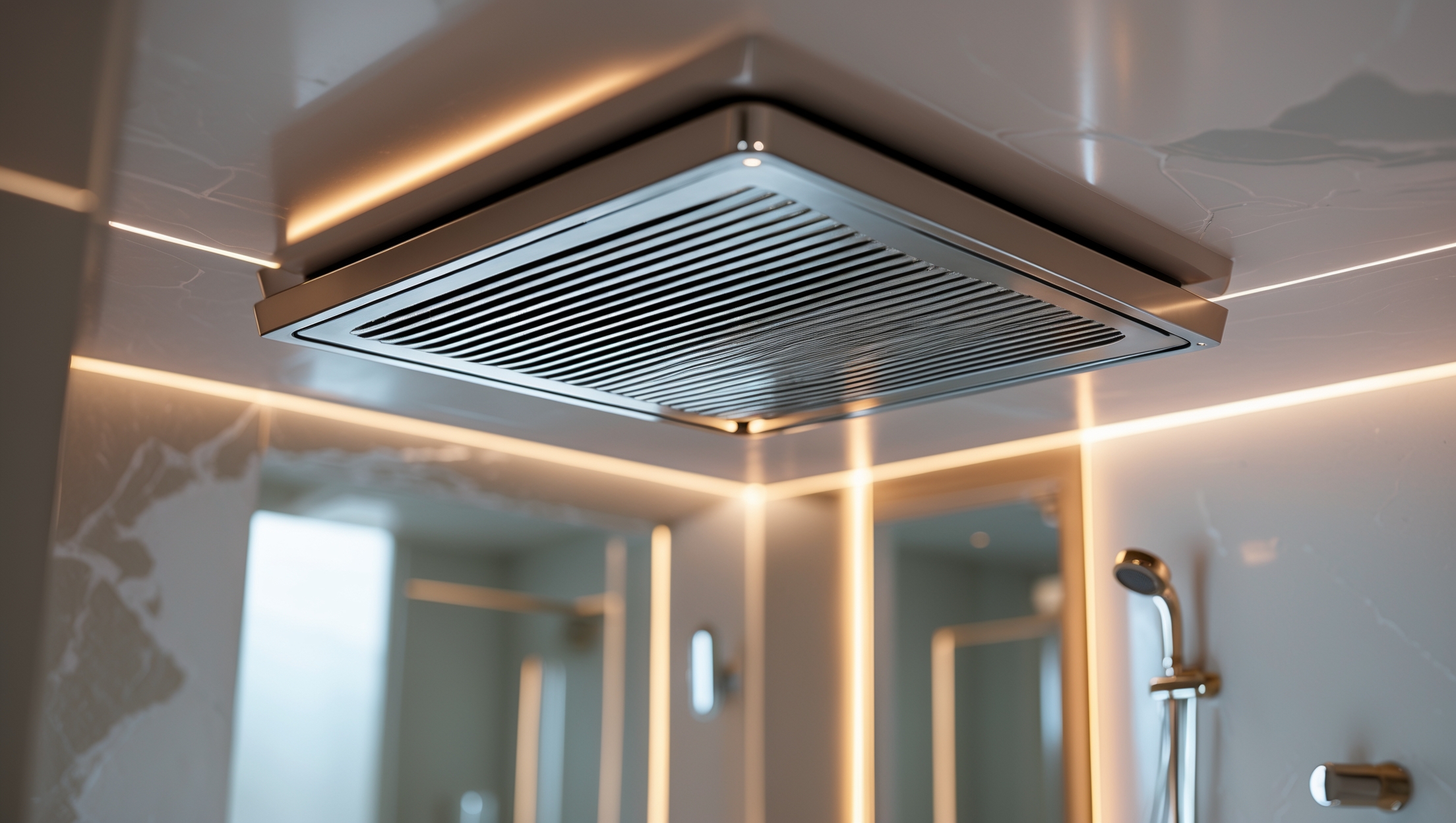
Introduction: Why Proper Bathroom Ventilation Matters
Bathrooms are one of the most moisture-prone areas in any home. Without effective ventilation, excess humidity can lead to peeling paint, warped cabinetry, mold growth, and even structural damage. Installing a bathroom ventilation fan is essential for maintaining air quality, reducing odors, and preventing costly repairs down the line. However, many homeowners underestimate the complexity of this project and fall into common traps—ranging from choosing the wrong fan size to making costly code violations. In this comprehensive guide, we’ll walk you through the practical steps and pitfalls to avoid when installing a bathroom ventilation fan. Whether you’re a first-time DIYer or an experienced renovator, understanding these details will save you time, money, and headaches—while ensuring your bathroom stays fresh, healthy, and up to code.
Understanding Bathroom Ventilation Requirements
The Importance of Correct Sizing
One of the earliest and most critical mistakes is choosing a fan that’s too weak or too powerful for the space. The airflow capacity of bathroom fans is measured in cubic feet per minute (CFM). The standard recommendation is 1 CFM per square foot of bathroom floor space. For bathrooms over 100 square feet, add 50 CFM for each toilet, shower, or tub.
- Measure your bathroom’s length and width to calculate square footage.
- Add up additional CFM if you have multiple fixtures or a particularly humid environment.
- Overpowering the space can also be a problem, as it may cause drafts and unnecessary energy use.
Compliance and Local Building Codes
Before you purchase or install a fan, check your local building codes. Many municipalities require bathroom exhaust fans in rooms without operable windows. There are also regulations governing venting, duct material, and electrical connections. Failing to comply can result in failed inspections and costly rework.
- Contact your local building department for specific requirements.
- If your home is part of a homeowner association (HOA), confirm their guidelines as well.
- Keep documentation of permits and inspections for future reference or resale.
Budgeting for Your Installation
Cost Breakdown
The total expense of installing a bathroom fan varies based on fan type, ductwork complexity, and whether you’re hiring a professional. Here’s a practical breakdown:
- Ventilation Fan: $40–$250 depending on features (e.g., humidity sensor, light, quiet operation).
- Ducting and Vent Cap: $20–$80 for quality materials.
- Electrical Supplies: $15–$50 (wire, connectors, switch).
- Permits: $35–$150 (varies by location).
- Professional Installation: $200–$500+ (for complex retrofit jobs).
DIYers can expect to spend $100–$350 on materials, but time and skill level should also be factored in. Don’t forget to consider potential repairs (patching drywall, repainting) if mistakes are made.
Budget-Saving Tips
- Shop during seasonal sales or look for manufacturer rebates.
- Purchase a fan kit that includes necessary accessories.
- Rent specialty tools if you don’t plan to reuse them.
Essential Tools and Materials Checklist
- Ventilation fan (correct CFM and features for your needs)
- Flexible or rigid ducting (proper diameter for your fan)
- Exterior vent hood or soffit cap
- Foil duct tape (not cloth duct tape)
- Wire nuts and electrical cable (14/2 or 12/2 NM cable, as required)
- Wall switch (standard or timer/humidity sensor type)
- Drill with hole saw attachment
- Utility knife
- Reciprocating saw (if enlarging an existing opening)
- Screwdrivers and pliers
- Stud finder and measuring tape
- Ladder or step stool
- Protective gear: dust mask, goggles, gloves
Step-by-Step Installation Guide
Step 1: Plan the Installation
Start by identifying the optimal location for the fan—ideally near the shower or tub, but away from supply vents. Ensure there is attic or crawlspace access to run ductwork and electrical connections. Mark the ceiling with the fan template provided.
Step 2: Turn Off the Power
Locate the correct circuit breaker and turn off power to the bathroom. Use a voltage tester to confirm the circuit is dead before proceeding.
Step 3: Cut the Ceiling Opening
Use a stud finder to avoid ceiling joists. Trace the fan template and cut the opening with a drywall saw or utility knife. If retrofitting, remove the old fan and disconnect wiring and ducting.
Step 4: Install the Fan Housing
Attach the fan housing to ceiling joists per manufacturer instructions. For new installations, secure housing with provided brackets; for retrofits, use mounting clips.
Step 5: Run Ductwork
Route the duct as directly as possible to the exterior. Avoid long runs, sharp bends, or venting into attics or crawlspaces—these are common and critical mistakes that lead to condensation and mold.
- Seal all joints with foil tape to prevent air leaks.
- Insulate ducting in unconditioned spaces to prevent condensation.
- Install an exterior vent cap with a backdraft damper.
Step 6: Electrical Connections
Follow the wiring diagram supplied with your fan. Most modern fans require a dedicated switch line and a neutral. Make connections with wire nuts, and secure all cables with cable clamps.
- Use only UL-listed components and connectors.
- If you’re adding a timer or humidity-sensing switch, ensure it’s compatible with your wiring setup.
- If you’re unsure about electrical work, consult a licensed electrician.
Step 7: Attach the Grille and Test
Install the fan grille after verifying all connections. Restore power at the breaker and test the fan. Check for proper operation and airflow at the exterior vent cap.
Common Mistakes and How to Avoid Them
1. Undersizing the Fan
Choosing a fan with insufficient CFM can leave moisture lingering in your bathroom. Always calculate your needs before purchasing, and round up if your bathroom is uniquely shaped or has high ceilings.
2. Improper Duct Routing
Running ductwork into an attic or crawlspace is a frequent error that can cause moisture to accumulate in hidden areas. Always vent directly to the outdoors to comply with building codes and prevent mold.
3. Air Leaks and Poor Sealing
Failing to seal duct connections allows humid air to escape before reaching the exterior, undermining the fan’s effectiveness. Use foil tape (not standard duct tape) on every joint and connection.
4. Ignoring Insulation
Uninsulated ducts in cold spaces will cause condensation, which can drip back into the fan or ceiling. Use R-6 or higher rated duct insulation for unconditioned areas.
5. Incorrect Electrical Wiring
Improper wiring can lead to circuit overloads or electrical hazards. Always follow the manufacturer’s wiring diagram and local electrical codes. If in doubt, hire a professional.
6. Skipping Permits
Some homeowners skip the permitting process to save time or money. This can result in failed inspections, fines, or problems when selling your home. Always secure necessary permits up front.
7. Noise Issues
Fans that are not securely mounted can vibrate or rattle. Select a fan with a low sone rating (<2.0 is considered quiet) and ensure all fasteners are tight.
8. Poor Placement
Installing the fan too far from the moisture source (like the shower) reduces its effectiveness. Consider the layout and airflow patterns in your bathroom when deciding on placement.
Best Practices for Long-Term Maintenance
- Clean the fan grille and blades every six months to prevent dust buildup.
- Inspect ductwork annually for signs of leaks, blockages, or disconnected joints.
- Test fan operation regularly—if you notice reduced airflow or increased noise, investigate immediately.
- Replace older fans with modern, energy-efficient models for better performance and lower utility bills.
Compliance, Permits, and Safety Essentials
Any electrical or ductwork modifications should comply with the National Electrical Code (NEC) and local building codes. Always:
- Obtain necessary permits before starting work.
- Schedule inspections as required, especially before closing up walls or ceilings.
- Use only UL-listed, code-compliant products and materials.
- Turn off power before working with electrical connections.
- Wear personal protective equipment (PPE) when working in attics or with insulation.
For complex installations—such as those requiring new circuits or ventilation through difficult rooflines—consider hiring a licensed contractor. Improper installation can void warranties, damage your home, or create safety hazards.
Conclusion: Invest in Quality for Lasting Results
Installing a bathroom ventilation fan may seem like a straightforward DIY project, but the details matter. From correctly sizing and positioning your fan, to routing and insulating ductwork, and ensuring electrical safety, every step is crucial for effective moisture control and long-term durability. Cutting corners or skipping key steps can result in ongoing issues such as mold, structural damage, and even failed home sales due to non-compliance.
By following the practical guidelines in this article, you’ll avoid the most common mistakes and ensure your bathroom remains comfortable, healthy, and code-compliant. Take the time to plan your project, invest in quality materials, and don’t hesitate to consult professionals for challenging tasks. The peace of mind and improved air quality are well worth the effort.
Remember, good ventilation is not just about comfort—it’s about protecting your investment and your family’s health. Approach your bathroom fan installation with the same care you’d give any major home improvement project, and you’ll enjoy the benefits for years to come.
You mentioned that choosing a fan that’s too powerful can be a problem. How do I know when a fan is considered too powerful for my bathroom, and what issues could this actually cause?
A fan is too powerful if its airflow (measured in CFM) greatly exceeds your bathroom’s needs—generally, 1 CFM per square foot is enough. Overly powerful fans can create drafts, increase energy costs, and even pull conditioned air from other rooms, making your system less efficient.
You mentioned checking local building codes before installing a fan. What’s the best way to find out about the specific venting and duct material requirements for my area?
The best way is to contact your local building department or permit office directly, either by phone or visiting their website. They can provide detailed information on venting and duct material codes specific to your location. You can also ask a licensed contractor familiar with your area’s regulations.
When sizing the fan, if my bathroom is just under 100 square feet but has a separate shower and tub, should I add the extra 50 CFM for both fixtures or just one?
If your bathroom has both a separate shower and a tub in addition to the main area, you should add 50 CFM for each enclosed or partitioned fixture. So, add 50 CFM for the shower and another 50 CFM for the tub, on top of the base CFM needed for your bathroom size.
You mentioned that overpowered fans can cause drafts and waste energy. Is there a way to adjust the fan speed after installation, or do you have to replace the whole unit if you end up with one that’s too strong?
If your installed fan is too strong, some models come with built-in multi-speed or adjustable controls that allow you to reduce the speed. If your fan doesn’t have this feature, you might be able to add a compatible wall-mounted speed controller. Otherwise, replacing the fan with a lower-rated model may be the best solution.
I want to avoid energy waste, but I also have a big shower and a tub in one bathroom. How can I balance enough ventilation without overdoing the CFM and running up my electric bill?
To balance ventilation and energy use, choose a fan with a CFM rating that matches your bathroom size—about 1 CFM per square foot. For bathrooms with both a tub and shower, consider a fan closer to 80–110 CFM. Use a timer or humidity sensor so the fan only runs as needed, minimizing energy waste.
I’m worried about mold since we have multiple fixtures in a small space. Is it okay to just add up the CFM for each one, or should I prioritize certain fixtures when sizing the fan?
You shouldn’t simply add up the CFM for each fixture. Instead, calculate the total room size and use the recommended CFM (about 1 CFM per square foot for bathrooms). Prioritize areas with the most moisture, like showers, but make sure the fan can handle the whole room to prevent mold.
I’m not sure how to calculate the right CFM if I have a small bathroom but also a huge shower. Should I size the fan for the square footage or bump up the CFM because of the shower?
For a small bathroom with a large shower, it’s smart to bump up the fan’s CFM rating. While the standard is 1 CFM per square foot, showers produce much more moisture, so choosing a fan with higher CFM than the minimum will help control humidity and prevent mold.
If my bathroom is just under 100 square feet but has a separate shower and a tub, should I still add extra CFM for both fixtures, or just one?
Since your bathroom is under 100 square feet but includes both a separate shower and a tub, you should add extra CFM for each fixture. The guidelines recommend adding 50 CFM for each enclosed fixture, so calculate your fan size based on that in addition to the base CFM for the room size.
Does the CFM guideline change if the bathroom has really high ceilings, or is it still just based on square footage as you mention?
When a bathroom has unusually high ceilings, you’ll want to adjust the CFM calculation. The standard guideline based on square footage assumes an 8-foot ceiling. For higher ceilings, increase the CFM proportionally to account for the extra volume so the fan can effectively ventilate the space.
Do you have tips for minimizing energy use when selecting a fan that’s powerful enough for a humid bathroom but won’t cause unnecessary drafts as mentioned?
Choose a fan with both Energy Star certification and a humidity sensor, so it runs only when needed. Also, match the fan’s CFM (cubic feet per minute) rating to your bathroom size—this prevents over-ventilating and unnecessary drafts while ensuring moisture removal.
What are some common mistakes people make when connecting the electrical wiring to a new bathroom fan, and how can I avoid them as a DIY installer?
Common mistakes include not turning off power at the breaker, using the wrong wire gauge, failing to securely connect wires with wire nuts, and not grounding the fan. Always double-check the wiring diagram, ensure all connections are tight, and test for power only after everything is safely installed.
You mentioned checking local building codes for venting and duct material requirements. Are there any typical mistakes people make with duct placement or materials that can lead to failed inspections?
Yes, common mistakes include using flexible duct instead of required rigid duct, venting into attics or crawlspaces instead of directly outdoors, and using duct materials not rated for bathroom use. Poor sealing of duct joints or excessively long, twisting duct runs can also cause failed inspections.
If I want to replace an old fan with a new one, what are the main mistakes people make with electrical connections that I should watch out for as a small business owner trying to DIY this?
When replacing a bathroom fan, common electrical mistakes include not turning off the circuit breaker, incorrectly matching wire colors, using loose wire connections, and failing to use wire nuts or secure grounding. Double-check all connections and ensure the wiring matches the new fan’s instructions to avoid safety hazards.
If my bathroom already has a window, am I still required to install a ventilation fan to meet most local building codes, or does the window qualify as sufficient ventilation?
Many local building codes allow a bathroom window to count as sufficient ventilation if it can be opened and meets minimum size requirements. However, some areas now require mechanical ventilation regardless of window presence. It’s best to check your specific local code to confirm.
I want to avoid overpowering my small bathroom with too strong a fan. What are some signs that the fan I installed is too powerful for the space?
If your fan is too powerful for your small bathroom, you might notice excessive noise, drafts that make the room uncomfortably chilly, or the bathroom air feeling unusually dry. You could also find that lightweight items like toilet paper flutter or move due to strong airflow.
If my bathroom has both a shower and a bathtub in a space just over 100 square feet, how do I accurately calculate the total CFM needed for a ventilation fan to avoid moisture issues?
To calculate the required CFM for your bathroom, start with 1 CFM per square foot, so for just over 100 square feet, use at least 110 CFM. Since you have both a shower and a bathtub, it’s wise to add 50 CFM for each, bringing your total recommended fan capacity to around 210 CFM.
You mentioned local building codes might require specific duct materials and venting methods. Are there common materials that usually pass code, or should I ask my inspector before buying anything?
Most building codes commonly accept rigid metal ducts, like galvanized steel or aluminum, for venting bathroom fans, and flexible ducts are often allowed if they’re rated for HVAC use. However, requirements can vary locally, so it’s always a good idea to check with your inspector before making any purchases.
If my bathroom is right on the size borderline for needing a higher CFM, is it safer to go slightly over the recommended fan size, or will that create issues with drafts as mentioned?
Choosing a fan with a slightly higher CFM than the minimum recommended is generally safe and can help ensure proper ventilation. While very oversized fans can cause noticeable drafts, modestly exceeding the CFM guideline for a borderline bathroom size usually doesn’t create issues. Just avoid going excessively over the recommended range.
If my bathroom has a window I usually keep open, is it still necessary to install a ventilation fan? Would that impact code requirements?
Even if you regularly open the window, many building codes require a mechanical ventilation fan for bathrooms without an operable window or in climates where opening the window isn’t practical year-round. Check your local code, as some areas still require a fan regardless of the window to ensure consistent moisture control.
If my bathroom already has a small window, is it still necessary to install a ventilation fan to meet most building codes?
Most building codes still require a mechanical ventilation fan in bathrooms, even if there is a window. Some exceptions exist, but usually only if the window can open and is a certain minimum size. It’s best to check your local code, but in most cases, a fan is still needed for compliance.
What are some signs that a fan is too powerful for a small bathroom besides just higher energy bills? Is there a way to test airflow before finalizing the installation?
If a fan is too powerful for a small bathroom, you might notice excessive drafts, difficulty keeping the room warm, or unusually loud noise when it’s running. To test airflow before installation, you can temporarily mount the fan and use a tissue or lightweight paper near the vent—if it’s pulled strongly and the noise is high, the fan may be oversized.
You mentioned checking local building codes for venting and duct materials. Could you give some examples of what might not be allowed, especially for DIYers doing retrofits in older homes?
Some common restrictions include not venting fans into attics or crawl spaces, since moisture buildup can cause mold and structural damage. Flexible plastic ducting is also often prohibited; most codes require smooth, rigid metal ducts for better airflow and fire safety. Always vent directly outdoors, not into walls or soffits, to comply with most local regulations.
If my bathroom already has a small window that I rarely open, do I still need to follow the same exhaust fan requirements mentioned in the article?
Yes, you should still follow the exhaust fan requirements. A window, especially one that stays closed, doesn’t provide consistent ventilation. Building codes typically require a mechanical exhaust fan if the window isn’t regularly opened, to ensure proper moisture control and prevent mold growth.
Could you clarify what kinds of duct materials are generally accepted by most local codes, and if flexible ducts are ever allowed for bathroom fans?
Most local codes typically accept rigid metal ducts, like galvanized steel or aluminum, for bathroom vent fans, as they offer low resistance to airflow and are durable. Flexible ducts are sometimes allowed but may have restrictions, such as being made of metal and limited to short runs. Always check your local code for specific requirements.
What are some signs that a bathroom fan is actually too powerful, and how would I know if it’s causing energy waste or drafts like you mentioned?
A bathroom fan that’s too powerful may create noticeable drafts, make excessive noise, or even pull heated or cooled air out of the house too quickly. Signs include doors slamming or rattling when the fan runs, or rooms feeling colder after use. If you notice these, the fan might be oversized and causing energy waste.
You mention that installing too powerful a fan can cause drafts and waste energy. Are there guidelines for finding a balance, especially in a small bathroom with high humidity?
Yes, there are guidelines for this. For small bathrooms, choose a fan rated at about 1 CFM (cubic feet per minute) per square foot of floor space. For higher humidity, consider adding a humidity sensor or timer. This ensures efficient ventilation without unnecessary drafts or energy waste.
I’m planning to install a new fan myself but am worried about accidentally over-sizing it. What problems might I notice right away if the fan is too powerful for my bathroom?
If the fan is too powerful, you might notice excessive noise and drafts, making the bathroom uncomfortable. It can also remove too much heated or cooled air, affecting your home’s energy efficiency. In some cases, a strong fan may even disrupt other exhaust systems in your house.
If my bathroom has both a shower and a tub, do I add 50 CFM for each fixture individually, or just once for the combined shower-tub unit?
For a combined shower-tub unit, you only need to add 50 CFM once, not for each fixture individually. The recommendation is based on the overall moisture source, so a single 50 CFM addition covers both the shower and tub together.
When you talk about checking local codes, how strict are inspectors about duct material? Are flexible ducts usually allowed, or do they always require rigid metal ones for bathroom fans?
Inspectors often prefer rigid metal ducts for bathroom fans because they’re more durable and less likely to trap moisture, but some local codes do allow flexible ducting if it’s short, properly supported, and rated for ventilation. It’s important to check your specific building codes, as requirements can vary from one area to another.
Are there any affordable duct materials that meet code requirements but still help minimize energy loss and mold risk for DIY installations?
Flexible insulated duct is a budget-friendly option that meets most building codes and helps reduce energy loss and condensation, which lowers mold risk. Make sure to choose ducts labeled for HVAC use, and install them with as few bends as possible for best performance.
If my bathroom already has a small window but it barely opens, do most local codes still require a ventilation fan, or does any kind of window count as meeting the ventilation requirement?
Most building codes require either a window that can open at least 1.5 square feet or a mechanical ventilation fan. If your window barely opens or does not meet the size requirement, you’ll likely still need to install a fan to comply with code and ensure proper ventilation.
You talked about avoiding fans that are too powerful to prevent drafts. How do I balance choosing a fan strong enough for humidity but not so strong that it wastes energy or feels uncomfortable?
To find the right balance, match the fan’s CFM (cubic feet per minute) rating to your bathroom size—about 1 CFM per square foot is a good rule. This ensures enough airflow to control humidity without creating drafts or wasting energy.
If my bathroom already has a small vent window, is it still necessary to install a fan for code compliance, or would the window alone be enough in most places?
In many places, building codes allow a window as an alternative to a mechanical fan if it meets specific size and operability requirements. However, some areas still require a fan regardless of a window. It’s best to check your local building codes or consult with your building inspector to be sure.
If my bathroom already has a window, are there advantages to still installing an exhaust fan, especially in a high-humidity area? I’m trying to weigh the cost against the benefits.
Even if your bathroom has a window, an exhaust fan is especially useful in high-humidity areas. Fans remove moisture more efficiently and work regardless of weather or whether you remember to open the window, helping prevent mold and protecting fixtures. The upfront cost is often offset by reduced long-term maintenance and improved air quality.
You mention that overpowering the space with a too-strong fan can cause drafts and higher energy use. Are there any guidelines for selecting an energy-efficient fan that still adequately handles moisture in larger bathrooms?
For larger bathrooms, look for fans with higher CFM (cubic feet per minute) ratings—usually around 1 CFM per square foot of space. Choose ENERGY STAR-rated models for efficiency. Also, consider features like humidity sensors and variable speed settings to balance moisture control with energy use.
You mentioned checking local building codes before installing a fan. For older homes, are there common issues with duct material or venting requirements that I should look out for during a renovation?
Absolutely, in older homes, ductwork may be undersized, made from flexible plastic instead of metal, or vented into attics instead of outside, which is no longer up to code. Upgrading to rigid metal ducts and ensuring proper venting directly outdoors are key steps during renovation.
I’m a little confused about venting requirements. If my bathroom has a small window that hardly opens, do local codes still require me to install an exhaust fan?
Most local building codes require a mechanical exhaust fan if the bathroom doesn’t have a window that can open at least halfway for ventilation. Since your window hardly opens, you will likely need to install an exhaust fan to meet code and ensure proper moisture removal.
The article mentions that local codes regulate duct material and venting, but what are the most common mistakes people make with vent placement that could cause a failed inspection?
Some of the most common vent placement mistakes include venting the fan into an attic instead of outside, placing the vent too close to windows or other vents, and failing to use the shortest, straightest duct route possible. These issues often lead to failed inspections because they can cause moisture problems or violate code requirements.
If my bathroom is right at 100 square feet but has both a shower and a tub, should I add 100 CFM to the fan size, or just 50? The guide mentions adding for each fixture, but I want to make sure I’m calculating it right.
For your bathroom with both a shower and a tub, you should add 50 CFM for each fixture. Since you have two fixtures, add 100 CFM to the base requirement for your 100 square foot bathroom. This ensures adequate ventilation for both.
Can you clarify how much more energy is used by an overpowered fan, and is there any practical advantage to choosing a slightly larger capacity than recommended for a small business bathroom?
An overpowered fan uses more energy because it moves more air than necessary, often leading to higher utility costs and potential noise issues. For a small business bathroom, choosing a slightly larger fan might help with faster odor or moisture removal during peak times, but it rarely justifies the extra energy use unless the space is used heavily or has poor airflow.
If my local building code requires metal ducting for bathroom fans, are there advantages or disadvantages to using rigid metal versus flexible aluminum ducts when it comes to installation and long-term maintenance?
Rigid metal ducts provide smoother airflow, reducing noise and moisture buildup, and are generally more durable and easier to clean long-term. However, they’re harder to install in tight spaces. Flexible aluminum ducts are easier to fit around obstacles but can trap lint and moisture more easily, and may not last as long or perform as efficiently.
You mentioned checking local building codes for venting and duct requirements. How do I find out if flexible duct is allowed in my area, and are there performance differences compared to rigid ducting?
To check if flexible duct is allowed, contact your local building department or visit their website; they can provide the specific code for your area. Flexible ducts are usually easier to install but can reduce airflow compared to rigid ducting, which is more efficient and durable.
If my bathroom is just under 100 square feet but has both a shower and a tub, should I add the extra 50 CFM for each fixture, or only if the space is over 100 square feet?
You only need to add the extra 50 CFM per fixture if your bathroom is over 100 square feet. For bathrooms under 100 square feet, use a standard CFM guideline based on the total square footage—typically 1 CFM per square foot.
When calculating the necessary CFM for a bathroom, does ceiling height play a role, or is it just based on square footage and number of fixtures?
Ceiling height does matter when calculating the required CFM for a bathroom fan. While basic guidelines often use square footage, higher ceilings mean more air volume to ventilate. For standard 8-foot ceilings, you can use the usual calculations, but if your ceiling is higher, you’ll want to adjust the CFM upwards to account for the extra space.
Is it possible to upgrade my current fan to a more powerful one without rewiring, or could that cause problems with energy use or drafts like you mentioned?
Upgrading to a more powerful fan might be possible, but you should check if your current wiring can safely handle the increased power draw. Also, a stronger fan could create drafts or pull conditioned air out too quickly if your bathroom isn’t sealed well. It’s wise to consult an electrician before making changes.
If my bathroom is just under 100 square feet but has both a shower and a tub, do I add 50 CFM for each fixture or only if the room is over 100 square feet?
You only need to add 50 CFM for each fixture if your bathroom is over 100 square feet. Since your bathroom is just under 100 square feet, you simply use the standard calculation of 1 CFM per square foot. No need to add extra CFM for the shower and tub.
You mentioned the risks of choosing a fan that’s too powerful, like drafts and extra energy use. Is there a way to dampen airflow if I already installed a higher CFM fan than necessary?
If your fan is too powerful, you can try installing a duct damper or restrictor to reduce airflow. Another option is to add a variable speed control switch, if your fan model supports it. Both methods can help control drafts and lower unnecessary energy use.
If my bathroom is just over 100 square feet and has both a shower and a tub, do I add 50 CFM for each fixture or just once for both combined?
For a bathroom over 100 square feet, you should add 50 CFM for each fixture. That means you would add 50 CFM for the shower and another 50 CFM for the tub, totaling 100 CFM extra beyond the base requirement.
If my bathroom is just under 100 square feet but has both a tub and a shower, should I add the extra 50 CFM for each fixture as suggested for larger bathrooms?
For bathrooms under 100 square feet, use the general guideline of 1 CFM per square foot of floor area. The additional 50 CFM per fixture is only needed for bathrooms larger than 100 square feet, so it’s not necessary in your case.
If my bathroom is just under 100 square feet and has both a tub and a shower, do I add 50 CFM for each fixture or only if they’re separate rooms?
You only add 50 CFM for each fixture if they are in separate rooms. For a single bathroom under 100 square feet with both a tub and a shower, you generally just need a fan rated at 100 CFM.
You mention that an overpowered fan can cause drafts and waste energy—how can I tell if the fan I’m considering is too powerful for my small bathroom?
To check if a fan is too powerful, compare its airflow rating (CFM, or cubic feet per minute) to your bathroom size. A common guideline is 1 CFM per square foot of floor space. For example, a 50 CFM fan is usually enough for a 5×8 foot bathroom.
You mentioned that an overpowered fan can cause drafts and waste energy—are there any warning signs to look out for after installation that might indicate the fan is too strong for the space?
Yes, there are a few signs your bathroom fan might be too strong. If you notice unusual drafts, whistling noises, or the fan running much louder than expected, these could be indicators. Another sign is if the bathroom feels noticeably colder after the fan is on, as it may be pulling out too much conditioned air.
If my bathroom is a bit over 100 square feet with both a shower and a bathtub, would I need to add 50 CFM for each fixture or just one 50 CFM boost overall?
For a bathroom over 100 square feet with both a shower and a bathtub, you should add 50 CFM for each fixture. That means 50 CFM for the shower and another 50 CFM for the bathtub, totaling an additional 100 CFM to your base calculation.
Is there a rule of thumb for how long I should run the fan after a shower to keep moisture in check, or should I consider installing a timer switch for better control?
It’s usually recommended to run the bathroom fan for about 20 minutes after a shower to effectively remove excess moisture. Installing a timer switch can be a convenient way to ensure the fan runs long enough without needing to remember to turn it off manually.
When calculating the correct CFM for a bathroom with both a tub and a separate shower, do I just add 50 CFM for each fixture on top of the basic square footage requirement?
You don’t need to add 50 CFM for each fixture. Instead, calculate the required CFM based on the bathroom’s square footage—typically, 1 CFM per square foot (minimum 50 CFM). If the bathroom is large or has a jetted tub, consider increasing the CFM by 50 for each additional feature.
If my bathroom is just under 100 square feet and has both a shower and a bathtub, do I need to add the extra 50 CFM for both fixtures or just one?
For a bathroom under 100 square feet, you only need to add 50 CFM for each additional fixture beyond the first. So, if you have both a shower and a bathtub, add 50 CFM for the second fixture, not for both. Total your basic fan size plus 50 CFM.
How do I know if my existing bathroom fan is actually the right size, or should I just plan to replace it based on the CFM recommendations you mentioned?
To check if your current bathroom fan is the right size, find its CFM (cubic feet per minute) rating—this is usually listed on the fan itself. Compare that number to the CFM recommendation in the article, which is typically 1 CFM per square foot of bathroom space. If your fan’s rating falls short, consider replacing it.
I’m trying to keep costs down—are there any specific installation steps that tend to bump up the price or cause failed inspections that I should pay extra attention to?
Two areas that often increase costs or cause inspection issues are improper duct installation and incorrect electrical wiring. Use the correct duct type and size, avoid long or twisting runs, and ensure proper venting outside. Also, double-check all electrical connections follow local codes. Careful attention here can prevent costly fixes or failed inspections.
If my bathroom is just over 100 square feet and includes both a shower and a tub, do I add 50 CFM for each one, or just once for both together?
For a bathroom over 100 square feet, you should add 50 CFM for each fixture—so you’d add 50 CFM for the shower and another 50 CFM for the tub. In your case, that means a total of 100 CFM added to the base ventilation calculation.
I’m concerned about picking a fan that’s too powerful. Besides energy use and drafts, are there any other issues that could come up if the fan is oversized for the bathroom?
Yes, an oversized fan can also remove too much heated or cooled air, making the bathroom uncomfortable. It may create excessive noise and could disrupt the balance of your home’s ventilation system by pulling in dust or odors from other areas. Choosing the right size helps maintain comfort and efficiency.
You mention that an oversized fan can cause unnecessary drafts and higher energy use. Are there any strategies to mitigate that if someone already installed a too-powerful fan, short of replacing it?
If you’ve already installed an oversized fan, you can install a variable speed control switch to adjust the fan’s power as needed. Also, running the fan only when necessary and sealing any gaps around the fan can help reduce drafts and save energy.
If my bathroom already has a window, is a ventilation fan still required by most local codes, or does that typically exempt you? Curious how strict inspectors are about this during remodels.
Many local building codes allow a bathroom window to substitute for a fan if the window meets minimum size and operability requirements. However, some areas may still require mechanical ventilation during remodels, regardless of windows. Inspectors can be strict, so it’s best to check your local code or ask your local building department to be sure.
If my bathroom is just under 100 square feet but has both a tub and a separate shower, should I add 50 CFM for each fixture, or is that only for larger bathrooms?
Since your bathroom is under 100 square feet, you don’t need to add 50 CFM per fixture. That guideline applies only to bathrooms over 100 square feet. For smaller bathrooms, just add up the CFM ratings for each fixture (toilet, shower, tub) instead.
If a bathroom already has a window but I still want to add a ventilation fan for extra humidity control, are there differences in code requirements or installation steps to consider?
Even if your bathroom has a window, installing a ventilation fan is often allowed and can improve humidity control. Building codes may require proper venting of the fan to the outside, regardless of the window. Installation steps remain the same but check local codes, as some areas might have specific rules if both a window and a fan are present.
You mentioned local code requirements for duct material and venting. Is there a preferred duct type (flexible vs. rigid) that inspectors tend to favor, or is it strictly based on code in your area?
Inspectors often prefer rigid metal ducting because it provides better airflow and is less prone to lint buildup and damage than flexible ducting. However, the final decision depends on your local building codes, so be sure to check those before starting your installation.
If I have a bathroom just under 100 square feet but with both a shower and a bathtub, do I need to add extra CFM for each, or just the 1 CFM per square foot?
For bathrooms under 100 square feet, you generally use the 1 CFM per square foot rule. However, since you have both a shower and a bathtub, it’s recommended to add extra ventilation—usually an additional 50 CFM for each fixture—to ensure proper moisture removal.
If my bathroom is just under 100 square feet but has both a shower and a bathtub, should I go by the base CFM calculation or add extra for each fixture like you mention?
Since your bathroom has both a shower and a bathtub, it’s best to add extra CFM for each fixture as suggested in the article. The base calculation is for a simple bathroom, but additional CFM ensures proper ventilation for rooms with multiple moisture sources.
If my bathroom is around 85 square feet with both a shower and a tub, should I be calculating additional CFM for each or just pick the fan based on overall square footage?
For your 85 square foot bathroom with both a shower and a tub, it’s best to start with a fan rated for the overall square footage, but you should also consider increasing the CFM slightly to handle the extra moisture from both fixtures. Choosing a fan with a higher CFM than the minimum can help prevent humidity issues.
If my bathroom is just over 100 square feet and has both a shower and a tub, do I need to add 50 CFM for each fixture, or only for extras beyond the main one?
For bathrooms over 100 square feet, you should add 50 CFM for each fixture—so both the shower and the tub each require 50 CFM. Add these together to determine the total fan capacity needed for proper ventilation.
When checking local building codes for bathroom fan installations, is there typically much flexibility in the type of duct material used, or are certain regions particularly strict about what’s allowed for venting?
Building codes can vary quite a bit by region. Some areas are strict and require specific duct materials, like rigid metal or certain plastics, especially for fire safety or moisture concerns. Other places allow more flexibility, as long as the material is rated for exhaust use. It’s best to check with your local building department to be sure.
If my bathroom is just under 100 square feet but has two toilets and a big walk-in shower, should I factor in extra CFM for each, or only when I go over 100 square feet?
In your case, you should still factor in extra CFM for each fixture, even though your bathroom is under 100 square feet. The article suggests adding extra ventilation for each toilet, shower, or tub, not just when the space exceeds 100 square feet.
If my bathroom is just under 100 square feet but has both a shower and a tub, should I add the extra 50 CFM for each fixture, or only if I go over 100 square feet?
You only need to add the extra 50 CFM per fixture if your bathroom is over 100 square feet. For bathrooms just under 100 square feet, calculate fan size based on the square footage alone, not by adding for the shower or tub.
When picking a fan with the right CFM, does going a bit higher than the minimum recommended have any benefits, or does it mostly just waste energy like the article mentioned?
Choosing a slightly higher CFM than the minimum can help remove moisture and odors more effectively, especially in larger or frequently used bathrooms. However, going too high can lead to unnecessary energy use and increased noise, so it’s best to stay just above the recommended value rather than far exceeding it.
You mentioned checking local building codes for venting and electrical connections. How do I find out what counts as approved duct material in my specific area?
To find out which duct materials are approved in your area, contact your local building department or permitting office. They can provide specific guidance or direct you to relevant codes. You can also ask a licensed contractor familiar with your region’s requirements.
What are some signs after installation that might indicate I’ve chosen a fan that’s too powerful, aside from just noticing drafts or higher energy usage?
If the fan is too powerful, you might notice it creates excessive noise, causes doors to slam shut when it’s running, or seems to pull conditioned air from other rooms. You may also see dust accumulating around vents or feel a strong suction when you place your hand near the vent.
If my bathroom is just over 100 square feet but only has a toilet and sink, do I still need to add the extra 50 CFM, or can I just go by the floor space?
You only need to add the extra 50 CFM if your bathroom contains a shower, bathtub, or jetted tub. Since yours has just a toilet and sink, you can size your fan based only on the square footage, not by adding the extra CFM.
If my bathroom is just under 100 square feet but has both a shower and a tub, should I still use the 1 CFM per square foot rule, or do I need to add extra CFM for each fixture?
For bathrooms with both a shower and a tub, it’s recommended to add extra CFM. Start with the 1 CFM per square foot rule for the overall size, then add 50 CFM for each additional fixture like a tub or shower. This ensures proper ventilation and helps control moisture effectively.
You mentioned that overpowering the space with too strong a fan can cause drafts and higher energy use. Is there a reasonable range of CFM above the minimum that provides enough ventilation without those downsides?
A good rule of thumb is to choose a fan within 10–20% above the minimum CFM needed for your bathroom size. This ensures proper ventilation without creating drafts or excessive energy use. Avoid going much higher, as that can lead to the issues mentioned in the article.
If my bathroom is a little over 100 square feet and has both a shower and a bathtub, do I need to add 50 CFM for each fixture on top of the base calculation?
Yes, for bathrooms over 100 square feet, add 50 CFM for each fixture like a shower or bathtub to your base calculation. Since you have both, add 100 CFM to ensure your fan is powerful enough for proper ventilation.
If my bathroom has both a shower and a bathtub, does that mean I should add 100 CFM to the fan size calculation, or is there a different way to estimate for multiple fixtures?
When calculating CFM for a bathroom with multiple fixtures like a shower and bathtub, you don’t need to add 100 CFM for each fixture. Instead, base the fan size on the room’s total square footage or volume. For bathrooms over 100 square feet, add 50 CFM for each fixture beyond the first. For smaller bathrooms, use 1 CFM per square foot as a guideline.
Could you explain more about the different types of duct materials allowed for venting the fan? I want to make sure I pick one that meets code and works best for my bathroom setup.
For bathroom fan venting, common duct materials include flexible aluminum, rigid aluminum, and galvanized steel. Rigid metal ducts are most recommended as they reduce airflow resistance and are more durable. Flexible aluminum is easier to install but can trap lint. Most codes require ducts to be metal, not plastic, and properly sealed. Check your local code, but rigid metal is usually the safest bet.
You mention some municipalities have strict rules about duct material for ventilation fans. Are there any generally accepted duct types that usually pass inspection, or does it really vary a lot by location?
Most places accept rigid metal ducting, like galvanized steel or aluminum, because it resists moisture and minimizes lint buildup. Flexible metal duct is sometimes allowed, but plastic duct is often prohibited. Still, requirements can vary, so it’s best to check your local building codes before starting your project.
If a bathroom is just under 100 square feet but has both a shower and a tub, should I size the fan for the fixtures or the overall square footage?
When your bathroom has both a shower and a tub, you should size the fan based on the higher ventilation needs created by those fixtures, not just the square footage. Choose a fan rated for at least 100 CFM to ensure proper moisture removal.
You mention that a fan that’s too strong can create drafts and waste energy. If I accidentally pick one that’s too powerful, is there a way to adjust it or should I return it and get a smaller one?
If your fan is too powerful, some models allow you to adjust the airflow with built-in speed settings or external fan speed controllers. However, if yours doesn’t have this feature, returning it for a properly sized fan is usually the best option for efficiency and comfort.
You mention adding 50 CFM for each toilet, shower, or tub in bathrooms over 100 square feet. How should I calculate the total CFM if I have a bathroom with a separate shower and a jetted tub—should both be counted separately?
Yes, you should count both the separate shower and the jetted tub individually. For a bathroom over 100 square feet, add 50 CFM for each fixture—so 50 CFM for the shower and another 50 CFM for the jetted tub—then add any additional requirements for other fixtures.
If my bathroom is just under 100 square feet but has both a shower and a tub, do I still need to add 50 CFM for each fixture, or does that only apply to larger bathrooms?
If your bathroom is under 100 square feet, you don’t need to add 50 CFM per fixture. Instead, calculate the required CFM based on the square footage—use 1 CFM per square foot. The 50 CFM per fixture rule applies to bathrooms that are 100 square feet or larger.
If my bathroom is just under 100 square feet but has both a shower and a tub, do I need to add 50 CFM for each fixture, or is there a different rule for smaller bathrooms?
For bathrooms under 100 square feet, you should add 50 CFM for each fixture that produces moisture—so 50 CFM each for the shower and the tub. Add these to get your total recommended fan capacity.
Could you clarify what kind of duct material is typically required by local codes, and does using flexible ducting impact performance or inspection results?
Most local building codes require smooth-walled metal ducts, like galvanized steel or aluminum, for bathroom fan ventilation. Flexible ducting can reduce airflow efficiency, collect lint, and sometimes fail inspection, especially if not installed tightly or if it’s an unsupported long run. Always check your local code for specifics, but rigid metal is almost always recommended for best results.
You mention code requirements about venting and duct material – are there specific types of ducts that inspectors tend to prefer or flag as a problem in older homes? I want to avoid redoing work after an inspection.
Inspectors usually prefer rigid metal ducts because they’re more durable and less prone to lint buildup than flexible or plastic ones. Older homes often have flexible plastic or foil ducts, which are now frequently flagged. Using smooth, rigid metal ducts that vent directly outside is the safest choice to avoid issues during inspection.
You mentioned that an overpowered fan can waste energy and cause drafts. Are there adjustable-speed or smart fans that automatically control CFM to avoid this problem?
Yes, there are adjustable-speed and smart ventilation fans available. These models can automatically adjust their airflow (CFM) based on humidity or other sensors, ensuring efficient ventilation without unnecessary energy use or drafts. Look for models with humidity or occupancy sensors and variable speed controls for the best results.
If my bathroom already has a window, do I still need to worry about local building codes requiring a fan, or does the window meet the minimum ventilation requirement?
Even if your bathroom has a window, many local building codes still require a mechanical ventilation fan, especially in newer homes or renovations. Requirements can vary, so it’s important to check your area’s specific code to ensure compliance.
You mentioned checking local building codes before installing a fan. How do I find out exactly what kind of duct material or venting setup is allowed in my area?
To find out your area’s approved duct materials and venting setups, contact your city or county building department directly. They can provide details on local codes. You can also ask your local permit office or check their website for ventilation requirements and approved materials.
If my bathroom has a small window that I usually keep closed, do I still need to install an exhaust fan to meet most building codes, or would that be optional?
Most building codes require a mechanical exhaust fan in bathrooms unless there is a window that can be opened for ventilation. If you usually keep your window closed, it’s still best to install an exhaust fan to properly meet code and ensure good moisture control.
When checking for compliance with local building codes, are there common ventilation duct materials that inspectors typically prefer or reject in your experience?
Inspectors generally prefer metal ducts, like galvanized steel or aluminum, because they’re durable and resist fire. Flexible plastic ducting is often rejected since it can sag, collect lint, and isn’t always compliant. It’s always best to check your local codes, but using rigid metal ducting is the safest bet for approval.
You mention that using a fan that’s too powerful can cause drafts and waste energy. How can I tell if the fan I’ve installed is actually too strong for my bathroom size, and what should I do if it is?
To check if your fan is too strong, compare its CFM (cubic feet per minute) rating to your bathroom size: generally, 1 CFM per square foot is recommended. If the fan is much higher than needed, you might notice strong drafts or fast temperature changes. If it’s oversized, consider installing a variable speed switch or replacing it with a model better matched to your bathroom.
You mentioned checking local building codes before installing a fan. How can I find out whether my area requires a permit for bathroom fan installation, and are there common electrical code mistakes I should be aware of as a small business renovating older properties?
To find out if you need a permit, contact your local building department or look up their website for guidelines on bathroom fan installations. Common electrical code mistakes to watch for include improper wiring connections, failing to use GFCI protection in damp areas, and not securing cables properly. Always turn off power before working and consider hiring a licensed electrician for safety and compliance.
Is there a big difference in installation complexity or cost between venting the fan through the roof versus an exterior side wall?
Venting a bathroom fan through the roof is usually a bit more complex and costly than venting through an exterior wall. Roof venting often requires extra materials, like roof flashing, and careful sealing to prevent leaks, while wall venting is generally more straightforward and may be less labor-intensive.
You mention checking local building codes before installing a fan. What’s the typical process for homeowners to get that info without hiring a contractor?
Homeowners can usually find local building codes by visiting their city or county government website, searching for ‘building codes’ or ‘permit requirements.’ You can also call your local building department directly for guidance. Some home improvement stores may provide this information as well.
If the bathroom is just over 100 square feet and has two fixtures, is it better to round up the CFM or stick exactly to the recommended addition per fixture for optimal performance?
For a bathroom just over 100 square feet with two fixtures, it’s best to round up the CFM rather than sticking exactly to the minimum. This ensures better airflow and moisture control, especially when multiple fixtures are used. Slightly higher CFM won’t harm performance and can help prevent humidity problems.
You mentioned local building codes about venting and duct material. For an older house, how do I know if my existing ductwork is up to code, or does it usually need to be replaced during a fan upgrade?
For an older home, you’ll want to check the duct size, material (like metal or rigid plastic), and where it vents. Compare these with your local codes—your city’s building department can provide specifics. Often, older flexible or undersized ducts don’t meet current standards and may need replacing during a fan upgrade.
Is there a way to tell if a fan is too powerful before I buy it, or will I only notice issues like drafts after it’s already installed?
You can check the fan’s CFM (cubic feet per minute) rating before buying. Match it to your bathroom size: about 1 CFM per square foot is a good rule. A much higher CFM can cause drafts, so choosing the right size prevents issues before installation.
You mentioned local building codes and inspections—does the type of duct material really make a difference when getting approved, and are there any cost-effective options that still pass inspection?
Yes, the type of duct material matters for code approval. Many codes require rigid metal ducts instead of flexible plastic, as metal resists fire and buildup better. For cost-effective options, galvanized steel is usually accepted, affordable, and widely available. Always check your local code, but avoid cheaper plastic ducts unless specifically allowed.
You mentioned the importance of checking local building codes regarding venting and duct materials. Can you elaborate on some common code requirements or mistakes people make when choosing ductwork?
Many codes require using rigid metal ducts rather than flexible plastic, as metal resists moisture and fire better. Ducts should vent directly outdoors, not into attics or crawl spaces, to prevent mold. Another common mistake is using undersized ducts, which reduces airflow and efficiency.
If my bathroom has both a shower and a whirlpool tub, do I just add 50 CFM for each fixture to the base calculation, or is there a maximum recommended fan size to avoid causing drafts?
For bathrooms with a shower and a whirlpool tub, it’s standard to add 50 CFM for each to your base calculation. However, exhaust fans that are too powerful can cause uncomfortable drafts. Generally, it’s best not to exceed 1 CFM per square foot for larger baths, unless your bathroom is unusually large or has extra ventilation needs.
If my bathroom is just under 100 square feet but has both a tub and a separate shower, should I add 50 CFM for each fixture as the article suggests for larger spaces?
Since your bathroom is under 100 square feet, use the basic guideline of 1 CFM per square foot for sizing your fan. The extra 50 CFM per fixture applies only to bathrooms over 100 square feet, so you don’t need to add it in your case.
If my bathroom is just under 100 square feet and has both a shower and a tub, do I need to add extra CFM for each fixture, or does the basic calculation cover most situations?
For a bathroom just under 100 square feet with both a shower and a tub, the standard calculation of 1 CFM per square foot usually works. You typically only need to add extra CFM for each fixture if your bathroom is over 100 square feet. In your case, the basic calculation should be sufficient.
If a bathroom already has a window, is it still worth installing a ventilation fan to help control humidity, or would that just be redundant and add unnecessary cost?
Even with a window, a ventilation fan can be very helpful. Windows aren’t always practical to open, especially in cold or humid weather, and fans remove moisture more quickly and consistently, reducing mold risks. So, while it’s an extra cost, a fan is often still a worthwhile addition for better humidity control.
I want to avoid drafts from an overpowered fan, but I’m worried about missing humidity. How can I tell if I’ve balanced the fan size correctly before I actually install it?
To check if your fan size is balanced, calculate your bathroom’s square footage and match it to the fan’s CFM rating—usually 1 CFM per square foot. Consider running a ventilation calculator or consulting the manufacturer’s guidelines to confirm. This helps avoid drafts and ensures effective humidity control before installation.
Could you provide more detail on how to properly vent a bathroom fan if running ductwork to an exterior wall isn’t feasible? Are there common alternative solutions that still meet most building codes?
If venting directly through an exterior wall isn’t possible, another common method is venting through the roof using insulated ductwork and a roof cap. Some homes use soffit vents, but these are less preferred and may not meet all codes. It’s important to avoid venting into attics or crawlspaces, as this can cause moisture problems and usually violates code.
When calculating the CFM for a bathroom over 100 square feet with both a tub and shower, do I add 50 CFM for each fixture, or only for the extra one beyond the first?
For bathrooms over 100 square feet, you should add 50 CFM for each fixture. So, for both a tub and a shower, you’d add 50 CFM for the tub and another 50 CFM for the shower, totaling 100 CFM from fixtures alone.
If my bathroom is just over 100 square feet and has both a shower and a separate tub, do I need to add 50 CFM for each fixture, even if I don’t use them at the same time?
For bathrooms over 100 square feet, the recommended method is to add 50 CFM for each fixture, including the shower and the separate tub, regardless of whether they’re used at the same time. This ensures the fan can handle moisture from any source effectively.
You mention that using a fan that’s too powerful can cause drafts and waste energy—how can I tell if the fan I already installed is too strong for my small bathroom?
If your bathroom fan creates noticeable drafts, clears steam almost instantly, or is much louder than expected, it might be too strong for your space. Ideally, a small bathroom only needs a fan rated around 50 CFM. You can check your fan’s CFM rating on its label or in the manual to compare.
What kinds of vent materials are usually required by building codes, and is there a big price difference between them if I’m trying to stick to a budget?
Building codes typically require vent ducts to be made of metal, like galvanized steel or aluminum, or sometimes rigid PVC. Flexible plastic ducting is generally discouraged or even prohibited in many areas. Metal ducts are usually more durable but can be a bit more expensive than plastic. The price difference isn’t huge for short runs, but metal is a better long-term investment and code compliant.
If my bathroom is just over 100 square feet and has both a shower and a bathtub, should I add 50 CFM for each fixture or just one 50 CFM total? The example in the article wasn’t totally clear to me.
For bathrooms over 100 square feet, you should add 50 CFM for each fixture. In your case, with both a shower and a bathtub, you would add 50 CFM for each, totaling 100 CFM. This ensures proper ventilation for both fixtures.
If my bathroom is just a bit over 100 square feet and has both a shower and a tub, do I need to add 50 CFM for each, or just one of them?
Since your bathroom is over 100 square feet and includes both a shower and a tub, you should add 50 CFM for each fixture. So, you’ll add 50 CFM for the shower and another 50 CFM for the tub to your base ventilation requirements.
You mentioned that overpowering the fan can create drafts and waste energy. If I already have a more powerful fan than recommended, is there a way to tweak its settings or mitigate those downsides without replacing it?
If your fan is stronger than needed, you can try installing a variable speed control switch to adjust its operation. Another option is to use a damper or partially close the vent, but always ensure enough airflow for proper ventilation and to avoid moisture buildup.
Can you clarify what kind of duct material is usually required by local codes? I want to make sure I buy the right materials before I start the installation.
Local codes often require using rigid metal ductwork, such as galvanized steel or aluminum, for bathroom ventilation fans because these materials are durable and less prone to collecting lint. Flexible duct is sometimes allowed, but check your local building regulations to confirm what’s permitted in your area before purchasing.
If my bathroom already has a small window but it’s rarely opened, would local building codes typically still require a ventilation fan, or does having an operable window change the requirements in most areas?
In many areas, building codes allow either an operable window or a mechanical ventilation fan in bathrooms. However, if the window is rarely used, a fan is still recommended for proper moisture control. It’s important to check your local building codes, as requirements can vary depending on your location.
You mentioned building codes about duct material and venting—do you have tips for finding out what’s allowed in older homes, or guiding how to upgrade ductwork without ripping out ceilings?
For older homes, your local building department is the best resource for current code requirements. When upgrading ductwork, consider using flexible insulated ducting, which may fit through existing spaces. Sometimes, rerouting through closets or soffits avoids major ceiling work. An experienced HVAC contractor can often suggest creative solutions that minimize disruption.
If my bathroom is just over 100 square feet and has both a shower and a tub, do I add 50 CFM for each, or just for one of them? Want to make sure I get the sizing right.
For a bathroom over 100 square feet with both a shower and a tub, you should add 50 CFM for each fixture. So, add 50 CFM for the shower and another 50 CFM for the tub to your base calculation to ensure proper ventilation.
Can you clarify if certain duct materials are required by code, or are there recommended types that work best for reducing moisture buildup?
Building codes in many areas require using metal ducts, like galvanized steel or aluminum, for bathroom fans. These materials are preferred because they’re durable and resist moisture buildup better than flexible plastic ducts. Smooth, rigid ducts also help reduce condensation and improve airflow, making them a recommended choice even where codes are less strict.
If local building codes require a certain type of duct material, is there a big difference in installation difficulty or long-term maintenance between flexible and rigid ducts for bathroom fans?
Yes, there are differences. Rigid ducts are a bit harder to install since they require precise measurements and fittings, but they offer better airflow and are less likely to collect lint, making long-term maintenance easier. Flexible ducts are simpler to install, especially in tight spaces, but they may sag or trap moisture and debris over time, needing more frequent cleaning.
You mentioned that certain duct materials may be required for compliance. Can you clarify what materials are commonly approved and whether flexible ducting is usually up to code for bathroom fan installations?
Rigid metal ducts, such as galvanized steel or aluminum, are most commonly approved for bathroom fan installations because they meet code requirements and promote efficient airflow. Flexible ducting is sometimes permitted, but it must typically be short, smooth-walled, and specifically rated for use with exhaust fans. Always check your local building codes, as requirements can vary.
If my bathroom is just under 100 square feet but has both a shower and a separate tub, do I need to account for the extra 50 CFM for each fixture, or just go by the square footage?
In your case, since your bathroom includes both a shower and a separate tub, it’s best to add 50 CFM for each fixture to the base CFM calculated from the square footage. This ensures the fan can handle the extra moisture produced.
If my bathroom has both a shower and a tub, do I add 50 CFM for each, or only for whichever one gets used most? The guide mentions adding CFM for multiple fixtures, but I’m not sure how to calculate it for my setup.
For a bathroom with both a shower and a tub, you should add 50 CFM for each fixture if they’re used regularly. If only one is used most of the time, base your calculation on that one, but for best performance, include both in your total CFM calculation.
If my bathroom is just under 100 square feet but has both a shower and a tub, should I still add 50 CFM for each fixture or only if the room is over 100 square feet?
For bathrooms under 100 square feet, you typically use the 1 CFM per square foot rule instead of adding 50 CFM per fixture. The 50 CFM per fixture guideline applies to rooms over 100 square feet. So, just calculate based on your total square footage.
If my bathroom is just over 100 square feet and has both a toilet and a shower, do I add 50 CFM for both fixtures or just one, and does humidity from long showers change that calculation?
For a bathroom just over 100 square feet with both a toilet and a shower, you should add 50 CFM for each fixture, totaling 100 CFM. Humidity from long showers doesn’t change the calculation, but a fan rated a bit higher can help manage extra moisture more effectively.
If my bathroom is just under 100 square feet and has both a tub and a separate shower, should I still add extra CFM for each fixture as the article recommends or does the basic size calculation cover it?
For a bathroom just under 100 square feet with both a tub and a separate shower, it’s best to add extra CFM for each fixture, as the article explains. The basic size calculation covers small bathrooms, but with multiple moisture sources, extra ventilation ensures proper air movement and reduces humidity issues.
If my bathroom vent has to go through a long duct run to reach the exterior wall, is there a CFM adjustment I should make to make sure it still ventilates properly?
Yes, longer duct runs can reduce airflow due to increased resistance. To compensate, you should select a fan with a higher CFM rating than the minimum required for your bathroom size. Also, consider using smooth, rigid ducting and minimizing bends to help maintain good airflow.
If my bathroom is just under 100 square feet but has both a tub and a separate shower, should I add extra CFM for each fixture or just follow the standard 1 CFM per square foot guideline?
Since your bathroom has both a tub and a separate shower, it’s wise to add extra CFM for each fixture, not just rely on the 1 CFM per square foot guideline. Typically, add 50 CFM each for the tub and shower to ensure proper ventilation and reduce moisture buildup.
If my bathroom has both a shower and a tub, do I need to add 50 CFM for each fixture, or just once for the combined area? The guide mentions extra CFM per fixture, but it’s not totally clear.
You only need to add 50 CFM once for the combined shower and tub area, not for each separately. The guideline is to account for the total area containing a shower or tub, so a single 50 CFM addition is sufficient.
You mention local building codes for venting and duct material. Are there common materials or installation methods that tend to pass inspection across most US regions, or does it really vary from place to place?
Most US regions commonly accept rigid metal ducts (like galvanized steel or aluminum) for venting bathroom fans, along with venting directly outdoors. Flexible ducts are sometimes allowed but may not be preferred everywhere. It’s always best to check your local code, but rigid metal and exterior venting generally meet inspection in many areas.
If my bathroom is just under 100 square feet but has a separate tub and shower, should I still add the extra 50 CFM for each fixture or just stick with the 1 CFM per square foot guideline?
In your case, since your bathroom is under 100 square feet, you can stick with the 1 CFM per square foot guideline. The extra 50 CFM per fixture is generally recommended for bathrooms over 100 square feet or in unique layouts with enclosed spaces.
I’m planning to replace my old fan myself, but I’m worried about running into electrical code issues. Are there common mistakes DIYers make with wiring that I should watch out for during installation?
It’s wise to be cautious. Common mistakes include not turning off power at the breaker, mixing up wires (especially ground, neutral, and hot), and using the wrong size wire nuts. Also, make sure all connections are enclosed in a junction box and comply with local code. Double-check your wiring diagram before finishing the installation.
You mentioned that an overpowered fan can cause drafts and waste energy. How can I tell if the fan I’m considering is too strong for my specific bathroom size?
To determine if a fan is too strong, check its CFM (cubic feet per minute) rating. A common guideline is 1 CFM per square foot of bathroom area. For example, a 60-square-foot bathroom needs about a 60 CFM fan. Choosing one much higher than this can lead to drafts and unnecessary energy use.
I’m wondering how to estimate CFM if my bathroom has a separate toilet room and a shower room within the same space—should I add up the CFM for each part individually or just use the total square footage?
For a bathroom with separate toilet and shower areas, it’s best to estimate the needed CFM for each enclosed space and add them together. This ensures each area gets adequate ventilation, especially if they have doors separating them from the main bathroom.
If I’m replacing an old fan myself, how do I confirm my new installation will meet the local building codes, especially around venting and duct materials? Is there a checklist I should use before scheduling an inspection?
To ensure your new fan installation meets local codes, check your city or county’s building department website for specific ventilation and ducting requirements. Generally, use rigid or semi-rigid ducts, vent directly outdoors, and avoid long or flexible duct runs. Before an inspection, confirm your wiring, duct type, vent location, airflow rating, and secure mounting all meet code. A quick call to your local inspector can clarify any details.
Do you have suggestions on how to find out what my local building code requires if I’m not sure which department to contact or what permits I might need?
You can start by calling your city or county government’s main office and asking which department handles building permits or inspections. They can direct you to the right place. Many local government websites also list permit requirements for home projects on their building or planning department pages.
If my bathroom already has a small operable window, would I still need to install a vent fan to be up to code, or do some building codes allow skipping it?
Some building codes do allow you to skip a vent fan if your bathroom has an operable window, but this varies by location. It’s important to check your local building code, as some areas require a mechanical fan regardless of windows.
Is it better to choose a fan slightly above the recommended CFM in a really humid bathroom, or will that just waste energy and create drafts like you mentioned?
In a very humid bathroom, choosing a fan just slightly above the recommended CFM can help with moisture removal without significant energy waste or draft issues. Just avoid picking one that’s much higher than needed. Oversized fans may cause drafts and unnecessary energy use, but a modest increase is often beneficial in humid spaces.
If my bathroom is just over 100 square feet and has both a tub and a shower, would I need to add 100 CFM to the base calculation, and is that too much for a residential space?
For a bathroom just over 100 square feet with both a tub and a shower, you would start with 50 CFM for each fixture, then add 1 CFM per square foot. So, 50 (tub) + 50 (shower) plus your room size. A total over 100 CFM is typical for larger bathrooms and not too much for residential use.
I’m a bit confused about the different rules for venting and duct materials. What kind of duct is usually required for bathroom fans, and does it need to vent outside or can it go into the attic?
Bathroom fans should always vent directly to the outside, never into the attic, to prevent moisture problems. Use a smooth, rigid metal duct if possible, as it’s more durable and less likely to collect lint. Insulated ducts are recommended in colder climates to reduce condensation.
Are there particular types of duct materials that are usually required by local building codes, or does it depend entirely on where you live?
Local building codes often specify which duct materials are permitted for bathroom ventilation fans. While some areas allow flexible plastic ducts, others may require rigid metal ducts for safety and efficiency. It’s best to check with your local building department to confirm the exact requirements for your location.
You mentioned that choosing a fan that’s too powerful can cause drafts and waste energy. Is there a way to fix that if I accidentally bought a fan that’s too strong for my bathroom size?
If your fan is too powerful for your bathroom, you can use a variable speed control switch to reduce its airflow and noise. Another option is to install a ceiling diffuser to help spread the airflow more gently. Both solutions help minimize drafts and energy waste without replacing the fan.
If my bathroom is just under 100 square feet but has both a shower and a tub, how exactly should I calculate the right CFM for the fan?
Since your bathroom is under 100 square feet and has both a shower and a tub, you should add 50 CFM for each fixture. That means 50 CFM for the shower plus 50 CFM for the tub, totaling 100 CFM for your fan.
If my bathroom is just under 100 square feet but has both a shower and a tub, do I add CFM for both fixtures or just one since they share the same space?
Since your shower and tub are in the same bathroom space, you only need to size the fan based on the total square footage, not by adding extra CFM for each fixture. For a bathroom just under 100 square feet, follow the standard guideline of 1 CFM per square foot.
You mentioned some municipalities require certain duct materials for the fan installation. What types of ducting are usually accepted by building codes, and are flexible ducts ever allowed?
Building codes often accept rigid metal ducting like galvanized steel or aluminum because they maintain airflow and resist lint buildup. Some codes allow flexible ducts, usually if they’re short and rated for HVAC use, but flexible ducts can reduce efficiency and aren’t always permitted. Always check your local code, as requirements can vary by municipality.
You mentioned that some local codes have rules about duct material for bathroom fans. Can you clarify if flexible duct is generally allowed, or if rigid duct is typically required for compliance?
Local codes vary, but many require rigid ducting for bathroom fans because it promotes better airflow and is less prone to moisture buildup. Some areas do allow flexible duct, but often with strict installation guidelines. It’s best to check your specific local code or ask your building inspector before choosing your duct material.
When you mention checking local building codes for venting, is there usually a preferred type of duct material that inspectors want, or does it depend entirely on the town?
Inspectors often prefer rigid metal ducts, as they are durable and less prone to lint build-up, but requirements can vary by town. It’s best to check your local building codes, as some areas may allow flexible ducts while others specify metal only.
When checking local building codes like you mentioned, what are some common differences between municipalities that homeowners should watch out for before installing a fan?
Some municipalities may require specific duct materials, minimum duct sizes, or limits on duct length. Others might have stricter rules about venting to the outdoors instead of attics or crawl spaces. Noise level restrictions and electrical codes can also vary, so double-check these details before starting your installation.
If my bathroom is just under 100 square feet but has both a shower and a bathtub, do I still need to add the extra 50 CFM for each fixture, or just stick with the square footage guideline?
In your case, since your bathroom is under 100 square feet but includes both a shower and a bathtub, you should add 50 CFM for each fixture rather than using the square footage guideline. This ensures proper ventilation based on your bathroom’s features.
If I have a small bathroom with just a shower and a toilet, would it make sense to slightly oversize the fan to help control humidity, or does that introduce issues with drafts or energy waste as mentioned?
Slightly oversizing the fan in a small bathroom can help with humidity control, but going too large may cause drafts and unnecessary energy use. Choose a fan rated just above the minimum requirement for your bathroom size to balance effective ventilation without causing drafts or excess energy consumption.
If my bathroom has a window that technically opens, do I still need to install a ventilation fan to stay up to code? The article says local rules vary, but I wonder how strict most inspectors are about this.
Most building codes allow an operable window as an alternative to a ventilation fan, but this depends on local regulations. Some inspectors are strict and require a fan regardless, especially in newer homes or humid climates. It’s always best to check with your local building department to be sure you’re compliant.
If my bathroom has both a shower and a tub, should I add 100 CFM to the base requirement, or is there a maximum limit I shouldn’t exceed when sizing the fan?
For a bathroom with both a shower and a tub, you typically add 50 CFM for each, so a total of 100 CFM to the base requirement. There’s generally no strict maximum, but oversizing too much can waste energy and create noise, so try to stay close to the recommended total CFM for your room size.