

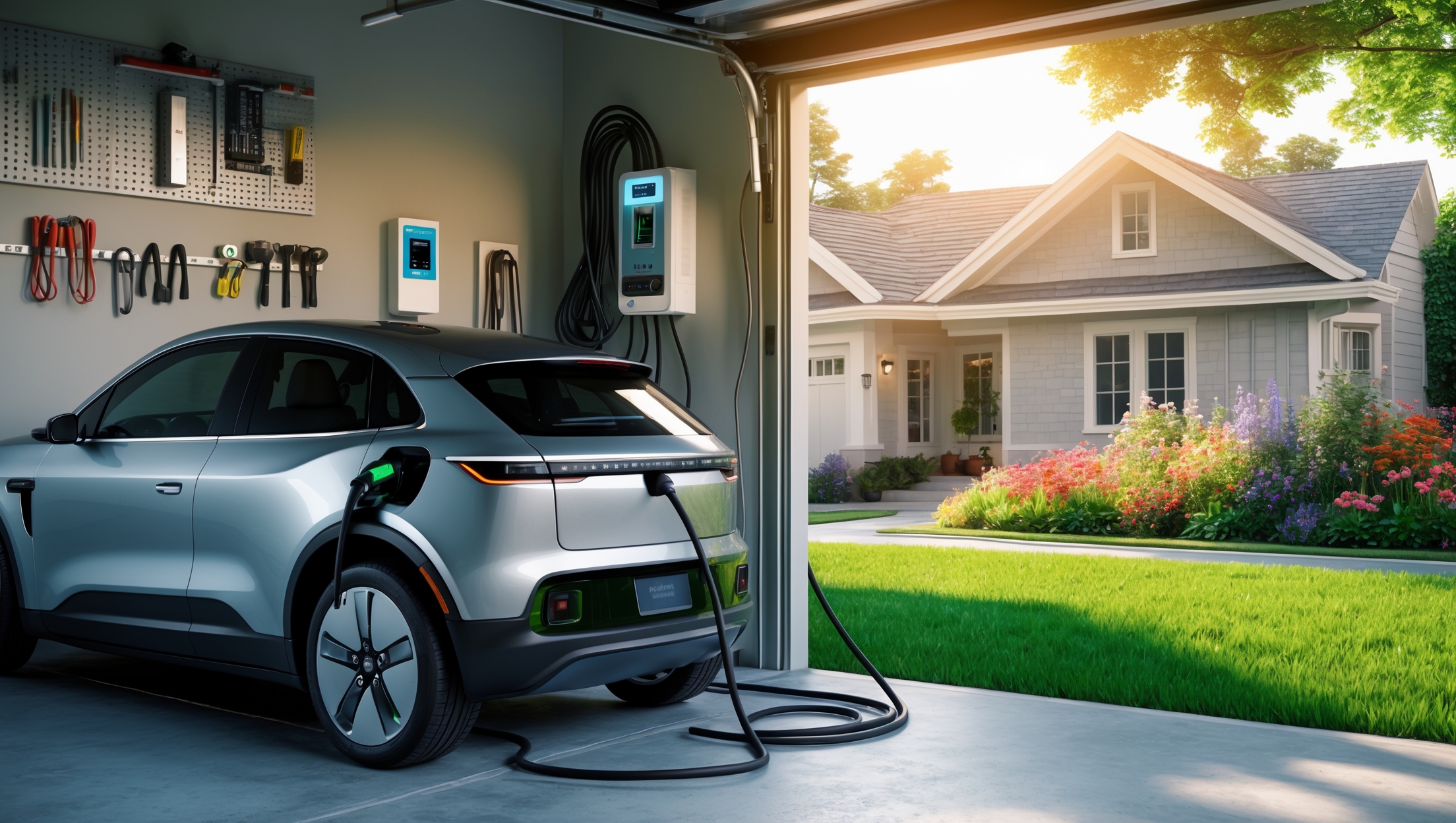
Introduction: Why Compliance Matters for Home EV Charging Stations
Electric vehicles (EVs) are revolutionizing transportation, and more homeowners are opting to install dedicated EV charging stations at home for convenience and efficiency. However, installing an EV charging station isn’t as simple as plugging in an appliance. It involves critical safety considerations, electrical upgrades, and—importantly—legal compliance and permitting. Ignoring these requirements can lead to fines, insurance issues, or even hazardous conditions. This comprehensive guide will walk you through the essential compliance steps and permitting process for installing a home EV charging station, ensuring your project is safe, legal, and future-proof. Whether you’re a first-time EV owner or upgrading your current setup, understanding these steps is crucial for a smooth installation and peace of mind.
Understanding EV Charging Station Types and Requirements
Level 1 vs. Level 2 Chargers
Before diving into permits and compliance, it’s important to understand the two most common types of home EV chargers:
- Level 1 Charger: Uses a standard 120V outlet. Slow charging; most EVs gain 3–5 miles of range per hour. Usually doesn’t require special permits, but still needs safety checks.
- Level 2 Charger: Uses a 240V circuit (like an electric dryer). Charges much faster—up to 25 miles of range per hour. Almost always requires a permit due to higher electrical load and wiring needs.
Most EV owners choose Level 2 for daily convenience. This guide focuses on Level 2 chargers, which have more stringent compliance and permitting requirements.
Why Permits and Compliance Are Non-Negotiable
Legal Requirements
Most municipalities require a permit for any new 240V circuit installation. This ensures the work meets the National Electrical Code (NEC) and local amendments. Skipping permits can result in hefty fines, forced removal, and homeowner insurance issues in the event of fire or damage.
Safety Considerations
Improper installation can lead to electrical fires, electrocution, or damage to your vehicle and home. Permitting processes include inspections to verify correct wiring, breaker size, GFCI protection, and proper installation of the charging station itself.
Insurance and Resale Implications
Installing a Level 2 charger without documentation can void your homeowner’s insurance for related damages. If you sell your home, unpermitted work can stall the sale or require costly rework.
Step-by-Step: Navigating Permits and Compliance for EV Charging
Step 1: Research Local Codes and Utility Requirements
Start by contacting your city or county building department. Ask specifically about EV charging station requirements. Some utilities also have their own standards or incentives that may require pre-approval.
- Find out which codes apply (typically the latest NEC and local amendments).
- Ask about required documentation (plans, load calculations, equipment specs).
- Check if your utility offers rebates, which may require pre-inspection or additional forms.
Step 2: Assess Your Home’s Electrical Capacity
Most Level 2 chargers require a 40- to 50-amp dedicated circuit. Your electrical panel must have the capacity to support this without overloading. A licensed electrician can perform a load calculation and determine if your panel needs upgrading.
- If your panel is full, you may need a subpanel or a service upgrade, both of which require permits.
Step 3: Select and Document Your Equipment
Choose a charging station that’s UL-listed and compatible with your vehicle. Gather the manufacturer’s installation specifications, which you’ll need for the permit application.
- Check for required safety features (GFCI protection, weatherproofing for outdoor installations).
- Some jurisdictions require “smart” chargers that can communicate with the utility for load management.
Step 4: Prepare Your Permit Application
- Complete the official electrical permit application from your local building department.
- Attach a site plan showing charger location, wiring route, and panel location.
- Include electrical load calculations and equipment specifications.
- If hiring a contractor, they will usually handle this process for you. If DIY, you must submit all documents yourself.
Step 5: Schedule Inspections
After your permit is approved, schedule the required inspections. For most installations, you’ll need:
- Rough-in inspection: Checks wiring before walls are closed or conduit is sealed.
- Final inspection: Verifies correct installation, labeling, and safety features after the charger is installed.
Do not use the new charger until you’ve passed the final inspection.
Special Compliance Considerations
Detached Garages and Outdoor Installations
Running power to a detached garage or outdoor parking pad often requires underground wiring (in conduit), GFCI protection, and weatherproof enclosures. Local codes specify burial depth and conduit type. Always include these details in your permit application.
Multifamily Homes and Condos
Installing a charger in a multifamily setting may require HOA approval, shared infrastructure upgrades, or fire-rated installations. Obtain written approval and check for additional permitting or inspection requirements.
Historic Homes
Older homes may face challenges with limited panel capacity and non-conforming wiring. You may also need historic preservation approval if external changes are visible. Be ready for more detailed plans and possibly additional inspections.
Common Mistakes to Avoid
- Skipping the permit: Even if your electrician says it’s optional, verify with your local authority.
- Underestimating panel capacity: Overloading your panel can result in nuisance breaker trips or fire risk.
- Improper GFCI protection: GFCI is required for outdoor and garage outlets—don’t skip this crucial safety step.
- Not labeling circuits: Inspectors require clear labeling for new EV charger circuits in your panel.
- DIY wiring without experience: Unless you’re a licensed electrician, hire a pro. Mistakes can be costly and dangerous.
Cost Breakdown: Permits, Inspections, and Upgrades
Typical Permit Costs
- Electrical permit: $50–$200 (varies by city/county)
- Plan review fee (if required): $25–$100
- Inspection fees: Often included, but some areas charge $50–$100 per visit
Electrical Upgrades
- Dedicated 240V circuit installation: $300–$800 (labor and materials)
- Panel upgrade: $1,000–$3,000 (if needed)
- Subpanel installation: $500–$1,500 (if main panel is full)
Charging Station Cost
- Level 2 charger: $400–$800
- Outdoor-rated enclosure (if needed): $100–$300
Many utilities offer rebates up to $500, but receipt of funds usually requires final inspection approval and proof of code compliance.
Insurance Essentials for Home EV Charging Stations
Once your charger is installed and inspected, notify your homeowner’s insurance. Provide documentation showing:
- Permit approval
- Final inspection sign-off
- Photos of the installation
This ensures that your insurer will cover claims related to the charger in case of fire or other incidents.
Documentation and Record-Keeping
Keep a digital and paper copy of:
- Permit and inspection documents
- Installation receipts
- Equipment manuals and warranty information
- Photos of installation (before, during, after)
This documentation is invaluable for insurance claims, future upgrades, or when selling your home.
What to Expect During Inspections
On inspection day, the inspector will verify:
- Correct wire size and breaker rating for the charger’s amperage
- Proper conduit or cable protection per code
- GFCI protection where required
- Secure, code-compliant mounting of the charging station
- Clear labeling of the new circuit in the panel
- Proper grounding and bonding
Be present to answer questions. If corrections are required, make them promptly and schedule a re-inspection.
Future-Proofing Your Installation
Consider installing a higher-amperage circuit (50A) and conduit large enough for potential dual chargers or future EVs. Smart chargers with utility integration may become required in coming years—choose models that can be updated via software or have open protocols.
Conclusion: Safe, Legal, and Hassle-Free EV Charging Starts with Compliance
Installing a home EV charging station is a smart investment in convenience, sustainability, and your property’s value. But the benefits are fully realized only when the project is completed safely and in full compliance with local codes and permitting requirements. By securing the proper permits, following all inspection steps, and documenting your installation, you protect yourself against legal, financial, and safety risks. You also ensure your insurance coverage remains intact and that future homebuyers will see your EV-ready home as an asset rather than a liability.
Remember: Even if your installation seems simple, local requirements can vary significantly, and what works in one area may be prohibited in another. When in doubt, consult your local building department and consider hiring a licensed electrician experienced in EV charger installations. The peace of mind and long-term benefits are well worth the upfront effort.
Ready to get started? Begin by researching your local permitting process—you’ll be one step closer to enjoying efficient, safe, and worry-free charging at home.
If I start with a Level 1 charger and later upgrade to Level 2, would I need to repeat the entire permitting process, or is there a streamlined option for upgrades?
Upgrading from a Level 1 to a Level 2 charger usually requires a new permit, since Level 2 chargers have higher electrical demands and may involve electrical panel upgrades. However, some localities offer simplified processes for upgrades. It’s best to check with your local permitting office for available streamlined options.
If I already have a 240V outlet in my garage for another appliance, do I still need a new permit to use it for a Level 2 EV charger, or can I just swap the devices?
You may still need a permit even if you already have a 240V outlet. Many local codes require permits for EV charger installations to ensure proper wiring and safety. Check with your local building department before swapping devices.
How long does it typically take for the permitting process to be approved for a home EV charging station, and what should I expect in terms of inspection or paperwork?
The permitting process for a home EV charging station usually takes anywhere from a few days to a few weeks, depending on your local jurisdiction. After submitting your application and required documents, an inspector may visit to check electrical work before final approval. You can expect to provide details like site plans and electrical specifications.
The article mentions that most municipalities require permits for new 240V circuits. Are there any situations where a homeowner might not need a permit for a Level 2 charger, or is it always mandatory?
In most areas, installing a new 240V circuit for a Level 2 charger does require a permit, since it involves electrical work. However, if you’re plugging into an existing 240V outlet with no new wiring or changes, some municipalities may not require a permit. It’s always best to check with your local building department to be sure.
Could you explain what kind of electrical upgrades might be needed for a Level 2 charger if my house is older? I’m worried about extra costs or potential rewiring.
For older homes, you might need to upgrade your electrical panel to handle the extra load of a Level 2 charger. This could involve installing a dedicated 240-volt circuit and possibly rewiring or replacing outdated wiring. Costs vary based on your current setup, so getting an electrician to assess your home’s capacity is a good first step.
If my garage already has a 240V outlet for a dryer, can I use it for a Level 2 charger or do I still need to get a separate permit and inspection?
You may be able to use your existing 240V outlet for a Level 2 charger, but most local codes still require a permit and inspection when repurposing an outlet for EV charging. It’s best to check with your local building department to confirm specific requirements in your area.
If my house already has a 240V outlet in the garage for an old dryer, do I still need to pull permits or upgrade wiring to install a Level 2 EV charger?
Even with an existing 240V outlet, you typically still need a permit to install a Level 2 EV charger. An electrician should check if the wiring and breaker are suitable for your charger’s load. Upgrades may be required to meet code or safety standards, depending on your charger’s specifications and your current setup.
The article mentions that skipping permits could create insurance issues if there’s a fire. Does this mean home insurance might deny a claim if I didn’t pull a permit for my EV charger installation?
Yes, if you install an EV charger without the proper permits and something goes wrong, your home insurance could potentially deny a claim related to that installation. Insurers often require proof that electrical work was done according to code and with the right permits.
For a first-timer, how long does the permitting and inspection process usually take before I can actually start charging my car at home with a Level 2 station?
For first-timers, the permitting and inspection process for a Level 2 home charging station typically takes anywhere from one to three weeks. This varies by location, but most homeowners can expect to complete paperwork, get approval, schedule installation, and pass a final inspection within that timeframe before using their charger.
You mention that Level 2 chargers almost always require a permit due to higher electrical load. How long does the permitting and inspection process usually take for a typical home installation?
For most home Level 2 charger installations, the permitting and inspection process typically takes between 1 to 3 weeks. Timelines can vary depending on your local permitting office and their current workload, so it’s best to check with your city or county for the most accurate estimate.
For older homes with outdated electrical panels, what kinds of upgrades are typically needed to safely support a 240V Level 2 charger, and are those upgrades usually covered under the same permit?
Older homes often need electrical panel upgrades, such as increasing the panel’s amperage (to 100 or 200 amps) or replacing outdated fuse boxes, to handle a 240V Level 2 charger. These upgrades usually require the same electrical permit as the charger installation, but always confirm with your local permitting office to be sure.
Does installing a Level 2 charger usually require upgrades to my home’s electrical panel, and if so, how can I estimate the cost or find out in advance?
Installing a Level 2 charger can require an electrical panel upgrade, especially if your current panel lacks spare capacity or is outdated. To estimate costs or determine if an upgrade is needed, contact a licensed electrician for an assessment and quote based on your home’s existing wiring and power usage.
How do I find out what specific local amendments to the National Electrical Code might apply to my area before I start the permitting process for a Level 2 charger?
To find local amendments to the National Electrical Code, contact your city or county building department directly. They can provide details on any modifications specific to your area. It’s also helpful to check their website or ask for printed guidelines related to EV charger installations.
What kind of costs should I expect for the permit process itself, separate from actual charger installation, and are there ways to estimate how long city approval usually takes?
Permit fees for home EV charger installation usually range from $50 to $300, depending on your city. Some areas publish standard fees on their building department websites. Approval times also vary, but most cities process permits within 1 to 3 weeks. Checking with your local permitting office can give you a more accurate estimate for both cost and timeline.
Are there any situations where a Level 1 charger might still need a permit, for example if I’m adding a dedicated 120V circuit specifically for my EV, or is permitting only required when upgrading to 240V?
If you’re adding a new dedicated 120V circuit for your Level 1 charger, most local codes will require a permit, since it involves new electrical work. Permitting isn’t just for 240V upgrades—it applies any time you modify your home’s electrical system, even if it’s just for a standard outlet.
The article mentions insurance issues if you skip permits—does that mean my homeowner’s insurance could deny a claim if something went wrong with my EV charger?
Yes, if you install an EV charger without the required permits and something goes wrong, your homeowner’s insurance could potentially deny a claim related to the charger. Insurers often require that electrical work is properly permitted and up to code to maintain coverage.
If my garage already has an unused 240V outlet that was originally installed for a dryer, would I still need to get a permit to use it for a Level 2 charger, or does the fact that it’s pre-existing affect the compliance process?
Even if the 240V outlet is already there, most local codes require a permit when you install and connect a Level 2 charger, since it’s a new use for the circuit. Check with your city or county permitting office to confirm what’s needed for your situation.
About the permitting process you mentioned, how long does it usually take for approval and inspection? I’m trying to plan the timing for my EV delivery and installation.
The permitting process for a home EV charging station typically takes anywhere from a few days to a couple of weeks, depending on your local regulations and workload. After approval, inspection can often be scheduled within a week. It’s a good idea to apply early to align with your EV delivery.
Are there any additional compliance steps or different permit requirements if I want to install a Level 2 charger outdoors instead of inside my garage?
Yes, installing a Level 2 charger outdoors can involve extra compliance steps. Outdoor installations often require weatherproof equipment, additional safety measures, and possibly a different permit classification. Your local permitting office may also require inspections to ensure weather resistance and proper placement, so check their guidelines before starting your project.
How much time should I expect the permitting and inspection process to add to my overall EV charger installation timeline, assuming I follow all the required steps?
You can generally expect the permitting and inspection process to add anywhere from a few days to a few weeks to your overall installation timeline. The exact duration depends on your local permitting office and their workload, but most homeowners find the process takes about one to three weeks if all requirements are met promptly.
If my municipality doesn’t explicitly mention EV chargers in permit guidelines, should I assume the same rules for general 240V appliance circuits apply, or is it best to check with the local building department first?
It’s best to check directly with your local building department. While general 240V appliance rules often apply, some municipalities have specific requirements for EV chargers that aren’t listed in their general guidelines. Confirming with them helps ensure your installation is safe and compliant.
If my house already has a 240V outlet in the garage from a previous appliance, do I still need to get a permit to use it for a Level 2 EV charger or does that only apply if I’m installing a brand new circuit?
Even if you already have a 240V outlet, most local codes still require a permit when repurposing it for a Level 2 EV charger. This ensures safety and proper inspection. It’s best to check with your local permitting office, as requirements can vary by area.
If my home already has a 240V outlet for a dryer in the garage, do I still need to get a permit or make electrical upgrades to install a Level 2 EV charger?
Even with an existing 240V outlet, most areas require a permit to install a Level 2 EV charger to ensure safety and code compliance. Depending on your charger’s power requirements and the outlet’s wiring, you might also need electrical upgrades. It’s best to check with your local permitting office and consult a licensed electrician.
I’m on a tight budget—are there affordable ways to get a Level 2 charger installed while still making sure I follow all those permit and safety rules you mentioned?
You can save costs by getting quotes from several licensed electricians and asking if they offer any discounts or basic installation packages. Some utility companies or local governments also provide rebates for EV charger installations. Just be sure your contractor handles all necessary permits and inspections so everything stays compliant and safe.
If a Level 2 charger always needs a permit, do I have to get a different permit if I want to upgrade later to a faster model, or is one permit enough for all upgrades?
If you upgrade to a faster Level 2 charger later, you’ll likely need a new permit because the electrical load might change and new inspections may be required. Always check with your local permitting office before starting any upgrade.
Could you elaborate on what kinds of electrical upgrades might be needed for older homes to safely install a Level 2 charger, and how much disruption to the home’s existing wiring that might involve?
Older homes may need upgrades like a dedicated 240-volt circuit, a higher-capacity electrical panel, or new wiring to support a Level 2 charger. The disruption varies—minor if the panel is sufficient and close to the garage, but more significant if new wiring or panel upgrades are needed, which can involve opening walls or ceilings.
You mentioned fines and insurance issues if I skip permits. Is the permit process expensive, and will it add a lot to my installation costs compared to just hiring someone to do it quietly?
Permit costs vary by location, but they’re generally a small part of your total installation expenses—often between $50 and $200. While skipping permits may seem cheaper upfront, it risks much higher costs from fines, denied insurance claims, or safety issues later. Proper permitting protects you and can add value to your home.
You mention insurance issues—does installing a Level 2 charger without the proper permit really invalidate my homeowner’s policy, or are there situations where insurance might still cover damages?
Installing a Level 2 charger without the required permit can give your insurer grounds to deny a claim related to electrical or fire damage. However, some insurance companies might still cover unrelated damages. To avoid risks, always check with your insurer and local regulations before installation.
What kind of electrical panel upgrades might be needed for a Level 2 charger if my home was built in the 1980s and has a 100 amp service panel?
For a Level 2 charger, your 100 amp panel from the 1980s might not have enough capacity, especially if you have many other major appliances. An upgrade to a 150 or 200 amp panel is sometimes needed to safely handle the charger. An electrician can do a load calculation to see if your current panel is sufficient or if an upgrade is required.
If my house already has a 240V outlet in the garage for an electric dryer, do I still need to get a permit or upgrade anything before installing a Level 2 charger?
Even if you already have a 240V outlet, you’ll likely still need a permit to install a Level 2 charger, as most local codes require one for any new EV charging equipment. Also, have an electrician confirm the outlet’s amperage matches your charger’s needs and that your wiring and panel can handle the extra load.
You mentioned that skipping permits could cause insurance problems. If I use a licensed electrician but don’t pull a permit, will my insurance still be affected in case of an electrical issue?
Even if you hire a licensed electrician, not pulling the required permit can still affect your insurance coverage. Many insurers require proof of proper permits and inspections for coverage to apply if there’s an electrical issue or claim. It’s always best to check with your insurance provider and local regulations to avoid complications.
If my garage already has a 240V outlet for a dryer, can I use that for a Level 2 charger or do I still need a separate permit and inspection?
You may be able to use your existing 240V outlet for a Level 2 charger, but most local codes still require a permit and inspection to ensure everything is safe and up to code. Check with your local building department to confirm requirements before making changes.
You mentioned fines and insurance issues for skipping permits—how long does the typical permitting process take, and can I use my EV charger while waiting for inspection?
The permitting process usually takes anywhere from a few days to a few weeks, depending on your local government’s workload. You should not use your EV charger until after both the permit is approved and the final inspection is completed to avoid safety and legal risks.
If my home already has a 240V outlet for something like a dryer, can I use that for a Level 2 charger or would a separate permit still be needed just for switching the usage?
You may be able to use the existing 240V outlet, but repurposing it for a Level 2 charger usually requires a permit, as the usage is changing. It’s also important to ensure the outlet’s amperage rating matches the charger’s needs. Always check with your local permitting office before making the switch.
How long does the typical permitting process take for a Level 2 charger, and is there a big difference between cities or states?
The permitting process for a Level 2 charger usually takes anywhere from a few days to several weeks. Timelines can vary widely depending on your city or state—some places have streamlined, quick processes, while others require more detailed reviews and might take longer.
Can you explain what kind of insurance issues might come up if I install a Level 2 charger without the required permits?
If you install a Level 2 charger without the necessary permits, your homeowner’s insurance could deny claims related to electrical fires or damage caused by the charger. Some insurers may even cancel your policy or raise your premiums if unpermitted work is discovered during an inspection or after a claim.
Can you clarify what kind of insurance issues might come up if I install a Level 2 charger without a permit, and would those problems still apply if I used a licensed electrician?
If you install a Level 2 charger without a permit, your homeowner’s insurance might not cover damages from faults, fires, or electrical issues, even if a licensed electrician does the work. Most insurers require proof of permits and code compliance for coverage, so skipping the permit can still risk denial of claims.
Are there any insurance issues if I install a Level 2 charger myself without a permit, even if I think it’s wired safely, or would insurance only care if there’s actually an accident?
Insurance companies often require all electrical work to follow local codes and permitting rules, not just be safe in your opinion. If you install a Level 2 charger without a permit, a claim could be denied even if no accident has happened yet. It’s best to confirm your policy requirements and always obtain proper permits.
You mention insurance issues if permits are skipped—will most homeowners’ insurance policies explicitly deny claims related to unpermitted EV charging installations, or does it depend on the provider?
Whether a homeowners’ insurance policy will deny claims due to unpermitted EV charging installations depends on the provider and policy details. Some insurers may exclude coverage for damages from unpermitted electrical work, while others might not. It’s important to review your policy and check with your insurance company to understand their specific requirements.
I’m curious about insurance—if my charger is installed without a permit but works fine, could my policy really be voided in case of fire, even if the installation didn’t directly cause it?
Insurance companies often require that electrical work, like charger installations, meet local permit and code requirements. If a fire occurs and they find your charger wasn’t properly permitted, they may deny a claim—even if the charger wasn’t the direct cause. It’s best to check your policy and local rules to avoid risks.
You mentioned insurance issues if compliance is skipped—what exactly do insurers look for when it comes to home EV charging stations, and how can I make sure I’m fully covered?
Insurers typically check that your EV charging station was installed by a licensed electrician, meets local codes, and has all required permits. To ensure coverage, keep records of inspections, permits, and professional installation, and notify your insurer about the upgrade so your policy accurately reflects the new equipment.
If I only have an older electrical panel, how do I know if it can safely handle a Level 2 charger, or will I likely need an upgrade before even applying for permits?
To determine if your older electrical panel can support a Level 2 charger, have a licensed electrician evaluate your panel’s capacity and condition. They’ll check if there’s enough amperage and available breakers. Often, older panels require upgrades before safely installing a Level 2 charger and applying for permits.
Do most cities require you to get a permit even for Level 1 chargers if you’re just plugging into a regular outlet, or is that only necessary for Level 2 installations?
Most cities do not require a permit for using a Level 1 charger that plugs into a standard outlet, as long as you’re not modifying your home’s electrical system. Permits are typically needed for Level 2 installations, which usually involve new wiring or dedicated circuits.
Could you explain what kinds of electrical upgrades are usually required for older homes wanting to support a Level 2 charging station?
Older homes often need a dedicated 240-volt circuit installed for a Level 2 EV charger. This may involve upgrading the electrical panel if it lacks capacity, adding new wiring, and sometimes updating grounding or circuit breakers to meet local codes.
If I install a Level 2 charger in my garage, how long does the permit and inspection process usually take? Should I expect any delays if my house is older or needs electrical upgrades?
The permit and inspection process for a Level 2 charger typically takes one to three weeks, depending on your local authority. If your home is older or requires electrical upgrades, the process could take longer, as additional work and possibly more inspections may be needed. It’s a good idea to check with your local permitting office for specific timelines.
If I live in an older house, will I likely need to upgrade my electrical panel before getting a permit for a Level 2 charger, or are there usually alternatives?
If your older home has a 100-amp or lower electrical panel, you may need an upgrade to safely support a Level 2 charger. However, alternatives like load management devices or lower-power chargers can sometimes allow installation without a full panel upgrade. Your local permitting office or a licensed electrician can help assess your specific situation.
The article mentions insurance issues if you skip the permit process. Do you know if a failed inspection affects your current home insurance policy or only relates to claims involving the charger?
A failed inspection typically only impacts insurance claims related to the EV charger or incidents connected to its installation. It usually does not affect your overall home insurance policy unless the failed inspection reveals broader safety issues that concern your insurer.
You mention most Level 2 chargers need permits, but what about older homes with outdated electrical panels? Are there usually extra steps or costs for bringing those up to code before installing the charger?
Yes, with older homes, outdated electrical panels often need upgrades to safely handle a Level 2 charger. This may involve replacing the panel or increasing its capacity, which can add costs and require additional permits or inspections. It’s best to have a licensed electrician assess your panel before starting the installation process.
You mention fines and insurance problems if permits are skipped. Can you explain what kind of homeowner insurance issues could come up after a non-permitted EV charger install?
If you install an EV charger without the required permit, your homeowner’s insurance might not cover any damage, fire, or injury related to the installation. Insurers could deny claims or even cancel your policy if they find out the work wasn’t permitted or inspected as required.
You mention that skipping permits could cause insurance issues. Could you elaborate on what specific problems might come up with insurance if the charger is installed without a permit?
If you install an EV charger without the required permits, your insurance company may deny claims related to electrical fires or other damage caused by the charger. Some policies also exclude coverage for unpermitted work, which could leave you responsible for all repair costs if something goes wrong.
You mentioned insurance issues if permits are skipped—are there specific policy exclusions that homeowners should watch out for when adding a 240V EV charger without the proper paperwork?
Yes, many home insurance policies exclude coverage for damages or liability related to electrical work done without required permits. If a fire or injury occurs due to an unpermitted 240V EV charger installation, your insurer may deny claims. It’s wise to check your policy’s exclusions regarding unpermitted work and clarify with your agent before starting the project.
Can you explain more about how skipping the permit process could impact my homeowner’s insurance if there’s an issue with the charger later on?
If you skip getting a permit and later have an issue with your EV charger, your homeowner’s insurance might deny a claim for damages. Many policies require work to be properly permitted and inspected, so skipping this step could mean you’re not fully covered if something goes wrong related to the charger installation.
The article mentions that skipping the permit process can impact homeowner insurance. Is this something insurance companies really check for after installation, or only if something goes wrong like a fire?
Insurance companies typically only check for permits if you file a claim related to the EV charger, such as after damage or a fire. If they discover you skipped the permit process during their investigation, they could deny your claim or limit coverage, so it’s important to follow the required procedures up front.
Is there a big price difference between hiring a professional electrician for the installation versus doing part of the work myself under a permit, especially for the wiring required for a Level 2 charger?
Yes, hiring a professional electrician usually costs more than doing some of the work yourself. However, with a Level 2 charger, the wiring often involves new circuits and permits, which can be complex. DIY can save some money, but you’ll still need inspections, and code compliance is essential. Weigh the safety risks and local regulations before deciding.
If I’m considering upgrading to a Level 2 charger but my garage currently only has standard 120V outlets, how involved is the permit process, and would I need to rewire the whole garage?
Upgrading to a Level 2 charger typically requires a dedicated 240V circuit, so you may need some rewiring, but not necessarily the whole garage—just the necessary line from your electrical panel. The permit process usually involves submitting electrical plans and scheduling inspections, which is straightforward if you work with a licensed electrician.
Does the permitting process for a Level 2 home EV charger usually take a long time, or can it be done pretty quickly if you have all the paperwork ready? I’m trying to plan out how long I’ll be without my main parking spot.
If you have all your paperwork and documents ready, the permitting process for a Level 2 home EV charger is usually straightforward and can often be approved within a few days to a couple of weeks, depending on your local permitting office. It’s a good idea to check with your city or county for specific turnaround times.
Are there any extra compliance steps or special permits needed if my electrical panel is almost at full capacity before adding a Level 2 charger?
If your electrical panel is nearly full, you may need a panel upgrade or subpanel installation before adding a Level 2 charger. This typically requires an electrical permit and an inspection. Your local code may also require a load calculation by a licensed electrician to ensure safety and compliance.
The article mentions insurance issues if permits are skipped—can you explain what kind of problems might come up with homeowner’s insurance if I install a Level 2 charger without the proper permit?
If you install a Level 2 charger without the required permit, your homeowner’s insurance might deny claims related to electrical fires or damages. Unpermitted work could be considered a violation of your policy, making it harder to get coverage for any issues caused by the charger or even impacting your overall coverage.
Since Level 1 chargers usually don’t require special permits but still need safety checks, can you clarify what kind of safety inspection or documentation is typically expected for a Level 1 setup?
For a Level 1 charger, safety checks generally focus on ensuring that the outlet and circuit are in good condition and properly grounded. You may be asked for proof that your home’s wiring meets local electrical codes, but formal inspections or permits are rarely needed. It’s a good idea to have a licensed electrician verify the setup and provide a written summary if documentation is requested.
If I already have a 240V outlet in my garage that was installed for a dryer, do I still need a permit to use it for a Level 2 EV charger, or does the existing permit cover it?
Even if your 240V outlet was properly permitted for a dryer, you will likely need a new permit to use it for an EV charger. Most local codes require a permit whenever you change the outlet’s use, especially for high-power EV charging, to ensure safety and code compliance.