

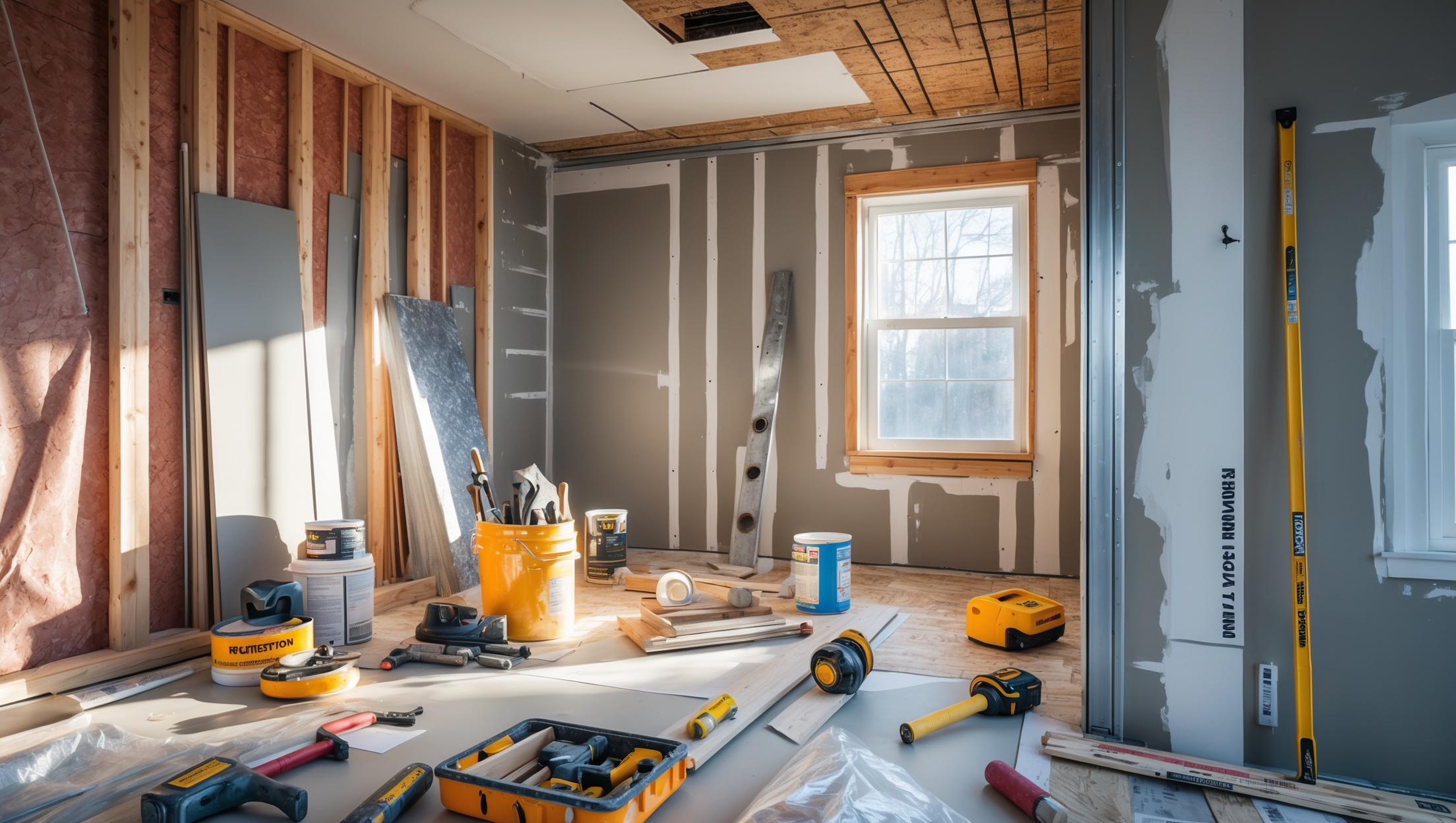
Introduction: Why Avoiding Beginner Mistakes Matters in Home Improvement
Home improvement projects promise to transform living spaces, boost property value, and provide personal satisfaction. However, for beginners, the path from inspiration to completion is riddled with potential pitfalls. Mistakes made in the planning or execution stages can lead to spiraling costs, subpar results, or even safety hazards. Understanding and sidestepping common errors is essential for first-time renovators who want to achieve professional-quality outcomes without unnecessary stress or expense.
This comprehensive guide explores the most frequent mistakes homeowners make when tackling improvement projects for the first time. From poor budgeting and inadequate planning to ignoring local permit requirements and underestimating tool needs, we’ll break down each issue, clarify why it happens, and offer actionable steps to ensure your project runs smoothly from start to finish. Whether you’re painting a room, remodeling a kitchen, or embarking on more ambitious upgrades, these insights will empower you to plan wisely, work safely, and avoid the headaches that plague so many DIYers.
Planning Pitfalls: Laying the Right Foundation
Underestimating Project Scope and Complexity
One of the most frequent mistakes is diving into a project without fully understanding its scope. Beginners often assume tasks like replacing cabinets or installing flooring are straightforward, only to discover hidden challenges—uneven walls, unexpected wiring, or structural quirks—that complicate the process.
- Solution: Research your project thoroughly. Watch tutorials, read step-by-step guides, and, if possible, consult with professionals or experienced DIYers. Break your project into tasks and anticipate complications by examining your home’s unique features.
Skipping the Planning Phase
Excitement can tempt homeowners to rush into buying materials or tearing down walls without a clear plan. This often leads to wasted effort, rework, and overspending.
- Solution: Draft a written plan detailing the scope, timeline, required materials, and step-by-step tasks. Use checklists to track progress and ensure nothing is overlooked.
Misjudging DIY vs. Professional Work
The allure of saving money prompts many beginners to take on projects that exceed their skills, particularly with plumbing, electrical work, or structural changes. This can result in dangerous situations or code violations.
- Solution: Honestly assess your skill level. For complex or critical jobs, budget for professional assistance. Many pros offer partial services, such as consultation or heavy lifting, allowing you to safely handle more manageable tasks.
Budgeting Blunders: Keeping Costs Under Control
Ignoring Hidden and Contingency Costs
Many first-timers focus solely on material costs, overlooking expenses like tool rentals, waste disposal, permit fees, or unexpected repairs uncovered during demolition.
- Solution: Build a detailed budget that includes a 10-20% contingency for surprises. Research all possible expenses, including delivery fees, protective gear, and insurance premiums if hiring subcontractors.
Buying Cheap Materials and Tools
Opting for the lowest-priced materials or tools can seem thrifty but often leads to poor results, frequent replacements, or project delays when items fail mid-task.
- Solution: Invest in quality where it matters most—especially for tools used frequently or materials exposed to wear. Read reviews and ask for recommendations at reputable hardware stores.
Overlooking Permit and Compliance Fees
Many improvement projects require permits or inspections, which come with fees. Skipping this step can result in fines or being forced to undo completed work.
- Solution: Contact your local building department during the planning phase. Factor permit and inspection costs into your budget, and set aside time for approval processes.
Tool and Equipment Oversights
Using the Wrong Tools for the Job
Improvising with unsuitable tools slows progress and can damage materials. For example, using a standard saw for tile or a hammer for delicate fixtures can cause costly errors.
- Solution: Make a tool list for each phase of your project. Consider renting specialty equipment for short-term needs. Ask store staff for tool recommendations tailored to your skill level.
Neglecting Tool Safety and Maintenance
Lack of familiarity with power tools or skipping safety features increases accident risks. Dull blades and poorly maintained tools can also cause injuries or uneven results.
- Solution: Read user manuals before operating new tools. Wear appropriate protective gear—gloves, goggles, earplugs—and keep tools clean and sharp. Store equipment safely between uses.
Legal, Compliance, and Insurance Essentials
Ignoring Permit Requirements
Unpermitted work can void insurance, complicate future sales, and expose you to legal penalties. Common projects needing permits include electrical upgrades, structural changes, and large-scale plumbing.
- Solution: Always verify permit requirements before starting. Even small projects may have local regulations. Document all approvals and keep receipts for future reference.
Overlooking Liability and Insurance
Accidents during renovations can cause property damage or personal injury. If friends or hired help are involved, you may be liable for injuries, especially without proper insurance.
- Solution: Check your homeowner’s policy for renovation coverage. For larger projects or if hiring subcontractors, request proof of insurance and consider additional liability protection.
Non-Compliance with Building Codes
Building codes ensure safety and quality. Beginners who skip code research may install unsafe wiring, inadequate ventilation, or improper load-bearing structures.
- Solution: Study local codes or consult with inspectors during planning. Many municipalities provide code summaries online or via local offices.
Time Management and Scheduling Mistakes
Underestimating Project Timeline
Beginners often assume projects will finish in a weekend, only to face delays due to drying times, supply shortages, or learning curves.
- Solution: Double your initial time estimate, especially for first-time tasks. Build in buffer days for material delivery and weather delays. Use a project calendar to track progress.
Failing to Sequence Tasks Properly
Completing tasks in the wrong order—such as painting before sanding floors or installing appliances before finishing walls—can cause unnecessary rework and damage.
- Solution: List tasks chronologically. Consult project guides or professionals for recommended sequencing. Never rush to the finish line at the expense of foundational steps.
Safety Hazards: Protecting Yourself and Your Home
Skipping Safety Precautions
Many accidents happen due to ignoring basic safety steps such as turning off power, using ladders incorrectly, or working without proper ventilation.
- Solution: Create a safety checklist for each project. Always shut off utilities before work, use ladders safely, and ensure adequate ventilation when painting or using chemicals.
Improper Handling and Disposal of Hazardous Materials
Older homes may contain lead paint, asbestos, or mold, which require special handling. Disposing of chemicals or construction debris incorrectly can harm the environment and incur fines.
- Solution: Test for hazardous materials before starting demolition. Use certified professionals for removal if needed. Follow local regulations for waste disposal and recycling.
Communication and Documentation Errors
Poor Communication with Contractors and Suppliers
Misunderstandings with professionals can delay projects or result in unexpected costs. Unclear instructions may lead to unsatisfactory outcomes.
- Solution: Put all agreements in writing. Confirm timelines, costs, and expectations before work begins. Regularly check in with contractors or suppliers to resolve issues quickly.
Lack of Project Documentation
Failing to keep records—such as receipts, permit approvals, and progress photos—can complicate insurance claims, resale, or warranty disputes.
- Solution: Maintain a project folder (physical or digital) with all documentation. Photograph progress and keep notes on changes or unexpected issues.
Case Studies: Real-World Lessons from Common Mistakes
Case Study 1: The Overzealous Demolition
A homeowner eager to renovate their kitchen began demolition without checking for load-bearing walls. The result was costly structural repairs and a delayed project. The lesson: Always consult building plans or a structural engineer before major demolition.
Case Study 2: Under-Budgeting a Bathroom Remodel
A DIYer budgeted only for tiles and fixtures, neglecting plumbing upgrades and waterproofing. When leaks appeared, the additional repairs doubled the original budget. The lesson: Always include hidden and contingency costs in your budgeting.
Case Study 3: Ignoring Permit Requirements
After completing a deck, a homeowner was forced to dismantle it due to lack of permits and code violations. The lesson: Check local building requirements before starting any project.
Conclusion: Set Yourself Up for Success
Home improvement is a rewarding journey, transforming your living space and providing a sense of accomplishment. However, for beginners, success lies in meticulous planning, realistic budgeting, and a commitment to safety and compliance. By understanding and avoiding the common mistakes outlined in this guide, you can steer clear of costly setbacks and achieve results that enhance both the value and comfort of your home.
Take the time to research every aspect of your project, from tool selection to permit requirements. Don’t hesitate to seek professional advice for complex tasks, and always prioritize safety—for yourself and others. Document your progress, communicate clearly with any professionals involved, and keep your records organized for future reference. With careful planning and a proactive approach to problem-solving, your first home improvement project can be both enjoyable and successful. Remember, every skilled renovator started as a beginner—what sets the best apart is their willingness to learn from mistakes and plan for success.

Can you give more examples of what kinds of hidden issues, like uneven walls or wiring, I might run into with older homes? I want to know if there are warning signs I should look for before starting.
Older homes can hide issues like outdated plumbing, foundation cracks, knob-and-tube wiring, asbestos insulation, or rotting wood behind walls. Warning signs include sloping floors, flickering lights, musty odors, peeling paint, or frequent circuit breaker trips. Taking note of these signs can help you identify problems before beginning any renovation.
If I’m trying to budget for a flooring renovation but I don’t know what hidden issues might come up, is there a rule of thumb for how much extra money I should set aside just in case?
A common rule of thumb is to set aside an extra 10 to 20 percent of your total flooring budget for unforeseen issues like subfloor repairs or unexpected materials. This cushion helps you handle surprises without derailing your renovation plans.
You mention researching and breaking down projects before starting. Are there specific tools or checklists you recommend for keeping track of all the potential complications I might face in an older house?
For older homes, a detailed checklist can help. Start with a home inspection report if you have one, and use project management apps or spreadsheets to track tasks, materials, and issues. Consider checklists that cover plumbing, electrical, structure, insulation, and permits. Apps like Trello or Todoist are also useful for organizing project steps and potential complications.
How do I estimate a realistic budget for a home improvement project if I have no prior experience? The article mentions poor budgeting as a common mistake—I’m worried about unexpected costs popping up.
To estimate a realistic budget, start by listing all the materials, tools, and professional help you might need. Get multiple quotes from contractors and suppliers. Always add at least 15-20 percent extra to cover unexpected expenses. Research similar projects to compare costs and avoid surprises.
The article mentions the importance of not skipping the planning phase and thoroughly researching a project. What are some good ways for a beginner to accurately estimate how much time and money a typical kitchen remodel might actually take?
To accurately estimate time and cost for a kitchen remodel, start by listing all tasks involved. Research average costs in your area, get multiple contractor quotes, and use online calculators for rough estimates. Ask friends who’ve remodeled recently and check local hardware store prices. Always add a 10-20% buffer for unexpected expenses or delays.
How can a beginner figure out if they need permits for a smaller home improvement project, like painting or installing shelves? The article mentioned local permit requirements and I’m a little confused about when they actually apply.
For small projects like painting or installing shelves, permits usually aren’t needed. Permits are typically required for structural, electrical, or plumbing changes. If you’re unsure, check your city or county’s building department website or give them a quick call to confirm. It’s always safer to double-check before starting any project.
If I realize midway that I underestimated the project’s complexity, what steps can I take to recover without blowing my budget?
If your project turns out more complex than expected, pause to reassess. Break down remaining tasks, prioritize essentials, and consider tackling in phases. Get quotes from professionals for tricky parts, compare costs, and adjust your plan as needed. Doing some tasks yourself and postponing non-urgent upgrades can help keep expenses under control.
When researching a project to avoid underestimating the scope, how do you determine which potential complications, like hidden wiring or structural quirks, are most likely in your specific home?
To pinpoint likely complications, consider your home’s age, previous renovations, and construction type. Ask neighbors with similar homes about issues they’ve faced, and review any past inspection reports you have. For greater certainty, consult a professional or contractor—they can spot hidden challenges based on your home’s specifics.
You mention researching your home’s unique features before starting; what are some effective ways to identify potential hidden problems like structural quirks or old wiring before they become costly issues?
To spot hidden issues, consider a professional home inspection before starting your project. You can also review past renovation records, look for signs like cracks, uneven floors, or flickering lights, and speak with neighbors about common problems in similar homes. Checking crawl spaces and attics can sometimes reveal wiring or structural concerns as well.
If I’m trying to avoid budgeting mistakes as a beginner, do you have any tips for estimating costs more accurately, especially when unexpected problems come up during a renovation?
To estimate costs more accurately, get multiple quotes from contractors, break down your project into smaller tasks, and research material prices in advance. Always add at least a 10-20% buffer for unexpected issues, since surprises often happen during renovations. Keeping a detailed spreadsheet can also help you track and adjust your budget as needed.
I’m trying to avoid underestimating the tools I’ll need. Is it better to buy everything upfront, or can you recommend a way to figure out which tools I might be able to rent or borrow as the project progresses?
It’s often smarter to buy only essential tools you’ll use frequently, then rent or borrow specialty tools as needed. Start by making a detailed list for each project step. Many hardware stores rent out pricier items, so you can save money and storage space that way.
I noticed you touched on permit requirements—how can a first-time homeowner figure out which projects in their area definitely need permits before starting, especially if info online isn’t clear?
If online information is unclear, the best approach is to call your local building department directly and describe your project. They can tell you precisely which permits are needed. You can also ask neighbors who’ve done similar projects or consult with licensed contractors in your area.
For someone just starting out, how do you recommend setting a realistic budget for a project if you’re unsure about hidden costs like wiring or structural issues?
To set a realistic budget, start with a detailed plan and get multiple quotes from contractors. Add a contingency fund—typically 10-20% of the total cost—to cover unexpected expenses like wiring or structural surprises. Research similar projects and talk to experienced homeowners to anticipate possible hidden costs.