

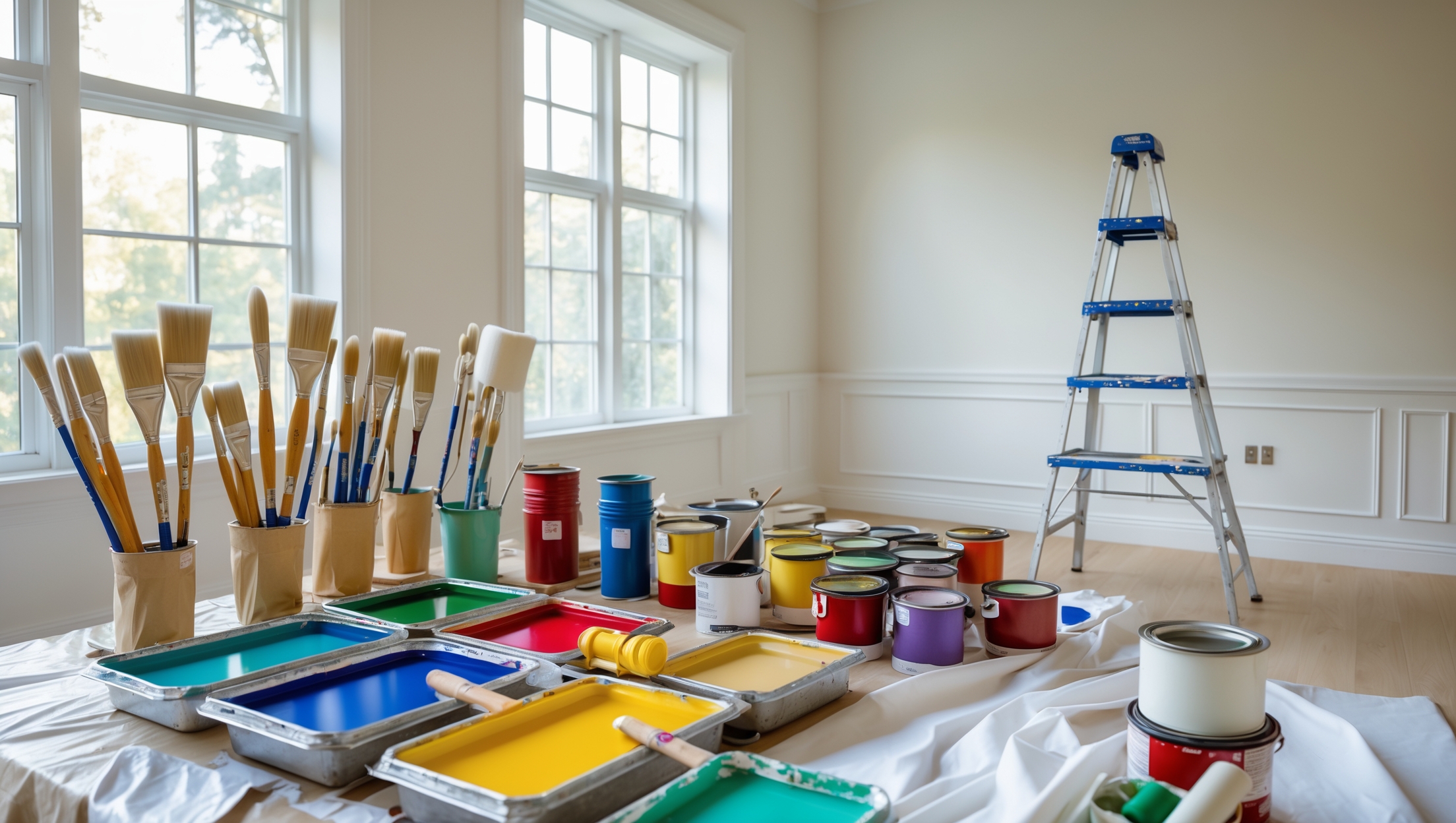
Introduction: Why the Right Painting Tools Matter
Painting is one of the most transformative and cost-effective home improvement projects. Whether you’re freshening up a single room or revamping your home’s entire look, achieving a professional-quality finish is as much about technique as it is about the tools you use. Many DIYers underestimate the impact that brushes, rollers, sprayers, and prep tools have on the final result. The right equipment not only saves time and money but also makes a dramatic difference in the smoothness, coverage, and longevity of your paint job.
However, with aisles of options and conflicting advice online, selecting and maintaining painting tools can be daunting. Do you need synthetic or natural bristles? What’s the real difference between roller naps? Is a sprayer worth the investment? This comprehensive guide will demystify the world of home painting tools. We’ll cover essential equipment for walls, trim, ceilings, and specialty surfaces, explain exactly how to use each type for best results, and share expert maintenance tips to ensure your tools last for many projects to come. Get ready to achieve flawless finishes—no prior painting experience required.
Understanding the Basics: Types of Home Painting Tools
Paint Brushes
Brushes are indispensable for detailed work and areas where rollers or sprayers can’t reach. Choosing the right brush depends on your project’s specifics:
- Flat Brushes: Ideal for large, flat surfaces and broad strokes. Commonly used for doors, cabinets, and wide trim.
- Angled (Sash) Brushes: Feature slanted bristles, making them perfect for cutting in edges, corners, and window frames.
- Round Brushes: Useful for decorative painting or reaching into tight spots.
Bristle Material:
- Synthetic (Nylon/Polyester): Best for water-based (latex) paints. Resist swelling and hold their shape well.
- Natural (China Bristle): Superior for oil-based paints and varnishes due to their softness and ability to hold more paint.
Paint Rollers
Rollers are essential for efficient coverage of large, flat surfaces like walls and ceilings. Key factors include:
- Nap (Pile) Length: Short nap (1/4″–3/8″) for smooth surfaces; medium nap (1/2″) for lightly textured walls; long nap (3/4″–1″) for rough or textured surfaces.
- Roller Material: Synthetic covers for latex paints; natural fibers for oil-based paints.
- Size: Standard rollers (9″) for walls and ceilings; mini rollers (4″) for furniture, cabinets, or tight spaces.
Paint Sprayers
Sprayers offer fast, even coverage and a flawless finish—especially on cabinets, doors, and exteriors. Types include:
- Airless Sprayers: Powerful and efficient for large spaces. Suitable for thick paints and exterior surfaces.
- HVLP (High Volume Low Pressure): Deliver a fine mist, minimizing overspray. Ideal for furniture, trim, and cabinetry.
Preparation and Protection Tools
- Painters Tape: For crisp lines and protecting trim or edges.
- Drop Cloths: Canvas is reusable and slip-resistant; plastic is disposable but can be slippery.
- Putty Knife: For filling holes or scraping old paint.
- Sanding Blocks or Sponges: Smooth surfaces before painting.
- Paint Trays and Liners: Hold and distribute paint evenly for rollers.
- Extension Poles: Expand reach for ceilings or tall walls.
- Ladders and Step Stools: Ensure safe access to higher areas.
How to Choose the Right Painting Tools for Your Project
Assessing Surface Type and Paint Choice
Before heading to the hardware store, evaluate what you’ll be painting. For example, smooth drywall in a living room requires a different approach than textured ceilings or wooden cabinets. Similarly, latex and oil-based paints behave differently with various tools. Always match your brush or roller material to the paint type for optimal results. If in doubt:
- Use synthetic brushes/rollers for latex paint.
- Opt for natural bristle brushes/rollers for oil-based paint.
Project Size and Complexity
For small rooms or touch-ups, brushes and standard rollers suffice. For whole-house projects or exteriors, consider renting or investing in a sprayer for speed and uniformity. Mini rollers and specialty brushes are best for furniture, cabinets, and trim.
Budget Considerations
While it’s tempting to buy the cheapest tools, investing in quality pays off in smoother finishes and fewer frustrations. A $15–$25 brush can outlast and outperform a bargain $5 option by a wide margin if properly cared for.
Starter Kit Recommendations
- 1 x 2.5-inch angled sash brush (for cutting in edges)
- 1 x 2-inch flat brush (for trim and touch-ups)
- 1 x 9-inch roller frame and cover (3/8″ nap for most walls)
- 1 x 4-inch mini roller set
- 1 x metal or heavy-duty plastic paint tray and liners
- 1 x extension pole
- 1 x roll of quality painter’s tape
- 1 x canvas drop cloth
- 1 x putty knife
- 1 x sanding block
Mastering Proper Use: Tips for Flawless Application
Brush Techniques
Loading: Dip your brush one-third of the way into the paint, tapping off excess. Never overload, which leads to drips and streaks.
Cutting In: Use the angled sash brush to create sharp lines along ceilings, corners, and trim. Steady your hand by resting your wrist against the wall.
Smoothing: After applying paint, use gentle, long strokes to “tip off” the surface, reducing brush marks.
Roller Application
Loading: Roll the cover in the tray until fully saturated. Roll off excess to prevent splatter.
Pattern: Use a “W” or “M” pattern to distribute paint, then fill in gaps with even, parallel strokes. Work in sections while maintaining a wet edge to avoid lap marks.
Spraying Techniques
Preparation: Mask off all surfaces not being painted. Wear a respirator and ensure proper ventilation.
Spraying: Hold the sprayer 12–18 inches from the surface. Move steadily, overlapping each pass by 50% for even coverage.
Common Mistakes—and How to Avoid Them
- Using the wrong nap roller for the surface texture, resulting in poor coverage or roller marks.
- Neglecting to clean brushes/rollers between coats or colors, which ruins finishes and shortens tool life.
- Applying too much or too little paint, causing drips, streaks, or uneven color.
- Skipping surface prep—always clean, sand, and repair before painting.
Tool Maintenance: Cleaning, Storage, and Longevity
Cleaning Brushes
- For latex paints: Rinse thoroughly in warm water with mild soap until water runs clear. Spin or shake out excess water, then reshape bristles.
- For oil-based paints: Clean with mineral spirits or paint thinner, then wash with soap and water.
- Never let paint dry on your brush—it will permanently ruin bristles.
Cleaning Rollers
- Scrape excess paint back into the can with a putty knife.
- For latex paint: Wash with warm soapy water, then rinse and spin dry.
- For oil-based paint: Use mineral spirits, then wash with soap and water.
- Store upright or hang to prevent matting.
Paint Sprayers
- Flush system with water or solvent (as appropriate) immediately after use.
- Disassemble and clean all parts according to manufacturer instructions.
- Lubricate moving parts if required.
Storage Tips
- Store brushes and rollers in original packaging or wrap in plastic to keep dust-free and maintain shape.
- Hang brushes and rollers to dry; avoid resting them on bristles or nap, which can distort their shape.
- Keep all tools in a dry, temperate environment to prevent rust and mildew.
Reviving Old Tools
If bristles become stiff or rollers matted, soak in brush cleaner or fabric softener solution overnight, then wash and rinse thoroughly. Severely hardened paint usually means it’s time to replace the tool.
Advanced Tips: Specialty Tools and Pro-Level Finishes
Edgers and Pads
Paint edgers and pads help create razor-sharp lines along trim, ceilings, and corners without the need for extensive taping. They’re especially useful for those with a steady hand and some painting experience.
Detail Brushes and Foam Applicators
For intricate moldings, latticework, or furniture, small detail brushes or foam applicators provide control and minimize brush marks.
Textured and Specialty Rollers
Textured rollers can mimic the look of brick, stone, or other finishes. Use these for accent walls or creative projects, but practice on a test board first to master technique.
Cleaning and Maintenance Gear
- Brush combs: Help remove dried paint and reshape bristles.
- Roller spinners: Make quick work of cleaning and drying roller covers.
- Paint can pour spouts and grids: Prevent spills and ensure even roller loading.
Frequently Asked Questions
How often should I replace my brushes and rollers?
With proper care, quality brushes and rollers can last for years of regular use. Replace when bristles fray, shed, or lose shape, or when roller covers become matted and uneven.
Are expensive tools really worth it?
Yes. Superior brushes and rollers apply paint more smoothly, hold more paint, and are easier to clean. They also save time and reduce the likelihood of mistakes that require touch-ups.
How can I prevent brush marks and roller lines?
Use the right tool for the surface, avoid overloading, and always “tip off” or smooth the paint before it dries. Maintain a wet edge and work quickly in manageable sections.
Conclusion: Invest in the Right Tools for Lasting Results
Successful home painting projects start long before the first coat of color goes on the wall. By investing in the right brushes, rollers, sprayers, and prep tools—and learning how to use and maintain them—you set yourself up for professional-quality results that stand the test of time. Remember, the difference between a DIY disaster and a magazine-worthy finish often comes down to tool selection and upkeep, not just paint quality or technique.
Don’t be tempted by false economies; a few extra dollars spent on premium tools will pay you back with easier application, fewer headaches, and beautiful, long-lasting finishes. Clean your equipment thoroughly after each use, store it carefully, and you’ll be ready for your next project—whether it’s a quick touch-up or a whole-home transformation. With the insights and practical tips from this guide, you’ll approach every paint job with confidence and know-how, achieving flawless, satisfying results every time. Happy painting!
When deciding between a roller and a sprayer for painting interior walls, how do you weigh the time savings against setup and cleanup, especially for someone painting just a couple rooms?
For just a couple rooms, rollers are usually best because they’re quick to set up, easy to use, and require minimal cleanup. Sprayers save time on actual painting but demand more prep, masking, and thorough cleaning, which can outweigh their speed advantage for small projects.
If I’m only painting one or two rooms and working with a tight budget, is it better to invest in a basic sprayer or just stick with high-quality brushes and rollers for best results?
For just one or two rooms and a limited budget, high-quality brushes and rollers are usually the best choice. They offer good control and a smooth finish without the extra cost or cleanup time that comes with a sprayer.
For someone who mostly uses water-based paints but occasionally needs to apply oil-based finishes, would it make sense to invest in both synthetic and natural bristle brushes, or is there a good all-purpose option?
For your needs, it’s best to have both types of brushes. Synthetic bristle brushes work well with water-based paints, while natural bristle brushes are ideal for oil-based finishes. All-purpose brushes exist, but each type performs best with its compatible paint, so having both ensures the best results.
I noticed you mentioned both synthetic and natural bristle brushes for different types of paints. If I switch from using latex paint to oil-based paint partway through a project, do I need to buy new brushes, or can I use the same ones after cleaning them?
You can reuse the same brushes if you clean them thoroughly between paints. For latex paint, clean with soap and water; for oil-based paint, use mineral spirits or paint thinner. Just make sure no old paint remains before switching types to ensure the best results.
When choosing a roller nap for textured ceilings versus smooth walls, what thickness would you suggest, and are there any mistakes people commonly make in that selection?
For textured ceilings, a thicker roller nap, like 3/4 inch or more, works best to get into crevices. For smooth walls, use a thinner nap, typically 3/8 inch. A common mistake is using a nap that’s too thick on smooth surfaces, which can leave an uneven finish and excess paint texture.
You touched on paint sprayers—are they practical for painting just a single room, or are they mainly worth it for whole-home jobs? I’m curious about the investment versus the efficiency for smaller DIY projects.
Paint sprayers can be practical for a single room if you want fast, smooth coverage and have the time for setup and masking off areas. However, for small DIY projects, the prep and cleanup can outweigh the efficiency, so rollers or brushes might be simpler unless you plan to use the sprayer often.
Is there a noticeable difference in finish quality when using rollers with different nap lengths on standard drywall, or is it mostly a time-saving thing?
There is definitely a noticeable difference in finish quality depending on roller nap length. Shorter naps (like 1/4 inch) give a smoother finish, ideal for standard drywall, while longer naps can leave more texture. So, it’s not just about saving time—it affects the final look.
Could you explain more about how to choose the right roller nap for different wall textures? The article mentions roller naps but I’m not sure which ones are best for rough versus smooth surfaces.
For smooth walls, choose a roller with a short nap (about 1/4″ to 3/8″) for a sleek finish. For rough or textured surfaces like stucco or brick, use a thicker nap (3/4″ to 1″) so the roller can reach into crevices and cover uneven areas more effectively.
Could you clarify how to choose the right roller nap thickness for different wall textures? The article mentions roller naps, but I’m unsure what works best for smooth versus highly textured surfaces.
For smooth walls, use a thinner roller nap—about 1/4 to 3/8 inch—as it gives a sleek, even finish. For highly textured surfaces like stucco or brick, choose a thicker nap—around 3/4 inch or more—to reach into crevices and provide full coverage. Adjust the nap thickness based on how rough the surface is.
I’m new to painting and got confused about roller naps. How do you actually choose the right nap thickness for different wall textures? Is there a basic rule those of us with older walls should follow?
Choosing the right roller nap depends on your wall texture. For smooth walls, use a 1/4-inch or 3/8-inch nap. For lightly textured or older walls, a 1/2-inch nap works well. Heavily textured surfaces like popcorn or brick need 3/4-inch or thicker naps to cover crevices. The rougher the wall, the thicker the nap you should use.
You mention choosing between synthetic and natural bristles depending on the type of paint. How significant is the difference in performance if I accidentally use the wrong type of brush for latex or oil-based paints?
Using the wrong type of brush can noticeably affect your results. Synthetic bristles work best with latex (water-based) paints, while natural bristles are ideal for oil-based paints. If you mix them up, you might see streaks, poor coverage, or shedding bristles, making the finish less smooth and application more difficult.
If I’m on a tight budget and can only buy a few tools, which ones should I prioritize to still get decent results painting both walls and trim?
For a budget-friendly setup, prioritize a quality 2-inch angled brush for trim and cutting in, a medium-nap roller with a sturdy frame for walls, and a paint tray. These basics will let you tackle both walls and trim with good results.
You mentioned that synthetic brushes are best for water-based paints and natural ones for oil-based. What happens if I accidentally use the wrong type of brush for my project?
If you use a natural bristle brush with water-based paints, the bristles can absorb water, swell, and lose their shape, making your paint job uneven. Using synthetic brushes with oil-based paints isn’t as problematic, but the finish might not be as smooth as with natural bristles. It’s best to match your brush type to your paint for optimal results.
You mention that sprayers can be a significant investment. For someone painting a whole house interior on a budget, is renting a sprayer more cost-effective, or would you still recommend brushes and rollers?
For painting an entire house interior on a budget, renting a sprayer can be more cost-effective than buying one, especially if you only need it for a short time. However, if budget is tight, high-quality brushes and rollers are still reliable options and can deliver great results with careful technique.
Is it necessary to clean and maintain even budget-friendly paint brushes and rollers, or should those just be replaced after a project instead of investing time in cleaning them?
Even budget-friendly brushes and rollers can be cleaned and reused for several projects, especially if you plan to paint more in the future. Cleaning them properly saves money and reduces waste. However, if they’re heavily worn or used for quick, one-time jobs, replacing them might make sense. It ultimately depends on your budget and how often you paint.
I noticed you talked about the difference in roller naps. How do I figure out which nap thickness is right for textured walls like mine, and does it really make a big difference in the final look?
For textured walls, a thicker roller nap—typically 3/4 inch or even up to 1 inch—is best because it helps the paint reach into all the grooves. The nap thickness definitely affects coverage; using one that’s too thin can leave bare spots and uneven results on textured surfaces.
Could you clarify how to properly clean and store synthetic versus natural bristle brushes to get the most life out of them between projects?
For synthetic brushes, clean with warm soapy water and rinse thoroughly, then reshape and dry flat. For natural bristle brushes, use mineral spirits or paint thinner if used with oil-based paints, followed by soapy water. Always reshape bristles and store brushes flat or hanging to prevent damage.
I noticed you mentioned synthetic and natural bristles for brushes. How can I tell if a brush is synthetic or natural just by looking at it in the store, and does the quality really make a big difference for beginners?
Synthetic brush bristles usually look smooth, uniform, and often have a slight sheen, while natural bristles appear more irregular and sometimes flag at the tips. For beginners, synthetic brushes are a great choice—they’re versatile, easier to clean, and generally less expensive. Quality does matter, as better brushes give you smoother results and shed less during painting.
After using a brush for oil-based paint, what’s the best way to clean and store it to make sure the bristles don’t get ruined before my next project?
To clean a brush used with oil-based paint, rinse it thoroughly with mineral spirits or paint thinner until all paint is removed. Wash with mild soap and warm water, then reshape the bristles and let it dry flat or hanging. Store it in its original packaging or wrap in paper to keep the bristles straight.
The article mentions sprayers as an option. For someone tackling only a couple of rooms, is buying or renting a sprayer really worth the cost compared to just using rollers and brushes?
For just a couple of rooms, rollers and brushes are usually more cost-effective and easier to manage than sprayers. Sprayers save time on large projects but require setup, cleaning, and practice to use well. Renting or buying a sprayer is only worth it if you want a very smooth finish or have a lot of space to cover quickly.
Could you explain more about maintaining sprayers? I’m considering investing in one, but I’m worried about cleaning and storing it properly between projects to make sure it lasts.
Maintaining a paint sprayer is mostly about thorough cleaning right after each use. Run the recommended cleaning solution (usually water for latex paint or solvent for oil-based) through the sprayer until it runs clear. Disassemble removable parts and clean them separately. Make sure everything is dry before reassembling and store the sprayer in a clean, dry place to prevent clogs and rust.
For someone new to painting, is it really necessary to invest in a sprayer, or will brushes and rollers be enough for walls and ceilings?
For most beginners painting walls and ceilings, brushes and rollers are usually more than enough. Sprayers can be tricky to use and require more prep and cleanup. Unless you have a large area to cover quickly or want a very smooth finish, you likely won’t need a sprayer.
You talk about paint sprayers as an option—are they worth buying for just one big home project, or is it better to rent one to save money?
For a single large project, renting a paint sprayer is usually more economical than buying, especially if you don’t plan to use it again soon. Renting also means you won’t have to store or maintain the equipment afterward. If you anticipate multiple future projects, purchasing might make sense.
You mention that sprayers might be worth the investment. For a small business on a tight budget, is there a noticeable difference in quality or efficiency compared to using good rollers and brushes?
Sprayers can speed up large projects and deliver a smooth, even finish, especially on big walls or exteriors. However, for smaller jobs or tight budgets, high-quality rollers and brushes still provide excellent results, though they may take more time. Unless you handle high-volume projects, rollers and brushes should serve your small business well.
After cleaning my brushes, I sometimes notice the bristles splaying out over time. Do you have tips from your maintenance section on preventing this or storing tools to help them last longer?
To prevent brush bristles from splaying, reshape them gently after cleaning while they’re still damp, and store them hanging or flat, never standing on their bristles. Wrapping the cleaned brush in paper or its original sleeve helps maintain its shape for next use.
I usually paint with latex paint—does it really make a difference to use synthetic versus natural brushes, especially for trim work?
Yes, it does make a difference. For latex paint, synthetic brushes (like nylon or polyester) are best because they hold their shape and don’t absorb water from the paint. This gives you smoother, cleaner lines on trim work compared to natural bristle brushes, which are better suited for oil-based paints.
When deciding between synthetic and natural bristle brushes for trim work, is there a noticeable difference in the smoothness of the finish or just durability over time?
For trim work, synthetic bristle brushes usually give a smoother finish with water-based paints, while natural bristles work best with oil-based paints. The choice does affect smoothness, not just durability. Using the right brush type for your paint will help achieve the best, smoothest results on trim.
If I only have time to paint on weekends, what are the best maintenance tips to keep my brushes and rollers in good condition between painting sessions? I’ve ruined a few tools before from poor cleaning.
To keep your brushes and rollers in good shape between weekend sessions, thoroughly clean them after each use with the correct solvent (water for latex, mineral spirits for oil-based paint). For short breaks, wrap them tightly in plastic wrap or aluminum foil and store in an airtight bag, so they don’t dry out. Always reshape brushes and hang rollers to dry.
I’m new to painting and feeling a little overwhelmed by all the roller nap options you mentioned. How do I figure out which roller nap thickness is best for slightly textured walls like mine?
For slightly textured walls, a medium nap roller (around 3/8 to 1/2 inch thick) works well. It holds enough paint to cover texture without leaving too much behind. If your texture is only mild, 3/8 inch is usually enough; bump up to 1/2 inch if the texture is a bit heavier.
You mention that sprayers can be an investment—are they really worth it for smaller projects like just repainting a room, or is it better to stick with brushes and rollers?
For repainting a single room, brushes and rollers are often more practical and cost-effective than investing in a sprayer. Sprayers shine for large or complex projects, but for smaller spaces, brushes and rollers give you great control with less setup and cleanup required.
If I mostly use water-based paints but occasionally switch to oil-based, is it better to buy separate brushes for each type, or can one kind work for both?
It’s best to keep separate brushes for water-based and oil-based paints. Using one brush for both can lead to poor performance and leftover residue. Labeling your brushes helps prevent mix-ups and ensures cleaner, smoother results for each paint type.
If I’m renovating my first home on a budget, which painting tools are really essential to buy up front, and which can I skip or rent until the next project?
For a budget-friendly start, buy a good quality brush, roller, roller tray, painter’s tape, and drop cloths. You can usually skip or rent extras like an extension pole, ladder, or paint sprayer unless your project really needs them. This way, you’ll have the basics for most painting jobs without overspending.
Are there affordable brush options that still give a smooth finish, especially for someone just starting out and not ready to buy professional tools yet?
Yes, there are affordable brushes made with synthetic bristles that work well for beginners and can still provide a smooth finish. Look for brushes labeled as suitable for latex or acrylic paints, which are usually budget-friendly. Just remember to clean them thoroughly after each use to extend their life.
I’ve never used a paint sprayer before. For someone on a tight budget, is it worth buying one or should I stick with brushes and rollers for my first home project?
If you’re on a tight budget and it’s your first project, brushes and rollers are a more cost-effective option. They’re affordable, easy to use, and give you good control as you learn. Paint sprayers can save time for large jobs, but they’re pricier and require more prep and cleanup.
Is it really necessary to buy both synthetic and natural bristle brushes if I’m only planning on painting with latex paint this time? Or will synthetic brushes work for most future projects too?
If you’re using latex paint, synthetic brushes are all you need—they work perfectly for water-based paints and are versatile for most future projects too. Natural bristle brushes are mainly for oil-based paints, so you can skip them unless you plan to use those paints later.
Could you offer some advice on which painting tools are really worth investing extra money in, versus which budget options work just as well for most DIY home projects?
Invest extra in high-quality brushes and rollers since they directly affect your paint finish and last longer with proper care. For items like paint trays, stir sticks, and plastic drop cloths, budget versions are usually fine, as their performance differences are minimal in most DIY projects.
You mention roller naps, but I still get confused in the store—what’s your advice for nap thickness if I have both smooth and slightly textured walls in my house?
For mixed surfaces like yours, a 3/8-inch roller nap is a versatile choice. It holds enough paint for slightly textured areas without leaving too much texture on smoother walls. If you notice extra texture or missed spots, try testing a 1/2-inch nap for rougher patches and keep the 3/8-inch for smoother walls.
When choosing between synthetic and natural bristle brushes, does it make sense to keep both types on hand if you tackle both latex and oil-based projects occasionally, or do you find one is versatile enough?
It’s smart to keep both synthetic and natural bristle brushes if you work with both latex and oil-based paints. Synthetic brushes handle latex paints best, while natural bristles give smoother results with oil-based finishes. Using the right type for each paint makes your projects easier and delivers better results.
Is it worth investing in a sprayer for just repainting a couple of rooms, or is it only a good idea if I have a whole house to do? I’m not sure if the extra cost and tool maintenance are justified for small projects.
If you’re only repainting a couple of rooms, a sprayer may not be worth the investment due to its higher cost and the time needed for setup and cleaning. For small projects, quality rollers and brushes are usually more practical and easier to maintain.
If I mostly use latex paints, is it still worth having a natural bristle brush on hand, or will synthetic brushes cover most situations for a typical DIYer?
Synthetic brushes are best for latex paints because they hold up well and maintain their shape. Natural bristle brushes are better suited for oil-based paints, so if you mainly use latex, synthetic brushes should cover almost all your needs as a DIYer.
I’m on a tight budget but want my painting tools to last. Can you recommend which tool maintenance tips from your guide make the biggest difference in extending their lifespan without buying expensive cleaning products?
Rinsing brushes and rollers thoroughly with warm water right after use keeps them in great shape, especially if you’re using water-based paints. For stubborn paint, soaking tools in soapy water and combing out bristles helps a lot. Drying tools flat and storing them properly also makes a big difference—no need for fancy products.
If I’m painting both walls and trim in the same room, do I really need to buy both flat and angled brushes, or can one type handle both jobs well enough for a clean result?
Using both flat and angled brushes will make your job much easier and give cleaner results. Flat brushes are great for large, flat surfaces like walls, while angled brushes help you cut in neatly along trim and edges. If you use just one type, it can be done, but achieving sharp lines and smooth coverage is harder.
I run a small property management business and often switch between painting walls, trim, and cabinets. Is there a specific brush type that can handle multiple surfaces well, or should I invest in separate brushes for each job?
For best results, it’s a good idea to use separate brushes for different surfaces. Wall brushes are usually wider, while angled sash brushes work well for trim and cabinets. However, if you want a versatile option, a high-quality 2 to 2.5-inch angled sash brush can handle most tasks in a pinch, though dedicated brushes still give the best finish.
You mentioned that angled sash brushes are good for cutting in edges, but are they also okay for painting baseboards, or should I use a flat brush for that? Trying to keep my toolkit simple as a beginner.
You can definitely use an angled sash brush for painting baseboards, especially as a beginner. The angled shape gives you good control for straight lines, which helps with baseboards. It’s a versatile choice, so no need to buy a separate flat brush unless you want to.
If I’m just painting a single room and sticking with water-based paint, is it worth investing in a sprayer, or will good quality rollers and brushes be enough for a smooth finish?
For painting a single room with water-based paint, good quality rollers and brushes should be more than sufficient for achieving a smooth finish. Sprayers are best for larger projects, and rollers are easier to set up and clean. Just make sure to use the right nap length and a high-quality brush for edges.
If I’m mostly painting rooms with a lot of trim and windows, should I invest in several angled sash brushes in different sizes, or will one medium-size brush work for most projects?
For rooms with lots of trim and windows, having a few angled sash brushes in different sizes will give you better control and cleaner lines, especially in tight corners and around window panes. While a medium-size brush can handle most tasks, smaller brushes help with detailed work and tricky spots.
Could you clarify how to tell when a roller nap is too worn out to reuse, and whether there are any signs to look for during cleaning or before starting a fresh job?
You’ll know a roller nap is too worn out if the fabric looks matted, thin, or starts shedding fibers. If it doesn’t spring back after cleaning, leaves streaks, or has bare patches, it’s best to replace it. These issues can affect paint coverage and finish on your next project.
I noticed you mention that sprayers can be an option, but are they really worth investing in for small DIY projects, or do brushes and rollers usually work just as well for most home jobs?
For most small DIY projects, brushes and rollers usually work just as well and are easier to set up and clean. Sprayers can speed up large or repetitive tasks, but for occasional or smaller jobs, they’re often not worth the extra hassle and expense.