

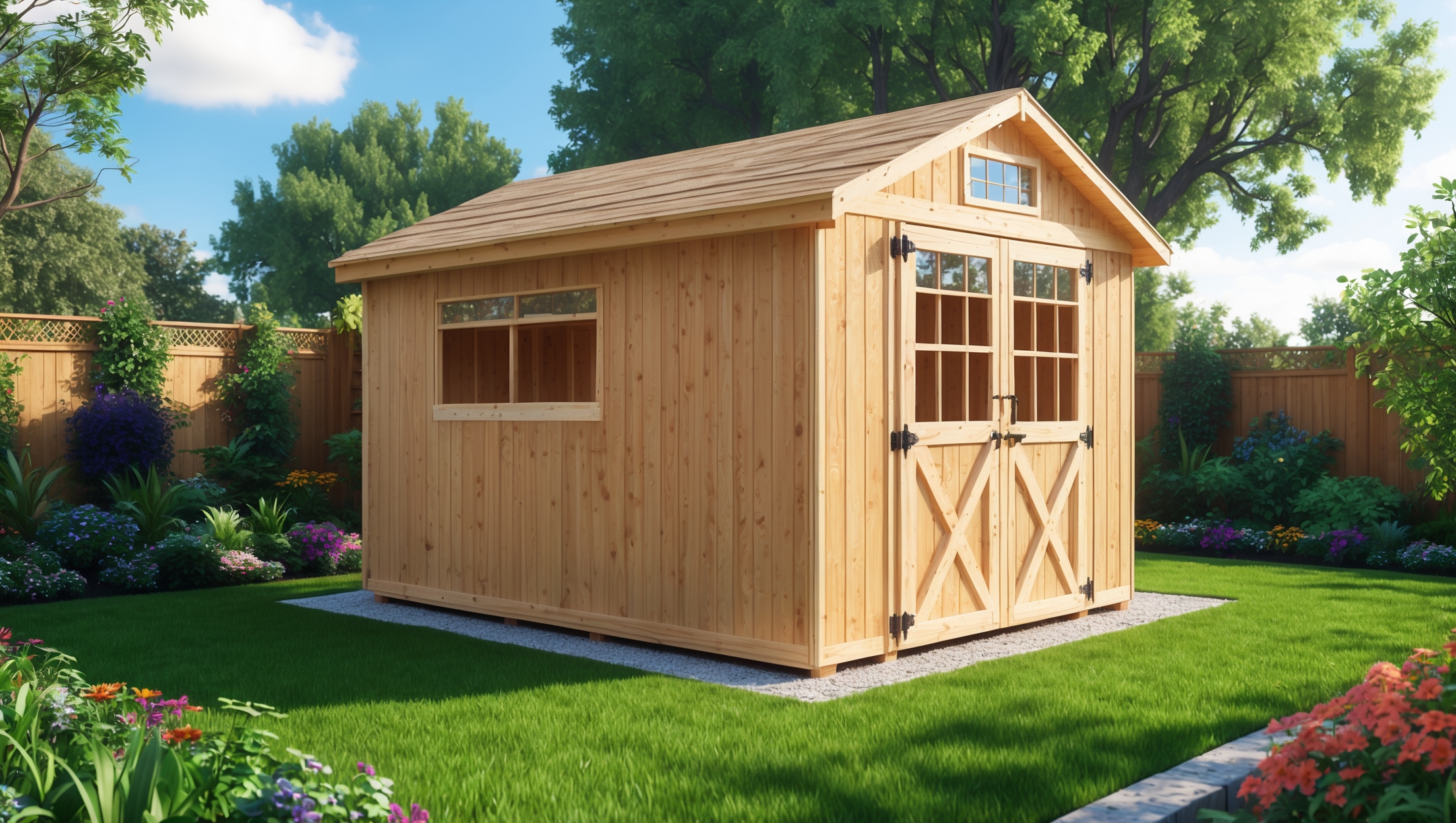
Introduction: Why Compliance Matters When Building a Backyard Shed
Adding a backyard shed is one of the most practical and rewarding home improvement projects. Whether you need extra storage, a workspace, or a gardening hub, a well-constructed shed can enhance your property’s value and functionality. However, the process is not as simple as buying a kit or sketching out a plan. Homeowners often overlook—or underestimate—the complex web of permits, zoning regulations, and safety codes that govern even small structures. Non-compliance can lead to costly fines, forced removal, or denied insurance claims. This comprehensive guide demystifies the compliance essentials you must address before, during, and after building a backyard shed. We’ll cover the critical steps to obtain permits, navigate local zoning laws, and build safely and legally, all while ensuring your new shed stands the test of time. Whether you’re a seasoned DIYer or undertaking your first major project, this guide will help you avoid common pitfalls and achieve a stress-free, fully compliant backyard upgrade.
Understanding Local Regulations: The Foundation of Shed Compliance
Why Local Rules Vary
Every city, county, or township sets its own rules regarding accessory structures like sheds. Factors such as climate, property density, and historic preservation influence regulations. Before picking up a hammer, you must consult your local building department or planning office. Ignoring this step could lead to major setbacks, including stop-work orders and fines.
- Municipal codes: Dictate size, placement, height, and appearance.
- Homeowners’ associations (HOAs): May impose stricter requirements than your municipality.
- Historic districts: Often require special permissions or design reviews.
How to Research Regulations
- Visit your city or county’s building department website.
- Request a copy of zoning ordinances and building codes applicable to residential accessory buildings.
- Contact your HOA for covenants, conditions, and restrictions (CC&Rs).
- Attend local planning meetings or ask neighbors who have recently built sheds.
Permits: When and Why You Need Them
Types of Permits Required
Even small sheds may require one or more permits. The most common types include:
- Building permit: Ensures compliance with structural codes.
- Site permit: Confirms the shed’s location meets setback and easement rules.
- Electrical permit: Needed if you plan to wire the shed for power.
- Plumbing permit: Required for water or drainage connections.
Determining If You Need a Permit
- Most areas require a permit for sheds over 100 square feet (varies by locality).
- Permits are usually required if the shed is permanently anchored or has utilities.
- Temporary, small structures may sometimes be exempt, but always verify with officials.
How to Apply for a Permit
- Contact your local permit office or apply online, where available.
- Prepare detailed site plans showing the shed’s location, size, and setbacks from property lines.
- Submit construction drawings if required.
- Pay permit fees (budget for $50 to $500+, depending on project complexity and location).
- Wait for approval before starting work; this can take days to weeks.
Zoning: Placement, Size, and Appearance Rules
Understanding Setbacks and Easements
Zoning laws dictate where you can place your shed. The most common requirements are:
- Setbacks: Minimum distances from property lines, fences, or other structures (often 5–10 feet).
- Easements: Sheds cannot be placed on utility or drainage easements.
- Lot coverage: Some zones limit total percentage of lot occupied by structures.
Height and Size Limits
- Maximum shed height is often capped at 10–12 feet.
- Total square footage may be limited (e.g., 120–200 sq. ft. for a single shed).
- Some municipalities restrict the number of accessory buildings per property.
Design and Material Restrictions
- HOAs may require sheds to match the home’s exterior materials or color.
- Historic districts may restrict modern materials or certain rooflines.
- Windows, doors, and roof types may be regulated for safety and aesthetics.
Safety Codes: Building Your Shed to Last
Structural Requirements
- Proper foundation: Concrete slab, pier blocks, or pressure-treated skids to prevent rot and shifting.
- Framing: Use code-approved lumber sizes and fasteners; follow load-bearing requirements for snow, wind, and seismic zones.
- Anchoring: Secure shed to foundation to prevent uplift in high winds.
Fire Safety Considerations
- Maintain required distance from the main house and property lines (typically 5–10 feet for fire separation).
- Use fire-resistant materials if required by code.
- Do not store flammable materials near heat sources.
Electrical and Utility Code Compliance
- Hire a licensed electrician for wiring.
- Install GFCI outlets, proper grounding, and correct wire gauges.
- Follow codes for lighting, ventilation, and breaker panel capacity.
- Obtain all necessary inspections before use.
Accessibility and Egress
- Doors must open outward for sheds used as workspaces.
- Consider minimum doorway width and ramp access if required.
- Include windows or vents for adequate airflow and emergency exit.
Insurance Implications: Protecting Your Investment
Notifying Your Insurance Company
- Most homeowner’s policies require notification of new structures over a certain value or size.
- Insurers may deny claims if the shed is not built to code or lacks required permits.
Coverage Considerations
- Ensure your policy covers outbuildings for fire, theft, and weather damage.
- Review coverage limits and consider increasing if storing valuable items.
- Document construction and permits for future claims.
Step-by-Step Compliance Checklist
- Research local zoning, codes, and HOA rules.
- Mark utility lines before planning shed placement (call 811 in the U.S.).
- Draw site and construction plans reflecting compliance requirements.
- Apply for and obtain all necessary permits before starting work.
- Build according to approved plans and local codes.
- Schedule any required inspections.
- Notify your insurance company of the completed shed.
- Maintain documentation of permits, inspections, and plans.
Common Pitfalls and How to Avoid Them
- Skipping permits: Can result in fines and forced demolition. Always verify requirements for your specific property.
- Ignoring setbacks: Sheds too close to boundaries often trigger neighbor complaints and legal action.
- Building over utility lines or easements: Leads to accessibility issues and possible removal by utility companies.
- Poor foundations: Cause structural instability and premature deterioration.
- DIY electrical work: Increases fire risk and may invalidate insurance.
- Neglecting insurance: Leaves your investment unprotected in case of disaster.
Real-World Example: Shed Compliance Case Study
Case: A homeowner in a suburban neighborhood installed a 144-square-foot shed without a permit, placing it just 2 feet from the property line. Months later, after a neighbor’s complaint, the city inspected the property. The shed violated setback requirements and lacked permits. The homeowner was fined $500 and forced to relocate the shed, incurring an additional $1,800 in labor and materials to comply with setback and foundation rules.
Lesson: Investing time in compliance upfront prevents expensive, time-consuming corrections later. Always check and document every step of the process.
Conclusion: Build Smart, Build Compliant
Building a backyard shed can be a smooth and satisfying experience—if you lay the groundwork with compliance in mind. Navigating permits, zoning rules, and safety codes may seem daunting, but these steps are crucial for protecting your investment, your property value, and your peace of mind. The most common regrets homeowners express stem from skipping research or treating compliance as an afterthought. By proactively researching local regulations, securing permits, and building to code, you sidestep the stress and financial risk of non-compliance. Don’t forget to involve your insurance provider and retain all documentation, from applications to final inspection approvals. By following the guidelines and checklist provided in this guide, your new shed will not only serve your needs but also stand as a testament to smart, responsible home improvement. Investing time in compliance isn’t just about avoiding penalties—it’s about ensuring your backyard upgrade is safe, legal, insurable, and built to last for years to come.
Do permits for backyard sheds usually take a long time to be approved, or can the process be completed quickly if I have all the documents ready?
Permit approval times for backyard sheds can vary, but if you have all required documents prepared, the process often goes more smoothly. In many areas, simple shed permits can be approved within a few days to a couple of weeks. More complex projects or busy seasons may take longer.
If my city requires a permit but my HOA is even stricter, which rules do I have to follow for my shed—the local city code or the HOA preferences?
You need to follow both sets of rules. Start by meeting your city’s permit and code requirements, then make sure your shed also complies with your HOA’s stricter guidelines. If there’s a conflict, the more restrictive rule usually takes priority.
Could you explain what kind of permits or approvals are usually needed in historic districts, and if the process is much slower compared to regular areas?
In historic districts, you’ll usually need approval from a historic preservation board in addition to standard building permits. The review process often involves stricter design guidelines and can take longer than in non-historic areas, so it’s best to factor in extra time for planning and approvals.
If my backyard is in a historic district, does the design review process for a shed usually add a lot of extra time to the permitting compared to a regular neighborhood?
Yes, building a shed in a historic district often takes longer because your design must be reviewed for compatibility with the area’s historic character. This review is an extra step on top of the standard permit process, so plan for additional weeks or even months, depending on your local review board’s schedule.
When researching local regulations, are there common differences in maximum shed size or setback requirements between municipalities that homeowners should watch out for?
Yes, differences are common. Maximum shed sizes and setback requirements can vary a lot between municipalities. Some towns may allow larger sheds or require sheds to be farther from property lines or other structures. Always check your local zoning codes and permit office for the exact requirements in your area.
My property is part of an HOA and also falls under city zoning. If their requirements conflict, which rules am I supposed to follow for my shed project?
When HOA and city zoning rules conflict, you need to comply with both sets of requirements. Always meet the stricter standard from either the HOA or the city. It’s wise to get written approval from your HOA and obtain all required city permits before starting your shed project.
Can you give an idea of how long it usually takes for a permit application for a backyard shed to be approved, and what might cause delays in that process?
Permit approval for a backyard shed typically takes anywhere from a few days to a few weeks, depending on your local municipality. Delays can happen if your application is incomplete, if there are zoning concerns, or if your area is experiencing a high volume of permit requests. Double-checking your documents and plans before submission can help speed up the process.
Is there a way to speed up the permit approval process, or do most homeowners just have to wait the standard timeframe after submitting their shed plans?
Some municipalities offer expedited permit processing for an additional fee, or for sheds that meet certain size or location criteria. It’s worth checking with your local permitting office to see if such options exist. Providing complete, clearly detailed plans with your initial application can also help avoid delays.
If my property is in a historic district and also has an HOA, which rules take priority if they conflict on things like shed placement or appearance?
When both a historic district and an HOA have rules, you must comply with the most restrictive requirements from either. Typically, you need approval from both the historic district and the HOA before making changes. It’s best to review both sets of guidelines and contact each authority to ensure your shed meets all necessary standards.
If my property is in a historic district and I also have an HOA, which set of rules takes priority when there’s a conflict about shed placement or design?
When both historic district regulations and HOA rules apply, you must comply with the stricter requirement from either authority. This often means getting approvals from both your HOA and the historic district commission before building your shed. Always check with your local planning department and your HOA to avoid any compliance issues.
Can you clarify how often homeowners actually run into issues with denied insurance claims for unpermitted sheds? Is this something insurers check regularly?
Denied insurance claims specifically due to unpermitted sheds are not extremely common, but they can happen, especially after a loss or damage. Insurers might not routinely check for permits when issuing a policy, but they often investigate permit status during a claim, particularly for significant damage. It’s always safest to follow local permitting requirements.
If my city and my homeowners’ association have different requirements for shed size and placement, which rules should I follow, or do I have to meet both sets of regulations?
You need to comply with both your city’s regulations and your homeowners’ association rules. Usually, the stricter requirement applies—so your shed must meet the more restrictive size and placement limits set by either authority.
Do building departments usually charge a lot for shed permits, and is the process something I can handle myself or should I hire someone to help with the paperwork?
Permit fees for backyard sheds vary by location, but they’re typically modest for small, non-habitable structures. The application process is usually straightforward, and many homeowners handle it themselves by filling out forms and submitting basic plans. If you find the forms confusing or your shed is large or complex, hiring help might make things easier.
Could you explain what kind of research I need to do if I live on the border between two townships with different zoning laws? I’m not sure which one actually applies to my property.
If your property is near the border of two townships, start by checking your property deed or tax records to confirm which township your land is in. Then, contact that township’s zoning office to verify which regulations apply before moving forward with your shed project.
You mention that non-compliance can affect insurance claims. Could you clarify what kind of documentation or approvals insurers typically want to see if I ever need to file a claim related to my shed?
Insurers usually want to see your shed’s building permit, proof of final inspection or approval from your local authority, and sometimes even photos of the completed shed. Keeping these documents helps show your shed meets all legal and safety requirements if you ever file a claim.
If my property is in both a historic district and an HOA, which set of rules typically takes priority when there’s a conflict over shed design or placement?
When your property is both in a historic district and under an HOA, you generally need to comply with the more restrictive rules from either entity. It’s important to get approval from both the historic district commission and your HOA before building your shed, as both can enforce their regulations.
If my property is on the edge of a historic district but not officially within it, would I still need to get any special permissions or design reviews for my shed, or do I just follow the standard municipal codes?
If your property isn’t officially within the historic district boundaries, you generally only need to follow the standard municipal codes for sheds. However, it’s a good idea to double-check with your local planning office in case there are any buffer zone rules or unique local considerations near historic areas.
Can you elaborate on how setbacks typically work when placing a shed near property lines? I’m worried about staying compliant since my backyard is pretty narrow.
Setbacks are the required minimum distances between your shed and property lines, typically set by local zoning laws. For narrow backyards, these setbacks might be 3 to 10 feet from the sides or rear. Check your local regulations for the exact numbers, as they vary by area. Measuring carefully before building helps you avoid costly compliance issues.
Could you explain a bit more about how homeowners’ association requirements might differ from city codes, and what happens if they conflict during the shed approval process?
Homeowners’ association (HOA) requirements can be stricter than city codes, often covering shed size, appearance, and location. If HOA rules and city codes conflict, you must comply with both sets. Even if your shed meets city regulations, your HOA can still issue penalties or require changes if you don’t follow their guidelines.
What are some common mistakes homeowners make when researching local zoning ordinances for sheds, and how can I avoid overlooking important restrictions before I start building?
Homeowners often overlook setback distances, maximum shed sizes, and restrictions on utility connections. It’s important to check with your local zoning office, review official documents, and ask about specific neighborhood rules. Double-check for homeowners association requirements to avoid missing any key restrictions before you begin building.
What steps should I take if I already started building my shed but just learned I might need special permits or approvals in my area?
Pause any further construction and contact your local permitting office right away to clarify which permits or approvals you need. Be prepared to provide details about your shed. Depending on local rules, you may need an inspection or to submit plans before continuing work.
How long does the process usually take between submitting a shed permit application and being able to actually start construction, based on what you’ve seen in different cities or counties?
The timeframe can vary a lot depending on the local government, but typically it takes anywhere from a few days up to a few weeks to get a shed permit approved. Some cities offer quick online approvals, while others require longer reviews, especially if inspections are needed.
The article mentions fines and forced removal if permits are skipped—are there any ways to appeal such penalties if someone finds out after building their shed?
Yes, you can usually appeal fines or removal orders by contacting your local building or zoning department. Many areas allow you to apply for retroactive permits or request a variance. It’s important to act quickly, provide all required documents, and explain your situation to improve your chances.
Our neighborhood HOA is notoriously strict, sometimes even more so than the city itself. If there’s a conflict between municipal codes and HOA rules, which one takes precedence when building a shed?
When there’s a conflict, you must follow both city codes and your HOA rules, whichever is stricter. HOAs can enforce their own guidelines even if you’ve met city requirements, so make sure your shed complies with both to avoid issues.
If my town’s building codes conflict with what my homeowners’ association requires for sheds, which rules am I actually supposed to follow?
You need to follow both sets of rules, but the stricter requirement takes priority. Your shed must comply with your town’s building codes for legal reasons, and you must also meet your homeowners’ association’s rules to avoid HOA penalties.
If my property borders a historic district but is not technically within it, do I still need to get any special permissions for my shed design, or do only standard municipal codes apply?
If your property isn’t actually within the historic district, you typically only need to follow standard municipal codes for your shed. However, it’s wise to double-check with your local building department in case there are buffer zone rules or other local exceptions near historic districts.
After researching local ordinances and before building, is there a typical approval timeframe for shed permits? I’m trying to plan my project and want to avoid delays due to unexpected processing times.
Permit approval times for backyard sheds usually range from a few days to several weeks, depending on your local authority and how busy they are. It’s a good idea to call your permit office to ask about current wait times so you can plan your project timeline more accurately.
You mentioned that HOA rules can be stricter than city regulations. What happens if my HOA requirements conflict with what the city says I’m allowed to build?
When HOA rules conflict with city regulations, you need to follow the stricter of the two. Even if the city approves your shed, your HOA can still enforce its own restrictions. It’s important to get written approval from both your HOA and your city before starting construction.
Are there any common mistakes homeowners make when checking their local zoning laws for sheds, or any tips for understanding the more complicated rules from my city or HOA?
A common mistake is assuming general shed rules apply everywhere, but zoning laws can vary widely by city and HOA. Always read the actual ordinances and HOA guidelines, not just summaries. If something is unclear, call your local planning office or HOA directly for clarification—they can explain any confusing terms or requirements.
If my property is within a historic district and my HOA has different shed guidelines than the city, which rules should I follow if there are conflicts?
When there are conflicts, you must comply with all applicable rules, which usually means following the most restrictive standard. This means you need to meet the requirements of your city, the historic district, and your HOA. Always seek approval from each authority before building.
If my backyard is in a historic district, how much harder is it to get approval for a shed? Are there examples of what kinds of extra permissions or reviews I should expect?
Building a shed in a historic district often involves extra steps. You may need approval from a historic preservation board or commission, and your shed’s design, materials, and placement could be reviewed for compatibility with the area. Expect to submit detailed plans and possibly attend a public hearing before receiving a permit.
When checking with my city to research shed regulations, should I be looking for separate guidelines for electrical work if I want to add power to the shed, or are those always included in the general building codes?
You should look for separate guidelines regarding electrical work. While general building codes cover the shed structure, electrical work often requires its own permits and must meet specific codes. Contact your city’s permitting office to find out the exact requirements for adding power to your shed.
Could you elaborate on how historic district requirements might impact shed design or placement compared to standard municipal codes?
Historic district requirements often go beyond standard municipal codes by focusing on preserving the area’s architectural character. This may mean restrictions on shed materials, colors, roof styles, or even specific placement to ensure the shed blends with historic buildings. You might also need approval from a historic review board before starting construction.
If my property is part of a historic district and also governed by an HOA, which set of rules takes priority if they conflict on shed appearance or placement?
When both a historic district and an HOA have rules, you must follow the stricter requirement for shed appearance or placement. Usually, you need approval from both entities, so make sure your plans comply with each set of guidelines before moving forward.
Could you clarify how far from my property line a shed typically needs to be under most municipal codes? I want to make sure my plans won’t cause any issues.
Setback requirements for sheds can vary, but most municipal codes require a shed to be at least 3 to 10 feet from the property line. It’s best to check directly with your local building or zoning office to confirm the exact distance for your area before starting construction.
If my city’s rules and my HOA’s requirements are different, which ones do I have to follow for building a backyard shed? What happens if they contradict each other?
You must follow both your city’s rules and your HOA’s requirements when building a shed. If they conflict, you need to comply with the stricter of the two, since violating either could result in fines or having to remove your shed. Always check with both the city and your HOA before starting.
Do HOAs usually have stricter rules about shed placement and appearance than the local municipality, and if so, which takes priority?
Homeowners associations (HOAs) often have stricter rules regarding shed placement, size, and appearance compared to local municipalities. You must follow both sets of regulations, but HOA rules generally take priority within your neighborhood. Always check with your HOA first, then ensure your plans also meet local code requirements.
If my property is in both a historic district and an HOA, which set of rules takes priority when it comes to building a backyard shed?
When your property is in both a historic district and an HOA, you must comply with the rules of both. Neither takes priority—they each have separate requirements, and you need approval from both before building your shed. It’s best to check with your local historic preservation office and your HOA for their specific guidelines.
I’m worried about accidentally missing a permit step and getting fined. What’s the best way to make sure I’m fully compliant before I start building my shed?
To avoid missing any permit steps, start by visiting your local building department and ask for a full list of requirements for backyard sheds. Double-check zoning laws, permit applications, and inspection timelines. Keeping detailed records and written approvals can help ensure you’re covered and avoid fines.
If my property is in both a historic district and governed by an HOA, do I need approval from both before building a shed, and which one takes priority if their requirements conflict?
You’ll need approval from both your HOA and the historic district before building a shed. If their requirements conflict, you must meet the stricter rules from either authority. It’s best to contact both and get written approvals to avoid any compliance issues.
Do most historic districts require design reviews for simple storage sheds, or are there exemptions for small structures under a certain size?
Most historic districts do require design reviews for any new structures, including simple storage sheds, to ensure they fit the area’s character. However, some districts may offer exemptions or streamlined reviews for very small sheds, typically under a specific size like 100 square feet. It’s best to check your local historic district guidelines for precise requirements and possible exemptions.
If my property is in a historic district and also has an HOA, do I have to get approval from both before starting my shed project, or is one more important than the other?
You’ll need approval from both the historic district authority and your HOA before starting your shed project. Each has its own rules and requirements, and both permissions are typically required to avoid potential fines or having to remove the shed later.
Could you clarify if historic districts usually require both zoning approval and a separate design review, or are those handled together in most cases?
In most historic districts, zoning approval and design review are separate processes. You typically need to meet zoning requirements and then get your shed’s design reviewed for historical compatibility. Some areas may combine these steps, but it’s common for them to be handled individually.
If my property is in both a city with strict municipal codes and an HOA with its own shed restrictions, which rules take priority if they conflict when I plan my shed?
When city codes and HOA rules both apply, you must follow whichever rule is stricter. You’ll need to comply with city permit and zoning requirements, and also meet any additional or more restrictive HOA guidelines for sheds. Make sure to get approvals from both before starting your project.
How long does it typically take to get the necessary permits for a shed, and is there anything I can do in advance to speed up the process with my local building department?
Permit processing times can vary, but it often takes anywhere from a few days to several weeks, depending on your local building department’s workload. To help speed things up, gather all required documents, detailed site plans, and shed specifications before applying. Checking your area’s permit requirements in advance and submitting a complete application also helps avoid delays.
How can I find out if my area is considered a historic district and whether that might require special design reviews or extra permissions for my backyard shed?
To check if your property is in a historic district, contact your local planning or zoning department, or visit their official website. They can confirm your status and let you know about any design reviews or special permissions required before building your backyard shed.
If my backyard is in a historic district, what kind of special permissions or design reviews should I expect when planning to build a shed?
If your backyard is in a historic district, you’ll likely need approval from your local Historic Preservation Commission in addition to standard permits. This usually involves submitting your shed design for review to ensure it fits the neighborhood’s historic character and materials. Expect extra steps and possible restrictions on size, materials, and placement.
If my city’s building department and my HOA have different rules about shed size or placement, which one takes priority, or do I have to get approval from both before starting?
You need to comply with both your city’s building department rules and your HOA’s guidelines. Approval from both is usually required before you start building. If there’s a conflict, the stricter rule typically applies, so make sure you meet the requirements of both authorities.
If my property is on the edge of a historic district, how do I find out if special permits are needed before starting my backyard shed project?
To determine if you need special permits, contact your local planning or historic preservation office and ask about regulations for properties near historic districts. They can tell you if extra reviews or permits are required before you start your shed project.
If my neighborhood has both municipal codes and a homeowners association, which regulations take priority if there’s a conflict about shed size or placement?
When both municipal codes and your homeowners association rules apply, you need to follow whichever regulation is stricter regarding shed size or placement. You must comply with city requirements, but your HOA can enforce more restrictive standards if they choose. Always check both sets of rules before building.
Once I’ve submitted the permit application to my local building department, how long does approval usually take before I can start construction on my shed?
Approval times for shed permits can vary depending on your local building department and their current workload. Typically, you can expect a decision within one to three weeks. It’s a good idea to check directly with your local office for exact timelines or any updates on your application status.
I’m worried about budget—do permit fees for backyard sheds usually add a lot to the overall cost? Would you recommend factoring permit costs in before even finalizing the shed plans?
Permit fees can vary depending on your location, but they often range from modest to a few hundred dollars. It’s definitely wise to check local permit costs early and include them in your budget before finalizing your shed plans to avoid surprises.
Can you give an idea of how long it typically takes to get all the necessary permits and approvals for a backyard shed, especially if I live in a historic district?
In a historic district, getting permits and approvals for a backyard shed can take anywhere from several weeks to a few months. The timeline depends on local regulations, review board schedules, and whether additional documentation or revisions are needed. It’s a good idea to check with both your local planning department and the historic district commission early to understand their process.
If my property is in a historic district, does that mean I have to get extra approvals even if my shed is small and not visible from the street?
Yes, even if your shed is small and hidden from view, most historic districts require additional approvals for any new structures. It’s important to check with your local historic preservation board or planning department before starting, as special guidelines often apply regardless of the shed’s size or visibility.
If my property is in a historic district and also under an HOA, do I need to get approval from both the city and the HOA before starting construction on my backyard shed?
Yes, you will need approval from both your city (or local historic preservation office) and your HOA before starting construction. Each may have different requirements or restrictions, so be sure to submit your plans to both and wait for their written approvals before beginning any work.
If my property is in a historic district and governed by an HOA, do I need to get approvals from both before starting on my shed, or is one set of permissions enough?
You’ll need approvals from both your HOA and the historic district authority before building your shed. Each may have its own requirements, and getting permission from one does not automatically satisfy the other’s regulations. Be sure to check guidelines and submit applications to both.
If my property is in a historic district, how long does the special permission or design review process usually take before I’m allowed to start building the shed?
The timeline for historic district approvals can vary widely, but it typically takes anywhere from a few weeks to a few months. The process depends on your local historic commission’s meeting schedule and the complexity of your shed project. It’s a good idea to contact your local planning office for an estimated review period.
If local building codes say my shed needs to be a certain distance from my property line, but my yard is small, are there any exceptions or variance processes I can look into?
Many areas offer a variance process where you can apply for an exception to setback rules. You usually need to explain your situation to the local planning or zoning board, and there may be a hearing or review process. Check with your local building department for specific requirements and the steps to apply.
If my property is in a historic district and also under an HOA, which set of rules takes priority if they have conflicting requirements for shed design or placement?
Both historic district regulations and HOA rules must be followed, but the more restrictive requirement usually takes priority. This means your shed must comply with whichever rule is stricter, whether it’s from the historic district or your HOA. It’s also a good idea to get written approvals from both before starting your project.
When researching local regulations, how far in advance should I start the process before buying shed materials, and what is a typical turnaround time for permit approval?
It’s wise to start researching local regulations and begin the permit application process at least 1 to 2 months before buying any shed materials. Permit approval times can vary, but most areas take anywhere from a few days up to 4 weeks, depending on workload and the complexity of your project.
How do I find out if my property is considered part of a historic district, and what kind of extra approvals might I need for building a shed there?
To check if your property is in a historic district, contact your local planning or historic preservation office. If it is, you may need approval from a historic review board in addition to regular permits. These boards often review shed designs and materials to ensure they match the district’s character.
If my property is in a historic district and also has an HOA, do I need to get separate approvals from both the city and the HOA before applying for a building permit for a shed? How do conflicting requirements usually get resolved?
Yes, you’ll typically need separate approvals from both your HOA and the city’s historic district board before applying for a building permit. If their requirements conflict, you’ll usually have to meet the stricter standard. It’s best to consult both groups early to understand and address any differences before submitting your permit application.
If my property is governed by both city codes and a homeowners’ association, which set of rules do I need to follow first before starting on a shed?
You must follow both city codes and your homeowners’ association (HOA) rules, choosing whichever is more restrictive. Start by checking city regulations to ensure legal compliance, then review your HOA’s requirements and get HOA approval before building your shed.
If a shed is under a certain size, are there any situations where you might not need a building permit at all, or do most municipalities always require one regardless of square footage?
In many municipalities, small sheds under a certain size—often around 100 to 120 square feet—may not require a building permit. However, this varies widely based on local zoning rules, use of the shed, and property location, so it’s always best to check with your local building department before starting your project.
Can you clarify if building a shed in a historic district usually involves an extra design review process, and what sorts of design features are typically scrutinized?
Yes, building a shed in a historic district often requires an extra design review by a historic preservation board. Commonly reviewed features include the shed’s materials, roofline, color, size, placement, and how well it matches the historic character of your property and surrounding area.
If my property is in a historic district and also part of an HOA, which rules should I prioritize if they conflict when building a shed?
If there’s a conflict between historic district guidelines and your HOA rules, you’ll need to meet both sets of requirements. Usually, historic district regulations take legal precedence, but your HOA could enforce stricter standards. It’s best to consult both your local historic commission and your HOA before starting any shed project.
I saw that historic districts might need special permissions. What kind of design reviews or restrictions should I expect if my home is in a designated historic neighborhood?
If your home is in a historic neighborhood, you’ll likely need approval from a historic preservation board. They may review your shed’s design, materials, size, color, and placement to ensure it matches the district’s character. Restrictions can also include limits on modern features or specific construction techniques.
If my property is in a historic district with an HOA, do I need approval from both the HOA and the city for my shed, or does one type of approval typically take precedence?
You’ll usually need approval from both your HOA and the city when building a shed in a historic district. The HOA can set its own requirements in addition to city regulations, so both sets of rules must be followed and approvals obtained.
If my property is located in both a historic district and an HOA community, which set of requirements would typically take precedence when they conflict regarding shed placement or appearance?
When both a historic district and an HOA have regulations, you need to comply with the most restrictive requirements from each. Typically, this means getting approval from both the historic district authority and your HOA before proceeding, as either group can enforce their standards regardless of the other’s rules.
Does the article cover how to handle situations where your HOA rules are different from the city’s shed regulations? I’m not sure which rules would take precedence if there’s a conflict.
The article mentions that homeowners should check both HOA and city regulations, but it doesn’t give detailed guidance on resolving conflicts between them. Typically, you must follow whichever rule is stricter. It’s a good idea to confirm with your HOA and local permitting office before starting your shed project.
If my neighborhood has an HOA with their own shed rules, do those take priority over city building codes, or do I need to meet both sets of requirements?
You’ll need to meet both your HOA’s shed rules and your city building codes. HOAs often have additional requirements, but city codes are still legally enforceable. It’s important to get approval from your HOA and also secure any necessary permits from the city before building your shed.
The article mentions zoning ordinances and building codes—how can I tell which specific ones apply to sheds versus other accessory structures on my residential property?
To find out which zoning ordinances and building codes apply specifically to sheds, check with your local city or county planning department. Ask them for regulations related to residential sheds, as requirements can differ for other structures like garages or gazebos. They can provide detailed guidelines based on your property’s address.
If my property is on the border between two municipalities, which area’s building and zoning codes should I follow for a backyard shed?
You should follow the building and zoning codes of the municipality where your property is officially located according to your property deed or tax records. If your property spans both areas, it’s wise to consult both municipalities to ensure full compliance before starting your shed project.
What is the typical process for finding out exactly which zoning ordinances apply to my address, especially if the local website is hard to navigate?
If the local website is difficult to use, try calling your city or county planning or zoning office directly. Give them your address, and they can tell you which zoning ordinances apply. You can also visit the office in person if needed. Staff are usually happy to help clarify rules for your property.
The article mentions consulting both the city building department and the HOA. If their requirements conflict, which one am I legally supposed to follow when designing my backyard shed?
If city building codes and HOA rules conflict, you must meet both sets of requirements. Legally, you cannot violate city codes, but HOAs can also enforce their own, often stricter, rules. Failing to comply with either could result in fines or needing to alter your shed, so ensure your design satisfies both authorities.
If my property is part of a historic district, how long does the typical design review process take before I can start building a new shed?
If your property is in a historic district, the design review process can vary, but it typically takes anywhere from a few weeks to a couple of months. The timeline depends on your local historic commission’s meeting schedule and the complexity of your shed design. Contact your local historic preservation office for current review timelines and submission dates.
If my backyard is part of a historic district, are there specific types of sheds that are more likely to get approved, or is it just about getting special permissions?
In a historic district, both the shed’s design and obtaining special permissions matter. Sheds that match the architectural style, materials, and colors of your historic area are more likely to be approved. You’ll usually need to submit plans for review by your local historic preservation board before getting a permit.
Could you clarify how strict typical municipal codes are about the shed’s exact placement? For example, are there standard setbacks from property lines or fences that most homeowners need to follow?
Most municipal codes are quite strict about shed placement, usually requiring specific setbacks from property lines and fences—often between 5 to 15 feet, depending on the locality. These rules help with fire safety and neighborhood standards. It’s important to check your local zoning office for the exact distance required in your area.
If my property is part of an HOA that has stricter rules than my city, which regulations should I prioritize when planning my shed project?
You should prioritize your HOA’s regulations, as they can enforce stricter requirements than city codes. Make sure your shed plans meet both your HOA’s and the city’s rules, but always follow the more restrictive guidelines to avoid potential issues or penalties.
If my property is part of an HOA and also within a city that has its own shed rules, which set of requirements takes priority, or do I have to comply with both?
You need to comply with both your HOA rules and the city’s shed regulations. Even if your shed meets city requirements, the HOA can enforce its own, sometimes stricter, standards. Make sure your plans are approved by both before starting construction.
The article mentions that some historic districts require special permissions for sheds. How can I find out if my neighborhood qualifies as a historic district, and what extra steps might be involved in getting approval?
To find out if your neighborhood is a historic district, contact your local planning or zoning department—they can confirm your area’s status. If you are in a historic district, you may need approval from a historic preservation board, which often involves submitting shed plans for review and sometimes adhering to specific design guidelines.
If my city has its own shed size limits but my HOA has stricter requirements, which one takes priority when getting approval to build?
When both your city and HOA have rules for shed size, you need to follow the stricter requirement. Meet the HOA’s limits if they’re tighter than the city’s, and make sure to get approval from both the HOA and your city or local building department before starting construction.
If my property is in both a historic district and under an HOA, which rules should I follow for shed design and permits—or do I need approval from both groups before starting?
You’ll need to get approval from both your historic district authority and your HOA before starting your shed project. Each may have its own design and permit requirements, so be sure to check and comply with both to avoid potential issues down the line.
If my property is in both a historic district and an HOA, which set of rules takes precedence when there’s a conflict about shed placement or appearance?
When your property is in both a historic district and an HOA, you must comply with both sets of rules. In a conflict, the stricter requirement typically applies. Be sure to get approvals from both the historic district commission and your HOA before proceeding with your shed plans.
Does the article mention how property line setbacks for sheds usually differ between urban and suburban areas? I’m trying to figure out how close to my fence line I’m actually allowed to build.
The article does mention that property line setbacks can vary between urban and suburban areas, often being stricter in urban locations due to denser development. It recommends checking your local zoning regulations or with your city’s planning department for the specific setback distances that apply to your property.
If my property is in a historic district, what kind of special permissions or design reviews should I expect for a simple shed project?
If your property is in a historic district, you’ll likely need approval from a historic preservation board or commission before building your shed. This usually involves a design review to ensure your shed matches the district’s style and materials, in addition to standard permits. Check with your local planning department for the exact process and requirements.
How long does it usually take to get the necessary permits after contacting the local building department, and are there ways to speed up the process for a simple backyard shed?
Permit processing times can vary by location, but for a simple backyard shed, it often takes anywhere from a few days to a couple of weeks. To help speed things up, submit complete and accurate plans, follow all local requirements closely, and respond quickly to any follow-up questions from the building department.