

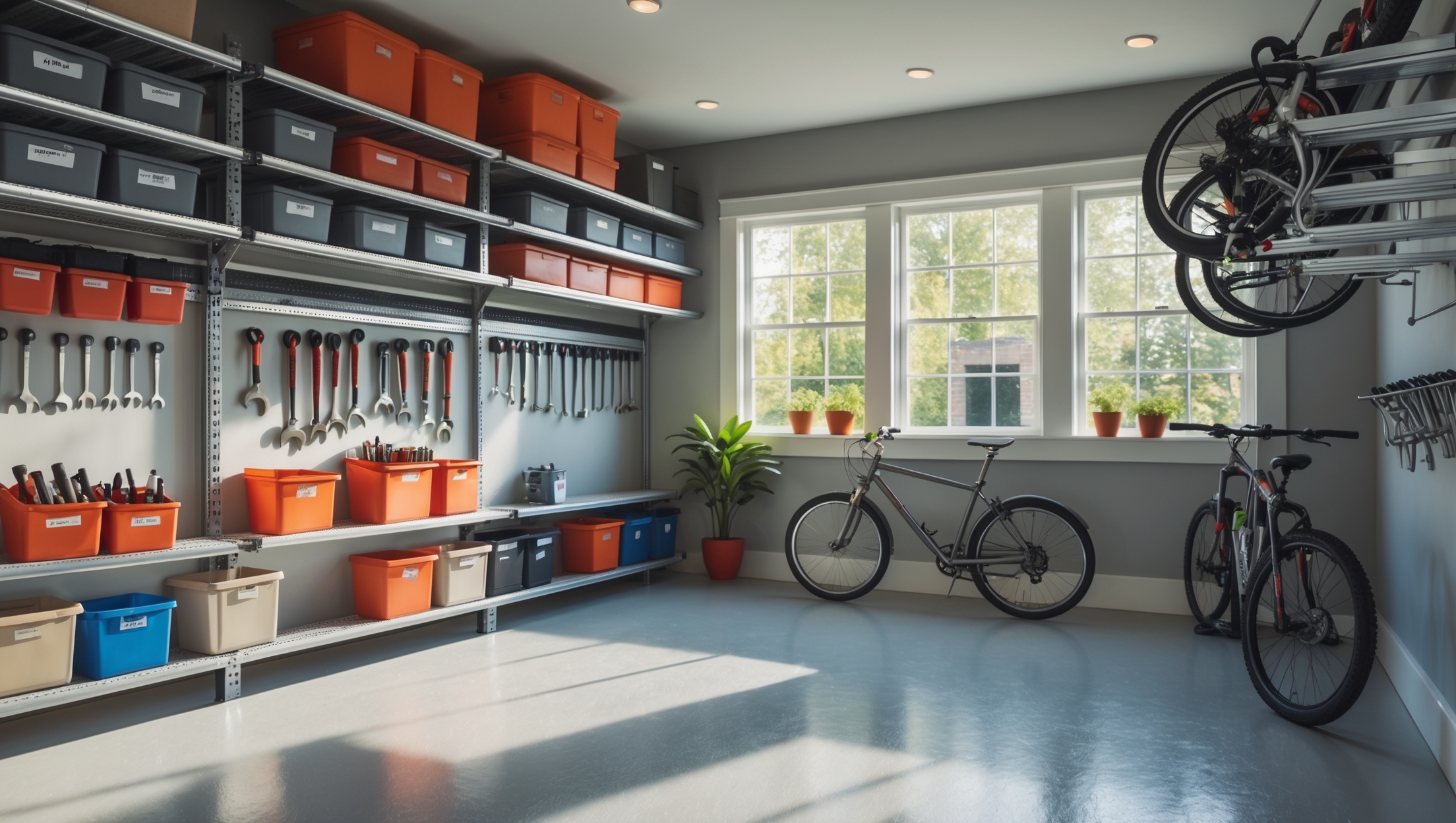
Introduction: Why Garage Organization Matters More Than You Think
For many homeowners, the garage is a catch-all space—an ever-growing island of clutter where tools, sports equipment, holiday decorations, and unfinished projects vie for space. Yet, the humble garage holds untapped potential as a functional extension of your home. A well-organized garage doesn’t just clear physical clutter; it can improve safety, protect your investments, increase your home’s value, and even boost your daily productivity. Studies have shown that organized spaces reduce stress and save valuable time otherwise spent searching for misplaced items. Whether you’re seeking a dedicated workshop, a tidy storage area, or simply want to park your car inside again, a garage overhaul is a home improvement project that delivers immediate, tangible benefits. In this comprehensive, step-by-step guide, we’ll walk you through the entire garage organization process—from initial assessment and decluttering to selecting the right storage solutions, budgeting realistically, and establishing long-term maintenance habits. No matter your garage’s current state, you can transform it into a streamlined, safe, and highly functional space.
Step 1: Assessing Your Garage’s Current State
Inventory Everything
Before you can create order, you need a clear understanding of what’s taking up space. Start by removing everything from the garage. As you do, make a list of all items, grouping them into categories such as tools, automotive supplies, seasonal decor, sports gear, gardening equipment, and miscellaneous items. This inventory will help you plan storage solutions tailored to your actual needs, not just what you imagine is there.
Evaluate Garage Infrastructure
Take this opportunity to inspect the garage’s infrastructure. Check for signs of moisture, pest activity, damaged flooring, and overloaded electrical outlets. Note ceiling height and available wall space. If you notice recurring moisture issues, address these before proceeding—organizing items in a damp garage can lead to mold, rust, and damage.
Step 2: Decluttering—The Foundation of Organization
Sort and Purge
With your entire garage contents visible, begin sorting items into four categories:
- Keep: Items you use regularly or have definite plans to use.
- Donate/Sell: Usable items you no longer need.
- Recycle: Broken items made of recyclable materials.
- Trash: Items that are damaged, hazardous, or unusable.
Be ruthless in your assessment. If you haven’t used something in over a year, it’s a prime candidate for removal. Dispose of hazardous materials (old paint, chemicals, batteries) responsibly, following local guidelines.
Organize What’s Left
Group the “Keep” category into logical zones (e.g., automotive, tools, outdoor gear). This will inform your future storage plan and help you visualize how much space each category requires.
Step 3: Planning Your Garage Layout
Define Functional Zones
Think of your garage in zones, each serving a specific function. Common zones include:
- Workshop Zone: For tools, workbenches, and project space.
- Storage Zone: For seasonal items, bulk household supplies, and infrequently used items.
- Sports & Recreation Zone: For bikes, balls, and outdoor equipment.
- Garden & Yard Zone: For lawn mowers, gardening tools, and supplies.
- Automotive Zone: For car care products, spare tires, and related tools.
Sketch a rough floor plan, noting doorways, windows, and any immovable features (water heaters, electrical panels). Ensure there’s a clear walkway and adequate space for parking vehicles if desired.
Maximize Vertical and Overhead Space
Most garages waste valuable vertical and overhead space. Plan to use wall-mounted racks, shelving units, pegboards, and ceiling-mounted storage to free up floor area. This approach keeps items accessible without creating tripping hazards.
Step 4: Choosing the Right Storage Solutions
Shelving Units
Sturdy, adjustable shelving is the backbone of garage organization. Choose materials suited to your needs:
- Steel Shelving: Best for heavy items (tools, paint cans, automotive parts).
- Plastic Shelving: Ideal for lighter loads and moisture-prone areas.
- Wood Shelving: Customizable, but susceptible to warping in damp conditions.
Wall Storage Systems
Utilize wall space for everyday tools and supplies:
- Pegboards: Flexible and affordable for hand tools, gardening implements, and small accessories.
- Slatwall Panels: Accommodate hooks, bins, and specialty hangers for sports equipment or power tools.
- Magnetic Strips: Perfect for metal tools and fasteners.
Cabinets and Lockers
For chemicals, sharp tools, or valuables, locking cabinets provide both safety and organization. Metal cabinets offer durability and are often fire-resistant, while heavy-duty plastic cabinets resist corrosion and moisture.
Overhead Storage
Ceiling-mounted racks or pulley systems can store bulky, lightweight items (holiday decorations, camping gear, seasonal tires) out of the way. Ensure overhead storage doesn’t interfere with garage door operation or lighting.
Bins and Containers
Clear, stackable bins allow you to see contents at a glance. Use weatherproof bins for items sensitive to moisture. Label each bin clearly, and group them on shelves by zone or function.
Tool Organization Solutions
- Tool Chests: For hand tools, sockets, and small power tools.
- Drawer Organizers: Prevent small items from becoming jumbled or lost.
- Portable Caddies: Keep frequently used tools ready for projects around the house or yard.
Step 5: Budgeting for Your Garage Overhaul
Estimate Costs by Category
Garage organization doesn’t have to be expensive, but costs can add up. Major expenses typically include:
- Shelving and Cabinets: $100–$800 depending on size and material.
- Wall Storage Systems: $50–$300 for pegboard or slatwall panels and accessories.
- Overhead Racks: $50–$500 based on weight capacity and installation.
- Bins and Containers: $5–$25 each, or $50–$200 for sets.
- Workbench/Tool Storage: $100–$600 for a quality workbench or tool chest.
If you’re on a tight budget, consider DIY shelving from lumber, upcycled cabinets, or secondhand storage solutions. Prioritize purchases based on your most pressing needs.
Plan for Upgrades
If the budget allows, consider:
- Epoxy or polyaspartic floor coatings for easy cleaning and durability.
- Improved lighting (LED fixtures or task lights).
- Insulated garage doors for temperature control.
These upgrades can enhance both functionality and comfort, especially if you plan to use the garage as a workspace.
Step 6: Installation and Setup
Prepare the Space
Before installing storage, thoroughly clean the garage. Sweep floors, dust surfaces, and address any pest or moisture problems. If painting the walls or sealing the floor, do so now.
Install Storage Solutions
- Secure shelving and cabinets to wall studs for stability.
- Install pegboard or slatwall panels at convenient heights for ease of access.
- Mount overhead racks according to manufacturer instructions, using appropriate anchors.
- Arrange bins and containers by zone, placing frequently used items within arm’s reach.
Take time to adjust placements as needed—sometimes the ideal setup becomes apparent only after you begin using the space.
Safety Considerations
- Store flammable chemicals in designated, ventilated cabinets away from electrical sources.
- Keep sharp tools out of reach of children.
- Ensure stored items do not block access to electrical panels, water shutoff valves, or emergency exits.
Step 7: Maintenance Best Practices
Establish Routine Checks
Schedule a quarterly review of your garage. Reassess zones, discard unused items, and tidy up bins and shelves. Address spills, leaks, or pest issues promptly to protect your belongings.
Adopt the “One In, One Out” Rule
To prevent clutter from creeping back, commit to removing one item for every new item you add. This keeps storage needs in check and maintains organization long-term.
Label and Inventory Regularly
Update labels as contents change. For tools or equipment shared among family members, consider a simple inventory log to track borrowing and returns.
Seasonal Adjustments
Rotate seasonal items (e.g., snow shovels, holiday decor, lawn equipment) between easily accessible and off-season storage as needed. This keeps the most relevant items within reach year-round.
Common Garage Organization Mistakes to Avoid
- Neglecting Vertical Space: Focusing only on floor storage quickly leads to clutter.
- Underestimating Weight Limits: Overloading shelves or racks risks collapse and damage.
- Storing Hazardous Materials Unsafely: Improper chemical storage can create fire or health hazards.
- Failing to Label: Unlabeled bins and drawers turn into black holes for lost items.
- Not Planning for Growth: Storage systems should accommodate future additions and changes in your needs.
Smart Upgrades for Specialized Needs
Creating a Workshop Area
If you’re an avid DIYer or hobbyist, dedicate a corner to a sturdy workbench with task lighting, tool storage, and power outlets. Add a shop vacuum for easy cleanup and magnetic trays for small parts.
Sports and Outdoor Gear Storage
Install wall-mounted racks for bikes, hooks for helmets and bags, and mesh baskets for balls and small accessories. Modular racks can grow with your family’s needs.
Climate Control Options
If you spend extended time in your garage, consider portable heaters, fans, or even a mini-split HVAC system for year-round comfort. Insulate walls and doors to improve energy efficiency.
Conclusion: Sustaining a Functional, Organized Garage
A well-organized garage isn’t just a one-time project—it’s an ongoing commitment that pays dividends in convenience, safety, and peace of mind. By following a systematic approach—assessing, decluttering, planning, investing in the right storage, and maintaining your setup—you’ll transform your garage into a space that serves your household’s unique needs. With each item in its designated place, you’ll save time on every project, protect your tools and equipment from damage, and eliminate the frustration of searching through piles of forgotten clutter.
Remember, the key to long-term success is maintenance. Make it a habit to reassess your storage zones quarterly, keep a vigilant eye on safety, and communicate with family members about shared items and responsibilities. Don’t hesitate to upgrade or reconfigure your setup as your interests and storage needs evolve—flexibility is the hallmark of a truly functional space. Whether your goal is a pristine parking area, an efficient workshop, or a multi-purpose family zone, a thoughtfully organized garage can enhance your home’s value and your quality of life. Start your overhaul today and reclaim your garage as an asset, not a burden!
The article mentions evaluating moisture and pest issues—can you recommend specific solutions if I find minor water leaks or evidence of rodents during the assessment step?
For minor water leaks, seal cracks with waterproof caulk and ensure gutters direct water away from the garage. For rodents, seal entry points with steel wool or metal mesh, use traps as needed, and store items in sealed containers to minimize attraction.
When grouping items for your inventory, do you recommend any specific method or app for keeping track of everything, or is a simple handwritten list sufficient for most people?
A handwritten list can work well for smaller garages or if you prefer low-tech options. For more detailed tracking or larger spaces, apps like Sortly or Google Sheets make it easier to update and search your inventory. Choose what matches your comfort level and the size of your project.
The article mentions grouping items into categories like tools and seasonal decor during the inventory step. What do you suggest for items that fit into multiple categories or get used in different seasons?
For items that overlap categories or are used in different seasons, choose the category that matches their primary use or frequency. You can also create a ‘multi-purpose’ or ‘all-season’ section for flexible storage, so these items are easy to find and return after use.
When taking inventory and grouping all my items, do you have any tips for dealing with sentimental things I’m not sure whether to keep or toss?
When sorting sentimental items, set them aside in a separate box labeled for review. Later, revisit each piece and consider if it truly holds value or memories you want to keep. Limiting yourself to a set number of sentimental items can help you decide more easily.
If I find recurring moisture issues during the garage assessment, what are some practical first steps I can take to fix them before moving forward with organizing?
If you notice moisture issues, start by checking for leaks in the roof, walls, or around windows and doors. Seal any cracks with appropriate caulk or sealant. Make sure your garage is well-ventilated and consider using a dehumidifier or moisture-absorbing products to help keep the area dry.
I’m curious about evaluating moisture issues in the garage. What are some practical ways to address recurring moisture if I find damp walls or flooring during the inspection?
If you notice damp walls or floors, consider improving ventilation by adding vents or using a dehumidifier. Check for leaks in the roof, walls, or around doors and repair as needed. Applying a waterproof sealant to walls and floors, and keeping items off the ground with storage shelves, can also help manage moisture.
You mentioned assessing for moisture issues during the evaluation step. What are some practical ways to fix recurring dampness before I start organizing everything back into the garage?
To address recurring dampness, start by sealing cracks in the floor and walls with concrete sealant. Use a dehumidifier to reduce moisture, and ensure your garage is well-ventilated. Check that gutters and downspouts direct water away from the foundation. Placing moisture-absorbing products in corners can also help.
I’m curious, how much time should I realistically set aside for the decluttering and inventory process if my two-car garage is pretty packed with stuff right now?
For a packed two-car garage, plan to spend at least one full weekend—about 10 to 16 hours—for thorough decluttering and taking inventory. Breaking it into 2–4 hour sessions over several days can make the process less overwhelming and more manageable.
If I discover moisture issues during the garage assessment stage, what are some practical first steps I can take before moving forward with organization?
If you find moisture issues, start by identifying the source—look for leaks in the roof, walls, or floor. Seal any cracks, ensure doors and windows close tightly, and consider using a dehumidifier. Allow the area to dry completely before continuing with your organization plans.
How much time should I realistically set aside for the initial assessment and decluttering stage if my garage is especially packed right now?
For a very full garage, set aside at least a full day—about 6 to 8 hours—for the initial assessment and decluttering. If you have a lot of items or larger objects, you might want to spread this over a weekend or split it into a few sessions to avoid feeling overwhelmed.
When inventorying everything in the garage, do you have any tips for tackling items that belong to other family members who might be reluctant to part with their things?
It’s helpful to involve family members in the inventory process by setting aside their items in a separate section and inviting them to review these when they’re available. Gently explain the benefits of organizing, and encourage everyone to decide what they truly want to keep or let go.
When you suggest taking inventory and grouping everything by category, do you recommend using any specific tools or apps to help with that, or is a simple list enough?
A simple written list often works well for most people, especially for smaller garages. If you prefer digital tools, basic spreadsheet apps or free inventory apps can help you organize categories and track items more easily, especially if you have a lot of stuff.
What would be a realistic budget range for a basic garage overhaul using just shelves and wall hooks, without investing in custom cabinetry?
For a basic garage overhaul using shelves and wall hooks, you can expect to spend between $150 and $500. The total depends on the quality, size, and quantity of shelves and hooks you choose. Sticking to ready-made or DIY options keeps costs lower than custom cabinetry.
If I find signs of moisture or pests while assessing my garage, should I fix those issues before organizing, or can some of the process happen in parallel?
It’s best to address moisture and pest issues before organizing. Resolving these problems first helps protect your belongings and ensures that your organization efforts last. If you spot minor issues, you can tackle small sections in parallel, but major problems should be fixed before proceeding.
You mentioned addressing moisture issues during the assessment step. What are some practical fixes homeowners can try themselves before calling in a professional?
Homeowners can try sealing cracks with concrete caulk, using weatherstripping on doors, installing a dehumidifier, and ensuring gutters direct water away from the garage. Also, keep items off the floor with shelves or pallets to reduce moisture contact. If these steps don’t help, it may be time to consult a professional.
You mention checking for moisture and pest issues during the assessment. If I find minor water damage or signs of mice, should I call in a professional before continuing with organization?
If you find minor water damage or mouse droppings, it’s best to address these issues before organizing. For small problems, you can usually handle sealing gaps and cleaning up yourself. However, if the damage seems extensive or you keep seeing signs of pests, consulting a professional is a good idea.
How much time does the full garage organization process usually take from start to finish, especially if you have a lot of clutter and limited weekends to work on it?
For a heavily cluttered garage, the entire process can take anywhere from two to four weekends, depending on how many hours you dedicate each day. Breaking the work into sorting, cleaning, planning, and organizing sessions makes it more manageable if you have limited time.
I’m not sure how to identify signs of moisture or pest issues in my garage. Are there specific things I should look for before starting the reorganization?
Before reorganizing, check for water stains, damp spots, or a musty smell on floors, walls, and ceiling—these can indicate moisture problems. For pests, look for droppings, gnawed materials, nests, or small holes in walls. Address any issues you find before moving your belongings to prevent further damage.
How long does a complete garage organization overhaul typically take for a family with lots of sports gear and holiday decorations? I’m trying to plan around our busy schedule.
For a family with lots of sports gear and holiday decorations, a thorough garage organization overhaul usually takes about two full days, or a weekend. If you break it into smaller sessions, plan for 4–6 hours spread over 3–4 days, depending on how much sorting and storage setup is needed.
When doing the initial assessment, how do you suggest handling items that belong to multiple categories, like multi-use tools or seasonal equipment that doubles as decor?
For items that fit multiple categories, consider which use is most frequent or important to you. Store them in a spot that makes them easily accessible for their primary use, but label bins or shelves to remind yourself of their secondary purpose. This way, you keep things organized while still flexible.
When assessing the garage, how do you recommend dealing with items that are only used once or twice a year, like holiday decorations? Should they stay in the garage or be stored elsewhere for better organization?
For items used just once or twice a year, like holiday decorations, consider storing them in labeled bins on higher shelves or in overhead racks within the garage. If garage space is tight, an attic or dedicated storage closet might be better, freeing up prime garage areas for things you use more frequently.
When assessing your garage’s infrastructure for moisture or pest issues as suggested, what are some effective ways to address these problems before starting the organization process?
To handle moisture, seal any cracks in the floor or walls and use a dehumidifier if needed. For pests, check for gaps around doors and windows, then seal them with weatherstripping or caulk. Remove any old food or clutter that could attract pests before you start organizing.
How much time should I realistically set aside for the decluttering and inventory phase if my garage is fully packed with both business and personal items?
For a fully packed garage with both business and personal items, plan to set aside at least two full days, possibly a weekend. If there’s a lot of sorting and decision-making, you might need even more time. Working in blocks of 3-4 hours with breaks can help keep you productive and not overwhelmed.
As a business owner with a lot of landscaping equipment, I’m curious if you have recommendations for heavy-duty storage options that can handle larger or more awkward items when organizing the garage?
For heavy-duty storage of large or awkward landscaping equipment, consider installing wall-mounted steel shelves, heavy-duty pegboards, and ceiling-mounted racks. Free-standing metal shelving units and lockable cabinets are also great options for heavier tools and safety. For extra-large items, dedicated floor racks or custom-built shelving can help maximize space and keep things accessible.
When taking inventory, do you have any tips for sorting out items that are especially bulky or oddly shaped, like ladders or kayaks? I always struggle to find a good spot for those.
For bulky or oddly shaped items like ladders or kayaks, try using vertical storage solutions. Wall hooks, ceiling racks, or pulley systems can keep these items off the floor and out of the way. Measure the space before installing to make sure everything fits safely and stays accessible.
As someone with a limited budget, how should I prioritize spending between new storage solutions and fixing existing infrastructure issues like damaged flooring?
If your budget is tight, it’s wise to address infrastructure issues like damaged flooring first. Fixing these problems ensures your garage is safe and functional. Once the basics are taken care of, you can explore affordable or DIY storage solutions to maximize space.
Could you share tips on how to maintain long-term organization after completing the initial overhaul, especially when the garage is used for business as well as personal storage?
To keep your garage organized long-term, assign clear zones for business and personal items, and label shelves or bins. Schedule a quick monthly tidy-up to return misplaced items. Use inventory lists for business supplies, and regularly purge unused items. Involve everyone who uses the space in following these routines.
You mentioned budgeting realistically during the overhaul—do you have any tips on estimating costs for storage systems versus DIY solutions when organizing a typical two-car garage?
When estimating costs, start by listing the items you need stored and measuring your space. Ready-made storage systems can range from $500 to $2000 or more, depending on materials and features. DIY solutions, like using shelves you build yourself, are often less expensive—usually $100 to $500 for materials. Compare prices at local stores and factor in your time and tool availability when choosing between the two.
Could you explain more about how to realistically budget for new storage solutions during a garage overhaul? Are there cost-effective options for larger garages?
To budget for new storage, list your must-haves and nice-to-haves first. Research costs for shelving, cabinets, or wall systems, and compare prices at different stores. For larger garages, consider modular shelving or heavy-duty plastic units—they’re usually more affordable than built-in options and can be expanded over time as your needs or budget grows.
Do you have any tips for dealing with moisture issues in a garage before starting the organization process? I noticed you mentioned checking for that, but I’m not sure what the best first steps are.
Before organizing, start by checking for leaks in the roof, walls, or around doors. Seal any cracks with caulk, and consider using a dehumidifier if your garage feels damp. Make sure gutters direct water away from the foundation. Placing a vapor barrier or waterproof mat on the floor can also help keep things dry.
How long does the whole garage overhaul process usually take, from emptying it out to having everything organized and in place?
The time needed for a garage organization overhaul usually ranges from a single weekend to a full week, depending on the garage size and how much sorting and cleaning is involved. For most people, dedicating two to three full days is enough to empty, clean, sort, and reorganize everything.
I noticed the guide talks about budgeting realistically for storage solutions. What are some cost-effective options for someone on a tight college budget looking to organize a small garage?
Repurposing items like sturdy cardboard boxes, plastic bins from discount stores, or even old bookshelves can help organize a small garage without much expense. Wall hooks, pegboards, and stackable crates are also affordable, and you can often find secondhand storage options at thrift shops or online marketplaces.
After doing the initial assessment and inventory, how much time should I expect the whole organization process to take if my garage is pretty packed? Is it better to tackle it all at once or break it into smaller sessions?
If your garage is very full, the entire organization process could take anywhere from a full weekend to several days, depending on how much you want to sort and purge. Breaking the work into smaller sessions is often less overwhelming and helps maintain motivation, especially if you set clear goals for each session.
I want to overhaul my garage but I’m worried about cost. Are there budget-friendly storage solutions that still keep things organized and safe, especially for heavy items like tools and sports gear?
Absolutely, you can stay on budget by using sturdy plastic bins, repurposed shelving, and pegboards for tools. Wall-mounted hooks or racks are affordable for hanging sports gear. For heavier items, look for secondhand metal shelves or reinforce wooden shelves with brackets to ensure everything stays safe and organized.
If I find moisture issues during the initial garage assessment, what are the first steps I should take before moving on to storage planning?
If you find moisture issues, start by identifying the source—look for leaks, poor ventilation, or cracks. Address these problems by sealing gaps, fixing leaks, and improving airflow. Make sure the space is dry before planning storage to prevent mold and protect your belongings.
I noticed you mentioned checking for moisture problems during the assessment step. If I do find signs of dampness or water stains, what should be my first move before starting to organize or bring items back inside?
If you find dampness or water stains, address the source first—look for leaks, cracks, or poor drainage. Dry the area thoroughly using fans or dehumidifiers, and repair any damage before bringing items back in. This helps prevent future mold or damage to your belongings.
Once you’ve categorized and inventoried all the garage items, what’s the most efficient method for deciding what to keep, donate, or toss if you’re short on time?
Focus on quick decision-making: keep items you’ve used in the past year or clearly need, donate things in good condition you haven’t used, and toss anything broken or unusable. Moving quickly through each category helps if you’re short on time.
The article mentions taking inventory and grouping items, but what would you recommend for handling things I use very rarely versus items I need almost daily in my business?
For rarely used items, store them in harder-to-reach places like upper shelves or the back of cabinets. Items you need daily should be kept at eye level or in open bins near your workspace for quick access. This keeps your essentials handy without cluttering up your primary work area.
When doing the initial inventory and pulling everything out of the garage, is there a way to keep the process manageable if I don’t have a huge yard or driveway to temporarily store all the items?
If space is tight, work in sections—empty and sort one area at a time rather than the whole garage. Use tarps or folding tables to keep items organized in a compact space, and temporarily use any available indoor areas like a basement or porch if possible.
I noticed you mention budgeting realistically in the guide—do you have any advice on affordable ways to address issues like damaged flooring or moisture without breaking the bank?
For damaged flooring, consider using garage floor paint or inexpensive interlocking tiles instead of full resurfacing. For moisture, use a dehumidifier if you already have one, or try moisture-absorbing products like silica gel or charcoal. Sealing cracks with concrete caulk is budget-friendly and helps prevent further moisture problems.
When evaluating the garage infrastructure, what are affordable fixes for minor moisture issues before investing in new storage systems?
For minor moisture issues, seal any visible cracks in the floor and walls with concrete sealant, install weatherstripping around doors, and use a simple dehumidifier or moisture-absorbing packs. These affordable measures can help control dampness before adding storage systems.
After doing the full inventory and removing everything, did you run into any common surprises or safety hazards homeowners tend to overlook? I’m curious about what to watch out for before putting things back in.
Yes, some common surprises include finding expired chemicals, old paint cans, or forgotten sharp tools mixed in with other items. Watch for signs of pests, tripping hazards from cords, and ensure that items like gasoline or propane are stored safely and away from heat sources before organizing everything back in.
You mentioned inspecting for moisture and pest issues in the garage. What are some budget-friendly fixes if I find minor water leaks or evidence of pests during this step?
For minor water leaks, try sealing gaps with weatherproof caulk or using waterproof tape. If you spot pests, clear away clutter, seal small cracks with caulk, and set out basic traps or bait stations. Regularly sweeping and keeping food sealed also helps prevent future issues.
How much time should I realistically set aside for the initial assessment and decluttering process if my garage is about two cars wide and pretty full?
For a two-car garage that’s quite full, it’s realistic to set aside at least 4 to 6 hours just for the initial assessment and decluttering phase. You may need more time if you have lots of items or want to sort things thoroughly. Consider spreading this over a weekend for less stress.
When you say to group everything into categories during the inventory step, do you have tips for what to do with items that don’t really fit anywhere, like half-finished projects or random hardware?
For items that don’t fit obvious categories, try creating a ‘miscellaneous’ or ‘projects in progress’ box for half-finished work. For random hardware, consider a separate bin labeled ‘spare parts.’ Just keep these groups contained, and periodically review them to avoid unnecessary clutter.
I’m curious about how to realistically budget for garage organization—do you suggest prioritizing certain storage solutions over others if you need to keep costs down?
If you’re on a budget, start by prioritizing essential storage solutions like sturdy shelving and wall hooks, as these offer the most impact for the least cost. Repurpose bins or containers you already have before investing in specialized systems, and focus on organizing frequently used items first.
I noticed you mentioned checking for moisture and pests early in the process. What are the best steps to take if you find minor water damage or evidence of mice in the garage?
If you find minor water damage, dry out the area thoroughly, repair any leaks, and seal cracks to prevent recurrence. For mice, clean up droppings with gloves, seal entry points, and set traps or use deterrents. Monitor both issues regularly to catch any future problems early.
You mention addressing recurring moisture issues early on. What are the most effective solutions for garages that have minor but persistent dampness, and how can I ensure it doesn’t affect stored items?
For minor but persistent garage dampness, use a dehumidifier and ensure good ventilation by cracking windows or installing vents. Seal any wall or floor cracks and consider adding a vapor barrier. Store items on shelves or in plastic bins rather than directly on the floor to protect them from moisture.
How much time should I realistically set aside for fully inventorying and decluttering a two-car garage if I haven’t cleaned it out in years?
For a two-car garage that hasn’t been cleaned out in years, you should realistically set aside a full weekend—about 10 to 16 hours total. This allows enough time to pull everything out, sort items, make decisions, and clean thoroughly without feeling rushed.
I noticed you mention budgeting during the garage organization process. Can you share any tips on how to estimate costs for storage solutions or what kind of budget most homeowners should plan for?
Estimating costs starts with listing what you need—shelves, bins, hooks, cabinets, or custom systems. Research prices online or at local stores and compare options. Budgets can range widely, but many homeowners spend between $200 and $2,000, depending on how extensive the organization is and whether they choose DIY or professional installation.
How do you recommend setting a realistic budget for the garage overhaul, especially when it comes to choosing storage options for a wide range of items like tools, sports gear, and seasonal decorations?
Start by listing all the categories of items you need to store and estimating the quantity for each. Research storage solutions for these categories and note their prices. Prioritize essentials, set a maximum spend, and leave a little extra for unexpected costs. Compare ready-made vs. DIY options to see where you can save without sacrificing functionality.
When making an inventory of all the garage items, what’s the most efficient way to keep track as you go? Would you recommend using an app or just sticking to pen and paper?
Using an app can make tracking your garage items much easier, especially if you want to add photos or update your list over time. Apps also help with searching and sorting. However, if you prefer simplicity, pen and paper works fine for smaller inventories. Choose what fits your comfort and the size of your project.
If I find some moisture issues in my garage during the assessment, what’s the best way to fix that before moving forward with organization?
Addressing moisture is important before organizing. First, check for leaks or cracks and seal them with appropriate materials like caulk or waterproof sealant. Use a dehumidifier or improve ventilation to keep humidity low. If the floor gets wet, consider applying a concrete sealer. These steps help ensure your newly organized space stays dry and protected.
The article talks about budgeting realistically for storage solutions. Could you give some guidance on prioritizing upgrades if I have a limited budget and can’t do everything at once?
Start by addressing the biggest clutter sources, like tools or sports gear, with affordable shelves or wall hooks. Focus on essentials you use most often. Gradually add more specialized storage—like cabinets or bins—as your budget allows, always tackling the areas that impact your daily routine first.
When you say to take an inventory by pulling everything out of the garage, do you have tips for doing this efficiently if my garage is packed wall to wall? I’m worried it’ll take me all weekend just to empty it out.
If your garage is packed, tackle one section at a time instead of emptying everything at once. Start with one wall or corner, sort items as you go, and create keep, donate, and toss piles. Using boxes or tarps can help keep things organized outside the garage while you work.
How much time should I expect to spend on the decluttering and inventory step if my garage is packed full—should I plan for a weekend or does it usually take longer?
If your garage is packed full, the decluttering and inventory step will likely take more than just a weekend. Plan for at least two full days, but if you have lots of items and need to sort thoroughly, it could take a few weekends. Spreading the work over several sessions can make it more manageable.
I’m curious about the best way to handle items that don’t fit neatly into your suggested categories, like old paint cans or broken tools. Should I be tossing these, or is there a proper way to store or dispose of them when reorganizing my garage?
Items like old paint cans and broken tools usually shouldn’t be stored long-term. Check local regulations for hazardous waste disposal for paint, and consider recycling or donating broken tools if repair isn’t possible. Toss anything that’s no longer usable, but always handle chemicals and sharp objects safely and responsibly.
When you mention inspecting for moisture and pest activity during the assessment, do you have suggestions for affordable ways to resolve those issues before starting to organize?
For moisture, try using a dehumidifier or silica gel packs, and seal any cracks with waterproof caulk. For pests, clean thoroughly, seal entry points, and use basic traps or natural repellents like peppermint oil. Addressing these before organizing will help keep your garage clean and safe.
You mention checking for moisture and pests during the initial assessment—if I do find some evidence of either, should I handle that myself or call in a professional before moving on with organizing?
If you notice significant moisture issues or signs of pests like rodents or termites, it’s best to call in a professional before organizing. For minor concerns, such as a little dampness or spotting a few bugs, you can usually address them yourself with basic fixes and cleaning. Ensuring these problems are resolved first will help keep your newly organized garage safe and clean.
After taking inventory and categorizing everything, how do you decide which items are worth keeping versus what should be donated or discarded?
Once you’ve inventoried and categorized, ask yourself if you’ve used each item in the past year, whether it’s in good condition, and if it truly serves a purpose for you. Keep essentials and frequently used tools, donate duplicates or unused items in good shape, and discard broken or unusable things.
When taking inventory of everything in my garage, do you have tips for dealing with really bulky items or things I use rarely, like a kayak or holiday decorations?
For bulky or rarely used items like kayaks or holiday decorations, consider overhead storage racks or wall-mounted hooks to keep them off the floor. Label boxes or bins clearly and group seasonal items together so you can easily access them when needed without taking up prime space.
How do you suggest tackling moisture or pest issues that pop up during the assessment phase? Should those be fixed before diving into storage solutions, or can some things be done in parallel?
It’s best to address moisture and pest problems before installing storage solutions. Resolving leaks, sealing gaps, and clearing infestations early prevents damage to your equipment and belongings. You can sort and declutter items in parallel, but hold off on adding shelves or cabinets until the space is dry and pest-free.
When evaluating the garage infrastructure, what are some common signs of moisture damage that homeowners might overlook, and how urgent is it to address these before starting the organization project?
Some commonly overlooked signs of moisture damage include musty odors, efflorescence (white powdery residue) on concrete, rust on tools or shelving, and peeling paint or stains on walls. It’s important to address these issues before organizing, as unresolved moisture can damage stored items and create unhealthy conditions.
How much time should I realistically set aside for the initial assessment and decluttering stage if my garage is packed with years of accumulated stuff?
For a garage packed with years of stuff, it’s realistic to set aside a full weekend—about 8 to 12 hours—for the initial assessment and decluttering. You may need even more time if you want to go through items carefully, so consider breaking the process into multiple sessions if needed.
If my garage has ongoing humidity problems, what are the first steps I should take to address that before starting to organize, and are there budget-friendly fixes?
Before organizing, start by identifying the moisture source—check for leaks, poor ventilation, or condensation. Use a dehumidifier or silica gel packs as budget-friendly fixes. Improving airflow with fans and keeping garage doors or windows open on dry days can also help reduce humidity before you begin organizing.
How much time should I realistically set aside for the initial inventory and decluttering phase if my garage is pretty packed?
For a packed garage, plan on spending at least 4 to 8 hours for the initial inventory and decluttering. It’s best to spread this over a weekend or two, depending on how much sorting and decision-making you’ll need to do.
How much time should I realistically set aside for the decluttering and assessment step if my garage is about two cars wide and packed pretty full?
For a two-car garage that’s packed full, it’s realistic to set aside at least 4 to 6 hours just for the decluttering and assessment step. This allows you to go through everything thoroughly, sort items, and make decisions without feeling rushed. If you have lots of small items or haven’t decluttered in years, you might need even more time.
When you mention budgeting realistically, could you provide some guidance on average costs for common storage solutions or ways to prioritize spending if funds are limited?
For basic garage storage, plastic shelving units typically start around $40–$60 each, wall-mounted racks are $30–$100, and pegboards with hooks can be $25–$50. If funds are tight, prioritize decluttering first, then invest in versatile shelving or wall racks to maximize vertical space before considering cabinets or specialty organizers.
How long does the typical garage overhaul process take from start to finish, especially if you want to cover both decluttering and improving storage solutions?
A complete garage overhaul usually takes anywhere from one weekend to a full week, depending on the garage size and how much sorting or installation is needed. If you’re decluttering and adding storage, plan for at least 2-3 days, but larger or very cluttered spaces might need a bit longer.
Is it possible to organize a garage effectively on a tight budget, or are there must-have storage solutions you would recommend investing in first?
You can definitely organize a garage effectively on a tight budget. Start by repurposing items like sturdy boxes, old shelves, or pegboards for tool storage. If you invest in anything, consider wall hooks or shelving units, as they maximize space and keep the floor clear.
You suggest addressing moisture and pest issues early in the process. Can you share more about the most cost-effective ways to handle recurring moisture problems before starting organizational improvements?
For recurring moisture, start with simple fixes like sealing cracks with caulk and installing weather stripping around windows and doors. Use a dehumidifier if humidity is high, and ensure proper ventilation by adding vents or fans. Keep gutters clean and slope the ground away from your garage to prevent water pooling. These steps are usually budget-friendly and effective.
When taking inventory of everything in the garage, do you have any tips for handling large, awkward items like lawnmowers or bicycles that take up a lot of space?
For large items like lawnmowers or bicycles, try storing them vertically or hanging them on sturdy wall hooks to free up floor space. If possible, group similar bulky items together and keep them near the garage entrance for easier access. Planning zones for big items can also make organizing and future retrieval much simpler.
How do you recommend budgeting realistically for garage organization? Are there certain storage solutions you’ve found to be both affordable and durable for families with lots of gear?
Start by listing all the items you need to store, then set a budget range before shopping. Look for heavy-duty plastic shelving, wall-mounted hooks, and clear storage bins—they’re cost-effective and hold up well for busy families. Prioritize multipurpose pieces and consider buying in stages to spread out the cost.
How much time should I realistically set aside for the initial decluttering and assessing phase? I have a two-car garage that’s pretty full, and I’m trying to plan this for a weekend.
For a two-car garage that’s quite full, it’s reasonable to set aside 4 to 6 hours for the initial decluttering and assessment phase. This allows enough time to sort through items, make keep-or-toss decisions, and start grouping things. If you have helpers, you might finish a bit faster.
When evaluating garage infrastructure, what are some effective ways to address recurring moisture issues before starting the organization process?
To address recurring moisture issues, first identify sources like leaks or poor ventilation. Seal any cracks in walls or floors, install a dehumidifier, and consider adding weather stripping to doors. Ensure your garage has proper drainage and regularly check for standing water before organizing.
For the initial assessment step, how much time should I realistically set aside if my garage is really packed with stuff?
If your garage is very full, set aside 2 to 4 hours for the initial assessment. This gives you enough time to take inventory, identify problem areas, and start making notes without rushing. You might need more time if you want to sort items as you assess.
I’m interested in budgeting realistically for this kind of overhaul. Are there any ballpark costs or examples of affordable storage solutions for someone doing this for the first time?
A basic garage organization can often be done for $200 to $500 using affordable shelving units, wall hooks, pegboards, and storage bins from big box stores. For example, a metal shelving rack might cost $60–$100 and pegboard kits start around $30. Stick to modular, adjustable options if you want flexibility as your storage needs change.
How much time should I realistically set aside to get through just the decluttering and inventory stage before moving on to storage solutions?
For the decluttering and inventory stage, plan to spend anywhere from 3 to 6 hours, depending on the size and current state of your garage. If your garage is very full or disorganized, setting aside a full day or splitting the work over two sessions can make the process less overwhelming.
If I want to use my garage as both a workshop and a storage area, how can I balance those needs without making the space feel crowded again?
Try zoning your garage by clearly designating separate areas for workshop tasks and for storage. Use vertical space with shelves or pegboards for tools and supplies, and label bins for stored items. Keep pathways clear and regularly review what you store so the space stays organized and functional for both purposes.
How much time should I realistically set aside for the initial inventory and decluttering phase if my garage is packed full? Would it make sense to spread it out over several weekends?
If your garage is packed full, you should plan on spending at least one full weekend—about 8 to 12 hours—just on inventory and decluttering. It’s completely reasonable to spread the process over several weekends, especially to avoid fatigue and make better decisions about what to keep or toss.
After taking inventory and grouping everything as suggested, how do you decide what kind of storage works best for oddly shaped tools or larger items like lawn equipment?
For oddly shaped tools, consider using wall-mounted hooks, pegboards, or adjustable shelving to keep them accessible and off the floor. Larger items like lawn equipment are often best stored upright with heavy-duty hooks or in dedicated racks along the wall, which saves floor space and makes them easy to grab.
You mention addressing moisture issues during the assessment. What are some effective ways to prevent future moisture problems in the garage, especially in humid regions?
To prevent future moisture issues in the garage, use a dehumidifier, seal cracks in floors and walls, and install weatherstripping on doors. It also helps to use moisture-resistant paint and ensure good ventilation, either with vents or by occasionally opening windows and doors to let air circulate.
You mention assessing garage infrastructure like moisture and pest issues—if I find signs of moisture, is there a quick fix or do I need to call a professional before proceeding with organization?
If you notice minor moisture like surface condensation, improving ventilation or using a dehumidifier can help. However, if you find standing water, leaks, or mold, it’s wise to consult a professional to prevent bigger problems before you continue organizing.
When assessing garage infrastructure, do you have any recommendations for dealing with recurring moisture issues or preventing future water damage before starting the organization process?
Addressing moisture early is smart. Check for cracks in floors or walls and seal them with waterproof caulk or epoxy. Use a dehumidifier if humidity is high, and consider adding weather stripping to doors. If water seeps in during rain, improve exterior grading or install a drainage system to direct water away from your garage before organizing.
Could you share more about how to deal with moisture issues in the garage before starting the organization process? Are there specific products or repairs you recommend if I notice damp spots or mildew?
Before organizing, it’s important to address any moisture issues. Start by checking for leaks in the roof or around windows and sealing any gaps. Use a dehumidifier to reduce humidity, and consider applying a moisture barrier paint to affected walls. For persistent damp spots or mildew, clean thoroughly with a mildew remover and improve ventilation with fans or vents.
How much time should I set aside for the initial assessment and decluttering phase? I have a two-car garage that’s pretty packed and want to tackle it one weekend.
For a packed two-car garage, set aside at least 4–6 hours on your first day for assessment and decluttering. If there’s a lot to sort through or you plan to be thorough, you might want to dedicate a full day to this initial phase before moving on to organizing.
How long does the whole step-by-step organization process usually take for an average two-car garage? Just trying to decide if this could be a weekend project or if I should plan for a longer timeframe.
For an average two-car garage, the full organization process typically takes 1 to 2 full days, depending on how much sorting and decluttering is needed. If you prepare ahead and have all materials ready, it can often be completed over a weekend.
You mention addressing recurring moisture issues before organizing—what are some effective ways to deal with damp spots or leaks in an older garage?
To handle damp spots or leaks in an older garage, start by sealing any visible cracks with concrete sealant. Ensure gutters and downspouts direct water away from the foundation. Use a dehumidifier to reduce moisture and consider applying a waterproofing paint to walls. For persistent leaks, addressing grading around the garage may help.
For garages that tend to have recurring moisture issues, what are some effective ways to protect stored items like tools and seasonal decorations from damage?
For garages with moisture issues, use moisture-resistant storage bins with tight-fitting lids for decorations and tools. Place silica gel packs or desiccants inside to absorb excess humidity. Store items off the floor on shelves or pallets, and consider a dehumidifier to help control moisture overall.
How much time should I set aside for the assessment and decluttering step if I have a two-car garage that’s pretty full? Trying to plan if I need a whole weekend or just an afternoon.
For a two-car garage that’s quite full, it’s realistic to set aside at least a full day, possibly even the whole weekend, for assessment and decluttering. The process can take longer than expected if you have lots of items to sort through or need to make decisions about what to keep, donate, or discard.
When assessing garage infrastructure, if I notice minor moisture issues, what are the most effective steps I can take right away before investing in more expensive repairs?
If you spot minor moisture issues, start by improving ventilation—open windows or use a fan to circulate air. Move items off the floor and away from walls, and use a dehumidifier if possible. Inspect for obvious leaks and seal small cracks with caulk to prevent further moisture until you decide on larger repairs.
If I have recurring moisture problems in my garage, should I tackle those before starting the organization process, or can I do both at the same time? What are some practical fixes for basic moisture issues?
It’s best to address moisture problems before reorganizing your garage to avoid damage to stored items. Basic fixes include sealing cracks, improving ventilation with fans or vents, using a dehumidifier, and installing weatherstripping on doors. This creates a dry, safe environment for your organization efforts to last.
Could you give more specific advice on budgeting for garage storage solutions? I want to make sure I invest wisely without overspending, especially since I have a fairly large space to organize.
Start by setting a total budget, then prioritize which items need storage first, like tools or sports gear. Check prices for shelves, cabinets, and bins at different stores before buying. Consider a mix of ready-made and DIY solutions to save money, and tackle one section of the garage at a time to spread out costs.
How long does the whole process of emptying the garage, sorting, and setting up new storage usually take for an average two-car garage?
For an average two-car garage, the whole process typically takes a full weekend—about 12 to 16 hours spread over two days. This includes emptying the garage, sorting items, cleaning, and installing new storage systems. Extra time may be needed if you have a lot of belongings or want to do detailed cleaning.
After checking for moisture and pest issues in the garage, what are the best next steps if I find some damage? Should repairs come before organization, or can they be done in parallel?
If you find moisture or pest damage, it’s best to address repairs before diving into organization. Fixing leaks, sealing gaps, or treating infestations first prevents future problems and protects your belongings. Once repairs are complete, you can proceed confidently with organizing your garage for lasting results.
When making an inventory of everything in the garage, do you have any tips for keeping track of really small parts and hardware, like screws and nails? I always end up with random containers full of mixed hardware.
To keep small parts organized, sort them by type and size into clear, labeled containers or compartmentalized boxes. Consider using a label maker or masking tape with a marker. Divided drawer organizers or stackable bins also help prevent everything from mixing together.