

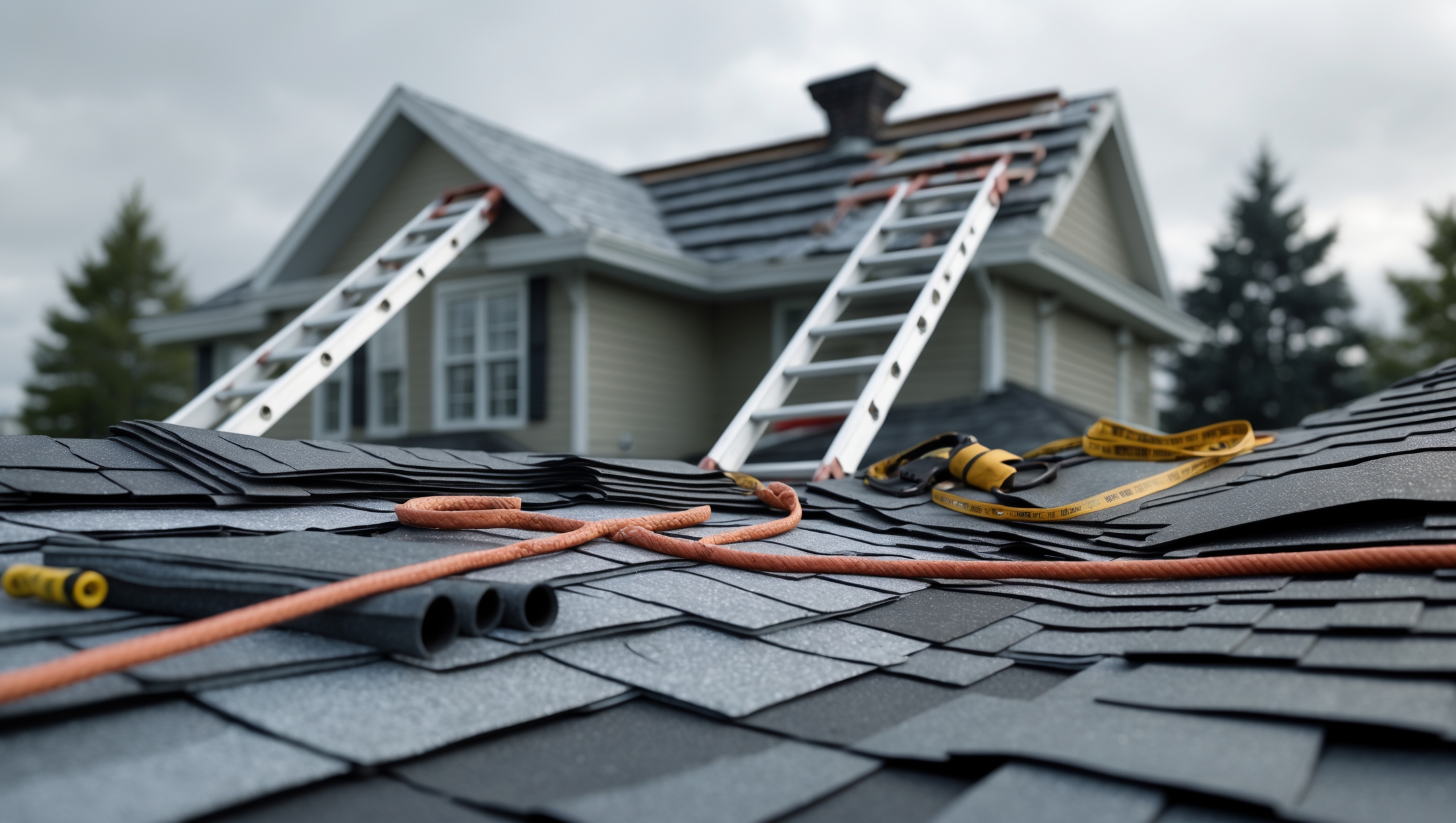
Introduction: Why Insurance Matters for DIY Roof Repairs
Tackling a roof repair yourself can save you thousands in labor costs and deliver a deep sense of accomplishment. However, few homeowners realize the potential financial and legal pitfalls that come with DIY roof work. From slipping off a ladder to causing accidental water damage inside your home, the risks are significant. Without proper insurance coverage, a simple mistake could lead to devastating out-of-pocket expenses or even a voided homeowners insurance policy. This comprehensive guide will walk you through the insurance essentials every DIYer must know before picking up a hammer. We’ll explore what your policy covers (and doesn’t), how to notify your insurer about your project, liability considerations, and practical steps to minimize risk while maximizing peace of mind. Whether you’re patching a few shingles or replacing a section of roofing, understanding insurance is just as important as knowing how to swing a hammer. Let’s ensure your next roof repair project doesn’t put your home or finances in jeopardy.
Understanding the Risks of DIY Roof Repairs
Common Hazards
Roof work is among the most hazardous DIY projects you can undertake. The risks include:
- Falls from height: Ladders, sloped surfaces, and slippery materials increase the chance of serious injury.
- Structural damage: Incorrectly installed shingles, flashing, or underlayment can cause leaks and long-term water damage.
- Personal injury: Roofing tools, sharp nails, and heavy materials put you at risk for cuts, punctures, or strains.
- Property damage: Dropped tools, misplaced nails, or improper tarping can lead to broken windows, damaged siding, or ruined landscaping.
Financial Implications
These hazards carry financial consequences. Medical bills, legal liability, and repair costs for mistakes can quickly outweigh any DIY savings. Insurance is designed to safeguard you from these unexpected expenses—but only if you follow the right steps.
Your Homeowners Insurance: What’s Covered and What’s Not
Typical Policy Inclusions
Most standard homeowners insurance policies provide coverage for sudden and accidental damage to your home, including the roof. If a storm tears off shingles, your insurer will generally pay for repairs (minus your deductible). However, when it comes to DIY repairs, the picture changes.
Exclusions for DIY Work
Many policies specifically exclude damage caused by improper repairs or lack of maintenance. If you attempt a repair and make a mistake that leads to water intrusion or structural issues, your insurer may deny your claim. Further, if your DIY work violates local building codes or voids a manufacturer’s warranty, your coverage could be compromised.
Endorsements and Riders
Some insurers offer endorsements or riders that provide additional protection for home improvements or DIY projects. Consider discussing these options with your agent, especially if you plan significant work.
Notifying Your Insurer: When and How
Why Notification Matters
Failing to inform your insurance company about major home repairs—especially structural ones like roof work—can lead to denied claims or even cancellation of your policy. Notifying your insurer ensures:
- Your policy remains valid during and after the repair.
- You receive guidance on any documentation or permits required.
- Your insurer can advise on additional coverage or exclusions.
Best Practices for Communication
Contact your insurer before starting work. Be prepared to provide:
- A detailed description of the planned repair.
- Photos of the current state of your roof.
- Proof of purchased materials and any building permits.
Ask your agent specifically about how DIY repairs affect your policy and whether you need additional coverage.
Liability Coverage: Protecting Yourself and Others
What Liability Insurance Covers
Most homeowners policies include personal liability coverage, which protects you if someone is injured on your property. For example, if a neighbor helps you and falls off the roof, your liability coverage may pay for their medical bills or defend you in a lawsuit. However, there are limitations.
Limitations and Exclusions
Some policies exclude injuries to people you hire (even informally) or to yourself. If you use a friend, neighbor, or day laborer, clarify their status with your insurer. In some cases, you may need workers’ compensation or a specific liability rider.
Umbrella Policies
Consider an umbrella liability policy for added protection, especially if your DIY project involves significant risk or if you have substantial assets. These policies offer higher limits and broader coverage than standard homeowners insurance.
Ensuring Compliance with Local Requirements
Permits and Building Codes
Most municipalities require a permit for roof repairs beyond simple shingle replacement. Performing work without the proper permit can result in:
- Fines and legal action from your city or county.
- Voided insurance coverage if unpermitted work causes damage.
- Problems when selling your home; unpermitted work often must be disclosed.
How Compliance Affects Insurance
Insurance policies generally require that repairs meet local code. Even if you make a perfect repair, failing to pull the required permit can give your insurer a reason to deny future claims related to your roof.
Documentation: Your Best Friend in a Claim
What to Document
Keep a thorough record of your DIY roof repair, including:
- Before, during, and after photos from multiple angles.
- Receipts for all materials and tools purchased.
- Copies of permits and correspondence with your insurer.
- Notes on the steps you followed and any challenges encountered.
Why It Matters
Detailed documentation not only proves you performed the work to code, but also helps resolve disputes if there’s ever a claim. It demonstrates to your insurer that you approached the repair responsibly and can support your side if coverage questions arise.
Common Insurance Pitfalls and How to Avoid Them
1. Assuming All DIY Repairs Are Covered
Never assume your policy will pay for damage from a DIY repair gone wrong. Always check for exclusions and clarify with your agent before starting.
2. Ignoring Permit Requirements
Unpermitted work is a red flag for insurers. Always check with your local building department and secure all necessary permits.
3. Not Adjusting Coverage
Large projects may require you to increase your dwelling coverage or purchase an endorsement. Failing to do so can leave you underinsured if disaster strikes.
4. Inadequate Liability Protection
If anyone helps you, make sure your policy covers guest injuries. Consider an umbrella policy for extra protection.
Insurance for Tools and Materials
Protecting Your Investment
Your homeowners policy may cover theft or damage to building materials and tools stored on your property. However, limits can be low and exclusions may apply, especially for items stored outdoors.
Best Practices
- Store tools and materials in a locked garage or shed when not in use.
- Document serial numbers and take photos for your records.
- Review your policy’s limits on personal property and request higher limits if needed.
Real-World Scenarios: How Insurance Applies
Scenario 1: A Fall from the Ladder
You slip off a ladder and break your arm. Your health insurance will cover your injuries, but your homeowners policy won’t pay for your own medical bills. If a friend helping you falls, your personal liability coverage may kick in—if the policy doesn’t exclude informal helpers.
Scenario 2: Water Damage After a DIY Leak
Your patch job fails and rainwater damages your home’s interior. If you performed the work to code and had all proper permits, your insurer may cover the claim. If not, you could be left paying for repairs yourself.
Scenario 3: Tool Theft
Roofing materials are stolen from your backyard overnight. Your homeowners policy may offer some reimbursement, but only up to your personal property limits and subject to your deductible.
Steps to Take Before Starting Your DIY Roof Repair
- Review your insurance policy for exclusions related to DIY work, roof repairs, and liability.
- Contact your insurance agent to notify them of your planned project and ask about any required endorsements or increased coverage.
- Check local permit requirements and secure all necessary documentation before starting work.
- Organize your documentation, including receipts, photos, and permit copies.
- Consider increasing your liability coverage or purchasing an umbrella policy if your project is risky or involves helpers.
- Store tools and materials securely to prevent theft or weather damage.
After the Project: Updating Your Insurance
Why You Should Update Your Insurer
Once your DIY roof repair is complete, update your insurance company. Provide them with:
- Photos of the completed work.
- Permit sign-off or inspection reports, if applicable.
- Receipts for materials used.
This ensures your policy accurately reflects the current condition of your home and helps prevent disputes if you file a claim in the future.
Frequently Asked Questions
Does my insurance cover mistakes from DIY repairs?
Most policies don’t cover damage resulting from improper DIY work. Always check with your insurer before starting repairs.
Are building permits really necessary for small roof repairs?
For minor shingle replacement, permits may not be required. For structural repairs or significant work, permits are essential for legal and insurance reasons.
What if I hire a handyman to help?
Anyone you pay may be considered a contractor. If they’re not insured, you could be liable for their injuries. Your policy may exclude such risks, so clarify coverage with your insurer.
Conclusion: Protecting Your Home and Your Finances
DIY roof repairs can be rewarding and cost-effective, but they come with unique insurance challenges that every homeowner should understand. From the risk of personal injury to the threat of voided coverage, the financial stakes are high. The good news is that with careful planning, diligent documentation, and open communication with your insurer, you can complete your project with confidence and peace of mind. Always review your policy, secure the proper permits, and follow best practices for safety and compliance. Consider additional liability coverage if your project is extensive or involves helpers. Don’t let a simple oversight turn your money-saving repair into a financial headache. By treating insurance as an essential tool—just like your hammer or ladder—you protect not only your roof but your entire investment in your home. As you plan your next DIY project, remember: the smartest home improvements are always built on a foundation of solid insurance coverage.
If I accidentally damage part of my roof and it leads to a leak a few months later, will my homeowners insurance still cover the repairs if I did the work myself?
If the damage was caused by your own DIY work, most homeowners insurance policies won’t cover repairs resulting from improper maintenance or faulty workmanship. Coverage usually applies to sudden, accidental events, not gradual damage from do-it-yourself repairs. Check your specific policy or contact your insurer for details on exclusions.
When notifying my insurer about a planned DIY roof project, what information do they usually need, and could my premiums go up just for letting them know I’m doing the work myself?
Insurers usually want details like the scope of your project, materials you’ll use, your experience, and your timeline. Letting them know about DIY work doesn’t always mean your premiums will go up, but it helps avoid claim issues later. It’s best to check your policy and discuss specifics with your insurer to clarify any premium changes.
Can you elaborate on what specific steps I should take to notify my insurer before starting a DIY roof repair, and what kind of response or approval should I expect from them?
Before starting your DIY roof repair, call or email your insurer to explain the work you plan to do, including materials and timeline. Ask if your policy covers DIY repairs and whether you need specific documentation or inspections. Expect them to clarify coverage, outline any restrictions, or require formal approval before you begin.
You mention that certain mistakes during DIY roof repairs can lead to out-of-pocket expenses or an invalid policy. What’s the best way to confirm with my insurer beforehand that I’m still covered for any accidents?
To make sure your insurance coverage stays valid, contact your insurer directly before starting repairs. Explain the work you plan to do and ask if it affects your policy. Request written confirmation of your coverage and any specific requirements you should follow to avoid losing protection.
Is it necessary to let my insurance company know before I start patching a small section of my roof myself, or does that only apply to bigger projects?
It’s a good idea to inform your insurance company before starting any roof repairs yourself, even for small patches. Some policies require advance notice for any work, and failing to notify them could affect future claims. Check your policy or call your insurer to be sure.
If I accidentally cause water damage inside my house while fixing a section of the roof, would most standard homeowners policies cover the repairs, or could that be considered negligence and get denied?
Most standard homeowners policies usually cover sudden and accidental water damage, but if the insurer determines the damage was caused by negligence or improper DIY work, your claim could be denied. It’s important to check your policy details or consult your insurance company before starting repairs.
Could you explain what steps I should take to notify my insurer before I start a DIY roof repair? Are there specific details they usually need?
Before starting your DIY roof repair, call your insurer and let them know about the planned work. They’ll typically ask for the repair details, scope, materials, your experience level, and timing. Some may want to know if you’re hiring help or working alone. Always check if your policy requires written notification or forms.
For someone just patching a few shingles rather than replacing the whole roof, are there specific types of coverage or policy endorsements we should double-check before starting?
If you’re just patching a few shingles, double-check your homeowner’s insurance for exclusions related to DIY repairs. Make sure your policy covers accidental damage and personal liability, in case you or someone else gets hurt during the work. You generally won’t need extra endorsements for minor repairs, but it’s wise to confirm with your insurer before starting.
Could you clarify how notifying your insurer about a DIY roof project might affect your existing policy? Is there a risk of losing coverage if I don’t report the repairs in advance?
Notifying your insurer before starting DIY roof repairs is important because some policies require it for continued coverage. Failing to report repairs might result in denied claims or loss of coverage if damage occurs. Always check your policy terms and contact your insurer to ensure your protection remains in place during and after the project.
If I accidentally cause water damage inside my house while doing a small roof patch, will my homeowners insurance definitely cover it, or do I need to tell them about the repair in advance?
Homeowners insurance might cover accidental water damage from DIY repairs, but it depends on your policy and its exclusions. Most insurers expect you to maintain your home properly, but you usually don’t need to tell them about small repairs in advance. However, if poor workmanship is a factor, coverage could be denied. It’s a good idea to review your policy or ask your agent for details.
What steps can I take to reduce liability risks if I have friends helping with my roof repairs, especially if someone accidentally gets hurt while we’re working?
To reduce liability risks, make sure everyone uses proper safety gear and follows safe practices. Check your homeowners insurance to see if it covers injuries to helpers. You might also consider having friends sign a waiver, but remember, waivers may not offer complete protection. If possible, limit risky tasks to professionals.
I’m trying to weigh the cost savings of DIY roof work against the risk of medical bills from a fall. Are there supplemental insurance options or riders specifically recommended for these kinds of projects?
You can look into supplemental accident insurance policies, which often cover injuries from home projects like DIY roofing. Some insurers also offer short-term or project-specific coverage. It’s worth contacting your provider to discuss personal liability and medical payments coverage, or to ask about riders tailored for home renovations.
You mentioned needing to notify your insurer before starting DIY roof work. What exactly should I tell them and how far in advance should I reach out?
Let your insurer know that you plan to do DIY repairs on your roof, describe the scope of work, and mention if anyone else will be helping. Try to contact them at least a week in advance so they can advise you about coverage or special requirements before you begin.
Does notifying my insurer about a planned roof repair increase my premium or risk my policy being canceled, or is it always a good idea to check with them before starting the work?
Notifying your insurer about planned roof repairs usually doesn’t automatically raise your premium or lead to cancellation, but it’s wise to check your policy first. Some insurers require notification for major repairs or DIY work, and failing to do so could affect future claims. Contact your insurer to clarify their requirements before you begin.