

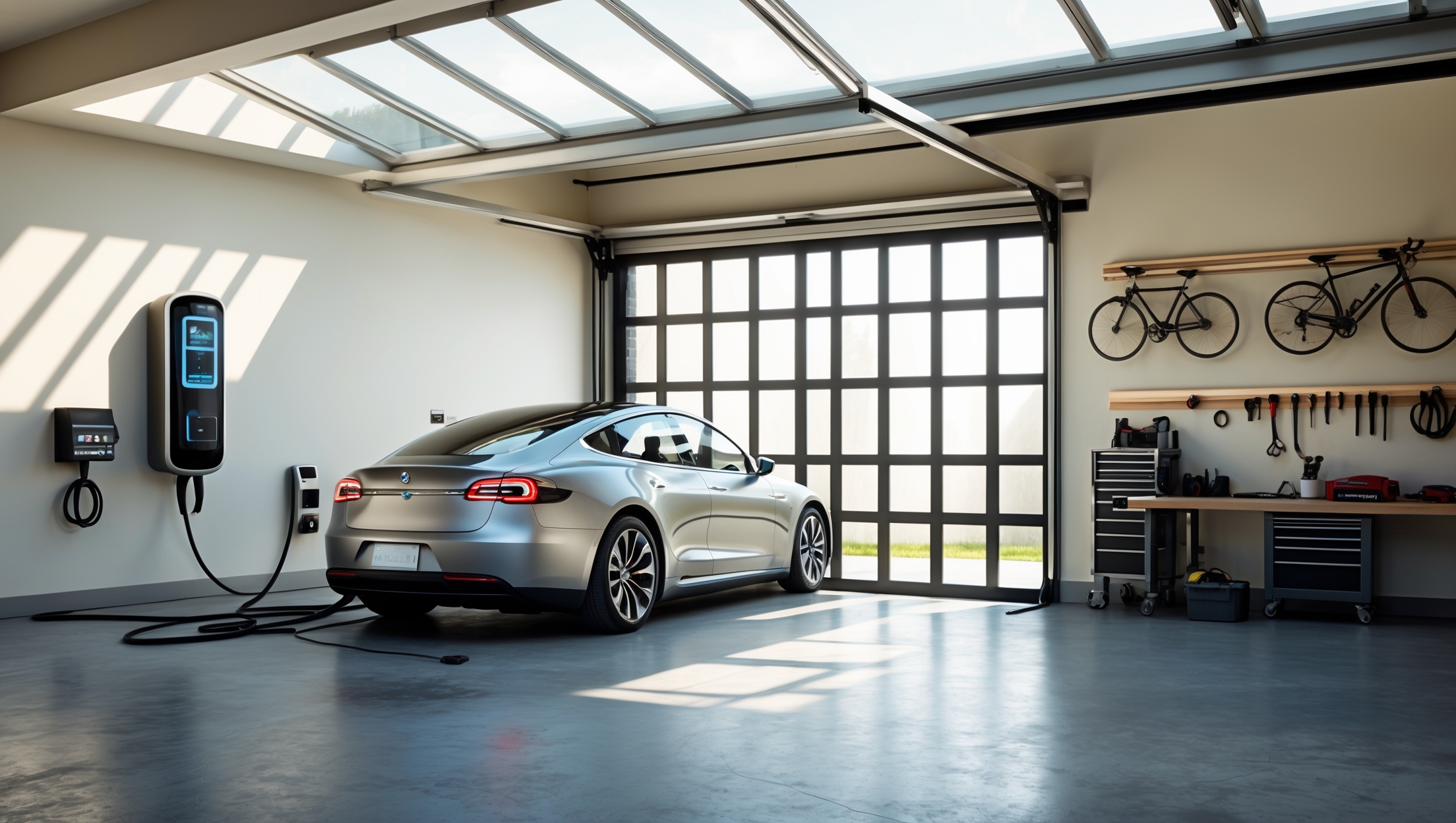
Introduction: Why Install a Home EV Charging Station?
With the rapid growth of electric vehicles (EVs), more homeowners are considering installing a dedicated charging station at home. While charging from a standard outlet is possible, it is slow and may not meet daily driving needs. A dedicated home EV charging station offers faster charging, convenience, and can even add value to your property. However, installation goes beyond plugging in a device—it involves careful planning, understanding electrical requirements, budgeting, compliance with local regulations, and using the right tools. In this comprehensive guide, we walk you through every step of installing a home EV charging station. We cover the types of chargers, cost breakdowns, essential tools, safety and compliance considerations, and a practical step-by-step process to ensure your project is a success. Whether you’re a DIY enthusiast or planning to hire a professional, this article will help you make informed decisions, avoid costly mistakes, and ensure your installation is safe and efficient.
Understanding Home EV Charging: Types and Requirements
Level 1 vs. Level 2 Charging
Home EV charging stations generally fall into two categories:
- Level 1: Uses a standard 120V outlet. Simple but slow—adding about 3-5 miles of range per hour.
- Level 2: Requires a 240V circuit. Adds 20–30 miles of range per hour, making it the preferred choice for most homeowners.
This guide focuses on Level 2 charging station installation, as it represents the best balance of speed, practicality, and value for home users.
Electrical Requirements
- Dedicated 240V Circuit: Most Level 2 chargers require a dedicated 240V, 30–50 amp circuit.
- Breaker Panel Capacity: You may need to upgrade your panel if it’s already maxed out.
- Wiring: Copper wiring, typically 6 or 8 AWG depending on charger amperage.
Consult your EV charger’s manual for specific requirements and always comply with local electrical codes.
Cost Breakdown: What to Expect
Equipment Costs
- Level 2 Charger: $400–$900 for a quality unit. Smart chargers with Wi-Fi or app control can cost more.
- Mounting Hardware: $50–$100, often included with the charger.
- Electrical Materials: $60–$200 for conduit, wiring, junction boxes, and connectors.
Installation Costs
- DIY: $100–$300 (materials only), assuming you have electrical skills and tools.
- Professional Electrician: $400–$1,200, depending on complexity and local rates.
- Panel Upgrade (if needed): $1,000–$3,000.
Permit and Inspection Fees
- Varies by jurisdiction: $50–$250.
Total Estimated Cost: $500–$2,500 (without panel upgrade), $1,500–$5,000 (with panel upgrade).
Permits, Compliance, and Safety Considerations
Permitting Process
Most localities require an electrical permit for installing a new 240V circuit and EV charging station. Contact your local building department before starting. You’ll likely need:
- Permit application (online or in-person)
- Detailed site plan and wiring diagram
- Charger specification sheet
Inspections ensure your installation meets National Electrical Code (NEC) and local safety standards.
Code Compliance
- Use only UL-listed (or equivalent) chargers.
- Follow NEC Article 625 requirements for EV charging systems.
- Install ground-fault circuit interrupter (GFCI) protection.
- Properly label the circuit breaker and panel.
Safety Essentials
- Turn off power at the main breaker before working.
- Test circuits with a non-contact voltage tester.
- Use insulated tools.
- Do not exceed the rated capacity of your panel or circuits.
- Secure all wiring and connections to prevent hazards.
If in doubt, hire a licensed electrician. Improper installation can result in fire, injury, or voided insurance.
Essential Tools and Materials
Tools
- Drill and bits (for mounting charger and conduit)
- Wire stripper and cutter
- Fish tape (for pulling wire through conduit)
- Non-contact voltage tester
- Screwdrivers (flathead and Phillips)
- Hammer
- Socket wrench set
- Level
- Measuring tape
- Stud finder (if mounting on drywall)
Materials
- EV charging station (Level 2, UL-listed)
- Conduit (PVC or metal, as required by code)
- Copper wire (size per charger specs and code)
- Circuit breaker (amperage per charger specs)
- Mounting hardware
- Junction boxes and wire connectors
- Electrical tape
- GFCI breaker or outlet (if required)
- Permits and documentation
Planning Your Installation: Key Steps
1. Choose the Mounting Location
Select a spot near where your EV is parked. Common choices include:
- Garage wall (most popular and weather-protected)
- Carport or driveway (must use outdoor-rated charger and weatherproof enclosure)
Ensure:
- Proximity to electrical panel (shorter wire runs reduce cost and complexity)
- Charger cable can comfortably reach your vehicle’s charging port
- The area is clear of obstructions and away from water sources
2. Assess Your Electrical Panel
Open your panel and check for available breaker slots and capacity. Find your panel’s amperage (usually labeled inside the door). If you’re unsure, consult an electrician to assess whether your panel can handle an added 30–50 amp circuit.
3. Measure and Plan Conduit Runs
Plan the route from your panel to the charger. Use conduit for all exposed wiring. Keep bends minimal for easier wire pulling. Mark all measurements and mounting points before drilling.
Step-by-Step Installation Guide
Step 1: Obtain Permits and Gather Materials
Apply for the necessary permits and have your charger, circuit breaker, wiring, and tools ready before starting work.
Step 2: Turn Off Power and Prepare the Panel
- Shut off main power at the service panel.
- Remove panel cover and identify an available slot for your new breaker.
- Verify with a voltage tester that all power is off.
Step 3: Install the Circuit Breaker
- Install a double-pole breaker of the correct amperage (typically 30–50 amps).
- Do not connect wires yet—wait until conduit and wiring are installed.
Step 4: Run Conduit and Pull Wire
- Install conduit from the panel to the charging station location. Use appropriate connectors and support straps.
- Measure and cut wire (typically black and red for hot, white for neutral, green or bare for ground).
- Use fish tape to pull wires through the conduit.
Step 5: Mount the Charging Station
- Use a stud finder to locate wall studs or suitable anchors.
- Attach the mounting bracket securely, ensuring it’s level.
- Mount the charger per manufacturer instructions.
Step 6: Make Electrical Connections
- Connect wires to the charger terminals (follow color codes and torque specs).
- Connect wires to the breaker and panel ground/neutral bars.
- Double-check all connections for tightness and correctness.
- Replace the panel cover.
Step 7: Inspection and Final Checks
- Arrange for electrical inspection as required by your permit.
- Inspector will check wiring, breaker, and GFCI protection.
- Do not energize the circuit until approval is received.
Step 8: Power Up and Test
- Once approved, switch on the breaker and main power.
- Plug in your EV and monitor charging for several minutes.
- Check for error codes or abnormal heat at connections.
Maintenance Best Practices for Home EV Charging Stations
- Visually inspect the charger, cable, and outlet monthly for damage or wear.
- Keep the charging area clean and dry.
- Check that cable connectors are free of debris and corrosion.
- Test GFCI functions quarterly (follow manufacturer instructions).
- Have a licensed electrician inspect the system every 2–3 years or if you notice any issues.
- Update charger firmware as recommended for security and performance.
Common Mistakes to Avoid
- Skipping permits or inspection—may void insurance, violate code, and create hazards.
- Undersizing the breaker or wire—can lead to overheating and fire risk.
- Improper GFCI protection—required for safety in most jurisdictions.
- Poor mounting location—charger cable too short, exposed to weather, or obstructed.
- Not planning for future needs—consider a higher amperage circuit for future EVs.
Frequently Asked Questions
Can I install an EV charger outdoors?
Yes, but use a weatherproof, outdoor-rated charging station and enclosure. All connections must be sealed against moisture.
Is DIY installation allowed?
Some jurisdictions allow qualified homeowners to perform electrical work, but permits and inspections are always required. If unsure, hire a licensed electrician.
Will a home charger increase my electricity bill?
Yes, but charging at home is usually cheaper per mile than gasoline. Some utilities offer reduced rates for EV charging during off-peak hours.
Can I plug a Level 2 charger into a dryer outlet?
No. Level 2 chargers require a dedicated circuit and must comply with code. Adapters are unsafe and not recommended.
Conclusion: Empowering Your Home for the EV Revolution
Installing a home EV charging station is a smart investment in convenience, property value, and sustainability. With the right planning, tools, and attention to safety, most homeowners can successfully add a Level 2 charger to their garage or driveway. Remember, every installation begins with careful assessment of your electrical system and ends with a permitted, code-compliant solution. Take the time to research charger options, budget for both equipment and labor, and always prioritize safety by following NEC guidelines and local codes. Maintenance is straightforward, but essential for long-term performance and peace of mind. As electric vehicles become the norm, a home charging station will make your daily routine easier and more efficient—while also preparing your home for the future. Whether you tackle the project yourself or hire a pro, use this guide as your roadmap to a smooth, safe, and successful installation. Happy charging!
For a DIY installation, how complicated is it to upgrade a breaker panel if my current one doesn’t have available slots for a new 240V circuit? Is this something a homeowner can safely tackle with basic electrical knowledge, or is it usually best left to a licensed electrician?
Upgrading a breaker panel is a complex job that goes beyond basic electrical skills. It often involves working with high-voltage wiring and may require coordination with your utility company. For both safety and code compliance, it’s strongly recommended to hire a licensed electrician for this task.
Could you clarify how to determine if my existing breaker panel has enough capacity for a Level 2 charger, or if upgrading is necessary before installation?
To check if your breaker panel can handle a Level 2 charger, first find your panel’s total amperage (often marked inside the panel door). Add up the amperage of all circuits in use, including major appliances, and compare with your panel’s capacity. If the charger would overload the panel, you’ll need an upgrade. It’s best to consult a licensed electrician for a safe assessment.
For someone who wants to a DIY installation but is not an electrician, what are the key compliance checkpoints to watch out for to avoid safety or code issues with a 240V setup?
If you’re not an electrician, the most important compliance checkpoints are using the correct gauge wire, installing a dedicated 240V circuit with a proper breaker, following local code on outlet type and placement, and ensuring proper grounding. Always check if your area requires a permit or inspection before starting, as DIY work must still meet safety and code standards.
If my current breaker panel is almost at capacity, what are the typical costs and steps involved in upgrading it to support a Level 2 charger?
Upgrading your breaker panel to support a Level 2 EV charger often costs between $1,000 and $3,000, depending on panel size and local rates. Steps include hiring a licensed electrician to assess your panel, obtaining permits, upgrading the panel, and passing inspection. This ensures safety and code compliance for your new charger.
After the installation, what kind of permits or inspections should I expect from my local authorities to make sure everything’s compliant?
After installation, your local authorities typically require an electrical inspection to ensure the charging station meets safety codes. You may also need to obtain a final permit sign-off. Check with your city or county’s building department for specific requirements, as these can vary by location.
If my breaker panel is already maxed out, do I need a complete upgrade or are there workarounds to safely add a Level 2 charger?
If your breaker panel is maxed out, you don’t always need a full upgrade. Options like load management devices or a subpanel can help, but you should consult a licensed electrician to assess your specific situation and ensure everything stays safe and compliant.
For someone who isn’t comfortable working with electrical wiring, what are the typical labor costs and steps involved if I hire an electrician for Level 2 charger installation?
If you hire an electrician for Level 2 charger installation, typical labor costs range from $300 to $800, depending on complexity and location. The process usually includes assessing your panel, getting permits if required, running a dedicated circuit, installing the charger, and testing the setup to ensure safety and compliance.
If my breaker panel is already maxed out, how do I determine if I need an upgrade for a Level 2 charger, and is this something a DIYer can handle?
If your breaker panel is maxed out, you’ll likely need an upgrade to safely add a Level 2 charger. An electrician can assess your home’s electrical capacity and recommend the right solution. Upgrading a panel involves working with high-voltage wiring and code compliance, so it’s not a DIY job—hire a licensed professional for safety and legal reasons.
If my breaker panel is already close to capacity, about how much should I expect to pay to have it upgraded for a Level 2 charger installation?
Upgrading a breaker panel to support a Level 2 charger typically costs between $1,000 and $3,000, depending on your location, panel size, and the complexity of your home’s wiring. Getting a specific quote from a licensed electrician will give you the most accurate estimate for your situation.
Could you clarify what factors determine whether a breaker panel needs upgrading for a Level 2 EV charger, and what signs homeowners should look for before starting the project?
A breaker panel may need upgrading if it doesn’t have enough capacity for the added load of a Level 2 charger. Look for available breaker slots and check the panel’s amperage rating (often labeled inside the door). If your main panel is rated below 200 amps or is already near capacity, an upgrade could be necessary to safely support the charger.
Could you elaborate on how to determine if my existing breaker panel can handle a Level 2 charger, or if an upgrade is necessary before installation?
To check if your breaker panel can handle a Level 2 charger, first look at its amperage rating (typically labeled inside the panel). Level 2 chargers usually need a 30–50 amp circuit. Subtract your current household load from the panel’s total capacity to see if there’s enough room. If unsure, have a licensed electrician assess your panel before installation.
Is it safe or practical to try installing a Level 2 charging station myself if I have basic wiring experience, or is hiring a professional always recommended?
Installing a Level 2 charging station involves working with 240-volt circuits, which can be hazardous if not handled properly. Even with basic wiring experience, it’s generally safer and more practical to hire a licensed electrician. Professionals ensure your setup meets local codes and safety standards, reducing risks of injury or electrical issues.
I’m interested in how local permitting and inspections work for these installations. Are there common compliance issues small business owners should anticipate compared to regular homeowners?
Local permitting usually requires submitting plans and passing an inspection after installation. Small business owners may face stricter electrical codes, accessibility requirements, or zoning regulations compared to homeowners. Common compliance issues include inadequate electrical panel capacity, improper signage, or failure to meet ADA guidelines in public settings. Consulting with your local permitting office early is a good way to avoid surprises.
Could you elaborate on any permitting or local code requirements I should be aware of before starting the installation, especially in older homes?
Before installing a home EV charging station, check with your local building department about necessary electrical permits, especially for older homes where wiring may need upgrades. Many areas require inspection to ensure the installation meets current electrical codes. It’s also wise to consult a licensed electrician to assess your panel’s capacity and any specific local safety requirements.
What kind of permitting or inspections should I expect when installing a dedicated 240V circuit for Level 2 charging, and does this process vary much between different states or cities?
You’ll usually need an electrical permit from your local building department before installing a 240V circuit for Level 2 charging. After installation, a city or county inspector will check the work for safety and code compliance. The process and fees can vary significantly between states and cities, so always check your local requirements first.
I noticed the guide mentions both 6 and 8 AWG copper wiring for the charger. How do I figure out which one I need for my setup?
The choice between 6 AWG and 8 AWG copper wire depends mainly on your charger’s amperage rating and the total distance from the panel to the charger. Higher amperage or longer runs require thicker (lower gauge) wire for safety. Check your charger’s manual for its amperage requirement, then consult local electrical codes or an electrician to select the correct wire size.
If my current breaker panel is almost full, how can I determine whether it can handle a dedicated 240V circuit before committing to a charger purchase?
To find out if your breaker panel can handle a dedicated 240V circuit, check the available amperage and remaining physical slots in your panel. It’s best to have a licensed electrician assess your panel’s total capacity and load to ensure it’s safe and code-compliant before buying a charger.
If my breaker panel is already maxed out, how much does it usually cost to upgrade in order to support a Level 2 charging station?
Upgrading a maxed-out breaker panel to support a Level 2 charger typically costs between $1,000 and $3,000, depending on factors like panel size, labor rates, and your home’s wiring. Getting quotes from licensed electricians in your area is the best way to estimate the exact cost for your situation.
Are there specific local permits or inspections I should budget time and money for when installing a Level 2 home EV charger, or does that really depend on the city?
Permit and inspection requirements for installing a Level 2 home EV charger do depend on your local city or county regulations. Most areas require at least an electrical permit and a final inspection, so it’s wise to check with your local building department and include fees and possible scheduling time in your budget.
I noticed the guide mentions using 6 or 8 AWG copper wiring depending on amperage. How do I determine the right wire gauge if my EV charger manual isn’t clear?
If your charger manual doesn’t specify, check the charger’s maximum amperage. For up to 40 amps, 8 AWG copper is often used, while 6 AWG suits up to 55 amps. However, always consider local electrical codes and consult an electrician to ensure safe, code-compliant installation.
Can you break down the average total cost range for a Level 2 home charger installation, including possible expenses like an upgraded panel or permits?
The average total cost for installing a Level 2 home EV charger typically ranges from $1,000 to $2,500. This includes the charger itself, basic installation, permits, and labor. If your electrical panel needs upgrading, that can add $500 to $2,000 or more, depending on your home’s setup and local permit fees.
If my breaker panel is already close to its capacity, how difficult and expensive is it to upgrade it to support a Level 2 charger installation?
Upgrading your breaker panel can be a significant project. The difficulty depends on your home’s wiring and panel location, while costs typically range from $1,000 to $3,000 or more. A licensed electrician will need to assess your system, obtain permits, and perform the upgrade to ensure it meets local codes and safely supports a Level 2 charger.
If my breaker panel is already full, what are the typical steps and costs involved in upgrading it to support a Level 2 charging station?
If your breaker panel is full, you’ll likely need an electrician to upgrade it or add a subpanel. This process usually involves replacing the existing panel with one that has more capacity or installing a dedicated subpanel for the charger. Costs typically range from $1,000 to $3,000 depending on local rates and panel size.
Could you clarify what specific local regulations or permits I should look out for before installing a 240V circuit for a home EV charger?
Before installing a 240V circuit for your EV charger, check your city or county’s electrical codes and permit requirements. You’ll likely need an electrical permit and inspections. Some areas require licensed electricians for this type of work. Also, look for any HOA rules or zoning restrictions related to exterior modifications if your charger will be outdoors.
If my breaker panel is already full, about how much should I budget for an upgrade before installing a Level 2 charger at home?
If your breaker panel is full, upgrading to a higher-capacity panel typically costs between $1,500 and $3,000, depending on your home’s electrical system and local labor rates. It’s wise to get quotes from licensed electricians to get a more accurate estimate for your situation.
If my breaker panel is already full, how complicated or expensive is it usually to upgrade it for a Level 2 charger install? I’m wondering if this step is something a homeowner can tackle or if it almost always requires an electrician.
Upgrading a full breaker panel for a Level 2 charger usually requires an electrician, as it involves working with high-voltage wiring and possibly increasing the panel’s capacity. This is generally not a safe DIY project. Costs can range from a few hundred to several thousand dollars, depending on your existing setup and local requirements.
If my breaker panel is already full, what is usually involved in upgrading it for a Level 2 charger, and how much could that add to the total installation cost?
If your breaker panel is full, an electrician may need to upgrade your panel or add a subpanel to handle the Level 2 charger’s electrical load. This process often includes new wiring and permits. Upgrading a panel can add anywhere from $1,000 to $3,000 or more to your total installation cost, depending on your home’s specifics.
When considering a Level 2 charging station, how can I determine if my current breaker panel has enough capacity, or if I will need an upgrade?
To check if your breaker panel can handle a Level 2 charger, first find out the charger’s amperage requirement. Then, look at your panel’s total capacity (in amps) and add up your existing circuit loads. If the combined load plus the charger exceeds 80% of your panel’s rating, an upgrade may be needed. Consulting a licensed electrician is recommended for an accurate assessment.
If my breaker panel is already full, how much should I expect to pay for an upgrade before installing a Level 2 charger?
If your breaker panel is full, upgrading to a larger panel or adding a subpanel is often needed for a Level 2 charger. This typically costs between $1,000 and $3,000, depending on your home’s wiring and local labor rates. It’s a good idea to get quotes from licensed electricians for a more accurate estimate in your area.
Is it possible to install a Level 2 charger myself if I have basic electrical experience, or are there risks or compliance issues that really require a licensed professional?
While basic electrical experience helps, installing a Level 2 charger often requires working with high-voltage wiring and ensuring compliance with local codes. Many areas require a licensed electrician for this type of work to guarantee safety and legal compliance, so it’s best to check your local regulations before deciding to do it yourself.
You mention local electrical codes—what’s the best way to figure out exactly what’s required in my area before I get started?
The best approach is to contact your local building or permitting office—they can provide the specific electrical codes and requirements for EV charger installations in your area. You can also ask a licensed electrician familiar with local regulations for guidance before you begin.
If my breaker panel is already maxed out, how much does it typically cost to upgrade it for a Level 2 charger installation?
Upgrading a breaker panel to support a Level 2 EV charger usually costs between $1,000 and $3,000, depending on your location, the size of the upgrade, and labor rates. This covers both materials and professional installation. An electrician can provide a more precise estimate for your home’s needs.
You mention both 6 and 8 AWG copper wiring for a Level 2 station. How do I figure out which gauge I need for my specific charger model?
To choose between 6 and 8 AWG copper wiring, check your charger’s manual for its maximum amperage. For 40 amps or less, 8 AWG is usually enough; for higher amperages, use 6 AWG. Also, consider the wire length—longer runs may need thicker wire. Always confirm local code requirements or consult a licensed electrician.
You mentioned using 6 or 8 AWG copper wiring depending on amperage—how can I determine which gauge is necessary for my specific EV charger model?
To choose between 6 or 8 AWG copper wiring, check your EV charger’s amperage rating—usually found in its manual or on the label. For 40- to 50-amp chargers, 6 AWG is typically required, while 8 AWG can suit chargers up to 40 amps. Always confirm with local electrical codes or a licensed electrician.
How do I know if my current breaker panel can handle the added load of a Level 2 charger, or if it would need an upgrade before installation?
To determine if your breaker panel can handle a Level 2 charger, check its amperage rating (often labeled inside the panel). Add up your home’s current electrical loads and compare this total to your panel’s capacity. For safety and code compliance, it’s best to have a licensed electrician assess your panel and recommend whether an upgrade is needed.
For a DIY installation, what are the most important compliance steps to double-check with local regulations before starting the project?
Before starting your DIY installation, be sure to check if a permit is required, confirm local codes for electrical wiring, and ensure your planned charger location meets zoning and setback rules. Also, verify inspection requirements and that your electrical panel can handle the charger’s load safely.
If my electrical panel is already close to being maxed out, how complicated and expensive is it typically to upgrade it for a Level 2 charger? Any advice on what to look out for during this process?
Upgrading a nearly maxed-out panel for a Level 2 charger can be a significant project, often costing $1,000 to $3,000 or more, depending on your home’s wiring and local permit fees. Watch for hidden costs like rewiring or increasing service capacity, and always hire a licensed electrician to ensure code compliance and safety.
When you mention using 6 or 8 AWG copper wiring, are there big efficiency or cost differences between those sizes for a typical 40-amp Level 2 charger?
For a 40-amp Level 2 charger, 8 AWG wire is usually sufficient and is less expensive than 6 AWG. However, 6 AWG offers slightly less voltage drop (better efficiency) over long runs, though the difference is minimal for typical home installations. If your wiring run is short, 8 AWG is generally fine and more cost-effective.
If I want to hire a professional instead of going the DIY route, what typical labor costs should I expect for installing a 240V circuit and charger?
For professional installation of a 240V circuit and EV charger, labor costs typically range from $300 to $1,000, depending on your location, the complexity of your electrical system, and how far your panel is from the installation site. This is in addition to the cost of the charger and any needed permits.
If my breaker panel is already pretty full, do you know roughly how much it usually costs to upgrade it to support a Level 2 charger?
Upgrading a breaker panel to support a Level 2 EV charger typically costs between $1,000 and $3,000, depending on your location and the complexity of the upgrade. Factors like panel size, wiring, and any required permits can affect the final price, so it’s wise to get quotes from licensed electricians.
Could you clarify what safety inspections or permits might be required by local regulations when installing a Level 2 home charging station? I’m not sure where to start with compliance in my area.
You’ll usually need an electrical permit before installing a Level 2 home charging station, and a safety inspection from your local building or electrical authority after installation. To start, contact your city or county permitting office—they can guide you on the specific requirements and process in your area.
You mention compliance with local regulations—are there specific permits or inspections usually required for installing a 240V circuit for a home EV charger?
Yes, installing a 240V circuit for a home EV charger typically requires an electrical permit from your local authority. After installation, a city or county inspector usually needs to approve the work to ensure it meets safety codes. It’s best to check with your local building department for exact requirements in your area.
Is it possible to safely install a Level 2 charger myself if I have basic electrical skills, or should I always hire a licensed electrician because of code requirements?
While some handy homeowners might feel comfortable with basic wiring, most areas require a licensed electrician for Level 2 charger installation due to electrical codes and safety regulations. This ensures your setup meets local requirements and reduces any fire or shock risks. It’s best to check your local codes, but hiring a professional is generally the safest and most compliant option.
If my garage is detached and quite far from the main house panel, what kind of additional wiring or installation challenges should I expect compared to a standard attached garage setup?
With a detached garage far from your main panel, expect to need a longer electrical cable run, which can increase installation costs. You may also have to dig a trench for underground conduit, ensure weatherproofing, and possibly upgrade your panel or add a subpanel in the garage for safe and code-compliant charging.
Are there any specific safety inspections or permits I should be aware of when installing a 240V Level 2 charger myself, or is it usually handled by the electrician?
Yes, most local building codes require a permit and an electrical inspection for installing a 240V Level 2 charger. If you hire an electrician, they typically handle permits and inspections for you, but if you’re doing it yourself, you’ll need to contact your local permitting office and arrange for the inspection once the installation is complete.
Regarding the breaker panel capacity, how would I know if my current panel can support a Level 2 charger, and what signs indicate I might need an upgrade before starting installation?
To check if your panel can support a Level 2 charger, look at its amperage rating—most Level 2 chargers need a 40-amp circuit. If your panel is already crowded or close to its maximum load, you’ll likely need an upgrade. Frequent tripped breakers or an outdated panel are signs to consult an electrician before installing.
For homeowners who want to minimize costs, what are some practical tips for budgeting the installation of a Level 2 EV charging station, especially regarding required tools and possible panel upgrades?
To keep costs down, check if your electrical panel can handle the charger before buying one—upgrading panels is expensive. Install the charger close to the panel to reduce wiring costs. If you’re handy, you could save by doing simple prep like mounting the unit yourself, but leave electrical connections to a licensed electrician for safety and compliance.
Can you explain more about the 6 or 8 AWG copper wiring you mention for Level 2 chargers? How do I know which size I need for my setup?
The choice between 6 or 8 AWG copper wire depends on your charger’s amperage and the distance from your electrical panel. For most 40-amp circuits, 8 AWG is sufficient up to about 50 feet. If the run is longer, or if your charger draws more current, 6 AWG is safer. Always check your charger’s manual and consult a licensed electrician for exact requirements.
If my breaker panel is already at capacity, how difficult or expensive is it to upgrade so I can install a Level 2 charger?
Upgrading a breaker panel to add a Level 2 charger depends on your current setup. Costs typically range from $1,000 to $3,000, depending on amperage and wiring needs. An electrician can assess your panel and provide a precise estimate. The process involves replacing the old panel and possibly upgrading wiring or your home’s service connection.
If my breaker panel is already full, how difficult or expensive is it to upgrade so I can install a Level 2 charger at home?
Upgrading a full breaker panel can vary in difficulty and cost. It often requires hiring a licensed electrician, and costs typically range from $1,000 to $3,000 depending on your home’s wiring and the size of the new panel. The process involves installing a larger panel or a subpanel to safely handle the added load for your Level 2 charger.
If my home’s breaker panel is already close to its maximum capacity, how can I figure out if I need a full upgrade before installing a Level 2 charger?
To determine if your panel can handle a Level 2 charger, check your panel’s amperage rating and how much load is already in use. An electrician can do a load calculation to see if there’s enough capacity or if a panel upgrade is needed before installing the charger.
Can you give an estimate of how much the permitting and code compliance parts usually add to the overall installation cost? I’m trying to figure out the true total before starting.
Permitting and code compliance typically add between $100 and $500 to your installation cost, depending on your local requirements. Some areas may charge more if inspections are extensive or if upgrades to your electrical system are needed. Always check with your city or county for specific permitting fees.
Does upgrading the breaker panel for a Level 2 charger installation usually require a permit, and how can I find out if my panel has enough capacity before starting?
Upgrading your breaker panel for a Level 2 charger almost always requires a permit. To check if your panel has enough capacity, add up the amperage of all existing circuits and compare it to your panel’s main rating. A licensed electrician can help assess your panel and local code requirements before you start.
For budgeting purposes, do you address the potential permit and inspection costs that might come with installing a 240V circuit for a Level 2 charger?
Yes, the article mentions that permit and inspection fees are often required when installing a 240V circuit for a Level 2 charger. It suggests checking with your local authority since costs can vary widely depending on location and regulations.
If my garage is detached from the house, what extra challenges or costs should I expect when installing a 240V circuit for a Level 2 charger?
For a detached garage, you’ll likely need to run a new underground conduit from your main electrical panel to the garage. This can add costs for trenching, conduit, and extra wiring. Permitting and inspections may also be more involved, depending on local codes. The total extra cost can range from several hundred to a few thousand dollars.
For budgeting, does your cost breakdown cover permits and potential panel upgrades, or should I set aside extra money for unexpected expenses during installation?
The cost breakdown in the article includes typical permit fees and a basic overview of potential panel upgrades, but unexpected issues can still arise during installation. It’s wise to set aside some extra funds as a buffer for any unforeseen expenses or additional electrical work.
Do the costs you mention for installation include both materials and professional labor, or should I budget separately for hiring a certified electrician?
The costs listed in the article reflect an average total for both materials and professional labor. However, since prices can vary by region and electrician rates, it’s a good idea to get specific quotes to confirm your final budget.
The guide says Level 2 chargers require a dedicated 240V circuit and copper wiring. What is the typical cost difference if I go for a 30 amp charger versus a 50 amp one when it comes to wiring and installation?
Choosing a 50 amp charger instead of a 30 amp one usually means thicker (heavier gauge) copper wiring and possibly a higher-capacity circuit breaker, which can add $100 to $300 to the wiring and installation cost. The final price depends on your home’s layout and local electrician rates.
If my driveway is far from my house, what are some practical options for running the required wiring safely for a 240V Level 2 charger?
If your driveway is far from your house, you can run 240V wiring underground using conduit rated for outdoor and burial use, such as PVC or metal conduit. A licensed electrician should trench and install the wiring to meet code and ensure safety, possibly adding a subpanel closer to the driveway for convenience.
If my car can use both Level 1 and Level 2 charging, is there any harm in occasionally using the regular 120V outlet instead of the 240V charger?
Using a regular 120V outlet (Level 1 charging) occasionally is perfectly safe for your vehicle. It won’t harm your car or battery. The main difference is that charging will be much slower than with a 240V (Level 2) charger, so it’s fine to use Level 1 when needed.
For homeowners who don’t drive a lot, does it still make sense to invest in a dedicated 240V Level 2 setup, or could upgrading a standard outlet be practical enough in some cases?
If you only drive occasionally or cover short daily distances, using a standard 120V outlet (Level 1 charging) might be practical. It charges slowly, but if your car sits overnight, it can provide enough range. Level 2 is a bigger investment but mainly benefits drivers who need faster charging or have higher mileage.
For DIY enthusiasts, what are the main compliance issues to watch for with local electrical codes when setting up a 240V circuit for a home EV charger?
When installing a 240V circuit for your home EV charger, make sure you use the proper wire gauge, install a breaker sized for your charger, and ensure all connections are inside approved electrical boxes. Check your local code for permit requirements and inspection needs, as some areas require a licensed electrician for the final sign-off.
If my home’s breaker panel is already full, how complicated or costly is it to upgrade the panel for a Level 2 EV charger install?
Upgrading a full breaker panel can be moderately complex and often requires a licensed electrician. Costs typically range from $1,000 to $3,000, depending on your local codes, panel size, and wiring needs. The process usually involves installing a larger panel or a subpanel to handle the new circuit for your Level 2 charger.
If my breaker panel is already near capacity, what are the typical costs and challenges involved with upgrading it for a Level 2 charger installation?
Upgrading your breaker panel to support a Level 2 charger can cost anywhere from $1,000 to $3,000, depending on panel size and local labor rates. Challenges may include needing a permit, temporary power shutdown, and possible rewiring. Consulting a licensed electrician is recommended to assess your specific situation and ensure everything meets code.
You mentioned that panel upgrades might be needed for a Level 2 charging station. What kind of costs should I expect if my existing wiring and panel aren’t sufficient?
If your electrical panel or wiring needs upgrading for a Level 2 charger, costs can vary widely. Basic panel upgrades usually range from $1,000 to $3,000, depending on your home’s setup and local rates. More extensive rewiring or service upgrades can drive costs higher. It’s a good idea to get quotes from licensed electricians to get a clearer estimate for your specific situation.
If I already have a 240V outlet in my garage for another appliance, is it possible to use the same circuit for a Level 2 charger, or does it absolutely need to be a dedicated line?
A Level 2 charger typically requires its own dedicated 240V circuit for safety and to meet electrical codes. Sharing a circuit with another appliance is not recommended, as it may overload the circuit or cause tripping. It’s best to consult a licensed electrician to ensure you meet all safety and code requirements.
You mention that Level 2 chargers typically use 6 or 8 AWG copper wiring. Is there a reason to choose one gauge over the other, or is it entirely determined by the amperage of the charger I want to install?
The choice between 6 or 8 AWG copper wiring mainly depends on the amperage of your Level 2 charger. Higher amperage chargers (like 40 amps) usually require 6 AWG, while lower amperage models (up to 32 amps) can often use 8 AWG. Always check the charger’s specifications and follow local electrical codes for safety.
If I want to do most of the installation myself but have a professional handle the final electrical hookup, is that something most electricians are willing to do?
Yes, many electricians are open to handling just the final electrical hookup if you’ve done the prep work yourself. It’s a good idea to discuss your specific plan with the electrician beforehand to ensure they’re comfortable signing off on your installation and to meet all local code requirements.
If my breaker panel is already full, do you have any advice on how to budget for a panel upgrade as part of installing a Level 2 charger?
Panel upgrades can add a significant cost, often ranging from $1,000 to $3,000 or more depending on your home’s age and location. It’s smart to get multiple quotes from licensed electricians. Ask them to assess your panel and provide a breakdown of parts, labor, and permit fees so you can plan your budget accurately.
For homeowners interested in doing part of the installation themselves, which steps are safe for DIY and at what point should a licensed electrician take over to stay compliant with local codes?
Homeowners can safely choose and prepare the charging location, mount the EV charger bracket, and arrange the wiring path. However, all electrical connections, panel upgrades, and final hookups should be handled by a licensed electrician to meet local code requirements and ensure safety.
Could you clarify whether running new wiring for a Level 2 charger usually requires opening up drywall throughout the house, or can it be done with minimal disruption?
Running new wiring for a Level 2 charger can often be done with minimal disruption, especially if your garage is attached or has easy access to your electrical panel. Electricians may use crawl spaces, basements, or attics to route wiring, reducing the need to open up drywall in your living areas.
If my house doesn’t currently have enough capacity in the breaker panel for a Level 2 charger, how much might it cost on average to upgrade the panel as part of the installation?
Upgrading a breaker panel to support a Level 2 charger generally costs between $1,500 and $3,000, depending on factors like your home’s wiring, size of the new panel, and local labor rates. It’s best to get a few quotes from licensed electricians to get a more accurate estimate for your specific situation.
If I already have a 240V outlet in my garage for a dryer, can I use that same circuit for a Level 2 EV charger, or do I still need to install a dedicated circuit?
While it might seem convenient to use your existing 240V dryer outlet, most electrical codes require a dedicated circuit for a Level 2 EV charger to ensure safety and reliable operation. Sharing the circuit could overload it or violate code, so it’s best to consult an electrician before proceeding.
If my circuit breaker panel is already full, what are the steps or potential costs involved in upgrading it to support a Level 2 charger installation?
If your breaker panel is full, an electrician will likely need to upgrade it to a larger panel or add a subpanel. This process typically involves assessing your home’s electrical load, obtaining permits, and installing a new panel. Costs generally range from $1,000 to $3,000, depending on complexity and local rates.
I’m trying to decide if I should hire a professional or try installing the charger myself—are there specific parts of the process that are especially challenging for DIYers?
Wiring the dedicated circuit and ensuring proper grounding are often the most challenging parts for DIYers, as these require electrical experience and compliance with local codes. Permitting and inspection can also be tricky. If you’re not comfortable with electrical work or local regulations, hiring a professional is usually safer and ensures everything is up to code.
The article mentions using either 6 or 8 AWG copper wiring depending on the charger amperage. How can I determine which gauge is right for my setup and future-proofing?
To choose the right wire gauge, check your charger’s required amperage—6 AWG is generally used for 40-50 amp circuits, while 8 AWG suits 30-40 amp. If you plan to upgrade to a higher-powered charger later, installing 6 AWG now is a good way to future-proof your setup.
Does installing a Level 2 charging station usually require a permit or inspection in most cities, or can it be done without involving local authorities?
In most cities, installing a Level 2 charging station does require a permit and inspection because it involves electrical work that must meet local codes. It’s best to check with your local building or electrical authority to ensure compliance before beginning installation.
Does installing a Level 2 charging station require getting any special permits or inspections, and if so, what is that process typically like for homeowners?
Yes, installing a Level 2 charging station usually requires a permit since it involves electrical work. Homeowners typically apply for a permit through their local building department, and after installation, an inspection is performed to ensure safety and code compliance. Requirements can vary, so it’s best to check with your local authorities before starting the project.
If my breaker panel is already close to its limit, how do I figure out whether I need to upgrade it before installing a Level 2 charger?
To determine if your breaker panel can handle a Level 2 charger, check the charger’s amperage requirement and add it to your current electrical load. If it exceeds 80% of your panel’s capacity, you likely need an upgrade. Consulting a licensed electrician is the safest way to assess your panel and ensure compliance with local codes.
The article mentions both 6 and 8 AWG copper wiring depending on charger amperage. How do I determine which wire size is right for my planned installation?
To choose the correct wire size, check your charger’s maximum amperage. Use 8 AWG copper wire for chargers up to 40 amps, and 6 AWG for up to 55 amps. Always confirm with local electrical codes or a licensed electrician for safety and compliance.
If my breaker panel is already full, do you have any tips on estimating what it might cost to upgrade it before installing a Level 2 charger?
Upgrading a full breaker panel typically costs between $1,500 and $3,000, depending on your home’s setup and local labor rates. The price can vary if you need a higher-capacity panel or rewiring, so it’s best to get quotes from licensed electricians for a more accurate estimate.
If my electrical panel is already close to capacity, how do I figure out if it really needs to be upgraded before installing a Level 2 charger?
To determine if your panel can handle a Level 2 charger, have a licensed electrician perform a load calculation. They’ll assess your current usage and the charger’s demand to see if your panel has enough capacity or needs an upgrade. This ensures safety and compliance with local electrical codes.
Can you explain more about the cost breakdown for installing a Level 2 charging station if I have to run new wiring from the basement to my garage? I’m trying to figure out how much extra I should budget for wiring and labor.
Running new wiring from your basement to the garage can add $500 to $1,500 to your total cost, depending on distance, complexity, and local rates. Labor is a major factor, often billed hourly by electricians. Materials like conduit and wire can cost $100–$400 more. Getting a few quotes from licensed electricians will give you the most accurate budget.
Do you recommend running 6 AWG or 8 AWG copper wire for a 40-amp charger, and how much flexibility is there on wire gauge if the run from the panel is longer than average?
For a 40-amp EV charger, 8 AWG copper wire typically meets code for short runs, but for longer distances—over about 50 feet—6 AWG is safer to minimize voltage drop. Always check your local code and consider future upgrades when choosing wire size.
Do you know if installing a home EV charging station can affect my home insurance in any way, like coverage or premiums?
Installing a home EV charging station can sometimes impact your home insurance. Some insurers may require notice of the installation, and depending on their policies, it could affect your coverage or premiums. It’s a good idea to inform your provider and check if any changes to your policy are needed.
If my breaker panel is already full, does the article suggest how much it might cost to upgrade the panel before installing a Level 2 charger?
The article mentions that upgrading your breaker panel may be necessary if it’s full but doesn’t provide a specific cost. It suggests that panel upgrades can range from several hundred to a few thousand dollars, depending on your home’s electrical setup. Consulting a licensed electrician for an exact quote is recommended.
You mentioned using 6 or 8 AWG copper wiring for Level 2 chargers. How do I know which size I actually need for my specific charger model?
To choose between 6 or 8 AWG copper wiring, check your charger’s installation manual for its maximum amperage rating. Usually, 40-amp chargers need 8 AWG, while 50-amp chargers need 6 AWG. Also factor in the distance from your panel—longer runs may require thicker wire. When in doubt, consult a licensed electrician.
Is there any way to estimate how much installing a Level 2 charger could increase my home’s value, or is it too new of an upgrade for real estate trends to show yet?
While it’s still a relatively new upgrade, early real estate reports suggest that installing a Level 2 charger can make your home more attractive to buyers, especially those with electric vehicles. However, the exact increase in home value varies by region and buyer demand, so it’s difficult to provide a precise figure at this stage.
For someone whose breaker panel is already maxed out, what kind of costs and timeline should I expect for an upgrade to support a Level 2 charger?
If your breaker panel is maxed out, upgrading to support a Level 2 charger usually means installing a larger panel or adding a subpanel. Costs can range from $1,500 to $3,500, depending on your home’s wiring and local permit fees. The process typically takes one to two days once scheduled, but getting permits and inspections may add another 1–2 weeks.
Do you have any advice on estimating the total installation cost, including possible wiring or panel upgrades, for someone on a tight budget?
To estimate your total installation cost on a tight budget, first get a quote from an electrician to check if your panel needs upgrading or if extra wiring is required. Ask for a detailed breakdown of labor and materials. Consider a Level 1 charger if panel upgrades are too costly, and look into local rebates to help offset expenses.
If my breaker panel is already near capacity, how can I determine whether an upgrade is absolutely necessary for installing a Level 2 charger, and what should I expect in terms of additional costs or permitting?
To determine if an upgrade is needed, have a licensed electrician assess your panel’s available capacity versus the Level 2 charger’s requirements. If an upgrade is necessary, expect costs to range from several hundred to a few thousand dollars depending on your panel size and local codes. Additional permits may also be required, which your electrician can help clarify.
If my breaker panel is already full, how complicated and expensive is it usually to upgrade the panel to support a Level 2 charger?
Upgrading a full breaker panel to support a Level 2 charger can be moderately to highly complex, depending on your home’s wiring and age. Costs often range from $1,500 to $3,000 or more, including parts and electrician labor. An electrician will assess your current setup, recommend a new panel if needed, and handle permits for code compliance.
Could you clarify what types of permits or inspections are generally required when installing a dedicated 240V circuit for a home EV charger?
When installing a dedicated 240V circuit for a home EV charger, you’ll usually need an electrical permit from your local building department. After installation, a licensed inspector typically checks the work to ensure it meets local codes and safety standards. Always check with your local authority, as requirements can vary by location.
For homeowners who aren’t comfortable DIYing electrical work, how involved does the installation process get once you factor in local compliance and permitting?
If you’re not comfortable with electrical work, the process involves hiring a licensed electrician who will handle both the installation and ensure everything meets local codes. They’ll usually take care of permits and inspections, so your main role is scheduling and overseeing the work, rather than doing it yourself.
If my breaker panel is already at capacity, do you have guidance on the typical cost and process to upgrade it to support a 240V, 30–50 amp circuit for a Level 2 charger?
Upgrading your breaker panel to add a 240V, 30–50 amp circuit typically costs between $1,000 and $3,000, depending on your home’s wiring and local labor rates. The process involves hiring a licensed electrician to assess your current panel, obtain permits, install a larger panel if needed, and ensure everything meets code. Always get a few quotes to compare.
If my breaker panel is already close to capacity, how do I figure out if I need a full upgrade just for installing a Level 2 charger? Are there signs to look for before calling an electrician?
You can check your panel’s amperage rating and see how many slots are available, but it’s tough to know for sure without doing a load calculation. Signs you might need an upgrade include frequent tripped breakers or if the panel feels warm. For safety and accuracy, it’s wise to consult an electrician before making any decisions.
If my breaker panel is already full, how complicated and expensive is it usually to upgrade for a Level 2 charger? Is this something a homeowner can handle or would I definitely need to hire an electrician?
Upgrading a full breaker panel to install a Level 2 charger can be quite involved and typically requires a licensed electrician. The cost often ranges from several hundred to a few thousand dollars depending on panel size and local codes. It’s not a DIY job due to electrical safety and permitting requirements.
If my breaker panel is already full, how complicated and expensive is it usually to upgrade it for a Level 2 charger installation?
Upgrading a full breaker panel for a Level 2 charger can be moderately to very expensive, often ranging from $1,000 to $3,000 or more depending on your home’s electrical setup. The process usually involves hiring a licensed electrician to replace the panel with a larger one, which may require permitting and inspection.
I’m trying to estimate the full project cost—does your cost breakdown include permitting and inspection fees, or just equipment and installation materials?
The cost breakdown in the article covers equipment and installation materials primarily. Permitting and inspection fees are not included, as these can vary by local regulations. It’s a good idea to check with your local permitting office to get a more accurate total estimate.
After installing the Level 2 station, do I need to get any inspections or permits signed off before actually using it, or does that vary by state?
Whether you need inspections or permits signed off after installing a Level 2 charging station does vary by state and even by local municipality. Most areas do require a final inspection to ensure safety and code compliance before use. It’s best to check with your local building department for their specific requirements.
I’m trying to budget for this project—what are the main cost differences between a DIY install and hiring a professional for a Level 2 charger?
DIY installation mainly saves on labor, which can be $300 to $1,000 or more for a professional electrician. However, you’ll still pay for the charger itself ($400–$800) and materials. Professionals ensure safe, code-compliant work and may include permits in their fee, while DIYers often need to arrange and pay for permits separately.
If my breaker panel is already full, how complicated and expensive is it usually to upgrade for a Level 2 charger installation?
Upgrading a full breaker panel for a Level 2 charger can be moderately complex and generally costs $1,000 to $3,000 or more, depending on your home’s wiring and the size of the new panel needed. You’ll need a licensed electrician for the work, and permitting may be required. The upgrade ensures safe, reliable charging and brings your system up to code.
Could you explain how to tell if my current breaker panel has enough capacity for a Level 2 charger before I call an electrician?
To check your breaker panel’s capacity, find its main breaker rating (usually labeled in amps, like 100A or 200A). Add up the amperage of existing breakers and compare it to the main rating. A Level 2 charger often needs a dedicated 40A-50A circuit, so ensure there’s enough unused capacity. For exact safety, a licensed electrician should still confirm suitability.
When budgeting for a Level 2 home charging station, are there hidden costs homeowners often overlook, such as permit fees or specialized wiring requirements mentioned in the article?
Yes, homeowners sometimes overlook costs like permit fees, electrical panel upgrades, or running new wiring if your current setup can’t handle a Level 2 charger. Specialized wiring and labor can add to the total, depending on your home’s layout and local code requirements. It’s a good idea to get quotes that include these potential extras when budgeting.
You mention Level 2 chargers typically need a 240V, 30–50 amp circuit. Are there specific chargers that work safely on lower amperage circuits for older homes?
Yes, there are Level 2 chargers designed to work on lower amperage circuits, such as 16 or 20 amps. These units charge more slowly but are a good fit for older homes with limited electrical capacity. Be sure to check the charger’s specifications and consult an electrician to confirm compatibility with your existing wiring.
The article mentions that a panel upgrade might be necessary if it’s already maxed out. How can a homeowner determine if their breaker panel has enough capacity before starting a Level 2 charger installation?
To check if your breaker panel has enough capacity, look at the panel’s main breaker (measured in amps) and add up the amperage of all circuits currently in use. Compare your total household electrical load—including the new charger’s needs—to the panel’s maximum rating. An electrician can confirm accurately and ensure safety.
Is it actually feasible for someone with basic DIY skills to safely handle installing a dedicated 240V circuit for a Level 2 charger, or would that usually require a licensed electrician?
Installing a dedicated 240V circuit involves working with high-voltage wiring and local electrical codes, which can be risky without proper training. For most people with only basic DIY skills, it’s safest and often required by law to hire a licensed electrician for this part of the installation.
If my electrical panel is already close to capacity, how difficult and expensive is it to upgrade for a Level 2 charger installation?
Upgrading your electrical panel can be moderately complex and often requires a licensed electrician. Costs vary, but you might expect to pay anywhere from $1,000 to $3,000 depending on your home’s wiring and location. The upgrade may involve replacing the panel and possibly upgrading your service from the utility company.
Could you elaborate on what specific local regulations or permits I should check for before starting the installation? I want to make sure I don’t miss any important compliance steps.
Before installing your home EV charging station, check with your local building department for required electrical permits and zoning rules. Some areas may require an inspection after installation or specific wiring standards. Also, if you live in a condo or HOA, review their guidelines. Always ensure your licensed electrician is familiar with local codes.
You mention following local electrical codes—are there any specific permits or inspections most homeowners should expect during a Level 2 charger installation?
Most homeowners will need to obtain an electrical permit from their local building department before installing a Level 2 charger. After installation, a city or county inspector usually checks the work to ensure it meets code and safety standards. It’s a good idea to contact your local permitting office for exact requirements in your area.
If my breaker panel is already close to capacity, do you have any advice on how to determine whether I need an upgrade before installing a Level 2 charger?
To check if your panel can handle a Level 2 charger, add up the amperage of all existing breakers and compare it to your main panel’s rating. If you’re unsure, an electrician can perform a load calculation to determine if an upgrade is needed before installing the charger.
For those who want to DIY, what are some common mistakes people make when planning the installation, especially regarding compliance with local electrical codes?
A common mistake is underestimating permit requirements or skipping them altogether. People also sometimes use undersized wiring or the wrong type of circuit breaker. Not checking local code updates or grounding rules can lead to compliance issues. Always confirm code specifics with your local authority before starting the installation.
Are there any typical DIY mistakes people make when installing a 240V circuit for a home EV charger, especially related to local code compliance or choosing the right breaker size?
A common DIY mistake is selecting the wrong breaker size—always match it to your charger’s specs and wire gauge. Another issue is overlooking local code requirements, such as permit needs or specific installation methods. Double-check code rules in your area and consult with an electrician if unsure, as incorrect installations can be hazardous or fail inspection.
For someone whose breaker panel is already at capacity, what are the general steps and cost implications of upgrading the panel to accommodate a new 240V circuit for a Level 2 charger?
Upgrading a full breaker panel usually involves hiring a licensed electrician to replace your existing panel with one that has a higher amperage rating and more circuit spaces. This often requires coordinating with your utility company and obtaining permits. Costs typically range from $1,500 to $3,000, depending on panel size, local code requirements, and labor rates.
For homeowners whose breaker panel is already at capacity, what are the typical costs and challenges involved in upgrading the panel to support a Level 2 charger?
Upgrading a breaker panel to support a Level 2 charger typically costs between $1,000 and $3,000, depending on your home’s wiring, location, and local permit fees. Challenges include potential rewiring, service interruptions during installation, and scheduling inspections. Consulting a licensed electrician for an accurate assessment is important before proceeding.
If my breaker panel is almost maxed out, how difficult or expensive is it usually to upgrade it to support a Level 2 charger?
Upgrading a near-capacity breaker panel typically costs between $1,000 and $3,000, depending on your home and local labor rates. The process can take several hours to a full day, and you’ll need a licensed electrician to handle the upgrade for safety and code compliance.