

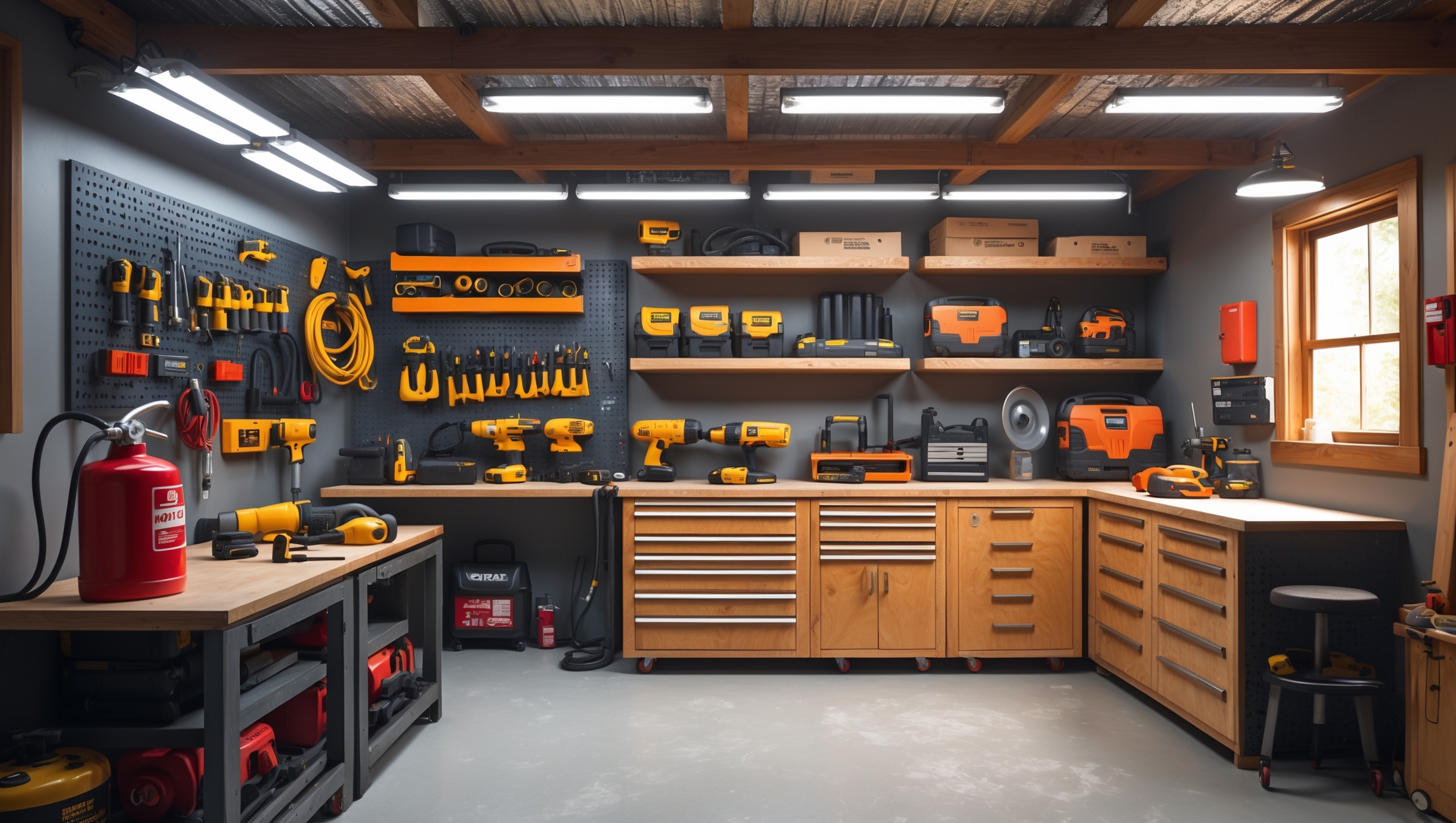
Introduction: Why Safe Power Tool Storage Matters
Power tools are indispensable for home improvement projects, whether you’re a seasoned DIY enthusiast or just starting out. However, improper storage of these tools can lead to serious safety hazards, including accidental injuries, fire risks, or costly damage to your equipment. A cluttered workspace or unsecured tools can be especially dangerous in homes with children or pets. Beyond safety, thoughtful storage also extends the life of your tools, keeps your projects running smoothly, and helps maintain a tidy, efficient workspace.
This comprehensive guide provides a step-by-step safety checklist for storing power tools in your home. We’ll cover the risks of improper storage, the essential features of a safe storage area, best practices for different types of tools, maintenance considerations, and tips for organizing your space. Whether your tools live in a garage, basement, shed, or dedicated workshop, these practical tips will help you minimize hazards, protect your investment, and create a workspace you can be proud of.
Understanding the Risks of Improper Power Tool Storage
Physical Injury and Accidents
Power tools often have sharp blades, moving parts, or pinch points that can cause injuries if left exposed. Tools left on countertops, in open boxes, or on the floor can lead to cuts, punctures, or even more serious accidents, especially if children or pets are present.
Fire Hazards
Many power tools use lithium-ion batteries or have electrical components that can overheat or short-circuit if stored improperly. Storing tools near flammable materials or in areas with poor ventilation increases the risk of fire.
Theft and Unauthorized Use
Leaving tools unsecured makes them easy targets for theft. Similarly, unlocked storage may allow children or unauthorized individuals to access potentially dangerous equipment.
Tool Damage and Reduced Lifespan
Exposure to moisture, dust, or extreme temperatures can corrode metal parts and ruin sensitive electronics, leading to premature tool failure and costly replacements.
Key Features of a Safe Power Tool Storage Area
Dedicated, Well-Ventilated Space
Choose a location that is dry, well-ventilated, and shielded from direct sunlight and extreme temperatures. Basements, garages, or sheds work well, provided they do not have moisture issues.
Sturdy Shelving and Cabinets
- Install heavy-duty shelving rated for the weight of your tools.
- Use lockable cabinets for high-risk tools (e.g., saws, drills, nail guns).
- Wall-mounted racks or pegboards are ideal for organizing hand-held power tools.
Secure, Child-Resistant Locks
All storage areas should have locks or child-resistant latches to prevent unauthorized access. Consider keyed locks, combination locks, or childproof latches on cabinets and toolboxes.
Electrical Safety and Charging Stations
- Keep battery chargers in a dedicated area with surge protection.
- Never charge batteries on flammable surfaces or near combustibles.
- Avoid daisy-chaining extension cords; install adequate outlets if needed.
Moisture and Dust Protection
- Use desiccant packs or dehumidifiers in damp environments.
- Seal gaps in storage areas to reduce dust and debris accumulation.
- Store tools in their cases or use storage bins with tight-fitting lids.
Step-by-Step Safety Checklist for Home Power Tool Storage
- Inventory Your Tools
Start by listing every power tool you own. Note their size, weight, and any safety considerations (e.g., blades, batteries, sharp attachments). This will help you plan your storage layout and identify which tools need extra security.
- Choose an Appropriate Storage Location
- Avoid damp basements or uninsulated sheds unless you address moisture and temperature control.
- Ensure the area is well-lit and accessible, but not in a high-traffic part of the home.
- Install Secure Storage Solutions
- Mount heavy-duty shelves at shoulder height to minimize lifting injuries.
- Use wall-mounted pegboards with strong hooks for lighter tools.
- Lockable cabinets or chests for high-risk or expensive tools.
- Organize Tools by Frequency and Type
- Place frequently used tools within easy reach.
- Keep seasonal or rarely used tools higher up or in the back.
- Store accessories (bits, blades, batteries) in clearly labeled bins or drawers.
- Establish Charging and Power Management Protocols
- Designate a charging station with non-flammable surfaces and nearby fire extinguisher.
- Unplug chargers when not in use.
- Never charge batteries overnight or unattended.
- Label Everything Clearly
- Label shelves, bins, and drawers for easy identification.
- Use color coding or icons to highlight hazardous tools.
- Enforce Access Control
- Keep keys or lock combinations secure but accessible to responsible users.
- Educate family members about tool safety and the importance of restricted access.
- Regularly Inspect and Maintain Tools
- Check for frayed cords, loose parts, or corrosion every few months.
- Clean tools before storage to remove dust and debris.
- Lubricate moving parts as needed per manufacturer guidelines.
- Monitor Environmental Conditions
- Use a hygrometer to monitor humidity in the storage area.
- Install insulation or climate control if temperature swings are extreme.
- Keep Emergency Equipment Nearby
- Mount a fire extinguisher rated for electrical fires near the storage area.
- Keep a first aid kit and emergency contacts visible.
Best Practices for Different Types of Power Tools
Corded Tools
- Wrap cords loosely to avoid kinks and inspect for damage before storing.
- Hang tools by their handles, not cords, to prevent strain.
- Store in dry, dust-free locations, ideally in their original cases.
Cordless Tools and Batteries
- Remove batteries from tools before storing to prevent accidental activation and prolong battery life.
- Store batteries at room temperature, away from direct sunlight or heat sources.
- Keep spare batteries in fire-resistant cases or containers.
Bladed Tools (Saws, Grinders)
- Engage blade locks or safety covers before storing.
- Store blades separately in protective sheaths or cases.
- Keep out of reach of children, ideally in locked cabinets.
Small Handheld Tools (Dremels, Sanders)
- Use drawer organizers or foam inserts to keep parts from shifting.
- Clean attachments after use to prevent buildup and rust.
Organizational Tips for a Safe and Efficient Workspace
Maximize Vertical Space
Wall-mounted racks, pegboards, and magnetic strips free up floor space and keep tools visible and accessible. Always anchor heavy storage to studs to prevent tipping.
Use Modular Storage Systems
Stackable bins, rolling carts, and modular drawer units can be rearranged as your tool collection grows. Choose units with lockable wheels for added stability.
Implement a Return Policy
Establish a habit of returning tools to their designated spots after each use. This prevents clutter and reduces the risk of accidents.
Maintenance and Inspection: Protecting Your Investment
Routine Cleaning
- Wipe down tools with a dry or slightly damp cloth before storing.
- Use compressed air to clear dust from vents and crevices.
Periodic Inspections
- Quarterly: Check all tools for loose parts, frayed cords, and corrosion.
- Annually: Deep clean storage areas, replace desiccant packs, and inspect locks and hinges.
Battery Care
- Store batteries at 40-60% charge if not used for long periods.
- Replace swollen or damaged batteries immediately.
Safety Protocols for Households with Children or Pets
Physical Barriers
Install high-mounted or locked cabinets out of reach of young children. Use baby gates or door alarms to restrict access to workshops.
Education and Supervision
Teach children (age-appropriate) about the dangers of power tools and why they must never touch them without adult supervision. Always supervise children and pets in or near tool storage areas.
What to Do in Case of an Accident
First Aid Readiness
- Keep a stocked first aid kit within easy reach.
- Know basic first aid procedures for cuts, electrocution, and burns.
- Display emergency contacts and instructions in the work area.
Fire Response
- Use only a Class C (electrical) fire extinguisher for tool-related fires.
- Evacuate the area and call emergency services if the fire cannot be contained.
Conclusion: Make Power Tool Safety a Daily Habit
Safe storage of power tools is not a one-time task—it’s an ongoing commitment to safety, organization, and responsible homeownership. By following the checklist and best practices outlined above, you’ll significantly reduce the risk of accidents, prolong the life of your tools, and ensure your workspace remains a productive, hazard-free zone. Remember, the small effort you invest in proper storage pays off by protecting your loved ones, your investment in high-quality tools, and the successful completion of your home improvement projects.
Don’t wait for a close call to re-evaluate your storage habits. Take a fresh look at your setup today, implement the recommendations in this guide, and make safe power tool storage a daily habit. Whether you’re tackling ambitious DIY renovations or just fixing a squeaky hinge, a safe and organized workspace is the foundation of every successful project.
If you have unique storage solutions or safety tips, share them with fellow DIYers and help build a culture of safety and efficiency in the home improvement community. Your proactive approach today could prevent an accident tomorrow. Stay safe, stay organized, and keep building!
Could you elaborate on how to safely store power tools with lithium-ion batteries? I’m worried about fire hazards, especially in areas with poor ventilation like my basement.
To safely store power tools with lithium-ion batteries, keep them in a cool, dry area away from direct sunlight or heat sources. Avoid stacking or covering them, especially in poorly ventilated spaces, to prevent overheating. Ideally, store batteries at partial charge and in fire-resistant containers if possible. Regularly inspect for any signs of damage or swelling.
I have kids and pets at home, so I’m worried about accidental injuries. Could you share specific examples of storage solutions or locks that work well for keeping tools out of reach?
For homes with kids and pets, consider lockable cabinets or wall-mounted tool chests with combination or key locks. High shelves in locked closets also work well. Magnetic tool strips should be mounted high enough to be out of reach. Always unplug battery-operated tools and store batteries separately in a locked container for added safety.
Do you have any recommendations for affordable storage solutions that also address the fire risks associated with lithium-ion batteries in power tools?
For affordable storage that addresses lithium-ion battery fire risks, consider using a metal toolbox or cabinet with ventilation holes to reduce heat buildup. Store batteries separately from tools, away from flammable materials, and avoid stacking them. Fire-resistant pouches or battery cases are also inexpensive and add extra protection.
I have a small workshop that doesn’t have much ventilation. Based on the article’s points about fire hazards and tool longevity, would a dehumidifier or air purifier make a significant difference in maintaining a safe storage space?
Using a dehumidifier can make a notable difference in your workshop by reducing moisture, which helps prevent rust on tools and lowers fire risk from damp electrical components. An air purifier mainly removes dust and particles but won’t address humidity. For safety and tool longevity, a dehumidifier is the more effective choice in your situation.
With kids in the house, I’m worried about unauthorized access to my power tools. Can you suggest specific types of locks or storage solutions that actually work for families beyond just keeping things on a high shelf?
For families with children, consider lockable tool cabinets or chests with keyed or combination locks. Wall-mounted cabinets with childproof locking mechanisms are effective, as are sturdy lockable storage boxes. Some even use biometric (fingerprint) locks for added security. Always keep keys or codes away from children for extra safety.
If a lithium-ion battery gets a little wet or exposed to humidity, what is the safest way to dry it out and check if it’s still safe to use?
If a lithium-ion battery gets wet or exposed to humidity, dry it off with a clean towel and let it air dry completely in a cool, dry place for at least 24 hours. Do not use heat sources. After drying, check for swelling, corrosion, or leaks. If you notice any damage, do not use the battery.
Could you clarify what the safest ventilation options are for a small tool storage area, especially when storing tools with lithium-ion batteries in a basement?
For a small basement storage area, the safest ventilation options include using a vent fan or dehumidifier to promote airflow and reduce humidity. Avoid sealing the area completely, and consider installing a louvered door or wall vent. This helps prevent overheating and moisture buildup, which is especially important when storing lithium-ion batteries.
For households with limited space, what are some practical ways to organize power tools to minimize both physical injuries and fire hazards, especially when sharing the space with kids or pets?
For tight spaces, use wall-mounted racks or pegboards to keep power tools off the floor and out of children’s or pets’ reach. Always store tools unplugged, with safety locks engaged. Use lockable cabinets for extra security, and keep cords neatly coiled to prevent tripping or fire risks.
Do you have any tips for safely storing power tools that use lithium-ion batteries, especially in a garage where temperatures can get pretty extreme?
Store lithium-ion battery-powered tools in a cool, dry spot, away from direct sunlight and heat sources. Extreme cold can also harm batteries, so avoid uninsulated garages in winter. Remove batteries from the tools, store them separately in their original cases if possible, and never leave them on chargers for extended periods.
I noticed the article mentions fire risks associated with lithium-ion batteries in power tools. Is there a safe recommendation for how to store tools with these batteries versus ones with standard cords or plug-ins?
Lithium-ion batteries should be stored in a cool, dry place away from direct sunlight and flammable materials. Avoid charging or storing them near heat sources. For corded tools, focus mainly on keeping cords untangled and away from moisture, but there’s no added fire risk like with batteries.
Does the checklist recommend any specific storage solutions for homes with limited space, like small apartments or condos, where a garage or shed is not available?
Yes, the checklist suggests compact storage solutions ideal for smaller spaces, such as wall-mounted racks, pegboards, stackable bins, and lockable cabinets. These options help organize power tools securely without needing a garage or shed, making them suitable for apartments or condos.
I have young kids at home and some of my tools use lithium-ion batteries. Do you have recommendations for affordable lockable storage solutions that would keep both the tools and batteries safely out of reach?
For homes with young children, consider a lockable metal tool chest or a sturdy plastic storage cabinet with a padlock. These options are usually affordable at hardware stores. Choose one with shelves for batteries and tools, and ensure it’s mounted or placed where kids can’t tip it over.
If I mainly store my tools in a basement that can get a bit damp, are there extra steps I should take to prevent corrosion or tool damage beyond the usual checklist?
In a damp basement, it’s wise to add moisture control to your routine. Use silica gel packs or a dehumidifier to keep humidity low. Store tools in airtight containers or cabinets when possible, and apply a light coat of machine oil to metal parts to help prevent rust.
Besides safety and organization, are there any quick daily or weekly maintenance routines you recommend for keeping power tools in good shape, especially for someone who uses them often?
Wiping down your power tools after each use to remove dust and debris goes a long way. Weekly, check cords and batteries for wear, lubricate moving parts if needed, and ensure vents aren’t blocked. Regularly inspect blades or bits for sharpness and damage, replacing as necessary to keep everything running smoothly.
I have kids and pets at home, so I’m worried about accidental injuries. What are some effective but affordable ways to lock up or secure frequently used power tools in a small workspace?
For small spaces, consider using a lockable toolbox or a sturdy storage cabinet with a childproof lock. Wall-mounted lockable cabinets also work well and save floor space. Always unplug and store tools immediately after use, and keep keys or lock codes out of reach of children and pets.
Could you explain what kind of locking cabinets or storage options actually help keep power tools out of reach of kids? I’m not sure if regular shelves are enough or if I need more secure solutions.
Regular shelves aren’t enough to keep power tools safely away from kids. Consider using lockable cabinets made of metal or heavy-duty plastic with secure latches or padlocks. Wall-mounted lockable tool chests or storage boxes with combination locks are also great options to ensure only adults have access.
If I already have tools with some rust from improper storage, what’s the best way to restore them before moving them into a safer setup as you described?
To restore rusty tools, scrub off surface rust using steel wool or a wire brush. For heavier rust, soak tools in white vinegar for a few hours, then scrub and dry thoroughly. Once clean, apply a thin coat of oil to prevent future rust before moving them into your improved storage area.
Could you provide some advice on budget-friendly storage solutions that still meet your safety recommendations, especially for people with limited garage or basement space?
You can use sturdy plastic bins with secure lids to store tools safely on shelves or under furniture. Wall-mounted pegboards or hooks are affordable and save floor space while keeping tools out of reach of children. Always label containers and keep sharp or hazardous tools locked away if possible.
You mention that lithium-ion batteries can be a fire hazard if stored improperly. Are there specific signs to watch for that indicate a battery might not be safe to store anymore?
Yes, watch for signs like bulging, leaking, a strange odor, discoloration, or excessive heat from the battery, even when not in use. If you notice any of these, it’s best to stop using the battery and dispose of it according to local guidelines.
How often should I check on my power tools to make sure they’re still being stored safely and haven’t developed issues like battery overheating or corrosion?
It’s best to check your power tools at least once a month for signs of battery overheating, corrosion, or other issues. If you use them frequently, a bi-weekly check is even better. Always inspect before and after use for added safety.
I have a small garage workspace, and sometimes I have to store power tools on a shelf near paint cans and other flammables. How should I organize things to minimize fire risks when space is limited?
To minimize fire risks, keep power tools unplugged and store them on shelves above any paint cans or flammable materials. Always separate electrical cords from flammables, and if possible, store flammable liquids in a closed, ventilated cabinet away from any sources of heat or sparks, even in tight spaces.
Are there any budget-friendly ways to protect tools from moisture and extreme temperatures if I only have a garage without climate control?
You can use inexpensive solutions like silica gel packs or moisture-absorbing tubs to control humidity. Store your tools in airtight plastic bins to help shield them from both moisture and temperature swings. Also, placing tools on shelves rather than directly on the floor can further reduce exposure to cold or dampness.
Do you have any tips for organizing power tools safely in a space like a dorm or small apartment, where space and budget are both pretty limited?
For tight spaces and small budgets, use wall-mounted hooks or pegboards to keep tools off the floor and within reach. Store smaller tools in stackable bins or labeled boxes. Always unplug tools after use and keep sharp items in protective cases or sleeves to prevent accidents.
Do you have any recommendations for affordable storage solutions that still keep power tools safe from kids and pets? I’m working with limited space in my apartment and want to avoid clutter but also make sure it’s secure.
For small apartments, consider a lockable storage bin or a tool chest with a built-in lock that can fit in a closet or under a bed. Wall-mounted lockable cabinets also work well for saving floor space and keeping tools secure from children and pets.
For people with limited space, like a small basement, what are some practical ways to secure power tools from children without investing in a full-size locked cabinet?
You can use lockable toolboxes or portable storage chests that fit on shelves or under benches. Wall-mounted lockable cases or sturdy locking drawers are also space-saving options. Always store tools out of reach and keep keys hidden from children for extra safety.
After organizing my power tools in a dedicated workspace, how often should I perform maintenance or safety checks to ensure both tool longevity and continued safe storage?
It’s best to perform maintenance and safety checks on your power tools and storage area at least once a month. Regular inspections help catch wear, dust buildup, or any potential hazards early, ensuring your tools remain reliable and your workspace stays safe.
I’m curious if there are specific storage solutions you recommend for households with both kids and limited space. Are there certain types of locking cabinets or wall mounts that balance safety and accessibility?
For homes with kids and limited space, compact wall-mounted locking cabinets are a good choice—they keep tools out of reach but accessible for adults. Consider vertical tool storage racks with built-in locks or lockable overhead cabinets to maximize space and safety.
Could you give some tips on organizing power tools in a small garage where space is really limited? I’m worried about keeping things accessible but also safe, especially since I have little kids around.
Keep power tools on high shelves or in lockable cabinets to prevent kids from reaching them. Use wall-mounted racks or pegboards to save floor space and keep tools visible and organized. Store batteries and sharp accessories separately in childproof containers. Always unplug tools and secure cords to avoid tripping hazards.
If my only storage option is a basement that tends to be damp, what extra precautions should I take to protect both my tools and my household’s safety?
In a damp basement, store your power tools in airtight plastic containers or cabinets with silica gel packets to reduce moisture exposure. Elevate tools off the floor to prevent water damage. Regularly inspect for rust and wipe tools dry after use. Always unplug tools before storage and keep them away from children.
You mention that storing power tools near flammable materials is a fire risk. What types of materials should I watch out for specifically in my garage or basement?
Be mindful of storing power tools away from items like gasoline, paint thinners, oil, aerosol cans, solvents, wood shavings, and rags soaked in chemicals. These materials are highly flammable and should be kept in separate, clearly labeled containers far from any tool storage area.
If you have limited space and kids in the house, what are the most important safety features to look for in a storage system to prevent unauthorized access to tools?
When space is tight and kids are around, choose a storage system with lockable cabinets or boxes, secure wall mounts out of children’s reach, and strong latches. Also, look for systems with no sharp edges and clearly defined, individual compartments to keep tools organized and safely inaccessible.
You mention lithium-ion batteries as a fire risk if stored wrong—should I be taking the batteries out of my cordless tools before putting them away, or is it okay to leave them attached as long as they’re in a ventilated area?
It’s safest to remove lithium-ion batteries from your cordless tools before storage, especially if you won’t use them for a while. This reduces fire risk and helps prolong battery life. Store batteries in a cool, dry, well-ventilated place, away from direct sunlight and metal objects.
What’s the best way to store tools if my only option is a basement that sometimes gets damp? How can I prevent rust or other damage in a space like that?
In a damp basement, it’s important to keep tools dry. Store them in airtight plastic bins with silica gel packs or moisture absorbers. Consider placing a dehumidifier in the area. Wipe tools with a light coat of oil before storing to help prevent rust. Elevate storage off the floor to avoid direct contact with any moisture.
The article mentions lithium-ion batteries being a fire hazard if stored improperly. What are some safe ways to store battery-powered tools to prevent overheating or short-circuiting?
To store battery-powered tools safely, keep them in a cool, dry place away from direct sunlight and heat sources. Avoid storing batteries fully charged or completely drained. Make sure the battery terminals aren’t touching metal objects, and use the protective covers that come with the batteries whenever possible.
The article mentions fire risks related to lithium-ion batteries. Are there specific storage solutions or containers you suggest for minimizing battery-related hazards in a home workshop?
To reduce fire risks from lithium-ion batteries, it’s best to use fire-resistant containers or battery storage cases designed for these batteries. Store batteries in a cool, dry place away from flammable items and keep them separated to prevent accidental contact between terminals. Avoid storing damaged or fully charged batteries for extended periods.
The article mentions moisture and extreme temperatures damaging tools. Would you recommend climate-controlled storage for power tool longevity, or are there affordable alternatives that still work well?
Climate-controlled storage is ideal for keeping power tools in top shape, but if that’s not possible, you can use sealed plastic bins with silica gel packs to reduce moisture. Storing tools off concrete floors and away from windows also helps prevent temperature swings and condensation damage.
If my garage tends to get really humid in the summer, what maintenance steps can I take to prevent corrosion or damage to my power tools?
To prevent corrosion in a humid garage, keep your power tools clean and dry, wipe them down after use, and store them in airtight containers or toolboxes with desiccant packs inside. Regularly inspect and lightly oil metal parts to add an extra layer of protection against moisture.
The article mentions that lithium-ion batteries can be a fire risk if stored improperly. Are there specific storage practices or containers you recommend for battery-powered tools to reduce this hazard?
To reduce fire risk, store lithium-ion batteries in a cool, dry place away from direct sunlight and flammable materials. Use original cases or specialized fire-resistant battery storage containers if possible. Ensure batteries are not stored fully charged or completely depleted, and avoid stacking heavy items on top of them.
Do you have recommendations for specific types of storage containers or cabinets that are safest for keeping power tools away from kids and pets?
Lockable metal cabinets are an excellent choice because they are durable and can be secured with a padlock, keeping children and pets out. Heavy-duty plastic storage bins with locking lids are also helpful for smaller tools, but always store them out of reach and preferably in a locked area.
I have limited space and some of my tools end up in open bins on shelves. Is this really unsafe if I don’t have kids or pets around, or are there other risks I should watch out for?
Even without kids or pets, open tool storage can still pose risks like accidental cuts, tripping, or falling tools. Tools in open bins may also collect dust and moisture, leading to rust or damage. If possible, try to store sharp or heavy tools lower down and keep bins organized to reduce hazards.
You mention that lithium-ion batteries can pose a fire risk if stored improperly. Are there specific recommendations for ventilating storage areas to reduce this hazard, especially in basements or sheds that might not have much airflow?
Proper ventilation is important when storing lithium-ion batteries. Aim to store them in a cool, dry place with some airflow. If your basement or shed lacks ventilation, consider installing a small vent, using a fan periodically, or leaving doors slightly ajar when possible to prevent heat buildup and reduce fire risk.
The article mentions fire risks with lithium-ion batteries. Is there a recommended way to store battery-powered tools separately from plug-in ones to minimize hazards?
Yes, it’s best to store battery-powered tools and their lithium-ion batteries separately from plug-in tools. Keep batteries in a cool, dry area away from direct sunlight and anything flammable. Avoid storing them on chargers when not in use, and use fire-resistant containers if possible for added safety.
You mention that exposure to moisture and extreme temperatures can damage tools. Do you have suggestions for tool storage options that work well in unheated garages or sheds, especially in places with cold winters?
For unheated garages or sheds, consider using insulated storage cabinets or heavy-duty plastic toolboxes with tight-fitting lids to reduce moisture and temperature swings. Adding silica gel packs or moisture absorbers inside can also help protect your tools from rust and condensation during cold winters.
What is the best way to organize a small garage workshop to keep power tools out of reach of kids but still easily accessible for frequent use?
Installing wall-mounted cabinets or high shelves is an effective way to keep power tools away from children while maintaining easy access for adults. You might also use lockable storage units or pegboards placed above child height for frequently used tools.
I’m curious about what kind of locks or security measures you recommend to keep kids from accessing power tools in a basement workshop. Is a simple lockbox enough or should I look at something more heavy-duty?
A simple lockbox is a good start, but for a basement workshop, it’s best to use lockable cabinets or a heavy-duty tool chest with a sturdy padlock. Consider also installing a lock on the workshop door itself to add an extra layer of security, especially if children are frequently in the area.
If my workspace is in a basement that tends to get damp, what are some effective ways to prevent moisture-related tool damage as outlined in your checklist?
To prevent moisture-related damage in a damp basement, the checklist recommends using dehumidifiers, silica gel packs in toolboxes, and storing tools off the floor on shelves or pegboards. Also, regularly wiping tools with an oil cloth and ensuring good ventilation helps protect against rust and corrosion.
You talked about the risks of leaving power tools unsecured around children and pets. Can you suggest some specific types of locking cabinets or storage solutions that work well in smaller spaces?
For smaller spaces, wall-mounted lockable cabinets and stackable locking toolboxes are great options. You might also consider under-shelf lockable bins or slim vertical lockers designed for tools. These solutions keep tools secure and out of children’s or pets’ reach without taking up much room.
After storing my tools in the garage, I’ve noticed some rust starting to form. What maintenance steps do you suggest to prevent damage from moisture or extreme temperatures?
To prevent rust and damage, wipe tools dry before storing, and apply a light coat of oil to metal parts. Store them in a dry, ventilated area, ideally off the ground. Use silica gel packs or a dehumidifier to control moisture, and avoid leaving tools in uninsulated spaces during extreme temperatures.
For homes with both kids and pets, do you recommend any specific types of locking storage cabinets, or is it safer to just keep power tools in a locked room altogether?
For homes with both kids and pets, the safest option is usually a locked room dedicated to tool storage, as it offers an extra layer of security. However, if that’s not possible, heavy-duty locking cabinets designed for tools—preferably with child-proof locks—are also a strong choice. Whichever option you choose, always keep keys or codes safely out of reach.
If I only have a small space in my basement, what are the most important features I should focus on for safe tool storage without spending a lot?
For a small basement space, prioritize sturdy shelving or wall-mounted racks to keep tools off the floor, secure cabinets or lockboxes if children are around, and clear labeling. Make sure power tools are unplugged and cords are neatly wound to prevent tripping. Good ventilation and keeping the area dry will also help prevent rust and hazards.
For families with young kids and pets, do you have specific recommendations for affordable storage solutions that lock or restrict access? I’m wondering what options work if we don’t have a dedicated workshop.
Absolutely, you can use lockable storage bins or cabinets that fit in closets or garages. Wall-mounted lockboxes are another compact option. Both are affordable, widely available at hardware stores, and help keep power tools out of reach from kids and pets, even without a dedicated workshop.
Do you have any recommendations for affordable storage solutions that are still secure enough to keep kids and pets safe around power tools?
Yes, consider using lockable plastic storage bins or lockable cabinets, which are often more affordable than heavy-duty tool chests. Wall-mounted cabinets with secure locks can also keep tools out of reach. Just be sure the storage is sturdy and kept in a location that kids and pets can’t access easily.
You mentioned that exposure to moisture and temperature extremes can damage tools. Are there any specific storage solutions you recommend for people who only have an unheated garage or a shed?
If your only option is an unheated garage or shed, consider using sealed plastic bins or lockable storage cabinets with silica gel packs to reduce moisture. You could also add a portable dehumidifier or moisture absorber, and try to keep tools off concrete floors by using shelving or racks.
I’m curious if you have advice on affordable storage options that still address concerns like unauthorized access and moisture protection, particularly for people who don’t have a dedicated workshop space.
For affordable storage, consider sturdy lockable plastic bins or tool chests that can be tucked into closets or under beds. Adding silica gel packs helps control moisture. Always use padlocks or combination locks to prevent unauthorized access, especially if children are present.
I’d like more info on organizing tools when kids are around. What type of lockable storage works best to keep tools both out of reach and easily accessible for adult use?
For homes with kids, consider a heavy-duty lockable cabinet or wall-mounted tool chest with a secure combination or key lock. Choose storage that’s high off the ground if possible, and opt for units with shelves or drawers to keep tools organized, but only accessible to adults with the key or code.
You mentioned that poor ventilation can increase fire risks when storing power tools. Can you suggest specific ways to improve ventilation in a basement or shed without big renovations?
To boost ventilation without major renovations, try using portable fans or opening windows and doors when weather allows. Installing vent grilles in doors or walls can also help air circulate. For sheds, you might consider louvered vents that are easy to add and don’t require much effort or expense.
What’s the best way to safely store power tools that have lithium-ion batteries? Should the batteries be removed and stored separately, or is it okay to leave them attached if using a locked cabinet?
For the safest storage, remove lithium-ion batteries from your power tools and store them separately in a cool, dry place—ideally in their original cases. Even if using a locked cabinet, separating batteries helps prevent accidental activation and reduces fire risk.
If my workspace is in a small garage with limited ventilation, what extra steps should I take to reduce fire hazards from my power tools?
In a small, poorly ventilated garage, make sure to unplug power tools when not in use, keep flammable materials away from tools, and regularly clean up dust and debris. Store tools in cases or cabinets, and consider using a small fan or opening the garage door briefly to improve airflow when working.
When it comes to keeping tools away from kids, is a locked cabinet enough or should I look into other safety features? I’m especially concerned about the tools with sharp blades mentioned in the article.
A locked cabinet is a good start, but for tools with sharp blades, it’s wise to add extra safety. Consider using blade guards or covers, and store keys to the cabinet out of reach. You might also look into cabinets with childproof locks for an extra layer of protection.
How do you recommend securing power tools to prevent theft or unauthorized use if my only storage option is a detached shed that’s not fully lockable?
In a shed that can’t be fully locked, consider using a heavy-duty lockbox or a lockable cabinet secured to the floor or a wall inside the shed. You can also remove batteries from cordless tools and store them separately indoors to deter unauthorized use.
Can you recommend specific ways to store power tools with lithium-ion batteries to minimize fire hazards, especially if my only available space is a basement with limited ventilation?
Store power tools and lithium-ion batteries separately on shelves away from direct sunlight and heat sources. Use fireproof battery storage cases if possible. Avoid stacking batteries, and ensure they aren’t stored near flammable materials. Check regularly for signs of battery damage or swelling, and never charge batteries unattended in a poorly ventilated basement.
The article mentions risks with lithium-ion batteries in power tools. Should I store battery packs separately from the tools, or is it safe to keep them together in the same storage cabinet?
It’s best to store lithium-ion battery packs separately from your power tools, ideally in a cool, dry place away from direct sunlight and flammable materials. Keeping them apart reduces the risk of accidental short circuits or overheating, making your storage setup safer overall.
You mention the fire hazard with lithium-ion batteries—should I be removing batteries from cordless tools while storing them, or is there a specific way they should be stored to reduce risk?
It’s safest to remove lithium-ion batteries from cordless tools before storage. Store the batteries in a cool, dry place away from direct sunlight and flammable materials. If possible, use a fire-resistant container or battery case designed for lithium-ion batteries to further reduce fire risk.
For homes with limited space, what are some practical ways to safely store power tools without leaving them on countertops or floors, especially if there are young kids around?
Consider wall-mounted storage like pegboards or sturdy hooks to keep power tools out of reach of children. Lockable cabinets or toolboxes are also effective, as they can be secured and placed on high shelves or in closets. Always unplug tools and remove batteries before storing.
If I only have a small garage and sometimes kids wander in, what’s the most effective but affordable way to securely store my sharp power tools out of reach without having to buy a big tool chest?
Consider mounting a lockable wall cabinet or even a sturdy lockable toolbox on a high shelf, well above children’s reach. Both options keep sharp tools secure and are more space-friendly and affordable than a large tool chest. Always remember to lock up after each use.
If I’m on a tight budget, what are the most essential features I should prioritize for safe power tool storage to reduce accident risks, especially with kids at home?
Focus on storing tools in a locked cabinet or high shelf out of children’s reach. Always unplug power tools and keep sharp accessories secured. Clear labeling and organized storage help prevent mishaps. Even on a budget, these basics go a long way in making your home safer.
You mention the risks of fire from lithium-ion batteries in power tools. Is it safer to store these batteries separately from the tools, and if so, what’s the best way to do that at home?
Yes, storing lithium-ion batteries separately from your power tools is safer. Keep them in a cool, dry area away from direct sunlight or heat sources. Use the original protective cases if available, and avoid storing batteries near flammable materials. Make sure the battery terminals are covered or not touching anything metal to prevent accidental short circuits.
You talked about moisture causing tool damage—do you recommend any affordable ways to control humidity in a shed or garage without installing major systems?
Yes, you can control humidity without big expenses. Try using moisture absorbers like silica gel packs or calcium chloride buckets. Regularly airing out the space by opening windows or doors also helps. A small, portable dehumidifier can be effective and affordable for most sheds or garages.
I have limited space in my basement and some tools end up on open shelves. What are some practical ways to secure these tools without investing a lot in new storage cabinets, especially to keep them safe from kids?
To keep tools safe from children without buying new cabinets, consider using lockable storage bins or sturdy toolboxes with padlocks. You can also install simple latch locks on your existing shelves or use wall-mounted hooks high out of reach. Always unplug power tools and keep sharp accessories stored separately.
What are some low-cost ways to protect tools from moisture and extreme temperatures if you don’t have a dedicated workshop or climate-controlled garage?
You can use airtight plastic bins with silica gel packets to reduce moisture. Store tools off the floor, perhaps on shelves or pallets, and cover them with old towels or blankets for insulation. Try to keep tools away from exterior walls for more stable temperatures.
The article mentions preventing tool damage from moisture and temperature extremes. Are there specific storage materials or containers you suggest that can help protect power tools in a humid environment?
For humid environments, airtight plastic storage bins with silica gel packs or moisture absorbers can help keep tools dry. Consider using rust-resistant metal cabinets with tight seals. Always store tools off the ground and avoid wooden containers, as they can absorb moisture and contribute to rust.
I’m curious if you have any tips for preventing tool corrosion in humid environments like basements, beyond just avoiding moisture exposure.
To prevent tool corrosion in humid areas, try using silica gel packs or moisture absorbers in your storage space. Applying a light coat of machine oil to metal surfaces helps protect them. Storing tools in airtight containers or cabinets also reduces exposure to damp air.
When organizing a workspace shared with kids, what types of locks or safety mechanisms do you find most effective for keeping power tools inaccessible to them while still making the tools easy for adults to grab when needed?
For shared spaces with kids, lockable cabinets or tool chests with combination or key locks work well—adults can access tools quickly, but children remain safe. Magnetic safety locks or latch systems can also be effective for cabinets. Always store keys or combinations out of children’s reach for added security.
After following your checklist, how often do you suggest checking or reorganizing the storage area to ensure ongoing safety, especially if the workspace tends to get cluttered quickly?
If your workspace gets cluttered quickly, it’s a good idea to check and tidy your power tool storage area weekly. For less frequently used spaces, a monthly review is usually enough. Regular checks help you spot hazards early and keep everything organized and safe.
You mentioned that lithium-ion tool batteries can be a fire risk if stored incorrectly. Is it safer to keep them attached to the tool or should they be taken out and stored separately?
It’s safer to remove lithium-ion batteries from your tools when storing them. Store the batteries separately in a cool, dry place away from direct sunlight and flammable materials. This reduces the risk of accidental fire and helps extend battery life.
If my workspace doubles as a play area for kids, what are some affordable ways to make sure power tools stay completely out of reach, beyond just basic shelves or cabinets?
Consider installing lockable storage boxes or wall-mounted lockable tool cabinets, which can be found at reasonable prices. You can also use high-mounted locked bins or repurpose sturdy lockers with padlocks. Always unplug and store power tools immediately after use, and keep keys to locked storage out of children’s reach.
If my workspace is shared with kids, what extra steps should I take beyond locking up the tools to ensure their safety?
Besides locking up the tools, store sharp blades and small parts separately out of reach, unplug all tools when not in use, and keep cords neatly wrapped to avoid tripping. Make sure chemical supplies like oils or cleaners are locked away too, and teach kids to never enter the workspace without adult supervision.
Do you have any tips for safely storing power tools in homes that don’t have garages or sheds? I live in an apartment and want to make sure I’m minimizing fire risks and keeping everything out of reach of kids.
Absolutely! In apartments, consider using a sturdy lockable cabinet or high closet shelf to keep power tools secure and out of children’s reach. Always unplug tools, remove batteries, and store them away from heat sources or flammable materials. Using original tool cases adds an extra layer of protection and helps keep everything organized.
Can you give more details about how to safely store lithium-ion batteries for my cordless tools? I’m worried about fire hazards, especially since I keep everything in my basement.
To safely store lithium-ion batteries, keep them in a cool, dry place away from direct sunlight and moisture. Avoid storing batteries on concrete floors, as this can cause temperature fluctuations. Use a non-flammable container or a battery case, and keep them separate from metal objects to prevent short-circuiting. Ensure the area is well-ventilated and check batteries regularly for damage or swelling.
You mentioned that lithium-ion batteries can be a fire risk if tools are stored improperly. Are there any specific storage containers or cabinets that are best for reducing this risk, especially in places like a basement or shed?
To reduce fire risk from lithium-ion batteries, use metal cabinets or fire-resistant storage boxes with ventilation. Avoid airtight plastic containers. Store batteries separately from tools, away from direct sunlight and moisture. Make sure the storage area is cool and dry, and check that cabinets have lockable doors for added safety.
If I don’t have a dedicated workshop and have to keep my power tools in my basement, what are some simple ways to protect them from moisture and dust without spending a lot of money?
To protect your power tools in the basement, store them in plastic bins with tight lids to keep out dust and moisture. Add silica gel packets or small containers of baking soda inside each bin to absorb excess humidity. Also, keep tools off the floor by placing them on shelves or wooden pallets.
Do you have any recommendations for organizing power tools safely in a small apartment where I don’t have a garage or basement?
In a small apartment, consider using a sturdy wall-mounted pegboard or a dedicated cabinet with lockable doors for storing power tools. Always unplug tools before storing, keep sharp parts covered, and place heavier items on lower shelves to prevent falls. Compact stackable bins can also help keep accessories organized and out of reach of children.
For tools with lithium-ion batteries, is it safer to remove the batteries before storing, or should they stay in the tools if I’m not going to use them for a while?
It’s safer to remove lithium-ion batteries from your tools before long-term storage. Store batteries separately in a cool, dry place, ideally at around 50% charge. This helps prevent accidental activation, reduces battery degradation, and minimizes fire risks.
You mentioned fire risks from lithium-ion batteries—should I keep those batteries stored separately from the tools or is it okay to leave them attached if the area has good ventilation?
It’s safer to store lithium-ion batteries separately from your tools, even if your storage area is well-ventilated. Detaching the batteries reduces fire risks from accidental activation or short circuits and helps you spot any signs of battery damage sooner.
If I have a detached shed without climate control, what’s the best way to prevent power tool damage from moisture and temperature changes?
To protect your power tools in an unheated shed, store them in sealed plastic bins with silica gel packs to reduce moisture. Wipe tools with a light coat of oil to prevent rust and avoid leaving batteries in the shed during extreme temperatures. Regularly check for condensation, especially after weather changes.
Do you have any advice on storing power tools safely in a garage that gets pretty hot in the summer? I’m worried about battery safety and tool damage due to extreme temperatures.
High temperatures can shorten battery life and damage power tool components. Try to store batteries in a climate-controlled area, if possible, and avoid leaving them in direct sunlight. For tools, keep them off the floor and use ventilated shelving or cabinets to promote air circulation. Regularly check for heat-related wear or damage.
I have a toddler at home and I’m worried about tool safety. Are there any affordable storage solutions that lock, or do I need to invest in a full cabinet system?
You don’t have to buy a full cabinet system. There are affordable lockable storage boxes and wall-mounted lockable tool chests available at most hardware stores. These options let you securely store tools out of your toddler’s reach without a big investment.
If my workspace is in a basement with limited ventilation, what steps can I take to reduce the risk of fire or moisture damage when storing my power tools?
To minimize fire and moisture risks, store tools off the floor on shelves, use a dehumidifier to control humidity, and keep the area free from flammable materials. Ensure tools are unplugged after use, and consider using silica gel packs or rust inhibitors in toolboxes for extra moisture protection.
You mention the fire risks from lithium-ion batteries—are there specific types of storage containers or cabinets that help reduce this risk, or is ventilation the most important factor?
Proper storage for lithium-ion batteries should prioritize fire-resistant containers or cabinets, ideally made from metal and specifically rated for battery storage. Ventilation is also important to prevent heat buildup, but a fire-resistant enclosure offers extra protection in case of thermal runaway. Combining both features is the safest approach.
For homes with limited space, like a small garage or apartment, what are some safe yet compact storage solutions for power tools that still address the risks you mentioned, especially with kids around?
Consider lockable wall-mounted cabinets or toolboxes that can be securely fastened out of children’s reach. Pegboards with lockable covers are also a good choice for small spaces. Always unplug tools and use blade guards before storing, and keep sharp or heavy tools in high or locked compartments to prevent accidents.
You mentioned that exposure to moisture or extreme temperatures can damage tools. What are the best ways to control humidity and temperature in a basement workshop for safe storage?
To control humidity and temperature in your basement workshop, consider using a dehumidifier to maintain moisture levels below 50% and a space heater or air conditioner as needed for temperature control. Insulate the walls and seal any leaks to prevent extreme fluctuations. Regularly monitor conditions with a hygrometer and thermometer.
Could you expand a bit more on the best ways to childproof a tool storage area, particularly when you don’t have a separate locked room to store everything?
If you don’t have a separate locked room, consider using lockable storage cabinets or heavy-duty lockable toolboxes. Mount shelves high out of a child’s reach and store sharp objects and power tools at the very top. Always unplug power tools and keep safety covers on blades. Installing childproof latches on cabinet doors can also add an extra layer of security.
I noticed you discussed tool storage in different areas like garages and basements. Are there specific storage methods or materials you suggest for humid environments to protect tools from rust and corrosion?
In humid environments, it’s best to use sealed plastic storage bins or cabinets with silica gel packs to limit moisture exposure. Store tools off the floor on shelves or pegboards, and consider using rust inhibitors or lightly oiling metal parts to prevent corrosion.
Do you have any suggestions on how to secure power tools in a garage that kids occasionally use as a play area? I worry about them having access but still want the tools accessible for my own projects.
Consider installing lockable cabinets or tool chests for your power tools so only adults can access them. Wall-mounted racks with padlocks are another good option. This keeps tools out of sight and reach, while still letting you access them easily for your projects.
Is there a particular type of storage cabinet or container you’d recommend to minimize fire hazards with tools that use lithium-ion batteries?
For tools with lithium-ion batteries, it’s safest to use a metal storage cabinet with ventilation and a fire-resistant rating. Make sure batteries are stored separately from tools, away from flammable items, and avoid stacking batteries tightly together. Some users choose flame-retardant battery storage cases for extra protection.
Can you recommend any specific storage solutions that are both safe and budget-friendly for homes with limited space, like apartments or small garages?
For small spaces, consider using wall-mounted pegboards or magnetic strips to keep tools organized and out of reach. Stackable plastic bins with secure lids also work well for storing smaller items safely. Over-the-door organizers can make use of vertical space and keep tools safely stored away.
I’m just starting to set up a workspace in my garage and I have young kids. Are there specific types of locks or cabinets you recommend for keeping power tools both safe from kids and protected from moisture?
For homes with kids, choose lockable steel cabinets or heavy-duty tool chests that have keyed or combination locks. Wall-mounted cabinets, installed out of children’s reach, are also effective. To protect tools from moisture, look for cabinets with rubber gaskets or use silica gel packs inside. Regularly check seals and keep the space well-ventilated.
You mention that lithium-ion batteries can be a fire risk if stored incorrectly. Should I be taking the batteries out of my cordless tools every time, or is it safe to leave them attached if the tools are stored properly?
It’s generally safer to remove lithium-ion batteries from your cordless tools before storage, especially if you won’t use them for a while. This reduces the risk of accidental activation or battery damage. If you must leave them attached, make sure the tools are switched off and stored in a cool, dry place away from flammable materials.
You mention organizing tools in garages or basements, but what’s the best way to keep kids from accessing dangerous equipment if I don’t have a lockable cabinet?
If you don’t have a lockable cabinet, consider storing power tools on high shelves out of children’s reach, or in sturdy containers with childproof latches. You could also install safety locks on doors or use wall-mounted racks positioned well above eye level for kids.
I have a few lithium-ion battery powered tools and sometimes store them in my garage, which gets pretty hot in the summer. Is there a recommended temperature range for safe storage to prevent overheating or damage?
Lithium-ion batteries should generally be stored in a cool, dry place, ideally between 32°F and 77°F (0°C to 25°C). Consistently high temperatures, like those in a hot garage, can shorten battery life or cause damage. If possible, store your tools and batteries indoors during hotter months.
I have a small basement workshop and sometimes it gets pretty damp. What are the best storage options from the checklist to help prevent moisture damage to my power tools?
To protect your power tools from moisture in a damp basement, use airtight plastic containers or cabinets with silica gel packs to reduce humidity. Store tools off the floor on shelves or wall racks, and regularly check for any signs of rust. A dehumidifier can also help manage moisture levels in your workshop.
How often should I check my tools for damage or maintenance needs if they’re stored in a garage with fluctuating temperatures? I want to make sure I’m not missing any early signs of wear or corrosion.
In garages with fluctuating temperatures, it’s wise to inspect your tools every one to two months. Look for any signs of rust, loose parts, or wear. Regular checks help catch issues early, especially in environments where humidity and temperature changes can speed up corrosion.
You mentioned the risks of storing power tools near flammable materials. Are there specific guidelines or materials I should look for in storage cabinets to reduce fire hazards?
When choosing storage cabinets for power tools, look for ones made of metal or fire-resistant materials, as these reduce fire risks. Avoid wooden cabinets or those with flammable linings. Cabinets with proper ventilation and locking mechanisms are also helpful for safety.
If some of my tools already show signs of rust from being stored in a damp basement, what maintenance steps should I take before moving them to a better storage area, according to your checklist?
Before moving your rusted tools to a better storage spot, remove the rust with a wire brush or steel wool, then wipe the tools clean and dry. Apply a light coat of machine oil to prevent further corrosion. Make sure the tools are completely dry before storing them in the new area.
Do you have any recommendations for affordable storage solutions that still meet all the safety guidelines you mentioned, especially for smaller garages or workshops?
For smaller garages or workshops, consider wall-mounted pegboards, lockable plastic storage bins, or compact metal cabinets. These options are affordable, keep tools organized, and can be secured to prevent unauthorized access, meeting safety guidelines for storage.
You mentioned that lithium-ion batteries can be a fire risk if not stored properly. Are there any specific storage containers or cabinets that are recommended for battery-powered tools to minimize this risk?
To minimize fire risk, it’s best to use fire-resistant or metal storage cabinets specifically designed for batteries. Store batteries in their original cases or use battery storage boxes that separate contacts to prevent short circuits. Make sure the storage area is dry, cool, and away from flammable materials.
The article mentions fire risks with lithium-ion batteries in power tools. Are there specific storage guidelines or locations in the house where these types of batteries should never be kept?
Lithium-ion batteries should never be stored in very hot areas, such as near heaters, furnaces, or in direct sunlight. Avoid keeping them in garages or sheds that can get extremely hot or cold. Instead, store them in a cool, dry, and well-ventilated area away from flammable materials.
What’s the best way to prevent moisture damage if my only storage option is my sometimes-damp basement? I’m worried about both tool lifespan and electrical safety.
To protect your tools, store them in airtight plastic bins with silica gel packs to absorb moisture. You can also use a dehumidifier in the basement to reduce dampness. Always unplug power tools before storage, and regularly check for rust or corrosion to maintain both safety and tool longevity.
The article mentions moisture and extreme temperatures causing tool damage. How can I safely store my power tools if my only option is an unheated garage that sometimes gets damp?
To protect your power tools in a damp, unheated garage, store them in sealed plastic bins or weatherproof toolboxes with silica gel packs to absorb moisture. Elevate the bins off the floor on shelves or pallets, and cover tools with a cloth or tarp for added protection from temperature swings.
What’s the best way to organize power tools in a small basement so they’re protected from moisture and not just sitting out in the open?
Store your power tools on sturdy wall-mounted shelves or pegboards to keep them off the floor and out of damp spots. Place tools in protective cases or plastic bins with silica gel packets to absorb moisture. If possible, use a small dehumidifier in your basement to help control humidity levels and protect your tools.
Do you have any suggestions for safely storing power tools in homes with limited space, like small apartments or condos? I want to make sure I keep them secure without cluttering my living area.
Consider using wall-mounted racks or pegboards to store power tools vertically and save floor space. Lockable storage boxes or cabinets can also keep tools secure and out of sight. If you have a closet or unused corner, stackable containers work well for organizing tools without cluttering your living area.
I have young kids at home and my garage isn’t climate-controlled. What are some practical ways to keep power tools both out of their reach and protected from moisture or temperature swings?
Consider installing lockable wall cabinets or high shelves to keep tools out of your kids’ reach. For moisture and temperature swings, use weather-resistant storage bins with silica gel packs or rust inhibitors inside. You might also add insulated covers or portable dehumidifiers if you notice excess dampness in your garage.
How do you suggest organizing tools in a small garage workspace to minimize clutter and accidental injuries, without spending a fortune on custom storage systems?
Try using wall-mounted pegboards or sturdy hooks to hang your most-used tools and keep them visible. Store smaller items in labeled bins or clear containers on shelves. Keep sharp or hazardous tools out of reach of children. Repurposing old cabinets or shelves can also help you stay organized without a big investment.
The article mentions risks with lithium-ion batteries in power tools. Should I always remove batteries when storing my tools, or is it okay to leave them attached if I’m using them regularly?
For safety, it’s best to remove lithium-ion batteries from your power tools when storing them, especially for longer periods. If you’re using the tools daily, you can leave the batteries attached, but make sure the storage area is cool, dry, and away from flammable items.
Do you have any recommendations for affordable storage solutions that can help prevent kids from accessing power tools, especially in smaller homes where space is tight?
Consider using lockable wall-mounted cabinets or toolboxes with padlocks to keep power tools out of reach. For small spaces, an over-the-door lockable organizer or a secured high shelf can work well. Always store keys separately and remind everyone in the home about the importance of tool safety.