

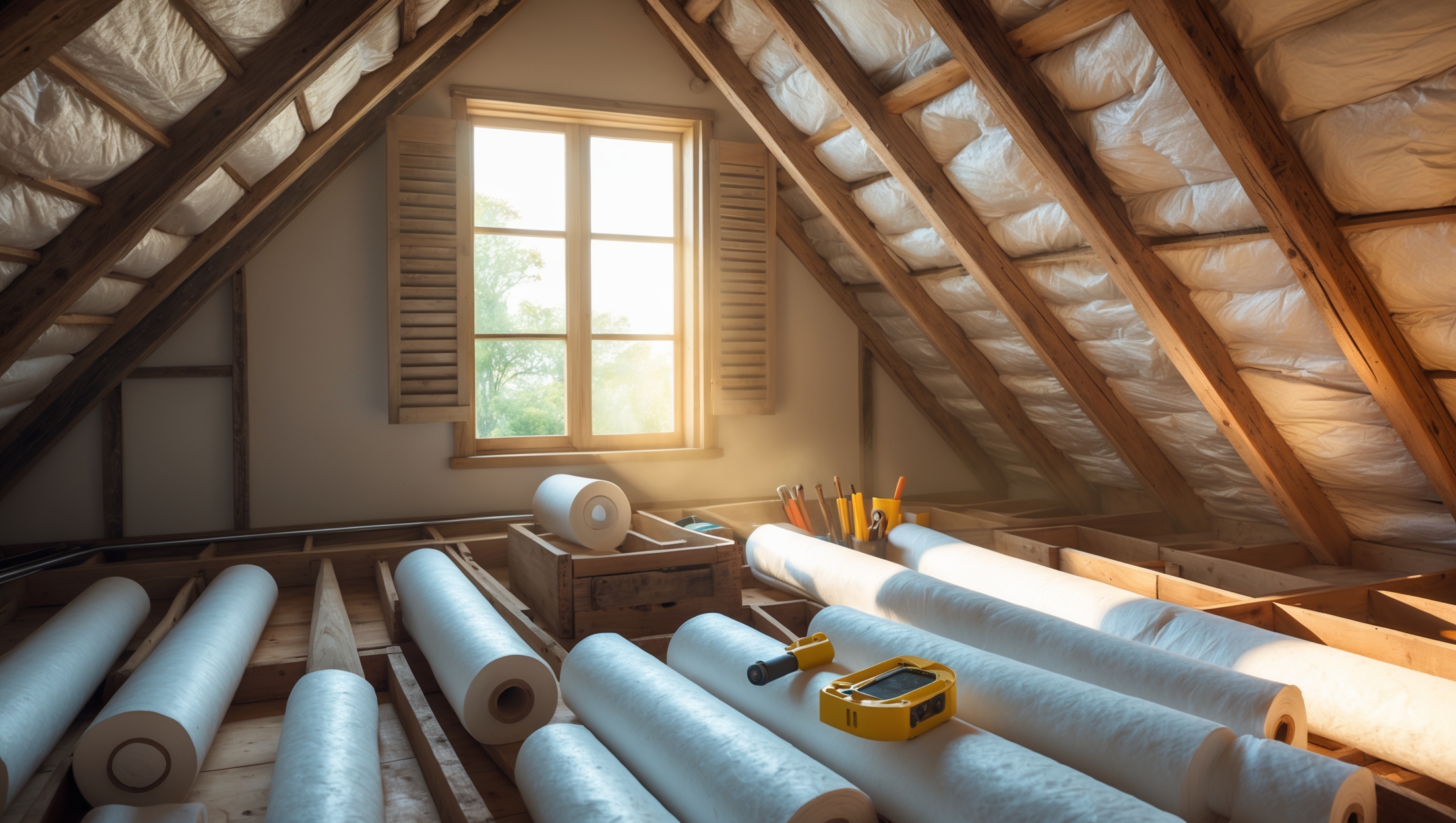
Introduction: Why Home Insulation Myths Matter
When it comes to home improvement, insulation often gets overlooked or misunderstood. Homeowners might believe insulation is only about keeping a house warm in winter, or that all insulation materials perform the same. Others assume that insulation upgrades are always expensive or unnecessary for newer homes. These pervasive myths can lead to missed savings, uncomfortable living spaces, and even costly energy bills.
In reality, insulation is a foundational element for any energy-efficient and comfortable home. Proper insulation can dramatically reduce heating and cooling costs, improve indoor comfort, and even boost property value. But to make smart choices, homeowners need to separate fact from fiction. In this detailed guide, we’ll debunk the most common myths about home insulation, covering everything from costs and materials to installation best practices and real-world energy savings. Whether you’re considering a DIY upgrade or hiring a pro, this information will empower you to make the most effective decisions for your home and budget.
Myth #1: Insulation Is Only for Cold Climates
Many homeowners believe insulation is strictly a winter concern, meant to keep warmth inside during cold months. However, insulation is equally vital for hot climates. Effective insulation slows the transfer of heat, keeping cool air in during summer and warm air in during winter. Without it, air conditioning systems work overtime, leading to higher energy bills and premature equipment wear.
How Insulation Works Year-Round
- Winter: Reduces heat loss, lowers heating costs, and minimizes drafts.
- Summer: Slows heat gain, keeps interiors cool, and reduces AC usage.
Every climate benefits from insulation, though the recommended R-values (a measure of thermal resistance) will differ by region. Check local codes or energy department guidelines for specifics.
Myth #2: All Insulation Materials Are the Same
Not all insulation is created equal. Materials differ in their R-values, installation methods, durability, moisture resistance, and environmental impact. Choosing the wrong type for your application can reduce effectiveness and even cause problems like mold or pest infestations.
Common Insulation Types and Their Features
- Fiberglass Batts: Affordable, easy to install, widely available. Can lose efficiency if compressed or wet.
- Spray Foam: Excellent air sealing, high R-value per inch, prevents drafts. More expensive, requires professional installation.
- Cellulose: Made from recycled paper, good for attics and walls, resistant to pests and fire-retardant. Can settle over time.
- Rigid Foam Boards: High R-value, moisture resistant, ideal for exterior walls and basements.
- Mineral Wool: Fire and moisture resistant, good sound insulation, denser than fiberglass.
Select insulation based on your home’s needs, budget, and climate, not just price or popularity.
Myth #3: More Insulation Is Always Better
Many believe that if some insulation is good, more must be better. In reality, insulation follows the law of diminishing returns. After reaching a certain R-value, adding more insulation offers minimal additional savings and may not justify the cost or effort.
Finding the Right Balance
- Check recommended R-values for your zone (available from the U.S. Department of Energy or your local authority).
- Excess insulation can cause moisture problems if not paired with proper ventilation.
- Focus on sealing air leaks as well as adding insulation for maximum benefit.
Consult an expert or use online calculators to determine optimal insulation levels for your home.
Myth #4: Insulation Upgrades Are Too Expensive
The upfront cost of insulation often deters homeowners, but this perspective overlooks long-term savings. Proper insulation typically pays for itself within a few years through reduced utility bills. Additionally, various incentives, rebates, and DIY options can make insulation more affordable.
Understanding the Real Costs
- DIY Options: Fiberglass batts and loose-fill cellulose are cost-effective and suitable for handy homeowners.
- Professional Installation: Spray foam and complex retrofits are more expensive but offer superior performance.
- Rebates & Incentives: Many states and utilities offer rebates for energy-efficient upgrades. Check with local programs.
Factor in both immediate outlay and future savings when budgeting for insulation improvements.
Myth #5: Insulation Lasts Forever
Insulation is not a set-it-and-forget-it home feature. Over time, certain materials can degrade, settle, or get damaged by moisture, pests, or remodeling work. Regular inspections are essential to ensure your insulation continues to perform as intended.
Signs Your Insulation Needs Attention
- Drafts or uneven temperatures in rooms
- Unexplained increases in energy bills
- Visible moisture, mold, or pest intrusion in attics, basements, or crawl spaces
- Compressed or displaced batts following renovations
Most insulation materials will last 15–30 years, but this varies. Check periodically and address any issues promptly.
Myth #6: Newer Homes Don’t Need Additional Insulation
It’s a common misconception that modern homes are always adequately insulated. Building codes set minimum standards, but these may not reflect best practices for comfort or efficiency. Plus, builders often prioritize speed and cost over insulation quality, especially in attics and basements.
Why Upgrades Still Matter
- Building codes change; homes built even 10 years ago may fall short of current recommendations.
- Energy audits frequently reveal under-insulated areas, even in recent constructions.
- Upgrading insulation can improve comfort, reduce noise, and increase resale value.
Regardless of your home’s age, a professional energy assessment can identify opportunities for improvement.
Myth #7: Insulation Fixes All Comfort Problems
While insulation is crucial, it’s not a cure-all for drafts, hot or cold spots, or high energy bills. Air leaks, inadequate ventilation, and outdated windows often play just as big a role in home comfort and efficiency.
Holistic Solutions for Optimal Results
- Combine insulation upgrades with air sealing—especially around windows, doors, and attic hatches.
- Address ventilation to prevent moisture buildup, particularly in attics and crawl spaces.
- Consider window upgrades or treatments for additional energy savings.
Think of insulation as one piece of the comfort and efficiency puzzle.
Myth #8: DIY Insulation Is Always Easy and Safe
Some insulation projects are DIY-friendly, but others require professional expertise and equipment. Improper installation can lead to gaps, compression, or even health hazards (such as inhaled fibers or improper handling of spray foams).
When to DIY and When to Hire a Pro
- DIY: Laying batts in accessible attics, adding weatherstripping, or blowing cellulose with rental equipment.
- Professional Required: Spray foam, dense-pack cellulose, exterior wall retrofits, or projects involving electrical and plumbing penetrations.
- Always wear protective gear and follow manufacturer instructions.
When in doubt, consult a qualified insulation contractor to avoid costly mistakes.
Myth #9: Insulation Causes Mold and Moisture Problems
This myth arises from insulation installed incorrectly or in the wrong context. Insulation itself doesn’t cause mold—moisture does. However, when vapor barriers are omitted or installed incorrectly, moisture can become trapped, leading to mold growth.
Preventing Moisture Issues
- Use vapor barriers where required, based on climate and application.
- Ensure attics and crawl spaces are properly ventilated.
- Repair roof leaks, plumbing, or foundation issues before insulating.
Quality insulation, correctly installed, helps manage—not worsen—moisture levels.
Myth #10: Insulation Upgrades Don’t Add Resale Value
Some homeowners underestimate the value of insulation improvements. In truth, insulation is a key selling point, especially as buyers become more energy-conscious and utility costs rise.
Insulation as a Smart Investment
- Energy-efficient homes attract more buyers and may command higher prices.
- Documented upgrades (with receipts and before/after energy bills) can help justify asking price increases.
- Many energy efficiency improvements, including insulation, are featured in real estate listings and home energy reports.
Insulation upgrades deliver both immediate and long-term returns—financially and in daily comfort.
How to Bust Insulation Myths in Your Own Home
Ready to put these facts into action? Here’s how to assess and improve your insulation for maximum benefit:
- Schedule an Energy Audit: Professionals use tools like infrared cameras and blower doors to pinpoint insulation gaps and air leaks.
- Check Existing Insulation: Inspect attics, walls, floors, and crawl spaces for coverage, damage, or settling.
- Compare to Local R-Value Recommendations: Adjust or upgrade where your home falls short.
- Seal Air Leaks: Use caulk, weatherstripping, and spray foam around windows, doors, pipes, and other penetrations.
- Address Moisture and Ventilation: Ensure attics and crawl spaces are dry and well-ventilated before adding insulation.
- Consider Professional Help: For complex projects or spray foam, hire an experienced, licensed contractor.
Conclusion: Smarter Insulation Decisions for Every Homeowner
Believing the myths about home insulation can cost you—both in wasted money and lost comfort. With energy prices climbing and sustainability top of mind, the importance of understanding insulation facts has never been greater. As we’ve seen, insulation isn’t just for cold climates, doesn’t last forever, and isn’t a one-size-fits-all solution. The right materials, installed correctly and paired with proper air sealing and ventilation, can transform any home into a more comfortable, efficient, and valuable property.
Whether you’re living in a century-old bungalow or a modern build, it pays to look past the myths. Conduct a thorough evaluation of your home’s insulation, stay informed about the latest materials and techniques, and don’t shy away from seeking professional advice for complex upgrades. Remember that insulation is a long-term investment—one that pays dividends in lower energy bills, reduced environmental impact, and enhanced day-to-day living.
Empowered with these insights, you can confidently plan your next home improvement project, avoid common pitfalls, and create a more resilient, cost-effective, and comfortable home for years to come.
If my house was built within the last ten years, do I still need to worry about upgrading my insulation, or would it already meet the recommended R-values for my region?
If your house was built in the last ten years, it’s likely that it meets the insulation standards for your region at that time. However, codes can change, and some builders may use minimum requirements. You might benefit from checking your current insulation R-values against the latest local recommendations, especially if you notice high energy bills or uneven indoor temperatures.
If my house was built in the last 15 years, is there a way to check if the current insulation is adequate, or do newer homes sometimes still need upgrades?
Even newer homes can sometimes have insulation that doesn’t meet current standards or local climate needs. You can check adequacy by reviewing your home’s insulation levels (like attic depth or wall ratings) and comparing them to recommendations from your local building code or energy authority. An energy audit by a professional can also help identify if upgrades are needed.
You mentioned that insulation is important for both cold and hot climates. If I live somewhere with big temperature swings throughout the year, are there specific materials that work better for those conditions?
For areas with large temperature swings, materials like spray foam, cellulose, and rigid foam boards offer excellent year-round performance. These options provide both thermal resistance and air sealing, keeping your home comfortable in both hot and cold conditions. Proper installation and the right R-value for your region are also important for the best results.
If insulation is just as important in hot climates as cold ones, how do you decide what R-value or type of insulation works best for where you live?
The best R-value and insulation type depend on your local climate zone. In hot climates, focus on insulating attics and roofs with materials that resist heat flow. You can check recommended R-values for your area by referring to local building codes or energy efficiency guidelines. Generally, higher R-values are needed in colder areas, but even warm climates benefit from proper insulation.
You mentioned that insulation is just as important in hot climates as in cold ones. Could you elaborate on which types of insulation materials perform best in high heat and humidity?
In hot and humid climates, materials like spray foam, rigid foam boards, and fiberglass batts with vapor barriers tend to perform well. Spray foam is especially effective because it creates an air seal, helping prevent heat and moisture infiltration. Proper installation and ensuring good ventilation are also key for optimal performance in these conditions.
I’m curious about the part where you talk about recommended R-values that differ by region. Where can I find the most up-to-date guidelines for my specific area?
To find the most current recommended R-values for your area, check the U.S. Department of Energy’s insulation guidelines or your local building authority. These sources provide region-specific recommendations based on your climate zone and building type.
Does upgrading insulation in a newer home still provide significant energy savings, or is it mostly older houses that benefit? I’m trying to decide if it’s worth the investment for a place built less than 10 years ago.
Upgrading insulation in a newer home can still offer energy savings, but the benefits are usually smaller compared to older houses, since newer homes are often built with better insulation standards. If your home already meets current codes, the investment may only be worthwhile if you notice drafty areas or high energy bills.
I’m planning to upgrade insulation in a relatively new home. Is there usually any benefit to adding more insulation, or do modern homes come with sufficient levels already?
Most modern homes are built to meet current insulation standards, so adding more insulation often brings only minor benefits unless your area experiences extreme temperatures or the initial installation was subpar. It’s a good idea to check your home’s insulation levels and compare them to your local recommendations before deciding.
You mentioned that insulation upgrades aren’t always expensive, but how can I figure out which types of insulation offer the best energy savings without a huge upfront cost?
To find the best value, compare the R-values of different insulation types, as higher R-values mean better energy savings. Focus on affordable options like fiberglass batts or blown-in cellulose. Getting quotes from local contractors and checking government rebates can also help reduce your upfront costs.
Do you have any tips for figuring out the right R-value needed for insulation in different parts of the country? I’m not sure how to find the guidelines for my area.
To determine the right R-value for your location, check the Department of Energy’s recommended R-value map, which is based on climate zones. You can also contact your local building authority or utility company for specific insulation guidelines tailored to your area.
Do newer homes automatically meet modern insulation standards, or is it still possible that they need additional insulation despite being recently built?
Newer homes are generally built to meet current insulation standards, but it’s still possible for recently built homes to benefit from additional insulation. Local codes set minimum requirements, but higher insulation levels can improve comfort and energy efficiency. An energy audit can help assess if your home could use more insulation.
You mention checking local codes for recommended R-values. How can I find out the specific insulation R-value requirements for my region, and is there an easy way to confirm if my current insulation meets those standards?
To find your region’s recommended R-values, you can contact your local building department or check their website—many areas publish these guidelines online. To confirm your current insulation, measure its thickness and type, then compare it to the R-value charts available from reputable sources like insulation manufacturers or government energy agencies.
If my cooling bills are high in the summer, but my attic already has some insulation, would adding more actually help bring those costs down or is that a sign of another issue?
Adding more insulation to your attic can help reduce cooling bills if the current amount is below recommended levels. However, high bills can also point to issues like air leaks, poor ventilation, or inefficient cooling systems. It’s best to check your insulation depth and consider a home energy audit to identify any other hidden problems.
Is upgrading insulation something realistic to do myself on a tight budget, or are the long-term savings only significant if I hire a professional and use top-tier materials?
Upgrading insulation can be a DIY project if you choose accessible areas like attics or crawl spaces and use affordable materials, such as fiberglass batts. Even basic upgrades can lead to noticeable energy savings over time, so you don’t need to hire a professional or use premium products to benefit.
I noticed the article mentions different recommended R-values based on region. How can a homeowner figure out the most cost-effective R-value for their specific climate zone without over-insulating?
To find the most cost-effective R-value, check your region’s climate zone on the Department of Energy’s insulation recommendations. Then, compare the material and installation costs with estimated energy savings over time. Local utility companies or energy auditors can also help you balance efficiency and cost without over-insulating.
If I have a relatively new home, how can I tell if my current insulation is adequate, or if an upgrade could still improve my comfort and energy bills?
To check your home’s insulation, look for signs like uneven temperatures, drafts, or high energy bills. You can also inspect attic and wall insulation depth, or hire a professional for an energy audit. Even newer homes can sometimes benefit from upgraded insulation for better comfort and efficiency.
Are there certain insulation materials that work better in hot, humid climates versus colder regions, or is it mainly about thickness and installation methods?
Certain insulation materials do perform better in hot, humid climates compared to colder regions. For example, materials like spray foam and rigid foam board can resist moisture absorption, making them suitable for humid areas. In colder regions, fiberglass or cellulose might be more common. While thickness and installation matter everywhere, choosing the right material for your climate is just as important.
You mentioned that not all insulation materials are the same—are there particular types that are better for homes in humid or hot environments, or does it mostly come down to installation quality?
Both the type of insulation and installation quality matter, especially in humid or hot climates. Materials like spray foam, rigid foam boards, or fiberglass with vapor barriers are often recommended because they resist moisture and heat transfer better than others. Proper installation is crucial to prevent air leaks and moisture problems.
For newer homes, are there signs that the existing insulation might not be adequate even if everything looks okay from the outside?
Yes, even in newer homes, signs like uneven room temperatures, unusually high energy bills, drafts, or walls that feel cold to the touch can indicate inadequate insulation. If you notice these issues, a professional energy audit can help assess whether the current insulation meets standards.
How can I find out the specific R-value recommended for my region? Are there easy ways for homeowners to check local codes or energy department guidelines without hiring a contractor?
You can find the recommended R-value for your region by checking your local building department’s website or the U.S. Department of Energy’s guidelines, which often have regional maps or tables. Many utility companies also provide this information. No need to hire a contractor—these resources are free and straightforward to access.
The article says that R-values differ by region. Is there a simple way for homeowners to figure out the right R-value for their specific area before starting a project?
Yes, homeowners can check recommended R-values for their area by looking up guidelines from the U.S. Department of Energy or consulting their local building codes. These sources provide region-specific recommendations based on climate zones, helping you choose the right insulation for your project.
The article mentions that insulation can improve property value. Is there any data on the typical return on investment for different types of insulation materials?
While the article highlights that insulation may boost property value, it does not provide specific ROI data. However, industry estimates suggest that attic insulation often recoups about 70-80% of its cost at resale, with fiberglass and spray foam offering similar returns. Exact ROI can vary based on material, region, and home characteristics.
You mention that insulation upgrades aren’t always expensive—can you give some guidance on which types of insulation might offer the best bang for the buck for DIYers?
For DIYers, options like fiberglass batts and blown-in cellulose are usually the most cost-effective. Fiberglass batts are easy to install in accessible attics and walls, while blown-in cellulose works well for topping up attic insulation. Both offer good energy savings for the investment and don’t require specialized tools.
The article talks about recommended R-values for different regions. Is there a simple way for small business owners or homeowners to find out what R-value is right for a specific building?
Yes, the easiest way is to check the U.S. Department of Energy’s R-value recommendations by entering your zip code on their website. Local building codes and utility companies can also provide guidance based on your location and building type.
The article mentions that newer homes might not always need insulation upgrades, but how can I tell if my newer home actually has the recommended R-value for my region? Is there an easy way for a DIYer to check this?
To check your home’s R-value, locate your insulation (usually in the attic or walls), measure its thickness, and identify the type of material. Then, compare these to R-value charts available online for your region’s recommendations. Most insulation packaging or manufacturer websites also list R-values per inch, making calculations easier for DIY checks.
Could you give a ballpark idea of what a typical insulation upgrade might actually cost for an average-sized home? I keep hearing it’s expensive, but I’d like to know what kind of range to expect.
For an average-sized home, an insulation upgrade can typically cost anywhere from $2,000 to $6,000, depending on the materials used and the areas being insulated. Factors like attic size, wall accessibility, and type of insulation (fiberglass, spray foam, etc.) can affect the final price.
The article mentions that not all insulation materials are the same. Could you give some practical examples of how different materials perform in terms of long-term durability and installation difficulty?
Fiberglass insulation is fairly easy to install but can lose effectiveness if it gets wet over time. Spray foam offers great long-term durability and air sealing but requires professional installation. Cellulose is eco-friendly and effective but can settle over the years, reducing its efficiency.
Is upgrading insulation in a newer home really worth the cost if it already seems comfortable, or would the energy savings be pretty minimal?
If your newer home already feels comfortable and meets current insulation standards, the potential energy savings from upgrading insulation may be minimal. However, you might see some benefit if there are specific problem areas, but in most cases, the cost may not justify the upgrade.
If someone is on a tight budget and considering a DIY insulation upgrade, are there specific materials or areas of the house they should prioritize to get the biggest energy savings?
For the best energy savings on a budget, focus first on sealing and insulating the attic and any accessible crawl spaces. Use materials like fiberglass batts or rolls, which are DIY-friendly and cost-effective. Also, seal gaps around windows, doors, and outlets to prevent drafts and heat loss.
If my house was built about 10 years ago, how can I tell if the current insulation is still effective or if I should consider an upgrade?
To check if your home’s insulation is still effective, look out for uneven temperatures, drafts, or higher-than-normal energy bills. You can also inspect attic and wall insulation for signs of moisture, compression, or gaps. If you’re unsure, a professional energy audit can help assess whether an upgrade is needed.
I always thought adding insulation would be a huge upfront cost. Are there any affordable DIY approaches for someone just starting out, and do they really make a noticeable difference on energy bills?
There are definitely budget-friendly DIY insulation options, like adding weatherstripping to doors and windows or installing fiberglass batts in accessible attics. These small projects are affordable, beginner-friendly, and can noticeably reduce drafts and energy bills, especially in older homes. Even modest improvements can add up to real savings over time.
You mention checking local codes for R-values, but how can I actually tell what level of insulation is currently in my walls or attic? Is there an easy way for a beginner to figure that out?
To check your insulation level, look in your attic—measure the depth of insulation with a ruler and compare it to recommended R-values for your area. For walls, you can try removing an outlet cover to peek inside with a flashlight, but be careful. If you’re unsure, a professional energy audit can give you a precise assessment.
If I live in a mild climate where neither heating nor cooling is used heavily, is it still worth upgrading my insulation, or would the energy savings be minimal?
In a mild climate where you rarely use heating or cooling, upgrading insulation may offer only modest energy savings. However, it can still help with comfort, noise reduction, and moisture control. If cost-effectiveness is your main concern, you might prioritize other home improvements instead.
Could you clarify how homeowners should determine the recommended R-value for their region if local building codes are unclear?
If local building codes are unclear, homeowners should refer to the Department of Energy’s climate zone map, which suggests recommended R-values based on geographic region. Alternatively, consult with a certified insulation contractor or local utility company for region-specific insulation guidance.
You mentioned that not all insulation materials perform the same. Could you clarify which types work best for reducing air conditioning costs in hot climates, and if they’re typically more expensive than standard options?
In hot climates, spray foam and rigid foam board insulations are especially effective because they block heat transfer and seal air leaks well. These materials usually cost more than standard fiberglass batts but can deliver better energy savings and comfort over time.
I noticed the article mentions checking local codes for recommended R-values. How do I find out what the required R-value is for my region, especially if my home was built decades ago?
You can find the recommended R-value for your region by contacting your local building department or checking your state’s energy code website. Even if your home is older, these sources will tell you the current standards, which can help guide any insulation upgrades.
When comparing insulation materials, are there any you’d recommend specifically for minimizing AC costs in hot, humid climates like the Southeast?
For hot, humid climates like the Southeast, spray foam and rigid foam board insulation are excellent choices. They provide high resistance to heat flow and help control moisture, which can greatly reduce your AC costs. Reflective or radiant barrier insulation in attics is also effective at keeping heat out.
If insulation upgrades aren’t as expensive as people think, what’s a realistic budget range for a DIY project versus hiring a professional?
For a DIY insulation upgrade, you can usually expect to spend between $500 and $1,500 depending on the area and materials. Hiring a professional typically ranges from $2,000 to $4,000 or more. Costs vary based on home size, insulation type, and regional labor rates.
If not all insulation materials perform the same, what are the main factors homeowners should weigh when comparing options for a DIY project versus professional installation?
Homeowners should consider the insulation material’s R-value, installation difficulty, health and safety risks, and long-term maintenance. DIY-friendly materials like fiberglass batts are easier to handle, while spray foam or blown-in insulation often need professional equipment and expertise for proper coverage and safety.
The article mentions different insulation materials—what are the main differences I should consider when choosing between them, especially if I’m on a tight budget?
When budgeting, focus on fiberglass and cellulose—both are relatively affordable and effective. Fiberglass is easy to install and widely available, while cellulose is made from recycled materials and good for eco-conscious choices. Spray foam offers higher efficiency but costs more upfront. Consider your climate, installation area, and whether DIY installation is an option to help decide.
Is there a way to estimate how much proper insulation might lower my energy bills in a hot climate, or does it really depend on the type of insulation material I choose?
You can estimate potential energy bill savings by considering your local climate, current insulation levels, and the R-value of the new material. In hot climates, proper insulation often reduces cooling costs by 10-20%. The savings do vary depending on the insulation type, but climate and installation quality are just as important.
I’m interested in upgrading my insulation but worried about high upfront costs. Does the article offer any guidance on choosing cost-effective materials or ways homeowners can save money during installation?
The article does address cost concerns by highlighting insulation materials that balance affordability and performance, like fiberglass and cellulose. It also suggests ways to save money, such as installing insulation in targeted areas first, doing some prep work yourself, or checking for available rebates to offset upfront expenses.
If a newer home already meets local building codes for insulation, are there additional upgrades or best practices that could still make a noticeable difference in comfort or energy bills?
Even if your home meets current codes, you might see benefits from sealing air leaks around windows, doors, and attic access. Upgrading to higher R-value insulation, insulating ducts or pipes, and adding radiant barriers in the attic can also improve comfort and lower energy bills.
If a newer home already meets local insulation codes, are there still benefits to upgrading the insulation, or would those improvements be mostly negligible in terms of comfort and savings?
Even if your newer home meets local insulation codes, upgrading insulation can still offer benefits. Building codes set minimum standards, but higher insulation levels can improve comfort, reduce drafts, and lower energy bills, especially in extreme climates. The impact depends on your local weather and how much you upgrade, but many homeowners do notice additional savings and comfort.
I always thought all insulation materials worked about the same, but it sounds like there are big differences. What factors should a homeowner consider when choosing between different insulation types for an attic versus walls or floors?
When choosing insulation, consider R-value (how well it resists heat flow), moisture resistance, fire safety, ease of installation, and cost. Attics may benefit from loose-fill or batt insulation, while walls often need materials that fit tightly with less air leakage. Floors may require insulation that handles moisture well.
You mention that insulation isn’t just for cold climates and that R-values vary by region. How can homeowners determine the ideal R-value for their specific area, especially if local codes seem outdated or unclear?
Homeowners can check the Department of Energy’s R-value recommendations, which are based on climate zones across the country. If local codes are unclear, it’s wise to follow these guidelines or consult with a reputable insulation contractor familiar with your region’s requirements.
If insulation upgrades aren’t always expensive, what are some affordable options or DIY tips for people on a tight budget who still want to make their homes more energy efficient?
Affordable insulation options include adding weatherstripping around doors and windows, sealing gaps with caulk or spray foam, and using thermal curtains. DIY kits for attic or pipe insulation are also budget-friendly. Even small upgrades like adding draft stoppers can make a noticeable difference in energy efficiency without breaking the bank.
If not all insulation materials perform the same, how should a homeowner decide between options like fiberglass, cellulose, or spray foam for an older house?
When choosing insulation for an older house, consider factors like R-value (thermal resistance), moisture resistance, installation challenges, and budget. Fiberglass is affordable and widely used, cellulose is eco-friendly and good for irregular spaces, while spray foam offers high insulation but is pricier. Assess your home’s needs and consult a professional for the best fit.
What are some cost-effective insulation options for homeowners on a tight budget who still want to see a noticeable drop in energy bills?
For homeowners on a budget, fiberglass batts and blown-in cellulose are popular, affordable insulation options that deliver good energy savings. Weatherstripping and caulking gaps around doors and windows are also low-cost ways to boost efficiency and see noticeable reductions in energy bills.
If you have a newer home, how can you tell if your current insulation actually meets optimal standards, or if an upgrade would still lower your energy bills?
To check if your newer home’s insulation is optimal, review your home’s R-value (insulation rating) against local building codes and energy recommendations. If your energy bills seem high or certain rooms are less comfortable, a professional energy audit can pinpoint insulation gaps and help determine if an upgrade would save money.
If my house is less than ten years old, how do I figure out if the existing insulation meets the recommended R-values for my region?
To check if your home’s insulation meets recommended R-values, locate any builder documents or ask your builder about the materials used and their R-values. You can also inspect attic or wall insulation yourself, then compare what you find with the Department of Energy’s R-value recommendations for your region.
Could you explain how to figure out the right R-value for my region if local codes are unclear? I want to make sure I choose insulation that actually matches my climate.
To choose the right R-value for your area, check the U.S. Department of Energy’s recommended ranges based on your climate zone. You can identify your zone by your state and average winter temperatures, then match it to DOE R-value guidelines for attics, walls, and floors. If you’re still unsure, consult a local insulation contractor familiar with your region’s climate.
I have a newer home built just a few years ago. Is it still necessary to consider insulation upgrades, or are the modern building codes usually enough?
Modern building codes do set higher standards for insulation, so newer homes typically perform well. However, some builders may use the minimum required materials, and insulation can settle or be poorly installed. It can be worthwhile to check for drafts or uneven temperatures—if you notice these, an upgrade or additional insulation could still improve comfort and efficiency.
The article says some insulation myths lead to missed energy savings—can you share practical steps to figure out the potential return on investment before spending on insulation improvements?
To estimate your potential return on investment for insulation, start by checking your current energy bills, then get quotes for recommended insulation upgrades. Use online calculators or consult an energy auditor to predict savings. Compare estimated annual savings against project costs to determine how quickly you’ll recover your investment through lower utility bills.
I live in a relatively new home built in 2018, and I’ve always assumed the insulation is up to par. Are there any signs I should look for that might indicate my newer house could still benefit from an insulation upgrade?
Even in newer homes, signs like uneven temperatures between rooms, drafts, higher than expected energy bills, or rooms that are hard to heat or cool can suggest insulation issues. Inspect for cold spots on walls or ceilings and check if attic or basement areas feel much different in temperature. These may indicate areas where more insulation could help.
You mentioned different R-values for various climates. How can I figure out the ideal R-value for my area before starting a DIY insulation project?
To find the ideal R-value for your area, check your local building codes or use the Department of Energy’s insulation guidelines, which are often based on ZIP codes or climate zones. These resources will help you determine the recommended R-value for walls, attics, and floors in your specific region.
If my home was built in the last 10 years, is it still worth considering additional insulation upgrades, or would that be unnecessary?
Even if your home is less than 10 years old, it could benefit from additional insulation depending on your local climate, energy bills, and how the builder insulated it originally. Modern codes are better than before, but extra insulation might still improve comfort and savings, especially in attics or unfinished basements.
If I’m considering a DIY insulation upgrade, what should I look out for to make sure I’m choosing the right material and not just going with whatever is on sale at the hardware store?
When upgrading insulation yourself, check your climate zone and the recommended R-value for your area. Make sure the material you choose is suitable for your home’s structure, safe to handle, and meets local building codes. Comparing performance, installation difficulty, and safety requirements will help you pick the best fit rather than just what’s cheapest.
Can you explain how I would find out the recommended R-value for my specific region? Does it usually involve local codes or is there an easy resource I can check?
You can find the recommended R-value for your region by checking the Department of Energy’s R-value map, which is based on climate zones. Local building codes also specify minimum requirements, so it’s helpful to consult your city or county’s code office for precise guidelines.
For a typical single-family home in a warmer climate, what kind of upfront budget should I plan for if I want to see noticeable savings on my AC bills?
For a typical single-family home in a warmer climate, you might expect to spend between $1,500 and $4,000 upfront for quality insulation upgrades. This range covers popular materials like fiberglass or spray foam, and it should be enough to noticeably reduce your AC bills.
You say proper insulation can boost property value. Is there an average percentage increase that homeowners might expect after upgrading their insulation, or does it mostly impact energy savings?
Upgrading insulation mainly benefits energy savings and comfort, but it can also make a home more appealing to buyers. There isn’t a universal percentage increase in property value, as it varies by location and market conditions. However, well-insulated homes often sell faster and may command higher prices compared to similar, less efficient properties.
You mentioned that the recommended R-values for insulation differ by region. How can a homeowner find out the exact R-value needed for their specific climate zone or location?
Homeowners can find the recommended R-value for their area by checking the Department of Energy’s climate zone map or contacting their local building authority. Many insulation manufacturers also provide guidance based on postal code, ensuring you choose the right level for your region.
Could you explain more about how the recommended R-values differ for various regions? I’m in the South and not sure what the right amount of insulation would be for our climate.
R-values indicate insulation’s resistance to heat flow, and warmer regions like the South usually need lower R-values compared to colder northern areas. For the southern U.S., attic insulation is often recommended at R-30 to R-38, while exterior walls typically need R-13 to R-15. These guidelines help balance comfort and energy savings in your climate.
Can you explain more about how to find the right R-value for my region? The article mentions checking local codes, but I’m not sure where to start.
To find the right R-value, check your local building codes by contacting your city or county building department, which often has this information online or available by phone. You can also ask local insulation contractors, as they are familiar with the recommended R-values for your area and climate zone.
If insulation upgrades aren’t always expensive, what are some cost-effective options for homeowners on a tight budget who still want to see an improvement in comfort and energy bills?
Homeowners on a budget can focus on adding insulation to attics, sealing gaps around doors and windows, or using weatherstripping and spray foam in problem areas. These targeted improvements are affordable and can make a noticeable difference in comfort and energy efficiency without requiring a full-house insulation overhaul.
Can you clarify if it’s possible to add new insulation over old insulation, or does the existing material need to be removed first before doing a DIY upgrade?
You can usually add new insulation over old insulation as long as the existing material is dry, not moldy, and still in good condition. If the old insulation is wet, damaged, or infested, it’s better to remove it first to avoid trapping moisture and causing further issues.
You mention different insulation materials perform differently. Are there certain types that work better for keeping homes cool in very hot climates, or does it make sense to mix materials for better results?
In very hot climates, materials like spray foam and rigid foam boards often perform well because they create strong air barriers and resist heat transfer. Mixing materials, such as pairing blown-in cellulose with radiant barriers, can enhance overall effectiveness and address specific needs like attic heat or wall insulation.
Could you explain how to find the recommended R-value for my specific region? I’m not sure where to look up those guidelines or how strict to be about them.
To find the recommended R-value for your region, check resources like the U.S. Department of Energy, which publishes R-value maps based on climate zones. Local building codes also specify minimum R-values. It’s wise to meet or exceed these guidelines for best energy efficiency and comfort in your home.
If insulation upgrades aren’t always expensive, could you clarify which types of insulation materials offer the best balance between up-front cost and long-term energy savings for an average home?
Fiberglass batts and blown-in cellulose are popular choices for balancing initial cost and energy savings. They’re affordable to install and provide effective thermal performance. Spray foam costs more up front but can yield better long-term savings if your budget allows. The best option depends on your home’s needs and local climate.
You mentioned that insulation is important for both hot and cold climates. How do I figure out the right R-value for my area, and is it possible to add too much insulation?
To find the right R-value, check local building codes or the Department of Energy’s recommended values for your climate zone. While more insulation improves efficiency, too much can trap moisture or restrict airflow, so it’s best to follow those guidelines rather than overdoing it.
You mentioned that every climate has a recommended R-value. Where can I find the specific R-values for my region, and how do I know if my current insulation meets them?
You can find recommended R-values for your region by checking the U.S. Department of Energy’s insulation guidelines, which are organized by climate zone. To see if your current insulation meets these values, locate your insulation type, measure its thickness, and compare it to the recommended R-value for your zone.
You mentioned that insulation is important in both winter and summer for different reasons. How do you determine the right R-value for both seasons if you live in an area with extreme temperature swings?
When dealing with extreme temperature swings, it’s best to choose an insulation R-value that meets or slightly exceeds your local building code for both hot and cold seasons. Local codes are set for your climate zone, so they provide a balanced recommendation. For extra efficiency, consider adding more insulation than the minimum required, especially in attics and walls.
If insulation upgrades can boost property value, is it usually worth the upfront cost for homeowners planning to sell in the next few years, or would the return take too long?
For homeowners planning to sell within a few years, insulation upgrades can be worthwhile. Improved insulation can make your home more appealing to buyers by lowering energy bills and increasing comfort. Often, you may recover much of the upfront cost through a higher sale price or faster sale, especially in energy-conscious markets.
Can you explain how insulation upgrades might impact property value? I’m curious if the initial investment pays off when selling a home or business property.
Upgrading insulation can make a property more energy efficient, which often appeals to buyers and can increase property value. Lower utility bills and improved comfort are strong selling points. While the exact return varies, many sellers find that insulation upgrades help their property stand out and may recoup a good portion of the initial investment during resale.
If different climates require different R-values for insulation, how can I easily find out what’s recommended for my specific region?
To find the recommended R-value for your region, check the U.S. Department of Energy’s insulation guidelines or contact your local building authority. They provide region-specific recommendations based on your climate zone, so you can be sure you’re choosing the right insulation for your area.
When considering a DIY insulation project versus hiring a professional, what are some installation best practices or common mistakes homeowners should look out for, especially with different types of insulation materials?
When tackling DIY insulation, always wear proper safety gear, especially with fiberglass or spray foam. Ensure insulation fits snugly without gaps, but don’t compress it as that reduces effectiveness. With spray foam, avoid overfilling as it expands. Professionals are recommended for complex spaces or tricky materials like blown-in cellulose. Avoid blocking ventilation or covering electrical fixtures.
You mention local codes and recommended R-values for different regions. How do I figure out the right R-value for my area, and does it change if I use different insulation materials?
To find the right R-value for your area, check your local building department or energy authority—they typically provide recommended R-values based on climate zone. The required R-value stays the same no matter the insulation material, but different materials reach that R-value at different thicknesses.
If a house is already fairly new but still feels drafty or has uneven temperatures, what troubleshooting steps should be taken to identify if insulation is really the problem?
To identify if insulation is the issue, check for drafts around windows, doors, and attic hatches. Inspect insulation levels in the attic and exterior walls if possible. Also, consider having a professional do an energy audit or thermal imaging to pinpoint areas of heat loss before making changes.
If insulation is just as important for hot climates, do certain materials perform better in high humidity or extreme heat compared to others?
Yes, some insulation materials handle heat and humidity better than others. For hot and humid climates, closed-cell spray foam, rigid foam boards, and fiberglass batts with proper vapor barriers are commonly recommended. These resist moisture buildup and maintain effectiveness in extreme heat, helping prevent mold and energy loss.
You mention that every climate benefits from insulation but that R-values vary by region. How do I find out the recommended R-value for my area, and is it possible to over-insulate a house?
To find the recommended R-value for your area, check resources from the Department of Energy or your local building authority—they often have climate zone maps and suggestions. While it’s rare, over-insulating can trap moisture if ventilation isn’t considered, so balance insulation with proper airflow.
I am curious about how to choose the right R-value for regions with both hot summers and cold winters. Are there specific guidelines for mixed climates?
For areas with both hot summers and cold winters, it’s best to follow your local building codes, which recommend R-values based on climate zones. Generally, mixed climates benefit from moderate to high R-values; for example, attics often need R30-R49. Local energy offices or insulation manufacturers can help you pinpoint the ideal R-value for your region.
You mentioned that recommended R-values vary by region. Could you clarify how to determine the right R-value for homes in the Southeast where summers get really hot and humid?
In the Southeast, where it’s hot and humid, the recommended R-value for attic insulation is usually between R-30 and R-60, with R-38 being common for most homes. For walls, R-13 to R-15 is typical. Local building codes and energy efficiency guidelines can give you the most accurate recommendation for your specific area.
For newer homes, how can I tell if the existing insulation is up to modern standards or if an upgrade would actually lead to noticeable energy savings?
To check if your newer home’s insulation meets modern standards, review the R-value ratings in your attic and walls, comparing them to local building codes or ENERGY STAR recommendations. An energy audit by a professional can also reveal if upgrades would significantly improve comfort and reduce your energy bills.
If I have a newer home, is upgrading insulation really worth it, or do most new constructions already meet the recommended standards?
Most newer homes are built to meet current insulation standards, so major upgrades often aren’t necessary unless you notice issues like drafts or high energy bills. However, checking your home’s actual insulation levels against recommendations can give you peace of mind and help spot any areas where small improvements could boost comfort and efficiency.
When considering DIY insulation upgrades versus hiring a professional, how can I estimate if the upfront costs will actually lead to noticeable long-term savings on my energy bills?
Start by comparing the cost of materials and tools for DIY versus professional installation quotes. Then, estimate potential energy savings using an online calculator based on your home’s size and insulation type. Finally, divide the total upfront cost by your expected annual savings to see how quickly you’ll recoup your investment.
When you mention that not all insulation materials are the same, are there certain types that offer better cost savings over time, especially for someone living in a mixed climate region?
Yes, some insulation types offer better long-term savings, especially in mixed climates. Spray foam and rigid foam boards provide high energy efficiency but can be pricier upfront. Fiberglass and cellulose are more affordable and still effective if installed properly. Considering both installation cost and R-value per dollar helps determine the best option for your climate.
Could you explain a bit more about how R-value recommendations differ depending on climate or region? I’m trying to figure out what’s appropriate for a house in a mixed climate zone.
R-value recommendations vary because different climates need different levels of insulation. In a mixed climate zone, you’ll want insulation that’s effective for both heating and cooling. Typically, the Department of Energy suggests attic R-values of R-38 to R-60 and wall R-values of R-13 to R-21 for mixed climates. Exact recommendations can depend on your specific local temperatures and humidity.
Could you elaborate on how recommended R-values differ by region, and how a homeowner can determine the right R-value for their specific climate or state?
Recommended R-values vary depending on your region’s climate—colder areas need higher R-values for better insulation. The Department of Energy provides maps and guidelines based on zones. To find the ideal R-value for your home, check your state’s climate zone and local building codes, or consult a professional for recommendations tailored to your area.
Is there a big difference in energy savings between upgrading insulation in an older home versus a newer one, or is it not really worth it for homes built in the last 10 years?
Upgrading insulation tends to have a bigger impact on energy savings in older homes, which often have less efficient insulation. Homes built in the last 10 years usually meet modern standards, so the energy savings from upgrades may be smaller, though improvements can still help in some cases.
If newer homes are sometimes thought to not need more insulation, how can I tell if my home, built in 2015, actually needs an upgrade?
To check if your 2015 home needs more insulation, review your energy bills for unusual spikes, notice any drafts or uneven temperatures, and check the attic and walls for insulation thickness. An energy audit by a professional can also give you a clear assessment.
If certain insulation materials perform differently, how should I decide which type is best for my house, especially considering both summer and winter energy use?
To choose the best insulation, consider your local climate, your home’s structure, and your budget. Materials like spray foam and rigid foam offer high performance for both summer cooling and winter heating. Fiberglass and cellulose are more affordable and effective, but may be less efficient in extreme climates. Consulting a professional for an energy assessment can help pinpoint the best option for your needs.
I have a newer home built within the last five years in the Midwest. Do I still need to add more insulation, or is what was installed during construction usually enough for energy efficiency?
Most newer homes in the Midwest are built to meet current energy codes, so they usually have adequate insulation for energy efficiency. However, it’s a good idea to check your home’s insulation levels and compare them to local recommendations, as builder standards can vary. A professional energy audit can provide a clear answer for your specific situation.
You mentioned different insulation materials not all performing the same. Could you explain which types work best for both hot and cold climates, especially in areas with big temperature swings?
For areas with big temperature swings, spray foam and rigid foam board insulation are highly effective because they provide excellent resistance to heat flow and minimize air leaks. Fiberglass and cellulose can also work well if installed properly, but foam options generally offer better performance in both hot and cold climates.
You mention that insulation is important even in newer homes. How can a homeowner tell if their newer house actually needs more insulation, and what signs should we look for?
Even in newer homes, you might need more insulation if you notice rooms that are hard to keep warm or cool, unusually high energy bills, or drafty areas. Check your attic and walls—if insulation looks thin or you can see joists, adding more could help. An energy audit can also provide a thorough assessment.
You mentioned that the recommended R-values vary depending on the region and climate. How do I find out what R-value is ideal for my specific area in the US before buying insulation?
To find the right R-value for your area, check the U.S. Department of Energy’s insulation guidelines or contact your local building authority. They’ll provide recommended R-values based on your climate zone, which ensures you get the best performance for your region.
If insulation can help with both heating and cooling costs, are there certain types of insulation materials that work better in hot climates versus cold ones?
Yes, different insulation materials perform better depending on the climate. In hot climates, materials like reflective insulation and spray foam can help block heat from entering your home. In colder areas, fiberglass batts, blown-in cellulose, or rigid foam boards are often more effective at retaining heat indoors.
If insulation upgrades aren’t always expensive, what are some budget-friendly options for someone with a newer home that might not need a complete overhaul?
For newer homes, you can boost insulation without major expense by sealing air leaks around windows and doors, adding weatherstripping, or updating attic insulation in key spots. Foam sealants and draft stoppers are inexpensive ways to improve comfort and efficiency without a full insulation replacement.
Can you explain how to determine the right R-value for my area, and is it always better to go higher than local code recommends?
To find the right R-value, check recommendations from your local building code or the Department of Energy based on your climate zone. Higher R-values improve insulation, but going above code may not always justify the extra cost—balance energy savings with your budget and climate needs.
The article mentions that recommended R-values differ by region. Is there a resource or quick method homeowners can use to determine the right R-value for their specific climate zone?
Homeowners can often find the recommended R-values for their area on the Department of Energy’s website or by checking local building codes. Local utility companies and insulation manufacturers also provide region-specific R-value charts to help you choose the right insulation for your climate zone.
You mentioned newer homes might not always have enough insulation—how can I tell if my house needs an upgrade, even if it isn’t that old?
To check if your home needs more insulation, look for signs like uneven temperatures between rooms, drafts, or high energy bills. You can also measure insulation in your attic or walls and compare it to current recommended R-values for your area. A professional energy audit can give you a clear answer, too.
I see you mention insulation is important in both hot and cold climates. Are there certain insulation materials that perform better in humid or very warm regions compared to colder areas?
Yes, some insulation materials handle humidity and heat better than others. In warm, humid climates, closed-cell spray foam and rigid foam boards resist moisture and maintain effectiveness. In colder areas, fiberglass and cellulose work well, but they can lose performance when wet. Always consider both temperature and moisture when choosing insulation.
If I have a newer home, how can I tell if upgrading the insulation would actually lead to noticeable energy savings, or if it’s not really necessary?
For a newer home, check your current insulation levels against local building codes or recommended standards. An energy audit, performed by a professional, can assess how well your home retains heat or cool air and pinpoint if upgrading insulation would provide worthwhile savings.
If newer homes can still benefit from insulation upgrades, how can someone tell if their current insulation is actually underperforming or outdated?
You can check for uneven temperatures between rooms, drafts, high energy bills, or if insulation looks compressed, damp, or thin in the attic or walls. A professional energy audit can also help identify underperforming or outdated insulation in your home.
If I have a relatively new home, how can I tell whether my current insulation is actually delivering the energy savings promised or if an upgrade would still make sense financially?
To check if your insulation is performing well, compare your energy bills with similar homes and look for drafts or uneven temperatures. An energy audit by a professional can pinpoint inefficiencies. If your bills are high or rooms are uncomfortable, upgrading insulation could be financially worthwhile.
You mention that recommended R-values differ by region. Can you explain how a homeowner can find the right R-value for their specific area, and does it change if the house is older or newer?
To find the right R-value for your area, check the U.S. Department of Energy’s climate zone maps or local building codes, which give recommended R-values by region. Older homes may need higher R-values if they have less efficient insulation, while new homes often follow updated standards.
I’ve always assumed insulation upgrades would be really expensive. Are there budget-friendly insulation options that still deliver meaningful energy savings for an older home?
There are definitely budget-friendly insulation options for older homes, such as blown-in cellulose or fiberglass batts, which are generally less expensive than spray foam. Even these affordable choices can noticeably reduce drafts and lower energy bills when installed properly, especially in attics and walls.
We live in a fairly new home, so I’m curious whether it’s really necessary to upgrade our insulation as the article suggests, or if newer homes generally already meet the recommended standards for R-values?
Most newer homes are built to meet current insulation standards and required R-values. Unless you notice issues like drafts, uneven temperatures, or high energy bills, your existing insulation is likely sufficient. You can always check your home’s insulation specs against local building codes for extra peace of mind.
If I live in a newer home, is it really necessary to upgrade the insulation, or do newer builds typically already meet the best efficiency standards?
Newer homes usually meet updated insulation standards, so major upgrades are often unnecessary. However, it’s wise to check your attic, walls, and windows for any gaps or areas where insulation could be improved, especially if you notice drafts or higher energy bills.
I’m interested in upgrading my insulation but worry about the upfront costs. Are there any typical savings I should expect on energy bills, and how long does it usually take to recoup that investment?
Upgrading insulation often leads to energy bill savings of 10–50%, depending on your home’s current condition and climate. Most homeowners recoup their investment within 3 to 7 years through reduced heating and cooling costs. The exact payback period will depend on factors like the size of your home and local energy prices.
If insulation is just as important in hot climates, are there certain materials or installation methods that work better for keeping homes cool in the summer?
In hot climates, reflective insulation materials like radiant barriers or light-colored foam boards can help keep homes cooler by reflecting heat away. Proper installation is key—make sure insulation is continuous, with minimal gaps, and consider adding attic ventilation to further reduce heat buildup.
About insulation costs, are there any affordable DIY options that still deliver real improvements, or do you typically need to invest in professional installation to see significant energy savings?
There are affordable DIY insulation options, like installing fiberglass batts or adding weatherstripping, that can noticeably improve energy efficiency in certain areas. However, for larger projects or hard-to-reach spaces like attics, professional installation usually delivers greater savings and ensures the insulation performs as intended.
You mentioned that not all insulation materials perform the same. What are the key differences homeowners should watch out for when choosing between common types like fiberglass and spray foam?
Fiberglass insulation is generally less expensive and easier to install, but it can leave gaps if not properly fitted. Spray foam creates an airtight seal, offering better energy efficiency and moisture resistance, but usually costs more and requires professional installation. Consider your budget, existing wall structure, and climate when making your choice.
You mentioned not all insulation materials perform the same. How do I decide between fiberglass, foam, or cellulose for a DIY install in an older home?
For a DIY install in an older home, consider ease of handling and existing wall structure. Fiberglass batts are easy to install and widely available. Cellulose (blown-in) is good for filling irregular spaces but may require rental equipment. Foam offers excellent air sealing but is usually more complex to apply and costly. Weigh safety, coverage, and your skill level when choosing.
You mention that recommended R-values are different by region. How can I find out what the right R-value is for my area, and does it matter if I plan to stay in my home short-term versus long-term?
To find the recommended R-value for your area, check the guidelines from the U.S. Department of Energy or contact your local building authority. The right R-value depends on your climate zone. If you plan to stay short-term, a lower R-value may be sufficient, but higher R-values are best for long-term savings and comfort.
If insulation upgrades aren’t always expensive like the article says, are there certain types of materials or installation methods that are more budget-friendly for small business properties?
Yes, some insulation materials like fiberglass batts and blown-in cellulose can be quite budget-friendly for small business properties. DIY installation is also possible with these options, helping save on labor costs. Focus on key areas like attics and walls to maximize savings while keeping expenses lower.
I have a newer home and always assumed it was insulated well enough already. Are there signs I should look for to see if an insulation upgrade could still be worth it?
Even newer homes can sometimes have insulation gaps or inefficiencies. Watch for uneven temperatures between rooms, drafts, higher-than-expected energy bills, or ice dams in winter. If you notice any of these signs, it could be worth having a professional evaluate your home’s insulation for possible upgrades.
You mentioned checking local codes or energy department guidelines for recommended R-values. Can you give examples of how different those values might be between, say, Florida and Minnesota?
Recommended R-values vary a lot depending on climate. For example, in Florida’s mild climate, attic insulation might only need an R-value of R-30. In Minnesota’s colder climate, R-49 or higher is recommended for attics to help retain heat during long winters.
If I have a newer home that was built in the past five years, do I really need to worry about upgrading my insulation, or are recent building codes usually enough?
If your home was built in the past five years, it likely meets or exceeds recent building code standards for insulation. In most cases, you shouldn’t need to upgrade unless you notice comfort issues or unusually high energy bills.
If insulation upgrades can really boost property value, do you have any tips for homeowners on how to document or showcase those improvements when selling?
Absolutely—keep all receipts, certificates, and warranty documents from your insulation upgrades. Take before-and-after photos of the work, and note any improvements in energy bills. When selling, provide this paperwork and highlight the upgrades in your property listing and during showings to demonstrate added value to buyers.
The article talks about different insulation materials not being equal, but how do I compare which type is most cost-effective for both summer and winter energy savings?
To compare insulation materials for cost-effectiveness year-round, look at their R-value (higher means better insulation), installation cost, and durability. Consider your climate—some materials perform better in hot or cold weather. Calculate potential energy savings for each option over time to see which offers the best return on investment for both summer and winter.
I understand insulation helps in both hot and cold climates. Are there particular insulation materials or installation methods that work better for homes in regions with frequent temperature swings throughout the year?
For regions with wide temperature swings, materials like spray foam, cellulose, or mineral wool provide good year-round performance because they offer both thermal resistance and air sealing. Installing continuous insulation and ensuring proper sealing around windows and doors can also help maintain comfort in changing climates.
I live in the South where summers get brutally hot, but our winters are pretty mild. Is it still worth investing in higher R-value insulation, or should I focus on other energy upgrades first?
In hot southern climates, good insulation still helps keep your home cooler and reduces air conditioning costs, but extremely high R-values may have diminishing returns. You might see better initial results by sealing air leaks, improving attic ventilation, or upgrading to energy-efficient windows and HVAC systems before investing in the highest R-value insulation.
For someone living in a newer home, what signs might indicate that the existing insulation isn’t performing as well as it should, even if the house meets current building codes?
Even in a newer home, signs of underperforming insulation can include uneven room temperatures, drafts, unusually high heating or cooling bills, and walls or ceilings that feel cold or damp to the touch. Persistent ice dams or condensation on windows can also be clues that your insulation isn’t working as intended.
I’ve heard insulation projects can get expensive quickly. Are there any ways to prioritize upgrades for the best savings without breaking the bank upfront?
Absolutely, you can maximize savings by first insulating attics or roofs, since they account for the most heat loss. Next, focus on sealing air leaks around doors and windows. You can tackle these areas in stages to spread out costs and still see significant energy savings.
I have a fairly new house, but my heating and cooling bills are still higher than I expected. Does the age of a home really matter less than the quality or type of insulation?
Yes, the quality and type of insulation can be more important than your home’s age. Even newer houses may have insufficient or poorly installed insulation, which affects energy efficiency. It’s a good idea to check your insulation’s effectiveness, as upgrading or improving it can help lower your bills.
Can you explain how to determine the right R-value for insulation in different parts of the house, especially if I live in a region that gets both very hot summers and cold winters?
To choose the right R-value, check your climate zone—energy codes often recommend higher R-values for regions with temperature extremes. For example, attics typically need higher R-values than walls or floors. Local building codes or an energy auditor can provide the best specific guidance for your region and each part of your home.
Is it possible to insulate just specific rooms in my house to start seeing energy savings, or does it really need to be a whole-home upgrade for it to make a difference?
You can definitely start by insulating specific rooms, especially those you use most or that feel drafty. Targeting areas like attics, basements, or rooms with exterior walls can still improve comfort and energy savings, even if you don’t insulate the whole house at once.
If my home was built in the past five years, how can I tell if the insulation meets current R-value recommendations, or should I still consider upgrading?
Homes built in the past five years usually follow current insulation codes, but it’s still a good idea to check. You can review your home’s construction documents for R-values, or ask your builder. If in doubt, a professional energy audit will assess if your insulation meets or exceeds today’s recommendations.
If all insulation materials aren’t the same, how do I decide between them when I’m on a tight budget? Is there a type that’s affordable but still works well for both summer and winter?
When budget is tight, fiberglass batts or rolls are usually the most affordable and versatile option. They provide good insulation year-round and are easy to install. Just make sure they’re installed properly, as gaps can reduce effectiveness. Compare R-values and check for local deals to get the best value.
Can you clarify how R-values should be adjusted for different regions? I’m in the South and not sure what level of insulation is most effective for hot climates.
R-values indicate insulation’s resistance to heat flow, and in hotter southern climates, you usually need lower R-values than in colder regions. For attics, R-30 to R-49 is recommended in the South, while exterior walls often need R-13 to R-15. Focus on proper attic and wall insulation to keep cool air in and reduce energy use.
If a new home was built to code a few years ago, how can a homeowner tell if upgrading insulation would still yield noticeable energy savings or improved comfort?
Even in newer homes built to code, insulation levels might not be optimal for your climate or comfort preferences. To assess if upgrades would help, consider an energy audit. Signs like uneven temperatures, high energy bills, or drafty rooms also suggest potential benefits from improving insulation.
If I have a newer home, is it really necessary to upgrade insulation, or is modern construction usually good enough? How can I tell if I actually need more insulation?
Modern homes are typically built with better insulation standards, so you may not need an upgrade. However, signs like uneven temperatures, high energy bills, or drafts can indicate insufficient insulation. You can also have a professional energy audit done to assess your home’s insulation levels and identify any problem areas.
If I have a relatively new home, is it really worth upgrading the insulation, or are improvements mostly for older houses? The article mentioned newer homes but didn’t go into much detail.
Even with a newer home, upgrading insulation can be worthwhile if your current insulation isn’t meeting recommended standards or if you notice uneven temperatures or high energy bills. While newer homes often have better insulation than older ones, there can still be room for improvement, especially in attics or basements.
I’m worried about the upfront costs of better insulation. Are there any programs or incentives that can help offset the expense for homeowners looking to upgrade?
Many local governments and utility companies offer rebates or incentives for upgrading home insulation. You might also qualify for federal tax credits depending on your location and the type of insulation you choose. It’s worth checking with your city or state energy office and your energy provider to see what’s available in your area.
I’m wondering how often insulation should be checked or updated, especially if my home is only a few years old. The article mentions newer homes, but is there a rule of thumb for when insulation starts to lose effectiveness?
For newer homes, insulation typically remains effective for many years—often 15 to 20 or more. However, it’s wise to check insulation every 5 to 10 years for settling, moisture, or damage, especially after any roof or wall repairs. Look for drafts or temperature changes as possible signs of issues.
If my house is already fairly new, how can I tell if the insulation is actually up to energy-efficient standards or if an upgrade is worth it?
To check if your home’s insulation meets energy-efficient standards, look for the R-value on insulation labels in your attic, walls, or crawl spaces. Compare these values to recommendations for your region. Drafts, uneven room temperatures, or high energy bills can also signal insufficient insulation. An energy audit by a professional can give you a clear assessment and help decide if an upgrade is worthwhile.
Does the article explain how to figure out the right R-value for insulation if I live somewhere with hot summers and mild winters? I’m not sure what exactly to look for in the local codes.
The article mentions that R-value requirements depend on your local climate but doesn’t provide specific numbers or details for hot summers and mild winters. It suggests checking local building codes or energy guidelines, but you may want to contact your local building department for exact recommendations.
If insulation upgrades aren’t always expensive as the article suggests, what are some affordable material options for someone on a tight budget who still wants to see real energy savings?
If you’re on a budget, consider options like fiberglass batts, blown-in cellulose, or even DIY foam board insulation for areas like attics or crawl spaces. These materials are generally affordable and still deliver noticeable improvements in energy efficiency when properly installed.
If not all insulation materials are the same, how do I know which type is actually best for a house in a hot, humid area? Are there trade-offs in cost or effectiveness?
For hot, humid areas, look for insulation materials like spray foam or rigid foam boards, as they resist moisture and help control heat. Fiberglass can also work but needs proper vapor barriers. Trade-offs include cost—spray foam is pricier but more effective at sealing air leaks. Consider local climate, budget, and installation needs when choosing.
For those considering DIY insulation upgrades, what are some common mistakes to avoid, especially when selecting or installing the material?
When doing DIY insulation, people often choose the wrong R-value for their climate, leave gaps or compress the material, or block ventilation. It’s also important to avoid covering moisture sources and always wear proper protection, as some materials can irritate skin and lungs.