

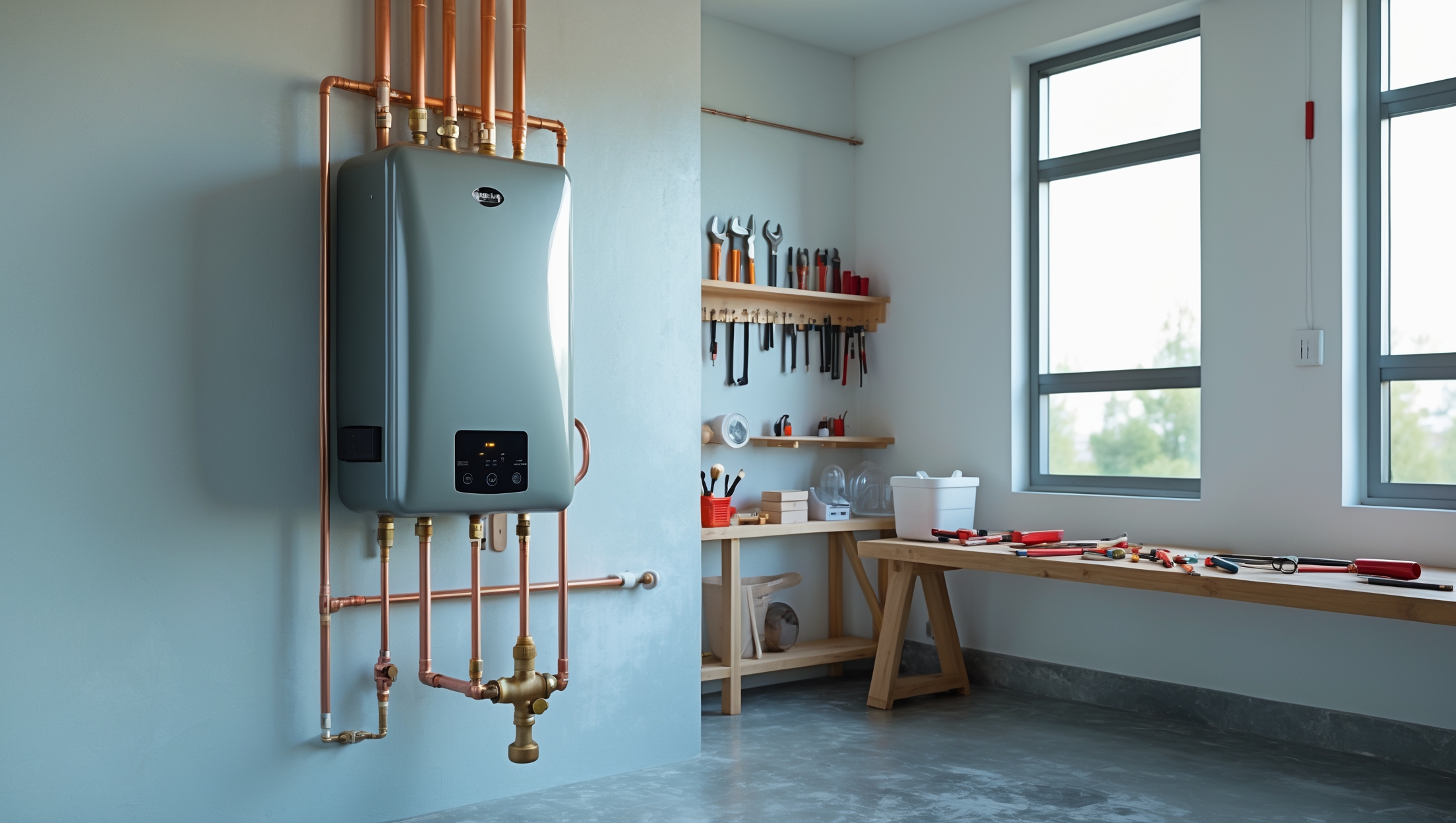
Introduction: Why Choose a Tankless Water Heater?
Homeowners seeking greater energy efficiency, lower utility bills, and endless hot water often turn to tankless water heaters as a smart upgrade. Unlike traditional tank-style heaters that continuously heat and reheat a reserve of water, tankless models heat water on demand, slashing standby energy losses and freeing up valuable space. However, installing a tankless water heater is not a plug-and-play task—success demands careful planning, the right tools, and a clear understanding of safety, compliance, and maintenance. Whether you’re replacing an aging tank or building a greener home from scratch, this step-by-step tutorial will walk you through every phase of installing a tankless water heater. By the end, you’ll know how to select the right unit, prepare your installation site, connect plumbing and gas or electric lines, and ensure your new system delivers maximum efficiency and reliability for years to come.
Section 1: Understanding Tankless Water Heater Options
Types of Tankless Water Heaters
- Gas-Fired: Use natural gas or propane; typically deliver higher flow rates and are ideal for whole-home applications.
- Electric: Easier installation, no venting required, but may have lower flow rates—best for point-of-use or smaller households.
Evaluate your home’s current energy source, hot water demand, and available space before deciding which unit is best.
Sizing Your Unit
- Flow Rate (GPM): Calculate the total gallons per minute needed during peak usage (e.g., running showers, dishwashers, and sinks simultaneously).
- Temperature Rise: Determine the difference between incoming cold water temperature and desired hot water output.
Use manufacturer sizing charts or online calculators for accuracy. Undersized units result in lukewarm water and user frustration.
Section 2: Tools, Materials, and Site Preparation
Tools & Equipment Checklist
- Adjustable wrenches and pipe wrenches
- Drill with masonry and wood bits
- Level and measuring tape
- Pipe cutter (copper, PEX, or PVC as required)
- Phillips and flathead screwdrivers
- Teflon tape, pipe dope, and plumber’s tape
- Voltage tester (for electric units)
- Gas leak detector (for gas units)
- Bucket and towels (for draining and cleanup)
- Personal protective equipment: gloves, eye protection, and dust mask
Materials
- Tankless water heater (selected for your home’s needs)
- Mounting hardware (brackets, anchors)
- New venting kit (for gas models)
- Water shutoff valves
- Flexible water supply lines or appropriate piping
- Gas line fittings and regulator (gas units)
- Electrical wiring and breaker (if needed for electric units)
- Expansion tank (if required by local code)
Preparing the Installation Site
- Clear old heater and debris from the area.
- Ensure access to main water, power, and (if needed) gas lines.
- Confirm adequate wall strength for mounting and required clearances per manufacturer specs.
- Check for proper ventilation options (gas units need venting outdoors).
- Review local code requirements—permits may be necessary for gas, electric, or plumbing modifications.
Section 3: Step-By-Step Installation Process
1. Shut Off Utilities and Drain Old Heater
- Turn off the main water supply and electricity or gas to the old water heater.
- Open hot water faucets to drain the system.
- Carefully disconnect and remove the old heater, capping off open lines for safety.
2. Mount the Tankless Water Heater
- Mark mounting points on the wall according to manufacturer instructions.
- Drill required holes and secure mounting bracket with heavy-duty anchors.
- Lift and hang the unit securely, verifying with a level.
3. Connect Water Lines
- Install shutoff valves on hot and cold lines for easy maintenance.
- Attach flexible water lines or connect rigid pipe, using Teflon tape and pipe dope as needed.
- If local code requires, install an expansion tank on the incoming cold line.
- Slowly turn on water to check for leaks before proceeding.
4. Gas or Electric Connections
- Gas Model: Run a new gas line if needed, using only approved materials. Install a new gas shutoff valve and ensure all connections are tight. Check for leaks using a gas leak detector or soapy water solution.
- Electric Model: Run a dedicated electrical circuit with proper gauge wire and breaker per manufacturer specs. Connect wiring in accordance with local electrical codes and test with a voltage tester before powering on.
5. Install Venting (Gas Units Only)
- Use the vent kit supplied or specified by the manufacturer—improper venting is a major safety hazard.
- Drill a hole through the wall or roof as required, install vent piping, and seal all penetrations with high-temperature silicone or flashing.
- Secure vent pipe connections and confirm unobstructed airflow.
6. System Startup and Testing
- Double-check all water, gas, and electrical connections.
- Restore power or gas supply and water flow.
- Follow manufacturer’s startup procedure, typically including purging air from the water lines and adjusting initial settings.
- Monitor for leaks, unusual noises, or error codes.
- Test hot water delivery at multiple fixtures to ensure adequate flow and temperature.
Section 4: Cost Breakdown and Budgeting Tips
Major Cost Components
- Tankless Water Heater: $500–$2,000 depending on capacity, brand, and fuel type.
- Installation Materials: $100–$400 (pipes, valves, venting, hardware).
- Permit Fees: $50–$300 (varies by locality).
- Professional Assistance (if needed): $700–$1,500 for complex gas/electric work.
Budgeting Recommendations
- Get multiple quotes for the heater and materials.
- Factor in potential upgrades (gas line, electrical panel, venting) before starting.
- Add a 15% contingency for unexpected issues.
- Check for rebates from local utilities or government energy programs.
Section 5: Safety and Compliance Essentials
Permits and Inspections
- Most jurisdictions require permits for gas or electrical modifications—contact your building department before starting.
- Schedule inspections at key stages (rough-in, final) to ensure compliance and safety.
Critical Safety Tips
- Always shut off utilities before working.
- Use only approved materials and follow local code for gas, electrical, and plumbing connections.
- Never vent gas exhaust indoors or into attic spaces.
- Use a carbon monoxide detector near gas appliances.
- If you’re uncertain, hire a licensed professional for gas or electrical work.
Section 6: Maintenance Best Practices for Tankless Water Heaters
Routine Maintenance Tasks
- Flush the System: Remove mineral scale buildup at least once a year (more often in hard water areas). Use a manufacturer-approved descaling solution and follow the unit’s maintenance mode instructions.
- Clean the Inlet Filter: Check and clean the cold water inlet filter every six months to prevent clogs and maintain flow rate.
- Inspect Venting (Gas Units): Annually check for blockages, corrosion, or leaks in vent piping.
- Review for Leaks: Regularly inspect all water and gas connections for drips or corrosion.
- Monitor Error Codes: Address any alerts or codes shown on the display; consult the owner’s manual or a technician if needed.
Long-Term Care
- Keep a maintenance log to track flushes, filter changes, and inspections.
- Replace worn gaskets or seals as recommended by the manufacturer.
- Consider installing a whole-house water softener to extend heater life in hard water regions.
Section 7: Troubleshooting Common Installation Issues
- No Hot Water: Check for power/gas supply, confirm water valves are open, and ensure flow sensors are not obstructed.
- Fluctuating Water Temperature: Verify incoming water pressure and ensure proper unit sizing for your home’s peak demand.
- Ignition Failure (Gas Units): Inspect gas supply, venting, and spark igniter for faults.
- Error Codes: Consult the manufacturer’s troubleshooting guide or customer support for specific diagnostic steps.
Conclusion: Enjoying the Benefits of Your New Tankless Water Heater
Upgrading to a tankless water heater is a significant investment with lasting rewards—lower utility bills, endless hot water, and a compact footprint that frees up space in your home. By carefully planning your installation, choosing the right model, and following each step in this guide, you can ensure a safe, code-compliant, and efficient setup. Remember, proper sizing and attention to venting, gas, or electrical connections are essential for optimal performance and safety. Regular maintenance—including system flushing and filter cleaning—will keep your tankless heater running smoothly for years, while troubleshooting tips can help resolve common issues without costly service calls.
For most handy homeowners, installing a tankless water heater is a manageable project, but don’t hesitate to call a licensed professional for gas or electrical work if you’re uncertain—your safety and code compliance always come first. As you enjoy the comfort and savings of on-demand hot water, you’ll appreciate the value of a well-executed installation and ongoing care. Whether you’re replacing an old tank or building a new energy-efficient home, a tankless water heater is a smart, modern upgrade that will serve your household reliably for years to come.
After connecting the plumbing and gas lines, what are the best practices for testing the system to ensure there are no leaks before initial startup?
After connecting plumbing and gas lines, use a soapy water solution to check all joints and connections for bubbles, which indicate leaks. For gas lines, consider using a pressure gauge to perform a pressure test. Let the system sit under pressure for the recommended time, watching for any drop that could signal a leak. Repair any leaks before starting the heater.
If I already have natural gas in my house but not enough electrical capacity, does it make more sense to go with a gas-fired tankless water heater even if the installation is more complicated?
In your situation, a gas-fired tankless water heater is usually the better choice if your electrical panel can’t handle the demands of an electric unit. Although installation might be more complex, especially if venting or gas line upgrades are needed, it avoids costly electrical upgrades and offers efficient hot water performance.
For homes that already have an existing gas line, how much additional site preparation or rerouting is usually needed before installing a gas-fired tankless water heater?
If your home already has a gas line, you may still need to upgrade it because tankless water heaters often require a higher gas flow. A plumber might need to reroute or enlarge sections of the gas piping. Some venting modifications and water line adjustments are also usually necessary.
For a small shop with only one bathroom and occasional dishwashing, would an electric tankless unit handle simultaneous use, or would I need a larger gas model to avoid lukewarm water issues you mentioned?
For a small shop with light, occasional use, a properly sized electric tankless unit should be sufficient. However, if bathroom and dishwashing use overlap, you could experience reduced hot water flow or lukewarm temperatures. If simultaneous use is common, a gas model with higher output provides better performance for multiple fixtures at once.
Is it realistic for someone with basic DIY experience and all the tools listed to install an electric tankless water heater over a weekend, or do unexpected snags often extend the project?
If you have basic DIY experience and all the recommended tools, installing an electric tankless water heater can usually be completed over a weekend. However, unexpected issues like old wiring, plumbing adjustments, or local code requirements can sometimes cause delays. Planning extra time for troubleshooting is a good idea, just in case.
Are there any significant maintenance differences between electric and gas tankless water heaters I should consider before deciding which to install in my small household?
Yes, there are some differences. Gas tankless water heaters usually need more frequent maintenance, such as annual vent and burner cleaning and descaling if you have hard water. Electric models have fewer components and typically just require occasional flushing to prevent mineral buildup, making them lower maintenance overall.
When choosing between a gas and an electric tankless water heater, how do installation costs and long-term savings typically compare? Are there hidden expenses with either type that homeowners should be aware of?
Gas tankless heaters usually have higher installation costs due to venting and gas line upgrades, but they often offer greater long-term savings if gas rates are low. Electric units are easier and cheaper to install but may require electrical panel upgrades. For both types, consider ongoing maintenance and local energy prices—these can impact your overall savings.
You mentioned the importance of sizing for flow rate and temperature rise. If my household’s peak usage changes seasonally, should I size the tankless heater for the highest possible demand or is there some flexibility?
It’s best to size your tankless water heater to handle your household’s highest expected demand, even if it’s only seasonal. This ensures everyone has hot water when it’s needed most. While there’s some flexibility, undersizing can lead to inconsistent hot water supply during peak periods.
Can you clarify whether the installation steps are significantly different for electric versus gas-fired tankless water heaters, especially regarding venting and electrical requirements?
The installation steps do differ between electric and gas-fired tankless water heaters. Gas models require venting to safely expel exhaust, while electric units do not. However, electric models usually need a dedicated high-amperage electrical circuit, which may require upgrading your panel. Always check the heater’s specifications for exact requirements.
You mention calculating flow rate and temperature rise for sizing, but how do I factor in regional differences, like colder groundwater in northern states? Should I aim for a larger unit if my winters are harsh?
Colder regions have lower incoming groundwater temperatures, which increases the temperature rise your heater must handle. You should use your area’s lowest expected incoming water temperature when calculating size, then choose a unit rated for your maximum simultaneous hot water needs at that temperature. In harsh winters, a larger unit is often necessary to maintain performance.
You mentioned using sizing charts to figure out the right GPM for peak usage. Could you give an example calculation for a family of four with two bathrooms and a dishwasher?
For a family of four with two bathrooms and a dishwasher, estimate peak hot water use by adding typical flow rates: two showers running at 2.5 GPM each (5 GPM), plus the dishwasher at 1.5 GPM, totaling 6.5 GPM. So, choose a tankless heater rated for at least 6.5 GPM at your incoming water temperature.
Can you explain how to estimate total hot water demand for a small café with variable peak periods, using the flow rate method you mention?
To estimate total hot water demand, list each fixture (sinks, dishwashers, etc.) and note their flow rates in gallons per minute. Estimate how many will run simultaneously during peak times, then add those flow rates together. This total is your required flow rate for selecting a tankless water heater.
Can you explain how to accurately estimate the flow rate and temperature rise if my household has two showers and a dishwasher running at the same time? I want to make sure I size the tankless unit right.
To estimate the flow rate, add up the gallons per minute (GPM) for each device running simultaneously—for example, two showers at 2 GPM each and a dishwasher at 1.5 GPM totals 5.5 GPM. For temperature rise, subtract your incoming cold water temperature from your desired hot water temperature (e.g., 120°F – 50°F = 70°F). Choose a tankless unit that can handle 5.5 GPM at a 70°F rise.
If you are replacing an old tank heater, do you recommend any specific steps to ensure the existing plumbing and electrical or gas lines are compatible with a new tankless system before purchase?
Absolutely. Before purchasing a tankless unit, check that your existing water lines are the right size and in good condition. For gas models, confirm your gas line can deliver higher flow rates, and for electric models, ensure your panel supports the required amperage. It’s wise to consult a professional to assess compatibility and any necessary upgrades.
How do the upfront installation costs typically compare between gas and electric tankless water heaters, and are there potential long-term savings that offset the difference?
Gas tankless water heaters usually have higher upfront installation costs due to venting and gas line requirements, while electric models are generally less expensive to install. Over time, gas units often offer greater energy savings, which can help offset the initial cost difference, especially if you have high hot water usage.
In the tools and materials section, are there any common pitfalls or mistakes to watch out for when preparing the installation site, especially regarding venting requirements for gas versus electric models?
Yes, a common pitfall is overlooking the specific venting needs for gas tankless water heaters. Gas models usually require special vent pipes and clearances, while electric models do not. Make sure to check your local building codes and manufacturer instructions, and double-check that you have the correct venting materials and layout before starting.
You mentioned using manufacturer sizing charts for flow rate and temperature rise. Could you clarify how to calculate peak usage if my business has unpredictable hot water demands throughout the day?
For businesses with unpredictable hot water use, estimate your peak by listing all fixtures that might run at once during your busiest period. Add their flow rates to get the maximum gallons per minute needed. This helps you choose a tankless unit that can handle your highest demand, even if it only happens occasionally.
The article mentions using sizing charts to pick the right unit, but what happens if I slightly underestimate my peak usage—does that completely ruin the system’s performance, or is there some flexibility?
If you slightly underestimate your peak usage, the tankless water heater may struggle to provide enough hot water when multiple fixtures are used at once. While the system will still work, you might notice lower water temperatures or reduced flow during high-demand times. Minor underestimations are usually manageable, but significant shortfalls can affect comfort more noticeably.
Could you elaborate on how to calculate an accurate flow rate if my small business has both a laundry area and a staff kitchen running during peak hours? I want to make sure I size the tankless heater correctly.
To calculate an accurate flow rate, add up the maximum flow rates (in gallons per minute, GPM) for all fixtures that might run at once during peak hours. For example, if your laundry uses 2.5 GPM and the kitchen sink uses 1.5 GPM, your total peak demand is 4.0 GPM. This helps you choose a tankless heater that can meet your business’s needs without running out of hot water.
Could you elaborate on how to accurately calculate the required flow rate if I have multiple appliances running at different times of the day, not all at once?
To calculate the required flow rate when appliances run at different times, list each appliance’s flow rate, then estimate peak usage by identifying which appliances might overlap. Add only those that could run together at peak times. This way, your tankless heater can handle the highest expected combined demand without oversizing.
For DIYers replacing an old tank unit, are there any common pitfalls in connecting to existing gas or water lines that could lead to safety or code compliance issues during the installation?
When replacing an old tank unit, common pitfalls include improper gas line sizing, leaks at threaded joints, and failing to install proper shutoff valves or expansion tanks. It’s also easy to overlook local code requirements for venting or seismic strapping. Double-check connections for leaks, use approved materials, and consult local codes or a professional if unsure.
You mention calculating peak flow rate and temperature rise to pick the right size—are there any common mistakes people make with these calculations that I should look out for?
A common mistake is underestimating how many fixtures will be used at once, leading to a unit that’s too small. People also sometimes forget to factor in the coldest incoming water temperature, which affects the temperature rise needed. Double-check your numbers and consider worst-case scenarios for accuracy.
Is there any advice on selecting between natural gas and propane models for homes that could support either? I’m wondering about long-term costs and efficiency differences, especially if the area already has natural gas service.
If your home already has natural gas service, a natural gas tankless water heater is typically more cost-effective due to lower fuel prices and easier maintenance. Both natural gas and propane models have similar efficiency, but natural gas usually offers lower long-term operating costs, especially in areas where gas service is established.
When evaluating between a gas-fired and electric tankless water heater, what are the key installation differences to consider if my home already has a traditional tank system in place?
If your home already has a traditional tank system, switching to a gas-fired tankless heater usually requires venting installation and possibly upgrading your gas line, which can be significant work. Electric models generally need dedicated high-capacity electrical circuits, which may require an electrical panel upgrade. Both types need water line adjustments, but gas models have more complex venting and fuel requirements.
Once the tankless water heater is installed, what kind of maintenance schedule should I expect to keep it running efficiently for years? Is this something a busy parent can handle, or does it require frequent professional service?
After installing your tankless water heater, plan on flushing it once a year to prevent mineral buildup, especially if you have hard water. This task is manageable for a busy parent with basic DIY skills, but you can also hire a professional if you prefer. Regularly check and clean the filter, too, for optimal performance.
You mentioned that electric tankless heaters are best for smaller households, but what size household would be considered too large for an electric unit to handle?
Electric tankless water heaters typically work best for households of one to two people, or situations where hot water is used at just one or two points at the same time. Larger households with higher simultaneous demand may notice insufficient hot water from a single electric unit.
When calculating the necessary flow rate and temperature rise, do you have any tips for estimating peak demand accurately in households with frequent overlapping hot water use?
To estimate peak demand more accurately, list all hot water fixtures that might be used at once, such as showers and appliances. Add their individual flow rates together for a total. Be sure to account for simultaneous use, not just the maximum each fixture could use alone.
If I already have an electric water heater, is it usually more cost-effective to switch to a gas-fired tankless unit for long-term savings, especially considering installation complexity and operating costs?
Switching from an electric water heater to a gas-fired tankless unit can lead to lower operating costs, especially if gas rates are cheaper in your area. However, installation can be more complex and costly because it may require gas line upgrades and venting. It’s best to compare your local utility rates and get installation quotes to determine if the long-term savings justify the initial investment.
For the sizing part, how do you estimate the peak flow rate if several appliances aren’t used at the exact same time every day? Is it better to overestimate or risk being slightly undersized?
To estimate peak flow rate, list all appliances that might be used simultaneously, even if it’s rare. Add their flow rates together for a safe maximum estimate. It’s generally better to slightly overestimate, as an undersized heater may struggle during unexpected demand, while oversizing only marginally increases upfront cost.
I noticed site preparation and safety are important for installation. Are there common mistakes homeowners make during the process that could affect efficiency or reliability down the line?
Yes, some common mistakes include improper venting, using the wrong pipe sizes, skipping water filter installation, or failing to flush the system before use. These issues can reduce efficiency or even damage the unit. Carefully following manufacturer guidelines and local codes helps avoid long-term problems.
What’s your advice for someone with only electric service and limited space? Is it possible to rely on an electric tankless unit for an entire small home, or would that be risky for hot water needs?
If you have only electric service and limited space, an electric tankless water heater can work for a small home, but it’s important to check your electrical panel capacity first. Electric tankless units require significant amperage. Choose a model sized for your home’s hot water demands, but expect limited simultaneous use—running multiple showers or appliances at once may stretch its capabilities.
Can you clarify what specific site preparation steps are most important if I’m replacing an old tank-style heater with a new tankless model, especially regarding venting and electrical or gas line requirements?
When replacing a tank-style heater with a tankless model, ensure you have proper venting since tankless units often need stainless steel vent pipes and specific clearances. Check if your gas line or electrical supply meets the new heater’s higher requirements—tankless models often need larger gas lines or higher voltage circuits.
For a small business with fluctuating hot water needs, do you recommend a gas-fired or electric tankless heater, and how should I calculate the right flow rate given occasional heavy use?
For small businesses with variable hot water demand, gas-fired tankless heaters typically handle heavy, sudden usage better due to their higher flow rates. To size correctly, list all fixtures used simultaneously during peak times, add their flow rates (gallons per minute), and choose a unit that meets this combined demand at your incoming water temperature.
What are some common local code or permit requirements to watch out for during installation, especially regarding venting for gas units or upgrading electrical circuits for electric models?
When installing a gas tankless water heater, local codes often require specific venting materials, clearances from combustibles, and sometimes outdoor vent termination. For electric models, you may need a permit for electrical work, and upgraded circuits or dedicated breakers are frequently required. Always check with your local building department for exact permit and inspection requirements before starting.
When preparing the installation site, are there specific clearance or ventilation standards that must be met for safety or code compliance, especially in older homes?
Yes, tankless water heaters require specific clearances from walls, ceilings, and other appliances for safety and code compliance. Proper ventilation is also essential, especially with gas models, to prevent carbon monoxide buildup. Always check the manufacturer’s instructions and your local building codes, as older homes may need additional adjustments to meet these requirements.
The article mentions both gas and electric options. For a mid-sized home with two bathrooms and limited electrical panel capacity, what factors should weigh most heavily in deciding which type to install?
For your situation, electrical panel capacity is crucial—if your panel can’t handle the extra load of an electric unit, upgrading it can be costly. For gas models, consider venting requirements and gas line availability. Ultimately, installation feasibility and cost, plus your home’s infrastructure, should guide your choice.
For someone using propane instead of natural gas, are there specific venting or safety considerations to watch out for when installing a tankless water heater?
Yes, with propane tankless water heaters, it’s crucial to use venting specifically rated for propane appliances, as propane burns differently than natural gas. Ensure all connections are leak-tested, maintain proper clearances from combustibles, and install a carbon monoxide detector nearby for added safety. Always follow the manufacturer’s recommendations for venting and installation.
If my house currently uses an electric water heater but has access to natural gas, how complicated is it to switch to a gas-fired tankless heater during installation, especially with venting requirements?
Switching from an electric to a gas-fired tankless water heater does add some complexity. You’ll need a licensed professional to run a gas line and set up proper venting, since gas units must safely exhaust fumes outdoors. The venting often requires new ductwork through a wall or roof, so planning and permits are important.
The article mentions calculating temperature rise for sizing, but how do I figure out the incoming cold water temperature, especially if it changes with the seasons?
To estimate your incoming cold water temperature, you can measure it by running cold tap water for a few minutes and using a thermometer. Check during different seasons, as temperatures can drop in winter and rise in summer. For a rough guide, local utility companies or online maps sometimes provide average groundwater temperatures for your region.
When sizing a tankless water heater as you described, how do I factor in multiple appliances running at once if some use hot water only occasionally, like a washing machine?
To size your tankless water heater, add up the flow rates (GPM) of all appliances you might use at the same time. For appliances like a washing machine that only run occasionally, consider your peak usage scenario—if it’s likely to overlap with showers or sinks, include it in your calculation. Otherwise, base sizing on your actual simultaneous needs.
For homes that use propane instead of natural gas, are there major differences in installation steps or safety precautions when setting up a gas-fired tankless water heater?
When using propane instead of natural gas, the installation steps are mostly similar, but you need a tankless water heater model specifically designed for propane. Pay special attention to proper venting and ensure all gas connections are leak-free. Also, always follow manufacturer instructions and local codes, as propane is heavier than air and requires careful handling.
How does the installation process differ between replacing an existing tank heater and setting up a tankless unit in a new construction project, particularly regarding site preparation or plumbing layout?
When replacing an existing tank heater, you’ll often need to modify existing plumbing and possibly upgrade gas or electrical lines to meet tankless requirements. In new construction, you can design the plumbing and venting layout specifically for the tankless unit from the start, usually making the process smoother with fewer adjustments.
When sizing for a gas-fired tankless unit, how do you factor in really cold inlet water during winter in the northern US? Are there recommended safety margins for temperature rise beyond what the charts suggest?
When sizing a tankless unit for cold climates, use the lowest expected winter inlet temperature to calculate the temperature rise, not the average. It’s wise to add a 10–15% safety margin above your peak flow and temperature rise needs, since extreme cold can reduce output below chart estimates.
You mention maintenance as an important part of owning a tankless water heater. What kind of regular upkeep should I expect compared to a regular tank model?
With a tankless water heater, you’ll need to descale or flush the system annually to prevent mineral buildup, especially in hard water areas. This is usually more frequent than basic tank models, which mostly require periodic tank draining to remove sediment. Cleaning the air and water filters is also important to keep the unit running efficiently.
The article mentions using manufacturer sizing charts for calculating flow rate and temperature rise. Is there a quick trick or formula for small businesses, like restaurants, to estimate peak hot water demand without hiring a specialist?
For a quick estimate, add up the flow rates (in gallons per minute) of all fixtures that could run simultaneously during peak times, like sinks and dishwashers. Multiply by the needed temperature rise (difference between incoming water and desired hot water temperature) to estimate heater capacity. Manufacturer charts can help fine-tune this, but this method gives a reasonable starting point.
What are some common mistakes to watch out for when connecting plumbing and gas or electric lines during installation to avoid future maintenance issues?
When connecting plumbing, ensure all joints are properly sealed to prevent leaks. For gas lines, check for tight, secure fittings and always test for leaks after installation. With electric units, make sure wiring is correctly rated and connections are tight. Avoid using mismatched pipe materials and always follow the manufacturer’s guidelines and local building codes.
For the gas-fired tankless option, are there common code requirements or permits to watch out for during installation, especially regarding venting and gas line upgrades?
Yes, gas-fired tankless water heater installations often require permits and must follow local building and plumbing codes. Pay close attention to venting requirements—these units typically need dedicated venting and specific clearances. Gas line upgrades might be necessary to handle higher BTU demands. Always check with your local authority for exact permit and code details before starting your project.
Could you add more details about how to accurately calculate the flow rate and temperature rise for a larger home? I’m unsure how to factor in multiple showers and appliances running at once.
To calculate flow rate for a larger home, add the flow rates (in gallons per minute) of all fixtures you might use at once—like multiple showers, dishwashers, and washing machines. For temperature rise, subtract your incoming water temperature from your desired hot water temperature. Choose a unit that can handle the total flow rate at the required temperature rise.
After the installation is done, are there specific maintenance steps or schedules to follow to ensure the system stays energy efficient and reliable over time?
Yes, regular maintenance is important for keeping your tankless water heater efficient and reliable. You should flush the system to remove mineral buildup at least once a year, or more often if you have hard water. Also, check and clean the air and water filters periodically, and inspect for any leaks or unusual noises.
For homes with both gas and electric options available, what factors should I prioritize when choosing between a gas-fired and an electric tankless water heater beyond just flow rates?
When deciding between gas and electric tankless water heaters, consider installation costs, local utility rates, available space, venting requirements for gas units, maintenance needs, and energy efficiency. Also, check if your home’s electrical system can handle an electric unit, as these often require significant amperage upgrades.
When calculating the total flow rate for peak usage, do I need to factor in every fixture in the building, even ones that are rarely used, or just those likely to run simultaneously?
You only need to include the fixtures that are likely to be used at the same time during peak demand, not every fixture in the building. Focus on the kitchen, showers, and other areas that might realistically run together.
For someone who isn’t very handy, about how long does a typical DIY tankless water heater installation take, and what unexpected costs or complications should I prepare for beyond just buying the unit?
For someone without much DIY experience, installing a tankless water heater can take a full day or even a weekend, especially if electrical or plumbing modifications are needed. Besides the unit, budget for extra piping, fittings, possible electrical upgrades, vent kits, and permits. Hiring a professional might be safer if you’re unsure, as improper installation can lead to leaks or code violations.
If my incoming water temperature varies a lot throughout the year, how do I accurately size the temperature rise for my tankless unit to make sure I don’t run into lukewarm water issues during the winter?
To size your tankless heater correctly, use the lowest expected incoming water temperature, which usually occurs in winter. Calculate the temperature rise needed by subtracting this coldest temperature from your desired hot water temperature. This ensures the unit can deliver hot water year-round, even when the incoming water is at its coldest.
If my household runs two showers and the dishwasher at the same time, how do I accurately estimate the right flow rate for sizing a tankless water heater?
To estimate the right flow rate, add up the gallons per minute (GPM) required by each fixture: typically, showers use about 2 GPM each and dishwashers around 1.5-2 GPM. For your scenario, plan for about 5.5-6 GPM. Choose a tankless water heater that can handle this flow rate at your local incoming water temperature.
You mentioned sizing based on peak hot water demand. How critical is it to get this exactly right, and what happens if I slightly over- or under-size the unit?
Sizing is important because an undersized tankless water heater might not keep up with your household’s needs, leading to lukewarm water during peak times. If you oversize a little, it usually just means a slightly higher upfront cost, but you’ll always have enough hot water. It’s best to estimate as accurately as possible for efficiency and comfort.
You mentioned using manufacturer sizing charts to avoid getting an undersized unit. Are there common mistakes people make when sizing, and could you give an example of how to calculate the right flow rate for a family of four?
One common mistake is underestimating the number of hot water fixtures that might run at once, like showers and dishwashers. For a family of four, add up the flow rates (gallons per minute) of likely simultaneous uses. For example, two showers (2 GPM each) plus a dishwasher (1.5 GPM) means you need at least a 5.5 GPM tankless heater.
Does the article address average installation time or any specific challenges someone might encounter when converting from a traditional tank-style heater to a tankless model?
The article focuses on the installation steps for a tankless water heater and tips for energy savings, but it does not mention the average installation time. It does highlight specific challenges, such as updating gas or electrical connections and modifying venting, which are common when converting from a traditional tank-style heater.
For someone who’s never dealt with gas lines before, is hiring a pro to do just that part of the installation common, or should a first-timer avoid connecting gas themselves altogether?
If you’ve never worked with gas lines before, it’s safest to let a licensed professional handle that part of the installation. Many people do just that and manage the rest of the project themselves. Improper gas connections can be dangerous, so first-timers should definitely avoid doing this step on their own.
Could you provide more detail on how to calculate the temperature rise for the sizing process, especially if you live in a colder climate?
To calculate temperature rise, subtract your incoming groundwater temperature from your desired hot water output temperature. In colder climates, groundwater can be as low as 35-40°F. If you want 120°F hot water, you’ll need a 80-85°F temperature rise. This helps you select a unit with the right capacity for your region.
After installation, what kind of regular maintenance should I plan for to ensure the tankless system stays efficient and safe? Any tips specific to electric versus gas models would be appreciated.
Plan on descaling your tankless water heater every 6–12 months, especially if you have hard water. For gas models, check and clean the venting and burner assembly regularly. For electric units, inspect and clean the heating elements as needed. Always clear any intake screens or filters. Following the manufacturer’s maintenance schedule is key for both types.
Could you explain what key maintenance steps are required after installing a tankless water heater to keep it running efficiently year after year?
To keep your tankless water heater running efficiently, flush it annually to remove mineral buildup, clean the air and water filters regularly, and inspect the venting system for any obstructions. If you have hard water, consider using a water softener or descaling more often. These steps will help maintain performance and extend the life of your unit.
The article mentions site preparation—what are the main compliance or permitting issues I should watch out for as a business owner before starting installation?
Before installing a tankless water heater, check your local building codes and obtain necessary permits for plumbing, gas, and electrical work. Make sure the installation complies with safety regulations, ventilation requirements, and manufacturer guidelines. Inspectors may need to review the site both before and after installation, so keep documentation ready.
You mention calculating flow rate and temperature rise for proper sizing. Can you share any tips on how to accurately measure these in households with fluctuating water pressure or variable usage patterns?
To account for fluctuating water pressure and usage, measure flow rate at different faucets when they’re all running as they would during peak use. For temperature rise, note the coldest tap water temperature in winter. Choose a heater sized for your highest simultaneous flow and the largest expected temperature rise for reliable performance.
When sizing the unit based on flow rate and temperature rise, how do I estimate our peak hot water demand accurately if we sometimes run two showers and a dishwasher at once?
To estimate your peak hot water demand, add up the flow rates (in gallons per minute) of each fixture you might use simultaneously, like both showers and the dishwasher. Check your fixtures for flow ratings or use typical values (e.g., showers: 2.0 GPM each, dishwasher: 1.5 GPM). This total is your peak demand.
How do you know if your home’s existing gas lines or electrical system are sufficient for a tankless unit, or if you’ll need major upgrades before installation?
To determine if your current gas lines or electrical system can support a tankless water heater, check the appliance’s specifications for required gas flow rate or electrical amperage. Compare these to your home’s existing systems. If you’re unsure, a licensed plumber or electrician can inspect and advise if upgrades are needed before installation.
What kind of annual maintenance is involved with tankless water heaters to keep them running efficiently, and are there big differences between gas and electric units when it comes to upkeep?
Annual maintenance for tankless water heaters usually involves descaling or flushing the system to remove mineral buildup, checking and cleaning the air and water filters, and inspecting the venting (for gas units). Gas units may need additional attention for venting and burner cleaning, while electric models generally require less upkeep. Both types benefit from regular maintenance to ensure efficiency.
Since electric models don’t require venting, are there any other installation steps or precautions unique to electric tankless water heaters that homeowners should be aware of?
Yes, electric tankless water heaters often require significant electrical upgrades, such as a dedicated circuit and proper breaker size to handle high amperage. Double-check your home’s electrical panel capacity, use the correct wire gauge, and ensure the unit is installed close to where hot water is needed to minimize heat loss.
How do you determine whether your home’s existing gas or electric service is adequate for a tankless water heater, or if upgrades will be needed before installation?
To determine if your home’s gas or electric service is sufficient, check the tankless water heater’s requirements—gas models need a certain gas line size and supply pressure, while electric models need higher voltage and amperage. Compare these to your existing line sizes, voltage, and available amperage. If there’s a mismatch, service upgrades may be necessary before installation.
Can you explain how to accurately estimate the peak gallons per minute for a household? I’m a little confused about how to calculate it if multiple appliances are running at once.
To estimate peak gallons per minute (GPM), list all appliances and fixtures that might be used simultaneously, like showers, dishwashers, and sinks. Add up their individual flow rates (usually found on the appliance or online). The total is your peak GPM, which helps you choose the right tankless water heater size.
The article mentions calculating gallons per minute for peak usage, but what if my water usage varies a lot? Is it better to size for the absolute max, or is there any downside to oversizing a tankless unit?
If your water usage fluctuates, sizing for occasional absolute maximums can lead to unnecessary expense and decreased efficiency. It’s usually best to size your tankless unit based on typical peak usage rather than rare spikes. Oversized units may cycle on and off more frequently, which can reduce their lifespan and energy savings.
If my house only has electric service and no gas line, is an electric tankless water heater powerful enough to handle multiple showers running at once, or should I consider upgrading my electrical panel?
Electric tankless water heaters can handle multiple showers if sized correctly, but they draw a lot of power. You might need a panel upgrade, since the unit could require 120–150 amps. Check your current panel’s capacity and consult an electrician to see if it’s sufficient for your household’s needs.
You mention using online calculators to determine sizing—if I get a unit that’s a little oversized for my needs, will that waste energy or cause issues, or is it safer to size up?
Slight oversizing with tankless water heaters is usually safe and ensures you meet peak demand, but going much larger than needed can reduce efficiency and may cost more upfront. The unit may cycle on and off more, leading to unnecessary wear. It’s best to size as close as possible to your actual needs.
Could you elaborate on how to accurately calculate the peak flow rate if my business has variable usage throughout the day, as suggested in the sizing section?
To accurately calculate peak flow rate with variable usage, list all water fixtures and appliances that may be used simultaneously during your busiest period. Note each one’s flow rate (in gallons per minute), then add these rates together. This total is your business’s peak flow rate for sizing the tankless water heater.
You mentioned using manufacturer sizing charts to avoid picking an undersized unit. If I have a two-bathroom house and run both showers sometimes, should I overestimate my peak gallons per minute just to be safe?
It’s wise to use realistic peak usage numbers based on how often multiple fixtures run at once. Slightly overestimating your peak gallons per minute can help ensure you never run short on hot water, especially if both showers are often used together.
If my home only has 100 amp electrical service, would installing an electric tankless water heater be realistic, or should I stick to gas? How do I determine what my panel can handle?
Most electric tankless water heaters require a significant amount of power, sometimes 120 amps or more, which exceeds a 100 amp panel’s capacity. It’s usually more practical to choose a gas model with your current electrical service. For certainty, check your electrical panel’s available amperage or consult an electrician to assess your specific needs safely.
You mentioned calculating flow rate and temperature rise to size the unit correctly. Do you have any tips or rules of thumb for households with unpredictable hot water usage patterns, like during guest visits?
For households with unpredictable hot water use, consider sizing your tankless water heater for the busiest possible scenario—like multiple showers running at once. Choosing a unit with a slightly higher flow rate than your average needs can help prevent shortages during high-demand periods, such as when guests visit.
Could you give more tips on calculating the flow rate if I have a family of four and often use the shower and dishwasher at the same time?
To calculate flow rate for your family, add the gallons per minute (GPM) for each appliance you might use at once. Showers usually use 1.5–2.5 GPM and dishwashers about 1.5 GPM. So, if two showers and the dishwasher run together, you’ll need a unit rated for at least 5–6 GPM.
On the sizing part, do you have advice for businesses with peak usage at specific times, like a hair salon where several sinks run hot water at once? I want to avoid any lukewarm water issues for customers.
For businesses with peak hot water use, calculate total flow rate by adding the gallons per minute (GPM) for all fixtures likely to run simultaneously. Choose a tankless heater rated for that combined GPM at your incoming water temperature. Oversizing is better than undersizing to ensure steady hot water, especially during busy periods.
Could you explain more about how to accurately calculate the flow rate and temperature rise for a specific household? I want to make sure I pick the right tankless unit size but I’m not sure how detailed I should get with the math.
To calculate flow rate, add up the gallons per minute (GPM) of every fixture you might use at once (like showers and sinks). For temperature rise, subtract your incoming water temperature from your desired output temperature (usually around 120°F). Being accurate helps ensure your unit can handle your peak demand without running out of hot water.
The article mentions using sizing charts and online calculators for flow rate and temperature rise, but are there common mistakes to watch out for when estimating peak usage for a busy household?
Yes, common mistakes include underestimating how many hot water devices can run at once and not considering simultaneous showers or laundry. Also, people sometimes forget to adjust for colder incoming water in winter, which affects temperature rise. It’s best to list all appliances and their flow rates, then calculate your busiest usage periods.
Could you explain what kind of site preparation is needed if I’m switching from a traditional tank to a gas-fired tankless water heater in an older home?
When switching to a gas-fired tankless water heater in an older home, you’ll need to ensure proper gas line sizing, upgrade venting for exhaust, and confirm good water pressure. It’s also important to clear enough wall space for mounting, and check for easy access to electrical power if your unit requires it.
Do you have any tips for keeping the upfront installation cost down, especially for families deciding between the electric and gas tankless models mentioned in the guide?
To keep costs down, compare quotes from several licensed installers and see if local rebates are available for either electric or gas models. Electric units are often cheaper to install since they don’t require gas lines or venting, but check if your home’s electrical system can handle the load. Avoid unnecessary upgrades and reuse existing plumbing when possible.
After installing a tankless unit, how often should I plan to perform maintenance to keep it running efficiently, and are there any maintenance steps that are easy for a homeowner to do themselves without special tools?
You should plan to perform maintenance on your tankless water heater at least once a year, or more often if you have hard water. Homeowners can easily flush the unit with white vinegar to remove mineral buildup and clean the air filter, both of which usually require just basic tools and following the manufacturer’s instructions.
Does the installation guide cover any specific safety codes or permits needed for gas-fired tankless units, or would I need to check with my local authorities separately?
The installation guide mentions general safety considerations but doesn’t provide details on specific safety codes or permit requirements for gas-fired units. You’ll need to check with your local authorities to ensure you comply with all relevant codes and obtain any necessary permits before installation.
When figuring out the flow rate for sizing, should I include appliances like my washing machine even if I rarely run it at the same time as the shower?
You only need to include appliances in your flow rate calculation if you expect to use them at the same time as your shower or other hot water fixtures. If your washing machine rarely runs alongside your shower, you can leave it out of your sizing estimate.
Does installing a tankless water heater usually require upgrading the home’s electrical panel or plumbing, or can most homes accommodate them with minimal changes?
Installing a tankless water heater often requires some upgrades. For electric models, many homes need an electrical panel upgrade due to higher power demands. Gas models may need larger gas lines or improved venting. Minor plumbing adaptations are also common, so a professional assessment is recommended to understand your home’s specific needs.
You mention choosing between gas and electric models based on household size and installation ease. Are there any specific electrical panel upgrades needed if I go with an electric unit in an older home?
Yes, many older homes may need electrical panel upgrades for an electric tankless water heater. These units often require a 200-amp service panel and dedicated high-amperage breakers. It’s a good idea to have a licensed electrician assess your current panel and wiring before installing an electric unit.
The article mentions using sizing charts to determine GPM and temperature rise, but what happens if my demand sometimes unexpectedly spikes? Is it better to slightly oversize the unit?
If your hot water demand occasionally spikes, it’s generally wise to lean toward a slightly larger unit. Slightly oversizing helps ensure consistent hot water during peak times. Just be careful not to oversize too much, since that can reduce efficiency or increase costs. Balancing everyday usage with occasional peaks is the best approach.
Is professional installation usually required for electric tankless models, or can a homeowner with basic plumbing and electrical skills reasonably handle the job safely?
Many homeowners with solid plumbing and electrical skills can install an electric tankless water heater themselves, especially if local codes allow it. However, these units require precise electrical connections and sometimes upgrades to your circuit breaker. If you’re unsure or your area has strict permit requirements, it’s safest to hire a licensed professional.
The article mentions calculating the flow rate in gallons per minute and temperature rise for sizing, but how do you factor in occasional guests or future changes in household size when choosing a unit?
When sizing your tankless water heater, add extra capacity to account for occasional guests or possible family growth. Estimate your peak usage with extra people included, then choose a unit that meets or slightly exceeds that higher flow rate and temperature rise for flexibility.
If my home currently uses propane for heating, would it be better to go with a gas-fired tankless water heater, or is it still worth considering electric despite potentially lower flow rates?
Since your home already uses propane, a gas-fired tankless water heater would likely integrate more easily and provide higher flow rates, which is great for multiple simultaneous uses. Electric models can be considered if your hot water needs are low, but they often require significant electrical upgrades and may not keep up with high demand.
For sizing the unit, how do I figure out the temperature rise if I don’t know the incoming water temperature in my area? Is there a typical value you recommend using for the calculation?
If you don’t have the exact incoming water temperature, you can use an average estimate based on your region. In many areas of the US, using 50°F as the incoming temperature is common for sizing purposes. This gives a reliable baseline for calculating the needed temperature rise for your tankless water heater.
In the section on sizing the unit, how should I factor in seasonal changes in incoming water temperature when calculating the necessary temperature rise for my region?
To factor in seasonal changes, use the lowest expected incoming water temperature for your region—usually during winter—as your baseline. This ensures your tankless water heater can meet your hot water needs year-round, even when the water coming in is at its coldest.
Can you explain what site preparation actually involves? I’m wondering what kind of work I’d need to do before bringing in the new unit, like making space or updating plumbing.
Site preparation usually means clearing enough space for the new tankless heater, making sure there’s proper ventilation if it’s gas-powered, and checking that your plumbing and electrical connections are up to code. You might need to remove old equipment and ensure water and gas lines are accessible and compatible with the new unit.
The tutorial mentions using manufacturer sizing charts for GPM and temperature rise, but are there any reputable online calculators you recommend for accurately sizing a unit for a family of four?
In addition to manufacturer charts, several reputable plumbing supply sites and brands like Rheem and Rinnai offer online sizing calculators. These tools typically let you input your family’s hot water usage habits and local groundwater temperature to suggest the right unit size for a family of four.
Once the unit is installed and connected, what is the best way to test that the flow rate meets my expectations before sealing everything up?
After installation and connection, open several hot water taps to simulate normal usage and monitor the water flow. Compare the flow rate (in gallons per minute) to the manufacturer’s specifications. If you have a flow meter, use it for precise measurement. Confirm temperature stability as well before finalizing and sealing connections.
You mention considering gas vs. electric tankless heaters—do local building codes typically restrict which type I can install in older commercial spaces?
Yes, local building codes often specify requirements for gas or electric tankless water heaters, especially in older commercial spaces. Restrictions may relate to venting, electrical capacity, or gas line size. It’s important to check with your local building department to ensure your installation meets current codes for your specific property.
If I’m replacing an old tank-style heater, do I need to adjust my plumbing connections or can I use most of what’s already there?
You will likely need to adjust your plumbing connections when switching from a tank-style to a tankless water heater. Tankless models usually require different water line placements, new venting, and sometimes upgraded gas or electrical lines. It’s a good idea to review the installation manual and consult a professional if needed.
You mention the importance of site preparation and compliance—are there common code requirements or permits I should check before starting the installation myself?
Yes, you should check for local plumbing, electrical, and gas codes before starting. Many areas require permits for tankless water heater installations and inspections after the work is done. Requirements can include proper venting, gas line sizing, and electrical connections, so contacting your local building department is a smart first step.
How do you estimate the real-world temperature rise in colder climates and determine if a single unit can handle simultaneous shower and dishwasher use without risking lukewarm water issues?
To estimate temperature rise, subtract your incoming groundwater temperature (which is lower in cold climates) from your desired hot water temp. Check the flow rates of your shower and dishwasher, add them together, and compare to the heater’s specs at your specific temperature rise. If the total demand exceeds the unit’s capacity, you may risk lukewarm water.
For a small business with high hot water usage, like a hair salon, how do I accurately calculate peak GPM to make sure the tankless heater keeps up during our busiest hours?
To calculate peak GPM, list all hot water fixtures used at the same time during your busiest periods—like sinks, shampoo bowls, and washers. Add up their flow rates (in GPM, usually labeled on fixtures or in manuals) to get the total peak GPM your tankless heater needs to handle.
If you size a unit based on manufacturer charts but still end up with lukewarm water when multiple appliances run, what troubleshooting steps do you recommend?
If you’re getting lukewarm water despite sizing correctly, check if your gas or electrical supply matches the unit’s requirements. Also, verify your incoming water temperature, as it affects output. Make sure filters and flow restrictors aren’t clogged, and confirm the unit is set to the desired temperature. If the issue persists, consult the manufacturer’s troubleshooting guide.
How difficult is it to reroute existing gas or electric lines when replacing an old tank heater with a tankless model, and are there any safety permits usually required for this?
Rerouting gas or electric lines can be complex and often requires specialized knowledge, especially for tankless models that may need different connections or higher capacity. Most areas do require permits for this type of work to ensure safety and code compliance. It’s usually best to hire licensed professionals for both installation and the permit process.
If my house currently has electric service but no gas line, how much more complex is it to install a gas-fired tankless water heater compared to an electric one?
Installing a gas-fired tankless water heater will definitely be more complex if your home lacks a gas line. You’d need to have a licensed professional install a gas line and proper venting, which adds to cost and project time. Electric models connect to your existing electrical system and are generally simpler to set up in your situation.
Are there significant cost differences between gas and electric tankless water heaters not only in initial purchase but also in the installation process, especially when it comes to tools and labor?
Yes, there are notable cost differences. Gas tankless heaters typically cost more upfront and require venting and sometimes gas line upgrades, which can increase installation labor and tools needed. Electric models generally cost less to buy and install, but may require upgrades to your electrical panel. Labor for gas units is often higher due to the complexity of installation.
If I’m switching from a traditional tank-style heater, are there any common compatibility issues I should expect when preparing my installation site for a tankless unit?
When switching to a tankless water heater, you’ll likely need upgrades to your gas line or electrical system, as tankless units often require more power. Venting may also need to be modified since tankless models have different exhaust requirements. Check your local codes, and consider the water line placement and wall space for secure mounting.
Is a permit usually required for DIY installation of a tankless water heater, and if so, where in the tutorial would that process fit in?
Yes, a permit is typically required for DIY installation of a tankless water heater. You should get the permit before beginning any installation work, ideally right after selecting your heater and before gathering materials, to ensure compliance with local codes.
Does installing a gas-fired tankless water heater require running new gas lines if my old system was electric, and if so, what kind of professional help would I need for that?
Yes, switching from an electric to a gas-fired tankless water heater usually requires installing new gas lines, since electric systems don’t use gas connections. You’ll need a licensed plumber or a qualified HVAC professional who is experienced with gas line installation to handle this work safely and ensure everything meets local codes.
Is there a big difference in maintenance needs between electric and gas tankless heaters based on what you cover here? I want something low hassle for a smaller household.
Based on the article, electric tankless heaters generally require less maintenance than gas models. Gas units need regular vent and burner inspections, while electric ones mostly just need periodic descaling. For a smaller household wanting low hassle, electric is usually the simpler choice.
Does installing a gas-fired tankless water heater require special permits or inspections compared to an electric one, especially regarding venting and gas line modifications?
Yes, installing a gas-fired tankless water heater often requires additional permits and inspections compared to an electric model. This is mainly due to venting requirements and modifications to the gas line, which must meet safety codes. Always check with your local building department for specific permit and inspection requirements before starting installation.
When calculating the flow rate (GPM) for sizing a tankless water heater, do I add up all the appliances I might use at once, or just the ones most likely to run together?
You should add up the flow rates of the appliances and fixtures you’re most likely to use at the same time, not every possible one. This gives you a realistic estimate of the maximum demand your tankless water heater needs to handle.
I’m considering switching my small shop’s old tank heater to a tankless one, but our peak usage (two bathrooms and a dishwasher) fluctuates. Could you explain how to accurately calculate the needed GPM and temperature rise for a commercial setup?
To calculate the right tankless water heater size, first add up the flow rates (GPM) of all fixtures that might run at once—bathroom sinks, showers, and your dishwasher. Next, subtract your incoming water temperature from your desired output (usually 120°F) to determine temperature rise. Match a heater to the highest combined GPM at that temperature rise for reliable hot water.
Does the tutorial address any common issues people encounter with venting gas-fired units, especially in older homes where space and clearances might be tight?
Yes, the tutorial discusses venting challenges with gas-fired tankless water heaters, especially in tight or older spaces. It highlights the importance of proper vent pipe sizing, maintaining required clearances from combustibles, and suggests solutions like using concentric vent kits or rerouting for limited space.
When calculating the required flow rate and temperature rise, how much should I factor in for simultaneous appliance use versus just showers?
For the most accurate calculation, add up the flow rates of all appliances and fixtures you may use at the same time, not just showers. This includes dishwashers, washing machines, and sinks. Also, base the temperature rise on your coldest incoming water temperature for a worst-case scenario.
You mentioned calculating temperature rise and flow rate for sizing, but if I live in the northern US with really cold incoming water, should I size up the unit or are there other strategies to get enough hot water?
In colder northern regions, incoming water is much colder, so you’ll need a tankless unit with a higher capacity to achieve your desired hot water temperature at your preferred flow rate. Alternatively, you could use multiple smaller units or limit simultaneous hot water usage to meet your needs.
How do I figure out the right flow rate if my family often needs to run the shower, dishwasher, and washing machine at the same time—are there any tips to avoid getting stuck with lukewarm water?
To find the right flow rate, add up the gallons per minute (GPM) each device uses when running simultaneously. For example, showers might use 2 GPM, dishwashers about 1.5 GPM, and washing machines around 2 GPM. Choose a tankless heater rated to handle your highest combined demand, and consider models with advanced flow control to help avoid lukewarm water during peak use.
If I already have an electric water heater, how complicated is it to switch to a gas-fired tankless model, especially when it comes to venting and gas line installation?
Switching from an electric to a gas-fired tankless water heater is a significant upgrade. Gas models require installing a new gas line and proper venting, which often involves cutting through walls or roofs and meeting local code requirements. It’s more complex than a direct replacement and usually needs professional installation for safety and code compliance.
Do tankless water heaters generally require any upgrades to the home’s existing gas line or electrical panel, or can most replacements fit into what an old tank system already had?
Tankless water heaters often need upgrades to the home’s gas line or electrical panel because they typically require higher gas flow or more electrical power than older tank systems. It’s best to have a professional assess your current setup to determine if modifications are necessary for safe and efficient operation.
The article mentions using manufacturer sizing charts to avoid undersizing. Are there any other common pitfalls when sizing a tankless water heater that beginners might miss?
Yes, besides using the sizing chart, beginners often overlook factors like incoming water temperature, simultaneous appliance use, and future household changes. Not accounting for cold climates or peak hot water demand can lead to inconsistent performance. It’s important to consider all these aspects for accurate sizing.
For an electric tankless water heater, are there specific electrical requirements or upgrades a commercial location should expect before installation compared to residential setups?
Yes, commercial locations often require higher-capacity electrical service for electric tankless water heaters compared to residential setups. You may need upgrades like dedicated circuits, higher amperage breakers, or even a service panel upgrade to handle the increased electrical load safely. It’s best to have a qualified electrician evaluate your building’s capacity before installation.
The article mentions electric units are better for point-of-use and smaller households. For a small office with two bathrooms and a kitchenette, would an electric option be sufficient, or should I consider gas?
For a small office with two bathrooms and a kitchenette, an electric tankless water heater should be sufficient, especially if hot water demand isn’t high at all locations simultaneously. However, check your building’s electrical capacity, as some units require dedicated circuits. Gas is typically better for higher simultaneous usage or if your office has higher hot water needs.
You mention that gas-fired units need venting but electric ones might have lower flow rates. How big of a job is it to upgrade the electric system if I prefer an electric tankless heater for a whole home?
Upgrading to a whole-home electric tankless heater can be a significant job. These units often need dedicated high-amperage circuits and possibly an upgraded electrical panel. The exact work depends on your current home’s wiring, but an electrician will typically need to run new wiring and install breakers. It’s a good idea to have a licensed electrician assess your setup first.
Do you have any tips for prepping the installation site, especially in older homes where wall materials and venting paths can be tricky to work with?
In older homes, check wall strength and material—reinforce if needed for heavy units. Use a stud finder to locate solid mounting points. For venting, plan the shortest, most direct route to the exterior, avoiding old chimneys or blocked walls. Be ready to patch or reroute around unexpected framing or insulation.
Could you explain how to calculate the temperature rise if I don’t know the exact incoming water temperature in my area?
If you don’t know your incoming water temperature, you can estimate it based on your region’s climate. For colder northern areas, use 40-50°F; for moderate zones, use 50-60°F; and for warmer southern regions, use 60-70°F. Subtract this estimate from your desired hot water temperature to find the needed temperature rise.
Could you give a ballpark estimate of how much time a DIY install takes compared to hiring a professional for a tankless water heater?
A DIY tankless water heater installation can take anywhere from 6 to 12 hours, depending on your experience and the complexity of your home’s setup. A professional typically completes the job in 3 to 5 hours. Professionals also handle permits and code requirements, which can save you additional time and hassle.
If my home is already set up for an electric water heater but I’m interested in the higher flow rates of a gas-fired unit, how difficult and costly is it to switch the setup?
Switching from an electric to a gas tankless water heater can be complex and involve significant costs. You’ll need to install a gas line, upgrade venting for exhaust, and possibly make changes to your electrical panel for ignition. Hiring licensed professionals is essential, and overall costs can range from $1,500 to $3,500 or more, depending on your home’s layout.
When sizing a tankless water heater, how should I factor in colder winter temperatures here in Michigan for temperature rise? Do I need a much larger unit, or can I insulate pipes to help manage this?
In Michigan’s cold winters, the incoming water temperature is much lower, so your tankless unit must provide a greater temperature rise. It’s important to size the heater based on the lowest expected incoming water temperature. Pipe insulation helps retain heat but doesn’t reduce the heater size needed—you may need a higher-capacity unit for reliable hot water during winter.
After installing a tankless water heater, are there specific maintenance steps or safety checks I should be aware of to keep it running efficiently in the long term?
Yes, regular maintenance is important. Flush the unit annually to remove mineral buildup, check and clean the air filter if your model has one, and inspect the venting system for blockages. Also, periodically test the pressure relief valve and make sure there are no gas or water leaks. These steps help ensure safe and efficient operation.
When determining the flow rate in GPM for sizing a tankless water heater, do you recommend factoring in all fixtures at once, or just the ones most likely to be used simultaneously?
You should consider only the fixtures that are most likely to be used at the same time. This approach gives you an accurate estimate of the peak flow rate your unit needs to handle, ensuring efficiency without oversizing the system.
When figuring out the right size tankless water heater, how do I estimate my peak hot water usage if I have guests over or if multiple appliances run at once?
To estimate peak hot water usage, add up the flow rates (in gallons per minute) for all fixtures and appliances that might be used at the same time, like showers, sinks, and dishwashers. Also, consider adding extra capacity for guests to ensure you don’t run out of hot water during busy times.
The article mentions site preparation—are there specific code or compliance issues to watch out for when installing a tankless water heater in a commercial building compared to a home?
Yes, installing a tankless water heater in a commercial building often involves stricter code and compliance requirements than residential installs. Be sure to check for local building codes, ventilation standards, gas line sizing, and fire safety regulations, as these can differ for commercial settings. It’s also wise to involve a licensed professional familiar with commercial codes.
If my workspace only has electric hookups and limited space, what should I watch out for when installing an electric tankless unit for business use?
With electric hookups and limited space, make sure your electrical panel can handle the high amperage demand of an electric tankless unit. Check the manufacturer’s minimum clearance requirements for safe installation, and ensure ventilation and easy access for servicing. For business use, verify the unit’s flow rate can support simultaneous usage in your workspace.
For a college student on a tight budget, are there any hidden costs in the installation process that might not be obvious from just looking at the price of the tankless unit itself?
Yes, besides the cost of the tankless unit, you may need to budget for permits, professional installation, possible electrical or gas line upgrades, venting materials, and potential plumbing modifications. These extra expenses can add up, so it’s wise to ask for a full installation quote before purchasing the heater.
Regarding site preparation, are there any common issues homeowners run into with venting for gas tankless heaters, especially in older homes that previously had tank-style units?
Yes, venting can be a challenge in older homes. Gas tankless heaters often require different venting materials or routes compared to tank-style units. Brick or thick walls, existing vent size, or limited access can complicate installation. It’s important to check local codes and consider hiring a professional if your current venting setup doesn’t meet the new heater’s requirements.
When choosing between gas-fired and electric tankless heaters, are there any installation challenges specific to commercial spaces like small shops compared to a typical home?
Yes, commercial spaces like small shops often face different installation challenges. Gas-fired tankless units may require larger gas lines, special venting, and adherence to stricter codes. Electric models often need upgraded electrical panels to handle the higher load. Space constraints and local regulations can also affect both choices more than in a typical home.
You mentioned that electric tankless heaters are easier to install but have lower flow rates. Is it possible to install more than one electric unit in different parts of the house to keep up with higher hot water demand?
Yes, you can install multiple electric tankless water heaters in different locations to meet higher hot water demand. This setup is often used for larger homes or to provide hot water directly to specific appliances or bathrooms. Just make sure your home’s electrical system can handle the additional load.
Can you explain what tools or steps are needed to properly connect the gas line if I’m switching from an electric tank to a gas-fired tankless water heater?
To connect the gas line, you’ll need a pipe wrench, pipe cutter, thread sealant, and appropriate fittings. Steps include turning off the gas supply, running a new gas line (often larger sized), connecting it to the heater, sealing joints, and performing a leak test. Always check local codes and consider hiring a licensed professional, as gas work can be hazardous.
When calculating the flow rate and temperature rise for sizing a tankless water heater, do you recommend factoring in future appliance upgrades or just current usage patterns?
It’s smart to consider future appliance upgrades when sizing your tankless water heater. Factoring in potential increases in flow rate or higher temperature needs ensures your system stays efficient and avoids being undersized as your household needs change.
When budgeting for the total project, are there common hidden costs in the installation process, like venting for gas units or plumbing modifications, that small business owners should be aware of?
Yes, hidden costs can occur during installation. Gas units often need upgraded venting and may require gas line modifications. Plumbing changes might also be needed, especially if your current setup is outdated. Also budget for permits, possible electrical upgrades, and professional installation fees, as these can add up for small business owners.
Once the tankless water heater is installed, are there any ongoing maintenance steps or checks you’d recommend to ensure it keeps running efficiently and safely year after year?
Yes, ongoing maintenance is important for a tankless water heater. Flush the system annually to remove mineral buildup, especially if you have hard water. Check and clean the air and water filters regularly. Also, inspect the venting for blockages and check for leaks or corrosion. These steps help keep your unit efficient and safe.
If my home is currently set up for a traditional gas water heater, what extra steps or modifications would I need to consider when switching to a tankless unit?
Switching to a tankless unit usually requires upgrading your gas line for higher flow, installing proper venting (often stainless steel), and possibly updating your electrical system if the unit has electronic controls. You’ll also need to adjust water lines to fit the new heater’s connections and mounting requirements.
For the electric tankless water heater options, do most standard homes already have the necessary electrical capacity, or is it common to need major panel upgrades before installing?
Most standard homes often need electrical upgrades before installing an electric tankless water heater. These units typically require a significant amount of power—often 120 to 150 amps on their own—so many homes need a panel upgrade to 200 amps or more. It’s best to have an electrician assess your current panel capacity.
Could you explain more about the code and safety requirements when connecting gas lines for tankless units? Are there specific permits or inspections that homeowners should be aware of during installation?
When connecting gas lines for tankless water heaters, you must follow local plumbing and building codes, which often require licensed professionals to handle gas connections. Most areas require permits before installation and a post-installation inspection to ensure safety and code compliance. Always check with your local authority to confirm the specific permits and inspection requirements before starting the project.
If my home only has electric service and I want to run hot water for two showers and a dishwasher at once, how do I figure out if an electric tankless model can keep up, or would I need gas?
To check if an electric tankless heater can meet your needs, add up the flow rates (in gallons per minute) for two showers and your dishwasher. Then, check electric models’ specs for capacity at your incoming water temperature. Many homes lack enough electrical service for large units, so gas is often recommended for high simultaneous demand.
Could you clarify what electrical upgrades might be needed when switching from a traditional tank heater to an electric tankless model in a commercial property?
When switching to an electric tankless water heater in a commercial property, you may need to upgrade your electrical panel, install dedicated high-amperage circuits, and use heavier gauge wiring. It’s important to check the heater’s specific voltage and amp requirements, as commercial tankless units often require significant electrical capacity compared to traditional tank heaters.
For homes that only use electricity and have limited amperage, how can you determine if your existing panel can handle an electric tankless water heater, or would you most likely need an electrical upgrade?
To find out if your panel can handle an electric tankless water heater, check both the amperage rating of your main panel and the specific amperage requirements of the heater model you’re considering. Most electric tankless units require 120–150 amps, so if your panel is rated 200 amps and isn’t heavily loaded, you might be fine. Otherwise, an upgrade is usually necessary.
When figuring out the total gallons per minute my family needs, do I add every possible appliance and shower we might use at the same time, or just our most common combinations?
To determine your required gallons per minute, add up the flow rates for the appliances and fixtures your family is most likely to use at the same time—not every possible combination. Focus on your typical peak usage, like two showers and a dishwasher running together.
When determining the proper size for a tankless water heater, how should I account for temperature rise if my incoming water temperature fluctuates throughout the year?
To account for seasonal fluctuations in incoming water temperature, use the lowest expected temperature as your baseline. This ensures your tankless water heater is sized to handle the greatest temperature rise you’ll need, even during the coldest months.
Does installing a tankless water heater typically require getting permits or passing inspections, especially for gas models? Wondering what kinds of local building codes I should check before starting.
Yes, installing a tankless water heater, especially a gas model, usually requires permits and a safety inspection. You should check local building codes for requirements on gas lines, venting, electrical connections, and water lines. Contact your city or county building department before starting to ensure compliance and avoid any issues.
For a small business building with multiple sinks in use at the same time, how do I accurately estimate the required flow rate and temperature rise to avoid running into lukewarm water issues?
To estimate the needed flow rate, add up the gallons per minute (GPM) each sink uses at peak. For temperature rise, subtract incoming water temperature from your desired hot water temperature. Choose a tankless unit that can deliver the combined GPM at that required temperature rise to ensure steady hot water for all sinks.