

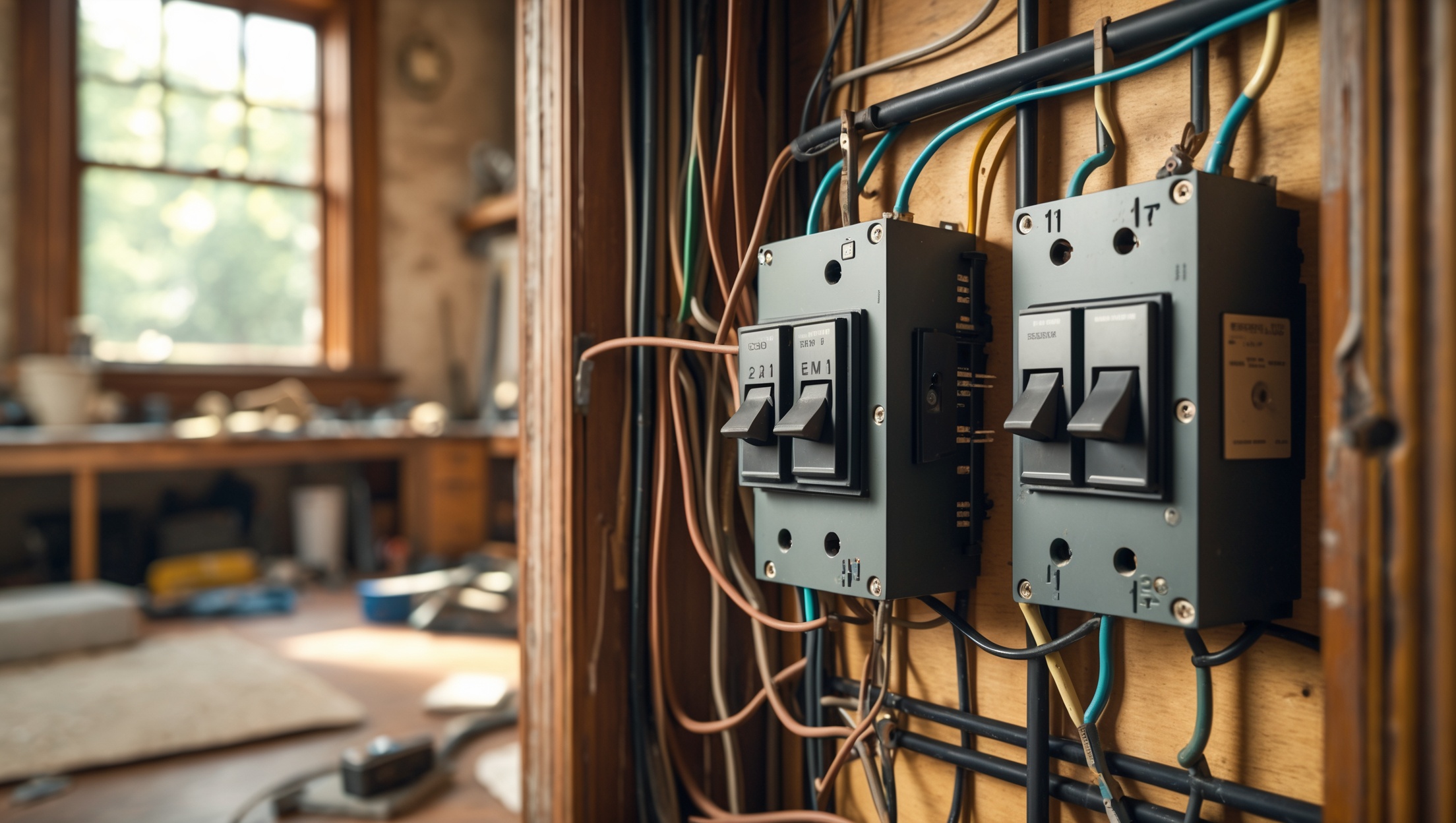
Introduction: Why Electrical Upgrades in Older Homes Demand Extra Attention
Upgrading the electrical system in an older home is a critical undertaking that goes far beyond simply swapping out wires or installing new outlets. Unlike newer constructions, older homes—those built before the 1970s in particular—often have outdated wiring, insufficient amperage for today’s appliances, and non-compliant electrical panels. These issues not only make renovations more complex but also introduce significant safety and legal considerations. Whether you’re planning a major remodel or simply want to add modern conveniences, understanding the unique challenges associated with electrical upgrades in older homes is essential. This guide explores the landscape of permits, electrical codes, and safety measures, empowering homeowners to navigate these upgrades with confidence and avoid costly or dangerous mistakes along the way.
From the labyrinth of local permitting processes to the intricacies of national and municipal electrical codes, each step must be handled with precision. Overlooking a single requirement can result in failed inspections, fines, or even unsafe living conditions. Moreover, modern electrical demands—from home offices to high-end kitchens—push older systems to their limits, making upgrades not just a matter of convenience but necessity. In this comprehensive guide, we’ll break down the permitting process, code compliance, and safety strategies specific to older homes, giving you a roadmap for successful, future-proofed electrical renovations.
Understanding the Risks and Realities of Old Home Electrical Systems
Common Issues Found in Pre-1970s Wiring
- Knob-and-Tube Wiring: Prevalent in homes built before 1940, this system lacks grounding and is prone to insulation breakdown.
- Aluminum Wiring: Popular in the 1960s and early 70s, aluminum expands and contracts, causing loose connections and potential fire hazards.
- Undersized Service Panels: Many older homes have 60- or 100-amp panels, insufficient for contemporary needs like HVAC, electric ranges, or EV charging.
- Lack of GFCI/AFCI Protection: Ground Fault and Arc Fault Circuit Interrupters, now required in many areas, are rarely present in older installations.
- Improvised DIY Repairs: Decades of unpermitted fixes or tap-ins can create a maze of code violations and safety risks.
Why Code Compliance Matters
Electrical codes are engineered for safety. The National Electrical Code (NEC), updated every three years, sets the standard for safe installation, but local jurisdictions may have stricter rules. Upgrading without adhering to current codes can result in:
- Failed inspections and costly rework
- Insurance denials in case of fire or injury
- Lower resale value or difficulty selling the property
- Increased risk of shock, fire, or appliance damage
Navigating Permits: What You Need and How to Get Them
When Are Permits Required?
Permitting requirements vary by locality, but you typically need a permit for:
- Replacing or upgrading the electrical service panel
- Rewiring rooms, floors, or the entire house
- Adding new circuits or major appliances
- Installing subpanels or generator transfer switches
Minor repairs—like swapping a light fixture or outlet—might not require a permit, but always check with your local building department before starting work.
The Permit Application Process: Step-by-Step
- Gather Information: Prepare a detailed scope of work, including diagrams, panel schedules, and load calculations.
- Contact Local Authorities: Visit your city or county’s building department website for specific forms and requirements.
- Submit Application: Provide necessary documentation, pay fees, and await approval.
- Schedule Inspections: Inspections are required at various stages—rough-in, before walls are closed, and final sign-off. Coordinate with your inspector for each phase.
- Receive Final Approval: Once the work passes inspection, retain documentation for records and potential future sales.
Special Considerations for Historic Homes
If your home is in a historic district or is a registered landmark, you may face additional layers of permitting, including Historic Preservation Board approvals. These may restrict certain types of visible exterior changes, like new meter bases or service drops. Early consultation is essential.
Electrical Code Upgrades: What Must Be Brought Up to Standard?
Key Areas of Compliance in Older Homes
- Grounding and Bonding: All outlets and fixtures must be properly grounded. Upgrades usually require bringing ungrounded circuits up to code.
- GFCI and AFCI Protection: The NEC requires GFCI outlets in kitchens, bathrooms, garages, and outdoors; AFCI in living spaces. Older homes rarely have these by default.
- Service Panel Upgrades: Modern code often mandates 200-amp service for homes with heavy loads. Upgrading the panel may require replacing the meter base, service mast, and even utility drop lines.
- Wire Sizing and Circuit Loading: Circuits must be sized for the loads they carry. Overloaded or undersized wires are a serious hazard and must be corrected.
- Smoke and Carbon Monoxide Detectors: Many jurisdictions require hardwired, interconnected detectors as part of significant electrical work.
Common Challenges and Solutions
- Limited Access: Finished walls and ceilings may hide old wiring. Use fish tape, flexible drill bits, or consider surface-mounted conduit in basements and utility areas.
- Mixed-Wiring Environments: It’s common to find a mix of knob-and-tube, cloth-insulated, and modern wiring. Plan for careful tracing and full replacement where possible.
- Panel Location and Size: Modern codes have clearance and accessibility requirements. Sometimes, relocating the panel is necessary.
Safety First: Best Practices for Electrical Upgrades in Old Homes
Planning and Assessment
- Hire a licensed electrician with experience in older properties. Many hazards are invisible to the untrained eye.
- Request a comprehensive electrical inspection before planning upgrades. This should include outlet testing, panel evaluation, and load analysis.
- Document the existing condition with photos and written notes. This helps with troubleshooting and future work.
Mitigating Hazards During Work
- Always turn off power at the main panel before touching any wiring.
- Use non-contact voltage testers to confirm circuits are de-energized.
- Wear appropriate personal protective equipment: insulated gloves, safety glasses, and sturdy shoes.
- Handle old insulation carefully; some may contain asbestos or degrade into dust.
- Seal penetrations through fire-rated assemblies with approved firestop materials.
Post-Upgrade Checks
- Test all new and existing outlets for correct polarity and grounding.
- Label the service panel clearly, indicating all new and existing circuits.
- Retain all permit and inspection documents for insurance and resale purposes.
Cost Breakdown: Budgeting for a Safe, Compliant Upgrade
Typical Costs by Project Type
- Service Panel Replacement (100A to 200A): $2,000–$4,500, depending on complexity and local rates.
- Whole-House Rewire: $8,000–$20,000+, based on size, accessibility, and wall repairs.
- Adding GFCI/AFCI Protection: $60–$100 per device, plus labor.
- Permits and Inspections: $100–$800, variable by jurisdiction and project scale.
- Historic District Fees or Requirements: Additional $500–$2,000 for design review or special approvals.
Hidden Costs to Consider
- Drywall and plaster repair after access cuts
- Temporary power needs during major upgrades
- Possible utility company fees for service upgrades
- Asbestos or lead paint abatement, if discovered
Budgeting Tips
- Always set aside a 15–20% contingency fund for surprises inside walls or ceilings.
- Get multiple bids from electricians with proven old-home experience.
- Bundle upgrades (e.g., panel plus partial rewire) to save on labor and permitting costs.
Case Example: Upgrading a 1920s Bungalow’s Electrical System
Project Scope
A family purchasing a 1920s bungalow wants to modernize the kitchen and add central air. The original home has a 60-amp panel, knob-and-tube wiring, and no grounded outlets.
Steps Taken
- Electrical assessment identifies insufficient amperage and hazardous wiring.
- Permit application covers a new 200-amp panel, full kitchen rewire, and addition of GFCI and AFCI protection throughout.
- Historic district approval is required for relocating the service mast to the rear of the house.
- All old wiring is replaced with modern, code-compliant cabling, and outlets are grounded.
- Inspections pass at rough-in and final stages, with all documentation retained for future reference.
Outcome
- The family enjoys a safer, more functional home that meets all modern standards.
- The documented upgrades increase home value and simplify future resale.
- Insurance coverage is updated without exclusions for electrical issues.
Frequently Overlooked Code and Permit Issues
- Failing to Upgrade Grounding: Many assume new outlets don’t require a ground wire; code says otherwise.
- Unpermitted Work by Previous Owners: Always check for hidden, non-compliant repairs during assessment.
- Insufficient Panel Clearance: Modern codes require 36 inches of clear space in front of panels—sometimes requiring relocation in old homes.
- Incorrect Breaker Sizing: Over-fusing or under-fusing circuits is a common and dangerous error.
- Inadequate Documentation: Keep all permits, diagrams, and inspection reports for legal and insurance purposes.
Ensuring Future-Proof Electrical Upgrades
Planning for Tomorrow’s Needs
- Install extra circuits for future appliances or renovations.
- Include provisions for electric vehicle charging, even if not currently needed.
- Run conduit where possible for easier future cable pulls.
- Label all new wiring clearly for future reference.
Conclusion: Upgrading Safely, Legally, and Confidently
Electrical upgrades in older homes are a significant investment in safety, comfort, and long-term property value. Unlike cosmetic renovations, these projects demand a thorough understanding of current codes, careful navigation of permitting processes, and a commitment to best safety practices. While older homes offer character and charm, their aged electrical systems often lag decades behind modern standards. Ignoring code compliance or cutting corners on permits can result in costly setbacks and put your home—and family—at risk.
By investing time upfront in proper planning, partnering with certified professionals, and leveraging local permitting resources, you can transform a potentially overwhelming process into a smooth, successful renovation. Always treat permits and inspections as allies, not obstacles; they are there to ensure your upgrades are safe, legal, and insurable. Document everything, anticipate hidden challenges, and don’t hesitate to budget for unexpected discoveries within the walls.
Ultimately, thoughtful electrical upgrades don’t just bring your home up to code—they protect your investment, enhance daily living, and create a safer environment for years to come. With the right approach, your old home can meet the demands of modern life while preserving its historic appeal.