

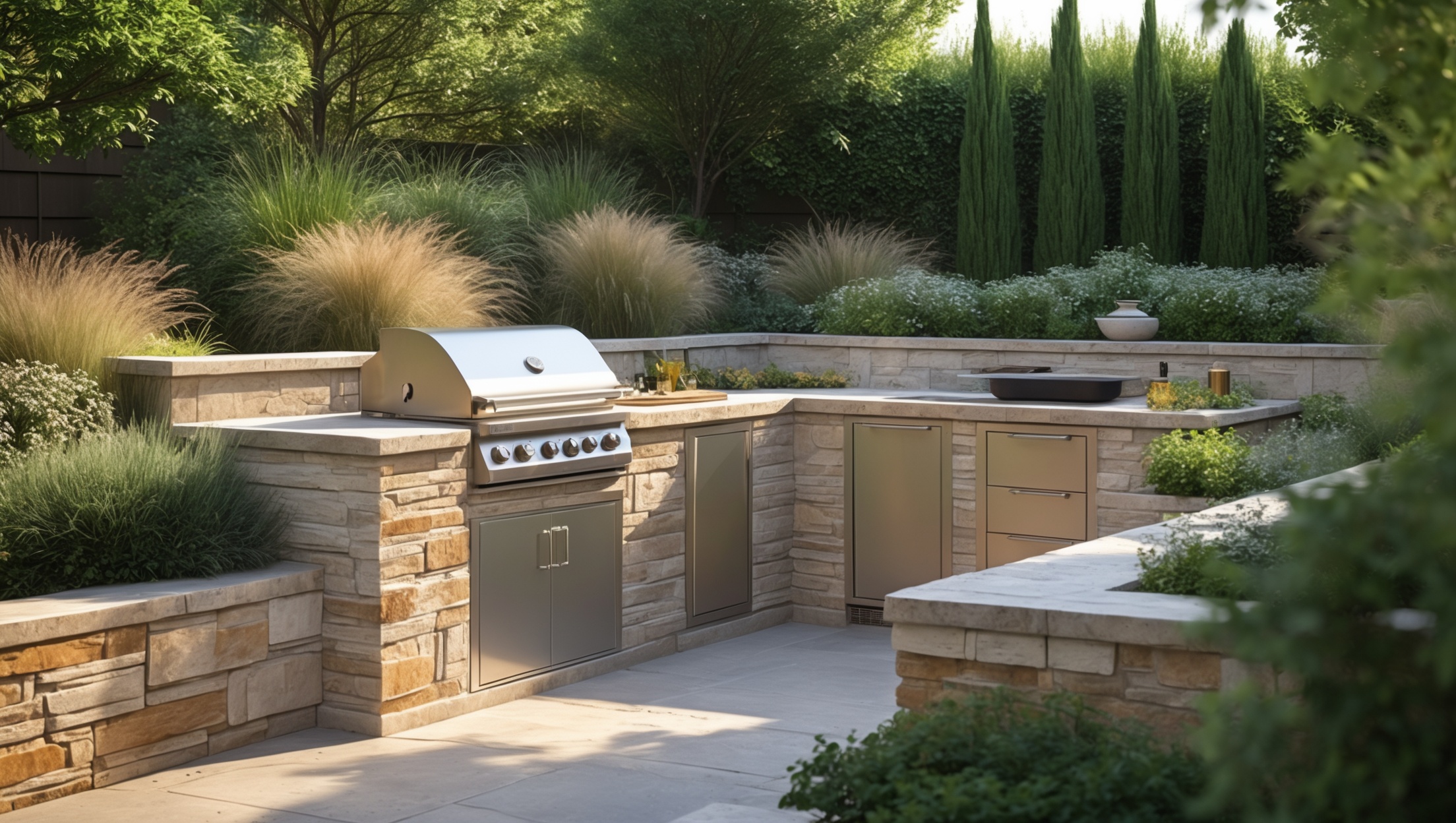
Introduction: The Overlooked Risk in DIY Outdoor Kitchen Projects
Building an outdoor kitchen is one of the most rewarding home improvement projects for homeowners who enjoy entertaining, cooking, and expanding their living space into the outdoors. The surge in popularity of DIY outdoor kitchens has inspired many to tackle these projects themselves, motivated by the promise of cost savings and customization. However, there is a critical, often-overlooked aspect of these ambitious undertakings: insurance. Most homeowners focus on design, budgeting, and construction, but fail to consider how insurance protects not just their new investment, but also their overall property, liability, and peace of mind. Without the right coverage, a single mishap—a fire, injury, or weather event—can turn a dream project into a financial and legal nightmare. This comprehensive guide will walk you through the essential insurance considerations for DIY outdoor kitchen projects: what coverage you need, how to avoid common pitfalls, and smart strategies for risk management from planning through long-term use. Whether you’re still sketching plans or already breaking ground, understanding insurance essentials is a vital step in ensuring your outdoor kitchen adds value and enjoyment—without unwanted surprises.
Understanding Outdoor Kitchen Risks: Why Insurance Matters
While outdoor kitchens are typically associated with fun and relaxation, they introduce unique risks that can impact both property and liability. Recognizing these risks is the first step in determining your insurance needs.
- Fire Hazards: Grills, smokers, and fire pits all present elevated fire risks, especially when combined with combustible materials or inadequate clearance.
- Water Damage: Outdoor plumbing lines and sinks are vulnerable to freezing, leaks, and improper drainage, potentially causing damage to your home’s foundation or landscaping.
- Electrical Dangers: Improperly installed outdoor outlets or appliances can result in shocks, short circuits, or even electrical fires.
- Weather Exposure: Structures and appliances are subject to wind, hail, and other weather threats, increasing the chance of damage compared to indoor spaces.
- Injury Liability: Slippery surfaces, sharp tools, and high-heat appliances mean increased risk of accidents involving guests or family members.
- Theft and Vandalism: High-value appliances and fixtures left outdoors may attract thieves or vandals.
Insurance is designed to buffer these risks, protect your financial investment, and shield you from liability claims that can arise from accidents or damage.
Reviewing Your Existing Homeowners Insurance Policy
Before you begin your project, it’s critical to review your current homeowners insurance policy. Most standard policies offer some protection for permanent outdoor structures, but there are important limits and exclusions to understand.
Coverage for Detached Structures
Outdoor kitchens are often considered “other structures” (Coverage B) in insurance terms. This typically covers sheds, gazebos, and similar permanent features. However, coverage limits are usually set at a percentage of your dwelling coverage—often 10%. If your home is insured for $400,000, that’s $40,000 for all detached structures combined.
Defining “Permanent” vs. “Portable” Installations
Insurance may distinguish between permanently installed features (like built-in grills with stonework) and portable equipment (freestanding grills, patio furniture). Permanent installations are more likely to be covered, while portable items may be treated as personal property with different limits.
Common Exclusions
- Unpermitted Work: Most policies exclude damage from structures built without proper permits or code compliance.
- Poor Workmanship: DIY errors or substandard installation may be excluded from coverage.
- Business Use: If you use your outdoor kitchen for commercial purposes (like catering), you may need a separate policy.
Call your insurance agent before you start building to clarify what is covered and what steps you must take to preserve your coverage.
Essential Insurance Steps Before You Build
1. Notify Your Insurance Company
Proactively inform your insurer about your plans to build an outdoor kitchen. They may require details such as:
- Project scope and location
- Materials and appliances to be used
- Whether you’ll be hiring contractors or doing all work yourself
This communication ensures your project is documented and gives you the chance to discuss any coverage gaps or premium adjustments.
2. Obtain Required Permits and Inspections
Insurance claims can be denied if your project doesn’t comply with local building codes or lacks the correct permits. Always:
- Apply for all necessary local permits (building, electrical, plumbing, gas, etc.)
- Schedule required inspections during and after construction
- Keep documentation of all permits and inspection approvals
These steps are not only legal requirements—they are also crucial for validating insurance claims in the event of damage or liability.
3. Document the Process
Maintain a thorough record of your project, including:
- Receipts for materials, appliances, and tools
- Photos and videos at each stage of construction
- Copies of plans, permits, and inspection reports
This documentation will be vital if you ever need to substantiate a claim or prove the value of your outdoor kitchen.
Additional Insurance Options to Consider
Depending on the size and complexity of your outdoor kitchen, you may need to supplement your homeowners policy with additional coverage.
1. Increased Other Structures Coverage
If your project exceeds the default coverage for detached structures, ask your insurer about raising your limits. This may require a modest premium increase but provides peace of mind if disaster strikes.
2. Personal Property Riders
High-end grills, refrigerators, and audio/visual equipment may exceed standard personal property limits or be subject to exclusions. Consider adding a scheduled personal property rider to ensure full replacement value.
3. Umbrella Liability Insurance
An outdoor kitchen increases the likelihood of guest injuries. An umbrella policy extends your liability protection well beyond the base policy limits, covering medical costs and legal fees if you’re sued.
4. Flood and Earthquake Insurance
If you live in an area prone to floods or earthquakes, standard homeowners policies won’t cover these perils. Evaluate separate policies to protect your investment from natural disasters.
5. Builder’s Risk Insurance (for Larger Projects)
If your outdoor kitchen is a major construction project involving significant time and cost, consider a builder’s risk policy. This covers materials and work-in-progress against theft, vandalism, fire, and storm damage during construction.
How DIY Construction Affects Insurance Claims
Many insurers are cautious about DIY builds due to concerns about code compliance and workmanship. Here’s how to avoid problems:
- Follow Manufacturer Instructions: Always install appliances, gas lines, and electrical outlets per manufacturer specs.
- Hire Licensed Pros When Needed: For gas, electrical, and plumbing work, use licensed contractors and save their invoices—many insurers require professional installation for coverage.
- Keep Evidence of Compliance: Store all permits, inspection sign-offs, and contractor credentials.
- Know the Limitations: Damage caused by your own negligence, shortcuts, or errors may be excluded.
If you’re unsure, review your insurer’s requirements for DIY work or consult a local agent before starting.
After Completion: Updating Your Insurance Policy
Once your outdoor kitchen is finished, take these steps to ensure ongoing protection:
- Submit Documentation: Provide your insurer with photos, receipts, and permit approvals.
- Request a Policy Review: Ask your agent to confirm that your new outdoor kitchen and its contents are fully covered for replacement value.
- Adjust Liability Limits: If your home is now a hub for entertaining, consider higher liability limits or umbrella coverage.
- Inventory Personal Property: Update your home inventory to include new appliances, fixtures, and equipment.
Revisit your policy annually or after any major updates to keep your coverage current.
Risk Management Strategies: Beyond Insurance
Good insurance is essential, but proactive risk management reduces the chances you’ll need to make a claim.
Fire Prevention Tips
- Install grills, smokers, and fire pits with proper clearance from combustibles and structures
- Use non-combustible materials for countertops and surrounds
- Install a fire extinguisher within easy reach
- Consider a built-in fire suppression system for large kitchens
Electrical and Plumbing Safety
- Use GFCI outlets and weatherproof covers for all outdoor electrical points
- Winterize outdoor plumbing before freezing weather
- Schedule periodic inspections for leaks, corrosion, and electrical faults
Protecting Against Theft and Vandalism
- Lockable storage cabinets for valuable items
- Security cameras or motion-activated lighting
- Anchor appliances to prevent easy removal
Slip and Trip Hazard Reduction
- Use non-slip surfaces for flooring
- Keep walkways clear of clutter
- Ensure adequate lighting for nighttime entertaining
Frequently Asked Insurance Questions for Outdoor Kitchen Projects
Does insurance cover damage caused during DIY construction?
Generally, most policies exclude damage resulting from faulty workmanship or unpermitted work. Coverage may apply if damage results from a covered event (like fire or wind) after the kitchen is finished and properly documented.
What about portable grills and patio furniture?
These are usually covered under personal property, but limits and deductibles apply. High-value items may need to be specifically scheduled.
If a guest is injured, am I liable?
Yes. Standard liability coverage applies, but umbrella insurance offers greater protection for serious injuries or lawsuits.
Will my premium go up?
Possibly. Added value and increased liability risk may raise premiums, but the increase is often modest compared to the potential cost of uncovered losses.
Conclusion: Protecting Your Outdoor Kitchen Investment
Constructing a DIY outdoor kitchen is a significant and exciting investment in your home’s value, functionality, and enjoyment. However, the process introduces new risks—fire, water damage, theft, liability—that are often underestimated or misunderstood by homeowners. Insurance is not just a bureaucratic hurdle; it is a critical shield that protects your hard work, finances, and peace of mind. By carefully reviewing your existing policy, communicating with your insurer, obtaining necessary permits, and documenting every step, you can avoid costly mistakes and ensure your outdoor kitchen is fully protected.
Remember, the best insurance plan is a combination of the right coverage and proactive risk management. Take advantage of increased coverage limits, schedule valuable equipment, and consider umbrella liability insurance for complete protection. Beyond insurance, practice fire safety, secure your appliances, and maintain your outdoor kitchen to minimize risks before they ever become claims.
As you enjoy your new space with family and friends, you’ll have the confidence that comes from knowing you’ve protected your investment, your home, and your future. Don’t let insurance be an afterthought—make it part of your project planning from day one, and your DIY outdoor kitchen will provide years of worry-free enjoyment.