

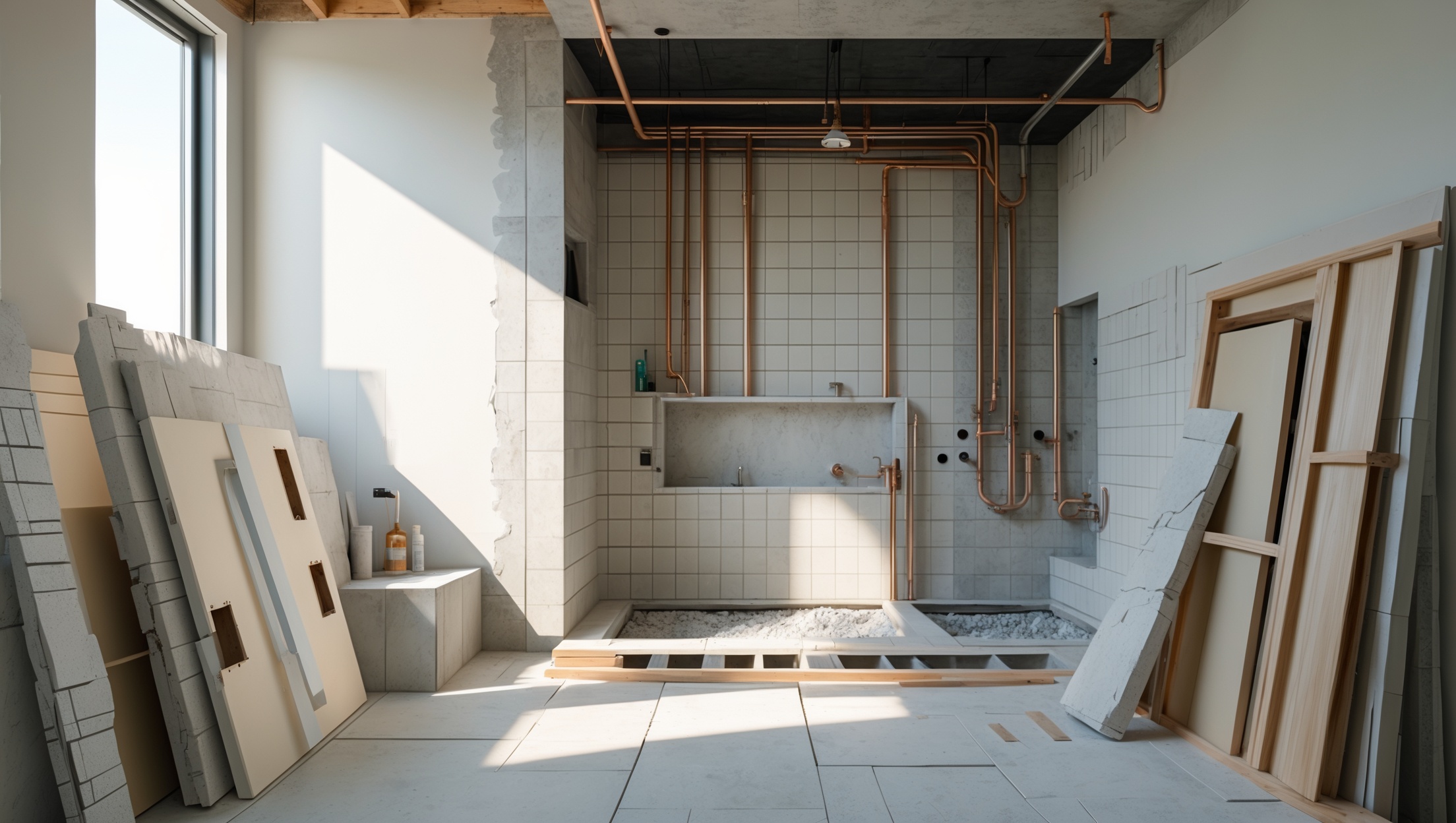
Introduction: The Realities of Bathroom Remodeling Budgets
Bathroom remodels rank among the most popular—and most rewarding—home improvement projects. A well-executed bathroom renovation can elevate daily routines, increase property value, and create a space that is both functional and beautiful. However, homeowners often underestimate the true cost of these upgrades. Many set their budgets based on the big-ticket items—vanities, tiles, fixtures—without considering the less obvious expenses that can quickly derail financial plans. Hidden costs, ranging from structural surprises to permit fees and waste disposal, can turn a straightforward remodel into a stressful financial ordeal. Understanding where these hidden expenses lurk is essential for anyone planning a bathroom renovation, whether you’re tackling a powder room refresh or a master suite overhaul. In this detailed guide, we’ll break down the concealed costs you’re likely to encounter, explain why they occur, and offer practical budgeting strategies to help you stay in control throughout your project. By learning what to expect—and how to prepare—you’ll be able to approach your remodel with confidence, avoid unwelcome surprises, and end up with a bathroom you love, all without breaking the bank.
The Obvious Vs. The Overlooked: Where Bathroom Remodel Budgets Go Wrong
Most homeowners begin their remodeling journey by pricing out the visible changes: new sinks, bathtubs, faucets, mirrors, and tiles. While these elements are important, they rarely account for the full scope of expenses. The hidden costs—those that arise behind walls, under floors, or as a result of regulatory requirements—can consume 20% or more of your total budget if left unaccounted for. Let’s examine the most common budget-blind spots and how to factor them into your planning.
1. Demolition and Disposal: More Than Just Tearing Out Old Tile
Labor and Time Factors
Demolishing an existing bathroom is labor-intensive and requires skill to avoid damaging plumbing or electrical systems. Professional demolition may cost $500–$2,500, depending on bathroom size and complexity.
Waste Disposal Fees
Most municipalities charge for construction debris disposal. Renting a dumpster or hauling waste yourself can add $300–$700 to your costs. Some items, like old toilets or certain types of tile, may incur extra disposal fees due to hazardous materials regulations.
Hidden Surprises Behind the Walls
Uncovering mold, asbestos, or outdated wiring during demolition is common, especially in older homes. Remediation for mold or asbestos can run from $500 to several thousand dollars, depending on the extent of the problem. Updating electrical or plumbing to meet modern codes can increase costs by $1,000 or more.
2. Permits, Inspections, and Compliance Costs
Understanding Local Permit Requirements
Most bathroom remodels that alter plumbing, electrical, or structural elements require permits. Permit fees typically range from $100 to $500, but can be higher in urban areas or for substantial renovations.
Inspection Fees and Correction Costs
Inspections ensure your remodel complies with local codes. If an inspector finds issues—such as improper venting, non-compliant electrical outlets, or inadequate waterproofing—you’ll need to make corrections before proceeding, which can delay your project and increase labor costs.
Specialty Compliance: Accessibility and Energy Codes
Some municipalities require upgrades for accessibility (ADA compliance) or energy efficiency, such as low-flow toilets or water-saving showerheads. These requirements can add several hundred dollars to your materials budget.
3. Plumbing and Electrical Relocation: The Hidden Price Tag
Moving Fixtures Versus Replacing Fixtures
Simply replacing a sink or toilet in its current location is straightforward. However, moving these fixtures—even by a few feet—often requires rerouting plumbing lines. This can add $500–$2,000 per fixture.
Upgrading Outdated Systems
Older homes may have galvanized pipes or outdated knob-and-tube wiring, both of which should be replaced for safety and compliance. Full plumbing or electrical upgrades can cost $2,000–$5,000 or more, depending on the size and age of your home.
Unexpected Water Damage or Leaks
Discovering leaks, rotted subflooring, or corroded pipes during demolition is common. Repairing water damage often involves replacing drywall, subfloor, and insulation, with costs ranging from $500–$3,000.
4. Structural Modifications: Working With What You Can’t See
Wall and Floor Reinforcement
Installing a heavy soaking tub or stone tile flooring may require reinforcing floor joists or walls. This structural work can add $1,000–$3,000 to your project, depending on the extent of reinforcement required.
Correcting Out-of-Plumb or Out-of-Level Surfaces
Older homes often have uneven floors or crooked walls, which complicate tile or fixture installation. Leveling floors or straightening walls involves additional labor and materials, costing several hundred to a few thousand dollars.
5. Waterproofing and Ventilation: Essentials You Can’t Afford to Skip
Advanced Waterproofing Systems
Proper waterproofing around showers, tubs, and floors is critical to prevent long-term water damage. Modern waterproofing membranes, vapor barriers, and specialty backer boards can add $500–$1,500 to a bathroom remodel.
Upgrading or Adding Ventilation Fans
Adequate ventilation is required by code and vital for preventing mold. Installing a new or upgraded exhaust fan with proper venting to the outdoors typically costs $300–$800.
6. Fixture and Finish Upgrades: The Devil’s in the Details
High-Quality Hardware and Accessories
Modern bathrooms call for more than just basic faucets and towel bars. Upgrading to high-end hardware, soft-close drawers, custom mirrors, or specialty lighting can quickly increase your materials budget by $500–$2,000 or more.
Custom Vs. Off-the-Shelf Components
Custom vanities, glass shower enclosures, or unique tile patterns can dramatically impact your costs. Custom shower doors, for example, may cost $900–$2,000 versus $300–$700 for standard units.
7. Project Management and Contingency Funds
General Contractor Fees
If you hire a general contractor to manage your remodel, expect to pay 10–20% of the total project cost for their services. This fee covers project coordination, scheduling, and quality assurance.
Contingency Budgeting
Even the best-planned remodels encounter surprises. Industry experts recommend setting aside 10–20% of your total budget as a contingency fund to cover unforeseen expenses.
8. Temporary Living and Ancillary Costs
Alternative Bathroom Arrangements
If your home has only one bathroom, you may need to rent portable facilities or arrange to stay elsewhere during construction. These costs—ranging from $50 to $150 per day—are frequently overlooked in initial budgets.
Protecting Other Areas of the Home
Dust barriers, floor protection, and daily cleanup may be necessary to prevent renovation debris from spreading. Materials and labor for protective measures can add $200–$800 to the project.
9. Unexpected Design Changes and Change Orders
Scope Creep
As work progresses, homeowners sometimes decide to upgrade finishes, add features, or change layouts. Each change can trigger a formal change order, incurring additional materials and labor charges. Change orders typically add 5–15% to total project costs if not tightly controlled.
10. Final Cleaning and Post-Construction Touch-Ups
Professional Cleaning Services
Renovation dust can linger long after contractors finish. Hiring a professional cleaning service to thoroughly clean the new bathroom and adjacent areas usually costs $150–$400.
Punch List Corrections
Minor touch-ups—paint corrections, caulking, hardware adjustments—are common after substantial remodels. Budget $200–$500 to address these final details.
Budgeting Strategies: How to Plan for the Unseen
Get Detailed Estimates
Ask contractors for itemized bids that break down labor, materials, permits, and disposal fees. The more detail you have, the easier it is to spot missing line items.
Insist on a Pre-Remodel Inspection
Invest in a pre-remodel inspection by a licensed plumber, electrician, and general contractor. They can identify potential structural, plumbing, or electrical issues before work begins, reducing the risk of major surprises.
Use a Spreadsheet or Budgeting App
Track every expense, including deposits, materials, fees, and incidentals. Update your budget in real-time to spot overruns early.
Prioritize Must-Haves and Nice-to-Haves
List all desired upgrades and rank them by importance. If costs escalate, you’ll know which features to scale back or postpone.
Read the Fine Print
Review all contracts and proposals for language about change orders, exclusions, and allowances. Clarify who pays for unforeseen issues and how additional costs are approved.
Case Example: Navigating Hidden Costs in a Real-World Remodel
Consider the case of the Johnson family, who planned a $15,000 remodel for their 1980s-era main bathroom. They received an initial bid covering new fixtures, tile, and paint, but overlooked several hidden expenses:
- During demolition, contractors discovered water damage requiring $2,000 in subfloor repairs.
- The city required a new ventilation fan and GFCI outlets, adding $900.
- To meet code, the plumber had to replace a section of outdated copper piping ($1,200).
- Change orders for upgraded tile and a custom shower door added $1,500.
- Final professional cleaning cost $300.
Their final cost exceeded $20,000—a 33% increase over their original budget. By understanding these categories and building in a contingency, the Johnsons could have been better prepared for the final tally.
Conclusion: Remodel With Confidence—Plan for the Unexpected
Bathroom remodels are an exciting opportunity to transform a utilitarian space into a personal retreat. Yet too often, homeowners are caught off guard by expenses that didn’t make it into their initial plans. From demolition surprises to code-driven upgrades, disposal fees to post-construction cleaning, the hidden costs of bathroom renovations can easily derail even the most careful budget. The key to a successful, stress-free remodel lies in education and preparation. Take time to understand the real scope of work—including what lies behind walls or under floors. Seek out itemized estimates, invest in pre-renovation inspections, and set aside a healthy contingency fund for the inevitable surprises. Don’t hesitate to ask contractors tough questions about what is—and isn’t—included in their bids, and revisit your budget frequently as the project progresses. By planning for the unseen, you’ll not only protect your finances but also ensure that your finished bathroom delivers comfort, function, and value for years to come. With the right approach, your next remodel can be a rewarding experience—one where the only surprises are how much you love your new space.