

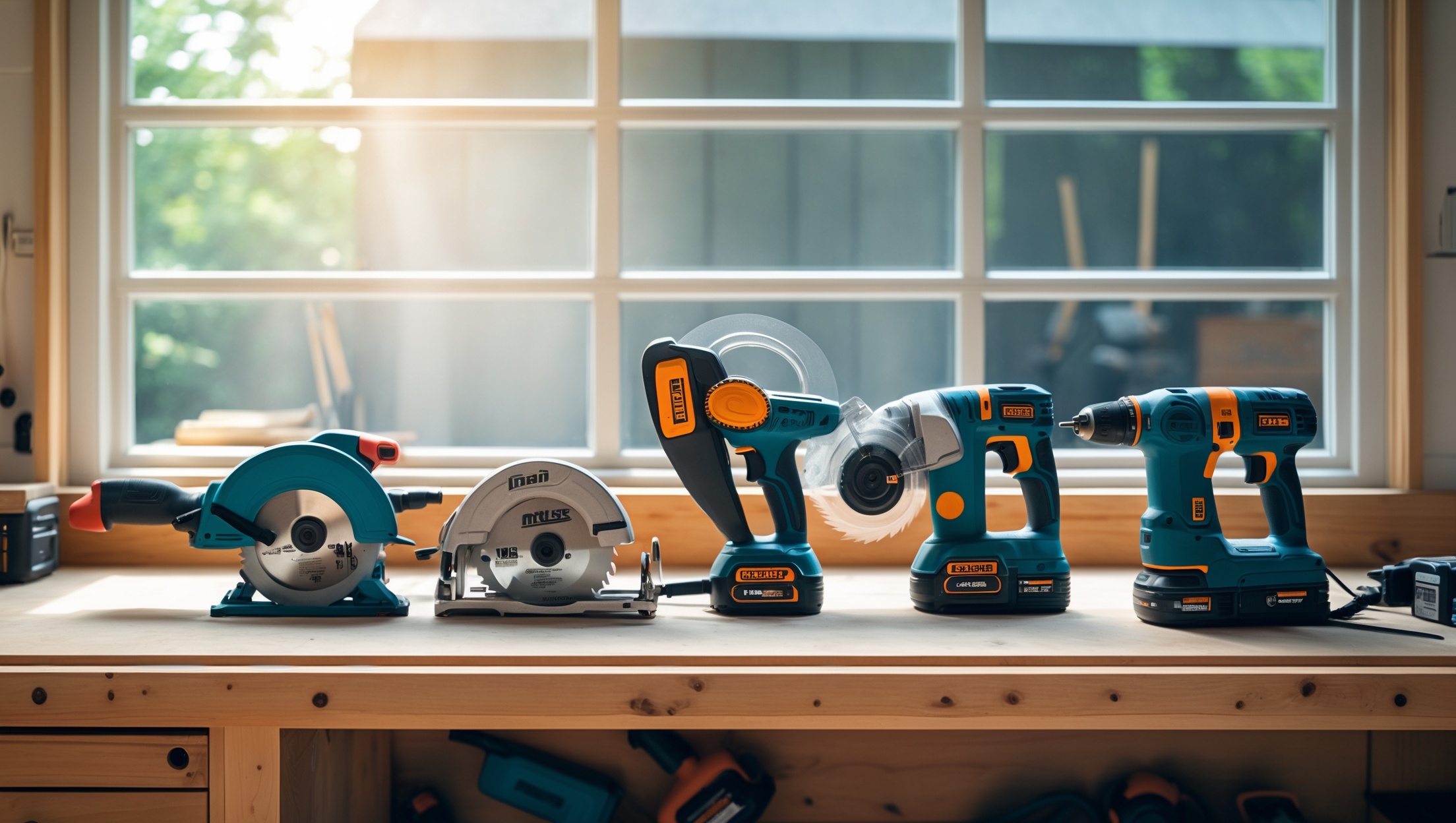
Introduction: Power Up Your Home Improvement Projects
Home improvement can be one of the most satisfying and cost-effective ways to personalize your space and increase your home’s value. While creativity and planning are important, the right tools truly make all the difference. If you’re just starting your DIY journey or looking to upgrade your home toolkit, investing in essential power tools should be a top priority. Unlike basic hand tools, power tools help you tackle projects more efficiently, safely, and professionally. However, with so many options on the market, it’s easy to overspend on unnecessary gadgets or overlook crucial equipment. In this comprehensive guide, we’ll break down the must-have power tools every DIY homeowner should own, explain what to prioritize based on your project needs, and offer practical advice on selection, usage, and maintenance. Whether you dream of building custom furniture, installing shelving, or handling weekend repairs, the right power tools are your ticket to success.
What Makes a Power Tool Essential?
Not all power tools are created equal. The “essentials” are those that offer the greatest versatility, reliability, and return on investment for common home improvement tasks. We’ll focus on tools that:
- Perform a wide variety of functions
- Are beginner-friendly yet useful for advanced projects
- Enhance speed, accuracy, and safety compared to manual alternatives
- Have broad compatibility with accessories and attachments
Core Power Tools for Every Homeowner
1. Cordless Drill/Driver
The cordless drill is arguably the most versatile and frequently used power tool in any home workshop. From assembling furniture and hanging shelves to drilling pilot holes or installing hardware, its applications are nearly endless. Modern lithium-ion battery models are lightweight, powerful, and offer excellent runtime. Look for a drill with adjustable torque settings, variable speed, and a comfortable grip. Consider buying a set with multiple batteries, a charger, and a range of drill and screwdriver bits.
2. Circular Saw
If you plan on building anything out of wood—be it decks, shelves, or framing walls—a circular saw is indispensable. It allows you to make straight cuts quickly in sheet goods (like plywood) and dimensional lumber. Newer cordless models are nearly as powerful as corded versions and add portability. Choose a saw with a sturdy base plate, easy-to-read depth and bevel adjustments, and built-in safety features like blade guards and electronic brakes.
3. Jigsaw
For curved or intricate cuts in wood, metal, or plastics, a jigsaw is your go-to tool. It’s ideal for cutting out sink openings in countertops, crafting decorative shapes, or modifying existing structures. Opt for a jigsaw with a tool-less blade change system and variable speed control for better precision and usability.
4. Oscillating Multi-Tool
An oscillating tool’s small, rapid vibrations make it incredibly useful for detail work—like trimming door jambs, removing grout, sanding in tight spaces, or scraping off old paint and adhesives. Its ability to accept a variety of attachments makes it a true Swiss Army knife for home improvement. Look for kits that include multiple blades and sanding pads to maximize versatility.
5. Orbital Sander
Achieving a smooth, professional finish on wood, drywall, or painted surfaces is much faster with an orbital sander. Random orbital sanders are preferred for their ability to eliminate swirl marks. Quality models feature variable speed, dust collection, and ergonomic handles, making them comfortable to use for extended periods.
6. Impact Driver
While similar in form to a drill, an impact driver delivers more torque, making it perfect for driving long screws and fasteners into dense materials without stripping bits. If your projects involve deck construction, fence building, or any heavy-duty fastening, this tool is a worthwhile addition.
Nice-to-Have Power Tools for Expanding Your Capabilities
1. Compound Miter Saw
Once you start tackling trim work, framing, or cabinetry, a compound miter saw enables fast, accurate crosscuts and miter cuts. Its rotating blade and adjustable angles are essential for cutting baseboards, crown molding, and framing lumber to precise lengths and angles.
2. Table Saw
For serious woodworking or home renovations, a table saw offers unmatched accuracy for ripping and crosscutting boards and large panels. While larger and more expensive, it dramatically improves efficiency for cabinetry, flooring, and custom furniture projects. Look for safety features such as riving knives, blade guards, and anti-kickback pawls.
3. Rotary Tool
A rotary tool (like a Dremel) is excellent for detail sanding, grinding, cutting, carving, and polishing in small or hard-to-reach areas. With the right attachments, it can even engrave, clean grout, or sharpen blades.
4. Power Stapler or Nail Gun
Projects like trim installation, building furniture, or attaching insulation boards go much faster with a power stapler or nail gun. Battery-powered brad nailers have made these tools more accessible for DIYers, offering convenience without the need for an air compressor.
Choosing Between Corded and Cordless Tools
Cordless tools have become the norm for most DIYers due to advances in battery technology. They offer unmatched portability, safety (no cords to trip over), and convenience. However, corded tools still deliver more consistent power for jobs requiring extended use or high torque. Consider your typical project duration, workspace, and whether you need to work outdoors or in areas without convenient outlets. For many homeowners, a mix of cordless and corded tools is ideal.
Building Your Toolkit: Smart Shopping Tips
- Start with the Basics: Prioritize core tools based on the types of projects you expect to tackle first.
- Buy Quality, Not Quantity: Well-made tools from reputable brands last longer, perform better, and are safer. Avoid bargain-bin kits that sacrifice durability for low prices.
- Look for Tool Ecosystems: Many manufacturers offer interchangeable batteries and chargers across their cordless tool lines. Sticking to one brand can save money and storage space.
- Check for Included Accessories: Value bundles with spare batteries, multiple blades, or carrying cases provide extra utility.
- Try Before You Buy: Visit local hardware stores to hold tools and test their ergonomics. Comfort and balance can make a significant difference in usability.
- Read Reviews and Ask for Recommendations: Online reviews and advice from experienced DIYers or professionals can help you avoid unreliable models.
Safety Best Practices for Power Tool Use
- Always Read the Manual: Understand proper operation, maintenance, and safety features for each tool.
- Wear Appropriate Safety Gear: Use eye protection, hearing protection, gloves, and dust masks as required.
- Maintain a Clean Workspace: Keep cords and debris out of walkways, use clamps to secure workpieces, and maintain good lighting.
- Inspect Tools Before Use: Check for damaged cords, loose parts, or worn blades/bits.
- Disconnect Power When Changing Accessories: Remove batteries or unplug tools before adjusting blades or bits.
- Keep Children and Pets Away: Power tools should never be left unattended or accessible to unsupervised children or animals.
Maintaining Your Power Tools for Longevity
1. Clean After Each Use
Wipe down tools to remove dust, debris, and residue. Use compressed air for hard-to-reach areas. Make sure to empty dust collection systems regularly.
2. Store Properly
Keep tools in dry, organized spaces—ideally in cases or on shelves. Store batteries at room temperature and avoid leaving them on chargers for extended periods.
3. Sharpen and Replace Blades/Bits
Dull blades not only make work harder but also increase the risk of accidents. Sharpen or replace cutting accessories as needed for optimal performance.
4. Lubricate Moving Parts
Follow the manufacturer’s recommendations for lubricating bearings, gears, and other moving components. This prevents premature wear and tear.
5. Schedule Regular Maintenance
Inspect cords and battery contacts, tighten screws, and check safety mechanisms routinely. If a tool shows unusual noises, smells, or performance changes, have it inspected by a professional.
Budgeting for Your Power Tool Collection
Power tools can represent a significant investment, but you don’t have to buy everything at once. Start with the essentials, and expand your collection as your skills and project ambitions grow. Watch for sales around major holidays, consider refurbishing or buying used from reputable sources, and factor in the cost of necessary accessories (like blades, bits, and safety gear). Remember, quality tools pay for themselves over time by reducing project costs and enhancing results.
Frequently Asked Questions
Should I buy a combo kit or individual tools?
Combo kits offer convenience and savings for beginners, providing a starter set of commonly used tools (drill, impact driver, saw, etc.) with compatible batteries and chargers. However, individual tools may allow you to select higher-quality models tailored to your specific needs. Evaluate the contents and quality of kits before purchasing.
How do I know which tool brand to choose?
Reputable brands like DeWalt, Makita, Milwaukee, Bosch, and Ryobi are known for reliability and robust ecosystems. Consider warranty, battery compatibility, and customer support when choosing a brand.
What if I have a small workspace?
Look for compact, multi-functional tools and invest in portable storage solutions like toolboxes or wall-mounted racks. Some power tools (like oscillating tools and cordless drills) are especially space-efficient.
Is it worth it to rent power tools?
If you only need a specialty tool for a single project (like a demolition hammer or tile saw), renting can save money and storage space. For frequently used tools, ownership is more cost-effective.
Conclusion: Building Confidence—One Tool at a Time
Equipping your home workshop with essential power tools is an investment in self-reliance, creativity, and the long-term value of your property. The right tools don’t just make jobs easier—they open up new project possibilities and empower you to tackle repairs with confidence. By starting with versatile essentials like a cordless drill, circular saw, jigsaw, and orbital sander, you’ll handle most DIY tasks with ease. As your skills and ambitions grow, add specialized tools to expand your capabilities. Remember, safety and maintenance are as important as selection; well-cared-for tools will serve you reliably for years to come. Take your time building your collection, seek out quality over quantity, and enjoy the satisfaction that comes from a job well done. Your future self—and your home—will thank you for making smart, informed choices every step of the way.
You mention that cordless drills are a must-have for most DIY tasks. For someone just starting, would you recommend buying a separate impact driver as well, or can a good drill handle most home projects on its own?
For most beginner DIY projects, a good cordless drill will be enough and can handle drilling as well as driving screws. An impact driver is great for heavy-duty work, but you can add it later if you find you need more power or do lots of projects involving long screws or dense materials.
When picking a cordless drill for general DIY, is it more important to prioritize higher voltage or should I focus on torque settings and battery life for typical home projects?
For most home projects, it’s usually better to focus on torque settings and battery life rather than just higher voltage. Adjustable torque lets you handle different materials without stripping screws, and good battery life means you can work longer without recharging. Most general DIY tasks don’t require the highest voltage.
How do you decide which power tools are worth investing in first if you’re on a tight budget and only want to start with the absolute essentials?
Focus first on versatile tools like a cordless drill, a circular saw, and a basic set of screwdrivers. These cover most home projects and repairs. Start with these essentials, then add more specialized tools as your needs and budget allow.
You mentioned looking for drills with lithium-ion batteries and adjustable torque settings. Are there specific brands or models that are known for lasting longer or being more reliable for beginners?
For beginners, brands like DeWalt, Makita, and Bosch are often recommended for their reliability and long-lasting lithium-ion batteries. Models such as the DeWalt DCD771C2 and Makita XFD131 offer adjustable torque settings and are user-friendly, making them solid choices for DIY homeowners.
You mention that some power tools have broad compatibility with accessories—are there specific brands or systems you recommend for someone just starting out to ensure everything works together?
For beginners, brands like DeWalt, Makita, and Milwaukee are popular because their cordless power tools use interchangeable batteries and accessories within their systems. Choosing one brand for most tools can make it easier to swap batteries and find compatible attachments.
Are there specific maintenance steps I should follow to keep my cordless drill working efficiently, especially if I only use it occasionally for small repairs?
To keep your cordless drill in good shape, store it in a dry place and remove the battery when not in use. Charge the battery every few months, even if you’re not using the drill. Occasionally wipe down the tool, check for loose screws, and ensure the chuck is clean and free of debris.
Are there any specific safety features I should prioritize when buying my first set of power tools as someone new to DIY and home improvement?
When buying your first set of power tools, look for features like blade guards, automatic shut-off, overload protection, and non-slip grips. Tools with lock-off switches and adjustable speed controls also help prevent accidents. Always check that the tool has clear safety certifications and comes with proper instructions.
Do you have recommendations on starter brands or models for a cordless drill that strike a good balance between price and durability for someone who isn’t doing heavy-duty projects?
For casual DIY use, brands like Black+Decker and Ryobi offer cordless drills that are affordable and reliable. Models such as the Black+Decker 20V Max or the Ryobi ONE+ 18V are popular choices that balance price, quality, and ease of use for most home projects.
I am just starting my DIY home projects and feel overwhelmed by all the power tool choices. How do I decide which tools are actually worth investing in first when I have a pretty tight budget?
Start with versatile tools like a cordless drill, circular saw, and a sander, since they cover most basic DIY tasks. Focus on quality over quantity, and add more specialized tools only as your projects require them. This approach helps you get the most value without overspending.
You mentioned starter drill/driver sets—are there any specific features or attachments that really make a difference for beginners?
For beginners, look for drill/drivers with variable speed control, a comfortable grip, and a clutch with multiple settings to avoid stripping screws. Attachments like magnetic bit holders, a selection of drill and driver bits, and a built-in LED work light are also very helpful when starting out.
If someone is working on a fairly strict budget, which of the essential power tools listed here should be purchased first, and which ones can reasonably wait until later?
For a strict budget, start with a cordless drill and a circular saw, as these handle most basic DIY tasks. Tools like orbital sanders or jigsaws are useful but can wait until you have specific projects that require them. Buy the essentials first, then add others as needed.
Are there specific attachments or accessory brands you recommend for cordless drills to really get the most out of a basic model? I want to avoid buying extras that aren’t actually useful.
For cordless drills, consider getting a quality set of drill bits and screwdriver bits from brands like DeWalt, Bosch, or Milwaukee. A magnetic bit holder and a right-angle attachment can also add versatility. Stick to accessories that match the tasks you do most, and avoid large, generic kits with rarely-used pieces.