

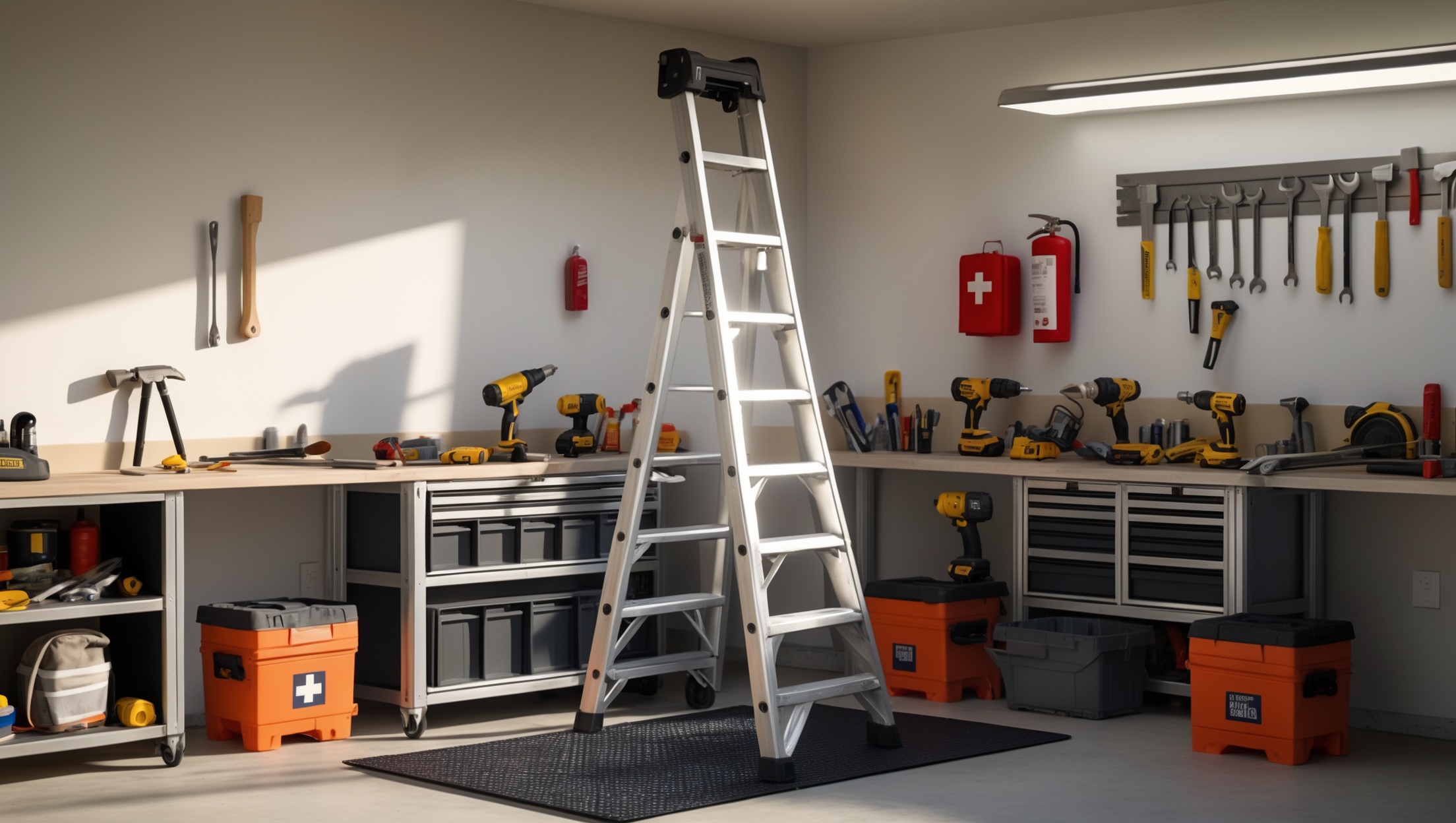
Introduction: Why Ladder Safety Matters in Every Home Renovation
Few tools are as essential—and as potentially dangerous—as the humble ladder. Whether you’re painting ceilings, installing crown molding, cleaning high windows, or tackling electrical work, ladders make countless home improvement tasks possible. But every year, thousands of homeowners suffer preventable injuries from ladder-related accidents. Falls from even a modest height can result in broken bones, head trauma, and long-term disabilities. Most of these incidents stem from improper use, faulty equipment, or a lack of basic safety precautions.
With DIY projects more popular than ever, understanding ladder safety isn’t just for professionals. Homeowners who take the time to prepare, inspect, and use ladders properly dramatically reduce their risk of accidents. A comprehensive safety checklist helps ensure that every climb, reach, and descent is secure. This guide walks you through practical pre-use, setup, usage, and post-use ladder safety steps, along with tips for choosing the right ladder for your project. Whether you’re a seasoned DIYer or a first-time renovator, these best practices will help you work confidently at any height—and keep your renovation dreams free from preventable mishaps.
1. Choosing the Right Ladder for Your Project
1.1 Types of Ladders and Their Uses
- Step Ladder: Ideal for indoor tasks like painting walls or changing light fixtures. Self-supporting, stable, and easy to move.
- Extension Ladder: Perfect for reaching high exteriors like gutters or second-story windows. Leans against solid surfaces and offers variable height.
- Multi-Position Ladder: Converts between step, extension, and scaffold configurations. Versatile but heavier.
- Platform Ladder: Offers a wide, flat standing area at the top for stability. Great for prolonged work at one height.
- Telescope Ladder: Collapsible and portable, useful for smaller spaces or less frequent tasks.
Match your ladder choice to the specific task, considering both the working height and the need for portability or stability.
1.2 Height and Weight Capacity Considerations
- Working Height: Never stand on the top rung or step unless the ladder is specifically designed for it. Choose a ladder that allows you to work comfortably without overreaching.
- Weight Rating: Check the ladder’s duty rating. Select a ladder that supports your weight plus tools and materials. Common ratings include Type III (200 lbs), Type II (225 lbs), Type I (250 lbs), Type IA (300 lbs), and Type IAA (375 lbs).
1.3 Material Selection: Aluminum vs. Fiberglass
- Aluminum: Lightweight and rust-resistant, but conducts electricity. Avoid for electrical projects.
- Fiberglass: Heavier but non-conductive. Safer for electrical work and more durable for outdoor use.
2. Pre-Use Ladder Inspection Checklist
2.1 Visual Inspection Points
- Check for cracks, bends, or splits in side rails and rungs.
- Ensure all rivets and bolts are tight and undamaged.
- Inspect feet and anti-slip pads for excessive wear or missing parts.
- Look for oil, paint, or other residues that could create slipping hazards.
- Verify that locking mechanisms are fully functional.
2.2 Functional Safety Tests
- Open and close the ladder fully, listening for unusual creaks or resistance.
- Ensure extension ladders lock securely at the desired length.
- Test for wobble by gently shaking the ladder on a flat surface.
Never use a ladder that fails inspection. Repair or replace damaged ladders before use.
3. Safe Ladder Placement and Setup
3.1 Setting Up on the Right Surface
- Always place ladders on firm, level ground. Avoid soft soil, gravel, or uneven flooring.
- Use plywood sheets to stabilize ladders on grass or dirt.
- Never use boxes, bricks, or other unstable items to gain extra height.
3.2 Extension Ladder Angle: The 4-to-1 Rule
For extension ladders, position the base one foot away from the wall for every four feet of ladder height. This angle ensures both stability and safety. For example, if the ladder is 16 feet high, the base should sit 4 feet out from the wall.
3.3 Securing the Ladder
- Where possible, tie off the top of the ladder to a stable support.
- Use ladder stabilizers or standoff arms for added security, especially on gutters or uneven surfaces.
- Ensure all spreaders and locks are fully engaged before climbing.
4. Climbing and Working Safely on a Ladder
4.1 Proper Mounting and Descent
- Face the ladder at all times when ascending or descending.
- Maintain three points of contact (two hands and one foot, or two feet and one hand) at all times.
- Wear slip-resistant, closed-toe shoes—never sandals or slippers.
- Keep your body centered between the rails; don’t lean or overreach.
- Carry tools in a tool belt or hoist them up after climbing, never in your hands as you ascend.
4.2 Working Height and Positioning Tips
- Never stand on the top two steps of a step ladder or the top three rungs of an extension ladder.
- If you can’t comfortably reach your work area, climb down and reposition the ladder.
- Keep your hips within the side rails to avoid tipping.
5. Managing Tools and Materials at Height
5.1 Safe Tool Handling
- Use tool lanyards to prevent dropping items from height.
- Organize tools in a tool belt or attach a small, secure bucket to the ladder’s utility hook.
- Never carry heavy or awkward loads up the ladder; use a helper or pulley system instead.
5.2 Material Storage
- Don’t leave paint cans, hardware, or tools on the top of the ladder.
- Plan your work so only necessary items are aloft at any time.
6. Environmental Safety Precautions
6.1 Weather Conditions
- Avoid using ladders outdoors during high winds, rain, or storms.
- Dry off wet ladders before use to reduce slipping risk.
6.2 Electrical Safety
- Always use fiberglass or non-conductive ladders when working near electrical lines or fixtures.
- Keep ladders and tools at least 10 feet away from overhead power lines.
7. Safety for Others and the Workspace
7.1 Protecting Family and Pets
- Block off the ladder’s base to prevent children or pets from knocking it over.
- Warn others in the household before starting ladder work.
7.2 Managing Foot Traffic
- Place warning signs or cones if working in high-traffic areas.
- Never leave a ladder unattended in public spaces or near entryways.
8. Post-Use Ladder Storage and Maintenance
8.1 Cleaning and Maintenance
- Wipe down ladders after use to remove dust, paint, or chemicals.
- Inspect for new damage and address any issues promptly.
8.2 Safe Storage
- Store ladders in a dry, covered area away from direct sunlight and moisture.
- Hang ladders horizontally or secure them vertically to prevent warping or accidental falls.
9. Ladder Safety Myths Debunked
- “It’s Safe to Stand on the Top Step for Just a Second”: Even a brief moment at the top increases your risk of tipping and injury.
- “Any Ladder Will Do for Any Job”: Using the wrong type or size of ladder is a leading cause of accidents.
- “Old Ladders Are Fine if They Look OK”: Hidden damage can make ladders unsafe. Always inspect before use—age is not just a number in ladder safety.
- “You Don’t Need to Secure a Ladder if Someone Holds It”: While a helper adds stability, only proper setup and secure placement ensure safety.
10. Emergency Preparedness: What to Do If an Accident Happens
- Keep a phone within reach or have someone nearby when working at height.
- Know basic first aid for falls, including how to check for neck and back injuries.
- In case of a fall, do not move the injured person unless absolutely necessary—call emergency services immediately.
- Have a first aid kit easily accessible on site.
Conclusion: Safe Ladder Practices as the Foundation of Every Home Project
Ladders unlock a world of home improvement possibilities, from routine maintenance to ambitious renovations. But every project—no matter how small—carries risks when working at height. By following a comprehensive ladder safety checklist, you take control of those risks, protecting not just yourself but your family and your investment in your home. The right ladder, diligent inspection, correct setup, proper use, and thoughtful storage all work together to create a safe environment where creativity and progress can flourish.
Remember, most ladder accidents are preventable. Take the time to prepare, respect the limitations of your equipment, and follow best safety practices every step of the way. Encourage others in your household to adopt these habits, and never cut corners for the sake of convenience or speed. When in doubt, err on the side of caution—because no home improvement is worth a trip to the emergency room. With the knowledge and practices outlined in this guide, you’re equipped to make every climb a safe one, ensuring that your renovation journey is as rewarding as the finished results.
Are there any specific tips for safely using ladders on uneven outdoor ground, especially when working alone on home renovation projects?
When using a ladder on uneven outdoor ground, consider using ladder levelers or a sturdy board to create a stable base. Always make sure the ladder feet are secure before climbing. If you’re working alone, take extra care to check stability after every move and avoid overreaching. Having a phone nearby is also a good safety precaution.
The article says most accidents come from improper use or lack of safety precautions—are there any common mistakes first-time DIYers usually make when setting up extension ladders?
Yes, first-time DIYers often set extension ladders at the wrong angle, place them on unstable or uneven ground, or forget to lock the extension locks securely. Not checking for overhead hazards, like power lines, is another frequent mistake. Always make sure the ladder base is one foot out for every four feet up and double-check all locks.
For someone who has never used an extension ladder before, are there specific safety steps I need to take when setting it up against siding or gutters? I want to avoid any slips or damage.
When setting up an extension ladder against siding or gutters, always place the ladder feet on firm, level ground and keep the ladder at a 75-degree angle. Use ladder stabilizers to prevent damage to gutters and siding and avoid resting the ladder directly on them. Make sure the top of the ladder extends 3 feet above the surface you’re climbing to for extra stability.
When choosing between a multi-position ladder and a platform ladder for long painting projects indoors, is one considered safer or more stable for standing at the same height for a while?
For long indoor painting projects where you’ll be standing at the same height for extended periods, a platform ladder is generally safer and more stable. It offers a larger, flat surface to stand on, reducing fatigue and the risk of losing balance compared to multi-position ladders.
When choosing between a platform ladder and a step ladder for painting ceilings, is there a big difference in terms of stability and safety?
Platform ladders usually offer greater stability and safety for painting ceilings because they have a larger standing surface and higher guardrails, reducing fatigue and the risk of falls. Step ladders can be safe too, but if you’ll be standing for extended periods or reaching overhead, a platform ladder is generally the safer choice.
In your checklist, you mention inspecting ladders before use. What are some specific signs that a ladder might be unsafe, especially if it’s older or has been stored in a garage for a long time?
Look for cracks, bends, or splits in the rails and rungs, rust or corrosion on metal parts, and loose or missing bolts or rivets. Make sure the ladder feet are intact and not worn down. Also, check for warped or twisted steps and unstable locking mechanisms. If anything feels loose or damaged, it’s safest not to use that ladder.
What should I look for when inspecting an older step ladder for safety before using it on a renovation project? Are there specific signs of wear I should be concerned about?
When inspecting an older step ladder, check for cracks, bends, or splits in the steps and rails, loose or missing rivets, worn or slippery treads, and any rust or corrosion on metal parts. Make sure the locking mechanisms work smoothly and the ladder stands firm without wobbling. Avoid using it if you spot any structural weaknesses or significant damage.
Do you have any tips for inspecting ladders to ensure they’re not faulty before starting a project? I worry about missing subtle signs of wear or damage.
Absolutely. Before using a ladder, check for loose or missing rungs and steps, cracks in the frame, rust on metal parts, and any bent or twisted sections. Make sure all locking mechanisms work smoothly. Also, inspect the feet for worn-out or missing grip pads to prevent slipping.
Do you have advice for keeping kids or pets safe when I’m using a ladder for indoor projects? The setup and teardown seem especially risky in a busy household.
To keep kids and pets safe, set up a temporary barrier or closed door around your work area. Ask someone to supervise them in another room while you set up and use the ladder. Always store the ladder flat or in a locked area when not in use to prevent accidents.
Could you add tips for storing ladders safely after a project? I’m worried about them tipping over in my garage or getting damaged between uses.
Absolutely, safe ladder storage is important. Store your ladder horizontally on sturdy wall hooks, or vertically with the feet firmly on the ground and secured to prevent tipping. Keep the ladder dry, away from heavy traffic areas, and make sure it’s clean before storing to prevent corrosion or damage.
Is there a recommended way to safely transport and set up heavier ladders like multi-position models in tight indoor spaces without risking injury or property damage?
When moving heavier multi-position ladders indoors, collapse them to their smallest size first. Carry the ladder upright with a firm grip, keeping your path clear of obstacles. For tight spaces, have a second person help guide the ladder. When setting up, open it slowly, ensuring both feet are secure and level before climbing.
How do you decide between a multi-position ladder and a platform ladder if you’ll be working at the same height for a long time but might need a little flexibility? I’m updating several light fixtures in different rooms and not sure which is safer or more practical.
For your project, a platform ladder is generally safer and more comfortable if you’ll be at the same height for extended periods, as it offers a stable standing area and less fatigue. However, if you expect to work in tight spots or different stair levels, a multi-position ladder gives you more flexibility for those spaces.
For a small renovation business on a tight budget, is it better to invest in a high-quality multi-position ladder or buy separate types for different tasks like painting ceilings versus outdoor gutter work?
For a small renovation business with budget constraints, investing in a high-quality multi-position ladder is usually more cost-effective. It offers versatility for various tasks, like painting ceilings and outdoor gutter work, reducing the need to purchase and store multiple ladders.
Are there certain types of ladders that are safer for working alone, like when changing light fixtures or painting ceilings by myself?
Yes, for solo tasks like changing light fixtures or painting ceilings, a sturdy step ladder with a wide base and slip-resistant feet is safest. Look for ladders with a platform or tray for tools, and avoid extension ladders unless absolutely necessary and you’re confident in your balance.
Are there any specific tips in your guide for handling heavier multi-position ladders if someone is doing a project alone, or should those always be used with a helper?
The checklist recommends having a helper when using heavier multi-position ladders, especially for setup and repositioning. If you absolutely must use one alone, make sure the ladder is on a flat, stable surface, and take extra time to secure each locking mechanism before climbing.