

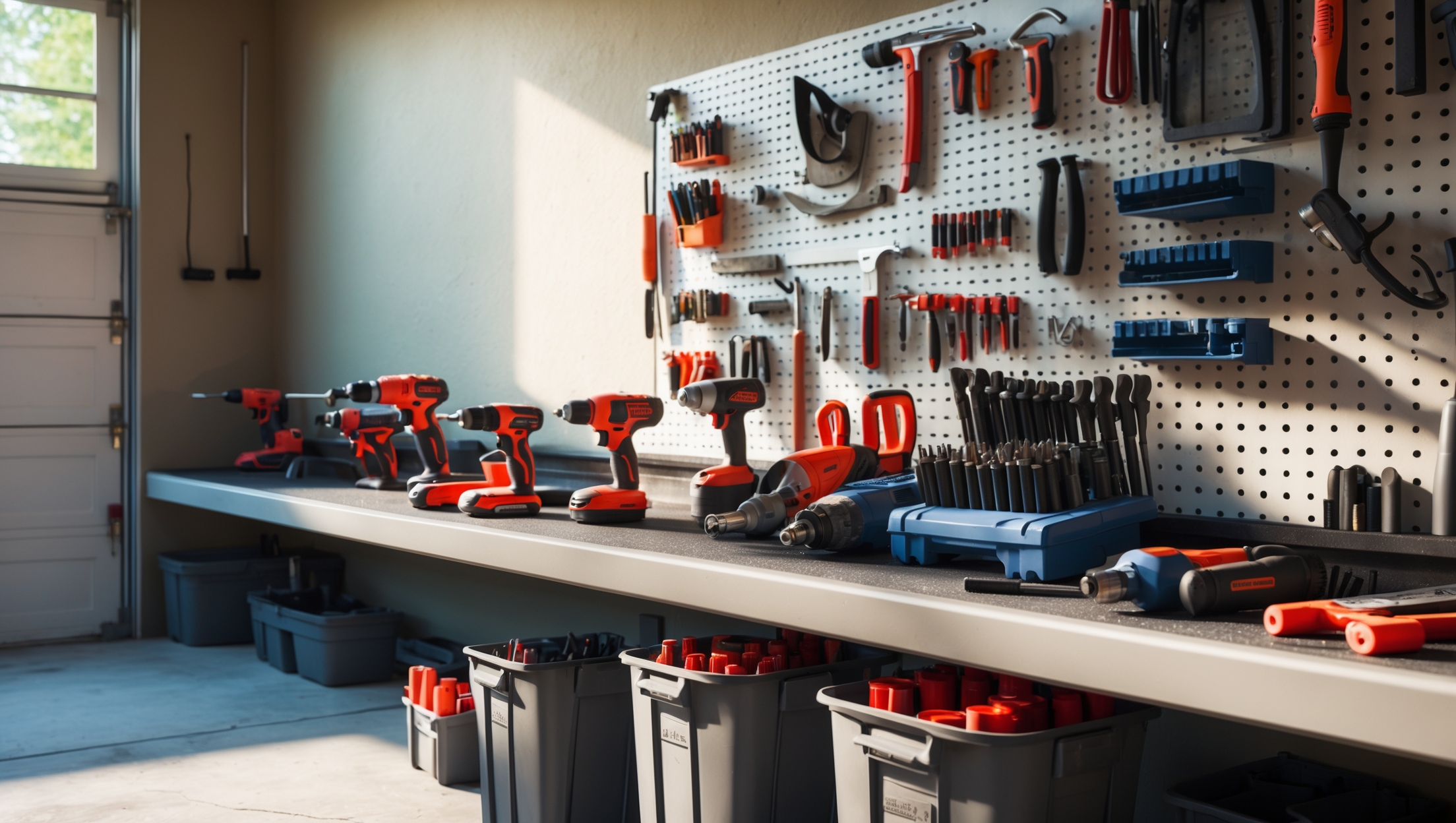
Introduction: Why Tool Maintenance Matters for Every Home Improver
When it comes to home improvement, the right tools are your most valuable allies. Whether you’re hanging pictures, building a deck, or renovating your kitchen, the performance and longevity of your equipment directly affect your results, costs, and safety. Yet, tool maintenance is one of the most overlooked aspects of DIY and professional home improvement projects. Many homeowners invest in high-quality tools, only to see them deteriorate due to neglect—resulting in unnecessary replacements, frustrating breakdowns, and even safety hazards.
In this comprehensive guide, we’ll dive into the essential practices for maintaining both hand and power tools. You’ll learn how regular cleaning, proper storage, timely inspections, and basic repairs can extend the life of your gear and ensure peak performance every time you reach for your toolbox. We’ll explore a maintenance routine that fits any skill level, recommend must-have maintenance supplies, and troubleshoot common tool issues before they escalate. By the end, you’ll be equipped with practical know-how to protect your investment and make every home improvement project smoother, safer, and more satisfying.
Understanding the Value of Maintenance
The True Cost of Neglect
Skipping tool maintenance doesn’t just shorten the life of your gear—it can hit your wallet hard. Rusted saws, dull blades, and gummed-up drills are more than nuisances; they can ruin materials, slow down progress, and force repeated purchases. Worse, poorly maintained tools increase the risk of accidents, as malfunctioning equipment may slip, break, or overheat.
The Benefits of Regular Care
- Extended Lifespan: Proper care can double or triple the usable life of most tools.
- Consistent Performance: Well-maintained tools deliver smoother cuts, tighter fastenings, and cleaner finishes.
- Cost Savings: Fewer replacements and repairs mean more money for your next project.
- Safety: Clean, sharp, and inspected tools reduce the risk of slips, jams, and electrical faults.
- Resale Value: If you upgrade, well-kept tools retain significant value.
Foundations of Tool Maintenance: The Four Pillars
To keep it simple, tool maintenance boils down to four core practices: cleaning, inspecting, lubricating, and storing.
1. Cleaning: The First Line of Defense
Dirt, dust, and debris are the enemies of every tool. After each use, take a few minutes to clean your equipment thoroughly:
- Hand Tools: Wipe with a dry or slightly damp cloth. Stubborn grime can be removed with a wire brush or nylon scrubber. Avoid soaking wooden handles; instead, use a damp cloth and dry immediately.
- Power Tools: Unplug or remove batteries first. Use compressed air to blow out dust from vents and crevices. Wipe housings with a dry or barely damp cloth. Keep cleaning fluids away from electrical parts.
2. Inspection: Spotting Trouble Early
Regularly inspect your tools for wear, damage, or loose parts. Warning signs include:
- Frayed cords or exposed wires on power tools
- Chipped, cracked, or bent blades and bits
- Loose screws, bolts, or handles
- Excessive wobble or play in moving parts
- Rust spots, corrosion, or sticky mechanisms
Early detection allows for quick fixes—tightening a screw, replacing a blade, or cleaning a contact—before bigger problems arise.
3. Lubrication: Keeping Things Moving Smoothly
Friction wears down tools quickly. A drop or two of the right lubricant on moving parts can prevent this:
- Apply light machine oil to hinges, pliers, and shears.
- Grease gears and bearings in power tools as per manufacturer’s instructions.
- Wipe off excess oil to avoid attracting dust.
Always use lubricants recommended for your specific tools and conditions.
4. Storage: Safe, Dry, and Organized
Proper storage is the unsung hero of tool care. Moisture, temperature swings, and disorganization can all contribute to premature wear.
- Store tools in a dry, well-ventilated area—avoid basements and sheds prone to dampness.
- Use toolboxes, chests, or wall-mounted racks for organization and accessibility.
- For power tools, remove batteries for long-term storage and keep chargers in a cool, dry spot.
- Silica gel packs or desiccant canisters can help control humidity in tool drawers.
Hand Tool Maintenance: Step-by-Step Guide
Cleaning and Rust Prevention
Hand tools—hammers, screwdrivers, chisels, wrenches—require minimal, but consistent, care.
- After use, wipe tools clean. For sticky substances like paint or glue, use mineral spirits sparingly.
- If rust appears, remove it with fine steel wool or a rust eraser, then wipe the area with oil.
- Apply a thin coat of light oil to metal parts before storing, especially in humid environments.
Sharpening and Calibration
Sharp tools are safer and far more effective. Dull blades require more force, increasing the risk of slips.
- Sharpen chisels, plane irons, and knives with a whetstone or sharpening system.
- Use a file to restore the edge on axes, garden shears, and pruners.
- Check and calibrate measuring tools (like levels and squares) for accuracy periodically.
Handle Care and Repair
- Sand wooden handles lightly to remove splinters; treat with linseed oil to prevent drying and cracking.
- Replace cracked or loose handles promptly—don’t risk a tool breaking mid-use.
Power Tool Maintenance: The Essentials
Post-Use Cleaning
Power tools demand more attention due to their complexity and sensitivity to dust and debris.
- Unplug or remove the battery before cleaning.
- Use a soft brush or compressed air to clear out vents, motor housings, and moving parts.
- Wipe down the exterior; avoid water near switches or battery contacts.
Battery and Cord Care
- Store batteries at room temperature—avoid extreme heat or cold.
- Charge lithium-ion batteries only when needed; avoid fully draining them.
- Inspect cords for damage. Replace immediately if you find fraying or exposed wires.
Blade and Bit Replacement
- Replace dull or damaged blades and bits promptly for both safety and performance.
- Clean saw blades and drill bits to remove resin or pitch buildup. Use a specialized blade/bit cleaner if needed.
Lubrication and Tightening
- Follow the manufacturer’s manual for lubrication schedules and recommended products.
- Tighten all screws, bolts, and fasteners before each use—vibration can cause them to loosen over time.
Storage Solutions: Protecting Your Investment
Optimal Storage Environments
- Keep tools off concrete floors, which can transfer moisture. Use shelving, racks, or drawer systems.
- For long-term storage, consider rust inhibitors or vapor corrosion inhibitor (VCI) liners.
Organizational Strategies
- Sort tools by type and frequency of use—most-used items should be easily accessible.
- Label drawers or bins to speed up cleanup and tool retrieval.
- Magnetic strips, pegboards, and foam cutouts can help keep everything in its place.
Tool Maintenance Schedule: What To Do and When
- After Each Use: Clean and visually inspect.
- Weekly: Wipe down all tools, check for rust, lubricate moving parts.
- Monthly: Deep clean power tools and sharpen blades.
- Quarterly: Inspect and replace worn parts, recalibrate measuring tools.
- Annually: Full inventory and maintenance review—retire or donate tools you no longer use.
Must-Have Maintenance Supplies
- Soft and wire brushes
- Microfiber cloths and shop rags
- Light machine oil and grease
- WD-40 or similar water-displacing spray
- Fine steel wool or rust erasers
- Compressed air cans
- Sharpening stones/files
- Replacement blades, bits, and parts
- Label maker or permanent markers
Troubleshooting Common Tool Problems
Rust and Corrosion
If you discover rust, act quickly. Remove with steel wool, apply oil, and improve your storage environment to reduce humidity.
Sticky Mechanisms
Stiff joints or frozen parts can often be freed with penetrating oil. If not, disassemble (if possible), clean thoroughly, and re-lubricate.
Electrical Issues
For power tools that won’t start or spark, check plugs and fuses. Never attempt to repair electrical components yourself unless you’re qualified—seek a professional or authorized repair center.
Blunt Blades and Dull Bits
Sharpen or replace blades and bits immediately. Working with dull cutting tools is inefficient and dangerous.
Specialty Tools: Extra Care for Unique Equipment
- Laser levels: Store in padded cases and avoid impacts. Clean lenses with a soft, dry cloth.
- Paint sprayers: Flush thoroughly with the appropriate solvent after each use to prevent clogs.
- Garden tools: Hose off soil, dry completely, and oil metal parts to prevent rust.
When to Repair vs. Replace
Not every tool is worth fixing. Consider the following:
- Repair if the tool is high-quality, parts are available, and the cost of repair is less than half the cost of a new tool.
- Replace if the tool is outdated, worn beyond safe use, or if replacement parts are unavailable.
Always recycle old tools responsibly or donate those in working condition to community programs.
Conclusion: Make Tool Maintenance a Habit, Not a Hassle
Tool maintenance isn’t a chore—it’s a smart investment in your home, your safety, and your peace of mind. By dedicating a small amount of time after each project (and a bit more on a regular schedule), you’ll avoid the frustration of dull blades, seized motors, or missing parts when you need them most. Clean, sharp, and reliable tools make every job faster, smoother, and—most importantly—safer.
Remember, every dollar and minute spent maintaining your tools pays you back in project success, tool longevity, and the confidence to tackle new challenges. Start with the basics: clean after every use, store properly, and tackle minor issues before they become major headaches. Over time, you’ll not only save money but also cultivate a workshop that’s a true source of pride and productivity. So, before you embark on your next home improvement adventure, give your tools the care they deserve—your projects (and wallet) will thank you!
You mention that proper care can double or triple the life of most tools. For power tools in particular, what maintenance steps would you recommend for someone who only uses them a few times a year?
For power tools used just a few times a year, clean them thoroughly after each use, check for frayed cords or loose parts, and store them in a dry place. Lubricate moving parts as recommended in the manual, and charge or remove batteries before long-term storage. This helps prevent rust, corrosion, and electrical issues.
If I’ve already let some of my hand tools develop a bit of rust, is there an easy way to restore them or is it usually better to replace them?
You can often restore rusty hand tools instead of replacing them. Light rust can usually be removed with steel wool or a wire brush. For heavier rust, soaking the tools in vinegar or using a commercial rust remover works well. Just dry and oil them afterward to prevent new rust.
When performing basic repairs or inspections, how can I tell if a tool is no longer safe to use and should actually be replaced instead of fixed?
Watch for signs like cracked handles, excessive rust, loose or missing parts, or tools that no longer function as intended even after basic repair. If a tool’s safety features are damaged or it can’t be restored to its original condition, it’s best to replace it instead of risking injury.
Can you give examples of basic repairs that beginners should learn to perform on their hand and power tools? I want to avoid making things worse through inexperience.
Some basic repairs beginners can safely learn include tightening loose screws or bolts, replacing worn-out handles on hammers and screwdrivers, sharpening blades on hand tools, and cleaning or replacing power tool brushes. Always unplug power tools before working on them, and consult the user manual for guidance.
You mention that proper care can double or triple the lifespan of most tools. Are there specific types of tools where maintenance has an especially big impact, or is it equally important for all hand and power tools?
Maintenance is crucial for all tools, but it has an especially big impact on power tools and anything with moving parts, like drills, saws, or lawn equipment. These tools are more prone to wear and tear if neglected, so cleaning, lubricating, and checking them regularly makes a significant difference.
Is there a big difference in the maintenance supplies needed for hand tools compared to power tools, or can most products work for both?
Hand tools and power tools share some maintenance supplies like lubricants and cleaning cloths. However, power tools often need specialty items such as electrical contact cleaners, compressed air, or replacement parts like brushes. It’s best to check your tool’s manual to see if any specific products are recommended for optimal care.
The article talks about routine inspections to catch issues early. What are some red flags or warning signs that a tool might be unsafe to use, even with regular maintenance?
Some key warning signs include frayed or cracked power cords, loose or missing screws, excessive vibration, unusual noises, rust or visible corrosion, and malfunctioning safety switches. If you notice any of these issues, it’s best to stop using the tool until it’s properly repaired or replaced.
If a tool has already started to rust or the blades are dull, do you think it’s better to try restoring it or just invest in a new one? How do you decide when a tool is beyond basic repairs?
If the rust is only surface level or the blades can be sharpened, restoring the tool is usually worth it. However, if there’s deep corrosion, cracks, or broken parts that affect safety or performance, replacing the tool is safer and more efficient. Consider the cost of repairs versus buying new, and always prioritize safety.
I’m curious about the must-have maintenance supplies you recommend. Are there specific brands or products that work best for both hand and power tools without breaking the bank?
For both hand and power tools, basic maintenance supplies like multi-purpose lubricants (such as WD-40), a set of cleaning brushes, microfiber cloths, and light machine oil are very useful. Many people find brands like 3-IN-ONE and CRC to be affordable and reliable. These products work well for cleaning, lubricating, and preventing rust on most tools without being expensive.
If I notice my cordless drill starting to overheat, is that usually from neglecting maintenance, or could it be a sign I need a replacement part?
Overheating in a cordless drill can happen from both neglected maintenance, such as clogged vents or lack of lubrication, and from worn-out parts like brushes or batteries. Start by cleaning and checking for dust buildup, but if the problem continues, inspect or replace worn components.
The article mentions how tool neglect can lead to safety hazards. Are there specific warning signs I should look out for in hand tools that might indicate they’re becoming unsafe to use?
Absolutely, there are clear warning signs to watch for. Check for cracks in handles, loose or missing parts, rust, excessive wear on gripping surfaces, or any tools that don’t operate smoothly. If a tool feels unstable, slips, or looks deformed, it’s best to repair or replace it before use.
Could you share more about what basic repairs homeowners can do themselves versus when it is safer to consult a professional for tool maintenance or fixes?
Homeowners can usually handle basic repairs like tightening screws, replacing worn handles, cleaning parts, and lubricating moving mechanisms. For more complex issues—such as repairing electrical wiring, fixing broken power tool motors, or addressing significant structural damage—it’s safer to consult a professional to avoid injury or further damage to the tool.
I usually store my tools in the garage, which isn’t climate-controlled. What’s the best way to prevent rust and other issues in that kind of environment?
To help prevent rust in an unheated garage, wipe your tools dry before storing, apply a light coat of oil to metal parts, and use silica gel packs or a dehumidifier to control moisture. Keeping tools off the concrete floor and in closed boxes or cabinets can also reduce exposure to humidity.
You mention that poorly maintained tools can be a safety hazard. Are there any warning signs I should look out for to know when a tool needs urgent attention before it becomes dangerous?
Absolutely. Look out for signs like frayed cords, loose handles, rusted or dull blades, tools that spark or make odd noises, and anything with cracked or broken parts. If you notice any of these issues, stop using the tool until it’s repaired or replaced.
I noticed the article mentions that proper care can double or triple the life of most tools. Are there specific maintenance routines you recommend for extending the lifespan of cordless power tools compared to manual hand tools?
Cordless power tools benefit from regular battery care—keep batteries charged, store them in a cool, dry place, and avoid full discharges. Also, wipe down tools after use and check for debris in vents. For manual hand tools, clean and dry them after use, oil any moving parts, and store them to prevent rust. Each type has its own needs, so routines do differ.
You mention that neglected tools can actually be a safety hazard. Could you elaborate on the most common tool-related accidents caused by poor maintenance and what extra steps can be taken to prevent them?
Poorly maintained tools can cause accidents like electrical shocks from frayed cords, injuries from dull blades that slip, or tool breakage during use. To prevent these, regularly inspect tools for damage, keep blades sharp, ensure handles are secure, and clean tools after each use. Store them properly and replace worn parts as needed.
Can you give some advice on the best way to store hand and power tools safely in a garage that sometimes gets damp? I’m worried about rust and tool damage.
To protect your tools in a damp garage, keep them off the floor using shelves or pegboards. Store tools in airtight containers or use silica gel packs to absorb moisture. Applying a light coat of oil to metal parts can also help prevent rust. Consider using a dehumidifier if dampness is a recurring issue.
I get that regular cleaning and storage are important, but what’s your advice for someone on a tight budget when it comes to buying must-have maintenance supplies—are there any household alternatives you’d recommend?
Absolutely, you can use simple household items to maintain your tools on a budget. Old toothbrushes work well for scrubbing, a bit of vegetable oil can help prevent rust, and rags made from worn-out t-shirts are great for wiping down tools. Just make sure everything is clean and dry before storage.
As someone just getting started with DIY projects, can you explain what kind of basic maintenance supplies I should get first to cover both hand and power tools?
For both hand and power tools, start with a multipurpose lubricant (like WD-40), a set of cleaning brushes, lint-free cloths, machine oil for moving parts, a file or sharpening stone for blades, and rust remover. These basics will help you clean, lubricate, and sharpen your tools to keep them in good condition.
The article mentions inspecting tools regularly, but how often should basic hand tools like hammers or screwdrivers be checked versus more complicated power tools?
For basic hand tools like hammers and screwdrivers, a thorough inspection every few months or before major projects is usually enough. More complicated power tools should be checked more frequently—ideally before each use and after every few uses—to ensure safety and optimal performance.
If I’m just getting started with my toolkit, what are the must-have maintenance supplies you recommend picking up first without spending a lot of money?
For basic and budget-friendly tool maintenance, start with a soft cleaning brush, a clean rag, some all-purpose oil (like 3-in-1), and a can of WD-40. Add a small file or sharpening stone for blades and a container for storing your supplies. These cover cleaning, rust prevention, and basic sharpening without much expense.
I usually buy affordable hand tools from big box stores. Are these lower-cost tools worth the extra effort of maintenance, or is it better to just replace them when they show signs of wear?
Even affordable hand tools can last much longer and perform better with regular maintenance. Cleaning, oiling, and proper storage help prevent rust and damage. If the tools are functional and not unsafe, maintaining them is usually more cost-effective than frequent replacements.
You mentioned that proper care can double or triple the usable life of most tools. Could you elaborate on how often you recommend doing full inspections for typical hand and power tools?
For typical hand tools, a full inspection every 3 to 6 months is usually enough, especially if they see regular use. For power tools, inspecting them every 1 to 3 months is recommended. Always check for obvious wear, loose parts, and cleanliness more frequently, ideally before and after each use.
I’m on a tight budget and can’t afford fancy maintenance supplies. Are there basic household products I can use to clean or lubricate my hand tools instead of buying specialty items?
You can definitely use common household items for basic tool care. For cleaning, try warm soapy water and a scrub brush to remove dirt. Light machine oil or even vegetable oil can work for lubricating metal parts, but use sparingly to avoid sticky residue. Old toothbrushes and rags are great for detailed cleaning.
Can you recommend specific cleaning products or types of oil that are safe to use on both hand tools and electric power tools? I want to avoid anything that could damage certain materials.
For cleaning, a mild dish soap with warm water and a soft cloth works well on most tool surfaces. For oiling, use a light machine oil like 3-in-One or a dedicated tool oil that won’t harm metal, plastic, or rubber components. Avoid harsh chemicals or penetrating oils unless specified safe for your tool’s materials.
The article talks about cost savings from maintenance, but are there affordable alternatives to brand-name cleaning or storage supplies that still work well for beginners on a tight budget?
Absolutely, there are affordable alternatives. For cleaning, you can use simple items like mild dish soap, old toothbrushes, and microfiber cloths instead of branded products. For storage, plastic bins or repurposed containers work just fine. The key is to keep your tools dry, clean, and organized, which doesn’t require expensive supplies.
For someone on a tight budget, which maintenance supplies are absolutely essential to buy first if I want to start taking better care of my tools?
If you’re starting out on a budget, prioritize buying a good wire brush, some light machine oil, and a clean rag. These will let you clean rust, lubricate moving parts, and wipe tools down after use, which goes a long way toward preserving them.
For someone on a tight budget, which basic maintenance steps should be prioritized to get the most out of cheaper, lower-quality tools?
Focus on keeping your tools clean and dry after each use, as moisture and dirt can cause rust and wear. Regularly check for loose screws or parts and tighten them. Sharpen blades on cutting tools, and lubricate moving parts with inexpensive oil to prevent friction and rust. These simple steps can greatly extend the life of budget tools.
For a beginner, what are the absolute must-have maintenance supplies to start with, especially if I mostly use basic hand tools instead of power tools?
If you mostly use hand tools, start with a small wire brush for cleaning, a can of light machine oil for lubrication, a soft cloth for wiping down tools, and a sharpening stone for edges. These basics will help keep your tools clean, rust-free, and sharp.
If I’m starting out with a pretty tight budget, which maintenance supplies are absolutely essential to have on hand, and which can I wait to buy later?
For a tight budget, start with basics like lubricating oil, a wire brush or rag for cleaning, and some light machine oil for rust prevention. You can wait on specialized cleaners, sharpening stones, or replacement parts until you really need them. Keeping your tools clean and lightly oiled is the most important first step.
Do you have any specific suggestions for must-have maintenance supplies for beginners who are just building their tool collection? I’m trying to figure out what’s essential versus what can wait.
For beginners, start with a good lubricant like WD-40, a soft brush for cleaning, machine oil, a rag or microfiber cloth, and a rust eraser. These basics will help you maintain most hand tools. Specialty cleaners and sharpeners can be added later as your collection grows.
If a tool starts rusting a little despite being stored away, is it still safe to use after cleaning it off, or does any rust mean the tool should be replaced?
A bit of surface rust is usually not a safety issue. If you clean off the rust and the tool’s structure and function are unaffected, it’s safe to keep using it. However, if rust has deeply pitted or weakened any part, replacement is a good idea.
If a tool already has some rust or gummed-up parts, is it worth trying to fix it, or should I replace it? How do I know when a tool is beyond repair?
If your tool just has surface rust or sticky parts, cleaning and lubricating can often restore it. However, if there is deep pitting, missing parts, or broken mechanisms that affect safety or function, replacement is probably best. Look for cracks, heavy corrosion, or anything that makes the tool unsafe—those are clear signs it’s beyond repair.
For someone on a tight budget, which maintenance supplies are truly essential versus nice to have? I want to prioritize what will make the biggest difference in tool lifespan.
To get the most out of your budget, focus on essentials like a wire brush or rag for cleaning, lubricating oil for moving parts, and a file or sharpening stone for blades. These basics will handle rust prevention, keep tools sharp, and ensure smooth operation, significantly extending tool life.
You mentioned regular cleaning and basic repairs for both hand and power tools. Are there any specific cleaning products or lubricants you recommend for small businesses dealing with a variety of tool brands?
For cleaning, a simple mild detergent and water usually work well for most hand tools, while a degreaser can help with tougher grime. For lubricating moving parts, a general-purpose machine oil or a spray lubricant like WD-40 is widely compatible with many tool brands. Always check manufacturer guidelines for brand-specific recommendations.
Since tool maintenance supplies can add up, are there a few budget-friendly essentials you recommend for beginners who just want to get started?
For beginners, you can start with a basic set: a soft cloth for cleaning, a small bottle of multipurpose oil for lubrication, a wire brush for rust removal, and a can of compressed air for dust. These are affordable, widely available, and will cover most simple tool maintenance needs.
You mention that skipping maintenance can actually be a safety hazard. Can you share more about what kinds of accidents are most common with neglected tools, and how often you suggest cleaning or checking them?
Neglected tools can lead to issues like dull blades causing slips, faulty power cords resulting in shocks, or loose parts leading to breakage during use. To stay safe, check and clean your tools after each use, and do a more thorough inspection monthly if you use them regularly.
If a power drill starts feeling sluggish or making odd noises, how can I tell if it just needs maintenance versus needing to be replaced completely?
If your power drill feels sluggish or makes strange noises, check for issues like worn brushes, a dirty motor, or low lubrication—these can often be fixed with basic maintenance. However, if you notice burning smells, excessive heat, or visible damage, replacement might be necessary.
Regarding maintenance supplies, do you have recommendations on which essentials are worth investing in for homeowners on a tight budget, especially for both hand and power tools?
For a tight budget, focus on essentials like a good multi-purpose lubricant (such as WD-40), light machine oil, a wire brush, a set of clean rags, and a can of compressed air. These basics cover cleaning, lubricating, and rust prevention for both hand and power tools without breaking the bank.
I’m curious, what basic repair skills should a homeowner learn to handle most common tool issues before needing a professional? Any suggestions for easy fixes to start with?
It’s helpful to learn how to clean and lubricate moving tool parts, replace worn-out handles or blades, tighten loose screws, and sharpen cutting tools. Starting with these basics can address many common issues and save you from unnecessary repairs. Regular inspection and proper storage also go a long way in preventing problems.
I’m interested in the recommended maintenance supplies you mentioned. Are there budget-friendly options for someone just starting out, or should I invest in more specialized products right away?
You can definitely start with budget-friendly maintenance supplies like basic lubricants, standard cleaning brushes, and multipurpose oils. These are effective for most home tools. As you gain experience or have specialized equipment, you can consider investing in more specific products.
Could you suggest some budget-friendly maintenance supplies for someone just starting to build their home improvement toolkit, especially for basic repairs and cleaning?
For beginners, start with a microfiber cloth, multi-purpose lubricant like WD-40, a small wire brush, and an affordable tool oil. Add a simple sharpening stone for blades and a bottle of all-purpose cleaner. These basics will help you keep most hand tools clean and in good working order without a big investment.