

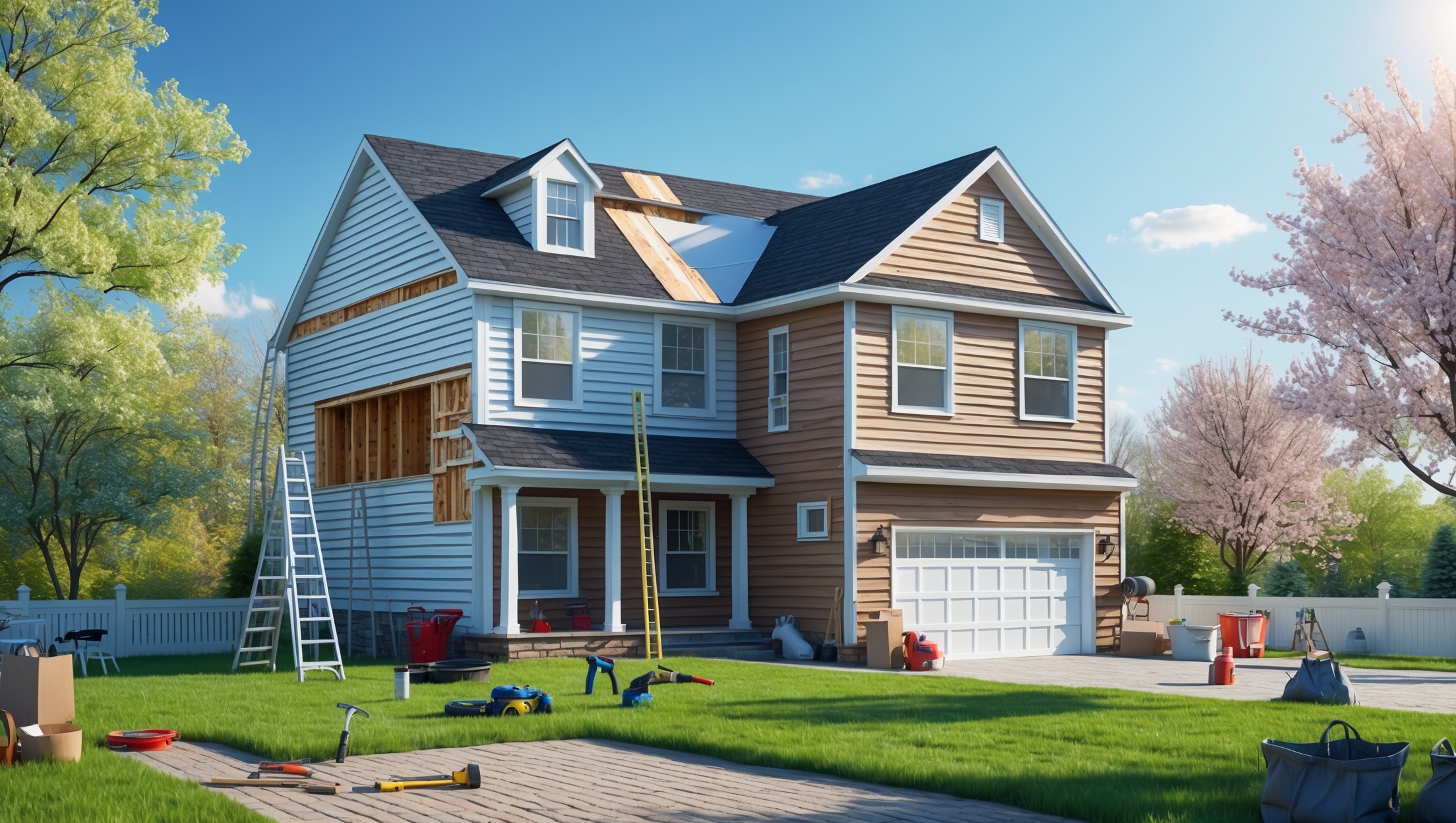
Introduction: Why Siding Replacement Matters
Upgrading your home’s exterior with new siding is more than a cosmetic refresh—it’s a strategic investment in protection, energy efficiency, and property value. Siding serves as the first line of defense against weather, pests, and moisture. Over time, wind, rain, sun exposure, and temperature fluctuations can degrade your siding, leading to higher energy bills, water infiltration, and even structural damage. Whether you’re dealing with faded vinyl, rotting wood, or outdated asbestos-cement panels, replacing your siding can dramatically improve curb appeal while safeguarding your home’s integrity. But siding replacement isn’t a one-size-fits-all project. Costs, material choices, and local regulations vary widely, and making uninformed decisions can lead to expensive mistakes. In this in-depth guide, you’ll learn how to plan a successful siding replacement—from budgeting and material selection to compliance with local codes—so you can approach your project with confidence and achieve lasting results.
Understanding Siding Replacement Costs
Key Factors That Impact Cost
Siding replacement costs depend on multiple variables. Understanding these factors will help you budget accurately and avoid surprise expenses:
- Material Type: Vinyl, fiber cement, wood, engineered wood, and metal all have different price points and installation requirements.
- Home Size & Complexity: Larger homes or those with multiple stories, complex rooflines, or architectural details require more labor and materials.
- Removal of Old Siding: Demolishing and disposing of existing siding (especially hazardous materials like asbestos) increases labor and disposal costs.
- Labor Rates: Skilled labor varies by region; urban areas often command higher rates than rural ones.
- Additional Repairs: Damaged sheathing, insulation upgrades, or trim repairs discovered during removal can add to the total price.
Average Cost Breakdown by Material (2024)
- Vinyl Siding: $4–$7 per sq. ft. installed
- Fiber Cement (e.g., HardiePlank): $6–$12 per sq. ft. installed
- Wood Siding: $7–$14 per sq. ft. installed
- Engineered Wood: $6–$11 per sq. ft. installed
- Metal Siding (Steel/Aluminum): $8–$14 per sq. ft. installed
Example: For a 2,000 sq. ft. home, total project costs (including materials, labor, and removal) typically range from $8,000 (basic vinyl) to $28,000+ (premium wood or metal).
Hidden and Ancillary Costs
- Permit Fees: $100–$500 depending on municipality
- Disposal Fees: $300–$1,000 for old siding removal
- Sheathing Repairs: $1.50–$3 per sq. ft. if needed
- Insulation Upgrades: $1–$2 per sq. ft. (optional but recommended)
- Trim and Accessories: $1,000–$3,000 for fascia, soffits, and corner boards
Choosing the Right Siding Material
Vinyl Siding
Vinyl is the most popular siding in the U.S., praised for its affordability, low maintenance, and wide color selection. Modern vinyl resists fading and impact, but lower-quality panels can warp in extreme heat or crack in cold weather. It’s lightweight, making installation fast and cost-effective.
Fiber Cement Siding
Fiber cement offers the appearance of wood with superior durability. It resists fire, insects, and rot, making it ideal for harsh climates. However, it’s heavier than vinyl, so installation costs are higher. Fiber cement requires periodic painting but holds color well.
Wood Siding
Wood delivers classic charm and can be painted or stained any color. Cedar and redwood are naturally resistant to decay, but all wood siding requires ongoing maintenance to prevent rot and insect damage. It’s the most eco-friendly option but also the most labor-intensive.
Engineered Wood Siding
Engineered wood combines real wood fibers with resins for improved durability and lower cost. It mimics the look of wood, is easier to install, and is pre-finished in various colors. It requires less maintenance than solid wood but is not as fire-resistant as fiber cement.
Metal Siding
Steel and aluminum siding are prized for their longevity and resistance to fire, pests, and rot. They’re ideal for modern aesthetics but can dent if struck. Metal siding is nearly maintenance-free but typically costs more upfront than vinyl or engineered wood.
Step-by-Step Siding Replacement Process
1. Planning and Preparation
- Inspect your current siding for rot, mold, or insect damage. Note any areas with structural concerns.
- Choose your new siding material, color, and trim details.
- Obtain written quotes from at least three licensed contractors.
- Apply for required local permits (see Compliance section below).
- Schedule siding delivery and dumpster rental for debris removal.
2. Removing Old Siding
- Carefully strip old siding. If you suspect asbestos (common in pre-1980s homes), hire a certified abatement professional.
- Dispose of old materials per local regulations.
- Inspect exposed sheathing for moisture damage or rot and repair as needed.
3. Preparing the Surface
- Install a weather-resistant barrier (house wrap or felt paper) over the sheathing.
- Tape seams and flash around windows/doors to prevent water intrusion.
- Consider adding rigid foam insulation for improved energy performance.
4. Installing New Siding
- Follow manufacturer’s installation instructions carefully for your chosen material.
- Begin at the bottom and work up, ensuring each row is level and properly overlapped.
- Use corrosion-resistant fasteners and flashing as specified.
- Install trim, soffits, and fascia boards as required.
5. Finishing Touches
- Seal joints and gaps with exterior-grade caulk.
- Paint or stain wood/fiber cement as needed.
- Clean up debris and inspect the installation for quality.
- Schedule a final inspection if required by your municipality.
Compliance and Permitting Steps
Why Permits Matter
Most communities require permits for siding replacement to ensure work meets building codes and safety standards. Skipping permits can result in fines, forced removal, or trouble selling your home.
How to Obtain a Permit
- Visit your local building department’s website or office.
- Submit a permit application with project details and contractor information.
- Include drawings or photos if required.
- Pay the permit fee (typically $100–$500).
- Wait for approval before starting work.
Inspections may be required at various stages (e.g., after removal, before final completion).
Common Code Requirements
- Proper installation of weather barriers and flashing
- Fire ratings for siding materials, especially in wildfire-prone areas
- Clearances from grade (typically 6 inches or more)
- Wind-load resistance (important in hurricane or tornado zones)
Check for HOA (Homeowners Association) restrictions or historical district guidelines that may dictate siding material or color.
Maintenance Best Practices for New Siding
Vinyl
- Wash annually with a garden hose and mild detergent.
- Inspect for cracks or loose panels after severe weather.
Fiber Cement
- Repaint every 10–15 years or as recommended by the manufacturer.
- Check caulking and touch up as needed.
Wood
- Paint or stain every 3–7 years.
- Inspect for rot, termites, and moisture intrusion each spring and fall.
Engineered Wood
- Clean with a soft brush and mild soap.
- Touch up paint or sealant as needed.
Metal
- Hose off dust and debris periodically.
- Check for dents or scratches, repainting bare metal to prevent rust.
Common Mistakes to Avoid
- Ignoring Permits: Always check local requirements before starting.
- Underestimating Costs: Budget 10–15% extra for unexpected repairs.
- Poor Installation: Incorrectly installed siding can void warranties and cause leaks. Hire experienced, licensed professionals.
- Choosing Cheap Materials: Low-cost siding may fade, warp, or need replacement sooner—costing more in the long run.
- Neglecting Maintenance: Even “maintenance-free” siding needs periodic inspection and cleaning.
FAQs: Your Top Siding Replacement Questions Answered
How long does siding replacement take?
Most homes can be completed in 1–2 weeks, depending on size, material, and weather.
Can I replace siding myself?
Small repairs may be DIY-friendly, but full replacement is best left to pros due to safety, code, and warranty concerns.
Is new siding tax-deductible?
Generally, siding is a home improvement (not a repair), so it’s not deductible. However, energy-efficient upgrades may qualify for federal credits—check current IRS guidance.
Will new siding increase my home’s value?
Yes, siding replacement recoups 70–80% of its cost at resale, and improves curb appeal significantly.
Conclusion: Making Your Siding Project a Lasting Success
Siding replacement is a significant project, but with the right planning, materials, and execution, it can transform your home’s appearance and resilience for decades. Start by setting a realistic budget that includes not just the visible costs, but the hidden ones: permits, potential sheathing repairs, and quality trim. Take time to research the best siding material for your climate, maintenance goals, and architectural style. Always work with licensed, insured professionals who have proven experience in siding installation—this is not the place to cut corners. Compliance is about more than red tape: proper permits and adherence to code ensure your investment is protected and your home is safe. Once your new siding is up, commit to simple annual maintenance to keep it looking fresh and performing at its best. By following these detailed steps, you’ll avoid costly pitfalls, maximize your home’s value, and enjoy the peace of mind that comes with a job done right. Siding replacement is an investment in your property’s future—plan carefully, and you’ll reap the rewards for years to come.
How big of a price difference is there between vinyl and fiber cement siding when you factor in the removal of old asbestos-cement panels, including disposal fees?
The price difference between vinyl and fiber cement siding can be significant, especially when asbestos-cement panel removal is involved. Vinyl siding is generally less expensive for both materials and installation. However, fiber cement itself costs more, and both options will see added costs for certified asbestos removal and disposal, which can add several thousand dollars to your total project cost regardless of siding choice.
Can you explain what kind of inspections or permits might be needed before starting siding replacement, and how much time that usually adds to the project?
Before starting siding replacement, you’ll usually need a building permit from your local city or county office. An inspection may be required both before work begins and after completion to ensure code compliance. The permit approval process and inspections typically add a few days to a week, depending on local regulations and scheduling.
How can I budget for possible extra repairs like damaged sheathing or insulation upgrades if I won’t know about them until after the old siding comes off?
To prepare for hidden issues like damaged sheathing or insulation upgrades, set aside a contingency fund—typically 10–20% of your total siding budget. This extra amount helps cover unexpected repairs discovered once the old siding is removed, so you’re not caught off guard.
When tearing off the old siding, how often do homeowners run into hidden repairs like damaged sheathing, and how should I budget for surprises like that?
Hidden repairs, such as damaged sheathing or rot, are discovered in about 15–30% of siding replacement projects. It’s wise to set aside an extra 10–20% of your siding budget to handle unexpected fixes. Ask your contractor to inspect and estimate once the old siding is removed, so you can plan accordingly.
If unexpected repairs like damaged sheathing come up while removing old siding, how much can that add to the overall project cost, and is it possible to build in a contingency for surprises like this when budgeting?
Unexpected repairs like damaged sheathing can add anywhere from $1 to $3 per square foot, depending on the extent and material. It’s wise to add a 10-20% contingency to your total siding budget to cover unforeseen issues during removal and installation.
We have a two-story home with some tricky rooflines—should I expect the labor costs for replacing our siding to be significantly higher?
Yes, complex rooflines and a two-story structure can increase labor costs for siding replacement. The added height and challenging angles usually require more time, equipment, and expertise, which can raise the overall price compared to simpler, single-story homes.
How big of an impact do insulation upgrades have on the overall siding replacement budget? Is it something most homeowners end up needing after removing old siding?
Adding insulation during siding replacement can increase your project cost by 15-25%, depending on material and home size. While not every homeowner opts for insulation upgrades, it’s common to discover insufficient or damaged insulation once old siding is removed, making it a practical and energy-efficient improvement for many projects.
Could you elaborate on how local building codes might impact material choices for siding replacement? I’m in a historic district and want to avoid any compliance headaches.
Local building codes, especially in historic districts, often require specific siding materials or styles to maintain the area’s character. You may need to use approved materials like wood or fiber cement and avoid vinyl or modern composites. It’s best to consult your local planning office or historic commission before choosing, as unapproved materials could result in fines or mandatory removal.
When removing old siding that might have asbestos, how do you safely handle and dispose of it, and does that usually require hiring a specialist?
If old siding may contain asbestos, it should be handled very carefully to avoid releasing hazardous fibers. Removal and disposal are usually regulated by local laws, and hiring a licensed asbestos abatement specialist is often required. They use special safety gear and follow strict procedures to remove and dispose of asbestos materials safely.
If I’m dealing with a two-story home that has a lot of architectural details, should I expect a significantly longer installation timeline compared to a simple single-story house?
Yes, you should expect the installation to take longer for a two-story home with many architectural details. The extra height and complexity require more time for setup, precision work, and safety measures compared to a straightforward single-story house.
With so many material options like vinyl, wood, fiber cement, and metal, how do you recommend choosing the best one for weather durability in areas with harsh winters?
For harsh winter climates, fiber cement and metal siding are generally the best choices due to their resistance to moisture, temperature swings, and impact from snow or ice. Both materials hold up well against winter weather, but fiber cement also offers good insulation and low maintenance.
How do I find out if my neighborhood has specific local codes or HOA restrictions around siding materials and colors before I start planning my siding replacement?
To check for local codes, contact your city or county building department and ask about siding regulations. For HOA restrictions, review your HOA’s governing documents or contact the board directly. Doing both will ensure you understand any requirements for siding materials and colors before starting your project.
When budgeting for siding replacement, how can I plan for hidden costs like repairs to insulation or sheathing that aren’t obvious until the old siding is off?
When budgeting, it’s wise to set aside an extra 10–20% of your siding project cost to cover unexpected repairs, like damaged insulation or sheathing. Ask your contractor to inspect for potential issues beforehand and discuss how they handle discoveries during the job, so you’re prepared if extra work is needed.
I have a two-story house with lots of corners and trim—does that complexity usually add a lot to labor costs compared to a simple ranch-style home?
Yes, having a two-story house with many corners and trim generally increases labor costs. Installers need more time and skill to work around those features, compared to a simple, single-story ranch home with straight walls. The extra corners, trim, and height add complexity to the project.
When planning a siding replacement, how do I know if I’ll run into extra repair costs like damaged sheathing or insulation upgrades during the process?
Extra repair costs, like fixing damaged sheathing or upgrading insulation, often become apparent only once the old siding is removed. To prepare, ask your contractor to inspect for signs of damage beforehand and include a contingency budget for potential hidden repairs in your project plan.
If I find damaged sheathing or insulation when removing my old siding, how much extra should I expect to add to my budget for those repairs?
If you discover damaged sheathing or insulation, expect to add about $2 to $8 per square foot for sheathing repairs and $1 to $4 per square foot for new insulation. The exact cost will depend on the extent of the damage and the materials you choose.
If unexpected repairs are discovered once the old siding is removed, do you recommend setting aside a specific percentage of the budget to cover these surprises, and if so, how much is usually sufficient?
It’s wise to plan for surprises when replacing siding. Setting aside 10–20% of your total siding budget is usually sufficient to cover unexpected repairs, such as water damage or rot discovered during removal. This cushion helps avoid delays or financial stress if issues arise.
If my home has complex rooflines and some exterior water damage, what steps should I take during the planning phase to avoid unexpected budget overruns?
Be sure to get a thorough inspection to assess hidden water damage and areas that may need repair. Share detailed photos or a site visit with your contractor to address tricky rooflines in the estimate. Request a written, itemized quote with contingencies for unforeseen repairs, so your budget covers all likely scenarios.
I noticed you mentioned that labor rates differ by region. Is there a reliable way to estimate labor costs in my specific area before I start getting quotes from contractors?
To estimate labor costs in your area, you can check online resources like remodeling cost calculators or look up recent local home siding projects on community forums. Talking to neighbors who’ve done similar work can also give you a ballpark figure before you get formal quotes.
How can homeowners accurately estimate possible additional costs if hidden issues like damaged sheathing or insulation upgrades are only discovered after the old siding is removed?
Homeowners can set aside a contingency fund, typically 10-20% of the siding project budget, for unexpected issues. It’s wise to ask contractors about common hidden problems in similar homes and request a detailed list of possible extra charges in their estimate. This helps prepare for costs like damaged sheathing or insulation upgrades.
If my house has some damaged sheathing underneath the old siding, do I need to budget a lot extra for those repairs when replacing everything? How often do hidden damages come up during projects like this?
Hidden damage like damaged sheathing is fairly common during siding replacement, especially in older homes or where moisture issues have occurred. It’s wise to budget extra—often 10–20% more—for unexpected repairs, as replacing sections of sheathing can add noticeable costs for materials and labor.
When removing old siding, especially if it might contain asbestos, what are the main steps or precautions homeowners need to take to stay compliant with regulations?
If your old siding might contain asbestos, have it tested by a certified professional before removal. Use licensed asbestos abatement contractors, notify local authorities as required, and never attempt removal yourself. Follow proper disposal procedures for hazardous materials to ensure compliance and safety.
How do labor rates typically differ between urban and rural areas, and is it common for contractors to include removal and disposal of old siding in their estimates?
Labor rates are generally higher in urban areas due to increased demand and cost of living. In rural regions, rates tend to be lower. Most contractors do include removal and disposal of old siding in their estimates, but it’s always best to confirm this in writing before work begins.
If I choose to replace my old siding myself instead of hiring professionals, are there certain materials that are more DIY-friendly or that you would recommend avoiding for first-timers?
Vinyl siding is generally considered the most DIY-friendly option because it’s lightweight, easy to cut, and snaps together. Fiber cement and stucco are much more challenging for beginners due to their weight and installation complexity. Wood siding falls in between; it requires careful sealing and nailing but can be manageable if you’re comfortable with basic tools.
If I want to increase energy efficiency with new siding, are certain materials like fiber cement or insulated vinyl notably better, or does it depend more on the insulation behind the siding?
Insulated vinyl siding can significantly boost energy efficiency since it has built-in insulation. Fiber cement alone doesn’t insulate much, so efficiency there depends more on adding proper insulation behind it. For the best results, combine quality siding with additional exterior insulation.
Does the cost breakdown include any potential permit fees or inspection costs required by local codes, or should homeowners budget for those separately during a siding replacement?
The cost breakdown in the article does not include permit fees or inspection costs, as these can vary by location. Homeowners should budget for these expenses separately and check with their local authorities to determine the exact requirements and fees.
For homes with existing asbestos-cement panels, what are the main challenges and added costs during removal and disposal?
Removing asbestos-cement panels involves strict safety regulations, requiring licensed professionals and specialized equipment. This increases labor costs and adds expenses for proper hazardous material disposal. Expect higher fees for permits, containment, and waste transport, often making asbestos removal significantly more expensive than standard siding removal.
If I want to upgrade from faded vinyl to fiber cement, are there specific compliance or code issues to keep in mind, especially if my house is pretty old?
When upgrading from vinyl to fiber cement siding on an older home, check local building codes for requirements like moisture barriers, fire ratings, and insulation. Some areas require permits or inspections for siding updates. Also, confirm there are no historic district restrictions if your home is in a regulated area.
For a two-story house with a lot of architectural details, would fiber cement still be cost-effective compared to vinyl when considering both material and labor costs?
For a two-story house with many architectural details, fiber cement often ends up more expensive than vinyl due to higher material costs and more complex labor requirements. The extra cutting and installation effort for detailed designs make fiber cement less cost-effective than vinyl in these situations.
When replacing siding with materials like vinyl or engineered wood, are there specific local codes or compliance issues I should watch out for, especially in older homes?
Yes, older homes often have unique code requirements, especially regarding fire safety, insulation, and moisture barriers. Some areas may restrict certain siding materials or require permits. It’s smart to check with your local building department before starting, as compliance rules can differ by city or county.
I see that material choice affects both price and installation. For a first-timer, is vinyl the easiest to install myself, or should I seriously consider other materials like fiber cement or engineered wood?
Vinyl siding is usually considered the easiest option for DIY installation, especially for beginners. It’s lightweight, has simple interlocking panels, and requires fewer specialized tools. Fiber cement and engineered wood are more challenging due to their weight and the need for specific cutting tools, so vinyl is often the best starting point for first-timers.
You mentioned regional labor rate differences. For someone on a tight budget in an urban area, are there practical ways to save on labor without sacrificing quality or compliance?
In urban areas, you might save on labor by scheduling work during off-peak seasons or getting multiple quotes to compare rates. Also, consider reputable contractors with good reviews rather than just the lowest bid, and bundle projects if possible. Always check that any cost-saving measures still meet local codes and quality standards.
If I discover damaged insulation or sheathing during siding removal, how much should I budget for those surprise repairs on average?
If you find damaged insulation, expect to spend around $1 to $3 per square foot to replace it. Sheathing repairs usually cost $2 to $8 per square foot, depending on the extent and material. These are average estimates; actual costs can vary based on your home’s size and local labor rates.
When budgeting for siding replacement, how much should I set aside for unexpected repairs, like damaged sheathing or insulation, that might only be discovered after removing the old siding?
It’s wise to set aside an extra 10% to 20% of your total siding replacement budget for unexpected repairs such as damaged sheathing or insulation. Costs vary by home size and material, but this buffer typically covers most surprises discovered during the project.
If my home’s siding replacement project uncovers damaged sheathing, how much can that add to the total cost, and is it common to run into this during removal?
It’s fairly common to discover damaged sheathing once old siding is removed, especially if there have been leaks or prolonged moisture. Repair costs can range from $2 to $8 per square foot, depending on the extent of the damage and local labor rates. Budgeting extra for potential sheathing repairs is a smart move.
If my home has old asbestos-cement panels, what is the safest way to handle removal, and are there special rules or extra costs I should expect because of that?
If your home has asbestos-cement panels, removal must be handled by licensed professionals due to health risks and strict regulations. This process often involves permits, specialized equipment, and proper disposal, which increases costs compared to standard siding removal. Be sure to check local laws, as requirements can vary by location.
Is there a significant difference in long-term maintenance or energy efficiency between fiber cement and engineered wood siding if I’m trying to choose between the two?
Yes, there are notable differences. Fiber cement siding requires less maintenance over time because it’s highly resistant to rot, insects, and fire. Engineered wood may need periodic repainting or resealing. In terms of energy efficiency, both perform similarly, but insulation depends more on what’s installed underneath rather than the siding material itself.
I’m deciding between vinyl and fiber cement siding. Besides the material cost differences mentioned, are there major differences in terms of long-term durability or maintenance I should consider?
Yes, there are a few key differences. Fiber cement is generally more durable, resisting fire, pests, and rot better than vinyl. However, fiber cement may need occasional repainting, while vinyl is virtually maintenance-free but can crack in extreme temperatures. Both last decades, but fiber cement often requires a bit more care over the years.
If unexpected repairs like damaged sheathing are found during siding removal, is there a way to estimate those potential costs ahead of time to avoid major budget surprises?
It’s wise to plan for unexpected repairs like damaged sheathing. Ask your contractor to inspect for signs of underlying issues before starting, and request a contingency estimate—typically adding 10–20% to your budget—to cover hidden damage that might be revealed once the old siding is removed.
I noticed you mentioned additional repairs during removal can raise costs—could you share tips on how homeowners can anticipate or budget for those unexpected expenses?
Homeowners can set aside a contingency fund, usually 10-20% of the siding project cost, to cover unexpected repairs like rot or insect damage. Before work starts, request a thorough inspection from your contractor to identify hidden issues, and ask for a detailed estimate that includes possible repair scenarios.
Could you elaborate on how complex architectural details, like bay windows or decorative trim, might increase both material and labor costs during a siding replacement?
Complex architectural details like bay windows or decorative trim often require custom cutting and fitting of siding materials, which increases both material waste and labor time. Installers may need special tools or extra steps to work around these features, leading to higher overall costs compared to standard wall surfaces.
I noticed you mentioned asbestos-cement panels—what’s the safest and most affordable way for a homeowner to deal with removing that old siding?
If your siding might contain asbestos, it’s safest to hire a certified asbestos abatement contractor, as DIY removal can be hazardous and is often illegal. While professional removal is more expensive up front, it protects your health and meets regulations. Always check local rules before taking any action.
If my home has existing asbestos-containing siding, do you know roughly how much extra I should budget for safe removal and disposal as part of the project?
If your home has asbestos-containing siding, you should typically budget an additional $1,000 to $3,000 for safe removal and disposal. Costs can vary depending on the size of the area, accessibility, and local regulations, so it’s a good idea to get quotes from certified asbestos abatement contractors in your area.
You mention that labor rates can vary a lot depending on the region. Is it typical to get multiple quotes from contractors, and what should I look out for when comparing them?
It’s definitely common and recommended to get quotes from several contractors. When comparing them, check if the quotes include materials, labor, permits, and cleanup. Also, review each contractor’s experience, warranty offerings, and whether they’re licensed and insured.
How do I know if my home’s sheathing or insulation will need repairs or upgrades during siding replacement? Is there a way to estimate these additional costs up front?
To determine if your sheathing or insulation needs work, look for signs like soft spots, mold, water stains, or drafts inside your home. During siding replacement, contractors typically inspect the underlying layers after removing old siding. For a rough cost estimate, ask your contractor for a price range per square foot for common repairs so you can budget for potential extras.
If repairing hidden damage is a big factor in cost, how can I budget for unexpected repairs like sheathing or insulation upgrades before starting the siding project?
To budget for unexpected repairs, set aside an extra 10-20% of your siding project’s estimated cost. Before starting, ask your contractor to inspect for signs of hidden damage and discuss how they handle discoveries like sheathing or insulation issues. This way, you’ll be more prepared for surprises.
Could you give more insight on how unexpected repairs, like damaged sheathing found during removal, typically affect the overall timeline and budget for a siding replacement?
Unexpected repairs like damaged sheathing can extend your project by a few days, depending on the extent of the damage. They also increase costs, since replacing sheathing involves extra materials and labor. It’s wise to budget an additional 10–20% for such surprises and discuss contingency plans with your contractor upfront.
How should homeowners prepare for the removal of old siding if they suspect it contains asbestos, and are there additional steps needed for proper disposal beyond typical waste services?
If asbestos is suspected in your old siding, homeowners should hire licensed asbestos abatement professionals to handle removal. Do not attempt to remove it yourself. Special disposal protocols are required—standard waste services cannot accept asbestos-containing materials. Your contractor will arrange for safe removal, packaging, and disposal at an approved hazardous waste facility.
I noticed the article mentions potential additional repairs during siding removal, like damaged sheathing or insulation. How can homeowners budget for these unexpected costs in advance?
Homeowners can set aside a contingency fund of about 10-20% of the total siding project cost to cover unexpected repairs. Having a contractor inspect your home beforehand can also help identify possible hidden issues and provide a more accurate estimate for potential extra expenses.
I have young kids and a busy schedule—are there any tips for minimizing disruption during siding replacement, especially if the project uncovers unexpected repairs like damaged insulation?
To minimize disruption, schedule the work during times when your family is out, like school or work hours. Let the contractor know about your kids and ask them to keep work areas secure. If repairs are found, request clear updates and a timeline extension estimate so you can plan ahead. Setting up temporary barriers can also help keep dust and noise away from living spaces.
How much does removing old siding with asbestos typically add to the overall replacement cost compared to other materials?
Removing old siding that contains asbestos usually adds significantly to the overall replacement cost because it requires specialized abatement by licensed professionals. This can increase your costs by $2,000 to $6,000 or more, depending on the size of your home, while removing other materials is much less expensive and doesn’t require these safety measures.
The article mentions additional repairs discovered during old siding removal can add to the cost—can you share examples of what kinds of repairs are most common and how much extra I should budget for them?
Common extra repairs include fixing water damage, replacing rotten wood, repairing or adding insulation, and addressing insect damage. Costs can vary, but you might expect to pay an additional $500 to $2,500 depending on the extent of the issues. Setting aside a 10–20% contingency on top of your siding budget is a good idea.
Could you explain more about what counts as ‘complex rooflines or architectural details’? I’m trying to figure out if features like bay windows or a covered porch will bump up my siding estimate.
Complex rooflines or architectural details refer to features that make the exterior surface less straightforward to cover, such as bay windows, dormers, turrets, or covered porches. These elements usually require extra labor and materials, which can increase your siding estimate compared to a simple, flat exterior.
For someone replacing asbestos-cement panels, what are the main compliance steps or permits needed, and does removal typically require hiring a specialist due to hazardous material laws?
When replacing asbestos-cement panels, you’ll usually need to check with your local building authority for required permits. Removal typically does require a licensed asbestos abatement specialist due to hazardous waste regulations. Strict procedures must be followed for safe handling, disposal, and documentation to stay compliant with health and safety laws.
If my house has some areas with rotting wood siding and others that are still in decent shape, is it possible to replace only the damaged sections, or do most contractors recommend redoing everything for better energy efficiency?
You can replace just the rotted sections of your wood siding, and many contractors offer partial replacement. However, re-siding the entire house often improves energy efficiency and ensures a more uniform look. The best approach depends on the extent of the damage and your budget.
If my home has complex rooflines and multiple stories, how much extra should I expect to pay for labor according to the factors listed? Also, are there ways to minimize those costs?
Homes with complex rooflines and multiple stories typically see labor costs increase by 20% to 40% because of extra setup, safety measures, and time required. To help minimize costs, get detailed quotes from several contractors, schedule work for off-peak seasons, and see if any simple prep work can be done yourself safely.
If I choose fiber cement over vinyl for better durability, how much higher should I expect my overall project costs to be, including installation and labor?
Fiber cement siding typically costs 20–50% more than vinyl when you include materials, installation, and labor. For a standard home, this could mean spending $3,000 to $8,000 more overall, depending on your home’s size and local labor rates.
If my home needs some sheathing and insulation upgrades discovered during siding removal, do most contractors include those repairs in their bids, or should I expect additional charges after the project starts?
Most contractors provide a base quote for siding replacement and may not include unexpected sheathing or insulation repairs in the initial bid. If these issues are discovered during removal, you’ll likely receive a change order with additional charges. It’s a good idea to ask your contractor how they handle these situations before work begins.
For a two-story home with complicated rooflines, would you recommend choosing a specific siding material to help control labor and installation costs?
For a two-story home with complex rooflines, vinyl or engineered wood siding can help manage labor and installation costs. These materials are lighter, easier to cut, and quicker to install compared to fiber cement or natural wood, which require more time and expertise for intricate areas.
For homes with existing asbestos-cement panels, what are the usual steps and extra costs involved in removal and disposal to comply with regulations?
When removing asbestos-cement panels, you’ll need to hire licensed professionals for safe removal, proper sealing, and certified disposal at approved facilities. Extra costs can range from $2,000 to $5,000 or more, depending on home size and local regulations. Permits, air monitoring, and cleanup may add to the overall expense.
I have old siding that might be asbestos-cement panels—how do I figure out if it’s hazardous and what extra steps or costs should I expect for safe removal?
To confirm if your siding contains asbestos, hire a certified asbestos inspector to take samples for lab testing. If it’s asbestos-cement, removal must be done by licensed professionals due to health risks. This adds costs for testing, permits, specialized removal, and hazardous waste disposal. Expect higher fees than standard siding removal.
How do labor rates for siding replacement usually differ between urban and rural areas, and is it worth waiting for the off-season to save on costs?
Labor rates for siding replacement are generally higher in urban areas due to increased demand and higher living costs. Rural areas typically offer lower labor rates. Scheduling your project during the off-season, such as late fall or winter, can sometimes lead to cost savings because contractors may offer discounts to fill their schedules.
If my old siding needs replacing due to water infiltration, should I expect to pay significantly more for additional repairs like insulation or sheathing, or are those usually minor add-ons?
If water infiltration has damaged the insulation or sheathing beneath your siding, repairs can add a noticeable cost, especially if the damage is widespread. Sometimes, needed fixes are minor, but significant water damage often means higher expenses for replacing or repairing those layers. It’s best to have the extent of damage assessed before budgeting.
How much of a price difference should I expect between fiber cement and engineered wood siding for a medium-sized, two-story house? Are there major differences in long-term maintenance costs for these materials?
For a medium-sized, two-story house, fiber cement siding typically costs a bit more upfront—often $2–$4 more per square foot installed compared to engineered wood. However, fiber cement usually needs less frequent repainting and is more resistant to pests and moisture, so long-term maintenance costs are generally lower than engineered wood.
Could you elaborate on how removal and disposal of hazardous materials like asbestos siding usually impacts the overall project cost and timeline?
Removing and disposing of hazardous materials like asbestos siding significantly increases both cost and project duration. Specialized contractors are required for safe removal, permits may be needed, and disposal fees are higher. This process often adds days—or even weeks—to the timeline, plus thousands of dollars to the total cost, depending on local regulations and material volume.
With so many siding materials to choose from, do you have recommendations for balancing energy efficiency and cost for a small business building versus residential homes?
For small business buildings, insulated vinyl or fiber cement siding offers good energy efficiency at moderate cost. For residential homes, vinyl siding with added insulation or engineered wood provides a strong balance between price and efficiency. Both options are durable, but insulation value and upfront costs can differ, so consider climate and long-term savings when choosing.
How do local building codes usually affect material choices for siding replacement, especially if I want to use something like metal or engineered wood?
Local building codes can limit your siding material choices to those rated for fire resistance, weather protection, and energy efficiency. For metal or engineered wood, you’ll need to check if these materials meet local requirements for things like wind load and insulation. Always confirm with your local permitting office before making a final decision.
Do you have any recommendations on how to confirm if my local building codes might require permits or specific materials before starting the replacement process?
To confirm local building code requirements, contact your city or county building department directly. They can tell you if permits are needed and specify approved siding materials. You can also check their official website for posted guidelines or building code documents.
With the cost factors you listed, how big of an impact does home complexity have on the final price compared to the type of siding material chosen?
Home complexity, such as multiple stories, intricate architectural details, or unusual shapes, can significantly increase labor costs, sometimes nearly as much as choosing a premium siding material. In general, both factors are major contributors, but very complex home designs may push installation costs higher than the difference between basic and upscale siding materials.
If my home is a single story with a pretty simple roofline, would that usually lower labor costs compared to more complex houses, or are there other factors that could offset those savings?
A single-story home with a straightforward roofline usually does mean lower labor costs since the work is easier and requires less setup. However, costs can also be affected by your home’s total square footage, siding material, and accessibility, which may offset some of those savings.
If my home has architectural details like bay windows and ornate trim, how might that impact both the budget and the scheduling for a siding replacement project?
Architectural details like bay windows and ornate trim can increase both the cost and the timeline for your siding replacement. These features require extra labor, careful fitting, and sometimes custom materials, making installation more complex. Be sure to discuss these details with your contractor so they factor them into your estimate and project schedule.
If I discover damaged insulation or sheathing when removing my old siding, how much should I expect my overall project cost to increase, and is it usually better to fix everything at once or wait?
If you find damaged insulation or sheathing, expect your total cost to rise by several hundred to a few thousand dollars, depending on the extent and materials needed. It’s almost always best to repair these issues immediately to prevent further structural damage and higher costs later.
With so many siding materials mentioned, how do you recommend choosing between vinyl and fiber cement if I’m most concerned about long-term energy efficiency and maintenance costs?
If long-term energy efficiency is your main concern, fiber cement offers better insulation than vinyl, though both may need extra insulation added. For maintenance costs, vinyl typically needs less upkeep and is resistant to rot, while fiber cement is more durable but may require repainting over time. Weigh upfront costs, climate, and your willingness to maintain the siding when making your decision.
For older homes with potential asbestos-cement panels, what steps are involved in meeting local compliance regulations during removal, and how does this typically impact project timelines?
For homes with asbestos-cement panels, you’ll need to hire certified asbestos abatement professionals to safely remove the material according to local regulations. This usually involves obtaining permits, notifying local authorities, and specialized disposal. These steps often extend project timelines by several days to a couple of weeks, depending on local requirements and scheduling availability.
If my home turns out to have asbestos-cement panels, how much more should I expect to pay for safe removal before installing new siding?
If your home has asbestos-cement panels, safe removal typically costs an extra $1,000 to $3,000 or more, depending on the size of your home and local regulations. This covers specialized handling and disposal by certified professionals to ensure safety before installing new siding.
How can I budget for unexpected repairs like damaged sheathing or insulation issues that might pop up during siding removal? Are there warning signs to look for before starting?
To budget for unexpected repairs, set aside an extra 10-20% of your siding project cost as a contingency. Before starting, look for signs like warped siding, persistent moisture, musty smells, or soft spots on exterior walls—these could hint at underlying sheathing or insulation problems.
The article mentions that labor rates can be higher in urban areas. Is there a way to estimate how much more I might pay if I live just outside a major city?
Labor rates near major cities are often 10–30% higher than in rural areas, but exact differences depend on local demand and your proximity to the city center. Contacting a few local contractors for quotes is the best way to get a clear estimate for your specific location.
Are there common code compliance issues that small business owners typically run into when replacing siding, especially in older buildings?
Yes, small business owners often face compliance issues like improper insulation, failure to install moisture barriers, and not meeting fire rating standards, especially in older buildings. You may also need permits for historic properties or to match existing architectural features. Always check local codes and consult with professionals before starting your siding project.
When replacing siding, how do I find out which local codes or permits apply in my area, and what happens if I miss a requirement during installation?
To find out which codes or permits apply, contact your local building or planning department—they can tell you exactly what’s needed for siding replacement. If you miss a requirement, you could face fines, be required to redo work, or delay your project’s completion, so checking first is really important.
If my home has several architectural details and complex rooflines, should I expect significantly higher labor costs even if I choose a lower-priced siding material like vinyl?
Yes, intricate architectural details and complex rooflines usually increase labor costs, regardless of the siding material. Even with budget-friendly options like vinyl, the extra time and skill needed to work around unique features or angles can make the installation more expensive.
I noticed you mentioned local code compliance when replacing siding. What are common permitting issues or inspections homeowners should plan for, especially if they’re switching to a different siding material?
When switching to a new siding material, you may need permits to ensure fire resistance, weatherproofing, and structural attachment methods meet local codes. Inspections often check for proper moisture barriers, flashing, and that materials are rated for your area. Always check with your local building department before starting to avoid delays or rework.
If damage to the underlying sheathing or insulation is discovered during siding removal, what’s the best way to budget for those unexpected repairs in advance?
It’s wise to set aside a contingency fund—typically 10–20% of your total siding budget—for unexpected repairs like sheathing or insulation damage. Ask your contractor for a rough estimate of possible repair costs, so you’re prepared if hidden issues are uncovered.
When budgeting for siding replacement, how much of a price difference should I expect between vinyl and fiber cement for a typical single-story home, considering both material and labor costs?
For a typical single-story home, vinyl siding usually costs $6–$10 per square foot installed, while fiber cement ranges from $8–$14 per square foot. So, you might see a total project difference of $2,000 to $6,000 more for fiber cement, depending on your home’s size and local labor rates.
Can you clarify how much extra I should budget for the removal and disposal of old asbestos-cement panels, compared to regular siding materials?
Removing and disposing of old asbestos-cement panels usually costs much more than standard siding removal. You may need to budget an extra $8 to $15 per square foot for asbestos removal due to strict safety and disposal regulations, while regular siding removal averages only $1 to $2 per square foot.
If I come across water damage or rotted sheathing while removing my old siding, how much should I budget for those additional repairs? Does the article cover how to handle unexpected discoveries like this?
If you find water damage or rotted sheathing during siding removal, repair costs can range from $500 to $1,500 or more depending on the extent. The article does mention the importance of budgeting extra for surprises like damaged sheathing and suggests addressing these issues promptly to avoid larger structural problems.
We have an older home with some potential water damage under the siding. Should I budget for hidden repairs, and if so, what kinds of issues are most common during removal?
It’s wise to budget for hidden repairs, especially with older homes. Common issues uncovered during siding removal include water-damaged sheathing, rot, mold, and sometimes pest damage. Setting aside extra funds for possible repairs to structural framing or insulation is a good precaution.
What is a typical timeline for removing old siding and installing new materials on a two-story home with a complex roofline? I’m trying to plan for possible disruptions.
For a two-story home with a complex roofline, siding replacement typically takes about 1 to 2 weeks. Removal of old siding and prep work can take several days, while installation of new materials may require additional time due to roofline complexity. Weather and crew size can also impact timing.
If my home has a lot of trim work and multiple stories, should I expect a much longer installation timeframe or just a higher bill?
Both are likely—extensive trim work and multiple stories usually mean more labor and materials. You can expect a higher overall cost and a longer installation timeframe, since detailed trim and extra height add complexity and require more time for safe, careful work.
The article mentions energy efficiency as a benefit. Are there certain siding materials that offer better insulation or qualify for local energy rebates?
Yes, some siding materials offer better insulation. Insulated vinyl, fiber cement, and some engineered wood sidings provide higher energy efficiency. Insulated options can help lower utility bills and may qualify for local energy rebates, depending on your area’s programs. Check with your local energy provider or government office for qualifying products and available incentives.
Could you explain more about what local codes typically require for siding replacement? I want to make sure I don’t miss any compliance steps when planning my project.
Local codes for siding replacement usually require using materials rated for your climate, proper moisture barriers, and fire safety standards. Permits are often needed, and inspections might be required during or after installation. Always check setback rules and HOA guidelines if applicable. Contact your local building department early to ensure your project meets all specific requirements in your area.
How do labor rates between urban and rural areas typically differ when installing siding, and are there ways to find skilled but affordable labor without compromising quality?
Labor rates for siding installation are usually higher in urban areas due to increased demand and living costs. In rural regions, rates can be lower, but skilled labor may be less available. To find quality work at a better price, try getting multiple quotes, checking references, and asking for recommendations from neighbors or local hardware stores.
Could you elaborate on how local codes might affect material choices, especially in regions with extreme weather? I want to make sure I pick something compliant and durable.
Local building codes often require specific siding materials to ensure homes can withstand regional weather challenges like hurricanes, wildfires, or heavy snow. For example, areas prone to wildfires may mandate fire-resistant siding, while coastal zones might require materials that resist moisture and wind. It’s important to check with your local building department for approved material lists before making a decision.
You mention that labor rates can differ a lot between urban and rural areas—do you have any tips for finding qualified siding installers without overpaying in a high-cost city?
To avoid overpaying in a high-cost city, get multiple quotes from local contractors and check reviews or references. Look for installers certified by major siding manufacturers. Consider scheduling work during slower seasons when rates may be lower, and ask each company for a detailed breakdown of labor versus materials.
If my current siding is asbestos-cement panels, what should I expect in terms of additional labor and disposal costs compared to standard siding removal?
Asbestos-cement siding removal involves specialized safety procedures and certified professionals, so you can expect significantly higher labor and disposal costs. These can be two to three times more than standard removal, mainly due to hazardous material handling, protective equipment, and regulated disposal requirements.
Could you clarify how local building codes might affect the choice of siding material, especially when removing older asbestos-cement panels?
Local building codes often restrict how you handle and dispose of asbestos-cement panels, requiring certified contractors and specific removal methods. When choosing new siding, codes may also set standards for fire resistance, insulation, and weatherproofing, which could limit your material options. Always check with your local building authority before starting your project.
Could you explain more about what considerations go into removing old siding, especially if materials like asbestos are involved? I’m concerned about both cost and safety implications.
Removing old siding, especially with materials like asbestos, requires special handling. Asbestos must be removed by licensed professionals to prevent health risks. This can increase costs significantly due to safety protocols, permits, and proper disposal. Always have the siding inspected before removal to identify hazardous materials and budget accordingly for safe removal.
How do I check what local codes or permits I’ll need before I start a siding replacement project? Do cities usually have inspections or specific requirements for certain siding materials?
To find out about local codes and permits for siding replacement, contact your city or county’s building department directly. Most areas do require permits and may have inspections at certain stages. Some cities also specify approved siding materials, so it’s important to confirm these details before starting your project.
Could you clarify what kind of additional repairs are most commonly discovered when removing old siding? I want to be prepared for potential surprises before I start budgeting.
When old siding is removed, it’s common to find water damage, rotted wood, mold, or insect damage to the sheathing or framing beneath. You might also discover insulation issues or outdated wiring. Factoring in a budget cushion for these repairs is a smart move.
You mention that labor rates are higher in urban areas, but are there any tips for reducing labor costs or negotiating with contractors for a siding replacement?
You can reduce labor costs by getting multiple quotes from local contractors, scheduling your project during their off-peak seasons, or bundling other exterior work. Don’t hesitate to negotiate—ask for itemized estimates and see if they’re willing to match competitors’ prices or offer discounts for cash payments.
Can you provide more detail on how labor rates differ between urban and rural areas and how much of the total cost they typically represent?
Labor rates for siding replacement are generally higher in urban areas due to increased demand, cost of living, and overhead for contractors. In rural areas, rates tend to be lower. Labor can make up 30% to 50% of the total siding replacement cost, but this varies depending on local market conditions.
When budgeting for new siding, how should I factor in the cost for removing old panels, especially if there’s a chance they contain asbestos? Does hazardous disposal make a big difference in overall price?
When old siding might contain asbestos, removal costs can increase significantly due to strict safety and disposal regulations. Hazardous disposal often requires certified professionals and special landfill fees, which can add several thousand dollars to your budget. It’s wise to get a professional inspection first to confirm if asbestos is present before requesting quotes.