

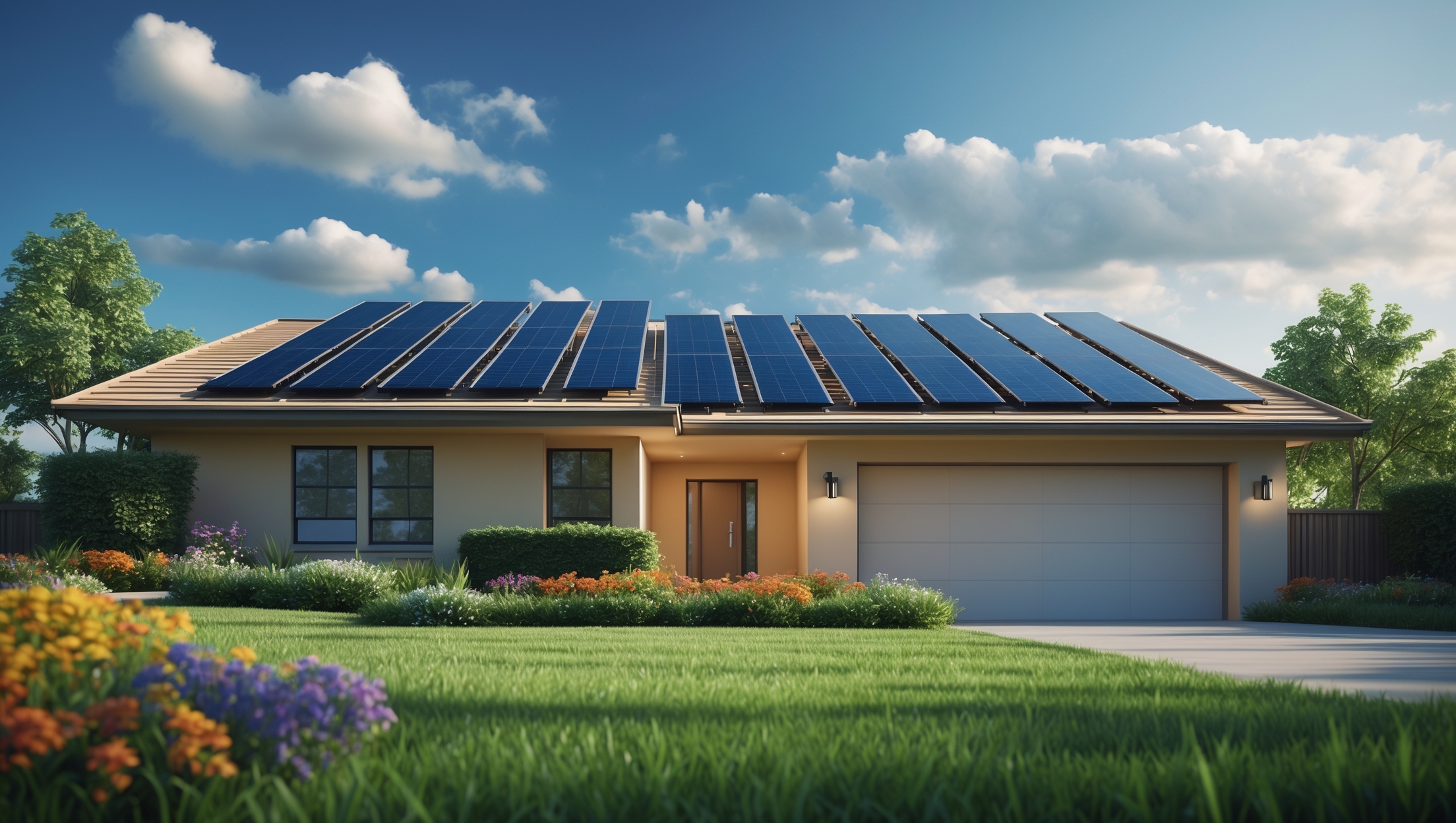
Introduction: Why Compliance Matters When Installing Solar Panels at Home
Solar energy is rapidly becoming an essential feature in home improvement, promising reduced utility bills, increased property value, and a smaller carbon footprint. However, installing solar panels isn’t as simple as placing them on your roof and plugging them in. For homeowners, understanding compliance and permitting is crucial—not just to follow the law, but also to protect your investment and ensure your system operates efficiently and safely. Failing to navigate local, state, and sometimes federal regulations can result in project delays, costly fines, removal orders, or even safety hazards. In this comprehensive guide, we’ll demystify the compliance process for home solar panel installations, breaking down the different types of permits you might need, detailing how to work with inspectors and your utility company, and offering practical tips to streamline your journey from planning to powering up. Whether you’re hiring a contractor or considering a DIY approach, this guide will arm you with the knowledge to avoid common pitfalls and achieve a smooth, legal, and successful solar upgrade.
Understanding the Regulatory Landscape
Federal, State, and Local Oversight
Regulation of residential solar panel installations occurs at multiple levels. While federal agencies like the U.S. Department of Energy offer incentives and broad guidelines, compliance is primarily enforced at the state and—most critically—local levels. Municipal building departments, zoning boards, and local utility companies play central roles in approving and inspecting installations. This means the requirements can vary dramatically depending on where you live.
Why Permits Are Non-Negotiable
- Legal Requirement: Most jurisdictions mandate permits for structural, electrical, and sometimes aesthetic changes.
- Safety Assurance: Permits ensure installations meet electrical codes and fire safety standards.
- Utility Interconnection: Your utility company will require evidence of approved permits to connect your system to the grid and enable net metering.
- Insurance and Resale: Non-permitted work can void your homeowner’s insurance or complicate future property sales.
Types of Permits You May Need
1. Building Permit
This permit confirms that your solar installation will not compromise the structural integrity of your home. It addresses roof load calculations, wind resistance, and fire safety. Building permits are especially important for older homes or those with unique roof types.
2. Electrical Permit
An electrical permit ensures your system will be safely integrated with your home’s wiring. It covers issues such as circuit sizing, breaker compatibility, grounding, and proper labeling. Licensed electricians are typically required for this phase, even if the rest of the project is DIY.
3. Zoning and Planning Approvals
Some communities have zoning restrictions related to roof modifications, setback distances, or visibility from the street. If you live in a historic district or a neighborhood governed by a Homeowners Association (HOA), you may face additional requirements or design reviews.
4. Fire Department Review
In fire-prone regions or dense urban areas, fire departments may review your plans to ensure there are safe walkways for firefighters and appropriate system shut-offs during emergencies.
5. Utility Interconnection Agreement
This agreement with your power company covers the technical and safety standards for connecting your solar system to the grid. It is essential for net metering and for receiving credit for excess electricity generation.
Step-by-Step Permit Application Process
1. Gather Documentation
- Site Plan: A scaled drawing showing your roof, panel layout, property lines, and any obstructions.
- System Specifications: Manufacturer datasheets for panels, inverters, mounting hardware, and wiring diagrams.
- Structural Calculations: Especially for building permits, calculations may be required to prove your roof can handle the additional load.
- Electrical Plans: Detailed schematics prepared by a licensed electrician or your installer.
2. Submit Your Application
Most local permitting offices now allow for online submissions. Double-check forms for completeness and accuracy—missing details are the most common cause of delays.
3. Pay Fees
Permit fees vary widely but typically range from $100 to $500 depending on your jurisdiction and the size of the system. Be sure to ask about all associated costs, including plan checks or inspection fees.
4. Respond to Plan Reviews
Expect follow-up questions or requests for clarifications. Respond promptly and professionally to keep your application moving forward. If working with a contractor, they should handle this process, but always review responses yourself.
5. Schedule Inspections
Once construction is complete, you’ll need one or more inspections. Inspections typically cover:
- Structural: Verifies secure mounting and roof integrity.
- Electrical: Checks wiring, grounding, and safety shut-offs.
- Fire Safety: Confirms fire code clearance and emergency access.
Navigating Common Compliance Challenges
Historic Districts and HOAs
Rules in historic neighborhoods or HOA-governed communities can be more restrictive than general municipal code. You may need to submit additional aesthetic plans, use specific panel types, or limit visibility from the street. Early engagement with these bodies reduces the risk of costly redesigns or project denials.
Rural and Off-Grid Installations
Remote properties may not require utility interconnection, but still often need permits for safety and insurance reasons. Check with your county or town office—don’t assume anything is exempt.
Shared Roofs and Multi-Family Homes
Condo owners and multi-family dwellers face unique compliance hurdles, including shared roof rights, legal agreements, and group permits. Consult your property management and legal counsel before proceeding.
Tips to Streamline the Compliance Process
- Hire Experienced Contractors: Reputable solar installers are familiar with local requirements and can expedite permits. Always verify their credentials and ask for references.
- Start Early: Permitting can take several weeks or months. Begin the process as soon as you decide to install.
- Maintain Open Communication: Keep in touch with your local permitting office, utility, and (if applicable) HOA throughout the project.
- Document Everything: Keep copies of all paperwork, emails, and approvals. This will be invaluable for insurance, resale, and troubleshooting issues down the road.
- Stay Current: Codes and requirements change frequently. Confirm that you’re using the latest forms and following the most up-to-date regulations.
Case Study: Avoiding Permit Pitfalls in a Real-World Project
Consider the example of a homeowner in San Diego, CA, who installed a 6kW rooftop system. The contractor submitted plans for both building and electrical permits, but failed to include a detailed roof load calculation. The city rejected the application, requiring a structural engineer’s report. This added two weeks and $400 to the process. To avoid this, always review your contractor’s submission packet and don’t hesitate to seek a second opinion from a structural professional if your home is older or has had previous roof repairs. In this case, the delay was minor, but for other homeowners, incomplete submissions can result in months-long setbacks or even a total rejection of the project.
Frequently Asked Questions About Solar Compliance
- Can I install solar panels without permits if I’m off-grid?
Rarely. Even off-grid systems must meet safety codes. Check local requirements. - What if my installer says they’ll “handle the permits”?
Verify. Ask for copies of approvals and confirm with your city or county office. - Are permit costs included in installation quotes?
Sometimes, but not always. Ask for a detailed breakdown before signing a contract. - Will non-permitted solar panels affect my home insurance?
Yes. Unpermitted work can void coverage or result in claims denial. - How long does the permitting process take?
Anywhere from two weeks to several months, depending on local backlog and project complexity.
What to Expect During Inspections
Preparation
Before your inspection date, double-check that:
- All work matches the approved plans.
- Panels and inverters are securely mounted.
- Wiring is neat, labeled, and accessible.
- Required safety signage is in place.
- System shut-offs are installed as specified.
During the Inspection
Inspectors will compare the installation to your submitted plans and relevant codes. Be onsite or available by phone to answer questions or address minor issues. Most inspectors are helpful and will point out minor corrections rather than fail the inspection outright.
After the Inspection
If you pass, you’ll receive a signed approval—keep this for your records. If corrections are needed, address them promptly and schedule a re-inspection. Only after passing all required inspections can you proceed with utility interconnection and system activation.
Finalizing Utility Interconnection
With permits and inspections complete, submit your signed approvals to your utility company along with any final interconnection forms. Utilities may conduct their own inspection before authorizing you to activate the system and participate in net metering. This step can take anywhere from a few days to several weeks.
Conclusion: A Smart Path to Solar Success
Installing solar panels at home is one of the most rewarding upgrades you can make—both for your wallet and the environment. But the journey from idea to reality is paved with regulatory checkpoints that, if neglected, can turn an exciting project into a bureaucratic headache. With careful research, detailed documentation, and a proactive approach to compliance, you can avoid unnecessary delays, fines, or costly do-overs. Remember that local requirements are king; what works in one city or neighborhood may be forbidden in another. Lean on experienced professionals, but always stay engaged in the permitting process—this is your investment and your home’s future. By mastering the ins and outs of permits and compliance, you’ll not only ensure a safe, legal, and efficient installation, but also lay the groundwork for long-term energy savings and peace of mind. Whether you’re aiming for energy independence, increased property value, or a greener lifestyle, taking the extra time to get compliance right is the smartest step you can take on your solar journey.
Do you have any advice on how to speed up the permit approval process at the local level? We’ve run into delays before with home improvement projects and I’m worried our solar panel installation could get held up.
To help speed up your solar permit approval, double-check that your application is complete and accurate before submitting. If possible, work with a solar installer familiar with your local permitting office—they often know the process well. You can also call your local permitting office to ask about required documents and typical turnaround times to avoid surprises.
Can you explain what specific permits are required if my home is in an area with a strict HOA? I want to make sure I’m not missing any local or aesthetic approvals before I start.
If your home is in an area with a strict HOA, you’ll typically need two sets of approvals: first, a local building permit from your city or county, and second, written approval from your HOA. The HOA may have guidelines on panel placement, color, and visibility to maintain neighborhood aesthetics. It’s best to check both with your local permitting office and your HOA board before moving forward.
I’m in the early stages of planning a solar panel install and I’m wondering, how do I find out exactly which local permits are required for my address? Are there common differences between towns even within the same state?
To find out which permits you need, contact your town or city’s building or permitting department—they can tell you the specific requirements for your address. Yes, permit rules can differ greatly even between nearby towns, so always check locally rather than relying on state-wide guidelines.
If I hire a contractor for my solar installation, am I still responsible for making sure all the permits are properly acquired and approved, or does the contractor usually handle that with the local authorities?
Typically, your contractor will handle obtaining the necessary permits and coordinating with local authorities as part of their service. However, it’s wise to confirm this in your contract and stay informed about the process to ensure everything is completed correctly and on time.
The article mentions local regulations can vary a lot—how do I find out exactly which permits my city requires before starting the solar installation?
To know the specific permits your city requires, contact your local building or planning department. You can also check your city’s official website or visit city hall in person. Many solar installers can help guide you through the local permitting process as well.
You mentioned that local rules can vary a lot—is there a quick way for homeowners to find out exactly which permits they need for their area before hiring a contractor?
The quickest way is to contact your local building department or city permitting office. Many cities also have online permit portals where you can enter your address to see specific requirements. This ensures you know exactly what permits are needed before talking to contractors.
If I hire a contractor, do I still need to personally handle any of the compliance steps, or will they manage all the permits and inspections for me?
Most reputable contractors will handle the permits and coordinate inspections on your behalf as part of their service. However, it’s wise to confirm this in your contract and stay informed about the process in case your signature or presence is needed at any stage.
The article mentions working with local utility companies during permitting. Is this mainly for grid-tied systems, and does it add much time or cost to the process compared to just dealing with the building department?
Yes, coordinating with your local utility is primarily necessary for grid-tied solar systems, since they connect to the public power grid. This step can add both time and sometimes additional costs compared to only working with the building department, as utilities may require inspections, applications, or specific equipment before granting approval.
Are there any common reasons why a homeowner’s solar permit application might get rejected at the local level, and what can I do to avoid these pitfalls before starting the installation?
Yes, common reasons for solar permit rejections include incomplete or incorrect paperwork, noncompliance with local building codes, inadequate structural details, or missing utility approval. To avoid these issues, double-check your application, ensure your plans meet all local and utility requirements, and consider consulting your installer or local permitting office before submitting.
If a homeowner decides to take the DIY route rather than hiring a contractor, are there additional compliance steps or permits that become more challenging to obtain?
Yes, as a DIY installer, you may face extra scrutiny during the permit and inspection process. Some jurisdictions require licensed professionals for certain tasks, so permits can be harder to secure. You’ll likely need to provide detailed plans and may have more inspections compared to hiring a certified contractor.
You mention that requirements can vary by location—what’s the best way for a homeowner to find out exactly which permits their city or county needs before starting the solar panel process?
The most reliable way is to contact your local city or county building department directly. They can provide specific permit requirements and any application forms you’ll need. You might also check their official website for guidelines about solar installations in your area.
Could you give an example of the types of permits someone might need if their city has strict historic zoning rules? I’m curious how aesthetic changes interact with solar panel requirements.
If your city has strict historic zoning rules, you may need both a historic district approval and a standard building or electrical permit for solar panels. Historic commissions often review your plans to ensure panels don’t alter the appearance of the property or are not visible from the street. These reviews help balance preservation with solar energy requirements.
If I hire a contractor, should I expect them to handle all the permitting and compliance paperwork, or are there parts of the process I’m still responsible for as a homeowner?
Most reputable contractors will handle the permitting and compliance paperwork for you, as part of their service. However, you may still need to sign documents, provide property information, or attend inspections if required by your local authority. Always confirm these details with your contractor before starting.
I’m considering a DIY installation—are there differences in the permitting process if I install the panels myself versus hiring a licensed contractor?
Yes, there are usually differences. Many local authorities require that a licensed contractor handles solar panel installations, and DIY projects may face stricter permitting or inspection requirements. Some areas might not allow DIY installations at all, so check with your local permitting office before proceeding.
You mentioned that local requirements can be very different from state or federal ones—what’s the best way to find out exactly which permits I need before getting started in my city?
To find the exact permits you’ll need, contact your city’s building or planning department directly, as they handle local regulations. You can also ask your solar installer, since reputable companies are usually familiar with the permitting process in your area.
If I hire a contractor, does that usually include them handling all the compliance and permitting, or should I expect to manage some of that myself?
Most licensed solar contractors handle all compliance and permitting as part of their service. However, it’s a good idea to confirm this before signing a contract, as some paperwork or utility applications may still require your involvement or signature.
If local permit requirements are strict, does that make it riskier or more expensive to attempt a DIY installation compared to hiring a contractor who might handle those compliance steps?
Strict local permit requirements can make DIY solar panel installation riskier and potentially more expensive, especially if you’re unfamiliar with the process. Licensed contractors are usually experienced in navigating compliance steps, which can help you avoid costly mistakes or delays. If you’re not confident about managing permits, hiring a contractor could save time and reduce stress.
What are some common reasons local building departments deny solar panel permit applications, and how can homeowners proactively address these issues?
Local building departments often deny solar panel permits due to incomplete documentation, not meeting structural or electrical codes, or violating zoning rules. Homeowners can help prevent this by ensuring all paperwork is complete, confirming their roof can support solar panels, and checking with local authorities about specific requirements before applying.
I’m planning to install solar panels myself, but I’m confused about how to find out the exact permit requirements for my city since you mentioned they can vary a lot locally. Where should I start?
To find your city’s specific solar permit requirements, start by contacting your local building or planning department at city hall. You can also visit your city government’s official website, which often has permit guides and application forms. They’ll give you the most accurate, up-to-date information for your area.
When working with the utility company for grid interconnection, are there common issues or delays that homeowners should anticipate during the approval process?
Yes, homeowners sometimes face delays if paperwork is incomplete, if the utility requires additional technical information, or if there are high volumes of applications. It’s helpful to double-check submission requirements and maintain communication with your installer and utility company throughout the process to avoid unnecessary setbacks.
I’m curious, if I’m considering a DIY solar installation, how involved does the local utility company get in the permitting and inspection process? Are there extra steps compared to hiring a contractor?
If you go the DIY route, your local utility company will likely be more involved, requiring you to submit detailed plans and schedule inspections directly. Unlike contractors, who handle most paperwork and coordination, you’ll need to manage these steps yourself, and sometimes provide extra documentation to verify compliance before connecting to the grid.
You mentioned possible project delays if I miss a permit—could you give an idea of how long those delays could actually last for a typical homeowner?
Missing a permit can cause delays ranging from a few weeks to several months. The exact time depends on how quickly your local permitting office processes late applications and whether any work needs to be redone to meet code. It’s always best to secure all necessary permits before starting to avoid these setbacks.
If I hire a contractor for my solar panel installation, do I still need to handle any of the permitting paperwork myself or does the contractor typically take care of all of that?
In most cases, your contractor will handle all the permitting paperwork for your solar panel installation. They are usually familiar with local requirements and submit the necessary documents on your behalf. However, it’s a good idea to confirm this with the contractor before work begins.
You mention local utility companies play a big role in approvals—how far in advance should I start working with my utility, and are there fees or paperwork I should expect when arranging for interconnection?
It’s wise to contact your utility as soon as you start planning your solar project—ideally several months before installation. Utilities often require applications, technical paperwork, and may charge interconnection fees. Requirements and timelines vary, so early communication helps avoid delays and surprises.
The article mentions that permits are needed for both structural and electrical changes. If I’m just upgrading my existing system with more panels, do I need to go through the whole permitting process again?
If you’re adding more panels to your existing system, most local authorities do require you to update or reapply for permits, especially for electrical modifications. It’s best to check with your local permitting office, as requirements can vary depending on the scope of the upgrade.
I’ve heard some utility companies require additional paperwork for solar interconnection. Can you explain what that usually involves and how it fits into the overall compliance and permitting process?
Utility companies often require you to submit an interconnection application, which includes details about your solar system’s size, design, and installer. This paperwork ensures your system meets safety and grid standards. Typically, it’s completed after you secure local permits but before activating your system, forming the final step before connecting to the grid.
How much do permitting fees usually add to the total cost of a residential solar panel installation, and are there any incentives that can help offset those fees?
Permitting fees for residential solar panel installations typically range from $100 to $500, depending on your location. Some cities or states offer incentives or rebates that can help offset these costs, so it’s a good idea to check with your local government and utility company for available programs.
If a homeowner wants to tackle solar panel installation as a DIY project, are there specific compliance steps that differ from hiring a licensed contractor?
Yes, DIY solar installations often require extra steps. Homeowners must handle all permitting, inspections, and ensure their work meets local codes, which a licensed contractor would typically manage. Your municipality may also require proof of electrical knowledge or restrict DIY work, so always check local rules before starting.
If requirements can vary so much depending on where you live, what’s the best way to quickly find out which specific permits and inspections are needed in my city before starting a solar panel project?
The fastest way is to contact your city or county’s building or planning department directly, either by phone or through their website. They can provide up-to-date details on required permits and inspections for solar panel installation in your area.
The article mentions that local utility companies play a major role in approving solar installations. Can you explain what the utility approval process typically involves and how long it might take before I can actually turn my system on?
The utility approval process usually involves submitting your system design and specifications for review, then passing an inspection after the installation. Once approved, the utility will provide permission to operate. This process can take anywhere from a few days to several weeks, depending on your local utility and their workload.
Can you clarify how local utility companies might impact the timeline for getting my solar system up and running after I secure permits and inspections?
After permits and inspections are done, local utility companies usually need to review your system and approve it for grid connection. This process is called interconnection approval. Utilities may also schedule a site visit or meter upgrade. These steps can add anywhere from a few days to several weeks to your overall timeline.
Does dealing with permits and approvals usually add a lot of time to the installation process? I’m trying to figure out how long it would realistically take from planning to having my panels up and running.
Permitting and approvals can add anywhere from a few weeks to a couple of months to your solar installation timeline, depending on your local regulations and how busy your permitting office is. Including site assessment and installation, most homeowners can expect the entire process to take about 1 to 3 months.
You mention local utility companies play a key role in the approval process. Are there typically extra fees or paperwork involved for getting my solar system connected to the grid through my utility?
Yes, most local utility companies require both paperwork and fees for connecting your solar system to the grid. This often includes submitting an interconnection application, providing technical details, and sometimes paying processing fees. It’s best to check with your specific utility, as requirements and costs can vary widely.
How do I find out exactly which permits are required in my specific city or county, and does the article recommend if homeowners should handle this themselves or hire a contractor for it?
To find the exact permits needed in your area, contact your local building department or visit their website. The article suggests it’s often easier and less stressful for homeowners to let their solar contractor handle the permit process, since they’re familiar with local requirements.
Can you explain a bit more about what happens if my permit application is delayed by the utility company? Does that mean I can’t start any part of the installation until their approval comes through?
If your permit application is delayed by the utility company, you typically need to wait for their approval before starting any work that involves connecting your solar system to the grid. However, you might be able to begin some non-electrical prep work, but check with your local regulations to avoid violations.
For homeowners trying to keep costs down, are there any strategies to streamline the permitting process or avoid unexpected fees when applying for all the required solar installation permits?
To help minimize costs, gather all necessary documents before applying, check your local requirements carefully, and ask your installer if they include permitting in their service. Some areas offer online applications or combined permits, which can save time and money. Also, clarify all potential fees with your local permitting office in advance.
If I want to install a small solar panel system myself, do the compliance steps differ much compared to hiring a contractor, especially when dealing with the utility company?
If you install the solar panels yourself, you’re still required to follow the same compliance steps as a contractor would. This includes obtaining permits and coordinating with your utility company for inspections and grid connection approval. Doing it yourself may mean more paperwork and direct communication with authorities, but the requirements themselves remain the same.
Could you explain a bit more about what kind of problems or delays can happen if my home solar installation doesn’t fully meet the local utility company’s requirements during inspection?
If your solar installation doesn’t fully meet your utility company’s requirements, you might face delays in getting approval to operate your system. Common issues include incorrect wiring, improper panel placement, or missing documentation. These problems often require corrections and a second inspection, which can postpone your solar system’s activation and connection to the grid.
If I’m planning to do a DIY solar panel installation, is it usually the homeowner or the contractor who submits the permit applications, and what kind of paperwork should I expect to handle myself?
If you’re going the DIY route, you’ll typically be responsible for submitting all permit applications yourself. Expect to handle forms related to building permits, electrical permits, and sometimes zoning approvals. You’ll also need to provide system plans, equipment specs, and possibly proof of compliance with local codes.
Could you clarify if permit requirements differ for ground-mounted versus rooftop solar panels, especially when it comes to local building codes?
Permit requirements often do differ between ground-mounted and rooftop solar panels. Ground-mounted systems may face stricter regulations or zoning restrictions, such as setback requirements and height limits, while rooftop installations usually focus on roof structure and fire safety. Always check your local building codes to understand the specific requirements for each type.
I noticed the permit requirements can vary a lot depending on where you live. How can I find out exactly which permits I need for my specific city or county before starting the process?
The best way to find out the exact permits needed is to contact your local building or planning department directly. They can provide detailed information based on your address. You can also check their official website for guidelines and downloadable forms specific to solar installations.
How long does it typically take for a homeowner to get all the necessary permits approved, and are there things I can do to speed up the process?
Permit approval times for solar panel installations usually range from a few days to several weeks, depending on your local regulations. You can speed things up by ensuring your application is complete, double-checking all required documents, and responding quickly to any follow-up questions from the permitting office.
Could you clarify whether the permitting process usually includes both structural and electrical permits, or does it depend on the city and type of installation?
The permitting process often requires both structural and electrical permits, especially for rooftop solar installations. However, the exact requirements can vary based on your city’s regulations and the type of system you’re installing. It’s best to check with your local permitting office to confirm what is needed for your specific project.
If my city or HOA has specific aesthetic guidelines, how much can that affect the solar panel permitting process or lead to delays?
City or HOA aesthetic guidelines can definitely impact your solar panel permit process. If panels must meet certain visual standards, you might need to adjust designs or submit extra documents, which can add time for reviews and possible revisions. Early communication with your city and HOA helps avoid unexpected delays.
Is working directly with my utility company a separate step from getting permits from the city, or are those processes usually handled together during installation?
Working with your utility company is usually a separate step from obtaining city permits. Permits are typically required by your local government, while utility approval is needed for grid connection. Installers often coordinate both, but they’re distinct processes you should be aware of during installation.
If permits are so important for safety and legal reasons, what happens if I accidentally forget to get one until after the panels are installed? Is there a way to fix that or am I facing big fines no matter what?
If you install solar panels without a permit, you could face fines or be asked to remove the system until it’s approved. However, many local authorities allow you to apply for a permit after the fact. Contact your local permitting office promptly to explain and start the correction process—they can guide you on next steps to minimize penalties.
I’m a small business owner and want to know if the permitting process for solar panels is much different for commercial properties compared to residential ones like in the article.
The permitting process for commercial solar panel installations is typically more complex than for residential properties. Commercial projects often involve additional inspections, zoning rules, and may require more detailed electrical and structural plans. It’s best to check with your local permitting office for specific requirements for businesses.
If I want to install solar panels myself instead of hiring a contractor, does the permitting process change or become more complicated?
If you install solar panels yourself, the permitting process is generally the same, but you may find it a bit more complicated. Many jurisdictions require proof of proper installation and electrical work, so you might need to provide additional documentation or inspections compared to hiring a licensed contractor.
How long do the permitting and inspection stages usually take before you can actually start using your solar panels, and are there common reasons for delays that homeowners should plan for?
Permitting and inspection can take anywhere from a few weeks to a couple of months, depending on local regulations. Delays often happen due to incomplete paperwork, backlog at permitting offices, or scheduling issues for inspections. Making sure all required documents are accurate and promptly submitted can help speed up the process.
The article mentions working with inspectors and utility companies—can you give more detail on typical delays or issues homeowners might face during that process?
Homeowners often experience delays due to scheduling inspections, waiting for permit approvals, or meeting specific utility requirements. Inspectors may request changes if installations don’t meet code, and utilities sometimes require extra paperwork or meter upgrades, which can extend the timeline. Clear communication and prompt responses help minimize these delays.
Are there certain permit fees or regulatory steps that homeowners usually overlook when budgeting for a new solar panel setup? I’d love to know what hidden costs tend to surprise people in the compliance process.
Homeowners are often surprised by fees like utility interconnection charges, plan review fees, and inspection costs, which can add up. Some localities also require zoning permits or historic district approval, which may involve additional paperwork or expenses. It’s wise to ask your installer for a full list of potential fees specific to your area.
You note that failure to follow regulations can lead to costly fines or removal orders. Is there typically a grace period for correcting compliance issues if a homeowner unknowingly misses a step in the permitting process?
Most areas do offer a grace period or allow homeowners to correct compliance issues if they were unintentional. The length and specifics of this period vary by local authority. It’s important to contact your local permitting office promptly to discuss any missed steps and learn about the corrective process.
Could you clarify if permit requirements differ much for ground-mounted solar panels compared to roof installations? I’m considering both options and want to understand if the compliance process is more complicated for one over the other.
Permit requirements can differ between ground-mounted and roof-mounted solar panels. Ground-mounted systems often require additional zoning approvals and site inspections, since they affect land use and setbacks. Roof installations typically focus on structural safety and electrical codes. Ground mounts can involve a more complex compliance process due to these extra checks.
If I live in an area governed by a homeowners association, how do those additional rules interact with the local permitting process described here?
Homeowners association (HOA) rules are separate from local government permits. You’ll need to get HOA approval for your solar installation in addition to securing any required city or county permits. It’s best to check your HOA’s specific guidelines first, since they can have restrictions on panel placement or appearance.
You mentioned that requirements vary a lot by location. Are there common mistakes homeowners make when trying to meet both local and utility company compliance rules?
Yes, common mistakes include not checking both city and utility requirements, missing deadlines for submitting documents, or starting work before getting all permits. Homeowners sometimes assume one permit covers everything, but you’ll usually need separate approvals from your local building department and the utility company.
For someone considering the DIY route, are there any extra steps or hurdles in the compliance and permitting process compared to hiring a licensed contractor?
Yes, if you choose the DIY route, you may face extra steps. Many local authorities require proof of expertise or special permits if you’re not using a licensed contractor. You might also need to submit more detailed plans and could face more thorough inspections before approval.
If I’m considering a DIY installation, are there specific steps or common pitfalls in the permitting process I should be especially aware of compared to hiring a contractor?
When doing a DIY installation, you’ll need to handle all permit applications, paperwork, and inspections yourself. Common pitfalls include incomplete documentation, not following local codes, and missing approval from your utility. Double-check requirements with your local permitting office to avoid delays or rework.
For someone considering a DIY solar install, are there usually extra steps or risks in dealing with permits or inspections compared to hiring a licensed installer?
Yes, DIY installations often involve extra steps and risks with permits and inspections. Many areas require permits to be submitted by licensed professionals, and failing inspections can delay your project. You’ll need to carefully follow local codes, ensure accurate paperwork, and be ready for additional scrutiny from inspectors compared to projects done by licensed installers.
Could you explain more about what local zoning boards usually look for when reviewing solar panel permits? I’m not sure what specific restrictions or concerns they typically have.
Local zoning boards usually check if your solar panels meet setback requirements, height limits, and aesthetic guidelines. They also look at how the installation affects neighbors, roof structure, and visibility from the street. Some boards may have concerns about glare, historical district restrictions, or potential impacts on property values.
You mention that requirements vary significantly depending on location. Are there common resources or databases homeowners can use to check which permits are needed in their specific city or county before starting a solar project?
A good starting point is your local city or county government website, as they usually list permit requirements for solar projects. Additionally, many states have solar energy associations or online permitting portals that can help. Your local building department or planning office is typically the most reliable resource for up-to-date information.
If I hire a contractor, am I still responsible for understanding all the local permit requirements, or do most contractors handle that part for homeowners?
Most reputable contractors handle permit applications and compliance as part of their service, but it’s wise to stay informed about local requirements. This helps ensure everything is done correctly and avoids delays. You can ask your contractor to clarify exactly what permit steps they will manage for you.
If I’m considering a DIY solar panel installation, are there extra compliance steps I should be aware of compared to hiring a certified contractor, particularly when it comes to passing inspections and dealing with the utility company?
If you install solar panels yourself, you may face stricter inspection requirements and more paperwork, as utilities and local authorities often require proof of compliance and proper permits. Certified contractors usually handle these steps and ensure all code requirements are met, so a DIY approach means greater responsibility for meeting regulations and passing official inspections.
If I hire a contractor versus attempting a DIY solar installation, will the types or costs of permits needed change, or is the process essentially the same for both?
Whether you hire a contractor or do the installation yourself, the types of permits required are usually the same, since local regulations focus on safety and building codes. However, contractors often handle the permitting process for you and may include fees in their quote, while with DIY you’ll pay permit fees directly and manage paperwork yourself.
The article mentions that local utility companies are involved in approving solar panel installations. Can you explain more about what role my utility provider plays in the compliance and permitting process?
Your utility provider reviews your solar panel installation plans to ensure they meet safety and grid requirements. They may require an inspection before connecting your system to the grid, and you’ll usually need their approval (often called interconnection approval) before turning on your solar panels.
If I’m considering a DIY solar panel project, are the permit requirements different versus hiring a licensed contractor?
Permit requirements typically remain the same whether you install solar panels yourself or hire a licensed contractor. However, some areas may require a licensed professional to submit plans or perform certain work. Always check with your local permitting authority before starting a DIY installation.
If I’m planning to do a DIY solar panel installation, what extra steps should I be aware of compared to hiring a licensed contractor, especially regarding compliance and inspections?
When installing solar panels yourself, you’ll need to handle all permit applications, submit detailed plans, and schedule required inspections personally. You’re also responsible for making sure the installation meets local codes and utility requirements, which a licensed contractor would normally oversee.
How long does the permitting and inspection process usually take before my solar panels can actually be turned on by the utility company?
The permitting and inspection process typically takes anywhere from a few weeks to a couple of months, depending on your local regulations and utility company. Delays can happen if paperwork is incomplete or inspections are backed up. Once all permits are approved and inspections passed, the utility can authorize your system to be turned on.
The article mentions working with inspectors and the utility company. Does the inspection happen before or after the panels are installed, or is it required at both stages?
Typically, inspections happen after the solar panels have been installed but before they are connected to the grid. The inspector checks that the system meets safety and code requirements. Some areas may also require a preliminary inspection before installation, so it’s best to confirm with your local permitting office.
Could you clarify how homeowners should go about determining which permits are needed if their municipality doesn’t clearly list requirements online?
If your municipality’s website doesn’t clearly outline solar permit requirements, call or visit your local building or planning department directly. They can explain which permits are necessary for solar panel installations and any steps you need to take. You might also ask your installer for guidance, as they often deal with local regulations.
If local regulations are the most critical for compliance, how do I find out exactly which permits my town requires for a residential solar panel project?
To find out which permits you need, contact your town’s building or planning department. They can provide a list of required permits and outline the application process for solar panel installations in your area. Checking your town’s official website may also offer helpful guidelines and forms.
What kind of delays should homeowners expect if permits aren’t approved on the first try, and are there common mistakes that lead to rejection or extra costs during the permitting phase?
If permits aren’t approved right away, homeowners may face delays of a few days to several weeks, depending on how quickly issues are resolved. Common mistakes include incomplete applications, missing documents, or plans that don’t meet local codes. Reviewing requirements carefully and double-checking all paperwork can help avoid extra costs and resubmission delays.
Do local utility companies typically require an additional inspection after the city sign-off, or is that usually handled as part of the standard permitting process?
Local utility companies often require their own inspection or approval after the city has signed off, especially before they allow you to connect your solar system to the grid. This step is usually separate from the standard city permitting process, so be sure to check with your utility provider about their specific requirements.
If I wanted to handle a solar panel installation as a DIY project instead of hiring a contractor, does that make the compliance or permitting process more complicated for homeowners?
Doing a solar panel installation yourself often makes the permitting and compliance process more complex. You’ll need to handle all paperwork, meet local code requirements, and possibly schedule inspections on your own. Some areas may require licensed professionals for certain tasks, so check your local regulations before starting.
Can you clarify if HOA approval is usually separate from city permits, or are they handled together when installing rooftop solar? My area has a pretty strict homeowners association and I want to avoid double approval headaches.
HOA approval and city permits are typically separate processes. You’ll usually need to get your homeowners association’s approval before or alongside applying for city permits, but each has its own requirements and forms. It’s wise to start with your HOA, since city approval may depend on their consent.
If I use a contractor for my solar panel installation, do I still need to personally handle any of the permits, or will the contractor take care of everything with the local building department?
In most cases, your solar contractor will handle all permit applications and coordination with the local building department for you. It’s a good idea to confirm this with your contractor up front, but typically, homeowners don’t need to manage permits directly when working with a licensed installer.
How tricky is it to navigate different permit processes if you live in a city with strict zoning laws? Has anyone run into unexpected holdups with their local boards even after getting state approval?
Navigating permit processes in cities with strict zoning laws can definitely be challenging. Even if you have state approval, local boards may have additional requirements or unique interpretations, which can cause unexpected delays. It’s wise to check with your city’s zoning office early and maintain clear records to avoid surprises.
If my city requires multiple permits and inspections, how much time should I set aside for approvals before I can actually start installing the panels? I want to avoid having panels sitting unused while I wait.
Permit approval times vary widely, but in most cities you should expect the process to take anywhere from two to six weeks. It’s best to contact your local permitting office to get a more accurate timeline, so you can schedule the equipment delivery and installation accordingly.
The article mentions that failing to comply can lead to fines or removal orders. If I accidentally skip a permit, is there a way to fix it after the installation, or would I have to take everything down?
If you realize you’ve installed solar panels without the required permit, you can usually apply for the permit after the fact, though you may need to pay extra fees or schedule an inspection. In most cases, full removal is only required if safety or code violations can’t be resolved. Contact your local permitting office to discuss your options.
If I’m in a historic district, are there usually extra aesthetic permit requirements for solar panels on my roof, or is it mainly about the structural and electrical permits you mentioned?
In most historic districts, there are additional aesthetic requirements for solar panel installations. These often involve guidelines to preserve the historical look of your home, such as panel placement and visibility from the street, on top of the usual structural and electrical permits.
Could you explain more about how requirements might differ between local zoning boards and the municipal building department? I’m confused about which office I should contact first when starting the permitting process for solar installation.
Local zoning boards focus on land use, such as setbacks, height limits, and neighborhood aesthetics, while the municipal building department checks safety and code compliance. Start with your zoning board to confirm your project is allowed, then submit your building permit application to the municipal building department. Both may be involved, but zoning approval usually comes first.
For homeowners in areas where local requirements differ from state guidelines, which regulations take precedence if there’s a conflict during the permitting process for solar installations?
When local requirements differ from state guidelines, the more restrictive regulation typically takes precedence during the permitting process. Homeowners should follow whichever rule is stricter, but it’s a good idea to confirm with your local permitting office, as they will enforce the applicable standards in your area.
I’m concerned about potential delays and unexpected costs during the permitting process. Do you have advice on how to estimate permit fees and typical wait times before installation can start, especially when dealing with local zoning boards?
Permit fees and wait times can vary widely depending on your local zoning board. It’s best to call your local permitting office for current fee schedules and typical processing times. Some places post fee charts online. Ask if additional reviews or inspections are required, as these can add both time and cost to your project.
As someone considering a DIY solar installation, what are some practical tips for streamlining the inspection process mentioned in your guide?
To help your inspection go smoothly, have all relevant documents ready, including permits and system specs. Make sure your installation matches local code, and double-check wiring and mounting. Schedule inspections early and be present to answer questions. Taking clear photos of key stages can also be helpful if follow-up is needed.