

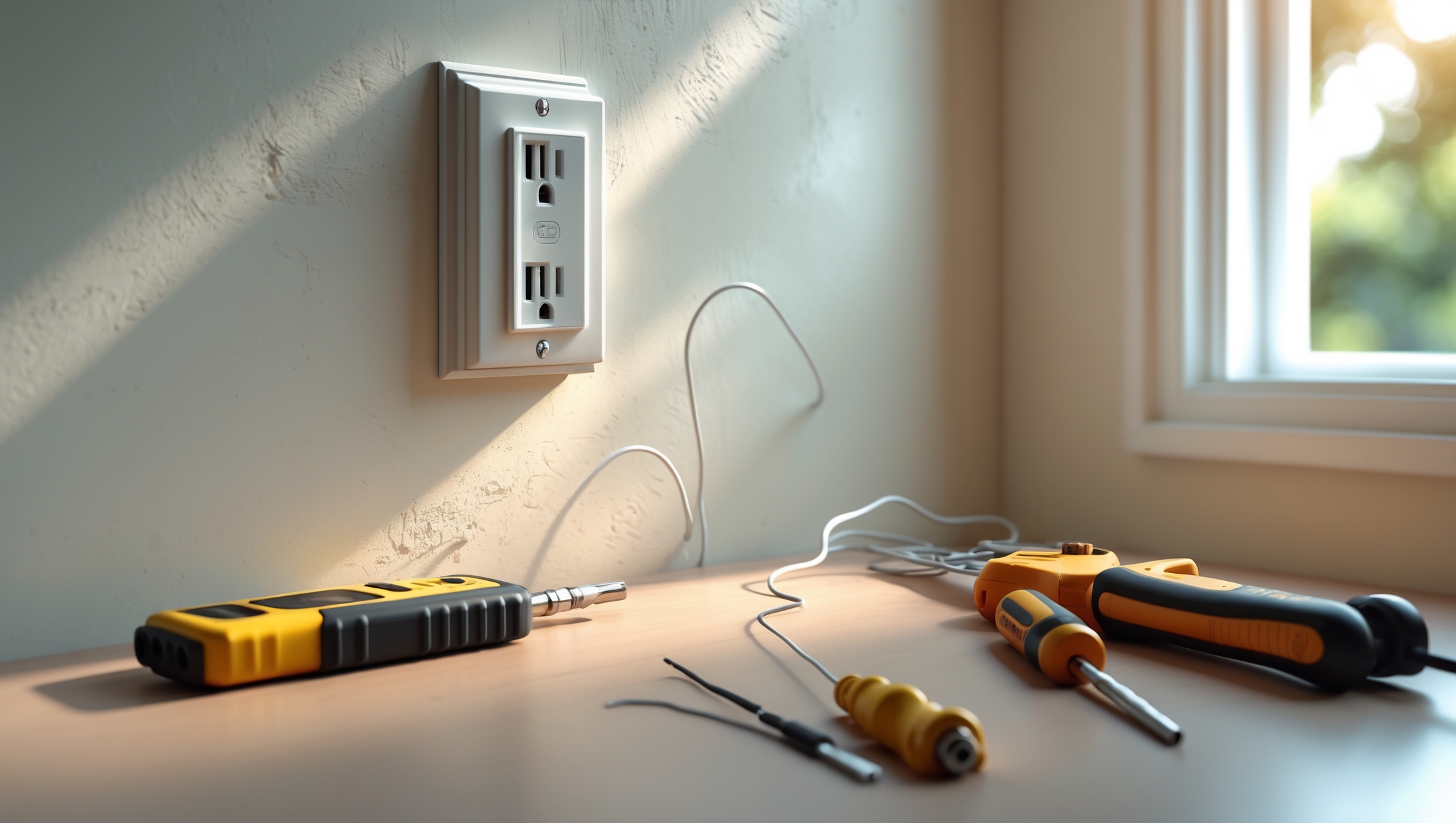
Introduction: Why Safety Matters in DIY Electrical Outlet Replacement
Upgrading electrical outlets can be an achievable and rewarding home improvement project for many homeowners. Swapping out old, worn, or outdated outlets for new models—such as tamper-resistant or USB-integrated outlets—not only increases convenience and safety but can also modernize your living space. However, working with household electricity carries inherent risks. Even a seemingly simple outlet replacement demands a meticulous approach to safety, compliance with local electrical codes, and the right set of tools. Failing to follow proper protocols can lead to electrical shocks, fires, code violations, or expensive repairs down the road. This comprehensive guide delivers a step-by-step safety checklist for DIY electrical outlet replacement, exploring the essential tools required, potential hazards to avoid, and key compliance tips. Whether you’re a first-timer or have some experience with home wiring, this resource will help you complete your project safely and confidently.
Understanding DIY Electrical Outlet Replacement
What Is Outlet Replacement?
Outlet replacement involves removing an existing electrical outlet (receptacle) and installing a new one in its place. Reasons for replacement include wear and tear, upgrading to grounded outlets, adding USB ports, or enhancing child safety with tamper-resistant models.
When to Replace an Outlet
- Sparking, buzzing, or burnt outlets
- Loose or cracked faceplates
- Outlets that no longer hold plugs securely
- Upgrading to GFCI or AFCI protection in required areas
- Modernizing with USB or smart outlets
Risks of Improper Outlet Replacement
- Electrical shock or electrocution
- Short circuits and electrical fires
- Non-compliance with National Electrical Code (NEC) or local regulations
- Property damage and voided insurance claims
DIY Electrical Outlet Replacement: Safety Checklist
1. Confirm the Project Is Within Your Skill Level
Before you begin, honestly assess your comfort with basic electrical work. If you’re uneasy about wiring diagrams, circuit breakers, or identifying hot vs. neutral wires, it’s best to consult a licensed electrician.
2. Gather the Required Tools and Safety Equipment
- Non-contact voltage tester: Essential for confirming power is off.
- Screwdrivers (flathead and Phillips): For removing outlet covers and mounting screws.
- Wire stripper/cutter:
- Needle-nose pliers:
- Electrical tape:
- Outlet tester:
- Insulated gloves (optional but recommended):
- Flashlight or headlamp:
- Replacement outlet(s) and faceplate(s):
- Wire nuts (if splicing wires):
3. Review Local Codes and Permit Requirements
Electrical codes vary by location. Some municipalities require a permit even for basic outlet replacement, especially if upgrading to GFCI/AFCI or altering wiring. Check with your local building department before starting.
4. Shut Off Power at the Breaker Panel
- Locate the correct circuit breaker and switch it off.
- Clearly label the circuit with painter’s tape or a sticky note to alert others.
5. Verify That the Power Is Off—Twice
Using a non-contact voltage tester, confirm there is no voltage at the outlet before proceeding. Test both the plug slots and any exposed wires. Always double-check before touching any wiring.
6. Inspect the Existing Wiring
- Look for signs of damage, burn marks, or frayed insulation.
- Confirm the wiring matches the new outlet’s requirements (e.g., grounded vs. ungrounded).
- If wiring is aluminum (typically in homes built in the 1960s-70s), special connectors and procedures are required. Consult an electrician in this case.
7. Remove the Old Outlet Safely
- Unscrew and remove the faceplate.
- Unscrew the outlet from the electrical box.
- Carefully pull the outlet out, keeping wires visible and untangled.
- Take note or a photo of how the wires are connected for reference.
8. Disconnect and Prepare the Wires
- Loosen terminal screws and detach wires one at a time.
- Straighten and trim wire ends if necessary (about 3/4″ exposed copper is standard).
- Inspect for corrosion or damage—replace wires if necessary.
9. Install the New Outlet Correctly
- Connect wires to the new outlet terminals: black (hot) to brass, white (neutral) to silver, green/bare (ground) to green screw.
- If using push-in (backstab) connections, ensure wires are secure and firm. Screw terminals are generally more reliable for DIYers.
- Double-check that no copper is exposed outside the terminal clamps.
10. Secure the Outlet and Attach the Faceplate
- Carefully fold wires back into the box without kinking.
- Fasten the outlet to the box snugly but don’t overtighten.
- Install the new faceplate.
11. Restore Power and Test the Outlet
- Turn the breaker back on.
- Use an outlet tester to confirm correct wiring and grounding.
- Check for secure plug fit and proper operation.
12. Clean Up and Record Your Work
- Dispose of old outlets and debris properly.
- Note the replacement date and any wiring observations for your records.
Essential Tools and Equipment: What You Really Need
Must-Have Tools for Safe DIY Outlet Replacement
- Non-contact voltage tester: The single most important safety device for confirming the absence of power.
- Outlet tester: Verifies proper wiring, grounding, and GFCI function if applicable.
- Wire stripper/cutter: Ensures clean, damage-free wire ends.
- Insulated screwdrivers: Adds a layer of protection while working in the box.
- Needle-nose pliers: Helpful for shaping wires and working in tight spaces.
Safety Equipment
- Insulated gloves: Reduce the risk of shock, especially in older homes with unpredictable wiring.
- Safety glasses: Protect eyes from dust or accidental sparks.
- Flashlight or headlamp: Ensures visibility inside dark electrical boxes.
Replacement Outlet Options
- Standard duplex outlet: Most common; ensure correct amperage (15A or 20A).
- GFCI outlet: Required in kitchens, bathrooms, garages, basements, and outdoors.
- AFCI outlet: Often required in bedrooms and living areas per current code.
- USB-integrated outlet: Adds charging convenience.
- Tamper-resistant outlet: Required by code in most new homes for child safety.
Common Hazards and How to Avoid Them
1. Working on Live Circuits
The leading cause of injury during outlet replacement is accidental contact with live wires. Always test before touching, and never rely solely on turning off a light switch—use the circuit breaker.
2. Incorrect Wiring Connections
- Mixing up hot and neutral wires can cause malfunction or shock.
- Failing to connect or properly ground wires increases fire and shock risk.
3. Using the Wrong Outlet Type
Installing a standard outlet where a GFCI or AFCI is required by code can result in code violations and liability if an incident occurs.
4. Overcrowded Electrical Boxes
Stuffing too many wires or devices into a box can cause overheating and make future work hazardous. Replace the box with a larger one if necessary.
5. Inadequate Tools
Improvising with the wrong tools (e.g., kitchen knives, non-insulated pliers) increases the risk of injury and poor connections.
Compliance and Permit Essentials
Understanding Electrical Codes
The National Electrical Code (NEC) sets safety standards for electrical installations, but local amendments may apply. Key requirements for outlets include:
- GFCI protection in wet or damp locations
- AFCI protection in living areas
- Tamper-resistant outlets in areas accessible to children
When You Must Obtain a Permit
- In many areas, a permit is required if you are adding new outlets, upgrading amperage, or altering wiring.
- Simple like-for-like replacements may be exempt, but always check with your local authority.
- Inspections may be required before covering walls or returning the outlet to service.
Why Compliance Matters
- Non-compliant work can void homeowners insurance in the event of a claim.
- Improper installations may require costly corrections when selling your home.
- Permits and inspections help ensure long-term safety for your household.
Pro Tips for a Safe and Successful DIY Outlet Replacement
- Take a close-up photo of the existing wiring before disconnecting anything.
- Replace outlets one at a time to reduce confusion.
- If you discover fabric-insulated or knob-and-tube wiring, stop and consult a professional immediately.
- Upgrade to GFCI or tamper-resistant outlets wherever possible for added safety.
- Mark replaced outlets on your home’s electrical map for future reference.
- Keep children and pets away from your work zone.
When to Call a Professional
- Unusual wiring colors or configurations
- Signs of overheating, charring, or melted insulation
- Uncertainty about grounding
- Aluminum wiring (requires special connectors and expertise)
- Adding new circuits or outlets
- Permit or inspection requirements
Conclusion: Safe, Compliant Upgrades Start With Preparation
Replacing an electrical outlet may seem like a small, straightforward DIY project, but it demands careful attention to safety and code compliance. By following a rigorous safety checklist, using the right tools, and verifying your work at each step, you significantly reduce the risk of injury or electrical hazards. Always prioritize turning off and double-testing power, using non-contact voltage testers, and matching the correct outlet type to your home’s wiring and code requirements. Don’t overlook the value of permits and inspections, which protect both your investment and your household’s safety. Remember, there’s no shame in consulting a licensed electrician if you encounter anything unexpected or beyond your confidence level—especially with older homes, aluminum wiring, or complex upgrades. Ultimately, a successful outlet replacement not only provides peace of mind but also ensures your home remains safe, functional, and up to code for years to come. Take every precaution, be methodical in your approach, and enjoy the satisfaction that comes from a job done right.
If I replace a regular outlet with one that has USB ports, do I need to follow any special compliance rules or use extra safety steps that are different from swapping a standard outlet?
When installing an outlet with USB ports, you should follow the same basic safety steps as for a standard outlet, such as turning off power at the breaker and double-checking wiring. Make sure the new outlet is UL-listed or certified, and that it fits your electrical box. Local code requirements are generally the same, but double-check your area’s rules to be sure.
The checklist mentions compliance with local electrical codes. In your experience, are there common code differences between states that a DIYer should double-check before swapping outlets?
Yes, there are some common differences in electrical codes between states or even localities. For example, requirements for GFCI or AFCI outlets, box fill capacities, and grounding methods can vary. It’s a good idea to check with your local building department or their website to confirm the rules before starting any electrical work.
When modernizing outlets, like adding USB-integrated ones, are there specific hazards or code considerations to keep in mind compared to just swapping a standard outlet for another standard outlet?
Yes, installing USB-integrated outlets requires extra care. Ensure the new outlet matches your home’s wiring and amperage, and confirm it’s UL-listed to meet safety standards. Local codes may have specific requirements for such devices, so double-check before installation. Always turn off power at the breaker and test wires before working.
When upgrading to tamper-resistant or USB-integrated outlets, do I need to use different wiring or can I use the existing wires from my old outlets?
You can usually use the existing wiring when upgrading to tamper-resistant or USB-integrated outlets, as long as the wires are in good condition and meet code requirements. Just be sure to turn off the power and double-check that your new outlet is compatible with your current wiring setup.
If my old outlet is buzzing but the faceplate looks fine, is it still safe to try replacing it myself, or should I call an electrician right away?
A buzzing outlet can indicate a serious wiring issue or loose connections, which can be hazardous. Even if the faceplate looks fine, it’s safest to call a licensed electrician right away instead of replacing it yourself, to prevent fire or electric shock risks.
If I’m replacing an outlet with one that has USB ports, are the wiring steps or safety concerns any different compared to a standard outlet replacement?
Installing an outlet with USB ports follows the same wiring steps as a standard outlet, using the same hot, neutral, and ground wires. However, because these outlets have electronic components, make sure the power is completely off and double-check manufacturer instructions for any special installation notes. Also, ensure the new outlet fits your electrical box and meets local code requirements.
You mention the importance of following local electrical codes—are there specific code requirements for upgrading to USB-integrated outlets or smart outlets that I should be aware of?
Yes, upgrading to USB-integrated or smart outlets must comply with the same local codes that apply to standard outlets. Make sure the outlet is UL-listed, designed for its intended location, and installed in a properly grounded electrical box. In some areas, GFCI protection is required, especially in kitchens, bathrooms, or outdoors. It’s a good idea to check your local building department for any extra requirements.
If I discover burnt or buzzing outlets during the replacement process, should I be concerned about underlying wiring issues, and what steps should I take before continuing the project?
Yes, burnt or buzzing outlets can indicate underlying wiring problems like loose connections or damaged wires. Stop work immediately, turn off the circuit breaker, and consult a licensed electrician to inspect and address the issue before proceeding with your DIY project.
What should I do if, during an outlet replacement, I notice the existing wires are frayed or discolored? Is it safe to proceed, or should I stop and call a professional?
If you find frayed or discolored wires during an outlet replacement, it’s safest to stop and contact a licensed electrician. Damaged wires can pose serious hazards and may indicate deeper electrical issues. Proceeding yourself could increase the risk of shock or fire.
If I’m replacing an old outlet with a tamper-resistant one, are there any extra steps or code requirements I should be aware of, especially when it comes to child safety?
When installing a tamper-resistant outlet, be sure it’s listed as TR (tamper-resistant) to meet code. No extra wiring steps are needed, but double-check that the outlet is properly grounded. Tamper-resistant outlets are required in most living spaces for child safety, so installing one keeps you up to code.
The article mentions code compliance and possible insurance issues—how can I check if my outlet replacement is up to local code, especially if I’m not experienced with electrical regulations?
To check if your outlet replacement meets local code, you can call your city or county building department and ask about requirements. You might also consider having a licensed electrician inspect your work. This ensures your replacement is safe and helps avoid insurance problems if a claim ever comes up.
If my outlets look fine but are pretty old, is it still important to upgrade to tamper-resistant or USB models, or can I just leave the originals if they’re working?
Even if your current outlets seem to work fine, upgrading to tamper-resistant models is now recommended for safety, especially in homes with children. USB outlets offer added convenience but aren’t required. Older outlets may not meet current electrical codes, so updating them improves both safety and compliance.
You mentioned compliance with local codes—how do you recommend homeowners verify if their area requires GFCI or AFCI outlets in certain rooms?
To verify local code requirements for GFCI or AFCI outlets, homeowners should check with their city or county building department or electrical inspector. You can also review any local amendments to the National Electrical Code or consult a licensed electrician familiar with codes in your area.
If my outlet box is old and doesn’t have a ground wire, is it safe or compliant to still upgrade to a tamper-resistant or USB outlet, or should I call an electrician?
If your outlet box doesn’t have a ground wire, upgrading to a tamper-resistant or USB outlet can be unsafe and may not meet code. It’s best to call a licensed electrician to ensure proper grounding and safety compliance before upgrading.
When it comes to compliance, how can I easily find out if my town has local electrical code requirements beyond the National Electrical Code mentioned in your checklist?
To find out about local electrical code requirements, contact your town’s building or electrical inspection office. You can also check their official website for guidelines or reach out to a licensed local electrician who is familiar with the area’s specific regulations.
If I’m replacing an old outlet with a new USB-integrated model, do I need to upgrade any wiring or is it usually safe to use the existing wires as long as they’re in good condition?
If your existing wiring is in good condition and meets current electrical codes, you can usually use it for a new USB-integrated outlet. Make sure the wires are undamaged and the circuit isn’t overloaded. However, if your home has very old wiring (like knob-and-tube or aluminum), it’s best to consult a licensed electrician before proceeding.
In situations where an outlet is buzzing but still works, should I attempt to replace it myself or is it safer to call an electrician right away?
A buzzing outlet can indicate a serious wiring issue or loose connection, which may lead to fire hazards. For your safety, it’s best to stop using the outlet and call a licensed electrician immediately instead of attempting a DIY replacement.
Can you clarify what tools are absolutely essential for first-timers, and which ones are more for convenience rather than safety during a basic outlet replacement project?
For first-timers, essential tools include a flathead and Phillips screwdriver, voltage tester, wire stripper, and needle-nose pliers. These are needed for safety and to complete the replacement properly. Convenience tools like a wire nut twister or electrical tape dispenser can make things easier but are not strictly necessary for a safe, basic outlet replacement.
If I’m replacing an old outlet with a new USB model, do I need to upgrade the wiring too, or is it usually safe to use the existing wires as long as they’re in good shape?
If the existing wiring is undamaged and meets current code standards, you can usually use it when installing a new USB outlet. Just double-check that the wire gauge and circuit amperage match the new outlet’s requirements, and always turn off power before starting work.
When upgrading older outlets to USB or tamper-resistant models, do I need to change any wiring or just swap out the outlet itself as long as the wires look fine?
If the existing wiring is in good condition and meets code, you usually just need to swap out the outlet itself. However, check that the wires are properly connected and that the circuit can handle the new outlet’s requirements. If you notice damaged or outdated wiring, it should be replaced for safety.
If I replace an old outlet with a new tamper-resistant or USB-integrated one, do I need to upgrade wiring too, or are these compatible with existing setups in most older homes?
In most older homes, tamper-resistant and USB-integrated outlets are designed to work with existing wiring, as long as the wiring is in good condition and meets current code. However, if your wiring is outdated or damaged, it’s best to consult an electrician to ensure compatibility and safety.
For someone living in an older home, are there added compliance concerns or hazards when upgrading to tamper-resistant or GFCI outlets that the list addresses?
Yes, older homes may have wiring that isn’t up to current code, such as lack of grounding or outdated wiring materials. The checklist covers checking for proper grounding and ensuring compatibility with tamper-resistant or GFCI outlets. It’s also important to verify that your electrical box can accommodate these upgrades safely.
I’m planning to replace a few outlets this weekend. Beyond the basic tools, are there any specific safety testers or gadgets you’d recommend for first-timers to help confirm I’ve wired everything correctly before turning the power back on?
A non-contact voltage tester is very helpful for confirming the power is truly off before you start. After wiring, use an outlet tester—plug it in and it will indicate if wiring is correct or if there are issues like reversed wires or open grounds. Both are great for first-timers.
I have a couple of outlets that feel loose when I plug things in, but there’s no buzzing or sparking. Should I prioritize replacing those right away, or is it more of a comfort issue than a safety hazard?
Loose outlets can be more than just a comfort issue—they can lead to poor connections, which over time may cause overheating or arcing. It’s a good idea to replace or tighten them soon to maintain safety, even if you don’t notice any buzzing or sparking.
Could you clarify what tools are absolutely essential for a first-timer? I have some basic screwdrivers and a voltage tester, but I’m not sure if there’s anything specialized I’m missing before starting this replacement.
For a first-time electrical outlet replacement, your basic screwdrivers and a voltage tester are good starting points. You’ll also need needle-nose pliers for gripping wires, wire strippers to remove insulation, and electrical tape. These cover most essential tasks, and you typically won’t need highly specialized tools for a simple outlet replacement.
If an outlet is sparking but still works, should I swap it myself after following your steps, or is it safer to get a professional to inspect it first?
If an outlet is sparking, it’s best to have a licensed electrician inspect it before doing any DIY work. Sparking can signal serious wiring issues that go beyond a simple outlet replacement and may require professional attention for safety.
If I encounter wiring that looks damaged or outdated while swapping out an old outlet, at what point should I stop and consult a licensed electrician instead of continuing on my own?
If you see frayed insulation, exposed wires, signs of burning, or aluminum wiring, stop immediately and call a licensed electrician. Also, if the wiring layout seems confusing or doesn’t match modern standards, it’s safest to get a professional involved before proceeding.
The checklist mentions following local electrical codes; how can I easily find out what specific regulations might apply in my area before I start replacing outlets?
To find out which electrical codes apply in your area, contact your local building department or municipal office. They can provide details on regional requirements. You can also check their website for published codes, or consult a licensed electrician familiar with your locality’s regulations.
If I’m replacing an old outlet that has only two wires and no ground, what’s the safest way to upgrade it to meet current code requirements?
If your old outlet has only two wires and no ground, current code often requires adding a ground wire. The safest way is to run a new grounded cable back to your electrical panel. Alternatively, you can install a GFCI outlet and label it as “No Equipment Ground,” which is permitted in some cases. Always check local codes and consider hiring a licensed electrician.
The article mentions complying with the National Electrical Code and local regulations. How can a homeowner easily find out if upgrading to USB outlets or tamper-resistant models is allowed in their area before starting the project?
To check if upgrading to USB or tamper-resistant outlets is allowed locally, contact your city or county building department. They can confirm current code requirements. You might also ask a licensed electrician, since they stay updated on both the National Electrical Code and local amendments.
What precautions should I take if my home still has two-prong, ungrounded outlets and I want to upgrade to three-prong models as suggested in the article?
If your home still has two-prong, ungrounded outlets, upgrading to three-prong models requires more than just switching the faceplates. You must ensure that a proper ground wire is present. If not, consider having an electrician run a ground wire or install a GFCI outlet labeled ‘No Equipment Ground’ for added safety and code compliance.
You mention that improper outlet replacement could void insurance claims. Can you clarify what kinds of code violations might cause that to happen, and how I can make sure I stay compliant?
Insurance claims can be voided if electrical work doesn’t follow local codes, such as using the wrong outlet type, poor wire connections, or not shutting off power properly. Always turn off the circuit breaker, use outlets rated for your wiring, and follow national and local codes. If unsure, consider having your work inspected or consulting a licensed electrician.
The article points out risks like voided insurance claims if things aren’t up to code. If I mess up an outlet replacement, how can I tell if I need to call a pro to fix it before it gets worse?
Watch for signs like outlets not working, sparks, buzzing, burning smells, or tripped breakers after your replacement. If you notice any of these or feel unsure about your work, it’s a good idea to call a licensed electrician to inspect and fix the issue before it becomes dangerous.
Could you clarify if replacing an existing outlet with a new USB-integrated model requires any changes to the wiring or breaker, or is it typically a direct swap as long as the amperage matches?
If the amperage of the new USB-integrated outlet matches your existing outlet and the wiring is in good condition, it’s typically a direct swap. No changes to the breaker or wiring are usually required. However, always turn off the power and double-check wiring compatibility before installing the new outlet.
The article mentions voided insurance claims from improper DIY work. How can I confirm my outlet replacement complies with both the NEC and my local codes to avoid that issue?
To ensure compliance, start by reviewing the latest National Electrical Code (NEC) guidelines for outlet replacement. Then, check with your local building department for specific code requirements in your area, as local codes can vary. If you’re unsure, consider having your work inspected by a licensed electrician or your local inspector.
The article mentions tamper-resistant outlets for child safety—are these now required everywhere by code, or only in certain rooms like bedrooms and living rooms?
Tamper-resistant outlets are now required by code in most areas throughout newly built or renovated homes, not just bedrooms and living rooms. This typically includes family rooms, kitchens, hallways, and other living spaces to help protect children from electrical shocks.
If I’m replacing an outlet in an older house and the existing wiring isn’t grounded, what’s the safest way to upgrade to a grounded outlet or GFCI? Do the code compliance tips you mention cover this situation?
If your older house has ungrounded wiring, the safest upgrade is usually to install a GFCI outlet and label it clearly as ‘No Equipment Ground.’ This option is code-compliant in many areas when ground wires aren’t present, as mentioned in our compliance tips. For full grounding, consult a licensed electrician to run new grounded wiring.
If an old outlet feels loose but there are no visible burn marks, should I still replace it right away, or is tightening the screws enough for now?
If the outlet feels loose, it’s important to address it right away. Sometimes, tightening the mounting screws can fix the problem, but if the plug slots themselves are loose or the outlet doesn’t hold plugs securely, it’s best to replace it to prevent possible hazards.
For a first-timer, how do you know if your household wiring is too old or unsafe for a simple outlet replacement, especially when upgrading to USB or tamper-resistant models?
Before replacing an outlet, check for cloth-insulated wires, brittle insulation, or signs of corrosion, which suggest old or unsafe wiring. Outlets without a ground (two-prong only) may also indicate outdated wiring. If you notice any of these issues, consider having a licensed electrician inspect your wiring before upgrading to newer outlet types.
The article mentions compliance with the National Electrical Code and local regulations. How do I find out what extra requirements my town might have beyond the general NEC rules?
To check for any extra requirements in your town, contact your local building or electrical inspection office. They can tell you about permits, inspections, or codes specific to your area that go beyond the general National Electrical Code.
I noticed the article talks about hazards like voided insurance claims if work isn’t done properly. Is this something homeowners really need to worry about even for simple outlet upgrades?
Yes, homeowners should be aware that even simple outlet upgrades can impact insurance if not done correctly. Improper electrical work could lead to denied claims if it causes damage or a fire. Always follow code, use proper materials, and consider permits or a licensed electrician to stay protected.
The article mentions upgrading to GFCI or AFCI protection in required areas—how can I tell which rooms in my house actually require these outlets according to code?
Typically, GFCI outlets are required in kitchens, bathrooms, garages, laundry rooms, unfinished basements, and exterior locations. AFCI protection is usually needed in bedrooms, living rooms, and common areas. For the most accurate information, check your local electrical code, as requirements can vary by region.
If I want to upgrade an old two-prong outlet to a three-prong grounded one, are there extra safety steps or compliance rules I should be following beyond what’s mentioned in a typical outlet swap?
Yes, upgrading from a two-prong to a three-prong outlet requires extra steps. You must ensure a proper ground is present; simply swapping outlets is not enough. If no ground exists, you may need to run a new grounding wire or use a GFCI outlet labeled ‘No Equipment Ground’ to meet code. Always check local electrical codes for specific requirements.
If an outlet shows sparking or burnt marks, is it safe to just swap the outlet, or should I be looking for deeper wiring problems before replacing it as the checklist suggests?
If you see sparking or burnt marks, it’s wise to check for deeper wiring problems before simply replacing the outlet. Damaged or loose wires could be the cause and might lead to further hazards if not addressed. Inspect the wiring, and if you’re unsure or see any damage, consult a licensed electrician.
I noticed the article mentions compliance with local electrical codes for outlet replacement. How do I find out which codes apply in my area, and is pulling a permit usually necessary for this kind of DIY project?
To find out which electrical codes apply, contact your city or county building department or check their website—they’ll provide local regulations. Whether a permit is needed depends on your area, but many places do require one for electrical work, even for simple outlet replacements. Always check before starting to ensure you’re compliant and safe.
The article mentions upgrading to tamper-resistant or USB-integrated outlets, but are there any special wiring considerations to keep in mind for these new types, compared to standard outlets?
Tamper-resistant outlets are wired the same way as standard outlets, so no special wiring is needed. For USB-integrated outlets, make sure your electrical box is deep enough to fit the larger outlet body and always follow the manufacturer’s wiring instructions, as terminal layout may differ slightly.
What should I do if, after replacing the outlet, it still feels loose or the plug doesn’t fit snugly? Is that a sign I did something wrong or is there a simple fix?
If the outlet or plug feels loose after replacement, it’s often because the outlet itself is worn out or the wiring wasn’t tightened enough. Double-check that the outlet is securely fastened to the box and the wires are tight. If the problem persists, replacing the outlet with a new one is the safest solution.
The checklist mentions potential hazards like electrical shock and code violations. What are some common mistakes DIYers make that lead to those issues during outlet replacements?
Common mistakes include not shutting off the correct circuit breaker, failing to test wires for live current, using the wrong type or size of outlet, incorrect wiring connections, and not securing wires properly. Ignoring local electrical codes or overloading circuits can also create hazards and lead to code violations.
For a first-time DIYer, what’s a realistic timeframe to safely complete a standard outlet replacement project from start to finish, assuming I have all the recommended tools?
For a first-time DIYer with all the right tools, replacing a standard electrical outlet usually takes about 30 to 60 minutes. This allows time to carefully cut power, remove the old outlet, wire the new one, check connections, and ensure everything is safe before restoring power.
The article mentions voided insurance claims if work isn’t compliant—how can I check if my local regulations require a permit or inspection before I start replacing outlets myself?
To find out if you need a permit or inspection, contact your city or county building department. They can tell you about any local requirements for electrical work. You might also check their official website for guidelines on DIY outlet replacement and compliance.
How do I know if the outlet replacement project is something I can handle myself, or if it’s safer to call a professional electrician?
Consider your comfort with turning off circuit breakers, using basic tools, and recognizing wiring colors. If you feel uncertain about electrical safety, have old or damaged wiring, or the outlet is part of a complicated system, it’s a good idea to contact a licensed electrician.
The article mentions modernizing with USB or smart outlets—are there any additional hazards or installation steps to consider with these newer models compared to standard outlets?
Yes, USB and smart outlets may require extra care. They can be bulkier, so check your electrical box for enough space. Smart outlets might need a neutral wire, which older homes may lack. Always double-check the manufacturer’s instructions and ensure the power is off before installation.
When upgrading to outlets with USB ports, are there any extra safety precautions or code requirements compared to replacing a standard outlet?
When installing outlets with USB ports, use products that are UL-listed or certified by a recognized testing lab for safety. Follow the same wiring practices as standard outlets, but check your local electrical code, as some areas may have extra requirements for these devices. Always turn off power before working and ensure the new outlet matches your home’s voltage and amperage.
If my current outlet is loose but shows no other signs of damage, is it enough to just replace the outlet itself, or should I be concerned about the wiring inside the box?
If your outlet feels loose, it’s usually best to remove it and inspect the wiring inside the box before installing a new outlet. Sometimes loose outlets are caused by worn-out screws or damaged wires, so checking for secure connections and no signs of heat damage or fraying is important for safety.
I noticed you mentioned the importance of compliance with local electrical codes. How can a homeowner find out if their area requires GFCI or AFCI outlets for certain rooms before starting a DIY replacement?
To find out if your area requires GFCI or AFCI outlets, contact your local building or electrical inspection office. They can explain current code requirements for your location. You can also check your city or county’s website for residential electrical codes or consult a licensed electrician for guidance.
Can you explain how to know if my home needs tamper-resistant outlets or if regular outlets are acceptable under current codes?
Tamper-resistant outlets are required by code in most homes, especially in areas accessible to children, such as living rooms, bedrooms, and hallways. If your home was built or significantly renovated after 2008, tamper-resistant outlets are likely required. Local codes can vary, so you may want to check with your local building department for specific requirements.
If you’re upgrading to a USB-integrated outlet, are there any extra steps in the safety checklist compared to just replacing a standard outlet?
Yes, when installing a USB-integrated outlet, you should confirm that your electrical box is deep enough to fit the larger outlet body. Also, double-check the wiring instructions, as some USB outlets may require specific wiring or have extra terminals. Always turn off the power and test for voltage before starting.
You mentioned checking for compliance with local electrical codes—how can a homeowner easily find out if GFCI or AFCI protection is required in certain rooms?
Homeowners can check local requirements by reviewing their city or county building department website or by calling the local building inspector. National codes like the NEC generally require GFCI in kitchens, bathrooms, and outdoor areas, and AFCI in bedrooms and living spaces, but local rules may differ.
If I’m upgrading a regular outlet to one with USB ports, are there any additional hazards or code requirements I should be aware of beyond what you mentioned for standard outlet replacement?
When upgrading to an outlet with USB ports, the main requirements remain the same as standard outlets: turn off power, use a GFCI if necessary, and follow local codes. Just ensure the electrical box is deep enough for the larger USB outlet and that connections are tight. Most USB outlets are UL-listed and meet code, but always double-check labeling.
Can you clarify whether replacing an old outlet with a USB-integrated or tamper-resistant model requires any changes to the wiring, or can I usually swap it in using the existing wires?
In most cases, you can swap in a USB-integrated or tamper-resistant outlet using the existing wires, provided they’re in good condition and meet current codes. However, always double-check that your wiring can handle the new outlet’s requirements, especially for USB models, and follow the manufacturer’s instructions closely.
The article mentions upgrading to GFCI or AFCI outlets where required. How can I determine which rooms in my house actually need these types to stay compliant?
To figure out where GFCI or AFCI outlets are required, check your local electrical code or the National Electrical Code. Generally, GFCIs are needed in kitchens, bathrooms, garages, and outdoor areas. AFCIs are usually required in bedrooms, living rooms, and other living spaces. If in doubt, ask your local building department or a licensed electrician.
You mentioned code compliance—how do I find out if my city has any specific electrical codes or permits required before I start replacing outlets myself?
To check your local code requirements, contact your city’s building department or visit their website. They can tell you if you need a permit or if there are specific electrical codes you must follow before replacing outlets. It’s important to verify this before starting any DIY electrical work.
You note that working beyond your skill level can be risky. What are the signs a homeowner should look for during an outlet replacement that mean they should stop and call a licensed electrician instead?
You should stop and call a licensed electrician if you notice damaged or frayed wires, unclear or confusing wiring setups, sparks, burning smells, or if the circuit breakers keep tripping. Also, if you feel unsure or uncomfortable at any step, it’s safest to get professional help.
If I’m upgrading outlets in an older house that still has some ungrounded outlets, does this checklist cover how to bring those up to current code or should I plan on hiring a professional for that situation?
The checklist focuses on safe outlet replacement but doesn’t cover upgrading ungrounded outlets to meet current code, which can be complex and may require rewiring. For older homes with ungrounded outlets, it’s safest to consult or hire a licensed electrician to ensure everything is properly updated and code-compliant.
For first-timers, what are the most common DIY mistakes when replacing outlets that can lead to code violations? I’m specifically interested in what to avoid that might be easy to overlook.
Common mistakes include miswiring the hot and neutral wires, not securely attaching wires to terminals, failing to use the correct outlet type (like GFCI near water), and not tightening the outlet box properly. Also, forgetting to turn off the circuit breaker or skipping ground wire connections can both create safety and code issues.
You mentioned GFCI and AFCI outlets for required areas. How can I tell which rooms in my house actually require these types of outlets according to the latest standards?
GFCI outlets are typically required in kitchens, bathrooms, garages, unfinished basements, laundry areas, and outdoor locations. AFCI outlets are usually needed in living rooms, bedrooms, and other common areas. However, local codes can vary, so it’s wise to check your area’s electrical code or consult an electrician for the most accurate guidance.
What’s the safest way to test if the power is really off at the outlet before I start working, and do I need a special tool for that?
The safest way is to use a non-contact voltage tester or a plug-in outlet tester. These tools are designed to check for live electricity without touching wires directly. Simply follow the instructions for your tester to confirm the power is off before you begin any work.
If my old outlet is showing burn marks or buzzing, is it safe to temporarily stop using it until I can replace it, or should I call an electrician right away?
If your outlet has burn marks or is buzzing, it’s best not to use it at all—stop using it immediately. For safety, turn off power to that outlet at your circuit breaker. Contact a licensed electrician as soon as possible, since these signs indicate a potentially serious electrical problem.
The article mentions that improper outlet replacement can void insurance claims. Does that mean I need proof of a licensed electrician for all upgrades, or is DIY still allowed as long as I follow code?
DIY outlet replacement is allowed in many places if you follow local codes, but some insurance policies or local laws may require a licensed electrician for certain work. Keep documentation, like photos or permits, to show the job was done correctly. Always check your local regulations and insurance policy to be sure.
The checklist talks about making sure the project is within your skill level. What are some warning signs during the replacement process that I should call in a licensed electrician instead of continuing myself?
If you encounter damaged or melted wires, sparks, persistent tripping of breakers, confusing wiring layouts, or any unexpected buzzing or burning smells, it’s best to stop and call a licensed electrician. Also, if you’re unsure about identifying wires or can’t turn off power to the right circuit, professional help is safer.
When replacing an old outlet, what are the signs that the existing wiring or box might be too outdated or unsafe to reuse, and should I call an electrician in that case?
Look for signs like frayed, cracked, or brittle wires, cloth insulation, missing grounding wires, loose connections, or a metal box without a grounding screw. If you notice any of these issues, or if the box seems corroded or too small for new wiring, it’s wise to call a licensed electrician for safety.
Does the checklist in your guide address how to recognize if your home’s wiring is too outdated for a simple outlet swap? I’m wondering how to tell when a full rewiring might be necessary instead.
The checklist does touch on signs of outdated wiring, such as cloth-insulated wires, ungrounded outlets, and brittle insulation. If you notice these issues or frequent breaker trips, it may indicate your home needs more than a simple outlet swap—consider consulting a licensed electrician for a full evaluation.
Does replacing an outlet with a GFCI or AFCI model in kitchens or bathrooms require any different tools or compliance steps than a standard outlet swap?
Replacing an outlet with a GFCI or AFCI model typically uses the same basic tools as a standard outlet swap, like screwdrivers and voltage testers. However, you’ll need to pay careful attention to wiring—especially line and load connections—and always test functionality. Compliance may require following local codes, as kitchens and bathrooms often mandate GFCI protection for added safety.
The article mentions compliance with the National Electrical Code and local regulations. How can a homeowner check if any permits or inspections are required before starting an outlet replacement?
To find out if permits or inspections are needed, contact your local building department or city permitting office. They can tell you the specific requirements for your area, since rules can vary widely. It’s important to check before you start so you stay compliant and safe.
I noticed property damage and insurance issues are listed as risks if things go wrong. If I follow all the steps but something still happens, does DIY replacement impact my home insurance coverage?
DIY electrical work can affect home insurance coverage, especially if repairs aren’t up to code or cause damage, even when you’ve followed instructions. Some insurers require licensed professionals for electrical jobs. Check your policy or contact your insurance company to confirm how DIY projects might impact your coverage and claims.
In your experience, which essential tools make a noticeable difference in how smoothly an outlet replacement goes for a first-timer?
For a first-timer, having a voltage tester, wire stripper, and screwdriver with interchangeable heads really streamlines the process. The voltage tester helps you confirm power is off, while a good wire stripper and a multi-bit screwdriver make connecting wires and securing the outlet much easier.
Is there a big difference in required tools or steps when replacing regular outlets with GFCI or AFCI options for bathrooms and kitchens?
Yes, there are some key differences. GFCI and AFCI outlets require careful wiring of line and load terminals, and may need deeper boxes due to their size. You’ll also need to test their safety features after installation, which isn’t needed with standard outlets. Otherwise, the basic tools remain the same.
The article mentions compliance with local electrical codes. How can a DIYer verify if their specific project is up to code before and after replacing the outlet?
You can check your local electrical codes by contacting your city or county building department or visiting their website. Before starting, review these codes and follow their guidelines. After replacing the outlet, consider having your work inspected by a licensed electrician or requesting an official inspection to ensure everything is up to code.
The article mentions upgrading to GFCI or AFCI outlets in required areas—how do I figure out exactly which rooms in my house need those by code?
To determine where GFCI or AFCI outlets are required, check your local electrical code, as it can vary by region. Generally, GFCIs are needed in kitchens, bathrooms, garages, and outdoor areas, while AFCIs are required in most living spaces like bedrooms and living rooms. For certainty, consult your local building department or a licensed electrician.
If I want to upgrade to a USB-integrated outlet, are there any special safety considerations compared to replacing a standard outlet, or can I use the same checklist?
You can mostly use the same safety checklist, but with a USB-integrated outlet, be sure it’s UL-listed and rated for your wall box’s size. Double-check the wiring instructions, since some USB outlets have slightly different terminal layouts. Otherwise, standard safety steps—power off at the breaker, voltage testing, and careful wiring—still apply.
If I’m replacing old outlets to meet NEC or local codes, how can I confirm if I actually need to switch to GFCI or AFCI protection in certain rooms?
To confirm if you need GFCI or AFCI protection, check the latest NEC code updates and your local building codes. Typically, kitchens, bathrooms, garages, and outdoor areas require GFCI, while bedrooms often require AFCI. If unsure, consult your local inspection office or a licensed electrician to verify requirements for your specific rooms.
If I upgrade my old outlets to tamper-resistant ones for child safety, do I need to check anything else in the wiring to be code-compliant, or can I just swap them directly?
When upgrading to tamper-resistant outlets, check that your wiring is grounded and in good condition. Outlets in kitchens, bathrooms, and outdoors usually need to be GFCI-protected. Older wiring without a ground or aluminum wiring may need special handling. If you’re unsure, it’s wise to consult a licensed electrician to ensure full code compliance.
If I’m upgrading an old outlet to a GFCI or AFCI in my kitchen, are there specific code requirements I should be aware of that differ from a standard outlet replacement?
Yes, there are specific code requirements for kitchens. GFCI outlets are required for all countertop outlets in kitchens to protect against shock. AFCI protection is also commonly required in kitchen circuits in many areas. Always turn off the power and confirm local codes or consult an electrician before upgrading.
The article mentions following local electrical codes—how can a DIYer find out if they need a permit for simple outlet replacement, or if inspections are required afterward?
To find out if you need a permit or inspection, contact your local building department or check their website. Some areas allow simple outlet replacements without a permit, while others require one. Clarifying with your local authority ensures you meet all safety and legal requirements.
When upgrading to tamper-resistant outlets for child safety, do I have to replace every outlet in the room or just the ones within reach of children?
For optimal child safety, it’s best to replace all outlets within a child’s reach, typically those lower on the wall. However, local electrical codes may require tamper-resistant outlets throughout the entire room or home, so check your area’s regulations to be fully compliant.
How can I tell for sure if my home’s existing outlets are grounded before I try to replace them? The article mentions upgrading to grounded outlets, but I’m not sure what to look for.
To check if your outlets are grounded, use a simple outlet tester, which you can find at hardware stores. Plug it in—if the indicator lights confirm grounding, your outlet is grounded. Alternatively, remove the cover plate and look for a bare copper or green wire connected to the outlet’s ground screw. If you’re unsure, consult a licensed electrician.
When upgrading outlets for modern features like USB ports or tamper-resistant designs, are there specific tools or additional safety checks that differ from replacing a standard outlet?
Upgrading to USB or tamper-resistant outlets generally uses the same tools as standard outlet replacement, such as a screwdriver, voltage tester, and wire stripper. However, always double-check the wiring instructions for these outlets, as some may have extra terminals or specific installation steps. Make sure power is off and test connections for proper grounding and polarity.
You mention code compliance a few times—are there specific electrical code updates I should be aware of before replacing outlets in older homes?
Yes, for older homes, you should check if GFCI outlets are required in kitchens, bathrooms, and outdoor areas, as codes have evolved. Also, make sure grounding is up to current standards. Local codes can differ, so it’s wise to review updates from your local authority before starting.
When upgrading to USB or smart outlets, are there any special tools or extra steps I should be aware of beyond the standard ones listed for regular outlet swaps?
When upgrading to USB or smart outlets, you may need a slightly deeper electrical box to fit the larger devices, and a voltage tester to check connections. Some smart outlets also require a neutral wire, so double-check your wiring before starting. Otherwise, most basic tools and steps remain the same as for regular outlets.
You mention code compliance and insurance—if I make a mistake during replacement and something goes wrong later, could that affect my homeowner’s insurance coverage?
Yes, if electrical work isn’t done to code and you have an accident or fire as a result, your homeowner’s insurance might not cover the damage. It’s important to follow local codes and consider hiring a licensed electrician to protect your coverage.
You mention following local electrical codes and compliance tips. How can a homeowner easily determine whether GFCI or AFCI protection is required in certain rooms before replacing outlets?
To find out if GFCI or AFCI protection is required, check your local building codes or consult your city’s inspection office. The National Electrical Code offers general guidelines, but local rules can differ. Bathrooms, kitchens, and garages usually need GFCI; bedrooms often require AFCI. If unsure, ask a licensed electrician.
If my house has really old wiring, is there anything extra I should look for or avoid when swapping in a new tamper-resistant outlet?
With old wiring, check for cloth-insulated wires or signs of brittleness, as these can break easily. Make sure the wires aren’t aluminum, since those need special outlets and handling. If the ground wire is missing, you may need to use a GFCI outlet for safety or consult an electrician to ensure proper grounding and code compliance.
What do you suggest if the wires in my wall box seem shorter than what’s shown in most DIY outlet replacement guides? Is there a safe way to extend them without hiring an electrician?
If your wires are too short, you can safely extend them using UL-listed wire connectors known as wire nuts and short pieces of the same gauge wire, called pigtails. Make sure you turn off the power first, strip a bit of insulation, and connect securely. If you’re unsure or uncomfortable, it’s best to consult a professional.
The article mentions compliance with local electrical codes—how do I find out what specific codes apply in my city before I start replacing outlets?
To find out which electrical codes apply in your city, contact your local building or permitting office. You can also check their official website, as many cities post code requirements and permit information online. This ensures your project meets all necessary safety and legal standards.
If I’m upgrading to tamper-resistant outlets for child safety, are there any additional safety steps or tools I should be aware of compared to standard outlet replacements?
When upgrading to tamper-resistant outlets, the main installation steps and tools are the same as with standard outlets. Just double-check that the outlet is properly seated and the shutters operate correctly before restoring power. Always verify the power is off before starting, and follow all safety precautions in the checklist.
If an outlet is buzzing but doesn’t show any visible damage, should it be replaced immediately or could this indicate a deeper wiring issue that needs a professional inspection?
A buzzing outlet, even without visible damage, can signal a deeper wiring issue or loose connections behind the outlet. It’s safest to stop using it right away and have a licensed electrician inspect it before attempting any replacement.
If I’m planning to upgrade an outlet to a USB-integrated model, are there any special compliance tips or code requirements I should be aware of beyond what’s mentioned for standard outlets?
When installing a USB-integrated outlet, make sure it’s UL-listed and rated for your wiring and load needs. You must follow standard outlet codes, but also check that the USB outlet fits properly in the box and isn’t deeper than your space allows. In kitchens, bathrooms, or outdoors, it must be GFCI-protected just like regular outlets.
When replacing an old outlet with a USB-integrated one, are there any special code requirements or safety checks beyond what’s needed for a standard replacement?
When installing a USB-integrated outlet, code requirements are usually the same as for standard outlets: turn off power, check grounding, and use proper wire gauge. However, ensure the new outlet is UL-listed and fits your electrical box. In kitchens, bathrooms, or outdoors, it may need to be GFCI protected. Always follow manufacturer instructions.
For first-time DIYers, about how long should I expect a single outlet replacement to take, assuming I have all the recommended tools and follow the checklist?
If you have all the recommended tools and carefully follow the checklist, a first-time DIYer can usually expect to spend about 30 to 60 minutes replacing a single outlet. Allow yourself extra time to double-check safety steps and ensure proper wiring.
If I’m upgrading my outlets to USB-integrated ones, do I need to follow any special steps that are different from replacing a standard outlet? Are there extra safety precautions involved?
When installing USB-integrated outlets, the basic replacement steps are similar, but make sure your electrical box is deep enough for the larger outlet. Double-check wiring instructions, as USB outlets may have different terminal layouts. Always turn off power at the breaker and verify with a voltage tester. If the outlet includes surge protection or requires a neutral wire, follow the manufacturer’s guidelines closely.
If I want to upgrade to a GFCI outlet in my kitchen, are there extra safety steps or specific tools needed compared to a regular outlet replacement?
Yes, upgrading to a GFCI outlet involves a few extra steps. You’ll need to identify the line and load wires correctly, as GFCIs must be wired properly to work. A voltage tester and possibly a wire labeler are helpful for this. Always turn off the power at the breaker and double-check with your tester before beginning.
If I’m replacing an old outlet with a new tamper-resistant one, do I need to make any changes to the existing wiring, or will it fit without any extra work?
In most cases, tamper-resistant outlets are designed to fit standard wiring, so you usually won’t need to make changes if your existing wiring is in good condition. Just ensure the wires are properly stripped and securely attached to the new outlet’s terminals. If your wires are damaged or outdated, repairs may be needed before installation.
The article mentions insurance claims can be voided by non-compliance. Are there any common mistakes DIYers make during outlet replacement that could cause such issues even if everything seems to work afterwards?
Yes, some common mistakes can lead to insurance issues, even if the outlet works. These include using the wrong wire gauge, failing to properly ground the outlet, not installing GFCI protection where required, and not securing wires under terminal screws. Any code violations could impact a future claim.
The article mentions the importance of compliance with local electrical codes. How can I find out if my area requires GFCI or AFCI outlets for certain rooms before I start the replacement?
You can check your local electrical code requirements by contacting your city or county building department or visiting their website. They can tell you if GFCI or AFCI outlets are needed for specific rooms. You might also consult a licensed electrician for guidance on current standards in your area.
If I’m upgrading to a USB-integrated outlet, do I need to follow any different safety steps compared to switching out a regular outlet, or is the checklist basically the same?
The safety steps are mostly the same for both types of outlets—turn off power, test for voltage, and ensure proper wiring. For USB-integrated outlets, double-check the wiring instructions since they might have extra terminals or features. Always follow the manufacturer’s guidance for the best results.
The article mentions upgrading outlets for added safety, like GFCI or AFCI protection. How can I tell which rooms in my house actually require these types of outlets according to the latest NEC or local codes?
Rooms that typically require GFCI outlets under the latest NEC include kitchens, bathrooms, garages, basements, laundry areas, and outdoor locations. AFCI protection is usually needed in bedrooms, living rooms, and other living areas. Always check your local codes, as they may have additional or stricter requirements.
You mention GFCI and AFCI protection in required areas—how can I tell if my specific outlets need to be upgraded to these types for code compliance?
To determine if your outlets need GFCI or AFCI protection, check your local electrical code or the National Electrical Code (NEC). Generally, GFCIs are required in kitchens, bathrooms, garages, and outdoors, while AFCIs are needed in bedrooms and living areas. If unsure, consult a licensed electrician who can inspect your outlets and confirm compliance for your home.
How do I know if my project is actually within my skill level, especially when it comes to figuring out local code requirements like GFCI or AFCI outlets?
Assess your comfort with basic wiring tasks and always consult your local building department or inspector about code requirements for GFCI or AFCI outlets. If interpreting codes or wiring diagrams feels confusing, or if you’re unsure how to safely turn off the right circuit, consider getting professional advice or assistance.
If I’m replacing an old outlet with a USB-integrated one, are there any specific compliance tips or code requirements I should know about beyond what’s mentioned for standard outlets?
When installing a USB-integrated outlet, make sure it’s UL-listed and rated for your home’s voltage. The electrical box must be deep enough to accommodate the bulkier outlet. As with standard outlets, use GFCI outlets where required—such as kitchens and bathrooms. Always follow local codes, as some areas may have extra rules for devices combining USB and AC power.
Could you clarify what the main differences are between tamper-resistant outlets and GFCI or AFCI outlets, and how I can tell which one is required in certain rooms according to code?
Tamper-resistant outlets have built-in shutters to prevent objects from being inserted, mainly for child safety. GFCI outlets protect against electrical shock from ground faults, while AFCI outlets prevent fires from arc faults. Bedrooms often require AFCI, kitchens and bathrooms need GFCI, and tamper-resistant outlets are generally required everywhere. Always check your local electrical code for precise requirements.
In the checklist, you mention the importance of complying with the National Electrical Code and local regulations. How can a DIYer easily verify if a specific outlet upgrade, like adding USB outlets, meets both sets of requirements in their area?
To verify compliance, check the latest National Electrical Code for outlet requirements and consult your local building department, as they can clarify any additional local rules. Also, make sure the USB outlet is UL-listed or certified for safety. If in doubt, a quick call to a licensed electrician can confirm if your planned upgrade is allowed.
The article mentions GFCI and AFCI protection for required areas. How do I know which rooms in my house actually require these types of outlets according to code?
Generally, GFCI outlets are required in kitchens, bathrooms, laundry rooms, garages, unfinished basements, and outdoor areas. AFCI protection is typically needed in bedrooms, living rooms, and other living spaces. Always check your local building codes, as requirements can vary by location and may be updated over time.
If my old outlet is buzzing but still seems to work, is it always necessary to replace it right away, or are there cases where a simple repair is enough? The checklist mentions risks, so I’m wondering how urgent this really is.
A buzzing outlet usually signals a serious issue, like loose wiring or worn contacts, which can be a fire hazard. It’s best to turn off power to the outlet and replace it as soon as possible rather than just repairing it. If you’re unsure, consult a qualified electrician.
You mention complying with the National Electrical Code and local regulations. How do I find out what specific rules apply in my area before I start replacing outlets?
To find the specific rules that apply in your area, contact your local building department or city hall. They can provide details on local codes and whether you need permits. You can also review the National Electrical Code online, but always follow any additional local regulations.
If I want to replace a standard outlet with one that has USB ports, do I need to watch out for any special wiring considerations, or is it usually a straight swap?
Most USB outlets are designed for a straightforward swap with standard outlets, using the same wiring. However, double-check that your wiring supports the amp rating of the new outlet, and always turn off the breaker before starting. If your existing wiring is old or lacks a ground wire, you may need extra steps to ensure safe installation.
The article mentions compliance with local electrical codes during outlet replacement. How can I find out what the specific requirements are in my area before starting the project?
To find your local electrical code requirements, contact your city or county building department or permitting office. You can also visit their website for guidelines. Many areas follow the National Electrical Code but may have extra rules, so checking locally is important before you begin.
In terms of compliance, are there common National Electrical Code requirements that DIYers overlook when replacing outlets, especially in kitchens or bathrooms, that could lead to failed inspections or issues with insurance?
Yes, DIYers often miss requirements like using GFCI outlets in kitchens and bathrooms, ensuring proper grounding, and making sure outlets are rated correctly for wet or damp locations. Also, outlets should be spaced according to code and installed with tamper-resistant features. Overlooking these points can cause inspection failures or insurance hassles.
If I’m replacing an old outlet and see only two wires instead of three, is that a sign I need to update the wiring as well? The article mentions code compliance, so I want to be sure I’m not missing anything important.
Seeing only two wires likely means your outlet lacks a ground wire, which is required by current electrical codes for safety. It’s a good idea to update your wiring to include a ground, especially when doing outlet replacements, to stay code compliant and protect against electrical hazards.
When upgrading to tamper-resistant outlets for child safety, does the project usually require more tools or extra steps compared to standard replacements?
Upgrading to tamper-resistant outlets generally doesn’t require extra tools or significantly more steps compared to standard outlet replacement. You’ll use the same tools—usually a screwdriver, voltage tester, and wire stripper. Just be sure to follow the manufacturer’s instructions, as tamper-resistant outlets install the same way as regular ones.
If my outlets are working but look a little loose and sometimes the plugs fall out, does that qualify as a safety issue, or is it just an inconvenience? How urgent is it to replace them in that case?
Loose outlets where plugs easily fall out are definitely a safety concern, not just an inconvenience. This can lead to poor connections, overheating, or even electrical arcing, which increases the risk of fire. It’s important to replace those outlets as soon as possible to maintain safety.
How can I tell if upgrading to GFCI or AFCI protection is actually required in certain rooms, or is that more of a recommendation than a strict rule?
Upgrading to GFCI or AFCI protection is a requirement in certain rooms according to the National Electrical Code (NEC), not just a recommendation. For example, GFCIs are mandatory in kitchens, bathrooms, garages, and outdoor areas. AFCIs are required in most living spaces like bedrooms and living rooms. Always check your local codes, as they may have additional rules.
How do you determine if your existing outlet wiring is compatible with modern options like USB or tamper-resistant outlets, especially in older homes?
To check compatibility, first turn off power and remove the outlet cover. Older homes may have only two wires (hot and neutral), but modern outlets often require a ground wire. You’ll also need to confirm the wiring is in good condition and matches the amp rating of the new outlet. If unsure, consult an electrician.
Could you clarify what tools are absolutely necessary for a first-timer, and which ones are just helpful to have but not essential for replacing a basic outlet?
For a basic outlet replacement, you absolutely need a flathead and Phillips screwdriver, a voltage tester, and needle-nose pliers. Helpful but non-essential tools include wire strippers, electrical tape, and a flashlight. These extras can make the job easier, but you can get by without them for most standard replacements.
If an outlet is loose but there are no signs of sparking or damage yet, is it urgent to replace it right away, or are there temporary fixes that are still considered safe?
A loose outlet should be addressed soon, even if there’s no visible damage. While you might tighten the screws holding the outlet in place as a temporary fix, if the outlet itself is worn or the wiring is loose, replacement is the safest long-term solution to prevent potential hazards.
How do I know if my local electrical codes have any extra requirements beyond the National Electrical Code when replacing an outlet myself?
To find out if your area has additional electrical code requirements, contact your local building department or permitting office. They can tell you about any local amendments to the National Electrical Code and if you need a permit or inspection for your outlet replacement project.
For someone who’s new to DIY wiring, are there any basic tools you’d recommend investing in up front versus ones that are optional, especially if I only plan to replace a few standard outlets?
If you’re just replacing a few standard outlets, invest in a good quality voltage tester, a flathead and Phillips screwdriver, and wire strippers. These are essential. Optional tools like a wire cutter or outlet tester can be helpful, but aren’t strictly necessary for simple replacements.
If an outlet is sparking but there’s no visible burn damage, is a straightforward replacement usually safe, or should a professional inspect the wiring first?
Even if there’s no visible burn damage, sparking can indicate loose connections or deeper wiring issues. It’s safest to have a professional inspect the wiring before replacing the outlet, to rule out any hidden hazards and ensure everything is up to code.
If my older outlet doesn’t have a ground wire, do I need to update the wiring itself when replacing it with a new grounded or tamper-resistant outlet, or are there safe workarounds?
If your existing outlet box lacks a ground wire, simply installing a grounded or tamper-resistant outlet won’t provide proper grounding. Safe options include installing a GFCI outlet and labeling it as “No Equipment Ground,” or running a new ground wire back to your panel. Always follow local electrical codes.
When upgrading to USB-integrated outlets, is there any additional risk of overloading circuits compared to standard outlets, or should I follow the same checklist you described?
When installing USB-integrated outlets, the risk of overloading the circuit is similar to standard outlets, since both draw from the same circuit. You should follow the same safety checklist, but make sure the total devices plugged in (including charging via USB) don’t exceed the circuit’s capacity.
If my outlets are screwed into old metal boxes and I want to upgrade to tamper-resistant models, do I need to do anything different with grounding or compatibility?
When upgrading to tamper-resistant outlets in old metal boxes, make sure the metal box itself is properly grounded. The new outlet should connect to this ground, either through a grounding screw or by a grounding wire. Tamper-resistant outlets are generally compatible with standard wiring, so just ensure good grounding and secure connections.
Are there specific tools required for tamper-resistant or USB outlets that differ from what I’d need for a regular replacement, or does the same toolkit work for all these outlet types?
You can use the same basic toolkit for tamper-resistant and USB outlets as you would for standard outlets. Typically, you’ll need a screwdriver, voltage tester, wire stripper, and pliers. Just double-check the outlet instructions in case a specific screwdriver bit or tool is recommended for certain models.
The article mentions voiding insurance claims if replacement is done wrong—does hiring a licensed electrician for just the inspection part help with compliance and insurance, or do they have to do the whole job?
Having a licensed electrician inspect your work after you replace an outlet can help ensure safety and code compliance, but many insurance policies require the actual work to be performed by a licensed professional to avoid issues with claims. It’s best to check your policy or ask your insurer directly to be sure.
Do you have suggestions for identifying when a project might be beyond a DIYer’s skill level, especially if there are signs of previous code violations or unpermitted wiring?
If you notice confusing wiring, missing ground wires, burn marks, or mismatched wire colors, those are red flags. Finding evidence of past shortcuts, like loose connections or signs of older, unpermitted work, usually means it’s safer to call a licensed electrician. When in doubt, it’s best not to risk it.
You mention upgrading to GFCI or AFCI outlets in some areas—how do I know which rooms in my house actually require those types of outlets by code?
Generally, GFCI outlets are required in kitchens, bathrooms, garages, unfinished basements, laundry areas, and outdoor locations. AFCI outlets are typically needed in bedrooms, living rooms, and other habitable spaces. Local electrical codes may vary, so it’s a good idea to check with your local building authority or a licensed electrician to confirm specific requirements for your home.
You mention code compliance and possible voided insurance claims—how can I be sure my outlet replacement meets local electrical codes if I’m in an older home?
To ensure your outlet replacement meets local codes in an older home, check with your city or county building department for specific requirements. You may also want to consult a licensed electrician, as older wiring may not meet modern standards and could require upgrades for safety and compliance.
If I’m upgrading some old outlets to ones with built-in USB ports, does that change anything in terms of tools or safety steps I need to follow compared to standard replacements?
Upgrading to outlets with USB ports generally uses the same tools and basic safety steps as standard replacements. However, make sure the new outlet fits your electrical box and that your wiring supports the higher load USB outlets can draw. Always turn off power and double-check wiring compatibility with your home’s system.
The checklist mentions confirming the project is within your skill level—what are some signs during an outlet replacement project that mean it’s time to call a licensed electrician instead of finishing it myself?
If you encounter unfamiliar or damaged wiring, confusing labeling, buzzing sounds, unusual colors, or signs of burning or moisture, it’s time to stop and call a licensed electrician. Also, if you’re unsure about shutting off power safely or the wiring doesn’t match guides, it’s best to get professional help.
I have an older home and I’m not sure if my outlets are grounded. The article mentions upgrading to grounded outlets—how can I tell if I need to do this, and are there extra steps involved for old wiring?
To check if your outlets are grounded, look for three-prong outlets or test with an outlet tester. If your outlets are only two-prong, they’re likely ungrounded. Upgrading may require running new ground wires, which can be complex—consult a licensed electrician for safety and code compliance.
If I’m planning to upgrade to a USB-integrated outlet, do the safety and compliance steps outlined here differ at all from replacing a standard outlet, or are there extra considerations I should keep in mind?
Upgrading to a USB-integrated outlet mostly follows the same safety and compliance steps as a standard outlet replacement. However, you should check the amp rating of the new outlet to ensure compatibility with your wiring, and confirm it’s UL-listed for safety. Always follow the manufacturer’s installation instructions for that specific USB outlet.
If my old outlet doesn’t hold plugs securely anymore but isn’t showing any burn marks or buzzing, is it still necessary to replace it right away, or can it wait a bit?
If your outlet no longer holds plugs securely, it’s best to replace it soon. Loose contacts can lead to poor connections, which may cause heat buildup or even start a fire over time, even if there are no visible burn marks or buzzing.
What are the main precautions I should take to avoid accidentally causing a short circuit during the outlet replacement process, especially for a first-timer?
To prevent a short circuit, always switch off the circuit breaker for the outlet you’re replacing and double-check with a voltage tester that no power remains. Make sure wires don’t touch each other or any metal parts, and only handle one wire at a time. Carefully label wires if needed so they reconnect correctly.
You mentioned GFCI and AFCI protection—how do I know which rooms in my business need those upgrades when replacing outlets?
GFCI outlets are usually required in areas with water sources, like kitchens, bathrooms, and break rooms. AFCI protection is often needed in offices, hallways, and common areas. Local electrical codes can vary, so it’s a good idea to check your area’s requirements or consult a licensed electrician for your specific business setup.
If my old outlets aren’t grounded, is it safe for me to replace them with new tamper-resistant ones, or are there additional steps I need to follow for code compliance?
If your old outlets aren’t grounded, simply swapping to tamper-resistant outlets doesn’t bring them up to code. You’ll need to install ground-fault circuit interrupter (GFCI) outlets or add proper grounding. Also, use a label stating “No Equipment Ground” if grounding isn’t added. Always check local codes and consider consulting a licensed electrician for safety.
When upgrading to outlets with built-in USB ports, are there any extra wiring or safety considerations compared to standard outlet replacements?
Yes, outlets with built-in USB ports usually connect to your existing wiring just like standard outlets. However, make sure your electrical box is deep enough to fit the larger device, and always turn off the power before starting. Use outlets that are UL listed or properly certified to ensure safety and compliance.
If my old outlet only has two wires but the new one requires a ground wire, what should I do to stay compliant with local electrical codes when installing it?
If your old outlet only has two wires and no ground, you shouldn’t just add a ground wire unless your house wiring supports it. To stay code-compliant, you can use a GFCI outlet and label it as ‘No Equipment Ground,’ or have a licensed electrician install proper grounding.
The article mentions compliance with local electrical codes. How can a DIYer find out if their city or state has stricter rules than the National Electrical Code before replacing an outlet?
To check for stricter local rules, contact your city or county building department and ask about electrical code requirements. You can also visit their website or speak with a local electrical inspector. Some areas post amendments online, but calling ensures you get up-to-date info before you start your project.
What are the main differences in safety precautions when replacing a standard outlet compared to installing a tamper-resistant or USB-integrated outlet, according to your checklist?
According to the checklist, the core safety precautions—like turning off power, testing for voltage, and using insulated tools—are the same for all outlets. However, tamper-resistant and USB-integrated outlets may have extra wiring steps or need more space, so double-check compatibility and follow manufacturer instructions closely.
If I’m upgrading to tamper-resistant outlets for child safety, are there any specific installation tips or hazards I should watch out for that differ from standard outlets?
Tamper-resistant outlets install much like standard ones, but make sure you align the wires carefully and tighten connections well, as these outlets have internal shutters that can be damaged by forcing plugs. Also, double-check that the outlet is listed for your wiring type and matches your electrical box depth to ensure a safe fit.
When replacing an outlet with a USB or smart outlet, are there additional code requirements or wiring considerations beyond what’s mentioned for standard outlets?
Yes, when installing USB or smart outlets, check that the device is UL listed and follow manufacturer instructions, as some require specific wiring or neutral wires. Local codes may also require AFCI or GFCI protection for certain rooms. Always confirm compatibility with your home’s wiring and electrical panel.
I see you mention tamper-resistant and USB-integrated outlets. Is the installation process any different for these compared to a standard outlet, or do they require additional steps or tools?
Tamper-resistant and USB-integrated outlets are installed much like standard outlets, so the basic wiring steps remain the same. However, USB outlets may be bulkier and require a larger electrical box. Always double-check the wiring diagram included with the outlet, and ensure the power is off before starting.
The article lists GFCI and AFCI outlets among possible upgrades. Is there a simple way for a homeowner to determine if their local codes require one of those for certain rooms before starting the project?
A straightforward way is to check your local building or electrical code, which is often available on your city or county’s official website. You can also call your local building department and ask about GFCI and AFCI requirements for specific rooms before you begin your project.
If I want to upgrade my store’s outlets to USB-integrated models, are there any special hazards or code requirements I should know about compared to regular outlets?
Upgrading to USB-integrated outlets has similar hazards as standard outlet replacement, such as shutting off power and double-checking wiring. However, ensure the new outlets are UL-listed, match your panel’s amperage, and comply with local codes. In commercial spaces, some areas may require tamper-resistant or weather-resistant models. It’s best to check with your local code office before installation.
The article talks about the risks of non-compliance with the National Electrical Code when replacing outlets. How can I find out what specific local code requirements apply in my area before I start my DIY project?
To find your local code requirements, check with your city or county building department, as they often have this information available. You can also contact a local licensed electrician or visit your local government website to review any specific regulations before starting your project.
If I’m upgrading to a GFCI outlet in my bathroom, does the process differ from changing a standard outlet? Are there extra safety steps I’ll need to follow besides what’s listed in the checklist?
Upgrading to a GFCI outlet does involve a few extra steps. You’ll need to identify and connect the line and load wires correctly, as GFCI outlets must be wired properly to work safely. Always test the outlet with the built-in test/reset buttons after installation. Otherwise, the general safety checklist still applies.
If I want to replace a standard outlet with a USB-integrated one, are there any extra safety steps or code requirements I should be aware of compared to a regular outlet swap?
When installing a USB-integrated outlet, make sure the outlet is UL-listed and rated for your circuit. The wiring process is similar to a standard outlet, but double-check that the box has enough space for the larger device. Always turn off power at the breaker and verify no current before working. Local codes may require tamper-resistant models, so check your local regulations.
The article talks about upgrading to tamper-resistant or USB outlets for safety and convenience. When replacing outlets, how can I tell if my electrical box is compatible with these newer types, especially USB-integrated ones?
To check compatibility, measure the depth and width of your electrical box—USB and tamper-resistant outlets are often deeper than standard ones. Make sure wires and the outlet fit without crowding. The box should be undamaged, securely mounted, and made of non-combustible material like metal or code-approved plastic.
If an outlet is sparking or feels warm but still seems to work, is it safer to replace it yourself following this guide or should that situation always be left to a licensed electrician?
If an outlet is sparking or feels warm, it’s safest to call a licensed electrician rather than attempt a DIY replacement. These symptoms can indicate serious wiring or electrical problems that may not be resolved by simply swapping the outlet.
When replacing an outlet that’s loose and doesn’t hold plugs anymore, are there extra safety hazards to watch for beyond just turning off the breaker?
Yes, besides turning off the breaker, double-check for any damaged wires, signs of overheating like discoloration, and loose connections inside the box. Use a voltage tester to confirm no power is present, and make sure wires aren’t frayed or brittle before installing the new outlet.
If my existing outlets don’t have grounding wires, is it still safe or even possible to upgrade to tamper-resistant or GFCI outlets myself?
You can upgrade to tamper-resistant or GFCI outlets even if your wiring has no ground. For GFCIs, they can be installed on ungrounded circuits, but the label ‘No Equipment Ground’ must be applied. Still, this setup doesn’t provide full protection, so consult local codes or an electrician for best safety.
Can you clarify what safety tools are essential for someone who’s never replaced an outlet before, especially to prevent electrical shock?
For someone new to outlet replacement, you should have insulated screwdrivers, a voltage tester or non-contact voltage detector, rubber-soled shoes, and safety goggles. These tools help you check for live wires, work safely, and prevent accidental shocks during the process.
When upgrading to USB or tamper-resistant outlets, are there any special tools or changes to the wiring needed compared to a basic replacement?
Upgrading to USB or tamper-resistant outlets usually doesn’t require special tools—standard screwdrivers, wire strippers, and voltage testers are enough. The wiring process is similar to a basic outlet, but USB outlets may be bulkier, so check that your electrical box has enough space. Just ensure the power is off and connections are tight.
The checklist mentions compliance with local electrical codes. How do I actually find out what my local code requires if I’ve never done electrical work before?
The best way to learn about your local electrical codes is to contact your city or county building department. They can provide guidance, printed materials, or direct you to online resources. You can also ask at local hardware stores or consult a licensed electrician for specific advice.
For first-time DIYers, what is the most common mistake made when swapping an outlet, and what steps from your checklist are most critical to avoid it?
The most common mistake is forgetting to turn off the power at the breaker before starting work. To avoid this, always follow the checklist steps: shut off the circuit breaker, verify the outlet is dead with a tester, and only then begin. These steps are crucial for your safety.
The article mentions that outlet replacement can modernize a space, but is there a big price difference between standard tamper-resistant outlets and smart outlets, and does that affect installation or safety steps?
Yes, there is a noticeable price difference. Standard tamper-resistant outlets are much cheaper than smart outlets, which can cost several times more. Installing a smart outlet may also require extra steps, like connecting to Wi-Fi or ensuring compatibility, but both types should follow the same basic safety procedures, such as turning off the power and checking wiring.
If I want to switch from standard outlets to those with built-in USB ports, are there extra safety steps or compliance rules that I should be aware of compared to replacing with regular outlets?
When installing outlets with built-in USB ports, follow the same safety basics as with standard outlets: turn off power, use the right tools, and check wiring. Additionally, make sure the new USB outlet is UL-listed and matches your circuit’s amperage. Some local codes may require AFCI or GFCI protection, especially in kitchens or bathrooms, so double-check your area’s requirements.
If my outlets don’t hold plugs tightly anymore but there’s no burning smell or visible damage, is it still necessary to replace them right away, or can I wait?
If your outlets no longer hold plugs securely, it’s important to replace them soon, even if you don’t notice burning smells or visible damage. Loose outlets can cause poor connections, leading to overheating or sparking over time, which increases fire risk.
Does replacing outlets with GFCI or AFCI types require special tools beyond a voltage tester and screwdriver, or is the process similar to standard outlet swaps?
Replacing outlets with GFCI or AFCI models generally uses the same basic tools as standard outlets: a voltage tester and screwdriver. However, you may also want wire strippers if you need to trim or re-strip wires. The key difference is following the correct wiring instructions, as GFCIs and AFCIs have line and load terminals that must be connected properly for safety.
The checklist mentions evaluating if the project is within my skill level. Are there clear signs that a particular outlet replacement is best left to a licensed electrician rather than DIY?
Yes, certain signs mean you should call a licensed electrician: if your outlet or wiring shows burn marks, if breakers trip repeatedly, if wires are old or insulated with cloth, or if you find confusing or mismatched wiring. Also, if your home has aluminum wiring or you feel unsure at any step, it’s safer to get professional help.
If I want to switch out a regular outlet for a USB-integrated one, are there any special code compliance tips I should keep in mind beyond just turning off the power?
When installing a USB-integrated outlet, make sure it’s UL-listed and rated for your circuit’s amperage. If the outlet is in a bathroom, kitchen, or outdoors, it must be GFCI-protected. Also, don’t mix line and load wires, and always use the correct wire gauge. Local codes may have extra requirements, so check before starting.