

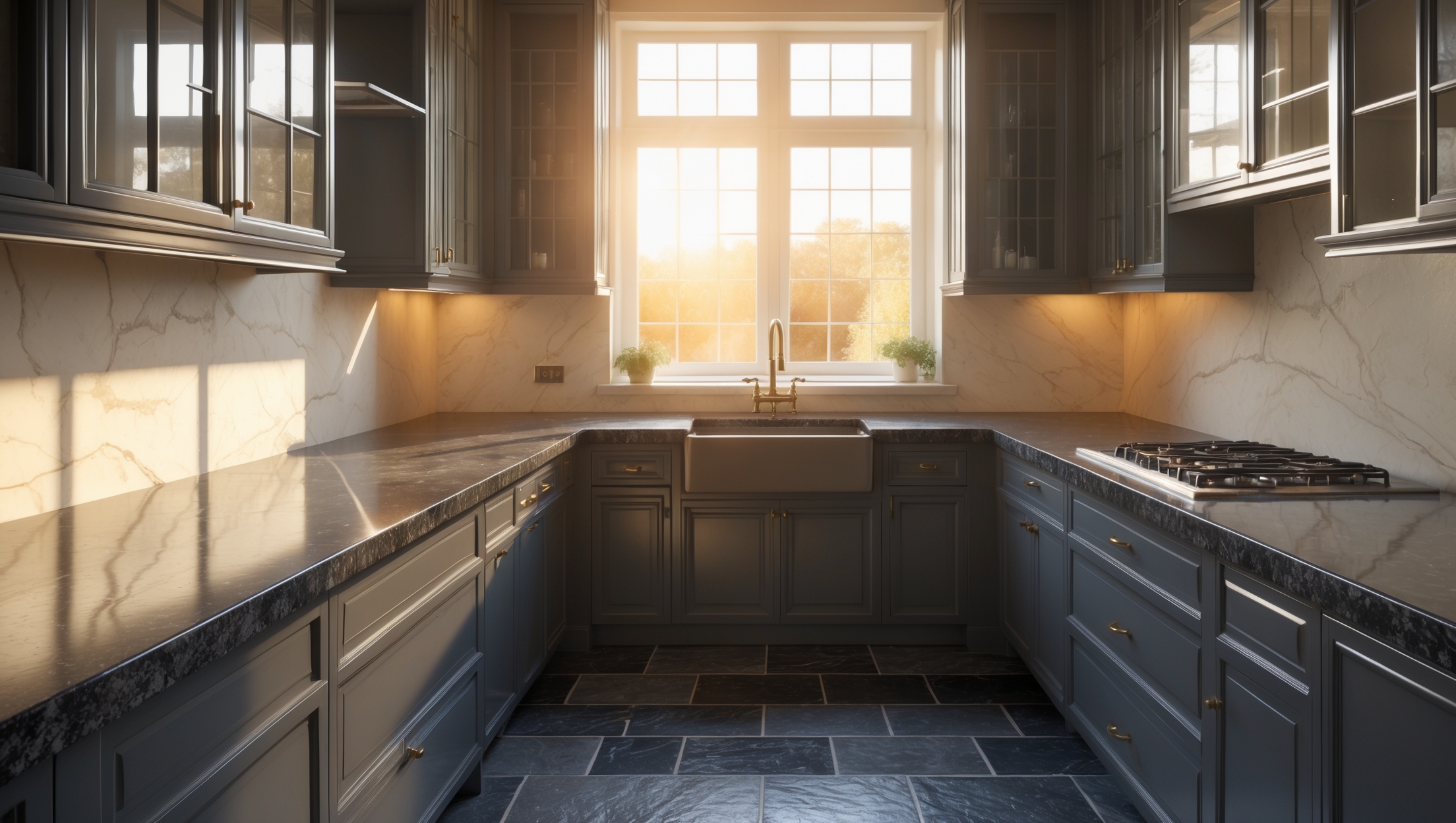
Introduction: Why Natural Stone Maintenance Matters
Natural stone surfaces—granite countertops, marble vanities, slate floors—bring timeless beauty and distinctive character to any home. However, their unique composition makes them susceptible to stains, etching, scratches, and even structural damage if not properly cared for. Unlike synthetic materials, natural stone requires specialized maintenance routines and a deeper understanding of its vulnerabilities. Neglecting these surfaces can lead to costly repairs, diminished aesthetic value, and, in some cases, irreversible damage. In this guide, we’ll walk you through the best practices for keeping your natural stone surfaces in pristine condition year after year. You’ll find clear, actionable advice for cleaning, sealing, spot-treating, and protecting granite, marble, slate, travertine, and more. Whether you’re a new homeowner or simply want to get more out of your existing surfaces, these strategies will help you preserve your investment and enhance your living space.
Understanding Natural Stone: Types and Their Unique Needs
Common Types of Natural Stone in Homes
- Granite: Known for its durability and speckled appearance, popular for kitchen countertops.
- Marble: Valued for its veining and elegance, often used in bathrooms and entryways.
- Slate: Recognized by its layered texture, ideal for flooring and fireplace surrounds.
- Travertine: A type of limestone with a porous, matte finish, common in bathrooms and patios.
- Limestone: Softer and lighter in color, used for floors, walls, and decorative accents.
- Quartzite: Hard and crystalline, often mistaken for marble but more durable.
Porosity and Vulnerabilities
Each type of stone has a different level of porosity, which affects how easily it can absorb liquids and become stained. For example, marble and limestone are more porous and sensitive to acids, while granite is less susceptible but still needs protection. Understanding your surface’s unique vulnerabilities will inform the cleaning products and maintenance schedules you choose.
Daily and Weekly Care: Preventing Surface Damage
Routine Cleaning Techniques
- Use a soft, damp microfiber cloth for daily wiping. Avoid abrasive pads or brushes.
- Choose a pH-neutral stone cleaner or mix a drop of mild dish soap with warm water. Acidic or alkaline cleaners can etch and dull the surface.
- Wipe up spills immediately, especially liquids like wine, coffee, citrus juice, and oil, to prevent staining or etching.
- For floors, sweep daily or vacuum using a soft-brush attachment to prevent grit from scratching the surface.
What to Avoid
- Vinegar, lemon, or ammonia-based cleaners—these can permanently dull or etch stone.
- Generic bathroom or tile cleaners that may contain acids or harsh chemicals.
- Leaving wet items (glasses, soap dispensers, potted plants) on stone surfaces for extended periods.
Stain Prevention and Quick Response
Types of Stains and Their Causes
- Organic stains: Coffee, tea, wine, fruit juices—often leave a brownish or pink stain.
- Oil-based stains: Cooking oil, grease, lotions, or cosmetics—appear as dark spots.
- Metal stains: Rust from cans or metal objects—usually orange or brown.
- Ink stains: Markers, pens, or printer ink—especially visible on lighter stones.
Immediate Action Steps
- Blot—do not wipe—spills to avoid spreading them further.
- Apply a poultice made from baking soda and water for oil-based stains, or hydrogen peroxide for organic stains. Cover with plastic wrap and leave for 24–48 hours before rinsing.
- For rust or ink stains, use a commercial stone poultice designed for that type of stain; do not use bleach or other household chemicals.
Sealing: When, Why, and How
Purpose of Sealing Natural Stone
Sealing creates a protective barrier that reduces the stone’s ability to absorb liquids and stains. While not all stones require sealing (some granites are naturally dense), most benefit from periodic resealing.
How to Test If Your Stone Needs Sealing
- Drip a small amount of water (about a tablespoon) on the surface and let it sit for 15 minutes. If the water darkens the stone or is absorbed, it’s time to reseal.
Choosing the Right Sealer
- Penetrating (impregnator) sealers: Soak into the stone and provide long-lasting protection without altering appearance.
- Topical sealers: Form a surface film, but can wear unevenly and are less recommended for most indoor stone surfaces.
Step-by-Step Sealing Process
- Clean the surface thoroughly and let it dry completely.
- Apply the sealer evenly using a soft cloth, brush, or applicator pad.
- Allow the sealer to penetrate (usually 10–15 minutes), then wipe away excess with a clean cloth.
- Let the surface cure as recommended by the manufacturer (often 24 hours) before use.
Deep Cleaning and Restoration
When to Schedule Deep Cleaning
- Heavily trafficked areas (kitchens, entryways) may need deep cleaning quarterly or semi-annually.
- Signs you need deep cleaning: stubborn stains, dullness, or a sticky residue despite regular care.
DIY Deep Cleaning Techniques
- Use a pH-neutral stone cleaner or a mixture of warm water and a few drops of dish soap.
- Gently scrub with a non-abrasive pad or soft-bristle brush.
- Rinse thoroughly with clean water and dry immediately to prevent water spots.
Professional Restoration
If your stone has deep scratches, heavy etching, or has lost its luster, professional restoration may be necessary. Experts can polish, hone, fill cracks, and reseal surfaces to restore their original beauty. Schedule professional maintenance every few years for high-value surfaces like marble floors and countertops.
Protecting Stone Surfaces from Everyday Hazards
Tips for Kitchen Countertops
- Always use cutting boards to prevent scratches and knife marks.
- Place trivets or hot pads under pots and pans; sudden temperature changes can cause cracks or discoloration.
- Wipe up acidic spills (tomato sauce, citrus, vinegar) immediately to avoid etching.
Protecting Bathroom and Shower Stone
- Dry surfaces after use to prevent water spots and mineral deposits.
- Use squeegees on shower walls and doors to minimize soap scum buildup.
- Ventilate bathrooms to reduce humidity and prevent mold in grout joints.
Preserving Stone Floors
- Place doormats at entryways to reduce tracked-in grit and sand.
- Use felt pads under furniture legs to avoid scratches and gouges.
- Maintain a “no-shoes” policy in stone-floored rooms for best results.
Special Considerations for Outdoor Stone
Weather and environmental exposure can accelerate wear on outdoor stone surfaces like patios, walkways, and pool surrounds. Here’s how to keep them looking their best:
- Seal outdoor stone annually to combat moisture penetration and freeze-thaw cycles.
- Remove leaves and organic debris promptly to prevent staining.
- Use a pressure washer on a low setting for periodic cleaning, but avoid aggressive jets that can erode the stone surface or grout.
- Inspect for cracks or loose stones after winter; repair promptly to prevent further damage.
Common Mistakes and How to Avoid Them
- Using the wrong cleaners: Always check labels for stone compatibility.
- Neglecting regular sealing: Skipping this step shortens the lifespan of your stone surfaces.
- Ignoring minor spills and stains: Quick action is crucial to prevent permanent marks.
- Using abrasive tools: Steel wool, scouring pads, and harsh brushes can scratch and dull stone.
- Delaying professional help: Deep scratches, cracks, or etching often require specialized restoration.
DIY Stone Maintenance Kit: Must-Have Tools and Supplies
- pH-neutral stone cleaner
- Soft microfiber cloths
- Non-abrasive sponges or brushes
- Stone sealer (penetrating type)
- Plastic scraper for sticky residue
- Felt pads for furniture protection
- Poultice powder or DIY ingredients for stain removal (baking soda, hydrogen peroxide)
- Spray bottles for mixing cleaners
- Gloves for applying sealers
FAQ: Troubleshooting Common Stone Surface Issues
How can I remove water spots from polished marble?
Buff gently with a soft, dry microfiber cloth. For persistent spots, use a marble polishing powder as directed.
What should I do if my granite countertop has lost its shine?
Try cleaning with a pH-neutral stone cleaner, then apply a granite polish. If the dullness persists, professional honing and polishing may be needed.
Can I use bleach to disinfect my stone surfaces?
No. Bleach is too harsh and can damage both the stone and the sealer. Use a stone-safe disinfectant or a mild solution of isopropyl alcohol and water.
Why are my slate tiles flaking?
This is called “spalling,” often caused by water infiltration or freeze-thaw cycles. Ensure proper sealing and address water issues promptly. Replace severely damaged tiles as needed.
Conclusion: Preserving Beauty and Value for Years to Come
Natural stone surfaces are an enduring investment, adding value, luxury, and a sense of permanence to your home. However, their longevity and beauty depend on your commitment to proper care. By adopting the best practices outlined in this guide—routine cleaning, immediate stain response, regular sealing, and protection from daily hazards—you’ll ensure your granite, marble, slate, or other stone surfaces remain as stunning as the day they were installed. Remember, maintenance is not just about aesthetics; it’s about protecting your investment and reducing the risk of costly repairs down the road. Establish a care routine, keep the right tools on hand, and don’t hesitate to seek professional help when needed. With consistent attention, your natural stone surfaces will serve as a testament to style and durability for generations. Start today, and enjoy the lasting rewards of a well-maintained stone environment in your home.
If you accidentally use a regular household cleaner on a slate floor instead of something meant for stone, is there a way to reverse any potential damage or do you just have to live with the results?
If you’ve used a regular household cleaner on a slate floor, rinse the area thoroughly with clean water to remove any residue. If you notice dullness or discoloration, you might be able to restore the surface with a stone-safe cleaner or a pH-neutral cleanser. In stubborn cases, a professional stone restorer can often help repair the damage.
If marble and limestone are more porous and sensitive to acids, what kind of cleaning solutions do you recommend for everyday spills in a busy kitchen?
For marble and limestone, use a pH-neutral stone cleaner or simply mix a few drops of mild dish soap with warm water. Avoid acidic or abrasive cleaners, including vinegar and lemon juice, as they can etch or dull the stone. Wipe up spills promptly with a soft cloth.
How often do you actually need to reseal surfaces like travertine or limestone? I’m worried about missing the right timeframe and ending up with hard-to-remove stains.
For travertine and limestone, resealing is typically recommended every 1 to 2 years, but it can vary depending on use and product type. Check if water beads on the surface—if not, it’s time to reseal. Regular cleaning and prompt spill cleanup also help prevent staining between resealing sessions.
I’m about to redo my kitchen countertops and am torn between granite and quartzite. Based on their maintenance needs and vulnerabilities, which would be more forgiving for someone new to natural stone upkeep?
Quartzite tends to be a bit more forgiving for beginners, as it is generally harder and more resistant to scratches and etching than granite. Both require sealing and gentle cleaning, but quartzite’s durability means it’s slightly easier to maintain if you’re new to caring for natural stone.
How often should I reseal a travertine patio versus something like a granite kitchen countertop? I’m trying to figure out what kind of long-term maintenance schedule I’m committing to.
For a travertine patio, resealing every 1 to 2 years is typical due to outdoor exposure. Granite kitchen countertops usually need resealing every 2 to 3 years, sometimes longer if a high-quality sealer is used. Regularly check for water absorption to decide if resealing is needed sooner.
As someone who manages a lot of granite and marble surfaces in my small business, I’m curious how often you recommend sealing each type to prevent stains, especially with heavy daily use.
For heavy daily use in a business setting, granite surfaces should generally be sealed every 1 to 2 years, while marble may need sealing every 6 to 12 months. It’s a good idea to check the surfaces periodically—if water doesn’t bead up, it’s time to reseal.
For a busy kitchen with granite countertops, how often would you actually recommend resealing them to prevent stains and damage? I’ve heard different advice and wonder if real-world use changes the schedule.
For a busy kitchen with granite countertops, resealing every 1 to 2 years is usually effective. However, heavy daily use or frequent cleaning with strong products might require more frequent resealing. You can test by placing a few drops of water on the surface—if it absorbs quickly, it’s time to reseal.
You mentioned that neglecting natural stone can lead to irreversible damage. How frequently should surfaces like marble or limestone be sealed to prevent this, especially in high-traffic areas like bathrooms?
Marble and limestone in high-traffic areas should generally be sealed every 6 to 12 months. However, check for signs like water no longer beading on the surface, which means it’s time to reseal. Regular cleaning and immediate spill cleanup also help protect the stone.
You mentioned that marble and limestone are more porous and sensitive to acids. Are there any specific cleaning products or ingredients that should be completely avoided when caring for these surfaces?
When cleaning marble and limestone, avoid acidic products such as vinegar, lemon juice, or bathroom cleaners containing acid. Also steer clear of abrasive powders and harsh chemicals like bleach or ammonia. Instead, use a pH-neutral stone cleaner or mild dish soap with warm water for safe, effective cleaning.