

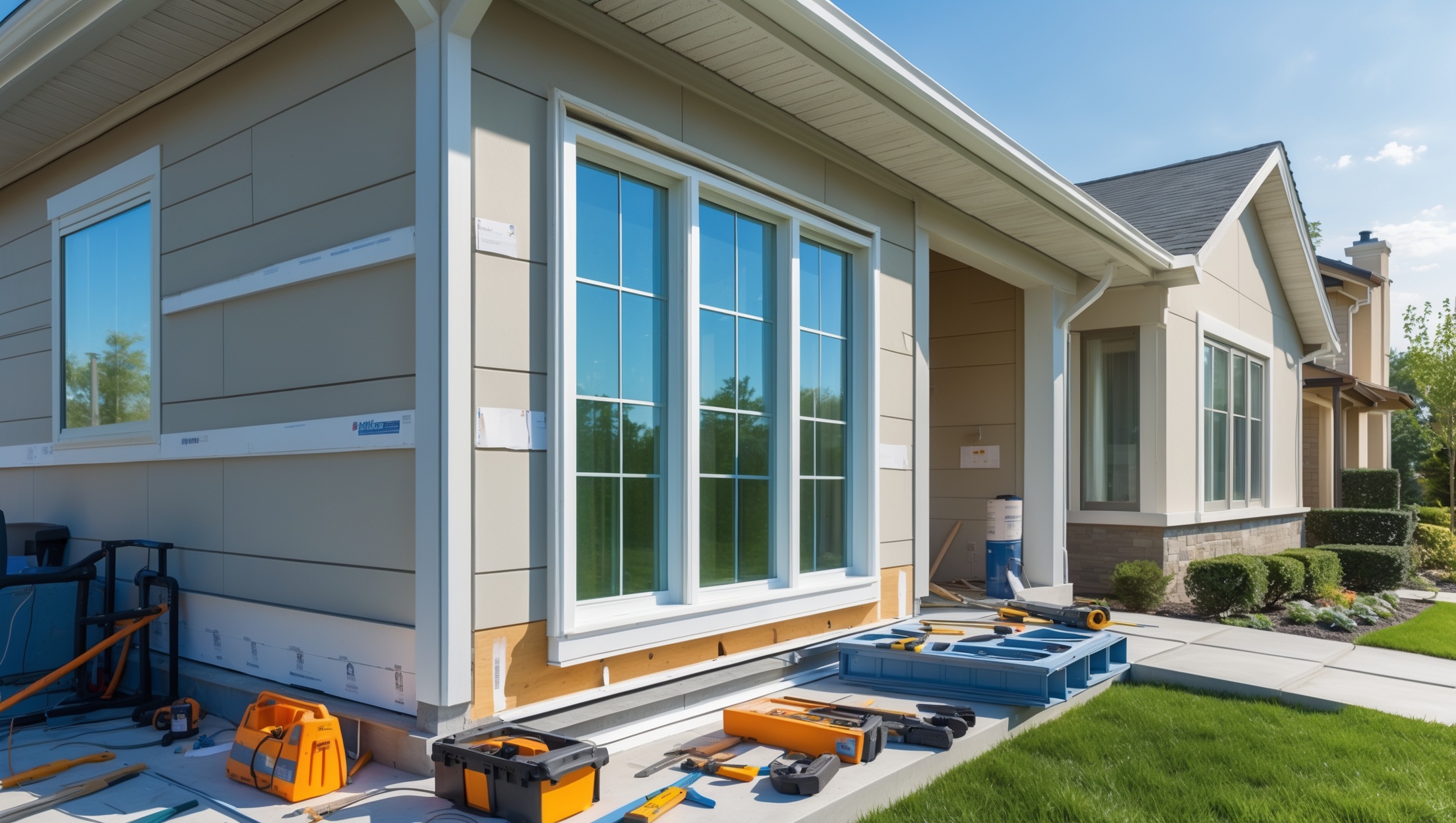
Introduction: The Hidden Complexity of Window Replacement Projects
Replacing your home’s windows seems like a straightforward upgrade—just pick your style, hire a contractor, and enjoy improved comfort and energy efficiency. However, many homeowners underestimate the compliance and permitting requirements that come with this project. Local building codes, energy standards, and city ordinances often regulate everything from the type of glass you install to how the window is anchored in the wall. Failing to secure the proper permits or meet compliance standards can result in fines, project delays, insurance issues, or even forced removal of newly installed windows. In this guide, we’ll walk you through the step-by-step process of navigating permits and compliance checks for window replacement, demystifying the paperwork and inspections involved. Whether you’re a DIY enthusiast or hiring a professional, understanding these requirements will help you avoid costly mistakes, ensure your project’s legality, and protect your home’s long-term value.
Why Permits and Compliance Matter in Window Replacement
The Role of Local Building Codes
Building codes exist to ensure safety, energy efficiency, and structural integrity. When replacing windows, these rules may dictate:
- The type of glazing (e.g., tempered glass near doors or in bathrooms)
- Window egress sizes in bedrooms for fire safety
- U-factor and Solar Heat Gain Coefficient (SHGC) for energy efficiency
- Installation methods to resist wind, water, and seismic loads
Risks of Non-Compliance
Installing windows without the required permits or outside code specifications can result in:
- City fines or stop-work orders
- Difficulty selling your home due to unpermitted work
- Insurance claim denials for related damages
- Liability for injuries or code violations
Step-by-Step Guide: Navigating Permits for Window Replacement
Step 1: Determine If a Permit Is Required
Permit requirements vary by location and project scope. You typically need a permit if:
- You’re altering window size or moving locations (structural changes)
- Windows are in bedrooms, near stairs, or on upper stories
- You live in a historic district or HOA-regulated area
Simple same-size, same-location replacements may be exempt in some areas, but energy or safety codes still apply. Always check with your local building department.
Step 2: Gather Required Documentation
Permit applications usually require:
- Completed application forms from your city or county
- Detailed window specifications (manufacturer, model, dimensions, ratings)
- Site plans or photos showing window locations
- Drawings or engineering details for structural changes
- Proof of contractor licensing, if hiring out
Contact your permit office directly for a checklist to avoid missing documents.
Step 3: Submit the Application and Pay Fees
Fees range from $50–$400 depending on project size and location. Some cities offer online portals, while others require in-person submissions. Be prepared to wait 1–3 weeks for review, especially for projects requiring plan checks or HOA approval.
Step 4: Respond to Plan Checks or City Requests
Building officials may request clarifications or corrections on your application—common issues include:
- Incorrect window egress sizes
- Missing energy performance data
- Insufficient structural details for altered openings
Promptly address redlines to avoid project delays.
Step 5: Receive Your Permit and Post Onsite
Once approved, your permit must be posted visibly onsite throughout the project. Inspectors will check this during required visits.
Understanding Compliance Checks for Window Replacement
Fire and Egress Safety Requirements
Bedrooms and basement windows must meet egress standards to allow emergency escape. Typical requirements:
- Minimum opening width and height (often at least 20 inches wide by 24 inches high)
- Minimum net clear opening (usually 5.7 square feet)
- Maximum sill height above the floor (typically 44 inches)
Check the International Residential Code (IRC) and your local amendments.
Energy Efficiency Standards
Many states, such as those following ENERGY STAR or Title 24 (California), set strict rules for:
- U-factor (insulation value)
- Solar Heat Gain Coefficient (SHGC)
- Low-E glass requirements
Obtain documentation from your window supplier to prove compliance for inspections.
Historic and HOA Restrictions
If your home is in a historic district or governed by an HOA, you may face additional compliance steps:
- Mandatory use of specific materials or styles
- Color and grid pattern restrictions
- Pre-approval from a design review board
Submit all required documents to both the city and your HOA or preservation board.
Inspections: What to Expect During and After Installation
Rough and Final Inspections
Depending on your jurisdiction, you may face two types of inspections:
- Rough Inspection: Before interior finishes are installed, checks framing and weatherproofing.
- Final Inspection: Ensures windows operate correctly, meet egress, and satisfy energy and safety codes.
Contact your building department to schedule inspections promptly.
Common Inspection Failures and How to Avoid Them
- Improperly flashed or sealed windows (risk of leaks)
- Non-compliant egress sizes
- Unverified energy performance labels
- Structural framing not matching plans
Review manufacturer instructions and local codes carefully before and during installation.
DIY vs. Contractor-Managed Compliance: What You Need to Know
DIY Window Replacement
If you’re managing the project yourself, you’re responsible for:
- Securing permits
- Coordinating inspections
- Ensuring all work meets code
Some cities may require you to pass a brief homeowner exam before issuing a permit for DIY work.
Hiring a Professional Contractor
Licensed contractors typically handle permitting, compliance, and inspections as part of their contract. However, always:
- Request copies of all permits and inspection results
- Confirm the contractor is listed on the permit
- Verify licensing and insurance
You, as the homeowner, are ultimately responsible for ensuring compliance, even if hiring out.
Special Considerations for Different Types of Windows
Bay and Bow Windows
These often require structural modifications, triggering additional plan checks and possibly structural engineering sign-off. Extra permit fees may apply.
Skylights and Egress Windows
Skylights must meet energy and waterproofing standards and often require a separate permit. Basement egress windows may require excavation, retaining walls, or well covers—all subject to strict code requirements.
Impact-Resistant Windows (Hurricane Zones)
In coastal or high-wind regions, you must install windows rated for impact and wind resistance. Documentation and enhanced inspections are required.
Documentation and Record-Keeping Best Practices
Keep a dedicated folder (physical or digital) with:
- Permit copies and application paperwork
- Product specification sheets and labels
- Inspection reports and correction notices
- Contractor invoices and warranties
This documentation will be invaluable when selling your home or filing insurance claims.
FAQs About Window Replacement Permits and Compliance
How long does it take to get a window replacement permit?
Simple replacement permits may be issued same-day or within a week. Structural changes or historic reviews can take several weeks.
What happens if I skip the permit process?
You risk fines, forced removal, complications when selling, or voided insurance coverage. Always check requirements first.
Can I start work before the permit is granted?
No. Starting work before receiving your permit is illegal and can result in stop-work orders and additional penalties.
Do energy code requirements apply to all window replacements?
In most areas, yes. Even if a permit is not required for same-size replacements, energy efficiency and safety codes almost always apply.
Conclusion: Turning Compliance into a Seamless Part of Your Upgrade
Window replacement is one of the most rewarding home improvements you can make, offering immediate benefits in comfort, curb appeal, and energy savings. Yet, the behind-the-scenes work of securing permits and meeting compliance standards is just as crucial as the installation itself. By taking the time to understand your local requirements, gathering the right documents, and coordinating inspections, you protect your investment and avoid potentially costly setbacks. Remember, compliance is not just a bureaucratic hurdle—it’s a safeguard for your home’s safety, your family’s well-being, and your property’s future value.
Whether you’re managing the process yourself or working with a professional, treat compliance as a critical component of your project plan. Keep meticulous records, ask questions at your local permit office, and don’t hesitate to seek expert advice when in doubt. With proper preparation, your window replacement can proceed smoothly and give you peace of mind for years to come. Your home—and its future owners—will thank you for doing things the right way, from start to finish.
If I’m replacing bedroom windows myself to meet egress requirements, how can I be sure they’ll pass the fire safety inspection? Are there specific measurements or types of windows that work best for this?
To ensure your new bedroom windows meet egress and fire safety requirements, check your local building codes for minimum opening size, height, and width—often a clear opening of at least 5.7 square feet, 24 inches high, and 20 inches wide. Casement and sliding windows are common choices as they typically open fully for egress. Double-check measurements and choose windows labeled as egress-compliant.