

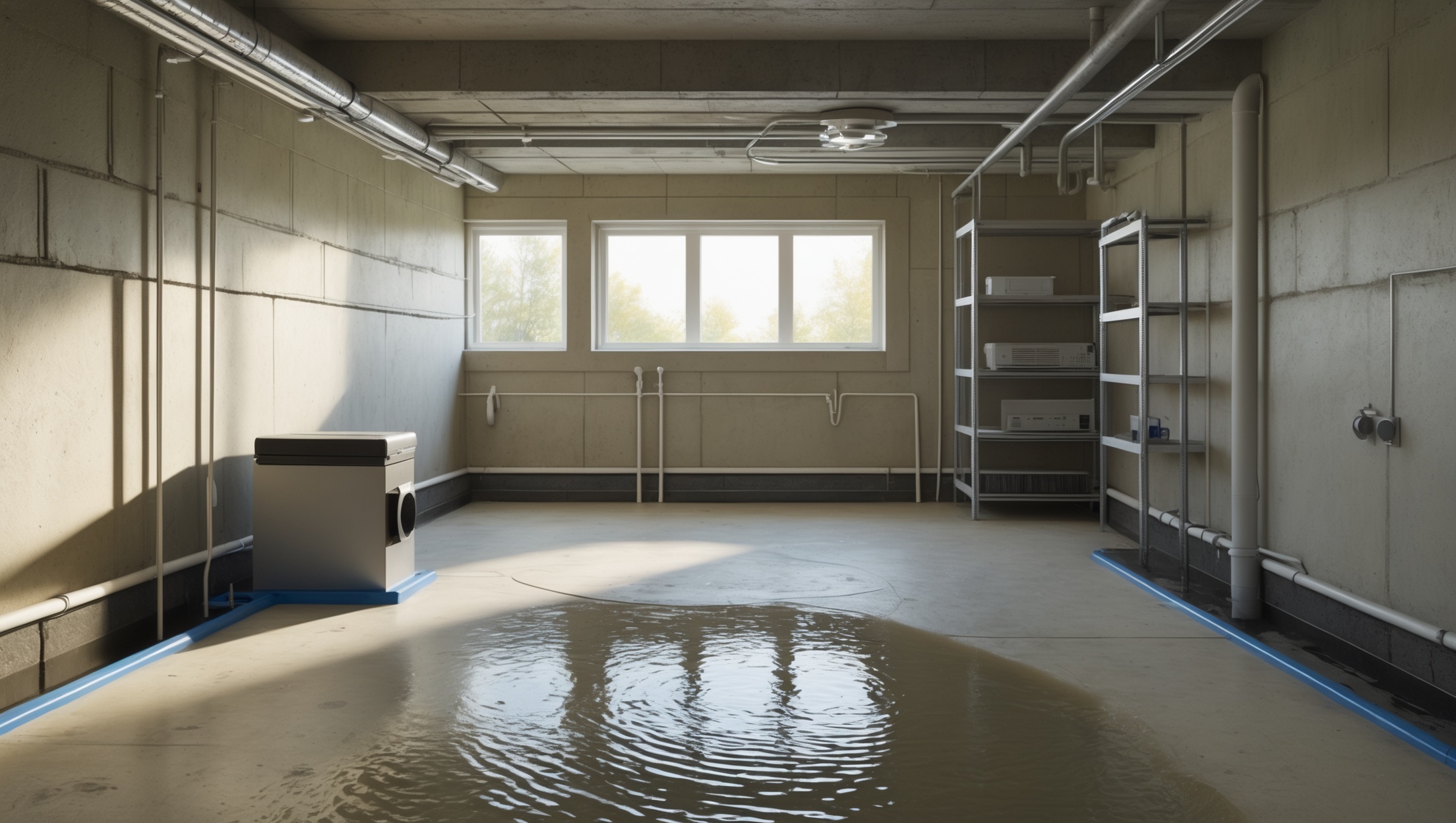
Introduction: Why Insurance Matters for Basement Waterproofing
Water damage is among the most serious and costly risks homeowners face, and basements are ground zero for many of these headaches. Whether your home is old or new, issues like seepage, flooding, or mold growth often originate below grade. Basement waterproofing, from interior sealants to exterior excavation and drainage solutions, is a major investment in your home’s structural integrity and long-term value. But what many homeowners overlook is the equally critical need for adequate insurance coverage—both during the project and after completion. Without the right insurance protections in place, you could be left footing the bill for unforeseen accidents, property damage, or even lawsuits arising from your waterproofing work. This guide will walk you through everything you need to know about insuring your basement waterproofing project, including what’s typically covered, what to watch out for, and how to make sure your investment is truly protected from the ground up.
Understanding the Scope of Basement Waterproofing Projects
Basement waterproofing encompasses a wide range of solutions, each with its own risk profile and insurance implications. Common basement waterproofing methods include:
- Interior sealants and coatings
- Exterior excavation and membrane installation
- Interior or exterior drain tile systems
- Sump pump installation and battery backups
- French drains and landscape grading
- Crack injections and masonry repairs
These methods can involve significant construction work, structural changes, and exposure to hazards like water ingress, electrical systems, and heavy equipment. Whether you’re tackling a DIY project or hiring a professional contractor, understanding the risks is the first step in making sure you’re adequately insured.
Risks Associated with Basement Waterproofing
Basement waterproofing presents several unique risks:
- Property Damage: Unintended damage to walls, floors, or foundation during excavation or drilling.
- Water Intrusion: Temporary or permanent water ingress due to incomplete or failed waterproofing.
- Mold and Mildew: Moisture issues can worsen if waterproofing is improperly installed.
- Utility Disruption: Striking water, gas, or electrical lines during excavation.
- Injury: Falls, electrical shocks, or equipment accidents, especially on DIY jobs.
- Legal Liability: Damage to neighboring properties or common areas in shared buildings.
Proper insurance ensures you’re not financially exposed if any of these risks materialize during or after the project.
Homeowners Insurance: What’s Covered and What’s Not
Most standard homeowners insurance policies cover sudden and accidental water damage but exclude damage from gradual leaks or poor maintenance. When it comes to basement waterproofing, it’s critical to understand several key exclusions and limitations:
- Flood Damage: Most homeowners policies exclude water damage from surface flooding or groundwater. A separate flood insurance policy is needed.
- Sewer Backup: Coverage for water backup from sewers or sump pumps is often excluded or limited; look for an endorsement or rider to add this protection.
- Construction Damage: Damage caused by DIY work or unlicensed contractors may be excluded.
- Negligence or Faulty Workmanship: Insurers may deny claims if damage results from improper waterproofing installation.
Review your policy closely and ask your insurance agent for clarification on what is—and isn’t—covered before starting any basement waterproofing work.
Assessing Your Insurance Needs Before You Start
Conduct a Risk Assessment
Before you begin, evaluate the unique risk factors in your home and location:
- Is your basement below the water table or in a flood-prone area?
- Are there signs of previous water intrusion?
- How old is your foundation and plumbing?
- Will the project require excavation or significant structural changes?
- Are you doing the work yourself or hiring professionals?
Review Your Existing Coverage
Contact your insurance provider and review your policy’s coverage for:
- Water damage (including exclusions related to ground and surface water)
- Sewer and drain backup
- Personal liability (for injuries or property damage)
- Coverage during renovations or construction
Consider Additional Policies or Endorsements
Depending on your risk assessment, you may need to purchase:
- Flood Insurance: Available through the National Flood Insurance Program (NFIP) or private insurers; covers damage from flooding not included in standard policies.
- Sewer/Water Backup Endorsement: Adds protection for basement water damage caused by sump pump or drain failures.
- Builder’s Risk Insurance: Ideal for major renovations, covers property during construction.
Insurance Requirements When Hiring a Contractor
Verify Contractor Insurance
Never hire a basement waterproofing contractor without proper insurance. Ask for:
- General Liability Insurance: Protects your property from damage caused by the contractor’s work.
- Workers’ Compensation: Covers on-the-job injuries to workers, protecting you from liability.
- Bonding: Provides compensation if the contractor fails to complete the job or meet contractual obligations.
Request certificates of insurance and confirm coverage by contacting the contractor’s insurer directly. Ensure coverage limits are adequate for the scope of your project.
Written Contracts and Warranties
Always get a written contract detailing the scope of work, timeline, payment schedule, and warranty on materials and labor. Warranties often exclude damage from natural disasters or homeowner negligence, so read all terms carefully.
DIY Waterproofing: Insurance Considerations
If you plan to waterproof your basement yourself, be aware that many insurance policies exclude damage resulting from homeowner-performed work. To minimize risks:
- Work within your skill level and local codes.
- Obtain all required permits and inspections.
- Document your process with photos and receipts.
- Check if your insurer requires notice for major renovations.
- Consider purchasing additional liability coverage or an umbrella policy for extra protection.
Improper installation or missed steps could invalidate your coverage, so take every precaution and consult a professional if you’re unsure.
Filing an Insurance Claim After Basement Waterproofing
When to File a Claim
If you experience water intrusion, property damage, or a related loss after a waterproofing project, take the following steps:
- Immediately document the damage with photos and notes.
- Contact your insurer to report the incident and start the claims process.
- Provide proof of your waterproofing work (contracts, receipts, permits, before-and-after photos).
- Mitigate further damage (e.g., pump out water, use fans to dry the area), but don’t discard damaged items before an adjuster inspects them.
Common Reasons Claims Are Denied
- Damage caused by maintenance issues or gradual leaks
- Flood damage not covered by standard policy
- Work performed without permits or inspections
- Faulty installation or use of unlicensed contractors
Appeal denied claims by providing additional documentation or seeking a second opinion from an independent adjuster.
Tips for Risk Management and Loss Prevention
Insurance is only part of the equation. Proactive risk management can prevent damage and make claims smoother if they’re needed:
- Install water sensors and alarms in your basement.
- Maintain your sump pump and test it regularly.
- Inspect basement walls, windows, and foundation annually.
- Keep gutters and downspouts clear to direct water away from your home.
- Store valuables off the basement floor or in waterproof containers.
- Keep detailed records of all maintenance and repairs.
These steps not only reduce your risk of water damage but may also lower your insurance premiums.
How to Lower Your Insurance Premiums After Waterproofing
Investing in basement waterproofing can actually help reduce your ongoing insurance costs. Here’s how:
- Provide Documentation: Submit proof of professional waterproofing and upgrades (e.g., sump pump installation) to your insurer.
- Request Discounts: Ask about premium reductions for installing water detection systems, sump pumps with battery backups, or backflow valves.
- Increase Deductibles: If you’re confident in your waterproofing, raising your deductible can lower your premiums.
- Bundle Policies: Bundle your home and flood insurance with the same provider for additional savings.
Be proactive—many insurers won’t automatically apply discounts unless you ask and provide proof of upgrades.
Frequently Asked Questions
1. Does waterproofing my basement increase my home insurance premium?
Not typically. In fact, providing proof of waterproofing upgrades may qualify you for discounts, since you’re reducing your risk of water damage claims.
2. Is flood insurance necessary if I waterproof my basement?
Yes, if you live in a flood-prone area or your mortgage requires it. Waterproofing reduces risk but doesn’t eliminate flood exposure, which is excluded from most homeowners policies.
3. What happens if a contractor damages my property during waterproofing?
Their liability insurance should cover it. Always verify coverage before hiring and document the condition of your property before work begins.
4. Will my insurance cover mold damage after waterproofing?
Mold coverage varies. Many policies exclude mold remediation unless it results from a covered peril. Promptly report any water intrusion and remediate quickly to avoid complications.
Conclusion: Secure Your Home and Your Investment
Basement waterproofing is one of the smartest improvements you can make to protect your home’s foundation, enhance livable space, and boost property value. But the true value of this investment is only realized when it’s paired with a thoughtful insurance strategy. From reviewing your current policy for water-related exclusions to verifying a contractor’s coverage and securing additional endorsements for flood or sewer backup, every step you take to manage risk strengthens your financial safety net. If you’re a DIYer, don’t overlook the potential insurance pitfalls of self-performed work—take extra care to document everything and consult your agent before starting.
Remember, insurance is a partnership: the more proactive you are in preventing loss (through maintenance, system upgrades, and risk management), the more likely your insurer will reward you with coverage and premium discounts. Should disaster strike, prompt documentation and clear communication with your insurer can be the difference between a smooth claim and a costly denial. Ultimately, the peace of mind that comes with knowing your basement—and the rest of your home—are protected from water damage is well worth the effort. By understanding your insurance options, anticipating risks, and taking preventive action, you ensure your basement waterproofing project stands the test of time—and whatever the weather brings.