

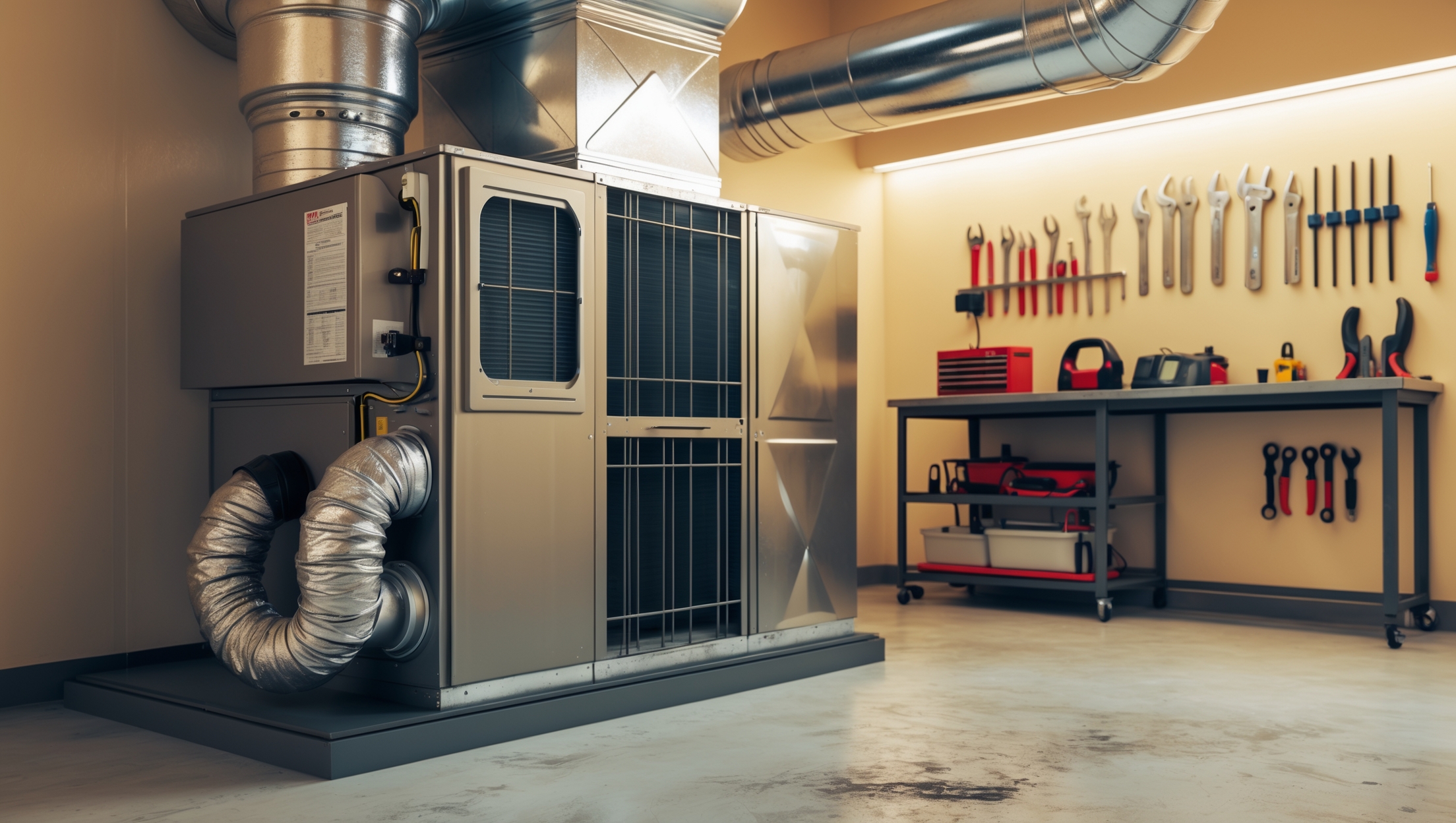
Introduction: Why Seasonal HVAC Maintenance Matters
Heating, ventilation, and air conditioning (HVAC) systems are the unsung heroes of home comfort. Whether you’re sweltering through a summer heatwave or bracing against winter’s chill, your HVAC system works tirelessly to maintain a pleasant indoor environment. Yet, many homeowners overlook regular HVAC maintenance, leading to inefficient performance, higher utility bills, and even premature system failure. According to the U.S. Department of Energy, proper maintenance can reduce energy consumption for heating and cooling by up to 15%. Neglecting your system, on the other hand, often results in costly repairs or replacements that could have been avoided. This comprehensive guide will break down the costs involved in seasonal HVAC upkeep, provide a step-by-step DIY maintenance checklist, and share pro-level tips to keep your system running smoothly all year long. Whether you’re a new homeowner or a seasoned DIYer, you’ll learn how to protect your investment, save money, and ensure optimal comfort in every season.
Understanding the True Cost of HVAC Maintenance
Initial vs. Ongoing Expenses
When budgeting for HVAC maintenance, it’s essential to distinguish between initial setup costs and ongoing seasonal expenses. While system installation is a one-time investment, regular maintenance is a recurring necessity. Here’s how the costs typically break down:
- Professional Tune-Up: $75–$200 per visit (recommended twice annually)
- DIY Supplies: $20–$50 per season (filters, cleaning solutions, etc.)
- Replacement Parts: $10–$75 (belts, capacitors, etc. as needed)
- Unexpected Repairs: $150–$450 on average (avoidable with routine checks)
Annual Budgeting Tips
To avoid unwelcome financial surprises, allocate $200–$400 per year for HVAC maintenance. This includes DIY supplies and at least one professional inspection. Set aside an emergency fund for repairs, especially if your system is over 10 years old.
Cost-Saving Opportunities
- Sign up for annual maintenance plans with local HVAC companies—these often include discounts on repairs and priority service.
- Buy air filters in bulk for better pricing.
- Track manufacturer rebates and tax credits for energy-efficient upgrades.
Essential Tools & Supplies for Seasonal Maintenance
Before diving into your maintenance tasks, gather the right tools. Having everything on hand streamlines the process and ensures you don’t skip critical steps. Here’s a basic toolkit for most homeowners:
- Replacement air filters (check your system’s size requirement)
- Vacuum cleaner with hose attachment
- Soft-bristle brush or old toothbrush
- Fin comb (for straightening condenser coils)
- Coil cleaner (non-acidic, foaming preferred)
- Level (for checking outdoor condenser unit)
- Garden hose (for outdoor coil rinsing)
- Flashlight or headlamp
- Gloves and safety glasses
- Phillips and flathead screwdrivers
- Small socket set
Optional but useful:
- Thermostat batteries
- Replacement belts
- Digital thermometer
DIY Seasonal HVAC Maintenance Checklist
Proper HVAC maintenance is a twice-yearly commitment: once in spring before cooling season, and again in fall before heating kicks in. Here’s a detailed checklist to follow for each season.
Spring/Summer Maintenance
- 1. Replace or Clean Air Filters: Swap out disposable filters or clean reusable ones. Clogged filters restrict airflow and make your system work harder.
- 2. Clean Condenser Coils: Shut off power, remove debris from the outdoor unit, and gently rinse coils with a hose. Use coil cleaner and a soft brush if needed.
- 3. Inspect Refrigerant Lines: Look for insulation damage or leaks. Damaged insulation should be replaced to ensure efficiency.
- 4. Clear Debris Around Outdoor Unit: Maintain at least 2 feet of clearance around the condenser. Remove leaves, grass clippings, and branches.
- 5. Check Thermostat Operation: Set the thermostat to cooling mode and verify the system responds promptly. Replace batteries if necessary.
- 6. Unclog Condensate Drain: Flush the condensate line with a cup of bleach or white vinegar to prevent mold and blockages.
- 7. Level the Outdoor Unit: Use a level to ensure the condenser sits evenly. An uneven unit can cause premature compressor wear.
- 8. Inspect Ductwork: Check visible ducts for leaks, gaps, or signs of mold. Seal minor leaks with foil tape.
- 9. Test System Start-Up: Run a full cooling cycle, listening for unusual noises or vibrations.
Fall/Winter Maintenance
- 1. Replace Air Filters: As with summer, clean or replace filters for optimal airflow.
- 2. Clean Furnace Burners & Blower: Vacuum dust from burners and blower assembly. Use a soft brush for stubborn buildup.
- 3. Inspect Flue Pipe: Look for rust, corrosion, or blockages in vent pipes. Address issues immediately to avoid carbon monoxide risks.
- 4. Check Pilot Light/Ignition: Ensure the pilot light is steady blue (not yellow/orange). For electronic ignitions, verify proper operation.
- 5. Test Carbon Monoxide Detectors: Replace batteries and test devices to ensure your family’s safety.
- 6. Inspect Heat Exchanger: Shine a flashlight inside for cracks or rust. If you spot issues, call a professional.
- 7. Lubricate Moving Parts: Apply appropriate lubricant to blower motor and bearings (if applicable).
- 8. Check Thermostat Function: Set to heating mode and confirm the system responds correctly.
- 9. Run System Test: Observe a full heating cycle for odd sounds or smells.
Pro Tips for Maximizing System Efficiency and Longevity
Upgrade to High-Efficiency Air Filters
While basic fiberglass filters are inexpensive, pleated or HEPA filters capture more particulates and improve indoor air quality. However, check your system’s manual before upgrading, as some high-efficiency filters can restrict airflow if not matched to your unit.
Seal and Insulate Ductwork
Leaky ducts can reduce system efficiency by up to 30%. Inspect accessible ducts in attics, basements, or crawl spaces. Seal leaks with mastic or foil-backed tape and add insulation to ducts running through unconditioned spaces.
Install a Programmable Thermostat
Programmable or smart thermostats can cut energy costs by optimizing temperature settings around your schedule. Many models are DIY-friendly, but always shut off power before installation.
Keep Vents and Registers Unobstructed
Blocked vents make your HVAC system work harder. Arrange furniture and curtains to allow free airflow, and periodically vacuum vent covers to remove dust.
Schedule Professional Inspections Annually
Even the best DIY routine can’t replace a thorough checkup by a licensed HVAC technician. Pros use specialized tools to measure refrigerant levels, inspect electrical components, and test system efficiency. Schedule at least one professional inspection each year—spring for cooling systems, fall for heating systems.
Common HVAC Maintenance Myths Debunked
- Myth: You Only Need to Change Filters Once a Year.
Reality: Filters should be changed every 1–3 months, especially during heavy use. - Myth: Closing Vents in Unused Rooms Saves Energy.
Reality: Closing vents actually increases air pressure and can damage your system. - Myth: DIY Maintenance Is Enough—Professionals Aren’t Needed.
Reality: DIY is essential, but only professionals can safely handle refrigerant and advanced diagnostics. - Myth: Bigger HVAC Systems Are Always Better.
Reality: Oversized systems cycle on and off more frequently, wasting energy and wearing out parts.
When to Call a Professional: Red Flags and Advanced Issues
Not all HVAC problems are DIY-friendly. Contact a certified technician if you notice:
- Strange odors (burning, musty, or chemical smells)
- Loud banging, screeching, or grinding noises
- Frequent short cycling (system turns on and off rapidly)
- Water pooling around the indoor unit
- Sudden spikes in utility bills without increased usage
- Persistent hot or cold spots in your home
Description of the issue, recent maintenance performed, and model number will help your technician troubleshoot efficiently.
Maintenance Best Practices for Long-Term Reliability
- Create a Maintenance Calendar: Mark filter changes and seasonal checks on your phone or wall calendar for accountability.
- Keep Records: Document maintenance dates, parts replaced, and technician visits. This history is invaluable for troubleshooting and warranty claims.
- Stay Informed: Review your HVAC system’s manual for recommended maintenance intervals and best practices.
- Monitor Performance: Track your energy bills and system runtime. Sudden changes often signal maintenance needs.
Conclusion: Invest in Comfort, Save Money, and Protect Your Home
Seasonal HVAC maintenance is an investment that pays dividends in comfort, efficiency, and peace of mind. By proactively addressing minor issues before they escalate, you extend the lifespan of your system, lower energy costs, and reduce the risk of emergency repairs during extreme weather. The costs of routine filters, supplies, and occasional professional inspections are far outweighed by the savings you’ll realize from a smoothly running HVAC system. Plus, consistent maintenance helps maintain healthy indoor air quality, reducing allergens and pollutants that can affect your family’s health.
Don’t wait for the next heatwave or cold snap to think about your HVAC system. Set a recurring reminder, gather your tools, and use this checklist to keep your home comfortable year-round. If you ever feel unsure or encounter a problem beyond your skill level, reach out to a certified professional—early intervention is key to avoiding expensive breakdowns. Ultimately, a little time and effort each season will reward you with lower bills, fewer headaches, and a reliably cozy home for years to come.
When accounting for unexpected repairs averaging $150 to $450, how can homeowners realistically set an emergency fund amount, especially if they’re new to budgeting for HVAC?
A good starting point is to set aside at least $300 to $500 in your emergency fund for HVAC repairs, based on the average range. If possible, add a small amount each month until you reach this goal, then maintain or increase it as you gain more experience with your system’s needs.
When you mention allocating $200–$400 per year for HVAC maintenance, does that estimate apply equally to both newer systems and older units over 10 years old, or should older systems plan for a higher annual budget?
The $200–$400 estimate generally covers routine maintenance for most systems, but older units over 10 years old may require a higher annual budget. Aging systems often need more frequent repairs or part replacements, so allocating extra funds for unexpected costs is wise.
You noted that neglecting seasonal HVAC maintenance can lead to higher utility bills. Are there any specific maintenance tasks on your DIY checklist that have the biggest impact on energy savings?
Yes, cleaning or replacing air filters is one of the most impactful tasks for energy savings. Also, making sure vents are unobstructed and cleaning the outdoor condenser unit help your system run efficiently, reducing energy use and costs.
You mention that a professional tune-up is recommended twice annually. If I only get one professional inspection a year, what risks am I taking, and is there a best season to prioritize it?
Getting just one professional inspection per year means issues could go unnoticed for several months, possibly reducing efficiency and increasing wear. If you have to choose one season, prioritize spring—this prepares your system for heavy summer use, when HVAC failures are most disruptive.
The article suggests DIY supplies average $20–$50 per season. Is that mainly for filters, or are there other essential items I should budget for each year?
The $20–$50 estimate mostly covers replacement filters, but it can also include items like coil cleaner, batteries for your thermostat, and cleaning supplies such as fin combs or soft brushes. Depending on your system and maintenance needs, you might need to budget a little extra for those additional items each year.
Could you give some tips on what DIY supplies are most essential so I don’t overspend each season on unnecessary items?
To avoid overspending, focus on essentials like high-quality air filters, a coil cleaning spray, a fin comb for straightening coils, a soft brush, and a vacuum with a hose attachment. These cover most basic seasonal maintenance. Skip specialized tools unless your system has unique needs or you plan advanced DIY repairs.
If my HVAC system is more than 10 years old, do the recommended annual maintenance costs increase, or is the $200–$400 estimate still realistic?
For HVAC systems over 10 years old, annual maintenance costs can sometimes be higher than the $200–$400 range mentioned, especially if parts are worn or repairs are needed more often. However, if your system is still running smoothly, you might stay within that estimate, but it’s wise to budget a bit extra just in case.
If my HVAC system is already more than 10 years old, is it worth spending the $200–$400 per year on maintenance, or should I start budgeting for a replacement instead?
Since your HVAC system is over 10 years old, it’s wise to start budgeting for a replacement, as efficiency and reliability can decline with age. Continuing yearly maintenance may help extend its life and reduce breakdowns, but preparing for eventual replacement will help you avoid unexpected costs.
You mention allocating $200–$400 annually for maintenance, but what’s a realistic emergency repair fund for an older HVAC system? Is there a certain percentage of the replacement cost you recommend setting aside?
For an older HVAC system, it’s wise to set aside 10–20% of the replacement cost each year as an emergency repair fund. For example, if replacement might cost $6,000, saving $600–$1,200 annually can help cover unexpected repairs without straining your budget.
I see that a professional tune-up is recommended twice a year, but could I get by with just one annual visit if I’m thorough with the DIY checklist?
If you consistently complete the full DIY checklist and your system has no issues, a single professional visit may be enough for some homeowners. However, two visits help catch problems early and cover tasks DIY steps might miss, so skipping one could mean a higher risk of undetected wear or seasonal issues.
If I stick to the DIY checklist and replace filters and clean everything myself, is it still really necessary to get a professional tune-up twice a year, or could I just do it annually to save money?
Doing your own maintenance covers many basics, but a professional can spot hidden issues like refrigerant leaks or electrical problems that DIY checks might miss. If your system is newer and running well, an annual pro tune-up may be enough, but older units or homes with heavy use might benefit from twice-yearly service.
If I run a small retail shop, would the recommended $200–$400 annual maintenance budget for homeowners also apply, or do commercial spaces typically have higher ongoing HVAC costs?
For a small retail shop, HVAC maintenance costs are usually higher than for homes. Commercial systems often require more frequent servicing and sometimes specialized work. Expect your annual budget to be above the $200–$400 range—often $500 or more, depending on equipment size and local service rates.
If I do the twice-yearly professional tune-ups mentioned here, is it usually necessary to also perform all the steps on the DIY checklist, or can some tasks be skipped if a pro has already handled them?
If you’re getting professional tune-ups twice a year, many of the more technical DIY tasks (like checking refrigerant or electrical connections) will be covered. However, simple upkeep like changing filters and cleaning vents between visits is still important to keep your system running smoothly.
The article mentions DIY supplies costing $20–$50 per season. What are the most essential items a homeowner should always have on hand for those DIY maintenance tasks?
For DIY HVAC maintenance, it’s smart to keep a fresh air filter, coil cleaner, a soft brush, a vacuum with attachments, a fin comb, and some basic screwdrivers. These tools and supplies cover most routine tasks like cleaning coils, replacing filters, and checking vents.
If my HVAC system is less than five years old and still under warranty, is it still necessary to budget for unexpected repairs as suggested in the article, or would warranty coverage typically handle those costs?
Even with a warranty, it’s wise to set aside some funds for unexpected HVAC repairs. Warranties usually cover major components but may not include labor, refrigerant, or issues caused by lack of maintenance or accidental damage. Having a small budget for out-of-pocket expenses ensures you’re prepared for anything not fully covered.
If my HVAC system is over 10 years old, how do I know when repairs are no longer cost-effective compared to just replacing the whole unit?
If your HVAC system needs frequent or expensive repairs—especially if costs approach half the price of a new unit—it’s generally more cost-effective to replace it. Rising energy bills, uneven heating or cooling, and outdated technology are also signs it may be time to upgrade instead of repair.
If my HVAC system is already over 10 years old, should I increase my emergency repair budget beyond what you recommended, or are there specific components I should watch out for that tend to fail more often in older systems?
With an HVAC system over 10 years old, it’s wise to budget a bit more for emergency repairs, since parts like capacitors, blower motors, and compressors are more prone to failure. Consider having these components inspected regularly, and be prepared for higher repair or replacement costs as the system ages.
The article says neglecting maintenance can lead to premature system failure. Could you share what early warning signs I should watch for before things get too expensive?
Some early warning signs to watch for include unusual noises, inconsistent heating or cooling, higher energy bills, reduced airflow from vents, musty or burning smells, and frequent cycling on and off. Addressing these issues promptly can help prevent major breakdowns and expensive repairs.
You mention professional tune-ups are recommended twice a year. Are there any specific signs homeowners should look for to know if an extra tune-up might be necessary between those visits?
Yes, some signs that might indicate the need for an extra tune-up include unusual noises from your system, uneven heating or cooling, higher energy bills, poor airflow, or persistent odors. If you notice any of these issues, it’s a good idea to schedule an additional professional inspection.
When you mention DIY supplies costing $20–$50 per season, what exactly should I be buying each time, and is there a particular brand or type of filter that works best for most systems?
The typical DIY supplies include a replacement air filter, coil cleaner, and possibly a can of compressed air or fin comb. Most systems use standard pleated or HEPA filters—brands like Filtrete and Honeywell are reliable. Always check your HVAC system’s size requirements before purchasing a filter to ensure the right fit.
How can I tell when a problem with my HVAC system is minor and something I can handle myself from the checklist, versus when I really need to call a professional?
If your HVAC issue is something simple like replacing filters, cleaning vents, or resetting the thermostat—tasks included in the DIY checklist—you can usually handle it yourself. However, if you notice unusual noises, leaks, electrical issues, or poor airflow that persists after basic maintenance, it’s best to contact a professional.
I’m curious about the DIY supplies listed. Are there certain brands or types of filters and cleaning solutions you recommend for best performance, or does it vary by system?
Filter size and type should always match your system’s specs, but for quality, brands like Filtrete or Honeywell are reliable for most homes. For cleaning solutions, a mild detergent or a coil cleaner labeled safe for HVAC use works well. Always check your system’s manual for specific recommendations before purchasing supplies.
When budgeting $200–$400 per year for HVAC upkeep, does that estimate include potential replacement parts, or should we set aside extra specifically for unexpected repairs as you mention?
The $200–$400 yearly estimate generally covers routine maintenance like inspections, cleaning, and basic tune-ups. It usually does not include the cost of replacement parts or unexpected repairs, so it’s wise to set aside extra funds for those unforeseen expenses.
You recommend setting aside $200–$400 per year for HVAC maintenance, but what would you suggest for families with older systems that seem to need more frequent repairs? Should we budget higher, or is it time to consider replacement?
For older HVAC systems that need frequent repairs, it’s wise to budget more—possibly $500–$700 annually. If repairs are becoming frequent and costly, it may be more cost-effective to start planning for a replacement, especially if the system is over 10–15 years old.
Can you clarify which DIY maintenance tasks are safe for a homeowner with limited experience, versus those that should always be left to a professional?
Homeowners with limited experience can safely replace air filters, clean vents and registers, and clear debris from around the outdoor unit. Tasks like inspecting electrical components, refrigerant handling, or internal unit repairs should always be handled by a professional for safety and proper system care.
How do the costs and effectiveness of a professional tune-up compare to handling regular HVAC upkeep myself using your checklist?
Doing regular HVAC upkeep yourself with our checklist can save you money on routine tasks like filter changes and cleaning, but a professional tune-up, while more expensive, includes advanced checks and calibration that may improve system efficiency and catch issues early. Combining both approaches often gives the best results for long-term performance and savings.
For the DIY maintenance checklist, what are the most common mistakes homeowners make that can actually end up causing more expensive repairs down the road?
Some common mistakes include forgetting to turn off power before starting work, using the wrong air filter size or installing it backward, neglecting to clean condenser coils properly, and blocking vents with furniture. These can lead to system strain, reduced efficiency, and costly repairs, so careful attention to instructions is key.
You mention DIY supplies like filters and cleaning solutions—are there specific brands or types you recommend for best results, especially for people who are new to home maintenance?
For filters, look for HEPA or pleated filters from brands like Filtrete or Honeywell, as they capture more particles and are user-friendly. For cleaning solutions, a mild coil cleaner from brands like Frost King or Simple Green is a safe choice. Avoid harsh chemicals and always check your HVAC unit’s manual for any brand or type recommendations.
For the DIY maintenance checklist, are there certain tasks you recommend skipping if I have a newer system that’s still under warranty, or should I follow everything listed regardless?
If your HVAC system is under warranty, avoid any tasks that require opening sealed components or tampering with electrical parts, as this could void the warranty. Stick to basic upkeep like changing filters, cleaning vents, and checking thermostat settings, but leave complex maintenance to certified professionals.
The breakdown mentions DIY filters and cleaning solutions, but do certain brands or types pay off more in the long run for older systems or homes with pets?
For older HVAC systems or homes with pets, investing in high-quality pleated filters or HEPA-rated filters can be beneficial, as they trap more dust and pet dander. Washable filters can also save money over time. Stick to reputable brands, and check that any cleaning solutions are safe for your unit’s components.
I saw the article recommends setting aside $200–$400 each year for HVAC maintenance, but if I just stick to the DIY checklist and skip professional tune-ups, will I risk bigger problems down the line?
Relying only on DIY maintenance does help, but skipping professional tune-ups could mean you miss hidden issues that an expert would catch. Over time, this might lead to costly repairs or reduced system efficiency, so professional servicing is still strongly recommended for long-term reliability.
Can you share some examples of which DIY maintenance tasks are realistic for a busy parent with limited time, and which ones truly require a professional?
Quick DIY tasks for busy parents include changing air filters, clearing debris around outdoor units, and dusting vents. More complex jobs, like checking refrigerant levels, deep cleaning inside coils, or electrical repairs, are best handled by a professional to ensure safety and proper function.
The article mentions budgeting $200–$400 per year for HVAC maintenance, but does that include unexpected repairs or just regular upkeep and supplies?
The $200–$400 annual budget mentioned in the article covers regular upkeep and routine maintenance supplies, such as filter changes and professional tune-ups. Unexpected repairs, like fixing a broken part, aren’t included in that estimate and would be additional costs.
You mention scheduling professional tune-ups twice a year. Does it really make a difference in system lifespan compared to only getting it checked annually?
Scheduling professional HVAC tune-ups twice a year can help catch issues early, maintain efficiency, and reduce wear on parts, which collectively can extend your system’s lifespan more than annual checks. This is especially true if you use both heating and cooling regularly, since each system benefits from seasonal attention.
When you say DIY supplies cost $20–$50 per season, what exact items should I include on my shopping list beyond just filters?
Beyond filters, your DIY HVAC maintenance supplies should include items like coil cleaner, a fin comb, a soft brush, replacement batteries for the thermostat, a can of compressed air or vacuum for vents, and possibly a new thermostat if yours is outdated. These basics cover most seasonal tasks.
Can you give more details on the DIY checklist mentioned? I’m wondering which maintenance tasks are easy enough for busy parents to handle themselves versus ones that really need a pro.
Certainly! Simple DIY tasks include changing air filters, cleaning vents, checking thermostat settings, and clearing debris from outdoor units. These are manageable for busy parents and help keep your system efficient. More complex jobs like inspecting electrical components, refrigerant levels, or deep cleaning coils are best left to HVAC professionals for safety and efficiency.
When following the DIY maintenance checklist, how do you know which replacement parts like belts or capacitors are due for change before they actually fail?
To spot parts that may need replacing, check for visible wear and tear: look for cracks, fraying, or looseness on belts and any bulging, leaking, or rust on capacitors. If a part looks damaged or your system runs unusually, replace it to avoid sudden breakdowns.
If my HVAC system is about 12 years old, should I expect the cost of unexpected repairs to be higher than the average mentioned, or does regular seasonal maintenance really keep those expenses predictable?
With a 12-year-old HVAC system, unexpected repair costs can be higher than average due to age-related wear. However, keeping up with regular seasonal maintenance can help catch problems early and often keeps expenses more predictable, though the risk of larger repairs does increase as the system gets older.
If my HVAC system is getting close to 10 years old, how much extra should I realistically set aside for potential repairs each year beyond the $200–$400 suggested for maintenance?
For a system nearing 10 years old, it’s wise to budget an additional $300–$800 per year for repairs, since older units are more prone to issues like failing capacitors, blower motors, or refrigerant leaks. This is on top of your regular maintenance budget.
You mention professional tune-ups are recommended twice a year. Is there a particular season that’s most critical for scheduling these visits, or can they be done back-to-back for convenience?
It’s best to schedule professional HVAC tune-ups in spring and fall, right before heavy use in summer and winter. This timing helps ensure your system runs efficiently during peak seasons. Having both visits back-to-back isn’t recommended, as it may leave your system unchecked for months when you need it most.
My HVAC system is over 10 years old, so I’m worried about unexpected repair costs. Is there a point when it’s more cost-effective to replace the system rather than keep setting money aside for repairs every year?
If your HVAC system is over 10 years old and repair costs keep adding up, it may be more cost-effective to replace it, especially if repairs approach 50% of the price of a new unit or your energy bills are rising. New systems are also more energy efficient, which can save you money long-term.
For older HVAC systems that are over 10 years old, how much more should I actually set aside for emergency repairs compared to the $200–$400 annual budget you mentioned?
For HVAC systems over 10 years old, it’s smart to budget more for emergencies. Setting aside $500–$800 annually is reasonable, as older units are more prone to breakdowns and major part replacements can get costly. This helps cover unexpected repairs that go beyond standard maintenance.
I noticed you recommend budgeting $200–$400 per year for HVAC maintenance. For someone with a newer system, would sticking closer to the lower end of that range still cover unexpected repairs, or should I expect to spend more?
If your HVAC system is newer and under warranty, you’ll likely spend closer to the lower end, mainly for routine maintenance. However, unexpected repairs usually aren’t covered in that amount—warranty coverage helps, but serious issues can increase costs. It’s wise to budget a bit extra just in case.
If my HVAC system is more than 10 years old, should I expect to spend even more than the $200–$400 annual maintenance budget you mentioned?
If your HVAC system is over 10 years old, you may see higher maintenance costs than the $200–$400 range, since older units are more prone to wear and unexpected repairs. It’s wise to budget extra for potential part replacements or service calls as your system ages.
If my HVAC system is over 10 years old, how much more should I set aside for unexpected repairs beyond the $200–$400 annual recommendation?
For HVAC systems over 10 years old, it’s wise to budget an additional $200–$500 per year for unexpected repairs, since older units tend to require more frequent and costly fixes. This way, you’ll be better prepared for major component failures or emergency service calls.
You recommend setting aside $200–$400 per year for HVAC maintenance, but is that estimate for an average-sized home or should I expect to budget more if my house is larger than usual?
The $200–$400 yearly estimate is based on an average-sized home. If your house is larger or has multiple HVAC units, you should budget more since maintenance needs and costs typically increase with additional square footage and equipment.
If my HVAC system is over 10 years old and I start noticing higher utility bills, should I prioritize replacement parts or routine professional inspections to get costs under control first?
Since your HVAC system is over 10 years old and you’re noticing higher utility bills, routine professional inspections are the best first step. An inspection will help pinpoint whether specific parts need replacing or if the system as a whole is becoming inefficient, allowing you to prioritize repairs or consider a replacement as needed.
You note that professional tune-ups are recommended twice a year. Is it more cost-effective to do both visits, or can one thorough check per year suffice if I do regular DIY maintenance?
If you’re diligent with DIY maintenance, one professional tune-up per year is often sufficient for most homes. However, two visits can help catch issues early and maintain peak efficiency, especially in regions with extreme seasonal changes. Weigh the local climate, system age, and your comfort with DIY tasks when deciding.
The article suggests two professional tune-ups per year, but is it absolutely necessary to do both if I’m pretty diligent with DIY maintenance?
If you handle regular DIY maintenance thoroughly, you might be able to get by with just one professional tune-up per year. However, a pro can catch hidden issues and handle checks that require special tools, so you’ll get the most long-term benefit by sticking with the two recommended visits.
If a professional HVAC tune-up is recommended twice annually, is it ever safe to skip one if my system seems to be working fine, or could that end up causing more issues in the long run?
Even if your HVAC system seems to be working well, skipping a professional tune-up can let small issues go unnoticed, potentially leading to bigger and costlier problems later. Regular twice-a-year maintenance helps keep your system efficient, extends its lifespan, and ensures any hidden problems are caught early.
In your cost breakdown, you mention professional tune-ups twice a year. Is it really necessary to have both a spring and a fall visit, or can some homeowners get by with just one if their system is newer?
Homeowners with newer HVAC systems might be able to get by with a single professional tune-up per year, especially if they perform regular DIY maintenance. However, having both spring and fall visits helps ensure both heating and cooling functions are working efficiently before the peak seasons, reducing the risk of unexpected breakdowns.
If I only have the budget for one professional inspection per year instead of the two recommended, which season would be more important to schedule it—before summer or before winter?
If you can only schedule one professional HVAC inspection per year, it’s usually best to do it before summer. This ensures your system is ready to handle the heavy cooling demands and helps prevent breakdowns during hot weather.
If my HVAC system is over 15 years old and I’m already budgeting for higher repair risks, do you recommend any extra preventive steps beyond the basic DIY checklist to help avoid those unexpected $150–$450 repair bills?
For an older HVAC system, besides the basic DIY tasks, it’s wise to schedule professional inspections twice a year. Ask the technician to check for refrigerant leaks, worn electrical components, and proper airflow. Replacing aging thermostat batteries and sealing ductwork can also help minimize unexpected repair costs.
Could you clarify which DIY maintenance steps are safe for homeowners with no technical background, and which should definitely be left to a professional to avoid damaging the system?
Homeowners with no technical background can safely change air filters, clean vents and registers, and check thermostat settings. Tasks like inspecting electrical components, refrigerant lines, or opening up the unit should be left to professionals, as these require special tools and training to avoid damage or safety risks.
On the DIY supplies list, you mention filters and cleaning solutions. Is there a particular type or brand you recommend for maximum efficiency without voiding warranties, especially if I have a newer HVAC unit still under manufacturer coverage?
For newer HVAC units under warranty, always use filters that match your manufacturer’s specifications—typically HEPA or MERV 8–13 rated filters. For cleaning solutions, choose non-corrosive products labeled safe for HVAC use. Avoid any cleaners with harsh chemicals that could damage components or void your warranty. When in doubt, check your owner’s manual or consult your manufacturer for approved brands.
Could you clarify which maintenance tasks from your DIY checklist are best left to professionals, especially for those of us without much experience?
Absolutely. Tasks like inspecting or refilling refrigerant, deep cleaning inside the furnace, checking electrical connections, and servicing gas components should be handled by licensed professionals. For those without much experience, stick to changing filters, cleaning vents, and checking thermostat settings yourself. Anything involving electricity, gas, or complex components is safest left to the pros.
Can you give more detail on what DIY supplies are absolutely necessary each season versus what’s just nice to have? I’m hoping to keep costs lower but still do a thorough job.
For essential DIY HVAC maintenance, you’ll need new air filters every season, a soft brush or vacuum for cleaning vents, and a screwdriver for accessing panels. Optional but helpful items include coil cleaner spray, fin combs, and a level for window units. Focusing on filters, cleaning tools, and basic hand tools keeps costs low and maintenance effective.
For homeowners considering skipping a professional tune-up and just following the DIY checklist, are there specific maintenance steps that should only be handled by a pro to avoid expensive mistakes?
Yes, certain HVAC maintenance tasks like inspecting electrical components, checking refrigerant levels, and calibrating your system should be left to professionals. DIY steps like changing filters and cleaning vents are safe, but handling complex parts without training can lead to costly repairs or voided warranties.
Your checklist mentions replacing filters each season, but how do I know if my system actually needs a new filter sooner than that? Are there signs to watch for beyond just the calendar?
Yes, there are signs your HVAC filter may need changing before the season is up. Watch for reduced airflow, unusual dust buildup, more allergy symptoms, or a musty smell when the system runs. If the filter looks gray or clogged when you check it, it’s time to replace it.
If my HVAC system is already older than 10 years, do you recommend more frequent professional tune-ups than twice a year, or should I just be more diligent with the DIY checklist?
For HVAC systems older than 10 years, it’s wise to continue with at least two professional tune-ups each year. Older units can develop issues faster, so sticking to that schedule while being extra diligent with the DIY checklist in between visits will help keep your system running smoothly.
If my HVAC system is almost 15 years old, should I just save more for unexpected repairs, or is it smarter to start budgeting for a full replacement? How do I know when it’s no longer worth maintaining?
For a 15-year-old HVAC system, it’s wise to start budgeting for a replacement, as most units last 15–20 years. If repairs are frequent or costs exceed half the price of a new system, replacement usually makes more financial sense. Watch for rising utility bills, uneven temperatures, or strange noises—these are signs that it may be time to upgrade.
Could you explain more about which replacement parts are most likely to wear out and need replacing during seasonal maintenance? I want to make sure I’m budgeting accurately for the $10–$75 parts range you mentioned.
Common replacement parts during seasonal HVAC maintenance in the $10–$75 range include air filters, thermostat batteries, blower belts, and capacitor or contactor relays. Air filters often need changing every season, while the other parts may wear out after a few years or show signs of issues during inspections.
Is it really necessary to get a professional HVAC tune-up twice a year, or could a thorough DIY checklist mostly cover what needs to be done for newer systems?
For newer HVAC systems, a thorough DIY checklist can cover basic tasks like filter changes and cleaning vents. However, professionals have tools and expertise to spot issues you might miss, so scheduling at least one pro tune-up a year is recommended to maintain warranty and ensure peak performance.
Is there a way to tell if my filter or other DIY supplies actually need replacing before the season starts, or should I always replace them as the checklist suggests?
You don’t always have to replace filters or supplies before the season starts, but it’s important to check their condition. Inspect your filter for dust buildup or discoloration—if it’s visibly dirty or clogged, replace it. For other supplies, look for wear or damage and replace only if needed.
Could you clarify which replacement parts are most likely to need swapping out during seasonal DIY maintenance, especially for someone with an older HVAC unit?
For older HVAC units, the most commonly replaced parts during seasonal DIY maintenance are air filters, thermostat batteries, and sometimes fan belts. It’s also wise to inspect and, if needed, replace worn-out capacitors or contactors, though those can require more technical skill. Always shut off power before attempting part replacement.
If my system is older than 10 years, should I expect higher costs beyond the $200–$400 annual budget you mentioned, and are there signs I should start saving for a full replacement soon?
Yes, older HVAC systems often require more frequent repairs and parts replacement, which can push yearly costs above $400. Signs it’s time to consider saving for a replacement include reduced efficiency, frequent breakdowns, uneven heating or cooling, and rising energy bills.
If my HVAC system is less than five years old, do I still need to budget the recommended $200–$400 per year for maintenance, or can I expect lower costs for newer systems?
For HVAC systems less than five years old, maintenance costs are often on the lower end, especially if your unit is under warranty and well maintained. However, budgeting around $200–$400 ensures you cover professional inspections and unexpected needs, which helps keep your system running efficiently and preserves your warranty.
If my HVAC system is already over 10 years old, should I expect the cost of unexpected repairs to go up significantly compared to the averages listed here?
Yes, HVAC systems over 10 years old are generally more prone to unexpected breakdowns, and repair costs can be higher than average due to worn-out parts or outdated technology. Planning for potentially higher expenses and considering a replacement in the near future could help you avoid frequent costly repairs.
Could you clarify what specific tasks are usually covered in a $75–$200 professional HVAC tune-up versus what homeowners are expected to handle on the DIY checklist?
A professional HVAC tune-up in the $75–$200 range usually covers tasks like inspecting and tightening electrical connections, checking refrigerant levels, testing system controls, lubricating moving parts, and cleaning internal components. Homeowners on the DIY checklist are expected to replace air filters, clear debris from around the unit, and ensure vents are unobstructed.
If my HVAC system is less than five years old, are all the DIY tasks on your checklist still necessary each season, or can some of them wait until the unit is older?
Even if your HVAC system is under five years old, it’s important to follow the seasonal DIY tasks, especially changing filters, checking thermostats, and cleaning vents. These steps help maintain efficiency and catch any early issues. Some deeper inspections might be less urgent, but basic maintenance is still key regardless of the system’s age.
For systems that are already over 10 years old, do you recommend increasing the annual maintenance budget beyond the suggested $200–$400, or are there other cost-saving strategies worth considering?
For HVAC systems over 10 years old, it’s smart to plan for higher maintenance costs, as older units may need more repairs. Along with budgeting a bit extra, regular DIY tasks like filter changes and keeping vents clean can help extend the system’s life and reduce emergency expenses.
You mention twice-annual professional tune-ups, but is there a preferred season for scheduling them to get the most out of the service and potentially save on costs?
The best times for professional HVAC tune-ups are early spring for your cooling system and early fall for heating. Scheduling ahead of peak seasons helps ensure your system is ready when you need it most, and many companies offer discounts during these off-peak periods.
If my system is less than 5 years old and still under warranty, is it still necessary to budget for unexpected repairs each year like the article recommends for older units?
Even with a newer system under warranty, it’s wise to set aside a small budget for unexpected repairs. Warranties may not cover every issue, like accidental damage or certain wear-and-tear parts, so a little financial cushion can help avoid surprises.
You mention professional tune-ups and DIY checklists—are there certain tasks on the pro list that really shouldn’t be attempted by homeowners even if we’re handy?
Yes, certain tasks are best left to professionals, even for handy homeowners. Anything involving refrigerant handling, electrical component testing, or internal system calibration should be done by a certified technician. These jobs require specialized tools and training to ensure safety and prevent damage to your system.
The article mentions DIY supplies like filters and cleaning solutions costing $20–$50 per season. Is there a preferred brand or product type that balances quality and cost for small business owners maintaining their own systems?
For small business owners, pleated air filters from brands like Filtrete or Honeywell offer reliable performance at a reasonable price. For cleaning solutions, a basic foaming coil cleaner from brands such as Frost King or Nu-Calgon is effective and affordable. Choosing mid-range products usually balances quality and cost well.
You mention that a professional HVAC tune-up is recommended twice a year and costs between $75 and $200 per visit. In your experience, how much of that cost is usually labor versus parts, and is it worth it if the system is less than five years old?
For most routine HVAC tune-ups, the bulk of the cost—often around 80–90%—is labor, since parts are rarely needed unless a problem is found. Even if your system is under five years old, regular professional maintenance helps uphold warranties and catch early issues, so many homeowners find it worthwhile.
The article mentions unexpected repairs costing up to $450 even with maintenance. What are some early warning signs I can watch out for to avoid those bigger expenses?
Some early warning signs include unusual noises, reduced airflow, uneven cooling or heating, strange odors, frequent cycling on and off, and higher utility bills. Catching these issues early by checking your system regularly can help prevent more expensive repairs down the line.
Could you clarify what kinds of replacement parts typically wear out each season, and how to tell if I should tackle those myself or call a professional?
Common replacement parts that wear out seasonally include air filters, belts, and thermostat batteries. Air filters are easy to replace yourself if you follow the manufacturer’s instructions. If you notice electrical issues, refrigerant leaks, or anything involving wiring or the blower motor, it’s safest to call a professional for repair or replacement.
You mention allocating $200–$400 per year for maintenance, including supplies and one professional inspection. Does this budget also cover replacement parts if something minor breaks, or is that a separate cost I should plan for?
The $200–$400 annual budget generally covers routine maintenance, supplies, and one professional inspection. Minor replacement parts like filters or fuses could be included, but larger parts such as motors or capacitors are usually extra and should be budgeted separately.
I’m trying to figure out the best way to budget for HVAC maintenance as a new homeowner. If my system is more than 10 years old, should I expect to spend more than the $200–$400 per year mentioned here?
If your HVAC system is over 10 years old, you may see higher annual maintenance costs, sometimes exceeding the $200–$400 range due to increased wear, potential for repairs, and less efficient components. It’s wise to set aside extra funds for unexpected issues and consider getting quotes from local professionals for a more accurate budget.
You mentioned $20–$50 per season for DIY supplies like filters and cleaning solutions. Are there certain types or brands you recommend for beginners to make the process easier?
For beginners, pleated air filters labeled as ‘easy install’ are a good choice, and popular brands like Filtrete or Honeywell are reliable. For cleaning, a mild coil cleaner like Frost King works well, and simple antibacterial wipes can handle vent cleaning. Look for products with clear instructions to simplify the process.
If I do the recommended two professional HVAC tune-ups a year plus DIY supplies, should I budget closer to the high end of the $200–$400 estimate, or would that usually be enough for most households?
For most households, budgeting within the $200–$400 range should be sufficient to cover two professional HVAC tune-ups a year plus basic DIY supplies. You’ll likely be on the lower to middle end unless your system needs extra repairs or expensive filters.
For systems over 10 years old, are there specific maintenance steps or additional checks you recommend that differ from the standard DIY checklist?
For HVAC systems over 10 years old, it’s wise to check for signs of wear on wiring and electrical connections, inspect the heat exchanger for cracks, and monitor for unusual noises or smells during operation. Consider more frequent filter changes and schedule professional inspections to catch age-related issues early.
The article says a professional tune-up is recommended twice a year. Is it necessary to do both visits if I regularly follow the DIY checklist, or could I just get by with one?
If you consistently follow the DIY checklist, you might be able to get by with one professional visit a year, especially if your system is newer and running well. However, two visits help catch issues early and ensure optimal performance. Consider your system’s age, usage, and any past problems when deciding.
For an older HVAC system that’s over 15 years old, would you recommend increasing the annual maintenance budget beyond the $200–$400 range you mentioned?
For an HVAC system over 15 years old, it’s wise to increase your maintenance budget. Older systems are more prone to breakdowns and may require extra tune-ups, repairs, or even parts replacement. Allocating $400–$600 annually can help cover these additional costs and extend your system’s life.
The article mentions DIY supplies costing $20–$50 per season. Can you break down which specific items I should buy as a first-time homeowner, and how often they actually need to be replaced?
For DIY seasonal HVAC maintenance, you’ll typically need replacement air filters (change every 1–3 months), a can of coil cleaner (once or twice a year), and a soft brush or vacuum attachment for vent cleaning. You might also want a bottle of drain pan tablets (replace each season). These basics generally cost $20–$50 per season.
You mention professional tune-ups are recommended twice a year at $75–$200 per visit. Is there a particular season when it’s best to schedule these, or should they always be equally spaced out?
It’s best to schedule HVAC tune-ups in the spring for your cooling system and in the fall for your heating system. This way, your equipment is checked and ready just before each season of heavy use, ensuring top performance and efficiency.
You recommend getting a professional tune-up twice a year, but if my system is less than five years old and I follow the DIY checklist closely, can I safely skip one of those professional visits?
If your HVAC system is under five years old and you consistently perform thorough DIY maintenance, you might be able to safely skip one professional tune-up per year. Just be sure your system warranty doesn’t require specific professional visits and watch for any changes in performance or efficiency.
The article mentions cleaning solutions for DIY maintenance. Are there any specific brands or types that work best for someone doing this for the first time, and are they safe for all types of HVAC systems?
For first-time DIY HVAC maintenance, look for coil cleaners labeled as non-acidic and safe for residential HVAC systems. Brands like Frost King and Nu-Calgon offer user-friendly options. Always check your system’s manual to ensure compatibility, as some specialty HVACs may require specific cleaners to avoid damage.
For someone who just bought an older house, how do I know if a capacitor or belt needs replacing, or is it better to just plan for unexpected repairs in the $150–$450 range as suggested?
With an older house, if you notice your HVAC is making unusual noises, struggling to start, or airflow seems weak, these can be signs that a capacitor or belt needs attention. If you’re unsure, planning for repairs in the $150–$450 range is sensible, but having a technician inspect the system can help spot issues early and potentially save money.
You mention allocating $200–$400 per year for maintenance, but is it really necessary to schedule two professional tune-ups annually if my system is relatively new and running smoothly?
If your HVAC system is new and seems to be running well, one professional tune-up a year is often sufficient for most manufacturers’ warranties and to maintain efficiency. You can supplement this with regular DIY tasks like changing filters and keeping vents clean. Two visits per year are mainly recommended for older units or those in demanding climates.
With professional tune-ups costing up to $200 per visit, is it better in the long run to sign up for a maintenance contract, or just pay as I go for individual inspections and repairs?
A maintenance contract often spreads costs over the year and may include priority service or discounts, making it ideal if you value convenience and predictability. If your system is newer and you prefer flexibility, paying per visit could save money if repairs are infrequent. Consider your HVAC’s age and your peace of mind when deciding.
If I only do one professional HVAC tune-up per year instead of two, will that substantially increase my risk of unexpected repairs or higher bills?
Having one professional HVAC tune-up per year is often enough for many systems, especially if you keep up with DIY maintenance. However, skipping a second visit could mean small issues go unnoticed longer, which might increase the risk of repairs or inefficiencies over time. If your system is older or used heavily, consider sticking with biannual checkups.
With a busy household and a tight schedule, I’m wondering which tasks from the DIY checklist are truly essential to do each season versus ones that could be done less frequently?
For each season, focus on changing or cleaning air filters, checking thermostat settings, and clearing debris from outdoor units—these are essential for efficiency and air quality. Tasks like cleaning vents and deep coil cleaning can be done less frequently, such as once or twice a year.
You mentioned professional tune-ups are recommended twice a year at $75 to $200 per visit. Is there a particular time of year that’s best for scheduling these tune-ups, or does it not really matter?
It’s best to schedule HVAC tune-ups in early spring for cooling systems and early fall for heating systems. This timing ensures your system is ready before heavy use in summer or winter, and technicians tend to be less busy then, making appointments easier to get.
I see you suggest DIY supplies can range from $20–$50 per season. Is there a checklist or specific brands of filters and cleaning solutions you would recommend for someone new to DIY HVAC maintenance?
For DIY HVAC maintenance, a basic checklist includes: replacing air filters, cleaning vents and registers, vacuuming around the unit, and checking thermostat settings. For filters, brands like Filtrete, Honeywell, and Nordic Pure are reliable. For coil and vent cleaning, Lysol and Frost King make good cleaning sprays; just ensure they’re labeled safe for HVAC use. Always follow manufacturer instructions for your specific system.
You mention that replacing certain parts like belts or capacitors can range from $10 to $75. How can I tell which replacement tasks are safe to tackle myself versus ones that really need a licensed technician?
Simple tasks like replacing air filters or worn belts can often be done yourself with basic tools and safety precautions. However, anything involving electrical components, such as capacitors, should be handled by a licensed technician to avoid safety risks and ensure proper installation.
If my HVAC system is only a few years old, is it still necessary to set aside an emergency fund for repairs, or does warranty coverage usually cover unexpected costs?
Even if your HVAC system is fairly new and under warranty, it’s wise to set aside an emergency fund. Warranties often have limitations and might not cover labor, certain parts, or maintenance-related issues. An emergency fund can help cover unexpected expenses not included in your warranty.
For a first-time DIYer, do you recommend sticking with the $20–$50 range for seasonal supplies or is it better to invest in higher-quality filters and materials right from the start?
For most first-time DIYers, starting with supplies in the $20–$50 range is usually enough to handle basic seasonal maintenance. However, if you have allergies or pets, investing in higher-quality filters can improve air quality. You can upgrade later once you get more comfortable with the process.
If I’ve been doing DIY upkeep but have never scheduled a professional tune-up, is it a problem to skip that, or is at least one pro inspection per year really necessary even for newer systems?
Even for newer HVAC systems, a yearly professional inspection is recommended. DIY upkeep is valuable, but pros can spot hidden issues, check refrigerant levels, and perform tests that homeowners usually can’t. Skipping regular pro tune-ups may risk warranty coverage and reduce system efficiency over time.
For a busy parent with limited DIY experience, which tasks from your checklist would you recommend tackling ourselves versus hiring a professional for seasonal HVAC maintenance?
For busy parents with limited DIY experience, it’s safe to replace air filters, clear debris from around outdoor units, and check thermostat settings yourself. Tasks like inspecting electrical components, refrigerant levels, or deep system cleaning are best left to professionals to ensure your HVAC runs safely and efficiently.
The article mentioned a DIY maintenance checklist—are there specific tasks on that list that could actually void my HVAC warranty if I mess them up?
Yes, some DIY tasks like opening sealed components, handling refrigerant, or making electrical modifications can risk voiding your HVAC warranty if not done correctly. It’s safest to stick to basic tasks such as changing filters and cleaning vents, and leave more technical work to licensed professionals.
You mention that professional tune-ups are recommended twice a year. Is it risky to just do annual DIY maintenance instead if my system seems to be running fine?
Relying solely on annual DIY maintenance can mean small issues go unnoticed, potentially leading to bigger problems or reduced efficiency over time. Professional tune-ups twice a year help catch things you might miss and keep your warranty valid, but if you choose DIY, be extra thorough and watch for any unusual performance changes.
Our HVAC system is about 12 years old—are there extra steps or precautions we should be taking compared to what’s listed for newer systems, especially to avoid those unexpected repair costs?
With a 12-year-old HVAC system, check for signs of wear like rust, leaks, or unusual noises during your inspections. It’s wise to have a professional do a thorough check-up each season, including testing electrical components and refrigerant levels. Proactively replacing worn belts or parts can help you avoid costly breakdowns.
Can you clarify which DIY supplies from the $20–$50 estimate are most essential for seasonal upkeep? I want to make sure I’m not overspending on things that aren’t actually needed for routine maintenance.
The most essential DIY supplies for seasonal HVAC upkeep include a new air filter, coil cleaner or mild detergent, a soft brush for vents, and fresh batteries for your thermostat. These items usually fit within the $20–$50 range and cover the basics of routine maintenance without unnecessary extras.
For systems that are over 10 years old, does the yearly budget for HVAC maintenance usually go up significantly, or can sticking to the DIY checklist help keep costs in check for older units?
For HVAC systems over 10 years old, maintenance costs often rise due to aging parts and increased likelihood of repairs. However, regularly following the DIY checklist can help minimize some expenses and extend the system’s lifespan, but major issues or part replacements may still require professional attention and extra budget.
Could you explain what specific DIY maintenance tasks are safe for homeowners to tackle versus what should always be left to professionals?
Homeowners can safely handle tasks like changing air filters, cleaning vents and registers, clearing debris from around the outdoor unit, and checking thermostat settings. Anything involving electrical components, refrigerant, or internal parts—like deep cleaning coils or inspecting wiring—should always be left to HVAC professionals.
If my HVAC system is just under 10 years old but hasn’t had regular maintenance, should I expect higher repair costs, or is it possible to catch up with some DIY tasks mentioned here?
Even if your HVAC system hasn’t had regular maintenance, catching up with some of the DIY tasks like filter changes and coil cleaning can improve performance and potentially prevent costly repairs. However, lack of maintenance might have caused some wear, so keep an eye out for issues and consider a professional inspection to catch problems early.
If my HVAC system is over 10 years old, are there signs I should watch for to know when basic maintenance is no longer enough and a major repair or replacement is likely needed?
Yes, with HVAC systems over 10 years old, watch for signs like frequent breakdowns, uneven heating or cooling, rising energy bills, strange noises, or excessive dust. If repairs are becoming more frequent or costly, or if the system struggles to maintain comfort, it may be time to consider major repairs or replacement.
If my HVAC system is over 10 years old, how much more should I expect to budget for unexpected repairs each year compared to a newer unit?
For HVAC systems over 10 years old, you might need to budget an additional $300–$500 per year for unexpected repairs compared to newer units. Older systems are more prone to wear and part failures, so setting aside a bit extra can help avoid surprises.
Does your DIY maintenance checklist mention anything about cleaning the evaporator and condenser coils, or is that something better left to the professionals twice a year?
The DIY maintenance checklist does include basic steps for inspecting and gently cleaning accessible condenser coils, but for a thorough cleaning—especially of the evaporator coils inside the unit—it’s best to have a professional handle it during semiannual service visits.
You mentioned DIY maintenance supplies cost $20–$50 per season. Could you give some more specifics about which supplies are essential for a beginner and which ones are optional?
For beginners, essential supplies include replacement air filters, a can of coil cleaner, and a soft brush or vacuum for dusting vents—these usually total $20–$50. Optional items are fin combs, condensate pan tablets, and duct sealant tape, which you can add if you want to take maintenance a step further.
If my system is only five years old and running fine, do I really need an emergency repair fund right now, or is that mostly for units over 10 years old like you referenced?
Even with a newer system, setting aside a small emergency repair fund is a smart idea. Unexpected issues can still happen due to power surges or component failures. While major breakdowns are less common in newer units, having some funds ready helps you avoid surprises.
If my HVAC system is just over 10 years old, should I increase my emergency repair fund beyond what you suggest, or is the $200–$400 yearly budget still reasonable?
For an HVAC system just over 10 years old, it’s wise to expect higher repair risks as components age. You might consider increasing your emergency fund closer to the $400 range, or a bit more, to better cover potential unexpected repairs as the unit gets older.
Your cost breakdown mentions professional tune-ups and DIY supplies—do you think owners of older systems (over 10 years) should budget on the higher end of your $200–$400 yearly estimate?
Yes, homeowners with older HVAC systems should plan for costs at the higher end of the $200–$400 yearly range. Older units often need more frequent tune-ups, replacement parts, and repairs, which can increase annual maintenance expenses compared to newer systems.
If my HVAC system is over 10 years old, should I expect to budget more than the $200–$400 per year you suggest? At what point does replacement make more financial sense than ongoing maintenance?
For HVAC systems over 10 years old, you may see higher maintenance or repair costs, often exceeding $400 annually. If repair bills are frequent or nearing half the cost of a new unit, replacement typically makes more financial sense, especially if energy efficiency has noticeably declined.
For HVAC systems over 10 years old, how do I know when it makes more sense to invest in repairs versus starting to budget for a full replacement?
If your HVAC system is over 10 years old and repair costs are rising or frequent, it may be time to consider replacement. Compare the repair cost to about one-third of a new system’s price—if repairs exceed that, budgeting for replacement often makes more sense. Also, consider system efficiency and comfort changes.
If my HVAC system is over 10 years old, how much more should I set aside in my emergency repair fund compared to the general recommendation in the article?
For HVAC systems over 10 years old, it’s wise to increase your emergency repair fund by 25-50% above the article’s general recommendation. Older units are more prone to breakdowns and costlier repairs, so having this extra cushion can help cover unexpected expenses.
I see the article suggests allocating $200–$400 a year for HVAC maintenance, but what tends to drive that cost higher for older systems besides emergency repairs?
For older HVAC systems, costs can go up due to factors like harder-to-find replacement parts, increased frequency of minor component failures, and the extra labor needed for thorough cleaning or calibration. Older units may also need more frequent inspections to keep them operating efficiently.
If my HVAC system is less than five years old and under warranty, are there specific DIY maintenance steps I should avoid to prevent voiding the warranty?
If your HVAC is under warranty, avoid opening sealed components, handling refrigerants, or making electrical repairs, as these actions can void your warranty. Stick to basic tasks like changing filters, cleaning vents, and clearing debris around the unit. Always refer to your warranty terms or consult your manufacturer before attempting more involved maintenance.
If my HVAC system is less than 5 years old, do I still need to schedule professional tune-ups twice a year, or can I stick to DIY maintenance for a while?
Even if your HVAC system is under 5 years old, professional tune-ups are still recommended at least once a year to maintain warranty coverage and catch early issues. You can handle basic DIY tasks like filter changes and cleaning, but periodic expert inspections help ensure long-term efficiency and reliability.
When budgeting $200–$400 per year for HVAC maintenance as you suggested, do you recommend prioritizing a professional tune-up over replacing filters and other DIY supplies if I have a limited budget?
If you have to choose, prioritize replacing filters and basic DIY tasks, as these directly affect system performance and air quality year-round. Schedule a professional tune-up every other year if your budget is tight, but don’t skip regular filter changes and visual inspections.
You mention professional tune-ups are recommended twice a year. Is it better to schedule those visits right before each heating and cooling season, or does the exact timing not matter as much?
It’s best to schedule professional tune-ups just before each heating and cooling season starts. This ensures your system is clean, efficient, and ready for the upcoming temperature changes, helping to prevent unexpected breakdowns and maintain peak performance.
With professional tune-ups recommended twice a year at $75–$200 per visit, is it worth it to bundle both heating and cooling maintenance into one annual service, or is it more effective to split them by season?
Splitting the visits by season is generally more effective, as technicians can address issues specific to heating in fall and cooling in spring. This ensures each system is ready for peak use. Bundling may save money, but may not catch seasonal problems as effectively.
Does the recommended $200–$400 annual budget for HVAC maintenance generally cover both heating and cooling systems together, or should homeowners expect to budget separately for each?
The $200–$400 annual budget typically refers to combined maintenance for both heating and cooling systems. This range usually covers routine service for both components as part of a single maintenance plan, not separate budgets for each system.
You mention that professional HVAC tune-ups are recommended twice a year. Is there a particular season or month that is best for scheduling these visits to maximize efficiency and catch potential issues before they become serious?
It’s ideal to schedule professional HVAC tune-ups in early spring for your cooling system and early fall for your heating system. This timing ensures your equipment is serviced before heavy use begins, maximizing efficiency and reducing the risk of unexpected breakdowns during peak seasons.
You mention budgeting $200–$400 each year for HVAC maintenance—does that estimate also account for older systems, or should I plan for higher costs as my equipment ages?
The $200–$400 annual estimate is typical for routine maintenance on most systems, but older HVAC units may require additional repairs or parts, which can increase costs. As your equipment ages, it’s wise to budget a bit more for unexpected issues or components that may need replacing.
If a homeowner sticks to the suggested $200–$400 annual maintenance budget, how prepared are they realistically for unexpected repairs in terms of both cost and wait times for service visits?
Following the $200–$400 annual maintenance budget helps prevent many issues, but it doesn’t cover unexpected repairs, which can be more expensive. Repair costs vary, sometimes running $150 to $1,000 or more. Wait times for service visits also depend on demand—during peak seasons, you might wait several days for a technician.
You mention professional tune-ups should be done twice a year, but are there situations where a single annual visit is sufficient, or is it risky to cut back?
In mild climates or if your HVAC system is newer and lightly used, a single annual tune-up may be enough. However, skipping biannual visits could increase wear or miss issues, especially in areas with extreme weather or older equipment. Assess your usage and local climate before deciding to cut back.
You mention replacing parts like belts or capacitors as needed. How can a beginner tell when those actually need to be changed, and are there easy ways to spot wear without special tools?
For belts, check for cracks, fraying, or looseness—if you can push the belt down more than half an inch, it may need replacing. For capacitors, signs like bulging tops or leaking fluid are warning signs. While a pro uses meters to test them, visible damage alone means replacement is likely needed.
You mentioned that filters and cleaning supplies add up to $20–$50 per season. Are there brands or types of supplies you find last longer or work better for busy families who might forget to check as often?
Pleated high-efficiency air filters tend to last longer, often up to three months, compared to standard fiberglass filters. Brands like Filtrete and Honeywell are popular for durability and performance. For cleaning, microfiber cloths and foaming coil cleaners work well and need replacing less often, making them practical for busy households.
You mention DIY maintenance supplies like filters and cleaning solutions costing $20–$50 per season. Are there specific products you recommend for commercial spaces, or is this mainly for residential homeowners?
The article’s supply cost estimate is tailored to residential homeowners. For commercial spaces, filtration and cleaning needs are typically more advanced, often requiring higher-capacity filters and specialized solutions. It’s best to consult with your HVAC equipment supplier or a commercial HVAC technician for products that meet your building’s specific requirements.
The article mentions that professional HVAC tune-ups are recommended twice a year. Is there an ideal time of year to schedule these visits, or does it not really matter seasonally?
It’s best to schedule HVAC tune-ups in early spring for your air conditioning and early fall for heating. This way, your system is ready before the seasons when you’ll use it most, and HVAC companies are usually less busy during these times.
For homeowners trying to stick to the lower end of the $200–$400 annual budget, what DIY maintenance tasks would you prioritize versus leaving to a professional?
To stay closer to the $200 end of the budget, prioritize DIY tasks like changing air filters every 1-3 months, cleaning vents and registers, and clearing debris around outdoor units. Leave tasks like refrigerant checks, electrical inspections, and deep internal cleanings to professionals to ensure safety and system longevity.
Your breakdown lists unexpected repairs as a major potential expense. Can you share which routine DIY tasks are most likely to actually prevent those costly repairs in practice?
Regularly changing air filters, cleaning condenser and evaporator coils, checking and clearing drain lines, and ensuring vents are unobstructed are the most effective DIY tasks. These help maintain airflow, prevent system strain, and reduce the risk of major breakdowns that can lead to expensive repairs.
You mention routine checks help avoid costly repairs, but are there specific warning signs in older systems that indicate it’s time to call a professional rather than continue DIY upkeep?
Yes, certain warning signs in older HVAC systems suggest you should call a professional. Look out for unusual noises, frequent cycling on and off, weak airflow, persistent odors, or a sudden spike in energy bills. Also, if you notice uneven heating or cooling, or the system struggles to maintain the set temperature, it’s best to seek expert help.
If my HVAC system is about 12 years old, should I be budgeting more for unexpected repairs than the $200–$400 you mention? At what point does it make more sense to consider replacement instead of ongoing maintenance?
For a 12-year-old HVAC system, it’s wise to expect that repair costs might rise above $400 as parts age and efficiency drops. If repairs become frequent or exceed half the cost of a new system, it’s usually more cost-effective to start planning for replacement.
If I plan to do most of the seasonal HVAC maintenance myself, how can I tell which tasks really require a professional versus what I can safely handle as a beginner?
As a beginner, you can safely handle tasks like changing filters, cleaning vents, and checking thermostat settings. Anything involving electrical components, refrigerant lines, or internal mechanical repairs should be left to a professional for safety and warranty reasons. If you’re unsure, always consult your system’s manual or reach out to an HVAC technician for guidance.
I see filters and cleaning solutions are part of the DIY checklist, but are there any specific brands or types you recommend for someone maintaining an older HVAC unit for the first time?
For older HVAC units, consider using pleated air filters from brands like Filtrete or Honeywell, which offer good filtration and airflow. For cleaning solutions, a mild coil cleaner labeled as safe for aluminum or copper coils, such as Frost King or Nu-Calgon, works well. Always check your unit’s manual for any brand or type restrictions before purchasing.
For older HVAC systems over 10 years, how do I know if it’s time to increase my emergency repair fund or consider a full replacement instead of just keeping up with seasonal maintenance?
For HVAC systems over 10 years old, watch for frequent breakdowns, rising energy bills, and uneven heating or cooling. If repairs are becoming costly or parts are hard to find, it may be time to start budgeting for a replacement rather than just increasing your emergency repair fund.
The article mentions budgeting $200 to $400 per year for maintenance. How can I tell if my older HVAC system is likely to need more frequent repairs or if I should start planning for a replacement soon?
If your HVAC system is over 10-15 years old, needs frequent repairs, or shows signs like uneven cooling, strange noises, or rising energy bills, it may be nearing the end of its lifespan. Track repair costs—if they add up to more than half the price of a new system, it’s usually time to consider replacement.
For someone trying to minimize unexpected repairs, is it better to schedule both recommended professional tune-ups each year, or could I get by with just one and focus more on the DIY checklist?
Scheduling both recommended professional tune-ups each year offers the best protection against unexpected repairs, as technicians can spot issues early. However, if budget is a concern, doing one pro tune-up and being diligent with the DIY checklist is still helpful—just know it may carry a slightly higher risk of missing hidden problems.
If my HVAC system is already over 10 years old, should I expect those unexpected repairs you mentioned to be more frequent, and how much extra should I really budget annually?
Yes, as HVAC systems age past 10 years, they’re more likely to need repairs, often due to worn-out components. It’s wise to budget an extra 10–20% above standard maintenance costs, which could mean setting aside $200–$500 annually for unexpected repairs, depending on your system and local rates.
If my HVAC system is already over 10 years old, should I expect the maintenance costs and frequency of repairs to be higher than the $200–$400 annual guideline mentioned here?
Yes, for HVAC systems over 10 years old, maintenance costs and repair frequency often increase beyond the $200–$400 annual range mentioned. Older units are more prone to wear and breakdowns. It might also be worthwhile to start considering replacement options to avoid escalating repair expenses.
If I stick to the DIY maintenance checklist and use quality filters, is it still necessary to have a professional tune-up twice a year, or could I safely reduce that to once annually for a newer system?
If your HVAC system is newer and you’re consistently following the DIY checklist with quality filters, you can usually reduce professional tune-ups to once a year. Just keep an eye on system performance; if you notice unusual noises, reduced airflow, or higher energy bills, consider scheduling an extra check-up.
If my HVAC system is around 12 years old, how likely is it that I’ll face unexpected repairs in the $150–$450 range even if I keep up with regular seasonal maintenance?
At 12 years old, even with regular seasonal maintenance, your HVAC system is more likely to need occasional repairs in the $150–$450 range. Components like capacitors, contactors, or blower motors can wear out due to age. Maintenance helps, but some age-related repairs are common in this stage of an HVAC system’s life.
The budget breakdown recommends at least one professional inspection per year. Is there a certain time of year that’s best for scheduling this check to catch issues before they become serious?
Scheduling your professional HVAC inspection in early spring or early fall is ideal. These times are just before heavy use in summer or winter, allowing any problems to be caught and fixed before your system is under the most stress.
My HVAC system is about 12 years old—should I be budgeting more than the $200–$400 per year mentioned, especially for potential unexpected repairs?
Since your HVAC system is 12 years old, you should consider budgeting a bit more than the typical $200–$400 per year. Older systems are more likely to need repairs or replacement parts, so setting aside extra funds for unexpected issues is a smart idea.
You mentioned professional tune-ups are around $75–$200 per visit. Is there a big difference in what you get at the lower end versus the higher end of that price range?
Yes, the difference in price usually reflects the depth of service. Lower-end tune-ups often cover basic inspection and filter checks, while higher-priced visits may include more thorough cleaning, system diagnostics, minor repairs, or specialized testing. Always ask for a detailed list of included services to compare offers.
If my HVAC system is over 10 years old, should I expect to spend more than the average $200–$400 yearly for maintenance, or are there specific extra checks I should add to the DIY list to help prevent bigger repairs?
With an HVAC system over 10 years old, you might see maintenance costs slightly above the $200–$400 average, especially as parts wear out. For DIY, add checks for unusual noises, visible rust, and leaks around the unit, and change filters more frequently. Early detection helps avoid major repairs.
When following the DIY checklist, how can I tell if a part like a capacitor or belt actually needs replacing, or if it’s still good to go for another season?
For capacitors, look for bulging tops, leaks, or rust—these are signs it needs replacing. For belts, check for cracks, fraying, or looseness. If a belt feels brittle or sits loosely on pulleys, it should be replaced. If you’re unsure, testing with a multimeter or asking a professional can help.
You mentioned that proper maintenance can cut energy consumption by 15 percent—are there particular DIY checklist items that have the biggest impact on energy savings throughout the year?
Yes, some DIY tasks make a big difference in energy savings. Changing or cleaning air filters regularly, sealing air leaks around vents and ducts, and keeping outdoor units clear of debris are especially effective. These actions help your HVAC system run efficiently all year and can significantly lower energy use.
For homeowners on a tight budget, would you recommend prioritizing professional tune-ups over replacement parts, or vice versa, if they can only afford one in a given season?
If your HVAC system is running but funds are limited, prioritize a professional tune-up. Regular maintenance can catch small issues early, improve efficiency, and potentially extend your system’s life, possibly avoiding costlier repairs or replacements later.
You mentioned that a professional HVAC tune-up is recommended twice a year. Is it really necessary to do it that frequently, or could I just do one yearly visit to save money as a student?
While twice-yearly HVAC tune-ups provide the best performance and efficiency, many people do opt for a single annual visit, especially if budget is a concern. Doing it once a year is certainly better than skipping it entirely, and you can supplement with DIY checks from the article to help maintain your system in between.
When budgeting for DIY supplies each season, do certain brands or filter types make a noticeable difference in performance or longevity? I want to avoid replacing things more often than necessary but still keep costs in check.
Choosing higher-quality filters, such as those with a higher MERV rating, can improve air quality and often last longer than basic fiberglass options. Some reputable brands do offer better performance and durability. While they may cost a bit more upfront, you might replace them less frequently, balancing your budget and maintenance workload.
If my HVAC system is over 10 years old, how much more should I set aside for repairs compared to the $200–$400 annual recommendation?
For an HVAC system over 10 years old, you might want to budget an extra 25% to 50% above the $200–$400 annual recommendation, since older units can have more frequent or costly repairs. Setting aside $300–$600 per year would be a safer estimate.
If my HVAC system is over 10 years old, should I expect the annual repair costs to be much higher than the $200–$400 budget you mentioned, or are there ways to keep it closer to that range?
With an HVAC system over 10 years old, repair costs do tend to rise due to aging components. However, you can help keep expenses closer to the $200–$400 range by staying on top of regular maintenance, promptly replacing filters, and addressing small issues before they become major repairs.
How can I tell if my HVAC system is at risk for ‘unexpected repairs’ mentioned in the article, especially if it’s over 10 years old? Are there warning signs I should watch for?
If your HVAC system is over 10 years old, watch for warning signs like unusual noises, inconsistent temperatures, frequent cycling, higher energy bills, and weak airflow. These can indicate worn parts or declining efficiency. Scheduling regular inspections and maintenance can help spot issues early and reduce the risk of unexpected repairs.
If my system is approaching the 10-year mark, at what point should I start seriously considering replacement instead of continuing with seasonal maintenance, especially if repair costs start adding up?
When your HVAC system nears 10 years old, it’s wise to consider replacement if repair costs are frequent or exceed about half the price of a new system. Rising energy bills, uneven temperatures, or frequent breakdowns are also signs it may be time to replace rather than maintain.
You mention that professional HVAC tune-ups are recommended twice a year. Is there a particular time of year that’s best for scheduling these visits to maximize efficiency or catch potential issues early?
The ideal times for professional HVAC tune-ups are early spring for cooling systems and early fall for heating systems. This way, your system is serviced before heavy use, helping maximize efficiency and spot potential problems before the peak season.
If my HVAC system is around 12 years old, should I expect those unexpected repair costs to go up, and at what point does it make more sense to replace instead of repair?
As HVAC systems age, especially past 10 years, repair costs often increase due to wear and the likelihood of part failures. If repairs become frequent, expensive, or your energy bills rise, replacement may be more cost-effective than continual repairs. Many experts recommend considering replacement when repair costs approach half the price of a new system.
You mention unexpected repairs can average $150–$450 without routine checks. What are some early warning signs I should watch for to avoid getting hit with those bigger repair bills?
Look out for weak airflow, odd noises like banging or squealing, musty smells, inconsistent temperatures, or higher energy bills. These can be early signs of issues. Addressing them promptly can help you avoid major repairs and extra costs down the road.
On the step-by-step DIY maintenance checklist, is there a way to tell when a part like a capacitor or belt is about to fail before it causes an unexpected repair or system failure?
Yes, there are some signs you can watch for. For capacitors, look out for bulging tops or leaking fluid. For belts, check for cracks, fraying, or looseness. Unusual noises or system struggles to start can also indicate an issue. Regular inspections during your checklist can help you spot these warning signs early.
For small business owners with older HVAC systems, how should we adjust our annual maintenance budget and emergency fund compared to the figures suggested for homeowners?
For small business owners with older HVAC systems, plan for higher annual maintenance costs—typically 20-30% more than homeowners, since commercial units often work harder. Your emergency fund should also be larger to cover potential major repairs or downtime, ideally saving for a full replacement sooner than a homeowner might need to.
You mention setting aside $200–$400 a year for HVAC maintenance, but how should homeowners adjust their budget if their system is older or if it’s been neglected in the past?
If your HVAC system is older or hasn’t been maintained regularly, it’s wise to budget closer to the higher end or even above the $400 mark. Older or neglected systems are more likely to need repairs or part replacements, so setting aside an extra $100–$300 can help cover unexpected costs.
For homeowners with an older HVAC system approaching that 10-year mark mentioned, is it better to continue putting money into seasonal maintenance, or would it be more cost-effective in the long run to consider a full system replacement?
If your HVAC system is near 10 years old and frequently needs repairs, replacing it can be more cost-effective long term. Older systems are less efficient and may drive up energy bills. However, if it’s still running well and maintenance costs are low, continuing seasonal upkeep could make sense for a few more years.
As someone new to this, could you explain how to tell if a replacement part like a belt or capacitor really needs to be swapped out during seasonal maintenance, or should I just plan to replace them regularly?
To decide if a belt or capacitor needs replacing, check for visible wear: belts should be free of cracks or fraying and have good tension, while capacitors shouldn’t be bulging or leaking. If they look worn or your system shows performance issues, replace them; otherwise, regular inspection is enough rather than swapping them on a fixed schedule.
If my HVAC system is already over 10 years old, how much more should I expect to budget annually for repairs or potential parts replacement beyond the $200–$400 range you recommend?
For HVAC systems over 10 years old, it’s common to budget an extra $200–$600 annually, as older units are more likely to need expensive repairs or major parts replacements like compressors or motors. Consider setting aside up to $800 per year if your system shows signs of wear or has a repair history.
You mentioned changing filters and cleaning as part of DIY maintenance. Are there specific types or brands of filters you recommend for balancing cost and air quality, especially for students on a tight budget?
For students on a budget, pleated filters labeled as MERV 7 to 8 offer a good balance between price and air quality. They capture most common particles without restricting airflow, and store brands or generic options usually cost less than premium brands while performing similarly for typical home needs.
You list $20–$50 per season for DIY supplies—are there specific brands or types of filters and cleaning solutions you’ve found reliable and reasonably priced for a typical central air system?
For most central air systems, Filtrete and Honeywell filters are reliable and widely available, with standard MERV 8–11 filters usually priced within the $10–$20 range. For coil and vent cleaning, Lysol and Simple Green make effective, affordable spray cleaners. Always check your system’s manual for filter size and recommended cleaning products.
The article mentions that professional tune-ups are recommended twice a year, but are there specific times of year that are best for scheduling these visits to maximize efficiency and lifespan?
Scheduling professional HVAC tune-ups in early spring and early fall is ideal. This timing prepares your system for the demands of the upcoming cooling and heating seasons, helping to maximize efficiency, prevent breakdowns, and extend your system’s lifespan.
You mention that annual DIY supplies typically cost between $20 and $50 per season. Could you clarify exactly which maintenance tasks and supplies are essential for homeowners each season, and how much time these tasks usually take?
Essential seasonal DIY HVAC tasks include replacing air filters (costing $10–$30), cleaning vents and registers ($5–$10 for cleaning supplies), and clearing debris around outdoor units. These typically take 30–60 minutes per session. Checking thermostat settings and inspecting visible ductwork can add another 10–15 minutes, costing nothing unless repairs are needed.
How do I know if my HVAC system actually needs both professional tune-ups each year, or are there situations where one inspection is enough?
The need for one or two professional HVAC tune-ups per year depends on your system’s age, usage, and warranty terms. Newer or lightly-used systems may be fine with one annual inspection, especially if you handle regular DIY maintenance. Older systems, heavy use, or warranty requirements might justify two visits.
If my HVAC system is over 15 years old, should I budget more than the $200–$400 per year that you mention, or does that usually cover older systems too?
For HVAC systems over 15 years old, you may need to budget more than $200–$400 a year. Older systems often require more frequent repairs and can have less efficient components, leading to higher maintenance and energy costs. Setting aside extra funds for unexpected repairs or considering replacement options is a good idea.
How much of a difference does changing the air filter yourself each season actually make on the total energy bills, compared to having a pro handle all the maintenance?
Changing your air filter yourself each season can lower your energy bills by about 5–15% since it helps your system run efficiently. While a pro’s full maintenance check covers more items, DIY filter changes are a simple way to see noticeable savings without the cost of a full professional service every time.
Your cost breakdown mentions professional tune-ups twice a year, but are there specific months that are best for scheduling those visits to make sure my system is ready for each season?
The ideal times to schedule professional HVAC tune-ups are early spring for your cooling system and early fall for your heating system. This ensures your equipment is prepared before the heavy-use months, helping prevent unexpected breakdowns during extreme temperatures.
You mentioned the Department of Energy says proper maintenance can cut energy use by 15%. Which DIY steps actually make the biggest difference on my electric bill, and are there any that aren’t worth my time?
Changing or cleaning your HVAC filters regularly and keeping vents clear are the most impactful DIY steps for savings. Cleaning around outdoor units and sealing air leaks can also help. Less critical tasks, like wiping registers or cleaning decorative grills, won’t noticeably affect your energy bill, so focus on the bigger maintenance items first.
I noticed the article says I should budget $200–$400 per year for regular HVAC upkeep. How much could that annual cost increase if my system is over 10 years old?
If your HVAC system is more than 10 years old, annual maintenance costs can increase to $400–$600 or more. Older systems often need extra attention, may require more frequent repairs, and parts can be pricier. Regular checkups are even more important to help extend its lifespan and avoid major breakdowns.
What are the signs during a DIY check that indicate it’s time to call in a professional, especially before a problem escalates into one of those $450 unexpected repairs?
During your DIY check, if you notice unusual noises, persistent foul odors, poor airflow, inconsistent temperatures, frequent cycling, water leaks, or electrical issues like tripped breakers, it’s wise to call a professional. These signs often point to underlying problems that can become costly if not addressed early.