

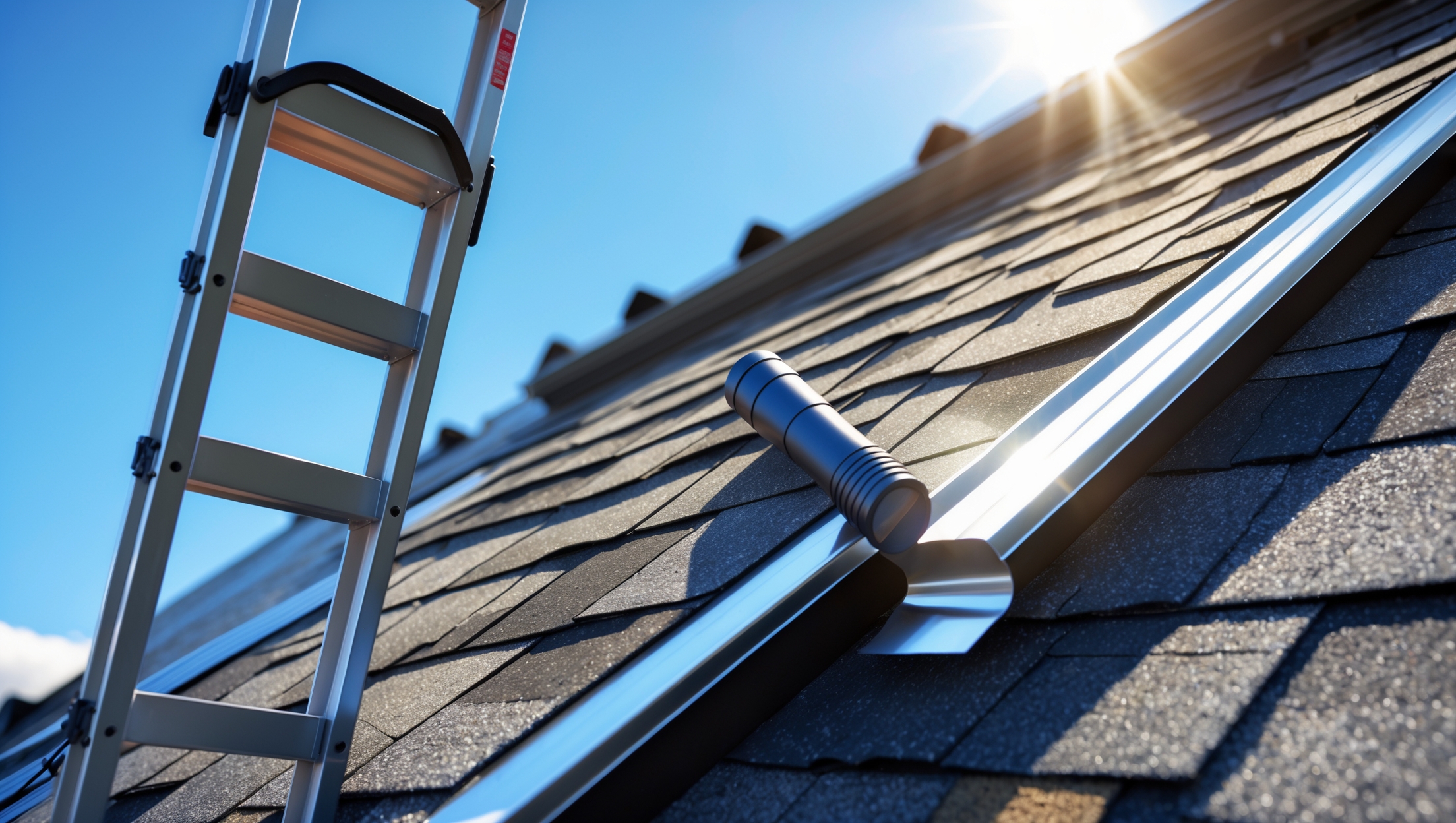
Introduction: Why Seasonal Roof Leak Prevention Matters
When it comes to protecting your home, few issues can cause as much hidden damage as a roof leak. Even minor leaks can lead to mold growth, rotted framing, ruined insulation, and costly repairs that go far beyond the roof itself. Yet, too many homeowners overlook the importance of regular roof inspections—often until water stains appear on the ceiling or a storm exposes a vulnerability. Proactive, seasonal roof maintenance is your best defense. By catching problems early, you can prevent thousands of dollars in damage and extend the life of your roof by years.
This guide offers a comprehensive approach to seasonal roof leak prevention. You’ll get a detailed inspection checklist, tips for budgeting and prioritizing repairs, and expert advice for tackling common issues yourself. Whether you have asphalt shingles, tile, or metal roofing, these practical steps will help you safeguard your home through every season.
Understanding Roof Leak Risks: Seasonal Triggers and Warning Signs
Seasonal Factors That Impact Roof Health
- Winter: Snow accumulation, ice dams, freeze-thaw cycles
- Spring: Heavy rains, rapid temperature changes, wind storms
- Summer: UV damage, thermal expansion, sudden downpours
- Fall: Falling leaves clogging gutters, increased rainfall, early frosts
Each season presents unique challenges. For example, ice dams in winter can force water under shingles, while clogged gutters in fall can cause rainwater to back up under the roof. Understanding these triggers helps you prioritize your inspections and maintenance schedule.
Early Warning Signs of Roof Leaks
- Water stains or discoloration on ceilings and walls
- Mildew or musty odors in the attic
- Missing, curled, or cracked shingles
- Damaged or rusted flashing around chimneys, vents, or skylights
- Granules collecting in gutters (from asphalt shingles)
- Visible sagging or dipping sections of roof
- Peeling paint or blistering on exterior walls just below the roofline
Seasonal Roof Inspection Checklist
Tools and Equipment Needed
- Sturdy ladder (with stabilizer arms)
- Work gloves and rubber-soled shoes for grip
- Binoculars (for ground inspections)
- Flashlight (for attic inspection)
- Camera or smartphone (to document issues)
- Roofing sealant or caulk (for minor repairs)
- Roofing cement (for patching small holes)
Spring and Fall: Comprehensive Inspection Steps
- Check for Shingle Damage: Look for missing, loose, curled, or cracked shingles. Pay special attention after wind storms or hail events.
- Inspect Flashing: Examine flashing around chimneys, skylights, and vent pipes for rust, gaps, or cracks. Check step flashing at roof-to-wall intersections.
- Clean and Inspect Gutters: Remove debris, check for standing water, and ensure gutters are firmly attached. Verify downspouts direct water away from the foundation.
- Examine Roof Valleys: Look for debris buildup or damage in roof valleys, where leaks often start.
- Assess Attic Ventilation: Make sure vents are clear and screens are intact. Poor ventilation accelerates roof aging and increases condensation risk.
- Inspect Attic for Leaks: Use a flashlight to check for damp insulation, water stains, or mold. Do this after rain for best results.
- Check Penetrations: Examine areas where pipes, vents, or antennas penetrate the roof for cracked seals or deteriorated boots.
Winter: Special Considerations
- Safely remove snow with a roof rake (from the ground) to prevent ice dams.
- Look for icicles forming along the eaves—this may indicate poor attic insulation or ventilation.
- Check attic for signs of condensation or frost buildup.
Summer: UV and Storm Readiness
- Inspect shingles for blistering or excessive granule loss caused by intense sun.
- Secure loose flashing or ridge caps before storm season begins.
Budgeting for Roof Leak Prevention and Repairs
Estimating Inspection and Maintenance Costs
- DIY Inspection: Free, aside from basic tools.
- Professional Inspection: $125–$350, depending on home size and roof complexity.
- Minor Repairs (DIY): $50–$150 for sealant, replacement shingles, or flashing patches.
- Professional Minor Repairs: $200–$800, depending on scope.
- Gutter Cleaning: $80–$250 per visit, or free if DIY.
Budget for at least two inspections per year—one in spring and one in fall. Set aside $200–$400 annually for minor repairs and gutter maintenance. If your roof is older than 15 years, increase this reserve to $500–$700, as wear accelerates with age.
Prioritizing Repairs: What to Fix First
- Active leaks: Address immediately to prevent structural damage.
- Damaged flashing or missing shingles: Next priority, as these are common entry points for water.
- Clogged gutters or downspouts: Fix before heavy rain forecasts.
- Ventilation issues: Schedule before peak summer or winter.
Saving on Materials and Labor
- Buy roofing materials in bulk (especially if replacing multiple shingles).
- Schedule professional repairs during the off-season for potential discounts.
- Ask for detailed quotes and compare at least three contractors for larger jobs.
DIY Roof Leak Prevention: Practical Tips for Homeowners
Safe Ladder Use and Roof Access
- Always use a ladder rated for your weight and height needs.
- Set the ladder on firm, level ground and extend at least three feet above the roofline.
- Have a spotter—never work alone on a roof.
- Avoid working in wet or windy conditions.
How to Replace a Damaged Shingle
- Gently lift the edges of surrounding shingles with a pry bar.
- Remove nails from the damaged shingle.
- Slide out the broken shingle and replace with a new one of matching type and color.
- Secure with roofing nails and apply a dab of roofing cement under the edges.
Sealing Flashing and Roof Penetrations
- Clean the area around flashing or pipe boots thoroughly.
- Apply a bead of high-quality roofing sealant where gaps or cracks are found.
- Use roofing cement to patch small holes or rust spots in metal flashing.
Preventing Ice Dams and Winter Leaks
- Keep gutters clean and attic insulation up to code (at least R-38 in most climates).
- Install heated cables along roof edges if ice dams are recurrent.
- Seal attic air leaks to keep warm air from melting snow on the roof.
Gutter Maintenance for Leak Prevention
- Clean gutters twice per year, more often if you have overhanging trees.
- Secure loose gutter brackets and repair any leaks with gutter sealant.
- Install gutter guards to minimize future debris build-up.
When to Call a Professional Roofer
Signs You Need Expert Help
- Repeated leaks in the same area after DIY repairs
- Widespread shingle loss or roof sagging
- Complex flashing repairs around chimneys, skylights, or valleys
- Signs of mold, extensive rot, or structural damage in the attic
- Roof older than 20 years experiencing multiple issues
Professional roofers have the expertise and equipment to handle major repairs safely. They can also conduct moisture mapping to detect hidden leaks and recommend solutions that address underlying structural issues.
Maintenance Best Practices for Long-Term Leak Prevention
- Keep records of all inspections, repairs, and roof warranties.
- Trim tree branches at least six feet from the roof to prevent abrasion and debris buildup.
- Check attic insulation and ventilation annually.
- After every major storm, perform a visual inspection—even if no leaks are evident.
- Plan for a full roof replacement every 20–25 years (asphalt), 40–50 years (metal/tile).
Conclusion: Stay Ahead of Roof Leaks—Protect Your Home and Budget
Roof leaks are among the most disruptive and costly home maintenance issues, but with a proactive approach, you can minimize risks and expenses. By following a seasonal inspection checklist, budgeting for annual maintenance, and addressing small problems before they escalate, you protect more than just your roof—you safeguard your home’s structure, your possessions, and your family’s comfort.
DIY leak prevention is both practical and empowering for homeowners. With the right tools and a working knowledge of what to look for, you can spot issues early and take action before major repairs are needed. However, don’t hesitate to call a professional for complex or recurring problems; investing in expert repairs is always less expensive than dealing with water damage and mold remediation later.
Make seasonal roof maintenance an essential part of your home care routine. Set reminders, keep a record of your inspections, and stay informed about the specific needs of your roofing material and local climate. The small investment of time and money you make today will pay dividends in peace of mind—and in the long-term value and safety of your home. Don’t wait for the next storm to reveal a hidden leak. Take charge of your roof’s health, and enjoy a dry, secure home all year round.
When doing a seasonal inspection, how do you tell if granules in the gutters are just normal wear from asphalt shingles or an early warning sign of a potential leak that needs urgent repair?
A small amount of granules in gutters is normal, especially after heavy rain or on newer shingles. If you notice a sudden increase, bare patches on shingles, or find piles of granules, it could signal shingle deterioration and a higher risk of leaks. Check for bald spots or cracks on your shingles to decide if repairs are needed soon.
You mention checking for sagging or dipping sections of roof—at what point should I call a professional instead of trying a DIY fix?
If you notice any noticeable sagging, dips, or structural changes in your roof, it’s best to call a professional right away. These signs can indicate serious underlying issues that DIY repairs might not address and could even worsen. Small surface repairs are fine, but structural concerns need expert assessment.
You mentioned ice dams can force water under shingles in winter. Is there a DIY way to spot or prevent ice dams before they cause leaks, or is this something best left to professionals?
You can spot potential ice dam issues by regularly checking your roof edges for snow buildup or icicles after a snowfall. To help prevent ice dams, keep gutters clear, ensure attic insulation is adequate, and use a roof rake to remove snow near the eaves. If you notice significant ice buildup or leaks, it’s best to call a professional.
When doing a seasonal roof inspection, is there a way to tell the difference between water stains caused by old leaks versus new ones, especially before any ceiling damage shows up?
You can often tell the difference by checking the color and texture of water stains in your attic or on roofing materials. New stains tend to be darker, damp, or even feel wet, while old stains are usually lighter, dry, and might have a yellowish or brownish ring. Using a moisture meter can also help confirm if an area is still wet from a recent leak.
I noticed you mention granules collecting in gutters as a warning sign for asphalt shingles. Does this mean the shingles need immediate replacement, or can that be normal as they age?
Finding some granules in your gutters can be normal, especially with new shingles or after heavy storms. However, if you consistently notice a lot of granules, it could indicate your shingles are nearing the end of their lifespan and may need replacement soon. Monitor the situation, and consider a professional inspection if you’re unsure.
Can you give an idea of what a reasonable seasonal maintenance budget should look like for a typical asphalt shingle roof? I want to be proactive but not overspend.
For a typical asphalt shingle roof, budgeting $150 to $300 per year for seasonal maintenance is reasonable. This covers basic inspections, minor repairs, and cleaning gutters. If you need professional help occasionally, plan for a bit more, but regular DIY upkeep can help keep costs down.
When inspecting for early warning signs of leaks like musty odors or ceiling stains, what are some specific areas in the attic or around the roof that are most commonly overlooked?
Homeowners often overlook areas like around chimneys, skylights, roof vents, and where the roof meets walls (called flashing). In the attic, check under insulation, corners near eaves, and around vent pipes. These spots are prone to hidden moisture or small leaks that can lead to bigger problems.
Is there a way to tell the difference between water stains from a past roof leak versus an active one, especially during the rainy spring months?
To distinguish between old and active water stains, check for dampness and color. Fresh leaks usually feel moist and look darker, while old stains are dry and may be yellowish or brown. During rainy months, monitor the spot to see if it grows or feels wet after rain, which indicates an active leak.
For someone on a tight budget, which repairs or inspections from your checklist should be prioritized right before winter to minimize leak risks without breaking the bank?
You should focus on inspecting and clearing gutters and downspouts, checking for missing or damaged shingles, and sealing any obvious gaps around vents or chimneys. These actions help prevent leaks and are usually affordable, making them ideal priorities before winter if you’re budget-conscious.
How often should I really be checking my gutters for clogs in the fall, especially if we have a lot of trees nearby? Is once a month enough to prevent leaks or should it be more frequent?
If you have a lot of trees near your home, it’s best to check your gutters every two weeks during the fall. Leaves and debris can build up quickly, so more frequent checks will help prevent clogs and reduce the risk of leaks.
When it comes to doing seasonal inspections yourself, are there any safety tips or tools you would recommend, especially for checking for damage after a storm?
When inspecting your roof after a storm, always use a sturdy ladder on level ground and consider having someone nearby for safety. Wear non-slip shoes and avoid walking on wet or steep roofs. Binoculars can help you check for damage from the ground, reducing risk.
If I only see a little bit of granule buildup in the gutters during my seasonal check, is that something I should worry about right away, or is a small amount normal as shingles age?
A small amount of granule buildup in your gutters is normal as shingles age, so you don’t need to worry right away. Just keep monitoring it each season. If you ever notice a large increase in granules or bare patches on your shingles, that’s when it’s time to take action.
When budgeting for potential repairs, do you have advice on how to estimate the costs for DIY fixes versus hiring a pro, especially if you find issues like damaged flashing or missing shingles during an inspection?
To estimate costs, list materials needed for DIY fixes (like new shingles, flashing, sealant), then check prices at local stores. For professional repairs, get quotes from at least two contractors. DIY saves on labor, but factor in tool rentals and your skill level—complex repairs like flashing often need a pro to avoid further damage.
Your checklist mentions damage to roof flashing around chimneys and vents. Is there a recommended way to check flashing for leaks without removing any parts, or should a professional always handle that inspection?
You can visually inspect roof flashing by looking for rust, cracks, gaps, or lifting around chimneys and vents from the ground with binoculars or from a ladder if it’s safe. No need to remove any parts, but if you notice any issues or feel unsure, it’s best to have a professional handle a closer inspection.
When budgeting for seasonal roof maintenance, what are some typical costs I should expect for different types of repairs mentioned in the checklist, like replacing flashing or fixing shingles?
For seasonal roof maintenance, repairing or replacing damaged shingles typically costs between $150 and $400, depending on the extent. Replacing flashing usually ranges from $200 to $500. Minor leak repairs can be as low as $100, while more extensive issues may reach $1,000 or more. These are general estimates and can vary based on roof size and material.
I noticed you mention budgeting for roof repairs. Do you have any tips on how to estimate costs for minor fixes versus more serious issues found during a seasonal inspection?
For minor roof fixes like replacing a few shingles or sealing small leaks, you can usually budget between $150 and $600. More serious issues, such as structural damage or large area replacements, may run from $1,000 to several thousand dollars. Getting a few local estimates and factoring in material and labor costs will help you plan better.
When budgeting for seasonal roof maintenance, how can I estimate the cost differences between DIY fixes and hiring a professional for things like replacing damaged flashing or fixing curled shingles?
To compare costs, start by listing materials needed for each repair and pricing them at local stores for your DIY estimate. For professional repairs, get quotes from at least two contractors. Factor in your time and any special tools you might need for DIY, as well as warranty coverage professionals might offer.
When budgeting for seasonal roof maintenance, do you have any tips on estimating costs if I have an older roof with both missing shingles and clogged gutters after fall?
For an older roof with missing shingles and clogged gutters, estimate shingle repair costs by getting quotes per shingle or per square foot—older roofs may need extra labor. For gutters, factor in cleaning service fees or supplies if DIY. Always add 10–20% for unexpected repairs, since older roofs can reveal hidden issues.
For someone who’s never done roof inspections before, how long should it realistically take to go through your checklist each season? I don’t want to miss anything important by rushing.
If it’s your first time doing a roof inspection, set aside about 1 to 2 hours to carefully follow the checklist. This gives you enough time to check each area thoroughly without feeling rushed and helps ensure you don’t overlook anything important.
Is there an average amount we should budget annually for repairing things like flashing or shingles before leaks actually appear, especially for older roofs?
For older roofs, it’s wise to budget around 1% to 2% of your home’s value per year for maintenance, which includes repairs to flashing and shingles. This usually covers minor fixes before leaks develop, but costs can vary based on your roof’s age and condition.
The checklist mentions budgeting for repairs, but do you have any ballpark figures on how much to set aside each year for routine maintenance and small DIY fixes?
For routine roof maintenance and small DIY fixes, it’s wise to set aside $200 to $500 annually. This should cover minor repairs, sealant, cleaning supplies, and other small tasks. Larger repairs or professional inspections will require a bigger budget, but this range is a good starting point for most homeowners.
The article mentions budgeting for repairs—how often should I expect to set aside money for roof maintenance if I have asphalt shingles in a climate with harsh winters?
For asphalt shingles in a harsh winter climate, it’s wise to budget for roof maintenance every year. Annual inspections can catch minor issues early, and setting aside funds for small repairs each season helps avoid bigger expenses from winter damage.
What are some affordable DIY solutions for preventing ice dams in the winter, especially for someone who isn’t comfortable climbing onto the roof every season?
You can help prevent ice dams without climbing onto the roof by improving attic insulation, sealing attic air leaks, and using a roof rake with an extendable handle to clear snow from the roof’s edge. These steps reduce heat loss and prevent snow from melting and refreezing at the eaves.
When checking for early warning signs like mildew odors in the attic, do you have any tips for pinpointing where the leak might actually be coming from? Sometimes the source seems hard to track down.
To help pinpoint a leak, look for water stains or damp spots on the attic insulation, rafters, or underside of the roof. Trace these stains upward since water often travels along beams. Also, check around roof penetrations like vents, chimneys, and skylights, as these are common entry points for leaks.
Could you elaborate on how often I should check for warning signs like water stains or granules in gutters, especially if my roof is only a few years old?
Even with a newer roof, it’s wise to inspect for warning signs like water stains inside and granules in the gutters at least twice a year—ideally in spring and fall. After major storms, do a quick check as well, since damage isn’t always age-related.
For homeowners with older asphalt shingle roofs, how often should we look for granules collecting in the gutters, especially in summer versus fall? Is there a specific amount of loss that signals it’s time for repair or replacement?
For older asphalt shingle roofs, check gutters for granules at least twice a year—once in late summer and again in fall, after leaves drop. Some granule loss is normal, but if you see large piles or bare spots on shingles, it’s a sign repairs or replacement may be needed soon.
If I notice a musty smell in my attic but can’t see any water stains yet, does that mean I’ve caught a leak early, or could something else be causing that odor?
A musty smell in your attic can be an early sign of moisture, possibly from a hidden roof leak, even if water stains aren’t visible yet. However, it could also be from poor ventilation or mold from another source. It’s wise to inspect for leaks, check ventilation, and look for mold or damp insulation to find the cause.
When inspecting for early warning signs like water stains or musty odors, how often do you recommend checking the attic, especially in areas with heavy spring rains?
In regions with heavy spring rains, it’s wise to inspect your attic for water stains and musty odors at least once a month during the rainy season. Regular checks right after major storms can also help catch problems early before they become serious.
If I notice granules collecting in my gutters, does that always mean my shingles are failing, or can that be normal in some seasons?
Finding granules in your gutters isn’t always a sign that your shingles are failing. Newer shingles often shed excess granules for a while, and seasonal weather changes can cause some loss too. However, if you notice large amounts or bald patches on your shingles, it may indicate a problem worth inspecting further.
The article talks about ice dams in winter causing leaks. If I notice icicles forming but no immediate stains inside, is there a preventive step I can take before it turns into a costly repair?
Yes, if you see icicles, it’s a good idea to safely remove snow from the roof edge with a roof rake to reduce ice buildup. Also, make sure your gutters are clear and your attic is well-insulated and ventilated to help prevent ice dams from forming.
What are your recommendations for DIY inspection if I have a steep roof or a two-story home? I want to catch leaks early, but I’m concerned about safety while checking for warning signs like missing shingles or rusted flashing.
For steep or two-story roofs, prioritize safety by inspecting from the ground with binoculars to check for missing shingles, rusted flashing, or debris. Use a ladder only if you’re comfortable and have a helper. Consider inspecting your attic for water stains or damp spots, and hire a professional for close-up inspections if needed.
You described different seasonal challenges like ice dams in the winter and clogged gutters in the fall. Is there a recommended inspection schedule you follow, or does it depend on local climate? How often should we actually get up on the roof to check things?
The recommended inspection schedule can depend on your local climate, but generally it’s best to inspect your roof at least twice a year: once in the spring and once in the fall. After major storms or unusual weather, a quick check is also smart. Regular gutter cleaning in the fall and before winter helps prevent issues like ice dams and leaks.
I noticed you talked about budgeting for repairs. How do you estimate costs if you find multiple small problems, like granules in gutters and minor flashing damage, during the same inspection?
To estimate costs for several small issues, list each problem separately and research average repair prices for each. For example, granule loss might just need shingle replacement, while minor flashing repairs could be estimated per foot. Add up the costs for all items to create a total budget for your repairs.
You mention budgeting for repairs—are there affordable fixes I can do myself if I find only a few curled shingles, or does that usually need professional help?
If you notice just a few curled shingles, you can often fix them yourself by gently lifting the edges, applying roofing cement underneath, and pressing them down. As long as the shingles aren’t cracked or missing, this DIY approach is usually effective and affordable. Just be sure to work safely when on your roof.
How should I prioritize repairs if my budget is tight and I notice both missing shingles and clogged gutters during my seasonal inspection?
If your budget is limited, address missing shingles first to prevent leaks and water damage inside your home. After that, clear clogged gutters to avoid overflow and further roof issues. Handling shingles right away can save you from more costly repairs later.
Can you explain a bit more about how to spot damage on flashing around chimneys or vents during an inspection? I’m not entirely sure what counts as a serious warning sign there.
When inspecting flashing around chimneys or vents, look for rust, gaps, cracks, or areas where the metal is lifting away from the roof surface. Water stains or debris buildup near the flashing can also indicate leaks. Any separation between flashing and the roof or wall, or visible holes, should be taken seriously and repaired promptly.
My business is on a pretty tight maintenance budget—what are the top priorities from your checklist that really shouldn’t be skipped, even if I can’t do a full inspection each season?
If you’re short on time or budget, focus on clearing debris from gutters and downspouts, checking for visible damage to flashing and shingles, and looking for leaks or water stains inside. These steps catch the most common leak sources and can help prevent bigger repairs later.
Is it usually safe for a homeowner to try fixing damaged flashing around a skylight on their own, or should I call a professional for that kind of repair?
Repairing flashing around a skylight can be tricky and sometimes dangerous, especially if you’re not comfortable working on the roof or with roofing materials. Minor repairs might be manageable for experienced DIYers, but for most homeowners, it’s safer and more effective to call a professional to avoid leaks and potential injuries.
If I’ve noticed a musty odor in the attic but don’t see visible water stains yet, what should be my immediate next steps to pinpoint and prevent a potential leak?
A musty odor often means hidden moisture. Check for damp insulation or wet wood, especially around roof penetrations and the underside of the roof deck. Use a flashlight to spot mold or mildew. Increase attic ventilation and schedule a thorough inspection before the next rain to catch leaks early.
For homeowners dealing with recurring sagging spots or water stains even after repairs, what are some troubleshooting steps to figure out if the problem is in the roof structure or something else like attic ventilation?
Recurring sagging spots or water stains could point to underlying structural issues or poor attic ventilation. Check for rotting or damaged rafters and ceiling joists, and inspect insulation for dampness. Also, look for blocked vents or mold in the attic. If the problem persists, consider a professional structural assessment.
When budgeting for repairs, are there certain warning signs from your checklist that should be treated as urgent compared to others, or can most issues wait until the next season?
Some warning signs, like active leaks, sagging areas, or large missing shingles, should be treated as urgent since they can cause rapid damage. Issues like minor granule loss or small cracks may often wait, but anything that lets water in or signals structural problems should be prioritized for immediate repair.
You mention heavy rains and ice dams as seasonal risks. Are there any specific preventive steps I can take now if I’m on a tight budget, or should I prioritize saving for certain repairs?
On a tight budget, start by regularly clearing debris from gutters and downspouts to prevent water buildup and ice dams. Check for missing shingles or visible cracks, and seal small gaps with affordable roofing caulk. If you notice larger issues, it’s wise to save up for repairs, but small preventative actions can go a long way for now.
When checking for early warning signs of roof leaks, how do you tell the difference between normal wear on shingles and something that really needs immediate repair?
Normal shingle wear might show as minor granule loss or slight fading, which is expected over time. Immediate repairs are needed if you spot curled, cracked, or missing shingles, exposed nail heads, or areas where the shingles look soft or sagging. These signs indicate vulnerability to leaks and should be addressed quickly.
When budgeting for seasonal roof maintenance, what are some unexpected costs homeowners usually miss, especially with older roofs?
Homeowners often forget to budget for hidden issues like replacing damaged decking beneath shingles, fixing rotten fascia or soffits, and addressing ventilation problems. With older roofs, unexpected costs can also include updating flashing, removing multiple layers of old roofing, or dealing with mold and water damage found during inspection.
If I notice granules collecting in my gutters but don’t see any missing or cracked shingles, is that already a sign I should budget for repairs, or can it wait until the next inspection season?
Finding granules in your gutters, even when shingles look intact, can signal early wear from aging or weather. It’s wise to set aside a budget for possible repairs, but immediate action isn’t usually needed unless you see other issues like leaks or bare spots. Keep monitoring, and mention the granule loss at your next inspection for a thorough check.
When budgeting for seasonal maintenance, do costs tend to be highest in any particular season, or does it mostly depend on your roof type and age?
Costs for seasonal roof maintenance can fluctuate, but they’re often highest before or after harsh weather seasons, like winter or heavy rains, when repairs are more likely. However, your roof’s age and type also play big roles—older or specialty roofs may need more frequent or expensive upkeep regardless of the season.
If you spot granules collecting in the gutters during spring, how urgent is that issue? Should a contractor be called right away, or are there DIY steps to try first?
Finding granules in your gutters in spring isn’t always urgent, but it’s a sign your shingles are aging. If only a few granules are present, just clean them out and monitor for more. However, if you notice bare patches on shingles or a large amount of granules, it’s best to call a contractor for an inspection.
You talked about budgeting for repairs, but do you have advice for setting aside money for unexpected leaks, especially when things like ice dams or heavy summer storms happen suddenly?
It’s a good idea to create a small emergency fund just for home repairs like sudden roof leaks. Setting aside a fixed amount each month, even $20–$50, can add up over time. Review your local weather risks and adjust your savings during peak seasons to stay prepared for surprises like ice dams or storms.
If I notice just a few granules from my asphalt shingles in the gutters during fall, is that an early warning sign I need to budget for a full replacement soon or can I just do minor repairs?
Finding a small amount of granules in your gutters during fall is normal as shingles age, especially after heavy rain or wind. It doesn’t necessarily mean you need a full replacement yet. Keep monitoring for bald spots, curling, or widespread granule loss—if you notice those, it’s time to consider more than minor repairs.
When checking flashing around vents and chimneys, how can I tell if minor rust is just cosmetic or if it actually needs repair to stop future leaks?
If the rust on flashing is just surface-level—light brown, not flaking or pitted—the metal is probably still solid and you can remove the rust, then repaint or seal it. However, if you see deep pits, holes, or if the metal feels weak, it’s safer to replace or repair the flashing to prevent leaks.
You mentioned budgeting and prioritizing repairs—are there any guidelines for which maintenance tasks are most cost-effective to tackle first if funds are limited?
If your budget is tight, start by addressing any active leaks or visible damage, like missing shingles or damaged flashing, since these can quickly lead to more costly problems. Regular gutter cleaning and clearing debris are also inexpensive but highly effective preventative tasks to prioritize.
About budgeting for repairs, what are some realistic cost ranges for DIY fixes versus hiring a professional if I spot issues during a seasonal inspection?
DIY roof repairs like replacing a few shingles or sealing small leaks generally cost $50 to $300 for materials. If you hire a professional, expect to pay $300 to $1,000 or more, depending on the job’s size and complexity. Larger repairs or extensive water damage may increase the cost further when hiring a pro.
Can you explain how often I should inspect my roof each season, especially during early spring when rapid temperature changes happen? I want to make sure I catch issues before they become bigger problems.
Inspecting your roof at least twice each season is ideal, especially in early spring. Check once right after winter ends to catch any damage from snow and ice, and again after the first few heavy rains or temperature swings. This routine helps you spot issues early before they grow into bigger problems.
Could you give more details on how to properly inspect flashing around chimneys or vents? I’m worried I might miss something important during my DIY inspection.
When inspecting flashing around chimneys or vents, look for cracks, rust, or gaps where the flashing meets the roof or masonry. Make sure the flashing is firmly attached and not lifting. Check for old or missing sealant and replace it if needed. Also, examine nearby shingles or roofing material for signs of water damage or lifting, as this could indicate flashing issues.
When budgeting for seasonal roof maintenance, do you have a ballpark figure for average yearly costs if I plan to hire a professional instead of DIY? I want to avoid any surprise expenses.
If you hire a professional for seasonal roof maintenance, the average yearly cost typically ranges from $300 to $700, depending on your roof size and location. This usually includes inspections, minor repairs, and cleaning. Always confirm what the service covers to avoid unexpected fees.
You mentioned budgeting for repairs—could you provide a ballpark range for what typical seasonal maintenance might cost if I hire a professional versus doing it myself?
Hiring a professional for seasonal roof maintenance typically costs between $200 and $600, depending on roof size and location. If you do it yourself, you might spend $50 to $150 on materials and basic tools. Keep in mind that complex repairs or hard-to-reach roofs can increase costs.
If my attic has a musty odor but I don’t see any water stains or visible shingle damage yet, what should I check next to catch a potential leak early?
A musty odor can be an early sign of moisture even without obvious stains. Check your attic for damp insulation, condensation on rafters, or mold on wood and stored items. Also, look for any light peeking through the roof boards and inspect vent pipes and flashing for gaps or deterioration.
When budgeting for seasonal roof maintenance, how much should I expect to pay for repairs if I find issues like damaged flashing or missing shingles during an inspection?
For common issues like damaged flashing or missing shingles, repair costs typically range from $150 to $500, depending on the extent of the damage and local labor rates. Minor repairs usually stay on the lower end, while more extensive issues could cost more. Getting a few quotes from local contractors can help you budget more accurately.
If I notice mildew odors in my attic but none of the other warning signs like water stains or missing shingles, what should my first inspection steps be based on your checklist?
If you notice mildew odors in your attic, start your inspection by looking for hidden moisture. Check for damp insulation, condensation on rafters, and any blocked or insufficient attic ventilation. Even without visible stains or missing shingles, moisture can collect from poor airflow or small leaks.
In your checklist, do you have any recommendations for how often to check for signs of ice dams or is once a season generally enough during winter months?
For ice dams, it’s best to check for signs every few weeks during winter, especially after heavy snow or freeze-thaw cycles. Once a season might not be enough if you live in an area with frequent snow or temperature fluctuations. Regular checks help catch problems early and prevent damage.
Is there a particular DIY fix that works well for preventing ice dams in the winter, or is that something better left to professionals?
A common DIY fix for preventing ice dams is installing heated cables along the roof’s edge before winter. Also, making sure your attic is well-insulated and ventilated helps. However, if your roof is steep or access is difficult, it’s safer to consult a professional.
When it comes to budgeting for unexpected repairs, are there certain roof problems from the checklist that typically end up being a lot more expensive if not caught early? I’m trying to figure out which issues to prioritize if my budget is limited.
Yes, some roof problems can become much more expensive if left unchecked. Prioritize fixing damaged or missing shingles, flashing issues, and clogged gutters, as these can quickly lead to leaks and water damage inside your home. Addressing them early helps you avoid bigger, costlier repairs down the line.
If I notice granules collecting in my gutters but my roof is only a few years old, should I be concerned, or is that normal?
Some granule loss is normal for a new roof, especially after installation or heavy rain, as loose granules shed naturally. However, if you notice excessive granule buildup or see bare spots on the shingles, it may be worth having a roofing professional inspect it to rule out any issues.
I have an asphalt shingle roof and noticed some roof granules in my gutters last fall. How do I know when it’s just normal wear versus a sign that I need to budget for bigger repairs soon?
A small amount of granule loss is normal, especially after storms or as shingles age. However, if you see bald patches on your shingles, large amounts of granules in gutters, or shingle edges curling, it could signal the need for repairs or replacement soon. Inspect your roof for these signs to help decide if it’s time to budget for bigger work.
When budgeting for roof maintenance, how much should I set aside each year for preventative repairs versus emergency fixes, especially if my area gets lots of heavy rain in spring?
For areas with heavy spring rain, it’s wise to set aside about 1-2% of your home’s value annually for overall roof maintenance. Allocate most of that for preventative repairs, since regular upkeep can greatly reduce emergency costs. If your roof is older or prone to leaks, keep an extra emergency fund just in case.
For people on a tight budget, which repairs from your checklist should be prioritized if they can’t afford to fix everything before winter starts?
If you’re on a tight budget, focus first on sealing obvious roof leaks, repairing damaged or missing shingles, and clearing gutters and downspouts. These quick fixes help prevent water from entering your home and causing further damage over winter. Other improvements can usually wait until your budget allows.
Can you provide some guidance on how often I should check for early warning signs like water stains or musty odors in the attic, especially during the rainy spring season?
During the rainy spring season, it’s best to check your attic for water stains or musty odors at least once a month. If you experience heavy rain, inspect right after the storm as well. Regular checks help catch leaks early and prevent bigger problems.
For a business property with a flat metal roof, are there any unique seasonal risks or inspection steps not covered in your checklist for residential roofs?
Flat metal roofs on business properties can be more prone to ponding water, which leads to rust and leaks. Inspect drains and scuppers to ensure they’re clear, and check for seam separation or rust spots. Commercial roofs may also have more HVAC units, so inspect the flashing around them for gaps or deterioration.
Is it okay to do a roof inspection myself if I don’t have any experience, or should I hire a pro for certain seasons or warning signs like sagging or musty odors?
You can handle basic roof inspections yourself, especially to check for debris or obvious damage. However, if you notice warning signs like sagging, leaks, or musty odors, it’s safer to hire a professional. These issues may indicate structural problems or hidden water damage that require expert attention.
As a small business owner with an older roof, how can I tell if it’s better to tackle minor shingle repairs myself or if I should prioritize budgeting for a professional inspection right before winter?
If your roof is older, it’s wise to get a professional inspection before winter. Minor shingle repairs can be DIY if you’re comfortable and there are just a few damaged areas, but an expert can spot hidden issues and help you avoid bigger problems during harsh weather.
You mentioned budgeting for repairs—do you have any advice on estimating costs if I find damaged flashing around my chimney during a seasonal inspection?
If you find damaged flashing around your chimney, costs can vary depending on the extent of the damage and your location. For minor repairs, you might spend between $200 and $500. If the flashing needs total replacement, it could range up to $1,000. Getting a few local quotes can help you get a more accurate estimate.
Can you explain more about how ice dams actually form and how I can spot them before they start causing leaks? I live in an area with cold winters, so I’m worried about this happening to my roof.
Ice dams form when heat escapes from your attic, melting snow on the roof, which then refreezes at the eaves and creates a barrier. Water pools behind the dam and can seep under shingles, causing leaks. To spot issues early, look for icicles along the roof edge, ice buildup at gutters, or water stains inside your attic. Improving insulation and ventilation helps prevent them.
You mention budgeting for repairs—do you have tips on estimating potential costs ahead of time, or advice on how to prioritize repairs if multiple issues show up during an inspection?
To estimate costs, get quotes from a few local contractors and research common repair prices for your roof type. Prioritize urgent repairs that prevent water damage, like leaks or missing shingles. Less critical fixes, such as cosmetic issues, can often wait until your budget allows.
When budgeting for seasonal roof maintenance, what are the most common costs homeowners should expect, and are there any DIY fixes that really help lower expenses?
Typical costs include professional inspections, minor repairs like sealing cracks, replacing shingles, and cleaning gutters. Many homeowners save by handling simple tasks themselves, such as clearing debris, applying roof sealant, and tightening loose shingles, which helps prevent larger issues and reduces service fees.
Could you give some advice on budgeting for both immediate and long-term roof repairs? For example, do costs tend to spike after winter if you wait to address issues like minor water stains or small leaks?
Addressing small leaks or water stains promptly can prevent higher costs later, especially after winter when damage often worsens. For budgeting, set aside funds yearly for routine inspections and minor fixes, and create a separate reserve for bigger repairs or full replacements since costs can spike if issues are neglected.
You mention different seasonal triggers like ice dams and heavy rains—are there certain preventative steps that should be prioritized before winter versus before spring, or is the inspection checklist the same year-round?
Some preventative steps are more important before certain seasons. Before winter, focus on clearing gutters, checking insulation, and preventing ice dam formation. Before spring, check for winter damage, ensure proper drainage, and look for loose shingles. The core inspection checklist applies year-round, but you should emphasize specific tasks based on the upcoming season’s risks.
If I notice water stains on my ceiling but can’t find any missing shingles or obvious roof damage, what should be my next step according to your inspection checklist?
If you see water stains but no visible roof damage, the checklist suggests checking for issues like clogged gutters, damaged flashing around vents or chimneys, or cracked caulk. Also, inspect your attic for any damp insulation or mold, which could help pinpoint the leak’s source.
If I notice mildew smells in the attic but no visible water stains or damaged shingles, what would be the next step to pinpointing a potential hidden leak?
Since you’re noticing mildew smells without visible stains or shingle damage, check for moisture by feeling insulation, rafters, and attic corners for dampness. Look during daylight for sunlight peeking through the roof, which can show small gaps. Consider using a moisture meter to detect hidden dampness, and inspect ventilation to make sure humidity isn’t trapped inside.
If I find granules collecting in my gutters during the fall, how urgent is it to take action, and could this indicate a need for full replacement or just spot repairs?
Finding granules in your gutters during the fall is fairly common, especially as shingles age. If the loss is heavy or you notice bare patches on your shingles, it’s wise to have an inspection soon. Sometimes spot repairs are enough, but extensive granule loss may signal the need for a replacement.
If I notice a musty smell in my attic but no visible stains, is that a sign of a roof leak, or could it be something else?
A musty smell in your attic can indicate moisture, which could be from a roof leak, even if you don’t see stains. However, it might also be caused by poor ventilation or humidity. It’s wise to inspect for hidden leaks, check insulation and ventilation, and address any moisture sources promptly to prevent mold growth.
You mentioned budgeting for repairs as part of leak prevention. Do you have any tips for estimating costs if it turns out I need to replace some damaged flashing or shingles after an inspection?
To estimate costs for replacing flashing or shingles, start by measuring the affected areas. Check prices for materials at local hardware stores and add a bit extra for waste. For labor, get quotes from at least two local roofing contractors. This combined total should give you a solid estimate for budgeting.
You mention budgeting for seasonal repairs—are there any specific materials or repairs where it makes sense to spend more upfront to save money in the long run?
Investing in high-quality roofing materials like durable shingles, waterproof underlayment, and proper flashing is usually worth the extra cost, as they last longer and prevent leaks. Also, paying for professional-grade sealants and gutter guards can reduce the need for frequent repairs and protect your home over multiple seasons.
You mention budgeting for seasonal roof maintenance—can you give an idea of typical annual costs a small business owner should set aside for routine inspections and minor DIY repairs?
A small business owner should plan to budget around $300 to $600 annually for routine roof inspections and minor DIY repairs. This covers professional inspections once or twice a year, plus basic materials like sealant, flashing, and patching supplies for small fixes.
The article mentions budgeting and prioritizing repairs. Are there any tips for determining which roof issues can wait and which should be fixed immediately to avoid bigger expenses later?
Fix roof issues like missing shingles, active leaks, mold, or damaged flashing immediately—these can quickly worsen and become costly. Minor cosmetic issues, like small stains or granule loss, can usually wait. When in doubt, prioritize repairs that affect roof integrity or water resistance.
For homeowners trying DIY repairs, how can you determine if water stains on an interior wall are from a current, active leak versus older damage? Are there practical tests or indicators to help with troubleshooting?
To tell if water stains are from an active leak, check if the area feels damp or cool to the touch, especially after rain. New stains are usually darker and may grow or change shape. You can also mark the edges and monitor for growth. Using a moisture meter can help confirm if moisture is still present.
You mention budgeting for roof repairs—are there any specific tips for estimating costs if I plan to do some of the maintenance and repairs myself?
If you’re handling some repairs yourself, start by listing all required materials and tools, such as shingles, sealant, or flashing. Check local prices online or at hardware stores. Don’t forget to factor in safety gear. Compare your total with professional estimates to see your potential savings.
Are there specific materials, like asphalt shingles or metal roofing, that are better at handling the seasonal challenges listed, or do they all have similar risks when it comes to leaks?
Different roofing materials handle seasonal challenges differently. Metal roofing is generally more resistant to leaks and handles ice, snow, and heavy rain better than asphalt shingles. Asphalt shingles are more affordable but can be more prone to damage from wind and temperature changes. It’s important to choose a material suited to your local climate and perform regular inspections no matter which type you have.
If I notice peeling paint on my exterior walls during the fall, how do I determine whether it’s just a cosmetic issue or a sign of a hidden roof leak?
Peeling paint on exterior walls can sometimes indicate moisture from a roof leak. Check for other signs like water stains, dampness, or mold inside near the area. If you see any of these, it’s likely more than a cosmetic issue and worth investigating further or consulting a professional.
If I notice musty odors in the attic but don’t see any visible water stains or obvious damage, what’s the next step to track down a hidden leak before it gets worse?
A musty odor can signal hidden moisture even if you can’t see stains. Use a flashlight to check for damp insulation, warped wood, or mold. Inspect around roof penetrations, vents, and skylights. If you’re unsure, consider using a moisture meter or calling a professional to pinpoint the leak before more damage occurs.
When you talk about ice dams in the winter, is there a way to prevent them myself, or is that something I’d really need a professional for?
You can take some steps yourself to help prevent ice dams, like keeping your gutters clear, using a roof rake to remove snow, and ensuring your attic is well insulated and ventilated. However, if you notice persistent problems or existing ice dams, it’s wise to consult a professional.
You mention budgeting for roof repairs as part of your seasonal maintenance. Do you have any tips or average cost estimates for small businesses trying to set aside enough without over- or under-budgeting?
For small businesses, set aside 1-3% of your building’s value annually for roof maintenance and repairs. Minor repairs like sealing leaks or replacing shingles usually cost $200-$1,000, but larger repairs can be higher. Having a contingency fund helps handle unexpected issues without straining your budget.
How often should I check for warning signs like missing shingles or discolored ceilings, especially going into winter? Is once a season enough, or do you recommend more frequent inspections?
Checking your roof at least once each season is a good baseline, but before and after harsh weather—like storms or heavy snowfall—is even better. Going into winter, inspect more frequently if your area experiences severe weather. This helps catch problems like missing shingles or water stains before they become costly leaks.
If I spot water stains on my ceiling but don’t see any missing shingles or obvious damage outside, what’s the best DIY first step to figure out where the leak is coming from?
Start by checking your attic during daylight. Look for damp spots, mold, or sunlight coming through gaps in the roof boards. Trace any stains or wet insulation back to their highest point to help locate the entry spot. Water can travel, so the leak’s source might not be directly above the stain.
Could you clarify what kind of damage to look for with metal roofing specifically during thermal expansion in summer? I mainly see info about shingles but not much about metal roofs.
With metal roofing, thermal expansion in summer can cause panels to warp, loosen fasteners, or create gaps at seams and flashing. Check for panels that appear buckled or shifted, loose or missing screws, separated seams, and any signs of water penetration near fastener points. Regular inspection helps catch these issues early.
How do you recommend budgeting for unexpected roof repairs, especially when trying to balance ongoing maintenance with other business expenses throughout the year?
Consider setting aside a small percentage of your monthly budget specifically for roof repairs, treating it as a contingency fund. Regular inspections can also help catch minor issues before they become costly, allowing you to better predict and manage expenses throughout the year.
The article mentions budgeting for repairs—can you give some tips on how to estimate costs for DIY fixes versus hiring a professional, especially for things like replacing flashing?
For DIY flashing replacement, estimate costs by pricing materials like new flashing, sealant, and tools—this usually totals $40–$100. Hiring a professional often ranges from $200–$500, factoring in labor and expertise. Compare quotes from contractors and consider your comfort with the work to decide which option fits your budget and skill level.
For homeowners who have both asphalt shingles and some metal roofing, do you recommend inspecting these materials differently in certain seasons, given the unique risks you listed like ice dams and UV exposure?
For homes with both asphalt shingles and metal roofing, it’s best to inspect each material for its specific risks. In winter, focus on ice dam formation on shingles and check for snow buildup on metal. In summer, look for UV damage or curling on shingles and inspect metal panels for expansion or warping.
You mentioned budgeting for roof repairs. Is there a rule of thumb for how much homeowners should set aside each year for routine roof maintenance and unexpected leak repairs?
A good rule of thumb is to set aside about 1-2% of your home’s value annually for general maintenance, with a portion dedicated to the roof. Specifically for roofing, budgeting $300-$600 per year typically covers routine inspections and minor repairs, but more may be needed if your roof is older or in a harsh climate.
If I notice a musty odor in the attic but no visible water stains yet, what are the first troubleshooting steps you recommend before bringing in a pro?
Start by checking for damp insulation, wet wood, or signs of mold in corners or around vents. Look closely at roof decking and around chimneys or skylights for hidden moisture. Make sure your attic is well-ventilated and that bathroom or kitchen fans aren’t venting into the attic. If you find moisture but can’t locate the source, consider calling a professional.
If I notice water stains on my ceiling but can’t spot any missing shingles or obvious damage from the ground, what should be my next step before calling a roofer?
If you see water stains but no visible roof damage, check your attic for leaks, damp insulation, or mold. Inspect around vents, chimneys, and skylights for signs of moisture. This information can help you communicate more clearly if you end up calling a roofer.
Can you clarify how often you recommend inspecting for issues like damaged flashing or missing shingles in climates where both heavy spring rains and winter ice are common?
In areas with both heavy spring rains and winter ice, it’s best to inspect your roof twice a year—once in early spring after winter has passed, and again in late fall before snow and ice arrive. This helps catch issues like damaged flashing or missing shingles before they turn into leaks.
When budgeting for seasonal roof maintenance, do you recommend setting aside a certain percentage of the home’s value, or is there a ballpark figure for annual roof upkeep that covers most common repairs?
For most homes, budgeting around 1% to 2% of your home’s value annually for overall maintenance is common, but for roof upkeep specifically, setting aside $300 to $600 per year typically covers routine inspections and minor repairs. If your roof is older or in a harsher climate, consider budgeting a bit more.
Could you clarify how often homeowners should perform the inspection checklist for roof leaks, and if the timing changes depending on the type of roofing material?
Homeowners should inspect their roofs at least twice a year—ideally in spring and fall. However, if you have a roof made of materials like wood shakes or older shingles, more frequent checks are wise. After major storms, additional inspections are also recommended, regardless of roof material.
When inspecting my roof for early warning signs, how can I tell if the musty smell in my attic is caused by a leak or something else? Are there specific areas I should check first based on the season?
A musty smell in your attic can signal moisture from a leak, but might also come from poor ventilation or stored items. To check for leaks, inspect areas under roof valleys, around chimneys, and near vents—especially after rain or during wet seasons. Look for damp insulation, water stains, or mold. In winter, check for ice dams. Always address the root cause to prevent damage.
When budgeting for seasonal roof maintenance, what’s a reasonable estimate to set aside each year for a small business property compared to a typical home?
For a typical home, budgeting $300–$600 yearly for roof maintenance is usually sufficient. For a small business property, costs are often higher due to larger roof size or more complex structures—plan for $600–$1,200 annually. Actual amounts vary based on roof type, condition, and local prices.
When checking for damaged flashing around vents or chimneys, is there a way to tell if it needs simple DIY repair or if it’s better to call a professional right away?
If the flashing is just slightly lifted or has minor cracks, you can usually reseal it yourself with roofing cement. However, if you notice extensive rust, gaps, bent metal, or signs of water getting inside, it’s safest to call a professional to prevent further damage.
If I find water stains on my ceiling but can’t identify any missing shingles or obvious roof damage, what should my next step be according to your inspection checklist?
If you see water stains but can’t find missing shingles or visible roof damage, the checklist recommends inspecting less obvious areas like flashing around chimneys, vents, and skylights. Also, check for clogged gutters and look for leaks in your attic during rainfall to pinpoint the source.
Can you clarify how often inspections should be done for metal roofs, since the article mentions different risks for different materials and seasons?
For metal roofs, it’s best to inspect them at least twice a year—typically in spring and fall. Additionally, check after severe storms or heavy snowfall, as metal can be affected by temperature changes and fasteners may loosen. Regular inspections help catch minor issues before they become bigger problems.
If we notice just a few granules from asphalt shingles in the gutters, is that an early sign to act right away, or is some granule loss normal between seasons?
A small amount of granule loss from asphalt shingles, especially after a new installation or following seasonal changes, is normal. However, if you notice a significant increase in granules or see bald patches on your shingles, it’s a good idea to inspect further or consult a professional.
You mention budgeting for repairs in the article—do you have any tips for estimating costs when hiring a professional versus doing a small roof repair myself?
When estimating costs, get at least two quotes from local pros to compare labor and material prices. For DIY, price out materials at your hardware store and factor in tool rentals if needed. Don’t forget to consider your time and safety—sometimes small repairs can take longer than expected.
I know replacing shingles can add up, so do you have any budgeting tips for prioritizing repairs if I find several warning signs at once during my seasonal inspection?
Focus first on the most urgent repairs—areas with active leaks, missing shingles, or visible water damage should be addressed right away. For less critical issues, like minor curling or granule loss, you can plan those fixes over coming months. Spreading repairs out and getting multiple quotes can also help manage costs.
When prioritizing repairs from your inspection checklist, how do you suggest budgeting for fixes like damaged flashing versus replacing missing shingles? Are some issues more urgent than others for preventing leaks?
Address urgent issues like damaged flashing first, as they can let water in quickly and cause extensive damage. Missing shingles are also important, but usually less immediately risky than flashing. Allocate more budget to repairs that directly prevent leaks, then schedule less critical fixes as funds allow.
You mentioned budgeting for roof repairs as part of seasonal maintenance. Do you have any advice on how to estimate potential costs or decide which repairs should be tackled first before winter sets in?
To estimate potential costs, consider getting a professional inspection for an accurate quote or use online calculators based on roof size and material. Prioritize urgent repairs like fixing leaks, damaged shingles, or flashing before winter, as these can prevent bigger, more expensive problems caused by snow and ice.
When inspecting for roof leaks, how can I tell the difference between normal shingle wear and something that actually needs urgent repair, like missing or curled shingles?
Normal shingle wear often looks like minor fading or slight granule loss. Urgent repair is needed if you see missing shingles, shingles that are curled up at the edges, cracked, or buckling. These issues can quickly let water in and should be fixed as soon as possible.
I noticed you mentioned budgeting and prioritizing repairs. What are some realistic ballpark costs for the most common minor roof leak fixes if I want to plan ahead for each season?
For minor roof leak fixes, you can typically expect to pay $100–$300 for replacing damaged shingles, $150–$400 for sealing flashing, and $50–$150 for gutter repairs. These are rough estimates, so actual costs may vary depending on materials and location, but this should help you plan your seasonal maintenance budget.
I see ice dams are a big winter concern. Are there any affordable DIY methods or products you recommend that actually work for preventing ice dams on commercial buildings with multiple roof levels?
For commercial buildings with multiple roof levels, using heated cables along the roof edge can be an effective and budget-friendly DIY option. Also, regularly clearing snow with a roof rake and ensuring attic insulation and ventilation are adequate can help minimize ice dam formation. Always prioritize safety when working on roofs, especially in winter.
When it comes to different roofing materials like asphalt shingles versus metal, are there any seasonal maintenance steps that should differ, or is the inspection checklist mostly the same for all types?
Most inspection steps apply to all roofing types, but there are a few differences. For asphalt shingles, check for curling, cracking, or missing shingles. For metal roofs, look for rust, loose fasteners, and damaged coatings. Both types need clear gutters and debris removal, but pay special attention to the unique issues of your specific material during each seasonal check.
When budgeting for roof maintenance, what kinds of repairs from your checklist are realistic for a handy homeowner to DIY, and which ones should really be left to a professional?
Handy homeowners can usually handle cleaning gutters, replacing damaged shingles, applying sealant around vents, and clearing debris. However, repairs involving significant leaks, structural damage, flashing replacement, or complex roof areas are best left to professionals for safety and long-term results.
When you mention budgeting for seasonal roof maintenance, do you have any ballpark estimates for what typical yearly costs might look like for an average-size home with asphalt shingles?
For an average-sized home with asphalt shingles, yearly roof maintenance costs typically range from $150 to $400. This usually covers inspections, minor repairs, and basic cleaning. If you need larger repairs or specialized services, costs may be higher, so it’s wise to set aside a little extra in your budget just in case.
Is it common for roof leaks to go unnoticed until there’s actual water damage inside, or are there easier warning signs I should look out for in the attic before it gets that far?
Roof leaks can often go unnoticed until you see water damage indoors, but there are warning signs you can catch earlier. In the attic, look for damp insulation, water stains on wood, mold, or a musty smell. Catching these early can help you address leaks before they cause bigger problems.
For seasonal inspections, is it better to check for leaks right after bad weather like heavy rain or should I stick to a set schedule no matter the weather conditions?
It’s a good idea to do both. Regular inspections on a set schedule help you catch early signs of wear, but also check for leaks right after heavy rain or storms, since that’s when existing issues are most likely to show up.
When budgeting for annual roof maintenance, is there a typical cost range small business owners should expect for professional inspections versus DIY checks outlined here?
For small business owners, professional roof inspections typically cost between $150 and $400 per visit, depending on roof size and location. DIY checks, as described in the article, mainly involve your time and minor supplies, so costs are much lower—usually under $50 annually unless repairs are needed.
For a building with a metal roof, how often should I check for early warning signs like rusted flashing or sagging sections, especially with the seasonal changes you outline?
For a metal roof, it’s a good idea to inspect for rusted flashing, sagging, or loose panels at least twice a year—once in the spring and again in late fall. After severe storms or temperature shifts, a quick check can help you catch problems early.
If I notice a musty smell in my attic but don’t see any visible stains or damage, what should my first step be from a DIY perspective before calling in a pro?
If you notice a musty smell in your attic, start by checking for moisture with a flashlight, looking closely around vents, rafters, and insulation. Feel for dampness and check for mold on wood or insulation. Improving attic ventilation by opening vents or using a fan can help reduce moisture while you investigate.
If I notice mildew in the attic but no visible water stains or damaged shingles outside, what should my next troubleshooting steps be? Is this likely related to a hidden leak or could it be ventilation issues?
Mildew in the attic without signs of leaks or shingle damage often points to poor ventilation rather than an active leak. Check that soffit and ridge vents are clear, and ensure bathroom or dryer vents aren’t dumping moist air into the attic. If humidity persists, use a moisture meter to rule out hidden leaks in insulation or sheathing.
You mention budgeting for repairs—do you have recommendations on how to prioritize which roof issues to fix first if I spot several problems during a seasonal inspection?
When you spot multiple roof issues, address any leaks or damaged shingles first, since these can quickly worsen and lead to costly interior damage. Next, prioritize fixing flashing or gutter problems that affect water drainage. Minor cosmetic issues can usually wait until more urgent repairs are handled within your budget.
You mentioned budgeting for roof repairs—do you have any tips for estimating costs when you don’t know if the damage is minor or something bigger, like rotting framing?
If you’re unsure about the extent of damage, start by getting a professional inspection—many offer free or low-cost estimates. For budgeting, set aside an emergency fund for worst-case scenarios. Compare quotes from different contractors and ask for itemized estimates, which can help you gauge how much materials, labor, and possible hidden repairs might cost.
Can you clarify how often homeowners should check their roofs for early warning signs like water stains or granules in gutters during each season?
Homeowners should inspect their roofs at least once every season, especially in spring and fall. It’s also smart to check after major storms. Look for water stains in the attic and check gutters for shingle granules regularly to catch issues early.
If I notice small granules collecting in my gutters but don’t see any missing or cracked shingles yet, is this an early sign I need to budget for a full roof replacement soon, or just a repair?
Finding granules in your gutters is common as shingles age, but it doesn’t always mean you need a full replacement right away. If there are no other visible issues, you may only need repairs or maintenance. Keep monitoring for bald spots or leaks, and budget for repairs now, but start planning for replacement in the next few years.
For someone on a tight budget, which seasonal maintenance tasks would you prioritize to prevent the most common leaks, especially if I have an asphalt shingle roof?
If you’re on a tight budget with an asphalt shingle roof, prioritize cleaning out gutters and downspouts, inspecting for missing or damaged shingles, and checking for loose or cracked flashing around chimneys and vents. These tasks target the most common leak sources and can usually be done with basic tools.
When checking for early warning signs like water stains or musty odors, how do you tell if the problem is minor or if it already needs professional repair?
If you notice small, new water stains or mild odors limited to one area, it could be a minor issue you can address with DIY fixes like sealing or cleaning. However, widespread stains, peeling paint, mold growth, or persistent musty smells usually point to a bigger problem and mean it’s best to call a professional.
I noticed the article mentions budgeting for seasonal repairs. How can I estimate costs for replacing a few damaged shingles versus fixing flashing around a chimney, and which one should I prioritize if I’m on a tight budget?
Replacing a few shingles is usually less expensive than repairing flashing around a chimney. Shingle replacement might cost between $100 and $300, while flashing repairs could range from $200 to $500, depending on the extent of damage. If you’re on a tight budget, prioritize the flashing repair—leaks around chimneys can cause more severe water damage if left unaddressed.
I see you highlight granules collecting in gutters as a warning sign for asphalt shingle roofs. How much granule loss is considered normal versus a sign of a more serious roof issue?
A small amount of granule loss is normal, especially on new shingles or after heavy rain. However, if you notice a significant buildup of granules in gutters or see bare spots on shingles, it suggests aging or damage and should be checked by a professional.
Are there specific roofing materials that handle seasonal changes better for commercial properties, especially with all the rapid weather shifts mentioned like heavy rains and UV damage?
Yes, commercial properties often benefit from materials like TPO (thermoplastic polyolefin), EPDM rubber, and metal roofing. These materials handle rapid weather shifts well by resisting UV damage, heavy rains, and temperature changes, making them popular choices for buildings exposed to varying seasonal conditions.
Could you clarify how often you recommend inspecting a roof during the year, especially in areas with harsh winters and heavy snow accumulation?
In areas with harsh winters and heavy snow, it’s best to inspect your roof twice a year—once in the fall before snow arrives, and again in the spring after the snow melts. You might also check after major storms or unusual weather events.
Could you clarify how often I should check for early warning signs like mildew odors in the attic or water stains, especially in areas with frequent seasonal storms?
In areas with frequent seasonal storms, it’s best to check for mildew odors, water stains, and other warning signs at least once a month during stormy seasons. After any particularly heavy rain or wind event, a quick attic inspection is also a good idea.
How often should I set aside money for potential roof repairs, especially given how unpredictable spring storms can be? Is there a ballpark budget you recommend?
It’s wise to set aside a little each month for roof repairs, since spring storms can create unexpected issues. A general rule is to budget 1-2% of your home’s value annually for maintenance, with a portion earmarked for the roof. This helps spread out costs and avoids surprises.
The checklist mentions budgeting for repairs, but do you have advice on how small businesses can plan for unexpected roof leak expenses during peak seasons?
For small businesses, it’s smart to set aside a contingency fund specifically for roof repairs, especially before peak rainy or snowy seasons. Review past repair costs to estimate a realistic amount, and consider scheduling routine inspections to catch issues early, which helps avoid bigger, unexpected expenses.
You mention ice dams as a winter risk—are there any effective DIY methods to prevent them, or is this something that always needs a contractor?
You can take some DIY steps to prevent ice dams, such as keeping gutters clear, using a roof rake to remove snow from the edges, and improving attic insulation to reduce heat loss. These measures help, but for serious issues or persistent ice dams, it’s best to consult a professional.
If I notice musty odors in my building’s attic but don’t see any visible stains or damage, what should my next step be before calling in a professional? Could this still be an early sign of a leak?
A musty odor in the attic can definitely indicate excess moisture, which is sometimes an early sign of a roof leak, even if you can’t see stains or damage yet. Before calling a professional, check for damp insulation, condensation, or hidden mold in corners and behind items. Also, inspect for any gaps or blocked vents that might cause humidity buildup.
Can you explain a bit more about how to spot early signs of leaks in the attic, especially if there aren’t obvious water stains yet?
In the attic, early signs of leaks can include a musty smell, damp insulation, or wood that feels soft to the touch. Also, look for tiny pinholes of daylight coming through the roof, or listen for dripping sounds during rain. Regularly checking these less obvious clues can help you catch leaks early.
You mention budgeting for repairs—are there certain maintenance tasks from your checklist where DIY really makes sense, versus parts where a professional is worth the extra cost?
DIY makes the most sense for basic tasks like clearing gutters, checking for loose shingles, and removing debris. However, anything involving major roof repairs, structural concerns, or complex leak detection is usually best left to a professional to ensure safety and proper results.
When inspecting for early warning signs, like granules collecting in gutters, how do I know when it’s just normal wear versus a sign that my asphalt shingles actually need replacing soon?
A small amount of granules in your gutters is normal, especially after heavy rain or a new roof installation. However, if you notice a large, ongoing loss of granules, bald spots on shingles, or your roof looks patchy, it’s likely time to consider replacing the shingles soon.
How often should I actually be inspecting things like flashing around chimneys and vents, especially after winter ice dams? Is once a season enough or should it be more frequent?
Inspecting flashing around chimneys and vents at least once every season is a good practice. However, after winter, especially if you’ve had ice dams or heavy snowfall, it’s wise to check again as soon as possible. Extra inspections after major storms can help catch any fresh damage quickly.
When it comes to budgeting for seasonal roof maintenance, is there a rule of thumb for how much to set aside each year, especially if I have an older asphalt shingle roof?
For an older asphalt shingle roof, it’s wise to set aside about 1 to 2 percent of your home’s value annually for roof maintenance and minor repairs. If your roof is showing signs of age, consider budgeting a bit more to cover unexpected issues or larger repairs.
The article mentions budgeting for repairs—do you have any advice on how to estimate the potential cost of DIY fixes versus hiring a professional if I notice damage like rusted flashing or missing shingles?
Start by pricing materials like shingles or flashing at your local hardware store, which often range from $50 to $200 for minor repairs. For professional help, labor and materials can bring the total to $300–$800 depending on damage size. Get a few quotes to compare, and factor in tool rental if you DIY.
If I find mildew odors in my attic but can’t see any obvious leaks or stains, should I be concerned about hidden roof damage or could it be something else?
Mildew odors in the attic, even without visible leaks or stains, can indicate hidden moisture issues or poor ventilation. It’s a good idea to inspect for less obvious leaks, check insulation for dampness, and ensure your attic is well-ventilated. If the smell persists, consider consulting a professional to rule out hidden roof or ventilation problems.
How often should I actually go up and inspect my roof, and are there any safe DIY methods for checking areas like flashing or sagging spots, especially if I am not comfortable on a ladder?
Ideally, inspect your roof twice a year—once in the spring and again in the fall. If you’re not comfortable on a ladder, use binoculars from the ground to check for lifted shingles, damaged flashing, or sagging. You can also look for water stains or mold in your attic, which may indicate hidden roof issues.
When tackling DIY roof inspections, how can I tell the difference between normal thermal expansion in summer and damage that needs immediate attention?
Normal thermal expansion might cause minor, temporary shifts or slight creaks in roofing materials, but there shouldn’t be visible cracks, gaps, curling, or missing shingles. If you see persistent warping, splits, loose or displaced tiles, or new water stains inside, it’s a sign of damage needing prompt repair.
Does the inspection checklist you mention cover checking for rusted flashing around vents and skylights, or is that something best left to a pro during seasonal inspections?
The inspection checklist in the article does include checking for rusted or damaged flashing around vents and skylights. Homeowners can visually inspect for rust or gaps, but if you spot significant rust or deterioration, it’s best to have a professional handle any repairs or replacements.
I noticed you mention budgeting for roof repairs. Are there any tips for estimating costs ahead of time, especially for DIY projects versus hiring a pro?
To estimate roof repair costs, start by measuring the area needing repair and listing required materials. Check prices at local stores for DIY projects, adding a small buffer for unexpected expenses. For professional help, request quotes from several contractors and compare. DIY generally saves on labor, but factor in tool rental or purchase.
When you mention budgeting for roof repairs, do you have any tips for estimating costs for minor fixes versus bigger issues like ice dam damage?
For minor fixes like replacing shingles or sealing small leaks, estimate $100–$500, mostly covering materials and labor. Bigger issues like ice dam damage can cost $1,000 or more, especially if there’s interior water damage. Get a few local quotes for accuracy, and always add a 10–20% buffer for unexpected costs.
Do you have any tips for identifying roof leaks in commercial spaces where ceiling stains might not show up until much later compared to homes?
In commercial spaces, check for musty odors, warped ceiling tiles, bubbling paint, or damp insulation in the attic or crawlspaces. Regularly inspect roof drains, HVAC units, and flashing areas for pooling water or signs of deterioration, since leaks can go unnoticed without obvious stains.
You mention budgeting for roof repairs, but how do I estimate costs for common fixes like replacing a few missing shingles or cleaning clogged gutters if I’m doing it myself?
For DIY repairs, replacing a few shingles usually costs $30–$50 for materials, while cleaning clogged gutters might only require a $10–$20 scoop or brush and a sturdy ladder. Check local prices for shingles and tools, and factor in any safety gear you might need.
What are some effective DIY tips for preventing ice dams in the winter, especially for commercial buildings with flat or low-slope roofs?
For flat or low-slope commercial roofs, make sure drains and gutters are clear of debris before winter starts. Use a roof rake to remove snow buildup after heavy storms, and check for pooling water that can freeze. Insulate and ventilate the roof deck to minimize heat loss, which helps prevent ice dam formation.
Can you explain how often I should check for granules in my gutters during the different seasons, especially with all the recommendations around fall and spring maintenance?
Checking for granules in your gutters should be done at least twice a year, ideally during both fall and spring. These are key times because leaves and heavy rain can worsen shingle wear. If you notice more granules than usual, it may be time to inspect your shingles more closely.
For homeowners with asphalt shingles, do you recommend a specific method for checking whether granule loss is normal or if it indicates a bigger issue that needs immediate repairs?
For asphalt shingles, some minor granule loss is normal, especially on new roofs. However, if you notice large bare patches, excessive granules in gutters, or shingles that look patchy or bald, those are signs of potential problems. In those cases, it’s best to have a professional inspection to determine if repairs are needed.
The article mentions seasonal factors like ice dams and clogged gutters. How frequently should I be inspecting my roof throughout the year to catch these problems early, and does that vary by roofing material?
Inspect your roof at least twice a year—once in spring and once in fall—to spot issues from ice dams or clogged gutters. If you have trees nearby or harsher weather, consider quarterly checks. While most materials benefit from this schedule, wood and older shingles may need extra attention after storms.
For budgeting repairs, do you have any tips on how to estimate potential costs if I spot curled shingles or rusted flashing during my seasonal inspection?
If you notice curled shingles, a rough estimate is $4–$8 per square foot to replace them. For rusted flashing, repairs usually range from $200 to $500 depending on length and accessibility. Get a few local quotes for a more accurate number, and remember to factor in labor if you won’t DIY.
For someone with a tight budget, which repairs from the inspection checklist should be prioritized first to prevent the most damage?
Focus on fixing any missing, cracked, or curled shingles first, as these can let water in quickly. Next, clear out clogged gutters and downspouts to prevent water pooling. Address any flashing issues around chimneys or vents, since leaks here can cause major problems. These repairs help prevent the most serious water damage on a tight budget.
When inspecting for early warning signs like musty odors in the attic or granules in the gutters, how do I tell if it’s an immediate concern or just normal wear from my asphalt shingles?
If you notice a strong musty odor or a sudden increase in granules in the gutters, it could signal a leak or shingle deterioration that needs prompt attention. A slight odor or a few granules are normal, but rapid changes, visible water stains, or bare shingle patches mean you should investigate further or call a roofer soon.
When inspecting for seasonal roof leaks, how can I tell if water stains on my ceiling are an old issue or a sign of an active leak that needs urgent attention?
Check if the water stains are damp to the touch or have a darker center—these suggest an active leak. If the stains are dry, faded, and haven’t changed over time, they’re likely from a past issue. Monitor the area during rainstorms to see if the stain grows or feels moist, which means immediate action is needed.
Could you explain more about how to spot early signs of ice dams in winter before they cause leaks? I always worry about catching that issue too late.
Look for icicles forming along the roof edge, especially if they’re accompanied by ice or water behind them. Watch for uneven patches of melted snow on your roof or water stains on ceilings inside. Early on, you might also see gutter overflow or wet spots near exterior walls.
You mentioned different risks for each season. Is there a recommended timeframe or calendar for scheduling roof inspections for a commercial property to stay ahead of those seasonal triggers?
To minimize seasonal risks, aim for roof inspections at least twice a year—once in late spring to address winter damage and again in early fall to prepare for storms or harsh weather. Additional checks after major storms or heavy winds are also wise for commercial properties.
When planning a budget for seasonal roof maintenance, how do costs typically differ for homeowners with asphalt shingles versus metal roofing?
Homeowners with asphalt shingles usually face lower maintenance costs, as repairs and materials are less expensive. Metal roofing maintenance tends to cost more up front, but repairs are needed less often. Over time, metal roofs can be more cost-effective due to their durability and fewer required fixes.
Is there a recommended frequency for roof inspections based on the type of roofing material, like asphalt shingles versus tile or metal, given the different seasonal risks outlined in your checklist?
Yes, inspection frequency can vary by material. Asphalt shingle roofs typically benefit from inspections twice a year, especially after storm seasons. Tile and metal roofs are more durable but should still be checked at least once a year and after severe weather to address any unique issues like cracked tiles or loosened panels.
For homeowners with metal roofing, are there any unique early warning signs to watch for compared to asphalt shingles when doing seasonal inspections?
Yes, metal roofs have some unique early warning signs to watch for, such as loose or missing fasteners, rust spots, and lifted or bent panels. Unlike asphalt shingles, you should also look for deteriorating sealant around seams and flashing, as well as signs of oil canning (wavy patterns in the metal).
For small businesses with different types of roofing, how should we prioritize seasonal maintenance when we have both shingle and metal roofs to inspect?
When prioritizing seasonal maintenance, start with a quick visual check of both shingle and metal roofs for obvious issues. Focus first on any roof type with past problems or visible wear. Generally, inspect shingle roofs for loose or damaged shingles, then check metal roofs for rust and loose fasteners. Address urgent repairs before preventive maintenance.
For homes with different roofing materials, like asphalt shingles versus metal, are there particular areas that tend to develop leaks more frequently in certain seasons?
Yes, certain roofing materials have common problem areas depending on the season. Asphalt shingles may develop leaks around flashing and valleys after heavy rain or snow, while metal roofs often experience leaks at seams, fasteners, or around penetrations, especially after freeze-thaw cycles in winter. Regularly inspecting these specific spots for your roof type can help catch issues early.
For someone on a tight budget, which warning signs from your list should be prioritized for immediate attention to prevent the most expensive repairs down the line?
If you’re on a tight budget, prioritize fixing missing or damaged shingles, clogged gutters, and any signs of interior water stains or active leaks. These problems can quickly lead to costly structural damage or mold growth if not addressed right away.
If I spot granules collecting in my gutters this spring, does it always indicate a serious roof issue, or can it be normal after winter? When should I start to worry and call a professional?
Finding some granules in your gutters after winter can be normal, especially if your roof is newer. However, if you notice a significant increase, bald patches on shingles, or interior leaks, it’s time to call a professional for an inspection.
The article mentions budgeting and prioritizing repairs, but how do I estimate repair costs if I notice something like damaged flashing or missing shingles during an inspection?
To estimate repair costs for issues like damaged flashing or missing shingles, note the extent of the damage and the materials needed. Research average local repair rates or get a few quotes from local contractors. For smaller areas, you can also check prices for materials at home improvement stores to help estimate DIY costs.
What would you recommend as a reasonable annual budget for someone who wants to keep up with seasonal roof maintenance, especially if they have an older asphalt shingle roof?
For an older asphalt shingle roof, setting aside $300 to $600 per year is usually reasonable. This should cover routine inspections, minor repairs, cleaning gutters, and supplies for DIY upkeep. If your roof is showing significant wear, consider budgeting a bit more for unexpected fixes.
Could you clarify how often gutters should be checked for clogs during heavy fall leaf season? Is monthly enough, or would you suggest doing it after every big storm?
During heavy fall leaf season, it’s best to check gutters after every big storm, since leaves can quickly accumulate and cause clogs. While monthly checks are a good minimum, more frequent inspections help prevent water overflow and roof damage during periods of heavy leaf fall.
If I spot water stains on my ceiling but no obvious damage on the roof itself, what should be my first step before calling a professional?
If you notice water stains on your ceiling, check your attic or crawl space for signs of moisture, leaks, or mold. Look especially around vents, chimneys, and skylights. This can help you find the source and provide useful information if you decide to call a professional later.