

Introduction: Why Real-Life Renovation Stories Matter
When it comes to home improvement, real-life case studies provide invaluable lessons that generic how-to guides simply can’t match. They let you see the actual process, the decisions made, the unexpected hurdles, and the creative problem-solving that brings a vision to life. If you’ve ever stood in a dated kitchen, dreaming of a fresh, functional, and beautiful space—but worried about spiraling costs—this case study is for you. We’ll walk through a real-world kitchen transformation, breaking down every phase: from initial planning and budgeting to hands-on upgrades and the final reveal. You’ll discover practical tips to maximize your budget, avoid common pitfalls, and make smart choices that deliver both style and function. Whether you’re a DIY enthusiast or planning to hire professionals, this in-depth look at a kitchen renovation will equip you with actionable insights for your next project. Let’s dive into the story of how one homeowner turned a tired, 1990s kitchen into a modern culinary hub—without breaking the bank.
Project Overview: The Dated Kitchen Challenge
The Starting Point
The homeowners, a young family in a suburban neighborhood, had lived with their builder-grade kitchen for over a decade. The space featured honey oak cabinets, laminate countertops, linoleum flooring, and outdated appliances. Its layout was cramped, with little counter space and insufficient lighting. The goal: create a brighter, more open, and highly functional kitchen suitable for family life—while sticking to a strict $12,000 budget.
Key Objectives
- Modernize appearance and improve lighting
- Increase storage and counter space
- Replace outdated appliances and fixtures
- Maintain footprint to avoid costly plumbing/electrical moves
- Do as much DIY work as possible to save on labor costs
Phase 1: Assessment and Planning
Evaluating What to Change (and What to Keep)
Before swinging a hammer, the homeowners conducted a thorough assessment:
- Cabinets: Structurally sound but visually outdated. Could be painted instead of replaced.
- Countertops: Worn laminate in need of replacement.
- Flooring: Linoleum showing wear and tear; replacement necessary.
- Appliances: Well past their prime, energy-inefficient.
- Lighting: Single overhead fixture provided inadequate illumination.
This assessment helped prioritize expenditures and identify where sweat equity could yield significant savings.
Setting a Realistic Budget
The family created a detailed budget spreadsheet, allocating funds as follows:
- Appliances: $3,000
- Countertops: $2,000
- Flooring: $1,200
- Cabinet refinishing: $800
- Lighting: $600
- Plumbing fixtures: $400
- Paint & supplies: $300
- Backsplash: $700
- Contingency: $2,000
They also set aside funds for unexpected expenses, a crucial step often overlooked by first-time renovators.
Phase 2: Sourcing Materials and Appliances
Cabinet Makeover: Paint vs. Replace
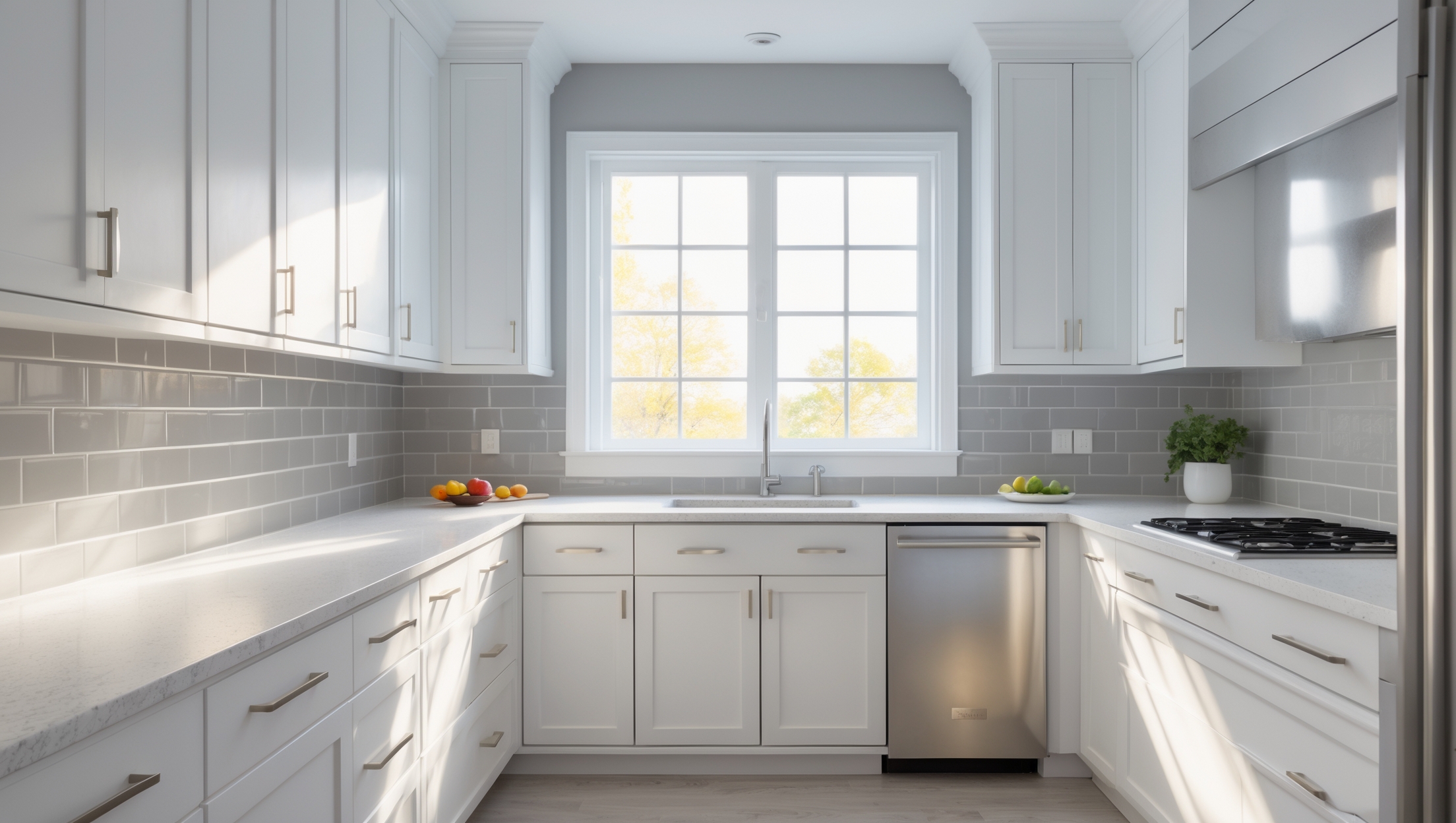
Replacing cabinets can easily consume half of a kitchen renovation budget. Here, the homeowners opted to keep the existing cabinets and update them with high-quality paint and modern hardware. After thorough cleaning, sanding, and priming, they used a durable enamel paint designed for cabinetry. New brushed nickel pulls and soft-close hinges provided a modern touch for a fraction of the cost of new cabinets.
Countertops: Affordable Alternatives
Wanting the look of stone but not the price tag, the family selected high-definition laminate counters with a realistic quartz aesthetic. They contracted a local fabricator for professional installation, ensuring seamless joins and a tight fit around the sink and stove.
Flooring: Durable and Stylish
Luxury vinyl plank (LVP) flooring was chosen for its resilience, water resistance, and realistic wood appearance. The click-lock system enabled a DIY installation, saving labor costs and providing a durable surface for years to come.
Appliances: Smart Shopping Strategies
By waiting for holiday sales and searching scratch-and-dent outlets, the homeowners secured an energy-efficient refrigerator, stove, and dishwasher for 25% less than retail. They prioritized ENERGY STAR-rated models to reduce long-term utility costs.
Backsplash and Lighting Upgrades
A classic white subway tile backsplash was chosen for its timeless appeal and affordability. For lighting, recessed LED fixtures were installed to brighten work areas, supplemented by under-cabinet strip lights for task illumination.
Phase 3: The Renovation Process Step-by-Step
Step 1: Demolition and Prep
Demolition was handled carefully to avoid damaging elements that would be reused, such as cabinets. Appliances and old countertops were removed. The team took time to patch and smooth walls in preparation for painting and tiling.
Step 2: Cabinet Refinishing
- Doors and drawers removed and labeled
- All surfaces cleaned with degreaser
- Light sanding to ensure paint adhesion
- Two coats of bonding primer applied
- Two coats of enamel cabinet paint finished with foam rollers and brushes
- New hardware and soft-close hinges installed
Proper curing time between coats prevented smudges and ensured a professional finish.
Step 3: Flooring Installation
The family prepped the subfloor, ensuring it was clean and level. LVP planks were installed row by row, with spacers used to maintain expansion gaps. The floating floor system meant no glue or nails, simplifying installation and future repairs.
Step 4: Countertop and Sink Replacement
A professional crew removed the old laminate counters and installed the new ones. The homeowners opted for an undermount sink for easier cleaning and a modern look. Silicone caulk was used to seal edges and prevent water intrusion.
Step 5: Backsplash Tiling
Using a laser level and tile spacers, the subway tile backsplash was installed with ready-mix adhesive. Careful measuring around outlets and corners ensured a seamless look. Grout was applied after 24 hours, and a grout sealer protected against stains.
Step 6: Lighting and Final Touches
A licensed electrician installed new recessed fixtures and switched out old outlets for GFCI-protected models. Under-cabinet LED strips were adhered with strong backing tape. Walls were painted in a light, neutral color to maximize the sense of space and brightness. The final step was moving in the new appliances and testing all systems.
Phase 4: Budget Breakdown and Cost-Saving Insights
Actual Costs vs. Initial Budget
- Appliances: $2,700 (saved $300 via outlet deals)
- Countertops: $1,950
- Flooring: $1,100 (DIY install saved $500+)
- Cabinet refinishing: $750
- Lighting: $620
- Plumbing fixtures: $350
- Paint & supplies: $280
- Backsplash: $680
- Contingency used: $1,400 (unexpected electrical work and minor drywall repair)
Total: $9,830
The project came in under budget, allowing the family to purchase a few additional organizational accessories for drawers and cabinets.
Top Cost-Saving Strategies
- Refinishing instead of replacing cabinets
- DIY installation of flooring and backsplash
- Shopping for appliances during major sales and at outlet centers
- Using a local countertop fabricator instead of a big-box store
- Allocating a realistic contingency fund for surprises
Phase 5: Results and Lessons Learned
The Final Reveal
The finished kitchen was brighter, more functional, and visually appealing. The neutral color palette and updated lighting made the space feel larger. Storage was improved with new pull-out shelves and drawer organizers. The energy-efficient appliances lowered monthly utility bills by an estimated 15%.
Homeowner Reflections
The family reported high satisfaction with the outcome and especially appreciated the decision to refinish rather than replace the cabinets. The most challenging part was maintaining a usable kitchen during the process, but careful planning and staging helped minimize disruption.
What They Would Do Differently
- Order appliances earlier to avoid delays due to backorders
- Budget more time for backsplash tiling, which took longer than anticipated
- Consider hiring out electrical work sooner for smoother scheduling
Expert Tips for Your Own Kitchen Makeover
- Plan for the Unexpected: Always set aside a contingency fund—surprises are inevitable in older homes.
- Maximize What You Have: Salvage and upgrade existing elements when possible to save big.
- DIY Where It Counts: Focus your efforts on tasks you can safely and confidently handle; leave plumbing and electrical to professionals if you’re unsure.
- Time Your Purchases: Take advantage of sales cycles for major appliances and fixtures.
- Stay Organized: Use spreadsheets or apps to track expenses and tasks—small overruns can add up quickly.
Conclusion: Your Turn to Transform
Renovating a kitchen on a tight budget is entirely achievable with careful planning, strategic decision-making, and a willingness to roll up your sleeves. This real-life case study is proof that you don’t have to compromise on style or function to save money. By prioritizing updates, leveraging DIY skills, and shopping smart, you can create a space that feels brand new—without draining your savings account. Remember, every home and family is unique. The key is to assess your own needs, resources, and capabilities honestly. Use the lessons from this case study as a springboard for your own transformation, but don’t be afraid to put your personal stamp on the process. Be patient, stay flexible, and celebrate the small wins along the way. Most importantly, enjoy the journey toward a kitchen you’ll love for years to come. Whether you’re updating a cozy galley or a spacious open-plan space, thoughtful improvements will pay dividends in daily comfort, efficiency, and pride of ownership. Happy renovating!
How long did the entire transformation take from start to finish, especially since you were doing a lot of the work yourselves to cut down on labor costs?
The entire kitchen transformation took about six weeks from start to finish. Since we handled most of the work ourselves, we spread tasks over evenings and weekends, which helped manage costs but did extend the timeline a bit compared to hiring professionals.
Did you run into any unexpected expenses during your kitchen remodel that pushed you close to or over your $12,000 budget? If so, how did you adjust your plans to stay on track?
Yes, we did face a couple of unexpected expenses—mainly electrical updates and some hidden water damage under the sink. To stay within our $12,000 budget, we adjusted by choosing a more affordable backsplash and tackling some painting ourselves instead of hiring out.
You mention they stuck to a $12,000 budget—how did they prioritize spending between appliances, materials, and any unexpected costs that popped up along the way?
They allocated most of their budget to essential appliances, ensuring reliability where it mattered most. For materials like cabinets and countertops, they chose mid-range options to balance quality and cost. A small reserve was set aside for unexpected issues, such as minor plumbing fixes, allowing them to handle surprises without going over budget.
I’m curious how the family managed to stick to a $12,000 budget, especially when it came to replacing outdated appliances. Did they prioritize certain upgrades over others, or find any hidden costs along the way?
The family focused on big-impact updates while reusing what they could. They prioritized updating the cabinetry and countertops, then shopped sales for energy-efficient appliances, choosing mid-range models. They avoided hidden costs by DIYing much of the work and keeping the original kitchen layout, which reduced plumbing and electrical expenses.
For those of us planning something similar, how long did the full renovation process take from initial planning through the final reveal, especially since they tackled a lot of the DIY work themselves?
The full renovation process, from initial planning to the final reveal, took about three months. Since much of the work was done DIY, tasks were often scheduled around weekends and evenings, which extended the timeline but helped keep costs down.
How did you decide which upgrades were worth spending money on versus what you could DIY, especially since you were trying to stick to a $12,000 budget?
We prioritized upgrades that would make the biggest impact, like new countertops and appliances, for our budget. We saved money by handling painting, cabinet refinishing, and backsplash installation ourselves. For technical tasks like electrical work, we hired professionals to ensure safety and quality.
Did the homeowners find it more cost-effective to refinish their existing cabinets or completely replace them within their $12,000 budget?
The homeowners found it much more cost-effective to refinish their existing cabinets rather than replacing them. This choice allowed them to refresh the look of their kitchen while staying comfortably within their $12,000 budget and allocating funds for other improvements.
Did the homeowners end up replacing all the appliances within the $12,000 budget, or did they prioritize some over others to save money?
The homeowners did not replace all the appliances within the $12,000 budget. Instead, they prioritized updating the refrigerator and stove, which were outdated, and kept the dishwasher and microwave that were still in good condition, helping them save money for other updates.
Did the homeowners encounter any unexpected expenses that pushed them close to or over their $12,000 budget? If so, how did they handle those situations?
The homeowners did face some unexpected expenses, especially when outdated plumbing was discovered behind the walls. To stay within their $12,000 budget, they reprioritized their wish list by choosing less expensive backsplash tiles and postponing custom cabinet upgrades to a later phase.
I’m curious what the timeline looked like for each renovation phase—were there any delays or surprises that extended the project beyond what the family initially expected?
The family planned for a five-week renovation, but a late appliance delivery added an extra week to the timeline. Aside from that, they faced minor delays with cabinet painting due to humidity, but no major surprises or setbacks occurred during the project.
Could you share what unexpected hurdles came up during the kitchen transformation, especially since they wanted to maintain the same footprint to avoid expensive plumbing or electrical work?
During the renovation, they discovered some hidden water damage behind the old cabinets, which had to be fixed before installing new ones. Additionally, staying within the original footprint meant they had to get creative with storage solutions, as expanding or moving appliances wasn’t an option.
With a $12,000 budget, how did they prioritize spending between appliances, materials, and things like lighting upgrades? Any tips on where to save versus where to invest a bit more?
They focused most of their budget on quality cabinets and countertops, since those have the biggest impact and last longest. They chose mid-range appliances instead of high-end, and used affordable lighting upgrades like LED fixtures. For savings, they DIYed painting and backsplash installation, but invested more in skilled labor for electrical work and cabinetry.
I’m curious how they handled updating the lighting in a way that didn’t require expensive electrical work since they wanted to keep costs down.
They updated the kitchen lighting by swapping out old fixtures for stylish, energy-efficient LED options that fit the existing wiring. This allowed them to brighten the space and modernize the look without hiring an electrician or making major electrical changes, keeping costs low.
I’m curious how you managed to keep the project within the strict $12,000 budget, especially with replacing appliances. Did you find any particular brands or stores offered the best value?
We focused on sales and closeout deals for major appliances, which helped us stay within budget. We found great value with mid-range brands like Whirlpool and GE, and shopped at local appliance outlets and big-box retailers during their seasonal sales events.
For other business owners looking to refresh outdated spaces, how long did this kitchen renovation take from planning to completion, considering they did most of the work themselves?
The entire kitchen renovation, from initial planning to final completion, took about eight weeks. Since most of the work was DIY, evenings and weekends were used, which helped keep costs down but made the process a bit longer than hiring professionals.
The article mentions doing as much DIY as possible to save on labor costs. Were there any specific DIY tasks that turned out to be more challenging or time-consuming than expected?
Painting the cabinets was a bigger challenge than expected. Prepping, sanding, and applying several coats took a lot more time and patience than anticipated. Also, installing the backsplash required careful measuring and precision, which made it a bit more time-consuming for a DIY project.
In the planning phase, were there any DIY projects the family tried that ended up being harder or more expensive than expected, and how did they handle those setbacks?
Yes, during the planning phase, the family attempted to refinish the existing cabinets themselves, but it took much longer and required more supplies than anticipated. When it became overwhelming, they decided to hire a professional for the finishing touches, which helped them stay on schedule without going far over budget.
Were there any surprises during the project that caused the homeowners to go over budget or have to change their plans? I always worry about unexpected costs with renovations.
Yes, there were a couple of surprises during the renovation. The homeowners discovered outdated wiring behind the walls, which required an unplanned electrical upgrade. They also had to change countertop materials when the original choice was discontinued. These issues led to minor budget adjustments, but careful prioritizing kept things mostly on track.
Did the family face any unexpected costs that threatened to push them over the $12,000 budget, and if so, how did they handle those situations without compromising on key upgrades?
Yes, the family did encounter unexpected costs, mainly from uncovering outdated wiring behind the old cabinets. To stay within their $12,000 budget, they decided to do some of the demolition work themselves and opted for more affordable backsplash tiles, which enabled them to keep their key upgrades without overspending.
For the hands-on upgrades, were there any DIY mistakes or surprises that caused delays during the project? I’m worried about running into unexpected issues myself.
There were a few DIY surprises, like discovering uneven flooring under old cabinets, which required extra leveling before installation. Also, some plumbing connections didn’t match new fixtures, leading to a quick trip for adapters. Planning for extra time and having basic tools on hand really helped manage these unexpected issues.
Did the homeowners find any creative ways to increase storage space within the existing layout, or did they have to compromise on storage to stay under the $12,000 budget?
The homeowners managed to increase storage without expanding the layout. They added pull-out organizers in cabinets, installed extra shelving in unused wall space, and chose taller upper cabinets. These creative updates maximized storage while keeping the project within the $12,000 budget, so there was no need to compromise on storage.
How did you decide which parts of the kitchen were worth splurging on versus saving? For example, did you stick with the original cabinets or upgrade them within the $12,000 budget?
We carefully evaluated which areas would make the biggest impact. We decided to keep the original cabinets but gave them a fresh look with paint and new hardware, which helped save money. This allowed us to allocate more of the budget to upgrading countertops and appliances for the most noticeable improvements.
Did the homeowners run into any unexpected issues with the existing wiring or plumbing when trying to modernize the kitchen while keeping the original footprint? I’m curious how they managed those on a tight budget.
Yes, the homeowners discovered outdated wiring behind the walls, which didn’t meet current electrical codes. To stay on budget, they prioritized essential rewiring for safety and handled minor fixes themselves, but left bigger jobs to a licensed electrician. Plumbing was mostly intact, so they only made small adjustments, which helped keep costs down.
For someone considering a similar project but with less DIY experience, do you think hiring professionals for certain tasks seriously affected the total cost, or was it mostly manageable because they did most work themselves?
In this case study, the homeowners saved significantly by handling most of the work themselves. Hiring professionals for tasks like electrical and plumbing did increase costs, but since those were limited to the more technical jobs, the overall budget remained manageable. If you outsource more tasks, expect the total cost to rise accordingly.
I’m really curious how they maximized storage in a small kitchen without changing the existing footprint. Did they have to compromise on any features because of space or budget?
They maximized storage by adding pull-out pantry shelves, using vertical space with wall-mounted racks, and installing organizers inside cabinets. No major features were sacrificed, but they chose more affordable materials and skipped custom cabinetry to stay within budget and keep the original kitchen layout.
Since they wanted to maximize storage and counter space but keep the original kitchen footprint, what specific cabinet or layout changes did they find most effective?
They added taller upper cabinets to use vertical space and installed pull-out shelves in the lower cabinets for easier access. They also chose a U-shaped layout to increase both storage and counter area without expanding the kitchen’s original footprint.
How did you decide which features or materials were worth splurging on versus saving when sticking to the $12,000 budget?
We prioritized splurging on features that would have the biggest impact and longest lifespan, like new countertops and energy-efficient appliances. For savings, we opted for stock cabinets instead of custom, and handled some tasks ourselves, like painting and hardware replacement, to keep costs within the $12,000 budget.
Did you run into any unexpected issues with wiring or plumbing when keeping the original kitchen footprint, and how did you handle them without blowing the budget?
We did encounter some outdated wiring behind the cabinets, which required updating for safety. To stay within budget, we focused only on essential electrical fixes and avoided major rerouting. Plumbing was mostly left intact, but small leaks were addressed by replacing individual fittings rather than doing a full overhaul.
About how long did the whole renovation take from start to finish, especially since you did a lot of the work yourselves? I’m trying to estimate how much time I might need if I attempt something similar.
The entire kitchen renovation took about six weeks from start to finish. Since we handled most of the work ourselves, we spread it out over evenings and weekends. If you have similar availability and DIY skills, a timeframe of five to seven weeks is realistic for a project like this.
How did the $12,000 budget break down between new appliances, cabinetry updates, and other expenses? Did they have to make any tough trade-offs to stay within budget?
The $12,000 budget was mainly split between new appliances ($4,500), cabinetry updates like painting and hardware replacement ($2,800), and other expenses such as countertops, lighting, and flooring ($4,700). They did make trade-offs—opting to refinish rather than replace cabinets and choosing mid-range appliances instead of premium brands to keep costs down.
Did the homeowners encounter any surprise expenses that risked putting them over the $12,000 budget, and how did they handle those situations?
Yes, the homeowners faced an unexpected expense when they discovered outdated electrical wiring behind the walls. To stay within their $12,000 budget, they postponed buying new appliances and instead prioritized the necessary electrical upgrades. This allowed them to handle the surprise cost without overspending.
I’m interested in how much of the renovation was tackled as DIY versus what required hiring professionals. Did any tasks end up being more complicated than expected?
Most of the kitchen renovation was handled as DIY, including painting cabinets, installing new hardware, and updating lighting fixtures. However, tasks like electrical rewiring and countertop installation required hiring professionals. Installing the backsplash proved trickier than expected, taking longer due to uneven walls.
Was there any point where the homeowners considered expanding the kitchen footprint despite the budget, or did they find effective ways to improve function without moving plumbing or electrical?
The homeowners decided not to expand the kitchen footprint or move plumbing and electrical due to budget constraints. Instead, they focused on improving functionality through better cabinet organization, new lighting, and updated appliances, which allowed them to achieve a more efficient space without major structural changes.
Since maintaining the original kitchen footprint helped control costs, did the homeowners find creative ways to increase storage and counter space without moving plumbing or electrical lines?
Yes, the homeowners maximized storage and counter space by adding open shelving above existing counters and installing pull-out organizers in lower cabinets. They also used a kitchen cart for extra prep space, all without relocating plumbing or electrical systems.
Did they end up keeping the original kitchen layout completely, or were there small tweaks to improve function without major plumbing or electrical work?
They kept the original kitchen layout to avoid major plumbing or electrical changes, but made small adjustments like moving the microwave and adding extra shelving to improve functionality. These tweaks helped maximize space without the need for costly renovations.
Did the homeowners have to replace all their kitchen appliances within the $12,000 budget, or did they reuse any existing ones? I’m curious how much went toward new appliances versus other upgrades.
The homeowners chose to keep their existing refrigerator and dishwasher to stay within their $12,000 budget. They only replaced the stove and microwave, which allowed them to spend more on cabinetry, countertops, and new flooring. Most of the budget went toward these upgrades instead of all new appliances.
Did the homeowners run into any unexpected issues with their DIY work, especially since they tried to avoid moving plumbing or electrical? How did they handle any surprises without going over budget?
Yes, the homeowners did face some surprises, like uneven walls and outdated wiring behind the old cabinets. They handled these by patching drywall themselves and only updating the wiring that was necessary for new appliances. By tackling small fixes on their own and prioritizing essential updates, they stayed within their budget.
I’m curious if you ran into any hidden costs during your renovation, especially since you kept the original kitchen footprint. Were there any surprises that affected your $12,000 budget?
Yes, we did encounter a few hidden costs, even though we kept the original kitchen layout. Unexpected plumbing repairs and some electrical updates ended up adding about $800 to our expenses. We managed to stay close to the $12,000 budget by making small adjustments elsewhere, like choosing more affordable fixtures.
Did the homeowners have to make any tough compromises to stay within their $12,000 budget, especially when it came to appliances or materials? I’m curious how they prioritized where to splurge versus save.
The homeowners did face some tough choices to keep the renovation under $12,000. They decided to keep their existing appliances, which let them spend more on new cabinets and countertops. For materials, they chose laminate over stone for the counters and used stock cabinets rather than custom ones, prioritizing upgrades in areas that made the biggest visual impact.
Since you aimed to keep the original layout to avoid moving plumbing and electrical, did you run into any surprises or hidden costs that still came up during the process?
Even though we kept the original layout to minimize expenses, we did encounter a few hidden costs. For example, some wiring behind the old cabinets needed updating to meet code, and there was minor water damage under the sink that required repair. These surprises are common in older kitchens, so it’s good to budget a little extra just in case.
How long did the renovation process take from start to finish, especially since they did a lot of DIY work? I’m trying to estimate realistic timelines for a similar kitchen remodel.
The kitchen renovation took about six weeks from start to finish. Since a lot of the work was DIY, the timeline included evenings and weekends, so your schedule may vary depending on your availability and the size of your project.
How long did the entire kitchen transformation take from start to finish, especially since you did a lot of DIY work? I’m trying to understand how much time to set aside for a similar project.
The entire kitchen transformation took about six weeks from start to finish. Since much of the work was DIY, evenings and weekends were used, which helped spread out the effort. If you’re planning a similar project, setting aside four to eight weeks is a reasonable estimate, depending on your pace and the scope of your renovations.
For the DIY projects, what skill level did you and your family have going in? Did you run into any tasks that really required a professional even though you planned to do most of it yourselves?
We had basic DIY skills—comfortable with painting, installing hardware, and simple repairs—but nothing advanced. Most tasks were doable, but we did hire a professional for electrical updates and countertop installation to ensure safety and quality. Those parts definitely needed expert help.
Our kitchen layout is pretty cramped too—did you find any creative ways to increase counter space without moving plumbing or knocking down walls?
Yes, we added a rolling kitchen cart that fits against the wall when not in use, giving us extra prep space when needed. We also used wall-mounted shelves and magnetic strips for utensils to keep counters clear. No plumbing or wall changes required.
Did they run into any unexpected costs or surprises during the renovation that almost pushed them over budget? If so, how did they handle it?
Yes, during the renovation, they discovered outdated electrical wiring behind the old cabinets, which required immediate attention and extra funds. To stay within budget, they reprioritized their wish list by choosing more affordable backsplash materials and opting for DIY painting instead of hiring professionals.
I’m curious how much of the remodel you were able to do yourselves and what kinds of tasks you decided were better left to the professionals, especially with a $12,000 budget.
We handled most of the cosmetic updates ourselves, like painting cabinets, installing new hardware, and adding a backsplash. For tasks involving electrical work and plumbing—such as relocating outlets and updating the sink—we hired professionals to ensure safety and quality. This approach helped keep us within our $12,000 budget while still achieving a big transformation.
You mentioned they wanted to do as much DIY as possible to save on labor. Which upgrades did they handle themselves versus hiring professionals, and did that have any impact on the overall timeline?
In the case study, the homeowners handled painting cabinets, installing new hardware, and updating light fixtures themselves. For electrical work and countertop installation, they hired professionals. Doing much of the work themselves saved money but extended the timeline by a couple of weeks due to their limited availability and learning curve.
How did the homeowners decide which features were worth splurging on versus which ones they could save money by doing DIY, especially given their $12,000 budget?
The homeowners focused their budget on items that would have the most impact and required professional installation, like new countertops and updated appliances. For savings, they tackled simpler tasks themselves, such as painting cabinets, installing hardware, and adding a backsplash. This approach helped them stay within their $12,000 budget while still achieving a noticeable transformation.
For a kitchen transformation on a tight $12,000 budget, how did you prioritize which upgrades to spend the most on versus where to cut costs? Curious if things like lighting or cabinets took up a bigger chunk than expected.
We focused most of the budget on updating cabinets and countertops, since those have the biggest visual impact. To save money, we opted for cabinet refacing instead of full replacements and chose durable but affordable laminate counters. Lighting was upgraded affordably with stylish fixtures, but it didn’t take up a large portion of the budget.
Did the homeowners find it challenging to stay within the $12,000 budget when selecting modern appliances, or were there specific brands or strategies that helped them save the most in this area?
The homeowners did face some challenges staying within the $12,000 budget, especially when choosing modern appliances. They managed costs by prioritizing essential features over luxury brands and opted for reputable mid-range brands during seasonal sales, which helped them save significantly without compromising on quality.