

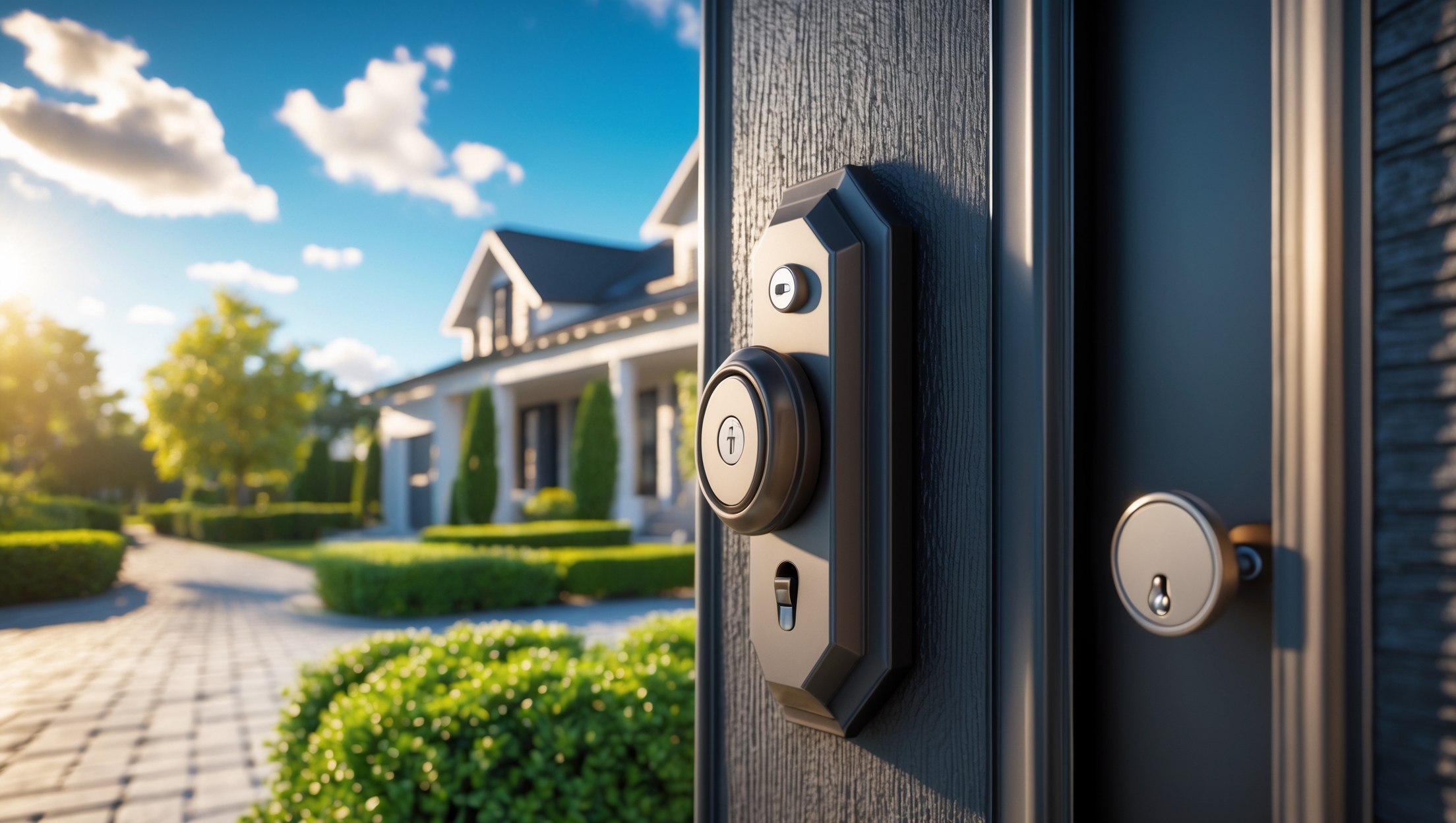
Introduction: Why Fortifying Entry Points Is the Best Home Security Upgrade
Home security is at the top of every homeowner’s priority list, but many overlook the most vulnerable parts of their property—entry points like doors and windows. Burglaries and break-ins are often crimes of opportunity, with intruders seeking the easiest access. According to FBI statistics, over 34% of burglars enter through the front door, and another 23% gain access via first-floor windows. It’s not always about high-tech gadgets and surveillance cameras; sometimes, the simplest, most cost-effective solutions offer the strongest defense. This guide is a hands-on, step-by-step approach for homeowners looking to make their houses less appealing targets. Whether you’re a DIY beginner or a seasoned renovator, you’ll find actionable strategies, product recommendations, budgeting tips, and ongoing maintenance advice to help you reinforce your doors and windows. Let’s walk through the process of making your home safer, starting with a detailed assessment and moving to proven upgrades that actually work.
Assessing Your Home’s Entry Points: The Baseline Security Check
Walkthrough: Identify Weak Spots
Start by inspecting all the external doors and ground-floor windows. Pay special attention to:
- Material and thickness of doors (solid wood or metal is best)
- Quality of locks and strike plates
- Window latches and frames
- Sliding glass doors and their locking mechanisms
- Visibility from the street (do shrubs or fences conceal entry points?)
Document & Prioritize
Take notes and photos of any vulnerabilities. Prioritize upgrades for entry points that are hidden from public view, have outdated hardware, or show signs of wear.
Tools & Equipment Checklist: What You’ll Need
- Drill and driver set
- Screwdrivers (Phillips and flathead)
- Measuring tape
- Level
- Hammer
- Chisel (for mortising strike plates)
- Heavy-duty exterior screws (3+ inches)
- Replacement deadbolts and strike plates
- Door reinforcement kits (optional)
- Window security film or locks
- Smart lock (optional)
- Caulk and weatherstripping (if resealing is needed)
Step-by-Step Guide: Reinforcing Exterior Doors
1. Upgrade the Deadbolt
A quality deadbolt is your first line of defense. Choose a Grade 1 deadbolt for maximum strength. Remove the old deadbolt and install the new one, ensuring the bolt extends at least one inch into the door frame.
2. Install a Reinforced Strike Plate
Most builders use short screws in strike plates, making them easy to kick in. Replace all strike plate screws with 3-inch steel screws that anchor deep into the wall stud. Consider using a heavy-duty security strike plate for added strength.
3. Add a Door Reinforcement Kit
For high-risk areas, install a door reinforcement kit. These kits typically include a metal sleeve for the door jamb and additional hardware to prevent splitting during forced entry. Follow the manufacturer’s instructions for a secure fit.
4. Strengthen Door Hinges
Replace at least one screw per hinge with a 3-inch screw, securing the hinge leaf directly into the framing. For doors that swing outward, fit hinge bolts or security studs to prevent removal from the outside.
5. Consider Smart Locks for Convenience and Security
Smart locks provide keyless entry and can alert you to unauthorized access attempts. Choose a model with ANSI Grade 1 certification. Install according to manufacturer’s instructions, ensuring Wi-Fi or Bluetooth security is updated regularly.
6. Inspect and Replace Weatherstripping
While not directly related to security, degraded weatherstripping can make it easier to pry doors open and reduces energy efficiency. Replace any damaged seals and check for gaps.
Step-by-Step Guide: Securing Windows
1. Upgrade Window Locks
Standard latches on most residential windows are easily bypassed. Install aftermarket window locks or sash pins for double-hung windows, and keyed locks for casement and sliding windows. Ensure the lock engages securely.
2. Apply Security Film
Security window film reinforces glass against shattering. Clean the glass thoroughly, measure and cut the film, then apply it per instructions—using a squeegee to remove bubbles. Allow proper curing time for full adhesion.
3. Add Window Pin Locks
Window pin locks are simple devices that prevent windows from being opened more than a few inches. Drill a small hole through the sash and frame, then insert the locking pin. This is especially effective for ground-level windows.
4. Reinforce Sliding Glass Doors
Install security bars or rods in the track to prevent sliding. Upgrade the lock if it feels flimsy, or add an auxiliary pin lock for extra protection.
5. Consider Window Sensors
Add window sensors as part of a smart home security system. These wireless devices alert you to breaches and can be installed quickly with adhesive strips.
Budgeting for Security Upgrades: What to Expect
Cost Breakdown
- Grade 1 Deadbolt: $40–$80 each
- Reinforced Strike Plate: $10–$30 each
- Door Reinforcement Kit: $70–$150 per kit
- Smart Lock: $100–$300
- Window Locks: $10–$20 each
- Security Film: $40–$75 per window (DIY)
- Sliding Door Bar: $20–$50
DIY vs. Professional Installation
Most upgrades are DIY-friendly with basic tools, but if your doors or windows are old or warped, consider hiring a pro for a secure installation. Labor costs range from $60–$150 per hour, depending on location and project complexity.
Prioritization Tips
If your budget is limited, start with deadbolt and strike plate upgrades on exterior doors, then move to window locks and security film for ground-level windows.
Compliance and Insurance Considerations
Check Local Regulations
Most security upgrades don’t require permits, but check HOA rules or historical district guidelines before installing visible devices on doors and windows. Some municipalities have egress requirements—never install locks that prevent emergency escape from bedrooms.
Insurance Discounts
Many insurers offer discounts for reinforced doors, security locks, or monitored sensors. Submit receipts and photos to your agent to see if you qualify for savings.
Maintenance Best Practices for Entry Point Security
- Inspect hardware every 6 months for loose screws, rust, or signs of tampering.
- Lubricate locks and hinges with silicone spray or graphite powder annually.
- Test smart locks and sensors monthly; update firmware as needed.
- Replace security film if it begins to peel or bubble.
- Check weatherstripping for wear and replace as needed to keep doors secure and energy efficient.
Common Myths Debunked
- “A sturdy lock is enough.” – Without a reinforced strike plate and long screws, even the best lock can be defeated in seconds.
- “Window bars are the only way to prevent break-ins.” – Modern security film and pin locks can be just as effective without the prison-like look.
- “Smart locks are vulnerable to hacking.” – Top-rated smart locks use advanced encryption and are as secure as traditional locks when paired with strong passwords and regular updates.
- “Security upgrades are expensive.” – Many of the most effective measures cost less than $100 per entry point and can be installed in an afternoon.
Case Study: A Homeowner’s Quick Security Makeover
Jane, a new homeowner in a suburban neighborhood, noticed her front door still had the original builder-grade lock. She replaced it with a Grade 1 deadbolt, added a reinforced strike plate with 3-inch screws, and installed a door reinforcement kit—all for under $180. She also applied security film to three ground-floor windows and added aftermarket locks. A month later, her neighbor’s home was targeted by an attempted break-in, but Jane’s upgrades deterred any would-be intruders. Her insurance premium was reduced by 5% after submitting her receipts.
Conclusion: Layered Security Starts at the Entry
Upgrading your home’s entry points is one of the most practical, high-impact steps you can take to improve security and peace of mind. While sophisticated alarm systems and surveillance cameras have their place, they are often reactive—alerting you after a breach. Reinforcing your doors and windows, on the other hand, is a proactive solution that can prevent intruders from gaining access in the first place. The steps outlined in this guide are designed to be actionable and cost-effective, suitable for both beginners and experienced DIYers.
Remember, every home is different. Start with a thorough assessment, prioritize the most vulnerable entry points, and choose upgrades that fit your budget and skill level. Don’t overlook ongoing maintenance—regular inspections and small adjustments keep your security measures effective over time. Check with your insurance provider about possible discounts, and always comply with local regulations regarding emergency egress.
By layering physical barriers—like sturdy deadbolts, reinforced frames, security film, and smart locks—you create a multi-level defense that dramatically reduces the risk of break-ins. Invest a weekend, follow these steps, and enjoy greater confidence in your home’s security for years to come.
For someone on a tight budget, which upgrade from your checklist would you recommend tackling first to get the biggest improvement in security without spending a lot?
If you’re on a tight budget, reinforcing your door locks with quality deadbolts or adding a strike plate is usually the most cost-effective first step. This upgrade can greatly improve security at your main entry points without a big investment.
When inspecting my front door, how can I tell if the existing strike plate is strong enough or if it needs to be replaced? Are there specific signs of wear I should look for?
Check if your strike plate is firmly attached with long screws (at least 3 inches) and not loose or wobbly. Look for any cracks, bent metal, or visible rust as signs of wear. A strong strike plate should be heavy-duty metal, not thin or flimsy. If it’s only held by short screws or feels weak, consider replacing it.
For homeowners on a tight budget, which entry point upgrades from your list would you prioritize first to get the most security impact for the investment?
If you’re on a tight budget, start by reinforcing your front and back doors with stronger deadbolt locks and installing strike plates with long screws. Adding window locks or security film to accessible windows also offers a big security boost without a large investment.
What kind of budget should I expect if I’m replacing all the first-floor door locks and strike plates with higher quality ones, especially for a standard-sized home?
For a standard-sized home, upgrading all first-floor door locks and strike plates with high-quality options usually costs between $200 and $500. This depends on the number of doors and the brands you select. Professional installation can add $100 to $300 if you don’t plan to do it yourself.
When you mention prioritizing upgrades for entry points that are hidden from public view, what specific features make these spots easier targets, and are there any quick fixes before doing a full upgrade?
Entry points hidden from public view, like side doors or basement windows, are easier targets because intruders can work there without being seen. Quick fixes include adding motion-sensor lights, trimming bushes, and installing temporary security bars or alarms until you can do a full upgrade.
About inspecting ground-floor windows, what should I look for in terms of wear that would mean it’s time to replace the latches or frames?
For ground-floor windows, check if the frames have visible cracks, rotting wood, or warping, which can weaken security. Inspect latches for rust, looseness, or difficulty locking. If windows wobble in the frame or the latch feels unstable, it’s a good sign they need replacement or repair to keep your home secure.
If a sliding glass door’s lock seems secure but the frame feels flimsy, should replacement be the first step or are there effective reinforcements you suggest trying before considering a full upgrade?
You can try reinforcing your sliding glass door before replacing it. Adding a security bar or rod in the track, installing a pin lock, or using anti-lift devices can significantly boost security. If the frame still feels weak after these upgrades, then consider a full replacement.
When you mention prioritizing upgrades for entry points that are hidden from public view, are there specific types of locks or reinforcements you recommend for those less visible areas that might deter burglars more effectively?
For hidden entry points, consider installing heavy-duty deadbolt locks, reinforced strike plates, and security door braces. Adding door and window sensors or glass break detectors can also help. These measures, especially when paired, make it much harder for burglars to enter unnoticed and act as strong deterrents.
How do you suggest securing sliding glass doors in an apartment where I can’t make permanent changes or drill into the frame?
You can secure sliding glass doors in a rental by using a removable security bar or rod in the track to prevent forced entry. Additionally, consider applying shatter-resistant film to the glass and using a pin lock or a patio door lock that clamps onto the door without requiring any drilling.
We have a sliding glass door in a spot that’s pretty hidden from the street. Are there specific types of locking mechanisms you recommend for extra security?
For a hidden sliding glass door, consider adding a security bar or rod in the track to prevent it from being forced open. You can also install a double-bolt lock specifically designed for sliding doors. Both options greatly improve security beyond the standard latch.
Could you give a rough estimate of the cost difference between upgrading just the locks and strike plates versus replacing entire doors and window frames? I want to make sure I don’t overspend on unnecessary upgrades.
Upgrading only locks and strike plates typically costs between $50 and $300 per door, depending on quality. Replacing entire doors and window frames can range from $500 to $2,000 or more each. For most homes, reinforced locks and strike plates offer significant security without the high expense of full replacements.
The article mentions using solid wood or metal doors for better security, but are there any budget-friendly options for renters who can’t replace their doors completely?
Absolutely—renters can still boost door security without replacing the whole door. Consider using portable door locks, security bars, or door reinforcement plates. These devices are affordable, require minimal installation, and can be removed when you move out, making them ideal for rental properties.
For a small business that also has customer foot traffic, are the recommended door and window upgrades in your guide suitable, or would you suggest any extra measures compared to a typical home?
For a small business with customer traffic, the door and window upgrades in the guide provide a strong foundation, but consider adding features like commercial-grade locks, reinforced glass, and access control systems. Also, regular maintenance and clear emergency exits are important for both security and customer safety.
How do you decide which entry points deserve priority if you’re on a tight budget and can only upgrade a couple of doors or windows right away? Any tips on the most cost-effective starting points?
Focus first on your main entry door and any easily accessible ground-floor windows or back doors, since these are common targets for intruders. Choose sturdy locks or reinforce frames on these points. If you have sliding doors, installing a security bar is a very cost-effective upgrade to consider right away.
If my front door has sidelights made of glass, would adding security film be enough, or should I consider replacing the glass entirely for better protection against break-ins?
Applying security film to your sidelights will make the glass much harder to break, which helps deter quick entry. However, replacing the glass with reinforced or laminated glass offers stronger protection. For maximum security, consider both solutions: use security film as a budget-friendly upgrade or invest in reinforced glass if break-ins are a major concern.
Once I’ve upgraded my doors and windows, how often should I check them for wear or needed maintenance to keep everything secure?
It’s a good idea to inspect your upgraded doors and windows every six months. Check for signs of wear, loose hardware, or damaged seals, and address any issues immediately to maintain your home’s security.
When assessing entry points, do you have any suggestions for prioritizing upgrades if I have several doors and windows that are partially hidden by landscaping? Should I start with those or focus on worn hardware first?
It’s best to prioritize upgrading entry points that are both partially hidden by landscaping and have worn hardware, as these present the greatest security risk. If you must choose, start with hidden doors and windows first, since they’re more attractive to intruders, then address visible worn hardware next.
For someone on a tight budget, which upgrades from your checklist would make the biggest impact right away, especially for older windows and doors that show some wear?
For older windows and doors, start with reinforced strike plates and longer screws for door frames, as well as installing quality deadbolts. For windows, use window locks or security film. These upgrades are cost-effective and make a noticeable difference in security right away.
If I’m not very handy and don’t already own most of these tools like a chisel or drill, are there any specific upgrades from the guide that you’d recommend tackling first? Or is it better to hire someone for the initial assessment?
For those without many tools or DIY experience, starting with simple upgrades like adding door reinforcement plates or window locks that only require basic screwdrivers is manageable. For more involved tasks, or if you’re unsure, hiring a professional for the initial assessment and installation can ensure everything is done securely.
For someone who isn’t very handy, how difficult is it to actually install heavy-duty strike plates or upgrade locks like the article suggests? Are there mistakes beginners tend to make during this part?
Installing heavy-duty strike plates or upgrading locks is manageable for beginners, but it does require some basic tools like a screwdriver and possibly a drill. Common mistakes include misaligning the strike plate or using screws that are too short. Taking your time with measurements and following instructions closely can help you avoid these issues.
Could you clarify which is usually the weaker link in terms of security—the locks and strike plates or the window latches? I’m trying to decide where to start if I’m on a tight budget.
Generally, window latches tend to be weaker than most door locks and strike plates, especially on older windows. If you’re on a tight budget, reinforcing window latches or adding window locks is an effective and affordable place to start before upgrading door hardware.
When inspecting older windows, are there certain types of latches or frames you recommend upgrading first, especially if I don’t want to replace the whole window?
Focus on upgrading to modern, keyed sash locks or reinforced window latches, especially if your current hardware feels loose or flimsy. For frames, reinforce with metal window bars or add security film to the glass for extra strength without needing a full window replacement.
When you say to prioritize entry points that are hidden from public view, do you have any suggestions for improving the visibility of those areas without removing the privacy that fences or shrubs provide?
Consider adding motion-activated lights or low-voltage pathway lighting around those hidden entry points. You might also trim shrubs just enough to keep clear sightlines to doors and windows while still maintaining privacy. Security cameras can also help monitor these spots without drastically changing your landscaping.
When checking window frames for weak spots, how can I tell if the frame needs to be replaced or if reinforcing the existing latch is enough?
Look for signs like rotting wood, warping, or visible cracks in the window frame—these indicate replacement is needed. If the frame is solid and undamaged, reinforcing the existing latch or adding secondary locks should be enough for better security.
Could you clarify the best way to assess if my existing window latches and frames are strong enough, or are there specific warning signs I should look for during the walkthrough?
Check your window latches by gently trying to wiggle or open the window when it’s locked—there should be no movement. Inspect frames for cracks, soft spots, or warping, which signal weakness. Also, watch for rusted hardware or difficulty locking. If you notice any of these issues, consider reinforcements or replacements.
If my window frames are older but the latches seem sturdy, is it necessary to upgrade both the frame and hardware, or is improving just the lock usually enough for better security?
If your window frames are structurally sound and show no signs of rot or damage, upgrading just the locks can significantly improve security. However, if the frames are weakened or loose, even strong locks won’t be as effective, so replacing or reinforcing the frames would also be important.
When assessing entry points, how do you recommend handling older wooden doors with decorative glass panels? Are there specific reinforcements that don’t ruin the look but still boost security?
For older wooden doors with decorative glass panels, consider reinforcing the glass with security window film, which is nearly invisible but makes the glass much harder to break. You can also install a heavy-duty deadbolt and a strike plate with longer screws to strengthen the frame, all without changing the door’s appearance.
When inspecting window latches and frames, how can I tell if my existing hardware is actually secure enough, or should I automatically plan to upgrade older windows?
Check if your window latches close fully without wobbling and cannot be easily forced open. Inspect frames for any rot, cracks, or looseness. If your windows are old, especially with basic or worn latches, upgrading is usually a smart move for better security.
Do you have recommendations for budget-friendly but reliable deadbolts and strike plates, especially for someone just starting out with these upgrades?
For budget-friendly deadbolts, brands like Kwikset and Schlage offer reliable single-cylinder models that are easy to install and often rated Grade 1 or 2 for security. For strike plates, look for heavy-duty versions labeled as ‘reinforced’ and use 3-inch screws to anchor them securely into the door frame.
Do you have any recommendations for reinforcing older wooden doors that might not be thick enough for heavy-duty deadbolts?
For older wooden doors that can’t support heavy-duty deadbolts, consider using a door reinforcement plate to strengthen the lock area. You can also add a door security bar or install longer screws in the strike plate and hinges to improve resistance against forced entry.
When upgrading strike plates and deadbolts as suggested, do I need to worry about damaging existing door frames, especially if they’re older or made from softer wood?
Yes, older or softer wood door frames can be more prone to damage when upgrading strike plates and deadbolts. To minimize issues, pre-drill screw holes, use longer screws for better reinforcement, and proceed carefully to avoid splitting the wood. If the wood is very soft or damaged, consider reinforcing the area with a metal plate or wood filler before installation.
When upgrading locks and strike plates, how do I know if my doorframe is strong enough to hold heavy-duty screws or if it needs reinforcement?
Check your doorframe by looking for solid, crack-free wood around the lock and strike plate area. Tap it or use a small drill to test for density—soft or splintering wood likely needs reinforcement. If the frame feels weak or is made of thin material, installing a metal reinforcement plate or replacing sections with hardwood is a good idea before using heavy-duty screws.
Can you recommend any budget-friendly deadbolt and strike plate brands that still meet security standards for front doors?
Consider brands like Kwikset and Schlage for deadbolts—they offer models that are both budget-friendly and meet ANSI Grade 1 or 2 standards for security. For strike plates, look for Hardened Door or Defender Security brands, which provide reinforced options without a high price tag.
Could you clarify what makes a strike plate ‘outdated’? I want to be sure I’m identifying the right issues before I start upgrading the locks on my shop’s doors.
An outdated strike plate is usually thin, made of soft metal, or secured with short screws (less than 1 inch). It may also lack reinforcement or a heavy-duty design. For better security, look for strike plates marked as ‘reinforced’ and install them with 3-inch screws into the door frame.
For someone who’s never replaced a door lock before, how do you know if your current strike plate is secure enough, or if you should definitely upgrade to a heavy-duty one?
Check if your strike plate is made of thin metal and held by short screws—these are signs it’s basic and less secure. A heavy-duty strike plate uses thick metal and screws at least 3 inches long that anchor into the door frame, making it much harder to kick in. If yours doesn’t meet these standards, upgrading is a smart move.
If I’m new to DIY projects and don’t own many tools, which upgrades for doors and windows could I realistically tackle myself without needing to hire a professional?
You can easily start with adding door and window security film, installing window locks, and upgrading to heavier-duty strike plates using just a screwdriver. These upgrades require minimal tools and experience, making them perfect for beginners to DIY home security improvements.
When inspecting entry points for weak spots, how do you tell if a door’s material or thickness is really adequate, especially if you own an older building with original doors?
For older doors, start by measuring the thickness—a solid exterior door should generally be at least 1 3/4 inches thick. Check if it’s solid wood, metal, or a hollow core by knocking; hollow doors sound less dense. Also, look for warping or cracks, as these weaken security.
I noticed you mention sliding glass doors—are there particular locking mechanisms or brands you suggest that work well for older models that might not fit newer locks?
For older sliding glass doors, consider using double-bolt locks or security bars as they don’t rely on the original hardware. Brands like Master Lock and Defender Security offer adjustable security bars and pin locks that fit most older models. These can be installed easily without needing to modify the door frame.
Could you share any tips for balancing security upgrades with a tight budget, especially when prioritizing entry points that are hidden or worn out?
Focus first on reinforcing hidden or worn-out entry points with affordable solutions like heavy-duty strike plates, longer screws in door hinges, and basic security film on windows. Simple motion-sensor lights near these areas can also deter intruders without much expense. Prioritize repairs for any damaged locks or frames before considering higher-cost upgrades.
If I want to upgrade my front door but I’m on a tight budget, which would you prioritize first—the deadbolt and strike plate or the door material itself?
If you’re on a tight budget, upgrading your deadbolt and strike plate should be your first priority. These improvements offer a significant boost in security for a relatively low cost, while replacing the door itself can be much more expensive.
Once entry points are reinforced, how often should we reassess or maintain hardware like locks and strike plates to make sure everything stays secure?
It’s a good idea to check all locks and strike plates at least every six months. Also, do a quick inspection after any severe weather or if you notice anything unusual, like difficulty turning a key or loose screws, to ensure everything remains secure.
For a small business with a storefront, would you recommend the same steps for reinforcing entry doors, or are there specialized locks or materials we should look into compared to residential doors?
For a storefront, you’ll want to use heavy-duty commercial-grade locks and materials, which are stronger than most residential options. Consider installing metal doors, reinforced frames, and high-security deadbolts or smart locks rated for commercial use. Access control systems with audit trails can also be valuable for business security.
If my front door is metal but has an older deadbolt, is it better to replace just the hardware, or should I consider swapping out the whole door for maximum security?
If your metal door is structurally sound and fits properly, upgrading to a high-quality deadbolt and strike plate is usually sufficient. Replacing just the hardware can significantly improve security without the extra cost and hassle of installing a new door.
When prioritizing upgrades, should I focus first on entry points that are hidden from street view or those with outdated locks, especially if I have a limited budget this month?
If your budget is tight, start with entry points that have outdated locks, since they tend to be the easiest targets for break-ins. After securing those, focus on hidden entry points, as they provide cover for intruders. Prioritizing outdated locks first gives you the most immediate security boost.
You mention heavy-duty screws and replacement deadbolts—are there particular brands or certification standards I should look for in the US to make sure these products are genuinely more secure?
For deadbolts, look for products certified by ANSI/BHMA Grade 1 for the highest residential security. Trusted brands include Schlage, Medeco, and Kwikset’s higher-end lines. For screws, use 3-inch hardened steel screws for strike plates and hinges—these aren’t brand-specific but should be labeled as hardened steel for durability.
If my building’s front door is glass rather than wood or metal, do you suggest any specific upgrades or adjustments for strengthening it? The excerpt focused on solid doors but didn’t talk much about glass entry doors.
For glass entry doors, consider installing shatter-resistant security film or laminated safety glass to make them harder to break. Reinforce the door frame and use high-quality deadbolts with a multi-point locking system. Adding security bars or decorative grilles can also provide extra protection while maintaining visibility.
About the visibility tip: if bushes are covering some of our windows, is it better for security to trim them back completely or leave them for privacy?
For better security, it’s recommended to trim bushes back from your windows. Overgrown bushes can give intruders a place to hide while attempting to break in. Keeping windows visible from the street or neighbors helps deter potential burglars, even if it reduces some privacy.
If my entry doors are already solid wood but the locks seem old, should replacing the hardware be my main priority before looking at window security?
Yes, if your entry doors are solid but the locks are outdated, replacing the door hardware should be your first priority. Upgraded locks offer immediate improvements to your home’s security. Once that’s done, you can focus on assessing and improving your window security as the next step.
When prioritizing entry point upgrades, do you recommend replacing all exterior door lock hardware at once, or is it effective to just reinforce the strike plate and screws for doors that already have deadbolts?
Reinforcing strike plates and replacing screws with longer ones is a very effective and budget-friendly first step, especially if your doors already have quality deadbolts. You don’t have to replace all the lock hardware immediately unless your current locks are old or low quality.
When inspecting the thickness and material of doors as suggested, are there specific measurements or ratings I should look for to ensure they meet industry security standards?
Yes, for exterior doors, look for a thickness of at least 1 3/4 inches. Solid core wood, fiberglass, or steel are recommended materials. Also, check for doors labeled with ratings like ANSI Grade 1, which indicates top security standards for locks and hardware.
If I find that shrubs are concealing an entry point, would you recommend trimming them back entirely or replacing them with something less obstructive for better visibility?
Trimming back the shrubs to ensure clear visibility of your entry point is a good first step. If they still obstruct your line of sight or provide hiding spots, consider replacing them with low-growing or thorny plants that won’t block views but still enhance security.
About the tools list, is the chisel necessary for installing every deadbolt, or can some newer models be installed without mortising the strike plate?
A chisel isn’t always necessary. Many newer deadbolt models come with no-mortise strike plates or reinforced designs that don’t require chiseling. However, if your door frame is not pre-cut to fit the strike plate, you may still need a chisel for a flush fit.
The article mentions documenting and prioritizing hidden entry points for upgrades. Any tips on how to balance visibility for security with keeping my storefront welcoming to customers?
To balance security and a welcoming storefront, use clear glass for visibility, maintain tidy window displays, and install discreet security film or sensors. Make sure entrances are well-lit and keep security devices subtle, so customers feel comfortable while hidden entry points remain protected.
Could you provide more detail on budgeting for these upgrades? I’d like to prioritize high-risk entry points but I’m not sure which reinforcements offer the best value for a limited budget.
Start by assessing which doors and windows are most vulnerable, like those hidden from street view. Focus your budget on sturdy deadbolts, reinforced strike plates, and window locks for these areas first. These upgrades are cost-effective and significantly boost security. If funds allow, add motion sensor lights or security cameras later for additional deterrence.
If my front door is solid wood but the windows have older latches, should I focus my budget on upgrading the window hardware first, or is a new deadbolt a better priority?
Since your front door is already solid wood, upgrading to a high-quality deadbolt will significantly improve its security. However, older window latches can be a weak point. If the window hardware is very outdated or flimsy, prioritize upgrading those first, especially if the windows are easily accessible.
You mention heavy-duty screws and replacement deadbolts—do most rentals allow these types of changes, or are there alternatives for renters who can’t do major installations?
Many rentals restrict permanent changes like replacing deadbolts or using heavy-duty screws. For renters, consider portable door security devices, door reinforcement bars, or add-on locks that don’t require drilling. Always check your lease agreement or ask your landlord before making any modifications.
When checking the material and thickness of doors, is there an easy way for a beginner to tell if their current door is solid wood, metal, or something less secure?
You can check by knocking on the door—solid wood and metal doors sound dense, while hollow-core doors sound hollow. Also, check the door’s weight; solid doors are much heavier. For metal, look for a cold feel and a metallic edge at the top or sides.
Could you recommend which entry point upgrades make the most impact on a tight budget? I want to focus on the essentials first before investing a lot.
For a tight budget, start by upgrading your door locks to high-quality deadbolts and reinforcing strike plates with longer screws. Adding window locks or security film to ground-floor windows also offers good protection for minimal cost. These essentials offer strong security improvements without requiring a large investment.
When you mention reinforcing doors with heavy-duty exterior screws, is there a minimum length or specific screw material you recommend for older wooden frames to prevent splitting?
For older wooden frames, 3-inch hardened steel screws are ideal. They provide strong anchoring into the wall stud behind the frame, greatly increasing security. To prevent splitting, drill pilot holes just slightly smaller than the screw diameter before installing them. Avoid softer metals like brass, as they can bend or fail under force.
When prioritizing upgrades for entry points that are hidden from public view, do you recommend focusing on stronger locks or adding security film to windows first if budget is tight?
If budget is tight, prioritize stronger locks on doors or windows hidden from public view. These spots are more attractive to intruders, and better locks directly improve security. Security film is helpful, but start with robust locks before considering additional enhancements.
When checking the quality of locks and strike plates as mentioned, how can I tell if the ones I already have are considered outdated or not secure enough?
Look for locks marked as Grade 1 or 2—they offer better security. If your locks are wobbly, rusted, or only have a short latch, they’re likely outdated. Strike plates should be heavy-duty and secured with screws at least 3 inches long. If yours feel flimsy or use short screws, consider upgrading.
Could you elaborate on cost-effective ways to reinforce first-floor windows that already have decent latches but might not have the strongest frames?
To reinforce first-floor window frames affordably, consider adding security film to prevent glass shattering, installing window pins or dowels to limit how far they can open, and securing frames with longer screws or corner brackets. You can also use window sensors or alarms for an extra deterrent without major expense.
When you mention upgrading to heavy-duty exterior screws and replacement deadbolts, are there any specific brands or certifications I should look for to make sure they’re really secure?
Look for deadbolts that are ANSI Grade 1 certified, as this indicates the highest level of residential security. Brands like Schlage, Kwikset, and Medeco are well-regarded. For screws, choose hardened steel screws that are at least 3 inches long to ensure strong anchoring into the door frame.
How often should we reassess our entry points for new vulnerabilities or wear, especially after installing the recommended upgrades? Is there a maintenance schedule you suggest?
It’s wise to reassess your entry points at least twice a year, even after upgrades. Also, inspect doors, locks, and windows after any severe weather or attempted break-in. Regular checks help spot wear or new vulnerabilities early and keep your security measures effective.
As someone who runs a shop with a few employees, do you have recommendations for solid yet affordable deadbolt brands when upgrading exterior doors like you mention in the article?
For a shop setting, consider brands like Schlage, Kwikset, and Defiant. These brands offer deadbolts with solid security at reasonable prices. Schlage tends to be more robust, while Kwikset and Defiant are budget-friendly yet reliable. Choose models rated Grade 1 or 2 for the best balance between security and affordability.
For replacing deadbolts and strike plates, are there specific brands or ratings you recommend for college students on a budget? I want to upgrade the locks in my place but don’t want to overspend.
For affordable yet reliable deadbolts and strike plates, look for brands like Kwikset and Defiant. Both offer models with ANSI Grade 2 ratings, which provide good security for most homes. These options balance cost and quality, making them suitable for college students on a budget.
You mention prioritizing upgrades on entry points that are hidden from public view. Any tips on balancing added security with keeping those areas well-lit and visible without drastically changing landscaping?
You can use subtle, motion-activated lighting or low-profile path lights to illuminate hidden entry points without major landscaping changes. Select fixtures that blend in with your outdoor design, and trim back only the vegetation that directly blocks sightlines to the doors and windows. This keeps areas visible and secure while maintaining your landscape’s look.
For someone on a tight budget, which upgrade do you think makes the biggest difference in preventing break-ins—replacing locks, reinforcing strike plates, or adding security film to windows?
If budget is your main concern, reinforcing strike plates is usually the most cost-effective upgrade. A strong strike plate with longer screws can significantly strengthen your door against forced entry, often more than just replacing the lock or adding window film.
After identifying weak spots and prioritizing which entry points to upgrade, how much time should I expect to spend on the actual installation process if I’m doing it myself on a weekend?
The installation time depends on how many entry points you’re upgrading and the complexity of the enhancements. For standard tasks like installing deadbolts or reinforcing door frames, plan on 1–2 hours per entry. If you’re working on three or four doors, you can reasonably finish in a weekend.
For folks in older homes with thinner doors or windows, are there specific reinforcement methods or materials you recommend beyond just swapping out locks and strike plates?
For older homes with thin doors or windows, consider adding door reinforcement plates, solid core door upgrades, or installing security film on glass panes. Supplemental security bars or grilles for windows and door jamb reinforcement kits can also add substantial strength beyond basic lock upgrades.
When it comes to upgrading door strike plates, do you recommend using the extra-long screws in both the frame and the door edge, or just the frame? I’ve heard mixed advice and want to maximize security.
For maximizing security, use extra-long screws (at least 3 inches) in the door frame side of the strike plate. This anchors the strike plate into the wall stud, making forced entry much harder. For the door edge, standard screws are fine, since longer screws could split the door itself.
As a small business owner with a storefront, would your step-by-step assessment process for residential entry points also apply to a commercial location with a glass front door and display windows?
Yes, the step-by-step assessment process is a good starting point for your storefront. For commercial locations with glass doors and display windows, pay extra attention to reinforcing glass with security film, installing sturdy locks, and considering security bars or shutters. Tailor the recommendations to fit high-visibility areas and any specific risks your business may face.
If I want to upgrade the locks and strike plates myself, how much time should I set aside per door, especially if I’ve never done this kind of DIY before?
For someone new to this type of DIY, plan on about 45 to 60 minutes per door to upgrade both the lock and strike plate. This allows time for careful removal, fitting, alignment, and testing to ensure everything works smoothly.
For the strike plate installation, is a chisel really necessary if I already have pre-existing holes, or is it mostly for new setups? I’m a little nervous about using one as a beginner.
If you already have pre-existing holes and the strike plate fits flush against the door frame, you likely won’t need a chisel. A chisel is mainly needed to recess the plate into the wood for new installations or if the plate doesn’t sit flat. Double-check the fit before deciding.
When checking window latches and frames, what specific signs of wear should I look out for as a beginner? Are there any easy fixes for old or loose window locks before replacing the whole thing?
Look for cracks in the window frame, rust on metal parts, and any movement when you jiggle the latch. Also check for gaps where the window should seal shut. For loose locks, try tightening screws or applying lubricant. Weatherstripping can help seal minor gaps. If locks are wobbly but not broken, replacing just the latch may be enough.
When inspecting window latches and frames, what specific signs of wear should I look for to know if they need to be replaced or just reinforced?
Look for cracks in the window frame, rust or bending in the latch, loose screws, or windows that don’t close tightly. If frames are rotting or the latch doesn’t secure well even after tightening, replacement is best. Minor looseness or surface rust can often be fixed with reinforcement or repair.
You mentioned budgeting tips—could you give a rough estimate of what a basic set of recommended hardware (like deadbolts and strike plates) might cost for an average home?
For an average home, budgeting about $100 to $250 should cover quality deadbolts and reinforced strike plates for main entry doors. Prices vary by brand and security grade, but this range allows for good, reliable hardware at most major retailers.
If most of my windows are hidden from the street by bushes, should I prioritize upgrading their locks first, or focus more on the front door since that’s where most break-ins happen?
Even if your windows are hidden, they can be attractive to intruders because they’re less likely to be seen. It’s wise to upgrade locks on both your front door and those hidden windows, but if you have to choose, start with the front door and then address the windows soon after.
When prioritizing upgrades, should I focus first on doors that are hidden from street view, or address the oldest hardware on my main entry points?
It’s best to start with upgrading the oldest hardware on your main entry points since these are most likely to be targeted and may have vulnerabilities. After securing those, move on to doors that are hidden from street view, as they can attract intruders seeking privacy.
Could you explain more about what to look for when checking if existing window latches and frames are secure enough, or if they need upgrading?
When checking window latches, see if they fit snugly, show no rust, and operate smoothly. For frames, look for signs of rot, warping, or cracks. If latches are loose or frames are damaged, upgrading to strong locks and reinforced materials is a good idea for better security.
If I already have solid wood doors but the locks are pretty old, should I replace the whole door and frame or will new deadbolts and strike plates be enough for good security?
If your solid wood doors are still in good condition, you don’t need to replace the door and frame. Upgrading to high-quality deadbolts and reinforced strike plates will significantly improve your security. Just make sure the door fits snugly in its frame and isn’t damaged or warped.
When assessing window security, how can I tell if our current latches and frames are strong enough, or if we should prioritize those upgrades over the doors?
Check if your window latches are sturdy, made of metal rather than plastic, and lock tightly without wobbling. Inspect the frames for any signs of rot, weakness, or gaps. If windows are easy to force open or older than your doors, consider upgrading them first or at the same time as your doors.
For first-floor windows with older wooden frames, would you recommend reinforcing the frames themselves or is upgrading the latches usually enough for a decent security boost?
For older wooden frames, upgrading the latches is a good first step, but reinforcing the frames themselves adds much better protection. Old wood can crack under force, so consider adding security film, longer screws, or metal reinforcements alongside improved latches for a more secure result.
The article mentions using solid wood or metal doors, but which is typically more cost-effective for college students who are renting or on a tight budget?
For college students on a budget, solid wood doors are usually more cost-effective than metal doors. They offer good security and tend to be less expensive. If replacing the entire door isn’t possible due to rental restrictions, consider adding a door security bar or upgraded deadbolt for extra protection.
For someone with very limited DIY experience, how difficult is it to actually replace a door strike plate or install a heavier deadbolt using your checklist?
Replacing a door strike plate or installing a heavier deadbolt is quite manageable, even for beginners. The checklist breaks it down into simple steps: unscrewing the old hardware, aligning the new parts, and securing them with a screwdriver. Most people can complete each task in under an hour with basic tools.
You mentioned prioritizing upgrades for entry points that are out of public view. Should I focus on replacing locks first or updating window latches if I’m on a tight budget?
If your budget is limited, it’s usually best to replace or upgrade locks on exterior doors that are out of public view first. Doors are more common targets for break-ins than windows. You can improve window latches next as funds allow.
Your guide mentions using heavy-duty exterior screws and replacement deadbolts for doors. Are there specific brands or product features you suggest for a business entryway that gets lots of daily use?
For a busy business entryway, look for commercial-grade deadbolts (Grade 1 ANSI/BHMA rated) from brands like Schlage, Medeco, or Mul-T-Lock. When it comes to exterior screws, use 3-inch hardened steel screws for strike plates and hinges to resist forced entry and withstand frequent use.
If I have several older windows with worn latches but limited time, which maintenance task should I tackle first to see the biggest immediate improvement in security?
Focus first on reinforcing or replacing the worn window latches, especially on ground-level or easily accessible windows. Even basic latch repairs or adding affordable locks can quickly strengthen your home’s security until you have more time for other upgrades.
If I have several ground-floor windows that are partially hidden by shrubs, do you recommend focusing more on visibility (like trimming landscaping) or on upgrading the window locks first?
It’s wise to address both, but start by trimming the shrubs to eliminate hiding spots for intruders. Improving visibility acts as a strong deterrent. Once the area is clear, upgrade the window locks for added protection. Combining both steps will best secure your windows.
About budgeting for these upgrades, are there any cost-effective alternatives to replacing all hardware at once, especially if I have several first-floor windows to secure?
You can prioritize upgrades by focusing on the most vulnerable windows first or those in less visible areas. Instead of full replacements, consider adding window locks, security film, or window sensors, which are more budget-friendly options. Spreading out upgrades over time can also help manage costs.
For parents with limited time, how long does it typically take to assess and upgrade all the main entry points in a medium-sized home using the steps you described?
For a medium-sized home, assessing all main entry points typically takes about 1 to 2 hours. Completing basic upgrades like installing deadbolts, reinforcing door frames, and adding window locks may require an additional 3 to 5 hours, which you can spread out over a weekend or a few evenings.
For homeowners on a budget, which upgrade would you prioritize first after the security check: replacing old locks or reinforcing window latches?
After completing a security check, replacing old locks should be the first priority if you’re on a budget. Strong, reliable door locks are your main defense against intruders. Once your doors are secure, you can then reinforce window latches as your next step.
For budget-conscious homeowners, which upgrades from your checklist would you prioritize first if you can’t afford to tackle all the entry points at once?
If you’re on a budget, start by reinforcing your front and back doors with high-quality deadbolts and strike plates, since most break-ins happen there. Next, add security film or locks to ground-floor windows that are most accessible. Focus on main entry points first before moving to secondary doors or windows.
You mentioned prioritizing upgrades for entry points that are hidden from public view. Is that more important than updating older hardware on a more visible door or window?
Upgrading entry points hidden from public view is often more urgent because they’re targeted more frequently by intruders. However, if a visible door or window has outdated or weak hardware, it deserves prompt attention too. Ideally, address the most vulnerable spots first—whether that’s due to location or hardware condition.
Could you give a ballpark estimate for how much it might cost to upgrade all the locks and strike plates on a typical three-bedroom house? Trying to budget before I start.
Upgrading all the locks and strike plates on a typical three-bedroom house usually ranges from $250 to $700, depending on the quality of hardware you choose and whether you install them yourself or hire a locksmith. Standard deadbolts and reinforced strike plates are more affordable, while smart locks or high-security options will increase costs.
I noticed you mentioned replacing deadbolts and strike plates, but is it necessary to upgrade both if the door itself is already solid wood and pretty secure?
Even with a solid wood door, upgrading both the deadbolt and the strike plate is worthwhile. A high-quality deadbolt adds resistance to forced entry, and a reinforced strike plate helps prevent the door frame from splitting. Together, they maximize your door’s overall security, even if the door is already sturdy.
When inspecting external doors, is there a recommended minimum thickness or material grade you suggest for DIY homeowners, especially for those with older wooden frames?
For external doors, it’s wise to choose a solid core door at least 1.75 inches thick. If you have older wooden frames, make sure the wood is in good condition without rot, and consider reinforcing it with a metal strike plate for added security.
Could you suggest any tips for checking if my current strike plates and screws are already up to par, or is it just better to assume I need to replace them with heavy-duty versions?
To check your current strike plates and screws, look for thick, solid metal plates and screws at least 3 inches long. If your strike plates are thin or the screws are short (1 inch or less), upgrading to heavy-duty options is a smart move for better security.
How much should I expect to budget for these entry point upgrades if I have a typical single storefront location? I want to plan ahead before getting started.
For a typical single storefront, budgeting between $1,500 and $5,000 is reasonable for comprehensive entry point upgrades. This includes quality deadbolts, reinforced door frames, security cameras, and window locks. Costs can vary depending on material quality and whether you choose professional installation or DIY.
For sliding glass doors, besides upgrading the locks, are there any additional reinforcements or products that you suggest for increasing security on this type of entry point?
Yes, for sliding glass doors, consider adding a security bar or a rod in the track to prevent forced opening. Shatter-resistant film on the glass is another good option, making it harder to break. Also, check if your door has anti-lift devices to stop it from being lifted out of its track.
Could you clarify what kind of photos are most helpful when documenting vulnerabilities? Is it better to focus on close-ups of hardware or take wider shots showing the entire entry point and its surroundings?
It’s best to take both close-up photos of hardware—like locks, hinges, and frames—and wider shots that show the entire entry point, including its surroundings. Close-ups help highlight specific vulnerabilities, while wide shots provide context for how accessible or visible the area is.
What do you do if you find that some of your windows are hidden by shrubs and can’t be clearly seen from the street? Is it better to trim them back completely or add extra security hardware?
It’s wise to do both. Trimming shrubs down or thinning them out makes windows more visible, which is a strong deterrent for intruders. Also, adding extra security hardware like window locks or sensors gives added protection, especially for windows that are harder to see from the street.
After documenting vulnerabilities, is there a recommended order for tackling upgrades if I have a limited monthly budget? Should I prioritize certain entry points or hardware first?
Focus first on upgrading your most frequently used entry points, like the front and back doors, since they are common targets. Prioritize strong deadbolts and reinforced strike plates. If your budget allows, address vulnerable ground-floor windows next, adding locks or security film. This approach helps maximize your protection as you gradually improve other areas.
When assessing entry points, do you recommend any specific method for documenting vulnerabilities, like using an app or checklist, or is taking photos and notes the best approach?
Using a checklist is a practical way to ensure you cover all common vulnerabilities at each entry point. Taking photos and detailed notes can help you remember specific issues. Some people prefer home security apps designed for assessments, but a combination of a checklist, photos, and notes is often the most thorough approach.
Can you provide some ballpark estimates for what homeowners should budget if they want to upgrade all the first-floor locks and strike plates on an average-sized house using the recommended hardware?
For an average-sized house with about 6–8 exterior doors, expect to spend $40–$80 per quality deadbolt and $10–$20 per heavy-duty strike plate. Including professional installation, the total budget might range from $500 to $1,000, depending on hardware choices and labor rates in your area.
As someone who runs a small retail shop in an older building, do the same door and window reinforcement steps apply to commercial properties, or are there extra considerations for business entry points?
Many of the door and window reinforcement steps apply to both homes and small businesses, but for commercial properties, you may need stronger locks, commercial-grade doors, and possibly security film or bars for windows. Also, consider alarm systems and access control measures tailored for higher traffic and after-hours protection.
How often should we re-inspect doors and windows for wear or vulnerabilities once we’ve completed these security upgrades?
It’s a good idea to re-inspect your doors and windows for wear or vulnerabilities every six months. You should also check after severe weather events or if you notice any changes in how they operate, like sticking or loose hardware.
If I already have security cameras but some of my shop’s doors are old wood, is it more effective to replace the doors entirely or just upgrade the hardware like strike plates and deadbolts first?
Upgrading hardware like heavy-duty strike plates and high-quality deadbolts is an excellent first step and often provides a significant boost in security for old wooden doors. However, if the doors are weak, warped, or damaged, replacing them with stronger materials may be necessary for optimal protection.
Do you have any suggestions for reinforcing sliding glass doors on a budget, especially when specialty locks seem a bit pricey?
You can reinforce sliding glass doors affordably by using a sturdy wooden or metal dowel in the track to prevent forced opening. Window security film is another budget-friendly way to make the glass harder to break. Both options are easy to install and don’t require expensive specialty locks.
For older storefronts with large glass windows, do the same upgrade steps apply, or would you recommend any additional measures beyond the basic locks and latches covered here?
For older storefronts with large glass windows, it’s wise to go beyond basic locks and latches. Consider adding security window film, reinforced glass, or protective window grilles. Installing motion-sensor lights and visible security cameras near entry points can also deter break-ins and provide extra peace of mind.
For older homes with original doors and windows, are there any specific challenges or additional steps to consider when upgrading security hardware like deadbolts and strike plates?
Older doors and windows may have non-standard sizes, worn wood, or outdated frames, which can make installing new hardware tricky. You might need to reinforce the frame, use longer screws, or fill old screw holes for better grip. Sometimes, minor carpentry or retrofitting is required to ensure a secure fit for modern deadbolts and strike plates.
I noticed you suggested using heavy-duty 3-inch screws for exterior doors. Is there a risk of damaging the door frame if it’s not solid wood, or are there adjustments I should make for older homes?
If your door frame isn’t solid wood, especially in older homes, using 3-inch screws could cause splitting or damage. It’s a good idea to pre-drill pilot holes and use slightly thinner screws if the wood seems brittle or soft. Reinforcing with a metal strike plate can also help add strength without stressing the frame.
Do you have any recommendations for affordable replacement deadbolts or reinforced strike plates that work well for someone trying to stick to a tight budget?
For budget-friendly deadbolts, brands like Kwikset and Defiant offer reliable options under $30. Look for ANSI Grade 2 certification for good security. For reinforced strike plates, consider Prime-Line or Defender Security—these are often available for less than $10 and include longer screws for added strength.
If I have older wooden doors that seem solid but have older locks, is it better to replace the entire door or just upgrade the locks and strike plates?
If your older wooden doors are still sturdy and in good condition, upgrading the locks and strike plates is usually sufficient. High-quality deadbolts and reinforced strike plates can significantly enhance security without the need to replace the entire door.
Could you provide more detail on how to properly assess the quality of existing window frames and latches during the initial walkthrough? I’m not sure what signs of wear to look for beyond obvious damage.
When assessing window frames and latches, check for softness in the wood by gently pressing with a screwdriver, which could indicate rot. Look for gaps, cracking paint, or warping that might weaken the structure. Inspect latches for rust, loose screws, and whether they close tightly without wobbling. Difficulty locking or unlocking is another sign maintenance is needed.
You mention prioritizing upgrades for entry points hidden from public view. Would you recommend focusing on those over replacing locks on all doors, even if some are more visible but in worse shape?
If a visible door’s lock is in worse shape, it’s wise to fix or replace that first, regardless of visibility. After addressing any vulnerable or damaged locks, focus on upgrading less visible entry points since they’re common targets for intruders.
If I follow your checklist and discover worn frames around my shop’s back door, do you suggest a full replacement, or can reinforcement kits be a reliable fix in those cases?
If the frames are only slightly worn, reinforcement kits can often provide a sturdy fix and boost security. However, if there’s significant rot, splitting, or structural weakness, a full replacement is the safer and more reliable option.
The article mentions prioritizing upgrades for entry points hidden from public view. Are there specific products or techniques that work better for these less-visible doors and windows?
Yes, for entry points hidden from public view, consider installing reinforced deadbolts, security bars, or door armor for extra strength. Glass break sensors and window security film can also add protection. Motion-activated lighting and cameras placed near these areas make them less attractive to intruders.
For the checklist of tools you mentioned, are there any must-have items for someone who doesn’t already own many tools? I want to do some basic upgrades myself but also don’t want to overbuy.
For basic home security upgrades, you’ll want a screwdriver set, a tape measure, and a drill with bits. These cover most tasks like installing deadbolts or reinforcing strike plates. If you’re staying simple, avoid specialty tools unless your project specifically calls for them.
How much should I expect to spend if I want to upgrade both my front door and several first-floor windows with the cost-effective solutions you mention in your guide?
For cost-effective upgrades, you can expect to spend around $150–$300 for a solid deadbolt and reinforced strike plate for your front door, and about $20–$50 per window for security film or locks. So, upgrading your front door and several windows should generally cost between $250 and $600, depending on the number of windows and hardware quality.
Could you share some budgeting tips for prioritizing which entry points to upgrade first if you’re working with a limited amount of money up front?
Focus your budget on the most vulnerable entry points first, like front and back doors, especially those with old or weak locks. Next, check ground-level windows and upgrade the ones that are hidden from view. Spread your spending gradually, starting with basic upgrades like stronger deadbolts before moving to advanced options such as smart locks or security cameras.
How often should we revisit the security assessment checklist and update our upgrades? Is annual maintenance enough, or do you recommend checking certain things more frequently?
Annual maintenance is a solid baseline for most home security upgrades, but it’s wise to check certain features—like door and window locks, smart sensors, and alarm batteries—every few months. If you experience neighborhood changes or security incidents, reassess your checklist sooner.
If my front door is solid wood but the frame feels a bit loose, should I replace the whole frame or are there specific reinforcements you recommend for the frame alone?
If your door frame feels loose but isn’t damaged, you can reinforce it without a full replacement. Use longer screws (at least 3 inches) in the hinges and strike plate, and consider installing a metal reinforcement plate or a door jamb reinforcement kit to strengthen the frame.
Could you provide a ballpark budget for homeowners tackling basic door and window reinforcement as a DIY project using your checklist, especially for those on a tight budget?
For a DIY project focused on basic door and window reinforcement, you can expect to spend around $100–$250. This covers items like door reinforcement plates, longer screws for hinges and strike plates, simple window locks, and basic security film. Costs will vary depending on your home’s size and the number of entry points.
If I’m on a pretty tight budget, which upgrades from your guide would you say should be done first to make the biggest impact on security?
Focusing on deadbolt locks for all exterior doors and reinforcing door frames with strike plates are affordable options that greatly improve security. Adding window locks or dowels for sliding windows and doors can also make a big difference without costing much.
Is there a way to discreetly reinforce ground-floor windows that face the street without making my house look like it’s heavily secured or drawing extra attention?
Yes, you can use clear security window films, which strengthen glass against break-ins but remain invisible from the street. Another option is installing reinforced window locks or sash pins. Both methods increase security without changing the look of your home or attracting extra attention.
For a business owner on a tight budget, which upgrades from your checklist would you recommend tackling first to get the most immediate increase in security?
For a business on a budget, start by upgrading to stronger deadbolt locks and reinforcing door frames with strike plates. Adding window locks and installing security film on glass can also offer a quick, cost-effective boost. These steps provide noticeable security improvements without a big investment.
When you’re upgrading deadbolts and strike plates like the article suggests, is there a specific brand or product you’ve found holds up best for older wood doors?
For older wood doors, Schlage and Kwikset deadbolts are both reliable and widely recommended. For strike plates, look for heavy-duty versions that use 3-inch screws—Schlage’s reinforced plates work well. These brands are known for durability and are usually a good fit for wooden doors.
If I replace my front door strike plate and deadbolt myself, how do I know if I’m choosing the right hardware, especially for an older door that’s already a bit worn?
When upgrading an older, worn door, look for a heavy-duty strike plate and a deadbolt labeled as Grade 1 or 2 for maximum security. Measure your door’s thickness and existing holes to ensure compatibility. Reinforce any weak or damaged wood with longer screws (at least 3 inches) for added strength.
When prioritizing upgrades for windows versus doors, is there a rule of thumb for which usually presents a bigger vulnerability, especially for homes with a lot of large ground-floor windows?
Doors are typically the primary target for intruders, but if your home has large ground-floor windows, those can be just as vulnerable. In your case, prioritize reinforcing both, but don’t overlook the windows—secure them with locks, shatter-resistant film, or sensors, especially if they’re easily accessible.
You mention using solid wood or metal doors for better security. If I live in an apartment where I can’t replace the door itself, are there effective improvements I can make just by upgrading locks or adding hardware?
Absolutely, you can boost your apartment door security without replacing it. Consider installing a high-quality deadbolt, a door reinforcement plate, and a strike plate with longer screws. Adding a door security bar or a peephole can also help increase safety.
For the tools checklist, do you think it’s necessary to buy all new tools for these upgrades, or are there any substitutions or ways to do it on a tighter college student budget?
You definitely don’t need to buy all new tools. Many tasks can be done with basic tools like a screwdriver, a drill, and a tape measure. If you don’t have something, consider borrowing from friends or checking local tool libraries. Substituting with what you already have is totally fine for most upgrades.
If my front door is solid wood but the frame is pretty old, should I prioritize upgrading the frame or focus on the lock hardware first to get the most impact on a tight budget?
If your door frame is old or weakened, upgrading the frame will have a bigger impact on security than just replacing the lock. Reinforcing or replacing the frame makes it much harder for intruders to force the door, even with a strong lock.
I noticed you mentioned prioritizing upgrades for entry points hidden from public view. Is there a cost-effective way to add visibility—like lighting or cameras—without blowing my small business budget?
Absolutely, you can improve visibility affordably by using motion-activated LED lights, which are energy-efficient and easy to install. For cameras, basic Wi-Fi models are much cheaper now and can cover hidden entry points effectively. Start with the most concealed areas, and expand as your budget allows.
Is there a certain type of replacement deadbolt or strike plate you recommend for older wooden doors? I’m worried about installing something that won’t fit properly or won’t actually make a difference.
For older wooden doors, look for deadbolts with an adjustable backset (usually 2 3/8 or 2 3/4 inches) and a 1-inch throw bolt. Reinforced strike plates with 3-inch screws are a strong upgrade. Brands like Schlage and Kwikset often fit most older doors and offer good security.
For budgeting these upgrades, are there certain tools or materials from your checklist that are absolutely necessary to buy new, or can some be rented or reused to save money?
You can definitely save money by renting tools like power drills or saws if you don’t already own them. Basic tools such as screwdrivers or measuring tapes can often be reused. When it comes to materials like deadbolts, reinforced strike plates, and security cameras, it’s best to buy these new for reliability and warranty purposes.
When inspecting older wooden doors, are there specific signs of wear that make them especially vulnerable, like certain cracks or soft spots? How do you know if you need to fully replace the door or just reinforce it?
When checking older wooden doors, look for soft or spongy spots, especially near the bottom or around the lock area, as well as visible cracks or warping. If the door feels weak, has rot, or is splitting badly, replacement is safest. Minor surface wear or loose hardware can usually be fixed with reinforcements or repairs.
I have several shrubs near my front windows—should I trim those back for better visibility, or are there other ways to deter potential burglars who might use them for cover?
Trimming back shrubs near your windows is a smart move, as it improves visibility and removes possible hiding spots for burglars. In addition, consider adding motion-activated lights and thorny plants to further deter intruders and make your entry points less attractive targets.
If my front door is already solid wood but the strike plate is old, is it usually enough to just swap that out and use longer screws, or should I also consider upgrading the entire lock set for better security?
If your front door is solid wood, replacing the old strike plate with a reinforced one and using longer screws is a great step. However, if your current lock set is outdated or doesn’t offer high security (like deadbolts rated Grade 1), upgrading the lock as well will provide even better protection.
If I’m on a tight budget, which of these entry point upgrades should I prioritize first for the biggest impact on security?
If you’re on a tight budget, start by reinforcing your door locks with high-quality deadbolts and adding strike plates with longer screws. These upgrades are affordable and make a significant difference in deterring break-ins at main entry points.
Is there a particular type of deadbolt or strike plate you recommend for people on a tight budget, but that still offers a strong upgrade from standard hardware?
Absolutely! For deadbolts, look for models labeled as ANSI Grade 2, which offer solid protection at a reasonable price. For strike plates, choose a heavy-duty version that uses 3-inch screws to anchor it deep into the door frame. Both options are budget-friendly and significantly boost your door’s security compared to basic hardware.
If my front door is partially obscured by shrubs, is trimming vegetation really as effective as upgrading hardware, or should I focus on both for maximum security?
Trimming shrubs around your front door is important because it increases visibility and deters intruders who might use them for cover. For the best security, combine this with upgraded locks and hardware. Both steps together offer stronger protection than just focusing on one area.
If I’m on a tight student budget, which upgrade from your checklist would make the biggest impact for the least amount of money to improve window security?
Adding window security film is one of the most cost-effective upgrades from the checklist. It’s affordable, easy to apply yourself, and makes it much harder for intruders to break the glass, quickly boosting your window security on a budget.
For small businesses with older buildings, do you recommend upgrading all exterior door locks first, or should we focus on windows that are hidden from street view as you suggest for homes?
For small businesses in older buildings, it’s smart to prioritize upgrading all exterior door locks first since doors are typically the primary point of entry. After securing the doors, focus on hidden or less visible windows, as these can be targeted by intruders. This two-step approach balances both strong barriers and vulnerable spots.
Could you elaborate on how to prioritize upgrades if budget is limited? For example, is it better to invest in high-quality locks for all doors first, or focus on concealed entry points?
If your budget is limited, start by upgrading high-quality locks on your main entry doors, as these are the most common points of forced entry. After securing main doors, focus next on concealed or less visible entry points like side or basement doors, which are often targeted by intruders because they attract less attention.
If I hire someone for the assessment and upgrades instead of DIY, about how long does it typically take to secure all the entry points on an average-sized storefront?
For an average-sized storefront, a professional can usually assess and upgrade all entry points in one to two days. The timeframe can vary based on the number of doors and windows and the complexity of security features you choose.
If I have shrubs that partially hide my front windows, should I trim them back for better visibility, or can that sometimes make my home more of a target? Not sure where the balance is between privacy and security.
Trimming back shrubs around your front windows is generally recommended for security. This reduces hiding spots for intruders and improves visibility from the street, deterring break-ins. You can keep shrubs low (below window level) to maintain some privacy while still allowing neighbors to spot suspicious activity.
When inspecting window latches and frames, what specific signs of wear should I look out for that might indicate a real security risk?
Check for loose or wobbly latches, cracks in the window frames, gaps between the frame and the wall, rusted or corroded hardware, and any difficulty properly locking the window. These issues make windows easier to force open and should be addressed to maintain security.
Is upgrading to solid wood or metal doors a big project for someone new to DIY, or are there simpler ways to reinforce a basic hollow door?
Upgrading to solid wood or metal doors can be a major project if you’re new to DIY. For a simpler option, you can reinforce a hollow door by installing a heavy-duty strike plate, adding longer screws to hinges and locks, or using a door reinforcement kit.
When checking the quality of locks and strike plates, are there specific brands or certifications that you recommend looking for to ensure maximum security?
Look for locks and strike plates certified by ANSI/BHMA; Grade 1 is the highest standard for residential security. Brands like Schlage, Medeco, and Kwikset often meet these certifications and are widely respected for durability and strength.
I noticed you mention documenting vulnerabilities—do you have any tips for organizing my notes and photos so I can keep track of what needs fixing and what I’ve already done?
Try creating a simple checklist or spreadsheet with columns for location, issue found, photos, date identified, and status (to fix, in progress, or done). Store your notes and photos together—using a digital folder or note-taking app helps you update and reference everything easily as you make progress.
How much should I budget for basic DIY upgrades like new deadbolts and strike plates if I already have the tools listed in your checklist?
If you already own the necessary tools, you can expect to spend roughly $40 to $100 for basic DIY upgrades such as new deadbolts and reinforced strike plates for one or two doors. The price depends on the brands and security ratings you choose.
For sliding glass doors, are there specific lock types or brands you recommend that are both effective and still easy to use with kids in the house?
For sliding glass doors with kids at home, consider double-bolt locks or keyed locks placed higher up, out of children’s reach. Brands like Andersen and Prime-Line offer reliable, easy-to-use options. Stick-on security bars or pin locks are also effective and simple for adults to operate, while still being difficult for young children to tamper with.
You mention prioritizing upgrades for entry points that are hidden from public view. Could you give examples of which types of doors or windows homeowners often overlook but should focus on first?
Homeowners often overlook side doors, basement entrances, garage side doors, and windows facing alleys or backyards. These spots are less visible to neighbors or passersby, making them more attractive to intruders. Prioritizing security upgrades for these areas is a smart move.
The article mentions upgrading the quality of locks and strike plates. Are there specific brands or certifications for deadbolts and strike plates that you recommend for college renters who might not be able to make permanent changes?
For college renters, look for deadbolts and strike plates labeled with ANSI Grade 2—they offer strong security but are often easier to install and remove without major changes. Brands like Kwikset and Schlage make good Grade 2 options. Also, consider portable locks or door reinforcement devices that don’t require drilling.
I noticed you recommend heavy-duty 3-inch screws for strike plates, but does that apply to older wooden door frames too? Have you run into any issues with the wood splitting or not supporting the longer screws?
Using 3-inch screws in older wooden door frames is still recommended, as they anchor the strike plate into the wall stud for better security. However, pre-drilling pilot holes is important to prevent wood from splitting. If the wood is very brittle or damaged, consider reinforcing with wood filler or a metal strike plate before installing the longer screws.
As a small business owner looking to improve both my shop and home security, do the same entry point upgrade tips apply, especially for glass storefront doors, or are there different recommendations for commercial properties?
Many entry point upgrades apply to both homes and small businesses, like reinforcing locks and using security cameras. For glass storefront doors, consider adding security film, installing commercial-grade deadbolts, and using reinforced glass or metal bars if appropriate. Commercial properties may also benefit from alarm systems and access control solutions tailored for higher foot traffic.