

Introduction: The Power of Local Marketing for Home Improvement Pros
If you run a home improvement business—whether you’re a solo handyman, a remodeling contractor, or a specialist in landscaping or painting—mastering local marketing can make the difference between a steady stream of clients and a silent phone. In today’s digital age, your customers are searching for services online and in their neighborhoods. Yet, many home improvement professionals rely solely on word-of-mouth or outdated tactics, missing out on opportunities to stand out from the competition.
This in-depth guide unpacks actionable, proven strategies to market your home improvement services locally—and to do it in a way that builds credibility, generates leads, and grows your business sustainably. We’ll cover digital approaches, community-based tactics, reputation management, and practical tips for maximizing your marketing investment. Whether you’re new to business or looking to refresh your approach, you’ll find step-by-step advice tailored to the unique challenges and opportunities in the home improvement sector.
Understanding Your Local Market
Researching Your Service Area
Before investing in marketing, it’s crucial to understand your local market. Start with demographic data—age, income levels, homeownership rates—and use tools like the U.S. Census Bureau, city government websites, and local Chamber of Commerce resources. Identify neighborhoods with older homes (often in need of upgrades), new developments, or areas with active homeowner associations.
Identifying Your Ideal Customer
Define your target customer profile. Are you best suited for first-time homeowners needing basic repairs, busy professionals seeking full-service remodels, or seniors looking for accessibility upgrades? Tailoring your messaging and service offerings to this audience will make your marketing more effective.
Building a Strong Local Brand
Professional Visual Identity
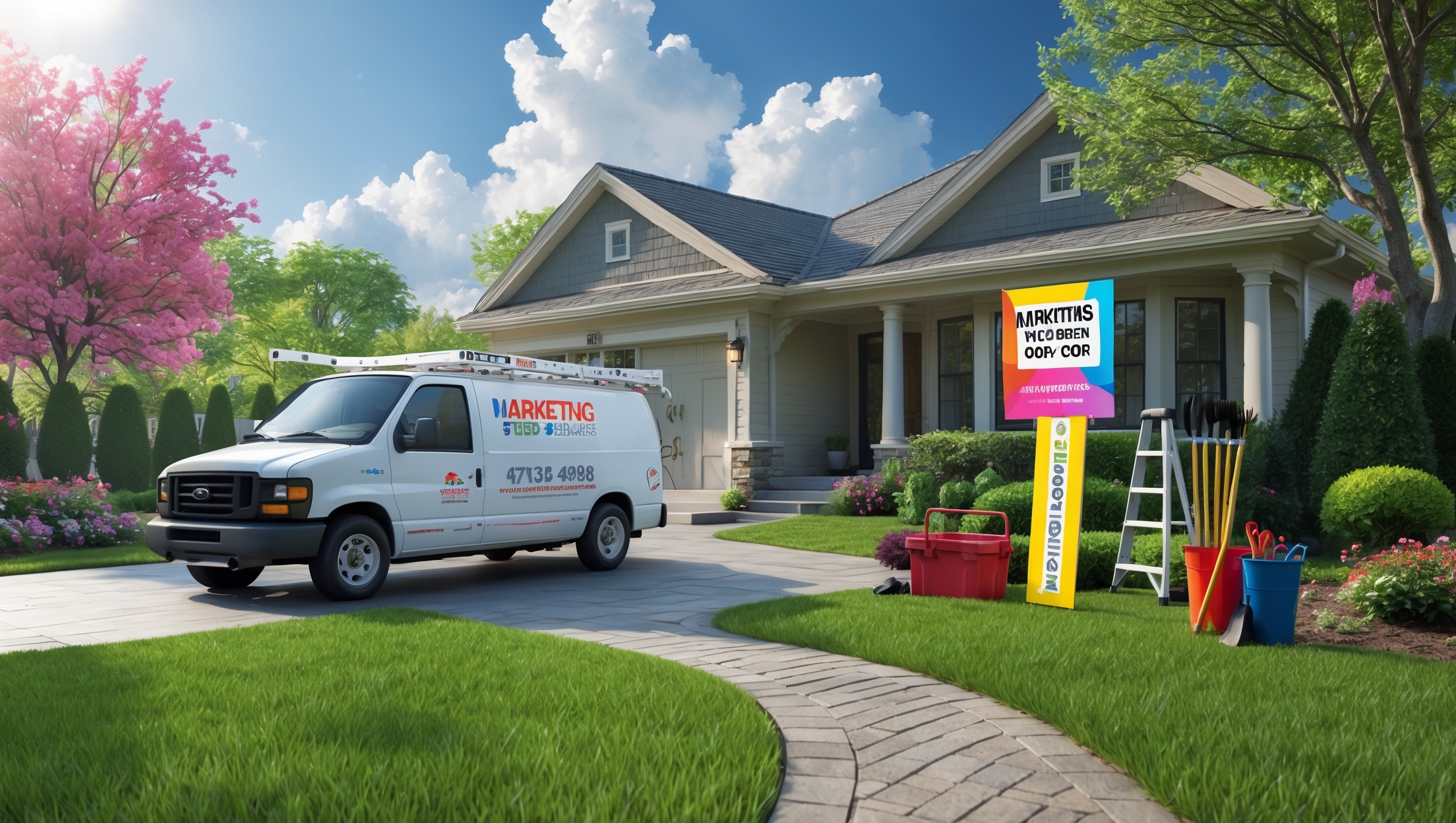
First impressions matter. Invest in a simple, memorable logo, consistent color schemes, and branded uniforms or vehicle wraps. Your trucks, yard signs, and business cards should all reinforce your professional image, making you instantly recognizable in the neighborhood.
Crafting a Compelling Value Proposition
What makes your business different? Maybe it’s your focus on eco-friendly materials, guaranteed timelines, or transparent pricing. Distill your unique selling points into a concise phrase or tagline, and use it consistently across all marketing materials.
Optimizing Your Digital Presence
Google Business Profile (GBP) Mastery
- Claim and Complete Your Profile: Add accurate contact information, service areas, business hours, and high-quality photos of your work.
- Leverage Posts: Share project updates, promotions, or seasonal tips regularly to keep your profile active and engaging.
- Collect and Respond to Reviews: Encourage clients to leave Google reviews, and always reply—thank positive reviewers and address any concerns professionally.
Local Search Engine Optimization (SEO)
- Optimize Your Website: Use location-based keywords (e.g., “kitchen remodeling in [City]”) throughout your site, especially on service pages and in meta descriptions.
- Mobile-Friendly Design: Ensure your site loads quickly and displays well on smartphones—most local searches happen on mobile devices.
- Schema Markup: Add local business schema to your website’s code for better search visibility.
Directory Listings and Review Platforms
- Consistency is Key: Ensure your business name, address, and phone number (NAP) are identical across directories like Yelp, Houzz, Angi, Thumbtack, and HomeAdvisor.
- Monitor and Update: Regularly check listings for inaccuracies and update photos or descriptions as your business evolves.
Winning with Local Advertising
Pay-Per-Click (PPC) Advertising
- Google Local Services Ads: These appear at the very top of search results and are tailored for home service providers. Pay only for qualified leads who contact you directly.
- Geo-Targeted PPC Campaigns: Run Google Ads or Facebook campaigns focused on specific zip codes or neighborhoods for efficient spend and higher conversion rates.
Offline Local Advertising
- Yard Signs: Place branded signs at job sites (with customer permission) to showcase your work and attract neighbors’ attention.
- Community Newsletters: Advertise in local HOA, neighborhood, or city newsletters—either print or email editions.
- Direct Mail: Target postcards or flyers to select neighborhoods, highlighting seasonal offers or showcasing recent projects.
Leveraging Community Engagement
Sponsorships and Events
- Local Sponsorships: Support youth sports teams, school fundraisers, or community festivals to boost your brand’s visibility and goodwill.
- Open Houses and Workshops: Host free home improvement demonstrations or Q&A sessions at local hardware stores, libraries, or community centers.
Networking with Local Businesses
- Cross-Promotions: Partner with realtors, property managers, or complementary trades (e.g., plumbers, electricians) for referral programs or bundled offerings.
- Chamber of Commerce: Join your local Chamber to access networking events, business directories, and community-driven marketing opportunities.
Building Trust and Reputation
Generating and Showcasing Reviews
After each job, politely request a review—offer a QR code on invoices, text clients a review link, or follow up by email. Display testimonials on your website and in marketing materials. Respond promptly to negative reviews, showing professionalism and a commitment to customer satisfaction.
Before-and-After Portfolios
High-quality project photos are powerful social proof. Post before-and-after galleries on your website, social media, and in printed portfolios. Always secure client permission before sharing images of private property.
Maximizing Referrals and Repeat Business
Structured Referral Programs
Offer incentives—such as discounts on future work or small gift cards—for clients who refer friends and neighbors. Track referrals to ensure timely follow-up and reward delivery.
Follow-Up and Seasonal Outreach
Stay in touch with past clients. Send seasonal maintenance reminders, holiday greetings, or anniversary check-ins. Personal touches encourage repeat business and keep your brand top-of-mind.
Social Media for Local Engagement
Choosing the Right Platforms
- Facebook: Join neighborhood groups, post project updates, and participate in local discussions.
- Instagram: Share visually striking project photos and short video tips.
- Nextdoor: Establish a verified business presence and engage with hyperlocal audiences seeking recommendations.
Content That Converts
- Behind-the-Scenes: Show your crew at work, tools in use, or the process of a major upgrade.
- Tips and Quick Fixes: Share short how-tos for common home problems to position yourself as a helpful expert.
- Customer Spotlights: With permission, share stories of satisfied customers and completed projects.
Tracking Results and Adjusting Strategies
Key Metrics to Monitor
- Lead Sources: Ask new clients how they heard about you—track this data to see which channels perform best.
- Website Analytics: Use Google Analytics to monitor traffic, most-visited pages, and conversion rates.
- Advertising ROI: Calculate cost per lead and cost per customer for each marketing channel.
Testing and Refinement
Set aside a small monthly budget to test new tactics—different ad copy, new neighborhoods, or alternative social platforms. Regularly review performance and double down on what works, cutting underperforming efforts.
Budgeting for Local Marketing Success
Setting a Realistic Marketing Budget
Industry benchmarks suggest allocating 5–10% of projected annual revenue to marketing. For a newer business, a higher percentage may be necessary to gain traction. Track all expenditures, from digital ads to print flyers, to ensure you’re investing wisely.
Prioritizing High-Impact Channels
Start with low-cost, high-impact tactics—optimizing your Google Business Profile, building review volume, and leveraging social media. As your budget grows, layer on paid advertising and sponsorships for broader reach.
Common Pitfalls and How to Avoid Them
- Neglecting Online Reviews: Failing to actively manage your reputation can cost you leads.
- Inconsistent Branding: Using different logos or business names confuses customers and weakens your image.
- Overextending Your Service Area: Spreading yourself too thin can increase travel costs and hurt customer satisfaction.
- Ignoring Data: Not tracking results leads to wasted marketing spend.
- Spamming Neighborhood Groups: Aggressive or irrelevant posts can turn off potential clients—focus on helpful, relevant engagement.
Conclusion: Turning Local Marketing Into Long-Term Growth
Local marketing isn’t just about getting your name out there—it’s about forging lasting relationships with your community, building a reputation for quality, and positioning your business as the trusted go-to for home improvement needs. By combining digital tactics with authentic community involvement, you can create a steady pipeline of leads, loyal repeat clients, and a brand that stands out in even the most competitive markets.
Start with the basics: a polished Google Business Profile, strong local SEO, and a professional visual identity. Layer in community engagement, targeted advertising, and a commitment to gathering and showcasing reviews. Monitor your progress, stay adaptable, and never underestimate the power of a well-timed follow-up or a referral from a happy customer.
Remember, successful local marketing is an ongoing process—not a one-time campaign. By investing in the right strategies and focusing on genuine value for your neighbors, you’ll transform your marketing investment into business growth that lasts for years to come. Take action today, measure your results, and watch your home improvement business thrive right where it matters most—at home.
Regarding neighborhoods with older homes, how would you recommend balancing investment in community-based marketing tactics versus digital marketing to get the best return?
For neighborhoods with older homes, a mix of both works best. Focus more on community-based marketing, like sponsoring local events or direct mail, since residents may value personal connections. Use digital marketing to reinforce your brand and reach those searching online. Monitor which tactics bring the most leads and adjust your efforts accordingly.
I’m just starting out as a solo handyman and still working on my brand visuals. How important is it to have a professional logo and website before focusing on the digital marketing strategies discussed here?
A professional logo and website help you look credible, but you don’t need them to get started. You can begin with digital marketing using simple tools like a basic social media page or free website builder, then upgrade your visuals as your business grows. The most important thing at first is getting your name out and building trust locally.
If I’m just starting out and have a limited budget, which digital marketing tactic from your guide would you prioritize first to get the best return in a small town?
Given your limited budget and small town setting, focus first on setting up a free Google Business Profile. This boosts your visibility in local searches and maps. Encourage satisfied customers to leave reviews there—word of mouth and online testimonials can quickly build trust locally without costing much.
If you’re just getting started and have a limited marketing budget, which of the strategies from the guide would you prioritize first to start generating leads quickly?
If your budget is tight, focus on claiming your Google Business Profile, asking happy clients for reviews, and networking locally with other businesses. These strategies are low-cost, help you get found in local searches, and can quickly build trust with potential customers.
You mention using demographic data to research my service area, but how do I actually access and interpret the data from the Census Bureau or Chamber of Commerce as a small business owner just starting out?
You can access Census Bureau data by visiting their website and using their search tools to filter information by location, age, income, or housing stats. For Chamber of Commerce data, contact your local chapter—they often have reports or summaries. Focus on key info like population size or household income to better understand your target market.
Could you explain more about how to tailor services for seniors wanting accessibility upgrades? Are there specific marketing messages that work well for that group, or is it just about listing those services?
To connect with seniors seeking accessibility upgrades, highlight safety, comfort, and independence in your messaging. Use clear language about specific modifications like grab bars, ramps, and walk-in showers. Sharing testimonials or photos of previous senior projects can build trust. It’s more effective than simply listing services, since it addresses their needs and concerns directly.
You mention using demographic data from sources like the Census Bureau to research the local market. How detailed does this research need to be before you actually see results, and are there any shortcuts for solo contractors with limited time?
You don’t need extremely detailed data to get results—basic information like age ranges, household income, and homeownership rates in your area can guide your marketing efforts. For time-saving, focus on free online tools like city-data websites or neighborhood demographic summaries instead of sifting through full census reports.
Could you give some examples of budget-friendly ways to establish a professional visual identity, especially for solo handymen just starting out?
Absolutely! You can create a simple, clean logo using free tools like Canva, then use that design on business cards, invoices, and work shirts. Stick to a couple of consistent colors and fonts to build recognition. You can also print your logo onto magnetic signs for your vehicle, which is affordable and looks professional.
When you mention using demographic data and local resources to research the service area, do you have any tips on narrowing it down efficiently without getting overwhelmed by all the info available?
To avoid overwhelm, start by focusing on just a few key demographic factors—like age, household income, and homeownership rates—in your area. Use tools like census data or local government websites, and map out neighborhoods that best match your ideal customer profile. This keeps your research manageable and targeted.
You talk about building a strong local brand for home improvement businesses. Do you have any cost-effective tips for creating a professional visual identity if I’m just starting out and working with a tight budget?
Consider using free or low-cost design tools like Canva to create your logo and business materials. Choose two to three brand colors and one or two fonts to use consistently across your website, flyers, shirts, and vehicles. Simple, clean designs look professional and help people remember your brand.
When tailoring marketing messages for different segments, like seniors versus first-time homeowners, what are some strategies to avoid spreading your efforts too thin?
Focus on your highest-potential segments first and create a few core messages that can be slightly tweaked for each group. Use templates to save time, and prioritize marketing channels where those segments are most active. This approach avoids overextending while still delivering relevant content.
If my budget is limited, should I prioritize building a professional visual identity first, or focus on digital marketing tactics to reach local customers quickly?
With a limited budget, it’s usually best to focus first on digital marketing tactics that directly reach local customers, like optimizing your Google Business profile or using social media. You can gradually build a professional visual identity as your business grows and gains more clients.
If my main clients are busy professionals who usually prefer everything handled online, would digital marketing be more effective than community-based tactics, or should I try a mix of both?
Since your clients value convenience and prefer online interactions, digital marketing should be your primary focus. However, a mix can be even more effective—complement your digital presence with select community tactics, like sponsoring local online events, to build trust and visibility without requiring in-person engagement.
Is there any advice in the guide on how to handle negative experiences or bad reviews in local reputation management? I worry one bad review could really impact my business.
The article does mention addressing negative reviews as part of local reputation management. It suggests responding promptly and professionally to any criticism and using feedback to improve your service. Showing you care about customer concerns can actually boost your credibility and help minimize the impact of a single bad review.
Have you found certain online tools more helpful than others for researching demographic info about your local market, especially for smaller towns where data can be limited?
For smaller towns, I’ve found that tools like Facebook Audience Insights and the US Census Bureau’s QuickFacts are particularly useful for demographic research. Local government websites and chambers of commerce can also provide helpful insights when data from larger platforms is scarce.
Does tailoring your marketing to busy professionals require different messaging than targeting seniors or first-time homeowners, and if so, what are some specific examples of how that might look?
Yes, tailoring your marketing does require different messaging for each group. For busy professionals, highlight quick, hassle-free service and flexible scheduling. For seniors, focus on safety, comfort, and reliability. With first-time homeowners, emphasize guidance, affordability, and helping them navigate the improvement process. Each group values different benefits, so adjust your approach accordingly.
When tailoring marketing messages for different customer profiles, do you suggest creating separate ads and materials for each group, or is there an efficient way to address multiple segments at once?
Creating separate ads for each customer profile usually leads to more effective messaging, as each group feels directly addressed. However, you can also design core materials with adaptable sections or messaging blocks that highlight different needs, allowing you to efficiently customize content for multiple segments without starting from scratch each time.
If I’m just starting out and have a limited budget, which local marketing tactic from your guide would you prioritize first to see the quickest return on investment for a solo handyman?
Focusing on setting up a Google Business Profile should be your first step. It’s free, helps you appear in local searches, and allows customers to leave reviews, which builds trust quickly. This can generate leads faster than most paid advertising when you’re just starting out.
When you talk about defining an ideal customer profile, how often should I revisit and adjust this as my business grows or as neighborhood trends shift?
It’s smart to revisit your ideal customer profile at least once or twice a year. You should also consider updating it whenever you notice significant changes in your business, local competition, or neighborhood demographics. Adjusting regularly helps you stay relevant and target the right clients as trends evolve.
You mention tailoring messaging to different customer types like seniors or busy professionals. How do I figure out which group to focus on if my area has a mix of both?
Start by analyzing your past clients and seeing which group tends to hire your services more often. You can also look at local demographic data or even send out a brief survey to gauge interest. Testing ads or offers aimed at each group can help you see which messages get more responses before you commit to one focus.
If I’m just starting out as a handyman on a small budget, what are some local marketing tactics from your guide that are most cost-effective and don’t require a huge time commitment?
Flyer distribution, leveraging free local online classifieds, and asking satisfied clients for word-of-mouth referrals are all low-cost and not too time-intensive. Setting up a free Google Business Profile also helps locals find you easily without a big investment of time or money.
Could you give examples of practical ways to balance marketing investment if you’re just starting out with a tight budget? I want to make smart choices but avoid overspending.
Focus on affordable, high-impact marketing like setting up a free Google Business Profile, using local Facebook groups to showcase your work, and asking satisfied clients for referrals. Print simple flyers for local bulletin boards and prioritize word-of-mouth. Track which methods bring in leads so you know where to spend a bit more in the future.
If my budget is limited, which should I prioritize first to build credibility—professional branding or improving my digital marketing presence?
With a limited budget, focus first on improving your digital marketing presence. This includes setting up a professional website and maintaining active social media profiles, which helps you reach local customers and showcase your work. You can gradually enhance your branding as your business grows.
You mention using demographic data and tools like the Census Bureau to research your local market. Do you have any tips on narrowing down which neighborhoods might actually be worth targeting first if you’re just starting out?
Start by identifying neighborhoods with a high concentration of your ideal customer profile, such as homeowners in specific age or income brackets. Look for areas with older homes that may need improvement, or check recent home sales data for active markets. Local real estate agents and city planning departments can also provide helpful neighborhood insights.
If my budget is tight, which digital marketing tactic outlined in your guide offers the best return on investment for home improvement services just starting to build a local brand?
Focusing on optimizing your Google Business Profile is the most cost-effective tactic mentioned. It’s free to set up, helps your business appear in local searches, and allows you to collect reviews—all of which build local trust and visibility without the need for a big budget.
What are some effective ways to stand out if there are already established home improvement contractors in my area using similar branding and messaging?
To stand out, focus on building relationships through personalized customer service, feature unique project stories or before-and-after photos, and gather strong reviews from satisfied clients. You can also offer special guarantees, flexible scheduling, or free consultations to differentiate your services from established competitors.
If I’m just starting out and have a limited budget, which of the digital or community-based strategies you discuss tends to give the fastest returns for home improvement services?
For quick returns on a tight budget, focus on building a Google Business Profile and asking satisfied clients for reviews, as well as participating in local community Facebook groups. Both approaches help you get noticed fast by people nearby who are actively looking for home improvement services.
When tailoring marketing for busy professionals versus seniors, do you suggest different advertising channels, like social media versus community bulletins, or should the messaging just change?
It’s best to adjust both the channels and the messaging. Busy professionals often respond well to digital marketing like social media and targeted ads, while seniors may be more receptive to community bulletins, local newspapers, or direct mail. Tailoring both where and how you communicate will make your outreach more effective.
If I’ve mostly relied on word-of-mouth and now want to try digital marketing, what is the first step you recommend for a home improvement pro with a limited budget?
Start by creating a free Google Business Profile. This helps your business appear in local searches and Google Maps when people look for home improvement services. Complete your profile with photos, service details, and encourage happy clients to leave reviews—it’s effective and doesn’t cost anything.
When researching the local market, how often should demographic data and neighborhood trends be reviewed to keep marketing strategies up to date?
It’s a good idea to review demographic data and neighborhood trends at least once or twice a year. However, if you notice rapid changes in your area, such as new developments or shifting populations, you may want to check quarterly to keep your marketing strategies relevant.
If I have a really limited marketing budget, which digital tactic mentioned in the guide should I try first to get noticeable leads in my area?
With a limited budget, starting with Google My Business is your best bet. It’s free, helps your business show up in local searches, and lets customers find and contact you easily. Make sure your profile is complete and regularly updated for best results.
When defining an ideal customer profile, do you recommend focusing on just one target group, or is it better to tailor marketing for multiple audiences at once?
It’s usually best to start by focusing on one ideal customer group to refine your message and strategy. Once you have success with that audience, you can expand and tailor your marketing to additional groups as needed. This helps ensure your efforts are targeted and effective.
How do I figure out which neighborhoods are best to target if I’m just starting out and don’t have a lot of previous clients to go by?
Start by researching local neighborhoods with older homes or growing families, as they often need upgrades. You can also check community boards, local Facebook groups, and real estate listings to spot areas where people are actively moving in or renovating. Talking to local realtors can provide helpful insights too.
Could you elaborate on which digital marketing platforms have proven most effective for home improvement services, especially when starting with a limited budget?
For home improvement services on a limited budget, Facebook and Instagram are very effective because they allow highly targeted local ads. Google My Business is also free and helps boost local search visibility. Combining these with some basic local SEO can deliver strong results without large upfront costs.
When researching local markets using demographic data, how specific should I get with neighborhoods, and are there affordable tools for someone just starting out?
It’s helpful to get as specific as possible with neighborhoods, since local trends can vary widely even within a city. For affordable tools, try free resources like the U.S. Census Bureau website, local government data portals, or Google Trends. These can give you valuable insights without needing a big budget.
If my marketing budget is pretty limited, which of your recommended strategies should I prioritize first to get the best return in the short term?
With a limited budget, focus first on optimizing your Google Business Profile and asking satisfied customers for reviews. Also, post regularly on local community Facebook groups and encourage word-of-mouth referrals. These approaches require little to no cost and can quickly boost your local visibility.
I focus mostly on basic repairs for first-time homeowners, but sometimes get requests for larger remodels. Should I adjust my marketing to appeal to both groups, or is it better to stick with one ideal customer profile as recommended here?
If most of your business comes from basic repairs, it’s wise to center your marketing on that audience. However, you can mention your capability for larger remodels as a secondary offering, so you attract the right leads without diluting your main message.
When tailoring your messaging for different customer profiles, like seniors versus busy professionals, what are some examples of messaging or offers that have worked best for you locally?
For seniors, messaging that highlights reliability, safety upgrades, and easy scheduling tends to resonate, such as offering free safety assessments. For busy professionals, emphasizing fast turnaround, flexible appointment times, and minimal disruption works well—special offers like weekend or after-hours service are popular with this group.
Can you share some examples of how to tailor my service offerings for seniors versus busy professionals, as suggested in the article?
Absolutely! For seniors, you might offer accessible bathroom remodels, grab bar installations, or easy-entry ramps. For busy professionals, consider quick turnaround services, evening or weekend appointments, and streamlined digital estimates. Highlighting these tailored options in your marketing can help attract each group more effectively.
Could you share some examples of how home improvement businesses have successfully used community-based tactics to get noticed locally? I’m curious which approaches work beyond word-of-mouth.
Home improvement businesses often sponsor local sports teams, host DIY workshops at community centers, or participate in neighborhood clean-up events. These activities boost visibility and build trust with residents. Another effective approach is collaborating with other local businesses for cross-promotions or offering exclusive discounts at community fairs.
Once I figure out my ideal customer, what’s the best way to actually reach them in my community—should I focus more on online ads or connecting with local organizations?
Both online ads and connecting with local organizations can be effective, but the best approach often combines them. Start by engaging with local organizations to build trust and referrals. At the same time, use targeted online ads—like Facebook or Google—focused on your area to reach people actively searching for your services.
You mention using demographic data from sources like the Census Bureau and Chamber of Commerce. What’s the most important info to look at if I’m just starting out and want quick wins?
If you’re just starting out, focus on basic demographics like age, household income, and home ownership rates in your area. These will help you identify neighborhoods with potential customers who are more likely to need and afford home improvement services.
The article talks about using tools like the Census Bureau and local Chamber of Commerce to understand the market. Do you have any advice for someone with a tight budget who can’t afford paid data or marketing software?
Absolutely! Free resources like the Census Bureau and your local library are great for understanding your area. Also, networking at community events, chatting with other local business owners, and using free social media tools can provide valuable insights into your local market without any cost.
The article talks about building credibility and managing your reputation. What’s the best way to handle a negative online review from a local client without hurting my business’s image?
Respond to the negative review promptly and politely, thanking the client for their feedback. Acknowledge their concerns, apologize if appropriate, and offer to resolve the issue offline. This shows future clients that you care about customer satisfaction and handle criticism professionally.
For someone just starting out as a solo handyman, do you have any tips on how to use demographic data effectively if I don’t have a big marketing budget?
You can use free tools like US Census data or local government websites to learn about neighborhood age groups, homeownership rates, and typical property ages. Focus your flyers or ads in areas with older homes or a higher percentage of homeowners, since they’re more likely to need handyman services.
I’m curious how to balance investing in a professional visual identity with more direct community-based tactics if you have a small marketing budget. Which should come first for someone just getting started?
If you’re just starting out with a limited budget, focus first on direct community-based tactics like local networking, word-of-mouth, and in-person events. As you gain traction and some clients, you can gradually invest in a professional visual identity to reinforce your reputation and attract more business.
You mention using demographic data like homeownership rates and income levels to define a target market—do you have recommendations for the most actionable sources or tools to get this info besides the Census and Chamber of Commerce?
Absolutely—try using online platforms like DataUSA, City-Data, and NeighborhoodScout for local demographic insights. Real estate websites such as Zillow and Redfin often provide area-specific data, and some social media ad platforms offer built-in audience analytics that can help refine your target market.
Investing in a professional visual identity sounds important. For someone just starting out with a limited budget, what branding elements would you recommend prioritizing first to make the strongest local impression?
With a limited budget, focus first on a clear, memorable logo and consistent color scheme for your business. Pair these with simple, professional signage and branded business cards. These essentials will help you look credible and recognizable in your local community from the start.
When you’re researching your local market, how do you actually approach getting useful data from local Chamber of Commerce resources? Is it as straightforward as calling them up, or are there specific reports I should request for the home improvement industry?
When reaching out to your local Chamber of Commerce, you can definitely call or email them to start. Ask if they have recent reports or data on home improvement businesses, such as local market trends or business directories. Some Chambers also host networking events or workshops where you can gather valuable insights from industry peers.
Once I identify my target neighborhoods and customer types, what are a few concrete first steps I should take to actually get my name out in the community without spending a ton of money?
After pinpointing your target neighborhoods and ideal customers, start by networking at local events and joining community groups—these often have low or no cost. Distribute flyers or business cards at local stores and bulletin boards. Also, ask satisfied customers for referrals and consider offering a small incentive for word-of-mouth recommendations.
You recommend building a professional visual identity. For a small home improvement business just starting out, what are the most important visual elements to invest in first without overspending?
Start with a clean, memorable logo and a consistent color scheme—you can use online tools or affordable designers for these. Be sure your business cards, flyers, and social media profiles all use these visuals. High-quality before-and-after photos of your work are also worth investing in early.
When defining an ideal customer profile, do you recommend focusing on just one group, like seniors needing accessibility upgrades, or is it more effective to target several types of clients at once?
Focusing on one specific group, like seniors needing accessibility upgrades, can help you tailor your marketing and services more effectively, making it easier to stand out. However, if you have the resources, targeting a few related groups is possible, as long as you customize your messaging for each audience.
You mention maximizing marketing investment—what’s a realistic budget range for a new home improvement business just starting with digital and community-based tactics?
A realistic starting budget for a new home improvement business focusing on digital and community-based marketing is typically between $500 and $2,000 per month. This covers basics like social media ads, local sponsorships, printed flyers, and a basic website. You can adjust upward as your business grows and you track results.
You mentioned tailoring service offerings to different customer profiles, like seniors or first-time homeowners. How do you recommend testing which messaging resonates best with my area before investing heavily in marketing materials?
To test messaging, try running small-scale ads online or distributing flyers with different versions. Track which ones generate the most responses or leads. You could also ask recent customers what caught their attention, or use social media polls to gauge interest before committing to a larger marketing push.
The article mentions using demographic data from sources like the Census Bureau to understand your local market. Can you give an example of how you would actually apply that information when deciding where to focus your marketing efforts?
Suppose Census data shows a neighborhood has a high percentage of homeowners aged 35–50 with growing families. You could focus your marketing there, highlighting services like kitchen or bathroom remodels, since those are common needs for that demographic. This helps ensure your efforts target areas most likely to need your services.
When building a strong local brand, how do you balance investing in professional visual identity with keeping marketing expenses manageable for a small business?
You can balance costs by starting with essential branding elements like a simple, memorable logo and consistent color scheme. Use affordable online design tools or freelance designers for these basics. As your business grows, you can gradually invest more in professional branding without straining your budget.
When identifying your ideal customer, how granular should I get with my target profile? Is it better to focus narrowly, like just seniors needing accessibility upgrades, or try to appeal to several groups at once?
Focusing on a specific group, like seniors needing accessibility upgrades, often helps you tailor marketing more effectively and stand out in that niche. However, if you have the resources, you can create targeted messages for a few key groups. Just avoid going too broad, which can dilute your efforts.
If I want to focus on busy professionals who need full-service remodels, what’s the best way to figure out where they live and what messaging will really appeal to them locally?
Start by researching neighborhoods with higher-income demographics and newer developments, as busy professionals often live there. Use local census data or neighborhood reports to pinpoint these areas. For messaging, emphasize convenience, time-saving solutions, and seamless project management, highlighting how your service lets them enjoy results without disrupting their schedules.
If I mostly do handyman services for busy professionals, how should I tailor my marketing to stand out from bigger remodeling companies in my area?
Focus your marketing on convenience and flexibility, highlighting how your services save busy professionals time and hassle. Emphasize quick response times, small job expertise, and personalized service. Consider sharing testimonials from other professionals and offering online booking or evening appointments to suit their schedules.
Could you expand on how to define an ideal customer profile in a mixed community where there are both new developments and older homes? Should the marketing strategy target both, or is it better to specialize?
In a mixed community, start by segmenting your ideal customer profiles for both new developments and older homes—each has different needs and budgets. You can market to both groups, but tailor your messaging and services to address their specific concerns. Specializing in one may establish niche expertise, but serving both widens your market reach.
You mention the importance of building a professional visual identity. Do you have any tips for creating a budget-friendly brand image if I’m just starting out and can’t invest much?
You can start by choosing two or three consistent colors and fonts for all your materials, which you can find for free online. Use simple online tools to design a clean logo, and take well-lit photos of your work to showcase your professionalism. Keeping your style consistent across flyers, social posts, and business cards helps make your brand memorable, even on a tight budget.
If my main customers are first-time homeowners, are there specific messaging tips in the article that help stand out to them compared to older homeowners or people looking for big remodels?
Yes, the article suggests focusing your messaging on guidance, affordability, and simplicity, which resonates well with first-time homeowners. Highlight how your services help them avoid common pitfalls, offer easy-to-understand solutions, and provide value without overwhelming costs. This is different from targeting experienced homeowners, who may seek more complex or luxury upgrades.
If most of my clients come from word-of-mouth but I want to start digital marketing, which platform would be the best initial investment for a small-budget handyman service?
For a small-budget handyman service, starting with a Facebook Business Page is a smart move. It’s affordable, lets you target local customers, and helps you collect reviews. You can also join neighborhood groups to promote your services and build trust online.
Do you have any specific recommendations for effectively identifying neighborhoods with the highest demand for home improvement services, especially when demographic data from public sources seems outdated or limited?
One effective approach is to monitor local real estate listings and recent sales, since active buying and selling often indicate homeowners ready to invest in improvements. You can also network with local realtors and home inspectors, who may have up-to-date insights on neighborhoods with older homes or high turnover.
Could you give some examples of how to approach homeowner associations when trying to market home improvement services locally? I’d like to understand what works best for building relationships with HOAs.
Start by attending HOA meetings to introduce yourself and learn about their needs. Offer to give short presentations or workshops on maintenance topics relevant to homeowners. Provide references from other local clients and be clear about your services and reliability. Consistent follow-up and offering exclusive discounts for HOA members can also help build trust and long-term relationships.
The article mentions using digital approaches and community-based tactics—do you find one tends to give better results for smaller businesses just starting out, or should both be used from the beginning?
Both digital and community-based tactics can be valuable, especially for small businesses launching locally. Digital marketing helps you reach people searching for services online, while community involvement builds trust and word-of-mouth. Starting with a mix of both typically gives you broader exposure and a stronger local presence.
How much of a marketing budget should a solo handyman expect to set aside if they want to build a strong local brand as you described?
A solo handyman should expect to set aside about 5% to 10% of their projected annual revenue for marketing. For example, if you plan to make $50,000 in your first year, budgeting $2,500 to $5,000 is a solid start. This covers essentials like a website, local ads, branded materials, and occasional promotions.
When tailoring service offerings to attract specific customers, such as seniors needing accessibility upgrades versus busy professionals wanting full remodels, what are some effective ways to adjust messaging without alienating other potential clients in the area?
You can highlight the unique benefits of each service for its target audience while using inclusive language. For example, emphasize comfort and safety for seniors or convenience and modern design for professionals, but always mention your flexibility and expertise to serve a range of needs in your area.
I just started my own handyman business and I’m not sure how to actually find reliable demographic data for my small suburb. Do you have any tips or examples of how to use those Census or Chamber of Commerce resources effectively?
To find local demographic data, visit the U.S. Census Bureau website and search for your suburb by name or ZIP code—look for data on age, income, and home ownership. Also, contact your local Chamber of Commerce; they often have reports or can point you to neighborhood profiles, helping you target your marketing effectively.
When you mention investing in a professional visual identity, what kind of budget should someone new to the home improvement business set aside for things like logos or branded materials?
For someone just starting out, you can expect to spend between $300 and $1,000 on a professional logo and basic branded materials. This range covers working with a freelance designer or a small agency for quality results without overspending early on.
I’m just starting out and trying to identify my ideal customer. How do I figure out where the older homes are in my area that might need more repairs or upgrades?
You can identify areas with older homes by checking online property records or your county assessor’s website, which often lists the year homes were built. Driving or walking around neighborhoods and looking for established, mature areas can also help. Local real estate agents or neighborhood Facebook groups might offer insights about parts of town with older housing stock.
When researching local demographics, how can a small home improvement business make sense of all the data from sources like the Census Bureau without getting overwhelmed or missing important trends?
Start by focusing on a few key data points relevant to your services, such as age groups, income levels, and homeownership rates. Use free tools or spreadsheets to organize this data. Look for patterns or changes over time, and revisit your findings regularly to spot new trends without getting lost in too much information.
For someone with a limited marketing budget, which of the digital or community-based strategies in your guide tends to give the fastest return on investment in a typical suburban neighborhood?
For a limited budget in a suburban area, door-to-door flyer drops and posting in local community groups on social media usually provide the quickest ROI. Both methods directly reach nearby homeowners who are most likely to need your services, often leading to inquiries within days.
If I have a tight marketing budget, which of the digital and community-based strategies you mention would be most effective to prioritize for someone just getting started?
With a limited budget, prioritize setting up a free Google Business Profile and engaging in local social media groups to boost visibility. Also, attend or volunteer at community events to network directly. These strategies require minimal spending but can quickly connect you with local customers.
When researching my local market, how can I actually find out which neighborhoods have older homes or more active homeowner associations? Are there specific tools that make this easier for a DIYer just starting out?
You can check local property tax records, Zillow, or Realtor.com to spot older homes by build year. For homeowner associations, your city or county website often lists neighborhoods with HOAs. Social sites like Nextdoor can also help you identify active communities by their discussion activity.
The article mentions targeting neighborhoods with older homes for upgrades. Do you have any tips on connecting with active homeowner associations in those areas to promote my services?
Connecting with homeowner associations (HOAs) often starts with reaching out to their leadership, such as the president or board members. You can attend HOA meetings as a guest, offer to sponsor community events, or provide informational seminars on home improvements. Personalizing your approach and offering value to their residents helps build trust and visibility for your services.
When you talk about using demographic data to identify neighborhoods or target customers, how often should we revisit or update this data to stay relevant in a changing local market?
It’s a good idea to review and update your demographic data at least once a year, or whenever you notice shifts in your customer base or local trends. Major local developments or changes in population patterns may also signal that it’s time to refresh your data sooner.
If I’m just starting out and don’t have much budget for marketing, which of the strategies you discuss would give the best results for someone focused on a single neighborhood?
Focusing on word-of-mouth marketing and building relationships with local residents can be very effective on a small budget. Attend neighborhood events, join local social media groups, and ask satisfied clients for referrals or testimonials. Distributing simple flyers or door hangers in your target area is also affordable and helps build familiarity in the community.
The article mentions using demographic data and local resources like the Chamber of Commerce for market research. Do you have any tips on how to actually access or interpret that kind of data if you’re just starting out?
You can start by visiting your local library or Chamber of Commerce to request demographic reports or community profiles. Many cities publish this data online, too—look for census information or economic development pages. When interpreting the data, focus on age groups, household income, and property types in your area to target your marketing more effectively.
For someone just starting out as a solo handyman, how much budget and time should I realistically expect to spend implementing digital marketing versus community-based tactics in the first year?
For your first year as a solo handyman, expect to spend around 5–10 hours a week on marketing. Budget-wise, digital marketing could range from $500 to $2,000 for basics like a simple website and local ads. Community-based tactics, such as flyers and networking events, might cost $200 to $800. Splitting your efforts between both is often most effective.
If I’m targeting neighborhoods with older homes, what are some good ways to connect with those homeowners directly before big renovations season starts?
To connect with homeowners in neighborhoods with older homes, consider hosting a free home maintenance seminar or offering a seasonal inspection. You can also send personalized mailers highlighting your experience with older properties, or partner with local community groups to reach residents before renovation season kicks off.
When researching local demographics for home improvement marketing, have you found any particular data points—like home age or homeowner association activity—that consistently lead to higher conversion rates?
Home age is definitely a strong indicator—older homes often need more repairs or upgrades, so targeting neighborhoods with older properties can boost conversion rates. Homeowner association activity is helpful too, as active HOAs may mean more potential for renovation guidelines or group projects. Also, property value trends and household income levels can further refine your targeting.
For local market research, how granular should we get with demographic data before launching a campaign? For example, is neighborhood-level information usually effective, or do most pros go even deeper?
Neighborhood-level demographic data is usually effective for most local home improvement campaigns, as it helps you tailor messages and offers to local preferences. Some pros go deeper, like targeting specific streets or subdivisions, but this is most useful for highly specialized services or areas with clear distinctions in housing type or income.
If I’m on a tight budget and can’t invest a lot in branding right now, what’s the most essential step to make my home improvement business look professional locally?
Focus on creating a clean, easy-to-read business card and a simple, professional-looking online presence—like a basic website or updated social media page. These are affordable ways to build credibility and make a strong first impression in your local area.
Have you found any particular tools or methods from the ones mentioned, like the Census data or Chamber of Commerce resources, to be more useful when researching local market demographics for home improvement services?
The Census data tends to be especially useful for understanding local market demographics, as it provides detailed population, income, and housing statistics. Chamber of Commerce resources are great for networking and business development, but for pure demographic research, Census data is generally more comprehensive and actionable.
Could you give some examples of how to use demographic data, like age or homeownership rates, to decide which neighborhoods I should target for my handyman services?
You can look for neighborhoods where most residents are homeowners rather than renters, since homeowners are more likely to invest in handyman services. Also, target areas with a higher percentage of older residents who may need help with maintenance tasks. Local census data or real estate reports can help you identify these neighborhoods.
I see you recommend investing in a professional visual identity early on. If I’m just starting and on a tight budget, what are the basic branding materials I should prioritize first for my home improvement business?
If you’re starting with a limited budget, focus on a simple, memorable logo, business cards, and clearly branded uniforms or vehicle decals. These essentials help you look professional and build recognition without a large upfront investment.
When targeting busy professionals versus seniors for home improvement services, are there specific local marketing tactics that work better for each group?
Yes, busy professionals often respond well to digital ads on social media, search engines, and local business websites since they are usually online and value convenience. For seniors, direct mail, local print ads, and community events or sponsorships can be more effective, as these channels are often more familiar and trusted by that demographic.
I’d love some examples of how to use local Chamber of Commerce resources to find potential clients for a small home improvement business. Are there specific types of events or directories to focus on?
Joining your local Chamber of Commerce is a great move. Attend business networking events and expos they host to meet homeowners or realtors. Check if the Chamber offers an online member directory—often, you can be listed and search for local businesses to partner with. Consider sponsoring or presenting at Chamber workshops for added visibility.
Could you elaborate on how to tailor your messaging to different customer profiles, such as busy professionals versus seniors looking for accessibility upgrades?
To tailor your messaging, address the specific needs of each group. For busy professionals, highlight convenience and time-saving services, and offer flexible scheduling. For seniors, focus on safety, comfort, and how your upgrades make daily life easier. Use language and examples that reflect each group’s lifestyle and priorities.
When researching local demographics, have you found any tools besides the U.S. Census Bureau or Chamber of Commerce that give more up-to-date info for small towns?
Yes, for small towns, you can try using local government websites, school district reports, or real estate platforms, as they often have recent demographic data. Social media insights and local economic development agencies may also publish current trends and stats specific to your area.
The article talks about tailoring services to your ideal customer, like seniors who need accessibility upgrades. Do you recommend highlighting these specialties up front in ads, or focusing on being a generalist at first?
Highlighting your specialties up front is usually more effective, especially if you want to attract specific customers like seniors needing accessibility upgrades. This makes your ads stand out to those who need exactly what you offer. If you also serve a broader audience, you can mention your general services as a secondary point.
If my marketing budget is pretty limited, which strategy from your guide would give me the best results quickly when trying to reach local homeowners?
With a limited budget, focusing on Google My Business is your best bet. Optimizing your profile and collecting reviews can quickly boost your visibility in local searches, helping local homeowners find you without heavy advertising costs.
You mention using demographic data and tools like the U.S. Census Bureau to research neighborhoods. Could you give an example of how a small business owner would actually apply that info to target the right local customers?
A small business owner might use Census data to find neighborhoods with a high percentage of homeowners in their target age or income range. With that info, they can focus flyers, ads, or mailers on those areas specifically, increasing the chances of reaching people most likely to need and afford their services.
If my service area has several active homeowner associations, what are the most effective ways to partner with them for local marketing?
To partner with homeowner associations, consider offering exclusive discounts for their members, sponsoring HOA events, or presenting at meetings on home improvement topics. Building relationships with HOA boards can lead to referrals, so maintain open communication and provide professional materials to share with residents.
When targeting neighborhoods with active homeowner associations, are there special considerations or restrictions for marketing home improvement services, like flyers or mailers?
Yes, neighborhoods with homeowner associations (HOAs) often have specific rules about marketing. Some HOAs restrict or prohibit door-to-door flyers, signage, or solicitation. Before distributing flyers or mailers, check the HOA’s guidelines or contact the association directly to ensure your marketing complies with their policies.
When considering branding investments, how do you recommend balancing the cost of professional visual identity work with other local marketing tactics for a new home improvement business?
It’s wise to set a clear budget for branding at the start. Invest enough in professional visuals to look credible and memorable, but don’t overspend. Balance this by allocating funds to proven local tactics like community events, flyers, and local ads—these often bring immediate leads while your brand builds recognition.
How can I tailor my services and messaging to different customer types, like seniors versus first-time homeowners, without making my home improvement business seem confusing or scattered?
You can tailor your services and messaging by creating specific packages or promotions for each customer type, like safety upgrades for seniors or budget-friendly renovations for first-time homeowners. Keep your overall branding consistent, but use targeted ads, website sections, and brochures to speak directly to each group’s needs.
If my marketing budget is limited, would you say it’s better to focus on improving my online presence first, or should I prioritize community-based tactics like sponsoring local events? How have you seen the ROI compare between these two approaches?
With a limited budget, focusing on your online presence—like optimizing your website and local listings—often gives better ROI because it’s more cost-effective and scalable. Community-based tactics like sponsoring local events can build trust, but they usually require more upfront investment for smaller, localized exposure.
When tailoring services to first-time homeowners versus seniors, do you recommend separate marketing campaigns for each group, or is it better to keep the messaging unified and broad?
It’s more effective to create separate marketing campaigns for first-time homeowners and seniors. Each group has unique needs and concerns, so tailored messaging will resonate better and help you address what matters most to them, leading to higher engagement and better results.
When you talk about tailoring messaging to specific audiences like first-time homeowners or seniors, could you share examples of what that might look like in practice for a handyman service?
For first-time homeowners, your message could highlight help with basic repairs, home safety checks, or affordable maintenance packages. For seniors, focus on services like accessibility modifications, grab bar installation, or seasonal maintenance to make staying at home easier and safer. Personalizing your messaging to address each group’s unique needs makes your service feel more relevant and helpful.
If I’m just starting out and my branding is pretty basic right now, what’s the most important thing to focus on first—upgrading my visual identity or improving my messaging for my target neighborhood?
Focus first on clarifying and improving your messaging for your target neighborhood. Clear messaging helps people understand what you offer and why they should choose you. Once your message resonates locally, you can gradually enhance your visual identity as your business grows.
You mentioned using demographic data like homeownership rates and city resources to identify target neighborhoods. Can you elaborate on practical ways to gather and interpret this data for a small business without much experience in market research?
Start by checking local government or city websites, which often publish housing and demographic stats. You can also use free tools like the U.S. Census Bureau’s online database. Look for areas with high homeownership rates and active neighborhood associations. Comparing these neighborhoods will help you focus your marketing efforts where potential clients are most concentrated.
When tailoring my marketing for different neighborhoods, how much should I adjust my messaging between areas with old homes versus new developments? Is it better to focus on one segment or try to appeal to several at once?
Adjusting your messaging is important—older neighborhoods may value restoration and preserving character, while newer developments might be more interested in customization or upgrades. Focusing on one segment can build strong expertise, but targeting several neighborhoods is effective if you tailor your approach to each, highlighting benefits that matter most to those homeowners.
If I have a limited marketing budget, which of the digital and community-based tactics mentioned would you recommend prioritizing to maximize local visibility as a remodeling contractor?
With a limited budget, focus first on optimizing your Google Business Profile and encouraging satisfied clients to leave online reviews. These are cost-effective ways to boost local online visibility. For community tactics, participate in local events or sponsor a neighborhood activity, as these offer strong exposure without a large investment.
The article mentions tailoring messaging to specific groups like seniors or new homeowners. How do you recommend figuring out which local neighborhoods fit each of those profiles without spending a ton of time on research?
You can use free online resources like the U.S. Census Bureau or local city data to get a quick snapshot of neighborhood demographics. Also, real estate websites often provide info on average resident age and homeownership rates, helping you identify areas with more seniors or new homeowners efficiently.
The article mentions using data from the U.S. Census Bureau and local Chamber of Commerce to research your service area. What kinds of specific info should I look for to decide which neighborhoods are worth targeting first?
Look for data like neighborhood population size, average household income, home ownership rates, and recent housing growth or renovation activity. These details can help you pinpoint areas where people are more likely to afford and need your services, maximizing your marketing efforts.
I see you suggest identifying neighborhoods with older homes or active HOAs. How would you recommend a small business owner approach these communities without coming off as too pushy?
To connect with these communities, try offering free workshops or home maintenance tips, or sponsor local events. Building relationships with HOA boards and being helpful rather than sales-focused will help you become a trusted resource instead of appearing pushy.
Do you have any suggestions on how to research local demographics if your city’s online data is outdated or limited? I’m not sure where else to get accurate info about homeowner ages and neighborhoods.
If online data for your city is limited, try connecting with local real estate agents, neighborhood associations, or your city’s planning office. They often have up-to-date insights on homeowner ages and neighborhood trends. You might also attend local community events or surveys to gather information firsthand.
You mention tailoring services to different audiences like seniors or first-time homeowners. How do I figure out which group is actually looking for home improvement help the most in my city?
To identify which group in your city needs home improvement services most, check local census data, neighborhood demographics, and real estate trends. You can also talk to existing clients, connect with community centers, or run a quick survey on social media to see who expresses the most interest.
With a limited budget, which of the digital or community-based tactics from your guide would you prioritize first to start seeing results as a small home improvement business?
For a limited budget, start by optimizing your Google Business Profile and asking happy clients for local reviews, as this helps you show up in local searches. Pair this with participating in community events or local Facebook groups to build word-of-mouth and trust quickly.
Could you expand on how to identify neighborhoods with active homeowner associations, and what specific marketing approaches work best for those communities?
To find neighborhoods with active homeowner associations, check local government websites, real estate listings, or neighborhood social media groups. For these communities, tailored flyers, sponsoring HOA events, and offering presentations at association meetings are very effective. Always get HOA approval before promoting, and focus your messaging on community benefits and compliance with local guidelines.
When tailoring marketing messages to different customer profiles, such as seniors versus busy professionals, how do you suggest adjusting your approach to reach each group most effectively?
To engage seniors, highlight reliability, safety, and ease of communication, using clear and traditional channels like community newspapers or flyers. For busy professionals, focus on convenience, time-saving solutions, and online booking, and use digital marketing like social media and targeted emails.
As a parent with a busy schedule, which digital marketing tactics from your guide would be most time-efficient for generating leads in my neighborhood?
For a busy parent, focusing on Google My Business and Facebook local groups can be the most time-efficient tactics. A Google My Business profile keeps your info visible in local searches, while posting updates or offers in neighborhood Facebook groups can quickly reach nearby homeowners without requiring a lot of time or ongoing effort.
You mention using digital approaches as well as community-based tactics. Can you give examples of community-based marketing that work well for home improvement services in suburban areas?
Some effective community-based marketing strategies for suburban home improvement services include sponsoring local events, participating in neighborhood fairs, hosting home improvement workshops, joining local business associations, and partnering with realtors. Word-of-mouth referrals and distributing flyers or door hangers in targeted neighborhoods can also yield great results.
Your point about building a strong local brand is interesting. For a solo handyman, is it better to invest in professional vehicle wraps or branded apparel first when working on a limited budget?
For a solo handyman on a tight budget, starting with branded apparel like shirts or hats is usually more cost-effective and still provides visibility when interacting with clients. Vehicle wraps are impactful but are a bigger investment, so consider them once you have more business coming in.
When you talk about using local Chamber of Commerce and city government websites for research, what specific info should I be looking for to help my home improvement business stand out?
Look for directories of local businesses, upcoming community events, neighborhood demographics, and any special programs or permits related to home improvement. These resources can help you identify new leads, understand local demand, and find opportunities to network or sponsor events that boost your business visibility.
If I mostly work with first-time homeowners but want to expand to more senior clients needing accessibility upgrades, how should I adjust my messaging or services without confusing my current audience?
You can introduce accessibility upgrades as a new service offering while keeping your messaging clear and distinct for each audience. Use separate sections on your website, targeted ads, or tailored social media posts to speak directly to seniors, highlighting safety, comfort, and independence without changing your core messaging for first-time homeowners.
When researching neighborhoods for marketing, how often should I update my data to reflect changes in demographics or new developments in the area?
It’s a good idea to update your neighborhood data at least every 6 to 12 months. If your area is experiencing rapid growth or frequent changes, consider checking for updates quarterly. Staying current helps you target your marketing more effectively and respond to new opportunities.
If my budget is tight, which local marketing tactic from your guide would you recommend prioritizing to see results the fastest for a home improvement business just starting out?
If your budget is tight, focus on asking satisfied customers for referrals and reviews, as recommended in the guide. This approach is free, builds credibility quickly, and can lead to new business in your local area without a big investment.
If I’m just starting out as a solo handyman and don’t have a big budget, which of the local marketing strategies you mentioned usually give the fastest results for lead generation?
For a solo handyman on a tight budget, distributing flyers in your neighborhood, posting in local Facebook groups, and asking satisfied customers for referrals tend to generate leads quickly. These methods require minimal investment and often connect you directly with homeowners looking for help right away.
I’m just starting out as a handyman and researching my area like the article suggests. How do you actually use local demographic data to decide which neighborhoods to focus on first?
Look for neighborhoods with higher percentages of homeowners, older homes, or families, as they’re more likely to need handyman services. You can get this info from public census data or local real estate sites. Start by targeting areas with the most potential customers based on these factors.
When you talk about maximizing marketing investment, do you have any recommendations on what percentage of my budget I should set aside for digital marketing versus community-based tactics?
A balanced approach works well for most home improvement businesses. Consider allocating about 60–70% of your marketing budget to digital channels—like social media and search ads—and 30–40% to community-based tactics, such as local sponsorships and events. Adjust these percentages based on what brings you the best results over time.
I see you mentioned using demographic data and researching neighborhoods for marketing. What’s the best way to find out which local areas have the most active homeowner associations that might need my home improvement services?
You can contact your city or county offices to request lists of registered homeowner associations. Also, many HOAs have public websites or social media pages where they post updates and contact information. Local real estate agents often know which neighborhoods have active associations, so reaching out to them can also provide useful leads.
Could you share more about how to approach reputation management for home improvement contractors who are new and don’t have many reviews yet? What’s the best way to start building credibility in the local market?
To build credibility as a new contractor, ask satisfied clients to leave honest reviews right after a project finishes. You can also showcase before-and-after photos, share customer testimonials on your website or social media, and join local business groups. Attending community events or partnering with trusted local businesses will help boost your reputation, even if you have few online reviews at first.
How do you approach tailoring your messaging to fit different customer types, like seniors versus first-time homeowners? Do you have examples of what has worked for you in making your services stand out to these groups locally?
When tailoring messaging, we focus on each group’s priorities. For seniors, we highlight safety upgrades and easy scheduling. For first-time homeowners, we emphasize affordability and guidance through the renovation process. Locally, we’ve found that using neighborhood references and testimonials in our flyers and ads resonates well with both groups.
You suggest using community-based tactics for marketing. Have you had better results attending local events, or does direct outreach to homeowner associations produce more leads for home improvement services?
Both approaches can be effective, but direct outreach to homeowner associations often generates more qualified leads, since you’re connecting directly with groups of homeowners. Local events help build brand awareness and trust, but associations provide targeted access to decision-makers who are more likely to need home improvement services.
When you mention using demographic data from the Census Bureau or Chamber of Commerce, how frequently should I update this research to make sure my local marketing stays effective?
It’s a good idea to review and update your demographic research at least once a year. If your area is experiencing rapid growth or changes, consider checking for updates every six months to keep your marketing strategies relevant.
If I’m just starting to invest in digital marketing for my home improvement business, which channels tend to give the best return in terms of generating local leads without a large up-front budget?
For a small budget, focus on setting up a Google Business Profile and getting customer reviews, since these can boost your visibility in local searches for free. Social media pages, especially Facebook, are also effective for targeting your local area with low-cost ads and community posts.
The article suggests using demographic data and local resources to understand your market. How often should I update this research, and what signs indicate my local market is changing enough to revisit my strategy?
It’s wise to review your local demographic data and resources at least once a year, or more often if you notice changes like new businesses opening, shifts in local housing trends, or changes in customer inquiries. Sudden dips in leads, new competitors, or noticeable changes in your usual customer base are also signals to update your market research and adjust your strategy.
If I want to tailor my marketing for busy professionals versus seniors, do you suggest running separate ad campaigns for each group, or is it better to focus on just one ideal customer at a time?
It’s best to run separate ad campaigns for busy professionals and seniors. Each group has different needs and responds to different messages, so tailoring your ads for each will make your marketing more effective and help you reach the right audience.
For those just starting to build a local brand, what is a reasonable marketing budget range to expect for visual identity and community-based initiatives without overspending?
For a new local brand, allocating 5-10% of your projected first-year revenue is a reasonable starting point for marketing. Out of this, you might spend $1,000–$3,000 on visual identity (like logo and branding materials) and $500–$2,000 on initial community-based initiatives, adjusting as your business grows.
For researching local demographics, do you recommend any specific tools beyond the U.S. Census data or Chamber of Commerce sites that might provide up-to-date neighborhood trends for home improvement demand?
You might find neighborhood insights on platforms like Zillow, Redfin, or Realtor.com, which often have local market trend reports. Additionally, try using social media tools such as Facebook Audience Insights or Nextdoor to gauge homeowner interests and neighborhood activity related to home improvement.
Do you have any specific tips for figuring out which neighborhoods in my city have the most demand for home improvement? I’m not sure how to use census data or where to start with city websites.
To identify neighborhoods with high demand, you can visit your city’s planning or property assessment website to see where building permits for renovations are being issued. Another approach is to check local real estate listings for areas with lots of home sales or older homes, as these often signal renovation needs.
When you mention using demographic data to identify target neighborhoods, which tools have you found most accurate for smaller towns where data can be limited?
For smaller towns, local government websites and census data can be surprisingly helpful. You might also try tools like Esri’s Tapestry Segmentation or ReferenceUSA, which offer fairly detailed demographic insights even in less populated areas. Sometimes, checking with your local chamber of commerce or real estate offices can provide additional, up-to-date information.
You mention using city government websites and the Chamber of Commerce for market research—are there specific types of data or reports I should look for that are most helpful for home improvement marketing?
Focus on data like local demographic statistics, housing trends, permit reports, and business directories. These often show which neighborhoods are growing, what types of renovations are popular, and where new developments are happening. Chamber of Commerce event calendars or business reports can also help identify networking opportunities and community interests relevant to your services.
How do you recommend researching local demographics if my town doesn’t have much online data available, especially for things like homeownership rates or active homeowner associations?
If online data is limited, try visiting your town hall or local library—they often have census records or property tax rolls that reveal homeownership rates. You might also connect with local real estate agents or attend community meetings to learn which neighborhoods have active associations and homeowner demographics.
If someone is just starting out and has a limited marketing budget, where should they focus first—online local ads, building a professional brand, or networking in the community?
With a limited budget, focus on networking in your community first. Building personal connections can lead to word-of-mouth referrals. As you grow, invest in creating a simple, professional brand and gradually explore targeted online local ads to expand your reach.
If I mainly get work through word-of-mouth, what’s the first digital marketing step you’d suggest for a handyman just starting to build an online presence locally?
Since you already benefit from word-of-mouth, setting up a simple Google Business Profile should be your first digital step. It helps people find you in local searches, lets satisfied clients leave reviews, and boosts your visibility in your area. It’s free and easy to set up.
You mention using demographic data to research the local market. Can you recommend any specific tools or websites besides the Census Bureau that are especially helpful for home improvement businesses?
Absolutely. In addition to the Census Bureau, you might find tools like ESRI’s Tapestry Segmentation, Claritas MyBestSegments, and local Chamber of Commerce reports helpful for demographic insights. Google Trends and Facebook Audience Insights can also give you a sense of local interests and behaviors relevant to home improvement.
What would you recommend as the most cost-effective first step if I’m trying to build a stronger local brand but have a really limited marketing budget?
Start by setting up and optimizing your Google Business Profile. It’s free and makes your business visible to local customers searching for home improvement services. Next, encourage satisfied clients to leave reviews, as positive ratings can boost your credibility in the community.
If I want to start a simple, cost-effective rebranding for my painting business, which part should I prioritize first: logo, business cards, or my website visuals?
For a simple, cost-effective rebrand, focus on your logo first. Your logo sets the tone for your brand and will be used on your business cards and website. Once the logo is updated, you can refresh your business cards and website visuals to match, ensuring a consistent look across all materials.
My schedule is already packed with family and work, so how much time would I realistically need to set up a digital marketing strategy for my small handyman business based on your tips?
Setting up a basic digital marketing strategy could take just a few hours spread over a week or two. Tasks like creating a business profile, setting up social media, and listing your services online can be done in short sessions. Maintenance afterward can fit into 1-2 hours per week.
Could you share more about how to use demographic data from sources like the U.S. Census Bureau to identify specific neighborhoods most likely to need certain types of home improvement services?
You can use demographic data from the U.S. Census Bureau to find neighborhoods with characteristics matching your target market. For example, look for areas with older homes if you offer renovation, or families with young children for safety upgrades. Filter data by age of housing stock, income levels, or household size to pinpoint promising neighborhoods for your services.
Could you expand on how to tailor my marketing if I offer both landscaping and interior remodeling, since my ideal customer profile might be quite different for each service?
To tailor your marketing, create separate campaigns for landscaping and interior remodeling, each addressing the unique needs and interests of those client types. Use different messaging, visuals, and platforms if needed. For example, target families for landscaping with outdoor living content, while focusing on homeowners interested in renovations for interior remodeling. Segment your mailing lists and adjust ads to match each audience.
Do you have advice on creating a professional visual identity for a small business on a limited budget, especially when my competitors seem to have much more polished branding?
Absolutely—start by choosing two or three colors and one or two fonts to use consistently across your materials for a unified look. Use free design tools like Canva to create clean logos and graphics. High-quality photos of your work, even taken with a phone in good light, will help your business look polished without a big budget.
When you’re researching your service area with tools like Census data or city websites, how specific should you get? Is it better to focus on a few neighborhoods or try to market across the whole city when starting out?
It’s usually more effective to start by focusing on a few neighborhoods that match your ideal client profile or show the most demand for your services. This targeted approach helps you build a reputation and learn what works before expanding your marketing to the entire city.
If I’m just starting out and only have a limited budget, which of the digital or community-based marketing tactics mentioned do you think tend to offer the best return for home improvement pros?
With a limited budget, focus on community-based tactics like partnering with local businesses, attending neighborhood events, and encouraging referrals from satisfied clients. On the digital side, setting up a free Google Business Profile and posting on local social media groups often yield strong results without big expenses.
The article talks about using demographic data and resources like the Census and Chamber of Commerce for researching my service area. Are there any free tools or apps you recommend that make gathering and analyzing this data easier for a small business owner?
You might find tools like Google Trends and Social Explorer helpful for visualizing local demographic data. The U.S. Census Bureau also offers their data.census.gov platform, which is free and user-friendly for generating reports. Many local governments provide open data portals as well, which can be valuable for small businesses.
I’m just getting started with home repairs and not sure how to figure out which neighborhoods have older homes that might need upgrades. Can you recommend specific tools or local resources for narrowing this down?
You can use your city or county’s public property records to find neighborhoods with older homes. Local real estate websites often let you filter by year built. Also, connect with local realtors or check historical neighborhood data through the tax assessor’s office to identify areas likely to need upgrades.
You mentioned tailoring messaging and services to your ideal customer. How do you suggest I figure out if my local market is more focused on newer homes or older ones needing upgrades without spending a lot on research?
You can get a good sense of your local market by checking real estate listings to see the average age of homes, chatting with local realtors, or asking your recent customers about their home’s age and needs. Community forums and social media neighborhood groups can also reveal what most local homeowners are looking for.
I’m just starting to offer handyman services in my neighborhood and I’m not sure how to find accurate demographic info for my area. Can you give an example of how to use Census Bureau data for targeting the right neighborhoods?
To use Census Bureau data, visit their website and search for your city or zip code. Look for age, household income, and home ownership statistics. For example, if most residents are homeowners aged 35-65, target your flyers or ads to those neighborhoods since they’re likely to need handyman services.
When researching my local market, what is the best way to actually find the most accurate and up-to-date demographic info for my specific zip code rather than just relying on broad city stats?
For precise demographic data by zip code, use the U.S. Census Bureau’s search tool, which provides updates often. You can also check your local county or city government websites for community profiles, or access chamber of commerce reports. These sources give more targeted and current information than city-wide stats.
You talk about building credibility while marketing locally. What are some practical ways a new business owner can quickly build a strong reputation in their community?
A new business owner can quickly build a strong reputation by encouraging satisfied customers to leave reviews, partnering with other local businesses, participating in community events, and sharing before-and-after project photos online. Being responsive, professional, and visible in the community also helps build trust quickly.
When building a local brand, is it really necessary to invest in a professional visual identity right away, or can that wait until I’ve landed some initial clients?
You don’t need to invest heavily in a professional visual identity right away. Many successful service providers start with a simple, consistent look—just a clear logo and basic branding. As you gain clients and revenue, you can invest more in professional design to strengthen your local brand.
I see the article talks about identifying neighborhoods with older homes that might need upgrades. What’s the best way to reach out to homeowners in those areas without coming across as too aggressive or intrusive?
A good approach is to offer helpful information rather than a hard sell. You could mail a friendly newsletter with tips for maintaining older homes or sponsor a local event. Door hangers with useful home care checklists can also spark interest without feeling pushy.
How would you suggest a small home improvement business prioritize between investing in digital advertising versus community-based marketing, especially if the budget is limited?
If your budget is tight, focus first on community-based marketing like local events, partnerships, or referrals, since these often cost less and build trust. Once you see some traction, gradually invest in targeted digital ads to expand your reach. Balancing both can help maximize results.
I’m curious about how to research neighborhoods effectively using the U.S. Census Bureau or Chamber of Commerce sites. Do you have tips for narrowing down all that info to find the best areas for my services?
Start by using the U.S. Census Bureau site to look up neighborhood demographics—focus on age, income, and homeownership rates. The Chamber of Commerce can point to local business activity and growth trends. Filter for areas with your target customer profile and active community development, then compare several neighborhoods to spot the best match for your services.
When researching local demographics, have you found any specific tools besides the Census Bureau that give more up-to-date info, especially for smaller towns? I sometimes struggle to pinpoint active homeowner associations in my area.
You might find tools like DataUSA, local Chamber of Commerce websites, or municipal property records helpful for more current demographic data. For locating homeowner associations, try county clerk offices, neighborhood Facebook groups, or Nextdoor, as they often have up-to-date info on active associations in smaller towns.
Could you give examples of how to use demographic data, like age or homeownership rates, to create more targeted ads or offers for different neighborhoods?
You can use demographic data by tailoring your ads to specific groups. For example, if a neighborhood has many young families, focus on child-friendly improvements. In areas with high homeownership rates, promote long-term value upgrades. Adjust your messaging or special offers to match each group’s interests and needs for better results.
What are some practical tips for maximizing a limited marketing budget when trying to build a strong local brand identity as suggested in the article?
Focusing on free or low-cost strategies like optimizing your Google Business Profile, encouraging satisfied customers to leave online reviews, and networking with local businesses can help stretch a limited budget. Also, using social media to share project photos and community involvement builds brand recognition without big expenses.
When researching local demographics using resources like the Census Bureau or Chamber of Commerce, what are some practical ways to translate that data into actionable marketing strategies for a home improvement business?
Once you identify key demographics—such as age, income, or homeownership rates—you can tailor your marketing. For instance, promote upscale remodels in higher-income areas or energy-efficient upgrades in neighborhoods with older homes. Use the data to choose the best locations for local ads and adjust your messaging to address the specific needs or interests of your target audience.
If my marketing budget is limited, which strategy from your guide tends to generate the fastest results for home improvement businesses just starting to build their brand?
If your budget is tight, focusing on local online directories and encouraging satisfied customers to leave reviews can generate fast results. This approach increases your visibility quickly and builds trust with potential clients in your area without significant spending.
If my target customers are seniors needing accessibility upgrades, are there specific tips for tailoring my local marketing to reach that group more effectively?
To reach seniors more effectively, focus on community centers, senior organizations, and local print media they trust. Use clear, large print in marketing materials and highlight your experience with accessibility upgrades. Consider speaking at local events or partnering with healthcare providers to build credibility and connect directly with this audience.
How much time should I set aside to really research local demographics and homeowner associations before I start rolling out any marketing for my handyman services?
You should plan on spending at least a few days, possibly up to a week, researching local demographics and homeowner associations. This gives you enough time to gather information, analyze potential neighborhoods, and understand key community rules before launching your marketing.
You mentioned researching neighborhoods with older homes or active HOAs—do you have tips for how to actually reach homeowners in those areas beyond just online ads?
To reach homeowners in specific neighborhoods, consider direct mail campaigns like postcards or flyers, attend local HOA meetings, or sponsor neighborhood events. Door-to-door introductions—where permitted—can also be effective. Building relationships with local realtors or property managers helps connect you with homeowners looking for trustworthy service providers.
If I’m trying to target both older neighborhoods needing upgrades and new developments, is it better to have separate marketing campaigns for each, or can I combine them somehow without confusing my messaging?
It’s best to tailor your messaging to each audience since their needs and motivations differ. You can run separate campaigns or use segmented messaging within a broader campaign, ensuring each group sees content relevant to them. This way, you avoid confusion and make your marketing more effective.
You mention using demographic data from sources like the U.S. Census Bureau when researching our service area. How can small business owners make sense of all that data without getting overwhelmed or needing a background in statistics?
Start by focusing on just a few key data points relevant to your services, such as age groups, household income, and homeownership rates. Many Census Bureau tools offer simple charts and summaries, so you don’t have to analyze raw numbers. Look for local trends or neighborhoods with more homeowners, and use that info to target your marketing.
If my main customers are busy professionals looking for full-service remodels, how should I tailor my messaging differently than if I was targeting first-time homeowners, as mentioned in the article?
To appeal to busy professionals, emphasize convenience, time-saving, and end-to-end project management in your messaging. Highlight how you handle everything with minimal disruption and communication required. For first-time homeowners, focus more on guidance, education, and budget-friendly solutions. Tailoring your message to address each group’s main concerns will resonate better with them.
For someone just starting a home improvement business, how much of their initial budget should realistically go toward building a professional visual identity versus direct local advertising?
For a new home improvement business, allocating about 20-30% of your initial marketing budget to building a professional visual identity is a solid approach. The remaining 70-80% should go toward direct local advertising to quickly generate leads and build awareness in your area.