

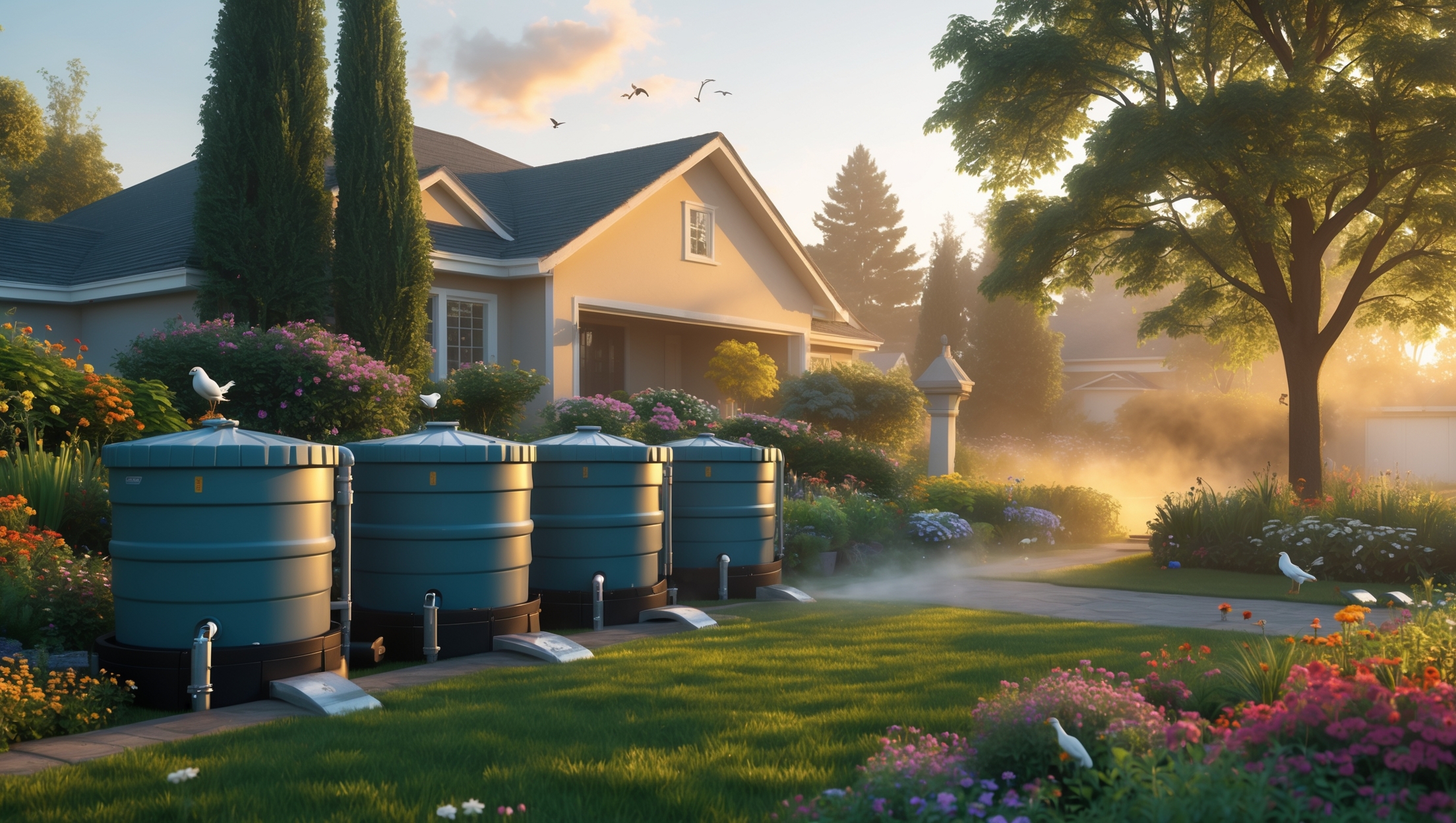
Introduction: Why Rainwater Harvesting Is a Smart Home Upgrade
With growing concerns about water scarcity and the rising cost of utilities, homeowners are increasingly searching for sustainable ways to manage water consumption. Rainwater harvesting offers a practical, eco-friendly solution that not only reduces your dependence on municipal water but also cuts utility bills and supports a healthy landscape. Yet, successfully integrating a rainwater harvesting system at home requires more than installing a barrel under your gutter. It involves careful planning, understanding local regulations, choosing the right equipment, and ongoing maintenance. In this guide, we’ll walk you through the essentials: from system selection and installation, to compliance with local codes, to seasonal maintenance tips that ensure your investment pays off for years to come. Whether you’re a green-minded beginner or a seasoned DIYer looking to optimize your setup, you’ll find practical, step-by-step advice to make your harvesting system effective, safe, and fully compliant.
How Rainwater Harvesting Works: The Basics
Rainwater harvesting is the process of collecting, storing, and using rainwater that falls on your property, typically from rooftops. Instead of letting water drain away, you divert it into storage tanks or barrels for later use—such as watering gardens, flushing toilets, or even for potable purposes when properly filtered and treated.
- Catchment Area: Usually your roof, where rain lands and collects.
- Conveyance System: Gutters and downspouts that channel water to storage.
- First-Flush Diverters: Devices that discard the initial runoff, which may contain debris or pollutants.
- Storage: Barrels, tanks, or cisterns that hold the harvested rainwater.
- Distribution: Pumps, pipes, or hoses that deliver water to where it’s needed.
Planning Your Rainwater Harvesting System
Assessing Your Roof and Water Needs
Begin by measuring your roof’s surface area and evaluating your household’s non-potable water needs (e.g., garden irrigation, toilet flushing, car washing). On average, a 1,000 square foot roof can yield about 600 gallons of water per inch of rainfall. Track your local rainfall data to estimate annual harvest potential.
Choosing the Right System Type
- Basic Barrel Systems: Simple, low-cost, suitable for garden watering. Typically 50–100 gallon capacity per barrel.
- Plumbed Cistern Systems: Larger, often underground tanks (500–5,000+ gallons) with filtration and pumps. Suitable for indoor and landscape uses.
- Modular Systems: Scalable, connectable tanks for customizing storage capacity.
Site Selection and Orientation
Place storage tanks close to downspouts and on stable, level ground. Allow space for maintenance access. Avoid areas prone to runoff contamination from driveways or overhanging trees.
Compliance and Permit Essentials
Understanding Local Laws
Rainwater harvesting regulations vary widely. In some regions, it’s encouraged and even subsidized; in others, restrictions apply. Key areas to research:
- Permitting: Some municipalities require permits for tanks above a certain capacity or for systems plumbed indoors.
- Plumbing Codes: Backflow prevention and separation from potable water supplies are often mandated.
- Health Regulations: Some states prohibit using harvested water for drinking or bathing unless rigorous treatment is in place.
- Setback Requirements: Distance from property lines, wells, and septic systems may be specified.
Contact your local building department and water authority before purchasing equipment. For many homeowners, installing a basic rain barrel for garden use requires no permit, but always verify beforehand.
Equipment and Installation Guide
Essential Tools and Materials
- Measuring tape
- Level
- Power drill and hole saw
- Downspout diverter kit
- Rain barrel or cistern (food-grade plastic or approved material)
- First-flush diverter
- Screen or filter (to keep out debris and mosquitoes)
- Overflow hose
- Pump (for pressurized or plumbed systems)
- PVC pipes and fittings (as needed)
Step-by-Step Installation: Basic Barrel System
- 1. Prepare the Site: Level a patch of ground near a downspout. Place concrete blocks or a sturdy stand to elevate the barrel—this increases water pressure and makes spigot access easier.
- 2. Install the Downspout Diverter: Cut the downspout at the correct height, attach the diverter, and connect it to the barrel’s inlet.
- 3. Add a First-Flush Diverter: This ensures the initial runoff (with roof debris) is diverted, protecting water quality.
- 4. Attach Screens and Filters: Secure a fine mesh screen over the barrel inlet to exclude insects and debris.
- 5. Connect the Overflow: Attach a hose to divert excess water away from your foundation when the barrel is full.
- 6. Install the Spigot: Fit a spigot near the bottom of the barrel for easy access to collected water.
Advanced Installation: Plumbed Cistern System
For larger systems supplying indoor fixtures or irrigation, consider professional installation. Key steps include:
- Excavation for underground tanks (if applicable)
- Installation of filtration units (sediment filters, UV or chlorination for potable use)
- Pressure pumps and backflow preventers
- Professional plumbing for integrating with toilets, washing machines, or irrigation controllers
Always follow manufacturer instructions and local codes.
Maintenance Best Practices
Monthly and Seasonal Checklist
- Inspect Gutters and Downspouts: Remove leaves and debris regularly to prevent clogs.
- Clean Screens and Filters: Rinse mesh screens and clean filters monthly during rainy seasons.
- Flush the System: Open the first-flush diverter and barrel drain to remove sediment every few months.
- Check for Leaks: Inspect joints, hoses, and barrels for signs of leakage or wear.
- Test Pumps: For pressurized systems, test pump operation and clean intake screens.
- Winterize: In freezing climates, empty and disconnect barrels or use insulated tanks to avoid cracking.
Water Quality and Safety Tips
- Never drink harvested rainwater unless your system is specifically designed and certified for potable use.
- Use opaque tanks or keep barrels shaded to prevent algae growth.
- Add mosquito dunks (biological larvicides) if needed, but ensure they’re safe for your intended use.
- Keep inlets and outlets tightly sealed to prevent animal entry.
Budgeting and Cost Breakdown
Costs vary based on system size and complexity. Here’s a rough guide:
- Basic Rain Barrel System: $60–$200 per barrel (including diverter and fittings)
- Above-Ground Cistern System (500–2,500 gallons): $500–$4,000 (tank, plumbing, pumps, filters)
- Underground System (up to 5,000 gallons): $3,000–$10,000+ (excavation, reinforced tanks, advanced filtration, professional labor)
Don’t forget to factor in seasonal maintenance supplies, replacement filters, and (if required) permit fees. Many municipalities offer rebates or tax incentives for installing rainwater systems—check local programs to offset your initial investment.
Common Mistakes and How to Avoid Them
- Ignoring Local Laws: Always verify codes and permit requirements before installation.
- Poor Siting: Placing barrels on uneven ground can cause tipping and leaks.
- Insufficient Filtration: Skipping screens or diverters leads to clogged systems and poor water quality.
- Overlooking Overflow: Failing to direct overflow away from foundations risks structural damage.
- Underestimating Water Use: Too small a tank fills quickly and wastes potential harvest.
- Inadequate Winterization: Leaving water in tanks during freezes can crack barrels and pipes.
Real-World Example: Suburban Home Rainwater Harvesting Success
Case Study: A family in Austin, Texas installed a 1,500-gallon above-ground cistern to irrigate their vegetable garden and top off their backyard pond. They spent $2,700 on the tank, diverters, and a small pump. By following city guidelines, they avoided permit headaches. After the first year, their water bill dropped by 25% during summer months and their garden thrived even during droughts. Regular maintenance—cleaning gutters monthly and flushing the tank seasonally—has kept the system trouble-free for three years.
Frequently Asked Questions
Is rainwater harvesting legal everywhere?
Most states allow rainwater harvesting for outdoor use, but some restrict large-scale or indoor systems. Always check your local laws and codes.
How much maintenance does it require?
Basic systems need monthly checks and seasonal cleaning. Advanced setups require pump and filter maintenance as well.
Can I use harvested rainwater for drinking?
Only if your system is specifically designed for potable use, with certified filtration and treatment. Otherwise, use it for non-potable purposes only.
Conclusion: Unlocking Sustainable Water Savings
Rainwater harvesting is more than a home improvement trend—it’s a practical investment in sustainability, self-sufficiency, and cost control. By capturing and reusing rainwater, you can make your landscape greener, reduce pressure on municipal systems, and enjoy lower water bills. The key to a successful system is careful planning: measure your needs, select the right equipment, and always check your local regulations before installing. Remember that maintenance is not optional; regular inspections and cleaning keep your system safe, efficient, and long-lasting. Start small with a basic barrel, or scale up to a plumbed cistern for maximum impact—the principles of good installation and compliance remain the same. When in doubt, consult with local professionals or extension services to ensure your system is optimized for your climate and needs. With the right approach, rainwater harvesting becomes a reliable, rewarding part of your home improvement toolkit, supporting your household and the environment for years to come.
Can you elaborate on what types of filters or treatment systems are needed if I want to safely use harvested rainwater for indoor uses like laundry or flushing toilets?
To safely use harvested rainwater indoors for laundry or flushing toilets, install a pre-filter to remove debris, a fine sediment filter, and a disinfection system like UV light or chlorination. These steps help ensure the water is clear of particles and pathogens, making it suitable for non-potable household uses.
When it comes to storage tanks, is there a big difference between using barrels versus underground cisterns for a typical residential setup? I’m trying to decide what would fit best in a small yard.
Barrels are more affordable and easier to install, making them great for small yards, but they hold less water and are visible above ground. Underground cisterns save space and store much more water, but require more work to install and cost more. For a small yard, barrels might be more practical unless you need a larger supply.
How often should first-flush diverters and gutters be checked or cleaned for a rainwater harvesting system to run smoothly through all seasons?
First-flush diverters and gutters should be checked and cleaned at least every three months, and more frequently during autumn or after heavy storms. Regular maintenance ensures debris doesn’t block the system, keeping your rainwater harvesting setup efficient year-round.
If I start with a basic barrel system, how difficult is it to upgrade later to a larger cistern and a pump for more uses like toilet flushing? Would I need to redo most of the setup?
Upgrading from a basic barrel to a larger cistern with a pump is definitely possible, but some rework is needed. You’ll need new plumbing to connect the larger tank, install a pump system, and add filters. Some existing components may be reused, but expect to upgrade piping and reroute connections for indoor uses like toilet flushing.
Does installing a first-flush diverter add a lot to the overall cost and maintenance compared to just using a basic barrel under the gutter?
A first-flush diverter does add a bit to both cost and maintenance compared to a basic barrel, but typically not by much. The cost is mostly for the diverter itself and installation. Maintenance involves occasionally cleaning the diverter to prevent blockages, but many homeowners find the improved water quality worth the small extra effort.
How do I find out what the local regulations are for rainwater harvesting in my area, and what are some common compliance issues homeowners run into during installation?
To find local regulations, contact your city or county building department or check their website for guidelines on rainwater harvesting. Common compliance issues include improper tank placement, lack of backflow prevention, and unpermitted plumbing connections. It’s important to confirm requirements before starting your installation to avoid setbacks.
I’m curious about what kind of local regulations I should be aware of before installing a rainwater harvesting system. Are permits required in most areas, and is there a way to find out what codes apply specifically to my town?
Local regulations for rainwater harvesting vary widely. Many areas require permits and have specific codes about system design and water use. To find what applies to your town, contact your local building department or check your municipal website for relevant guidelines and permit requirements.
You mentioned first-flush diverters to remove debris and pollutants—is there a recommended maintenance schedule for these, and what are the signs they need replacement or cleaning?
First-flush diverters should be inspected and cleaned at least every three to six months, or more often during rainy seasons. Signs they need cleaning or replacement include reduced water flow, visible buildup of debris, stuck or slow-moving valves, and any leaks or cracks in the diverter components.
I’m interested in automating the distribution part of the system for my garden, but I’m not sure if standard pumps are overkill for a small setup. Do you have recommendations for efficient, budget-friendly pumps or alternatives?
For a small garden setup, a low-power submersible pump or a solar-powered pump can be efficient and cost-effective. These pumps provide gentle, consistent flow and are easy to install. Alternatively, a gravity-fed drip irrigation system can work if your storage tank is elevated above the garden.
Is there a big difference in effectiveness between using simple rain barrels versus installing a larger cistern storage system, especially for typical garden use in a suburban home?
For typical garden use in a suburban home, simple rain barrels work well for small-scale watering but have limited storage. A larger cistern system stores much more water, making it better if you want to water a bigger garden or have more consistent supply during dry spells. The choice depends on how much water you need to collect and use.
Is there a specific type of first-flush diverter you’d recommend for homes in areas with frequent storms? I’m wondering if some work better than others for keeping debris out.
For areas with frequent storms, automatic first-flush diverters with larger chambers and self-cleaning features tend to perform best. They can handle higher water volumes and reduce maintenance. Look for models with easily accessible filters or screens, so you can quickly clear out debris after heavy rainfall.
I’m trying to understand how first-flush diverters actually work and how often they need to be cleaned or maintained. Could you explain that part in a bit more detail?
First-flush diverters are devices installed on rainwater collection systems to redirect the initial flow of rainwater, which usually contains debris and contaminants from the roof, away from your storage tank. After this ‘first flush,’ cleaner water is allowed into your tank. It’s best to check and clean diverters every few months, especially after heavy rainfall or storms, to prevent clogging and keep your system effective.
How much time should I plan to spend on regular maintenance each month to keep the rainwater harvesting system in compliance with local codes and running efficiently?
You should plan to spend about 1 to 2 hours each month on regular maintenance for your rainwater harvesting system. This includes inspecting filters, cleaning gutters, checking for leaks, and ensuring all components meet local code requirements.
Can you clarify what local codes typically cover for rainwater harvesting systems in the US? I’ve heard some areas have restrictions on using collected rainwater for certain purposes—how do I find out what’s allowed in my city?
Local codes for rainwater harvesting in the US usually address collection system design, storage tank requirements, allowable uses (like irrigation versus indoor use), backflow prevention, and water quality standards. To find your city’s specific rules, check your municipal or county government website, or contact your local building or environmental health department directly.
For someone on a budget, are there certain types of storage tanks or first-flush devices that balance cost and reliability, especially for a small property?
For a small property on a budget, plastic storage tanks (like polyethylene) are affordable, lightweight, and durable. For first-flush devices, simple PVC pipe setups with ball valves or commercially available budget kits work well and are easy to maintain. Both options offer good reliability without high costs.
What sort of ongoing maintenance is required to keep the gutters and storage tanks clear of debris, especially during heavy leaf seasons, and do you have any recommended schedules or tips?
To keep gutters and storage tanks clear, clean gutters and first-flush diverters every month during heavy leaf seasons, and at least quarterly otherwise. Check and remove debris from tank inlets and screens regularly. Installing gutter guards can reduce leaf buildup. Also, inspect for clogs and leaks after storms to prevent overflow or blockages.
I’m interested in using rainwater for indoor uses like flushing toilets—are there specific filtration or treatment systems you recommend for making harvested rainwater safe enough for that?
For indoor uses like flushing toilets, it’s best to use a multi-stage filtration system. Start with a pre-filter to remove debris, then use a fine sediment filter and, if local codes require, a disinfection step such as UV treatment. Always check your area’s plumbing standards before installation.
When it comes to storage options, how do I decide between barrels and larger cisterns for a typical residential garden? Are there specific advantages to each?
Barrels are compact, easy to install, and ideal for small gardens or occasional watering needs. Larger cisterns store much more water, making them better for bigger gardens or frequent use. Consider your garden size, water demands, and available space to choose the most suitable option.
Is there a big difference in maintenance between using barrels versus larger cisterns for storage, especially if I want to scale up later?
Yes, there is a difference in maintenance. Barrels are easier to clean and inspect but need frequent attention due to limited capacity. Larger cisterns require less frequent emptying but need periodic checks for sediment buildup and potential leaks. If you plan to scale up, starting with cisterns can save time and effort in the long run.
Could you elaborate on how to find out which local codes or permits I need to comply with before installing a rainwater harvesting system on my residential property?
To determine which local codes or permits apply, start by contacting your city or county building department. Ask specifically about rainwater harvesting regulations. You can also check your state’s environmental or water resources agency for guidance. Some homeowners associations may have additional rules, so it’s wise to review those as well before beginning installation.
You mention that first-flush diverters help remove debris and pollutants from initial runoff. Is there a recommended maintenance schedule for these devices, and are there signs homeowners should look for to know when cleaning or replacement is needed?
First-flush diverters generally require inspection and cleaning every 1–3 months, especially during rainy seasons. Watch for decreased water flow, visible debris buildup, or slow drainage as signs they need cleaning. If you notice cracks, leaks, or worn seals, replacement parts may be necessary to keep the system working properly.
How much time and effort does seasonal maintenance actually take for an average rainwater harvesting setup, and are there signs to watch for if something’s going wrong?
Seasonal maintenance typically takes a few hours each season for most home systems. This includes cleaning gutters, checking for debris in filters and tanks, and inspecting pumps and pipes. Watch for signs like reduced water flow, unpleasant odors, or visible algae growth—these can indicate clogs, leaks, or contamination that need attention.
I’m wondering how often the storage barrels or tanks need to be cleaned to keep the system effective, and what signs should I look for to know it’s time for maintenance?
It’s best to clean your rainwater storage barrels or tanks at least once a year. Watch for signs like unpleasant odors, discoloration, algae growth, or sediment buildup inside the tank. These indicate it’s time for maintenance, even if your regular schedule hasn’t arrived yet.
When installing storage tanks or barrels, how do you figure out the best spot to put them so they don’t get in the way but still collect the most water from the gutters?
Choose a spot close to the downspouts where water from your gutters naturally flows. Make sure the area is level and accessible for maintenance, but out of daily walkways or high-traffic zones to avoid obstruction. Also consider elevation for gravity-fed systems and room for overflow management.
Could you explain how to find out local codes or building permits needed before installing a rainwater harvesting setup? Is there a standard process or does it really vary by city?
Local codes and permit requirements for rainwater harvesting systems can vary a lot by city or county. It’s best to contact your local building or planning department directly to ask about specific regulations. Some areas have online resources or checklists, but always confirm with officials to make sure you meet all legal requirements before you start.
Could you elaborate on what to consider when choosing between a simple barrel system and a more complex cistern setup for a small residential property?
When deciding between a barrel and a cistern, consider your water needs, available space, and budget. Barrels are affordable and easy to install for watering gardens. Cisterns hold much more water and can supply toilets or laundry, but need more space, planning, and higher upfront costs.
For someone on a tight budget, are there recommended minimum storage capacities or equipment types that still make rainwater harvesting worth it for just garden irrigation?
For garden irrigation on a budget, a rain barrel (about 50–100 gallons) is a cost-effective start. Basic systems use food-grade barrels, a simple filter, and a spigot. This setup can collect enough water for small to medium gardens, making rainwater harvesting worthwhile without major investment.
For ongoing maintenance, what are the most common issues homeowners run into with first-flush diverters and how often do they typically need to be serviced or replaced?
Homeowners often find that first-flush diverters clog with debris or become stuck due to sediment buildup. It’s best to inspect and clean them every few months, especially after heavy rains. Replacement parts might be needed every 2–3 years, depending on the quality of materials and local conditions.
What are some common installation challenges homeowners face with rainwater harvesting systems, especially regarding compliance with local codes?
Homeowners often face challenges like ensuring proper placement of tanks to comply with setback regulations, using approved materials, and correctly connecting overflow systems. Navigating varying local codes about water use, filtration, and mosquito prevention can also be tricky. It’s important to check with your local building department before installation.
Can you use the collected rainwater for things like washing laundry or dishes if you add the right filters, or is it mainly meant for outdoor uses like gardening?
With the right filtration and treatment, rainwater can be used for indoor purposes like washing laundry or even dishes. However, most basic systems are designed for outdoor uses such as gardening. If you want to use rainwater indoors, make sure your system meets local health and safety standards and uses appropriate filters and disinfection methods.
For someone just starting out, what kind of maintenance should I expect to do each season to keep my rainwater harvesting setup functioning properly?
Each season, you should clear leaves and debris from gutters, downspouts, and filters to prevent blockages. Inspect tanks for cracks or leaks, check that screens and first-flush devices are clean, and after heavy storms, confirm that overflow systems work correctly. Before winter, drain and protect pipes from freezing if you live in a cold climate.
Can you clarify how often the first-flush diverters need to be cleaned or replaced to keep the system safe for garden use?
First-flush diverters should be checked and cleaned every few weeks, especially during rainy seasons or after heavy downpours. This prevents debris buildup and ensures effective operation. Replacement frequency depends on the diverter type, but generally, inspect for wear annually and replace parts as needed to keep your harvested water suitable for gardening.
Do you have tips on choosing between barrels and larger tanks if I want to keep the upfront costs low but eventually expand the system later on?
If you want to start with lower costs, begin with barrels since they’re affordable and easy to set up. When choosing barrels, make sure they’re located where a larger tank could later fit, so upgrading is smoother. Select connectors and piping that are compatible with both, making future expansion easier and less wasteful.
If I want to use harvested rainwater for flushing toilets, do I need a special kind of filtration system, or is a basic setup with barrels and first-flush diverters enough?
For flushing toilets, rainwater generally needs to be filtered to remove debris and fine particles. A basic setup with barrels and first-flush diverters is a good start, but adding a fine screen filter or sediment filter is recommended to prevent particles from clogging your plumbing or toilet cisterns.
I’m a little confused about the first-flush diverters—how do you figure out what size is needed for a typical roof, and are they required by local codes in most areas?
The size of a first-flush diverter depends on your roof area and local rainfall patterns. A common guideline is to divert the first 0.5 to 2 millimeters of rain per square meter of roof. Requirements vary by location, so check your local building codes or water authority to see if a diverter is mandatory in your area.
Could you clarify how to figure out if my local regulations allow using harvested rainwater for indoor purposes like flushing toilets or laundry, not just for the garden?
To determine if your area allows indoor use of harvested rainwater, contact your local building or environmental health department. They can provide specific rules for your location. You might also check your city or county’s official website for codes related to rainwater use inside homes.
The article mentions local code compliance. How do I find out if my city has restrictions on using stored rainwater for indoor purposes like flushing toilets?
To find out about local restrictions, contact your city or county building department. You can also check their official website for codes related to rainwater use. Asking a licensed plumber or installer familiar with local laws can also help clarify what indoor uses are permitted.
Is there a big difference in initial cost and maintenance between using simple rain barrels versus installing a larger cistern setup for a typical suburban home?
Yes, there’s a significant difference. Rain barrels are much cheaper to buy and install, with minimal maintenance needs. Large cistern setups have a higher upfront cost due to excavation, plumbing, and materials, and they require more regular maintenance and occasional professional servicing.
If I live in an area with strict local codes, what are the most common compliance issues homeowners run into when installing these systems, and is there a way to check regulations before I start?
Common compliance issues include improper tank placement, using non-approved materials, missing backflow prevention devices, and lack of permits. To check regulations before starting, contact your local building department or water authority. They can provide specific guidelines and approval processes for your area.
How often does the average homeowner need to perform maintenance on their storage tanks and conveyance system to keep everything running safely, especially if the water will be used for things like garden irrigation?
For garden irrigation use, it’s best to inspect and clean your rainwater storage tanks and conveyance system at least twice a year. Remove debris from gutters and filters, check for blockages or leaks, and ensure the tank remains free from algae buildup. More frequent checks might be needed if you have heavy tree cover or during rainy seasons.
I’m trying to estimate costs—are there affordable rain barrel setups that still meet most local compliance codes, or do most areas require more advanced systems with pumps and filtration?
Many areas allow basic rain barrel setups as long as they have sealed lids and proper overflow, which keeps costs low and usually meets code for garden use. However, if you plan to use the water indoors or for potable purposes, more advanced systems with pumps and filtration are often required by local regulations.
I noticed you mentioned first-flush diverters to remove debris from the rainwater. Can you explain how to install one correctly and whether they require regular cleaning or replacement?
A first-flush diverter is installed on your downpipe, just before rainwater enters your storage tank. It diverts the initial flow (which carries debris) away from the tank. You’ll need to attach the diverter chamber and ensure it’s securely sealed. Regular cleaning is essential to prevent clogs, and check the filter or ball mechanism periodically, replacing parts if they show wear or damage.
For homeowners on a limited budget, are there specific types of storage containers or conveyance systems that offer the best balance between cost and effectiveness?
For homeowners on a limited budget, using food-grade plastic barrels or repurposed IBC totes can be both affordable and effective for rainwater storage. For conveyance, simple PVC or flexible polyethylene piping works well and is cost-effective. Be sure containers are clean and opaque to prevent algae growth.
What are the main differences between using barrels versus larger cisterns for storage, especially if I want to eventually use harvested rainwater indoors?
Barrels are typically smaller and best for outdoor uses like watering plants. Larger cisterns can store much more water and are better suited if you want to treat and plumb rainwater for indoor uses, as they can support filtration systems and maintain a consistent supply.
Could you share some tips on choosing between different types of storage solutions, like barrels versus cisterns, especially if I’m on a tight budget but want to maximize the amount of water I collect?
If you’re on a tight budget but want to maximize storage, start with multiple connected barrels since they’re more affordable and modular. Cisterns hold much more water but cost more upfront. Consider space, future expansion, and potential water needs—barrels are flexible for small to medium needs, while cisterns suit long-term, high-capacity storage when you can invest more.
If you already have basic rain barrels set up, how difficult is it to upgrade to a larger cistern system with a pump for more automated watering? Are there any common pitfalls or compatibility issues to watch out for?
Upgrading from rain barrels to a larger cistern with a pump is definitely doable but involves more planning. You’ll need to ensure your gutters and downspouts can handle extra flow, choose a compatible pump, and consider overflow management. Common pitfalls include poor foundation prep, incorrect pump sizing, and not installing proper filters. Double-check local regulations for larger systems, too.
You mention compliance with local codes for rainwater harvesting—how do I find out what specific regulations apply in my city, and do permits usually cost extra?
To find out your city’s rainwater harvesting regulations, contact your local building department or city planning office. They can provide details on any permitting requirements and fees, which often vary by location. Permit costs are typically separate and can range from a small administrative fee to a larger sum depending on system size.
What kinds of permits or inspections should homeowners expect during the installation process to stay compliant with US local codes? Sometimes it’s hard to tell if rainwater systems need to meet plumbing or building regulations.
Homeowners usually need either a plumbing or building permit for rainwater harvesting systems, depending on local codes. Some areas require system inspections to ensure safety, backflow prevention, and proper tank installation. It’s essential to check with your city or county permitting office, as requirements can vary widely, and some places have specific rainwater ordinances.
I see you mentioned first-flush diverters to keep debris out of the system. How often do those typically need to be cleaned or maintained, and is it something a beginner can handle by themselves?
First-flush diverters usually need to be checked and cleaned every few weeks during the rainy season, or after heavy rainfall. Most designs are simple to open and rinse out, so beginners can usually manage the maintenance themselves with basic tools and care.
For someone planning to install a rainwater harvesting system in a region with frequent winter freezes, what specific maintenance steps would you recommend to protect the storage tanks and pipes during colder months?
To protect your system during winter freezes, insulate exposed pipes and tanks, drain any outdoor pipes that can’t be insulated, and use freeze-proof taps. Make sure tank inlets and outlets are sealed to prevent ice from entering. Regularly check for ice buildup and consider using tank heaters or placing tanks underground for added protection.
How do you find out what local codes or regulations apply before installing a rainwater harvesting system? Are there tools or specific offices you should contact?
To find out which local codes apply, start by contacting your city or county building department or water authority. They can inform you about permits and guidelines. Some areas also offer online code lookup tools on local government websites. It’s best to confirm requirements before beginning installation.
Could you explain more about what a first-flush diverter looks like and how I would install one on a typical downspout?
A first-flush diverter is usually a vertical pipe installed along your downspout, fitted with a valve or ball mechanism at the bottom. It captures the initial dirty runoff from your roof. To install one, cut your downspout, fit the diverter in line, and make sure the overflow returns to the main pipe after initial rainwater is diverted. Many DIY kits are available with instructions.
Could you explain a bit more about the first-flush diverters? I’m not sure how they work or if it’s something I can easily install myself, especially with older gutter systems.
First-flush diverters are devices added to your rainwater system to prevent the initial, often dirty, runoff from your roof from entering your storage tank. They direct the first few gallons away, letting cleaner water flow in afterward. Many diverters are designed for DIY installation and can be adapted to older gutter systems, but you may need connectors or adapters depending on your setup.