

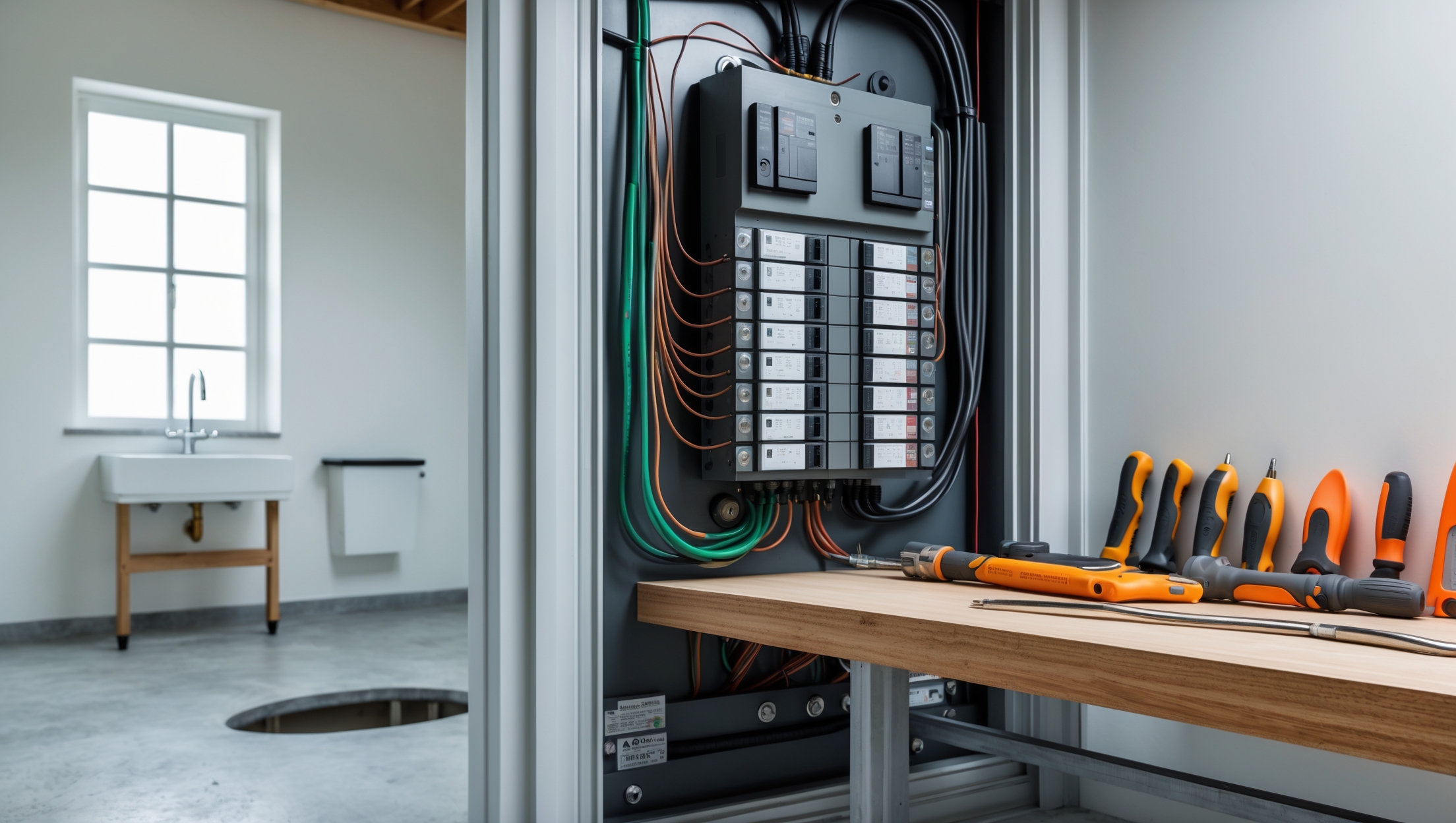
Introduction: Why Home Electrical Upgrades Matter
Upgrading your home’s electrical system is more than just a technical necessity—it’s a crucial investment in safety, efficiency, and long-term value. Whether you’re renovating an older property, expanding your living space, or integrating smart technology, electrical upgrades can unlock new functionality, reduce energy costs, and meet evolving safety standards. Yet, many homeowners underestimate the complexity of these projects. Issues like outdated wiring, overloaded circuits, or non-compliant installations aren’t just inconvenient—they can become serious safety hazards or even violate local codes, leading to fines or insurance nightmares. Understanding the intricacies of home electrical upgrades, including compliance, budgeting, and safety best practices, is essential for any responsible homeowner. This guide will walk you through the key considerations, demystify the compliance process, break down typical costs, and provide actionable safety tips so you can approach your next project with confidence and clarity.
Assessing Your Electrical System: When and Why to Upgrade
Signs Your System Needs Attention
- Frequent circuit breaker trips or blown fuses
- Flickering or dimming lights, especially when using appliances
- Discolored outlets or a persistent burning smell
- Reliance on extension cords and power strips
- Outdated fuse boxes or non-grounded outlets
These symptoms often signal that your electrical system is either overloaded or deteriorating, posing potential safety risks. Upgrading is especially critical in homes over 40 years old or if you’re installing modern appliances, home offices, or electric vehicle chargers.
Common Upgrade Projects
- Service Panel Upgrades: Replacing old fuse boxes or undersized breaker panels to support higher electrical loads.
- Rewiring: Updating unsafe or outdated wiring, such as knob-and-tube or aluminum wiring, to meet current codes.
- GFCI/AFCI Installation: Adding special outlets or breakers for enhanced protection in kitchens, bathrooms, and bedrooms.
- Adding Circuits: Supporting new appliances, HVAC systems, or dedicated workshop spaces.
- Smart Home Integration: Wiring for home automation, security, and energy management systems.
Compliance and Permits: Avoiding Costly Mistakes
Understanding Local Codes
Electrical work in residential properties is governed by the National Electrical Code (NEC) in the U.S., but every locality may have additional amendments. Common areas of local variation include grounding requirements, permitted wiring types, and inspection protocols. Before starting any project, check your city or county building department’s website or call their office to clarify which codes and standards apply.
When Permits Are Required
- Upgrading or replacing electrical panels
- Rewiring substantial portions of a home
- Installing new circuits or subpanels
- Adding outlets in kitchens, bathrooms, or outdoor areas
Minor repairs, like replacing a broken outlet or light switch, may not require a permit, but always confirm with your local authority. Skipping permits can result in fines, failed inspections, and complications during future home sales or insurance claims.
The Inspection Process
After pulling the necessary permits, most jurisdictions require a rough-in and a final inspection. The inspector will review the installation for code compliance, proper labeling, grounding, and safety features. Passing inspection is not just a formality—it’s your assurance that the work meets safety standards and will hold up under scrutiny if you ever sell or refinance your home.
Budgeting for Electrical Upgrades: What to Expect
Cost Factors
- Scope of Work: Simple outlet additions cost less than full panel upgrades or whole-house rewiring.
- Accessibility: Homes with finished basements, tight crawlspaces, or plaster walls often require more labor.
- Materials: Copper wiring, AFCI/GFCI breakers, and tamper-resistant receptacles cost more but are required by current codes.
- Labor: Licensed electricians typically charge $75–$150 per hour, with minimum charges for small jobs.
Typical Price Ranges
- Replace a Standard Outlet: $100–$250 (parts and labor)
- Install GFCI/AFCI Outlets: $150–$350 each
- Upgrade Electrical Panel (100–200 amp): $1,500–$4,000
- Whole-House Rewiring: $8,000–$20,000+ (for a 2,000 sq. ft. home)
- Install Dedicated Circuit for EV Charger: $750–$2,000
Remember to include permit fees ($50–$500), inspection costs, and possible repairs to drywall or finishes after the work is complete.
Planning and Cost Control Tips
- Request detailed, itemized quotes from at least three licensed electricians.
- Ask about bundling multiple upgrades to reduce per-item costs.
- Factor in patching and painting costs for any wall or ceiling cuts.
- Budget for contingencies—older homes often reveal hidden issues once work begins.
Choosing the Right Electrician: Credentials and Red Flags
Verifying Qualifications
- Licensing: Confirm your electrician is licensed in your state or locality. Check for active insurance and bonding.
- Experience: Look for specialists in residential upgrades, especially if your home is older or has unique wiring challenges.
- References: Ask for and follow up on references from recent projects of similar scope.
Common Red Flags
- Reluctance to pull permits or schedule inspections
- Unusually low quotes or requests for full payment upfront
- Lack of written contracts or vague project details
- Poor communication or missed appointments
Choose an electrician who answers your questions, provides clear documentation, and demonstrates a commitment to safety and compliance.
Homeowner Safety: What You Can (and Shouldn’t) Do Yourself
DIY: Limited and Informed
Homeowners can safely tackle minor electrical tasks—like swapping out light fixtures or installing dimmer switches—if they have a solid understanding of electrical safety. Always shut off power at the breaker, use a non-contact voltage tester, and follow manufacturer instructions closely.
When to Call a Professional
- Upgrading panels, adding circuits, or any work inside breaker boxes
- Rewiring, especially in walls or attics
- Projects requiring permits or inspections
- Handling aluminum or knob-and-tube wiring
Improper DIY electrical work can lead to electrical fires, shock hazards, and failed inspections. When in doubt, hire a licensed professional.
Essential Tools and Materials for Electrical Projects
- Non-contact voltage tester
- Insulated screwdrivers and pliers
- Wire strippers and cutters
- Fish tape and cable pullers
- Electrical tape and wire nuts
- Appropriately rated outlet boxes and faceplates
- Ground fault circuit interrupter (GFCI) outlets
- Arc fault circuit interrupter (AFCI) breakers
Invest in quality tools and always use UL-listed materials to ensure reliability and code compliance.
Best Practices for a Safe and Compliant Upgrade
Planning and Documentation
- Draw a plan of your existing circuits and planned upgrades.
- Label all breakers and outlets for easy troubleshooting.
- Keep permits, inspection reports, and contractor information in a dedicated folder.
During the Upgrade
- Ensure the work area is free of water, clutter, and flammable materials.
- Communicate with your electrician about pets, children, or special needs.
- Verify grounding and bonding on all new installations.
- Test all new outlets and circuits before restoring power to the area.
Insurance and Future-Proofing
Insurance Considerations
Most homeowners insurance policies require that major electrical work be permitted and inspected. Unpermitted upgrades can void coverage in the event of a fire or loss. After upgrades, inform your insurer and provide copies of inspection reports to ensure your policy remains valid.
Planning for Future Needs
- Consider capacity for home offices, electric vehicles, or energy storage when sizing panels and wiring.
- Install conduit where feasible to make future wiring upgrades easier and less invasive.
- Leave detailed documentation for future homeowners or contractors.
Conclusion: Upgrading with Confidence
Home electrical upgrades are a significant but rewarding investment. They not only improve safety for you and your family but also enhance your home’s functionality and future marketability. By understanding local compliance requirements, planning a realistic budget, selecting qualified professionals, and prioritizing safety, you can avoid the most common pitfalls that plague electrical renovations. Remember, shortcuts with permits or inspections are false economies—what you save upfront can cost dearly in fines, insurance denials, or safety hazards down the road. Take the time to document your project, communicate openly with your contractor, and keep all relevant paperwork for future reference. If you’re considering integrating smart technology, electric vehicle charging, or energy-efficient upgrades, plan now so your home’s electrical system can evolve with your needs. With the right knowledge and a methodical approach, you’ll be able to power your home safely—and enjoy the peace of mind that comes from a job done right.
You mention upgrading from old fuse boxes to breaker panels to handle higher electrical loads. For a homeowner in a 1960s house, what typical costs and timeline should be expected for this kind of project?
For a 1960s home, upgrading from a fuse box to a modern breaker panel usually costs between $1,500 and $3,000, depending on your location and panel size. The work generally takes one to two days, but it could take longer if wiring upgrades are needed or permits are involved. Always get quotes from licensed electricians to confirm specific costs for your area.
If my house is over 40 years old but I haven’t noticed frequent breaker trips or dimming lights, should I still consider having my wiring inspected or does age alone justify an upgrade?
Even without obvious issues like frequent breaker trips or dimming lights, it’s wise to have your wiring inspected if your home is over 40 years old. Older wiring may not meet current safety standards or handle modern electrical loads, so an inspection can uncover hidden risks before problems arise.
For a small business being run out of an older house, are there different code compliance requirements I should be aware of compared to a regular residential upgrade?
Yes, running a small business from an older house can mean additional code requirements beyond standard residential upgrades. You may need to meet certain commercial electrical codes, such as extra outlets, dedicated circuits, or higher load capacity. It’s best to consult a licensed electrician or your local building department to ensure full compliance.
What are some ballpark figures for typical electrical upgrade projects, like replacing old wiring versus just installing GFCI outlets? I want to budget realistically before reaching out to an electrician.
Replacing old wiring in a home can range from $4,000 to $10,000 or more, depending on the home’s size and accessibility. Installing GFCI outlets is much less expensive, usually around $100 to $200 per outlet including labor. These are rough estimates, so your actual costs may vary.
What should I look out for when choosing between GFCI and AFCI installations, and is it necessary to install both in all areas during an upgrade?
GFCIs protect against electrical shock from water contact, while AFCIs guard against fire caused by arc faults. Bathrooms and kitchens usually require GFCIs, bedrooms typically need AFCIs. You don’t have to install both everywhere; check local codes to see which areas require each device, as requirements can vary.
If my house is over 50 years old and I’m noticing frequent breaker trips, should I start by upgrading the service panel or is rewiring a more urgent priority?
Frequent breaker trips in an older home can signal issues with both the service panel and the wiring. It’s best to have a licensed electrician assess your system first. Sometimes, outdated or damaged wiring is a more urgent priority, but upgrading the service panel may also be necessary for overall safety and capacity.
Can you explain how the electrical upgrade process might impact insurance requirements or premiums for a small business operating out of an older home?
Upgrading your electrical system can lead to lower insurance premiums for your small business by reducing fire risk and bringing your property up to current safety standards. However, insurers may require documentation of the upgrade and inspections, so it’s a good idea to contact your provider before and after the process to discuss any changes to your policy or coverage requirements.
When budgeting for electrical upgrades like adding outlets or GFCIs, what kind of price range should a small business owner expect for a typical project?
For small projects like adding outlets or GFCIs, you can generally expect to pay anywhere from $150 to $400 per outlet or device installed. Costs depend on factors like local rates, accessibility, and whether upgrades to wiring or panels are needed.
If my home is about 50 years old and still has a fuse box, what is the typical process and timeframe for upgrading to a modern breaker panel?
Upgrading from a fuse box to a breaker panel usually starts with a licensed electrician assessing your current system. The process often takes one to two days and involves removing the old fuse box, installing the new panel, and updating wiring as needed. Local permits and inspections may also add a few days to the overall timeline.
I’m curious about typical costs for a service panel upgrade versus a full rewiring. Is there a ballpark estimate for each, and do local codes usually affect the price a lot?
A service panel upgrade typically costs between $1,500 and $3,000, while a full home rewiring can range from $8,000 to $15,000 or more, depending on your home’s size. Local codes can definitely affect these prices, especially if additional safety requirements or permits are needed in your area.
If my building is over 40 years old and still has its original fuse box, what are the first steps I should take to assess if a service panel upgrade is necessary?
Start by having a licensed electrician inspect your current fuse box and wiring. They can assess whether your panel meets modern safety standards, determine its capacity, and identify any potential hazards. This will help you decide if an upgrade is needed and what updates might be required for compliance and safety.
Could you give a general price range for upgrading an outdated fuse box to a modern service panel? I’m trying to figure out how to plan my budget for this type of project.
Upgrading from an old fuse box to a modern service panel usually costs between $1,500 and $3,500, depending on factors like panel size, home layout, and local permit fees. If extra wiring or repairs are needed, the cost could be higher. Getting quotes from licensed electricians will help you plan accurately.
You mentioned upgrading the service panel for higher electrical loads. Is this something that typically requires the whole house to be rewired, or can you just replace the panel itself?
Upgrading the service panel doesn’t always mean you need to rewire the whole house. Often, you can just replace the panel itself. However, if your existing wiring is outdated or unsafe, an electrician might recommend rewiring certain circuits for safety and compliance. It’s best to have a professional assess your current setup.
Can you provide a ballpark range of what it might cost to upgrade an outdated service panel and add GFCI outlets? I need to budget for a small rental property but want to make sure it meets safety codes.
Upgrading an outdated service panel typically costs between $1,500 and $3,000, depending on your location and the panel size. Adding GFCI outlets usually runs $100 to $200 per outlet, including labor. Actual costs may vary, so it’s wise to get multiple quotes from licensed electricians to ensure code compliance and accurate budgeting.
You mentioned that upgrading is critical if you have an older home or are adding things like an EV charger. What’s the average cost range for a full service panel upgrade, and are there any common unexpected expenses during the process?
For a full service panel upgrade, the average cost is typically between $1,500 and $4,000, depending on your location and panel size. Unexpected expenses can include rewiring, upgrading grounding systems, or repairing outdated or unsafe wiring discovered during the upgrade process.
If I notice frequent circuit breaker trips but my outlets and wiring appear visually fine, what are the recommended first troubleshooting steps before deciding on a full upgrade?
First, unplug appliances one by one to see if a specific device is causing the breaker to trip. Avoid using multiple high-wattage devices on the same circuit. If the problem persists, have a licensed electrician test the circuit for hidden faults before considering a full upgrade.
You mention that older homes may have outdated or unsafe wiring like knob-and-tube or aluminum. If my house still uses aluminum wiring but hasn’t shown any obvious problems yet, is a full rewire always necessary or are there safer alternatives?
A full rewire isn’t always required for aluminum wiring if it’s in good condition, but safety upgrades are often recommended. Options include having a licensed electrician inspect all connections and installing special connectors called COPALUM crimps or AlumiConn connectors at outlets and switches, which can reduce fire risk without a full rewire.
You mentioned that rewiring and service panel upgrades can be important if I want to add things like an EV charger. How much disruption should I expect in my daily routine during these upgrades, and how long do they usually take?
Rewiring and service panel upgrades can cause some disruption, such as temporary power outages and limited access to certain rooms. Most upgrades take one to three days, depending on your home’s size and complexity. Electricians usually work to minimize inconvenience and will inform you in advance about any periods without electricity.
When adding smart technology or new appliances, how can I make sure I’m staying compliant with local codes, and is it possible to handle any of this safely as a DIY project, or should I leave everything to a licensed electrician?
For smart tech and new appliances, always check your city or county’s electrical codes, as they can vary. Small plug-in devices are usually safe for DIY, but new wiring or panel upgrades should be handled by a licensed electrician to meet safety and code requirements.
You talk about rewiring older homes, especially those with knob-and-tube or aluminum wiring. What kind of budgeting range should homeowners expect for a full rewiring project in a mid-sized house?
For a mid-sized house, a full rewiring project typically ranges from $8,000 to $15,000, depending on factors like home size, wiring complexity, and local labor costs. If walls need opening, expect higher costs. Always factor in permit fees and possible upgrades to your electrical panel.
Can you explain more about what sets GFCI and AFCI installations apart in terms of safety? Are both required in older homes undergoing upgrades, or just recommended?
GFCI outlets protect against electrical shock by cutting power when they detect ground faults, especially near water. AFCI breakers prevent fires by detecting dangerous electrical arcs. For older homes, building codes often require GFCIs in kitchens and bathrooms, while AFCIs are usually mandatory for bedroom circuits during upgrades. Both significantly improve safety, and your local code or inspector can confirm specific requirements.
For someone planning to add an EV charger and a home office, is a service panel upgrade usually required, or are there alternative solutions to safely support the additional electrical load?
Adding both an EV charger and a home office often increases your home’s electrical demand significantly. While a service panel upgrade is common to handle the extra load, alternatives include load management devices or subpanels. Consulting a licensed electrician will help determine if your current panel can safely support these additions or if upgrades are necessary.
If my house still has an old fuse box but I haven’t noticed any flickering lights or blown fuses yet, is it still considered a code violation or safety risk if I don’t upgrade it right away?
Even if you haven’t noticed problems, an old fuse box may not meet current electrical codes and can pose safety risks, especially if it’s outdated or overloaded. Codes often require modern circuit breakers for enhanced safety, so upgrading is recommended even if issues aren’t obvious.
For someone adding an electric vehicle charger, is it better to upgrade the entire service panel, or are there more targeted solutions that can still keep the system safe and up to code?
You don’t always need a full panel upgrade for an EV charger. Sometimes, adding a dedicated circuit or using a load management device meets code and safety requirements. It’s best to have a licensed electrician assess your current panel’s capacity to decide if targeted upgrades are enough for your needs.
I’m curious about the typical cost differences between a full rewiring project and just upgrading the service panel. How do homeowners decide which option is necessary?
A full rewiring project is usually much more expensive than just upgrading the service panel, often several thousand dollars more, because it involves replacing all the wiring in the house. Homeowners typically choose a panel upgrade if they need more electrical capacity, while rewiring is necessary if the existing wires are old, unsafe, or not up to code.
When dealing with overloaded circuits and older fuse boxes, what are the first steps a homeowner should take to make sure any upgrades meet current safety codes and avoid potential fines or insurance issues?
Start by having a licensed electrician inspect your electrical system to identify issues and ensure compliance with current codes. They can recommend necessary upgrades, such as replacing old fuse boxes with modern circuit breakers. Always get the proper permits before work begins, as this helps you avoid fines and keeps your home insurance valid.
My house is about 50 years old and I’ve noticed some flickering lights and occasional breaker trips. How do I know if it’s just normal wear or if I definitely need a full system upgrade like you mentioned?
Flickering lights and frequent breaker trips in an older home can signal outdated or overloaded wiring. It’s wise to have a licensed electrician inspect your electrical system—they can determine whether repairs, partial upgrades, or a full system upgrade is needed for safety and compliance.
If my house was built in the 1970s and I’m seeing a few flickering lights and occasional breaker trips, would a full rewiring be necessary or just a panel upgrade?
Flickering lights and breaker trips in a 1970s house could be due to outdated wiring, a stressed electrical panel, or both. An electrician can assess whether a full rewiring is needed or if a panel upgrade alone will resolve the issues. Sometimes, targeted repairs and a panel upgrade are enough.
Can you elaborate on how to determine if outdated wiring like knob-and-tube is present in a home, especially if the property is over 40 years old?
To check for knob-and-tube wiring in an older home, look in unfinished areas like basements or attics for ceramic knobs and tubes supporting single wires. Outlets with only two prongs or visible fabric-wrapped wires can also be clues. If you’re unsure, having a licensed electrician inspect the wiring is the safest way to confirm.
If my house is over 40 years old and I’ve noticed frequent circuit breaker trips, how urgent is it that I replace the service panel versus just fixing individual circuits?
Given your home’s age and frequent breaker trips, it’s important to have a licensed electrician assess your service panel soon. Old panels may not handle modern electrical demands safely, so replacing the panel may be more effective and safer than fixing individual circuits.
If my house is over 40 years old but I haven’t noticed frequent breaker trips or flickering lights, should I still proactively consider upgrading my electrical system, or is it okay to wait until issues show up?
Even if you don’t notice obvious problems, older electrical systems may not meet current safety standards or handle modern power demands. Upgrading proactively can help prevent potential hazards and ensure your home remains safe, especially if you plan future renovations or add new appliances.
If I live in an older house and start noticing a burning smell near some outlets, what should be my immediate first step before considering a full electrical upgrade?
If you notice a burning smell near outlets, immediately stop using those outlets and turn off the circuit breaker that controls them. This helps prevent potential fire hazards. Contact a licensed electrician as soon as possible to inspect and address the issue before making any upgrade decisions.
If our house is over 50 years old and still has a fuse box, how disruptive is it to upgrade to a modern breaker panel, and will we need to update all the wiring too?
Upgrading from a fuse box to a modern breaker panel usually takes one to two days and power will be off during that time, but disruption is generally limited to the electrical area. Replacing all wiring isn’t always required unless it’s outdated or unsafe, but an electrician will inspect and let you know if any wiring updates are needed to meet current codes.
If I notice flickering lights mainly when running my AC or microwave, does that point to an overloaded circuit or could it be an early sign of deteriorating wiring?
Flickering lights when using high-power appliances like your AC or microwave can indicate an overloaded circuit, but it may also suggest aging or deteriorating wiring. It’s a good idea to have a licensed electrician inspect your system to determine the exact cause and ensure safety.
If my home is over 40 years old but I haven’t noticed any major issues like flickering lights or burning smells, should I still consider upgrading my electrical system?
Even if you haven’t noticed obvious issues, homes over 40 years old may have outdated wiring or not meet current safety codes. It’s wise to have a licensed electrician inspect your system to identify any hidden risks and advise if upgrades are needed for safety and insurance purposes.
You mention service panel upgrades and rewiring as common projects—how can I tell which one I actually need if I’m planning to add an electric vehicle charger soon?
If you’re adding an EV charger, check your current service panel’s amperage and available circuits. If the panel can’t safely handle the extra load, a panel upgrade may be needed. If your home’s wiring is outdated or unsafe, rewiring could also be required. An electrician can assess both and recommend the right project for your situation.
When upgrading an old fuse box to a modern breaker panel, what should I budget for in terms of labor and materials costs? Are there hidden expenses I should watch out for?
Upgrading from an old fuse box to a modern breaker panel usually costs between $1,500 and $3,000, including labor and materials. Hidden expenses can include permits, possible rewiring, correcting code violations, or repairing wall damage from installation. Be sure to get a detailed estimate from your electrician to avoid surprises.
You mentioned that overloaded circuits can be a sign I need an upgrade. How can I figure out if my current panel is undersized for my home, especially if I’m planning to add more appliances?
If your lights dim, breakers trip often, or you already have full breaker slots, your panel might be undersized. When adding appliances, calculate their combined wattage and compare that to your panel’s amp rating—usually printed inside the panel door. For certainty and safety, consider having a licensed electrician assess your current and future electrical needs.
Regarding budgeting for these kinds of electrical upgrades, are there typical cost ranges for rewiring a home over 40 years old, or does it vary too much by region and house size?
Rewiring a home over 40 years old typically costs between $8,000 and $15,000 for an average-sized house, but it can be higher or lower depending on your region, the home’s size, and the complexity of the job. It’s best to get a few local estimates for the most accurate figure.
When upgrading for new appliances or EV chargers, how do you determine if just adding circuits is enough, or if a complete panel replacement is needed?
To decide between adding circuits or replacing the panel, check your current panel’s total amperage and available slots. If the new appliances or EV charger push your system beyond its safe load or there’s no space for more breakers, a panel upgrade is necessary. An electrician can do a load calculation to confirm.
How can I estimate the costs of rewiring an older house versus just upgrading the breaker panel, especially if I’m planning to add an EV charger soon?
To estimate costs, get quotes for both rewiring and panel upgrades from licensed electricians, since prices vary by house size and condition. Rewiring is generally much more expensive than just upgrading the panel. If you want to add an EV charger, mention this—your electrician can assess your home’s electrical demand and suggest the best, most cost-effective upgrade for your needs.
Could you provide some guidance on how to estimate the budget difference between simply adding GFCI outlets versus doing a complete electrical panel upgrade?
Adding GFCI outlets is usually much less expensive, often costing $20–$50 per outlet plus labor. A full electrical panel upgrade, however, can range from $1,500 to $3,000 or more, depending on your home’s needs. The main cost difference comes from labor, permits, and new panel equipment.
The article mentions service panel upgrades and rewiring as common projects. How do I know if I need both, or if one upgrade would typically address most safety and compliance concerns in an older property?
Whether you need a service panel upgrade, rewiring, or both depends on your home’s specific situation. A panel upgrade addresses your system’s capacity and safety if the panel is outdated or overloaded, while rewiring resolves issues with old or unsafe wiring throughout the house. An electrician can assess your system and recommend which upgrades are necessary to meet safety and compliance standards.
Could you clarify what the process looks like for bringing an older home up to code, especially if it still has knob-and-tube wiring or a fuse box? Are permits always required for those upgrades?
Upgrading an older home with knob-and-tube wiring or a fuse box usually involves replacing outdated wiring, upgrading the electrical panel, and adding new outlets or circuits. Permits are almost always required, as these projects need to meet current safety codes and typically require inspection. Always check with your local building department before starting work.
You mention that older homes might have outdated fuse boxes or non-grounded outlets—how disruptive is it to replace those, and will it mean tearing up walls or ceilings?
Replacing fuse boxes with modern breaker panels or upgrading non-grounded outlets can be disruptive, but the extent varies. If wiring is accessible, electricians can often minimize wall or ceiling damage. However, in some cases, especially with difficult-to-reach wiring, limited sections of drywall may need to be opened. Professionals aim to keep disruption as minimal as possible.
If my house is around 50 years old and I see some flickering lights but no obvious burning smell or discolored outlets, how urgent is it to get an electrician to look at my system?
Flickering lights in a 50-year-old home should not be ignored, even if there are no other warning signs. It’s a good idea to have an electrician inspect your system soon to check for loose connections or outdated wiring and ensure your home’s electrical safety.
Could you clarify how often homeowners should have their electrical systems assessed for safety, especially if their homes are over 40 years old as mentioned?
For homes over 40 years old, it’s wise to have a licensed electrician inspect the electrical system every 3 to 5 years. If you notice issues like flickering lights, tripped breakers, or outdated wiring, it’s best to schedule an assessment sooner to ensure ongoing safety.
If I notice frequent breaker trips after adding a home office, should I look at a full panel upgrade first, or is it possible that rewiring just a specific room would solve the problem?
Frequent breaker trips after adding a home office can often be resolved by upgrading the wiring or circuit for just that room, rather than a full panel upgrade. However, if your electrical panel is old or overloaded, a panel upgrade might be necessary. An electrician can assess your specific situation and recommend the best solution.
You listed frequent breaker trips as a sign to upgrade, but could that ever be fixed with smaller tweaks rather than a full panel replacement, or is a major upgrade usually required?
Frequent breaker trips can sometimes be resolved by redistributing electrical loads, replacing individual breakers, or addressing faulty wiring. If these smaller fixes don’t solve the problem or if your panel is outdated or unsafe, a full upgrade may be necessary for safety and compliance.
You mentioned typical costs are broken down in the guide. Could you provide an idea of what a full service panel upgrade usually costs versus just adding GFCI outlets, especially for an older home?
A full service panel upgrade in an older home often ranges from $1,500 to $3,500 or more, depending on the home’s size and local code requirements. In contrast, adding GFCI outlets typically costs $100 to $200 per outlet, including labor. Costs can vary, so getting a detailed quote from a licensed electrician is recommended.
How disruptive is it to have major electrical upgrades done while living in the house with kids? Are there typical safety precautions to follow during the process?
Major electrical upgrades can be disruptive, especially with kids at home, since power may need to be turned off in parts of the house and workers may need access to multiple rooms. Common safety precautions include keeping children away from work areas, using barriers or tape to block off spaces, and making sure tools and materials are secured when not in use.
When budgeting for a full panel upgrade and rewiring in a mid-sized home, what kind of price range should I realistically expect, and are there any common hidden costs I should watch out for?
For a mid-sized home, a full panel upgrade and rewiring typically range from $8,000 to $20,000, depending on your location and home complexity. Hidden costs can include permit fees, drywall repairs, and potential code-required updates. It’s wise to get detailed quotes and ask your contractor about any possible extra charges before starting.
The article mentions budgeting for electrical upgrades, but I’m unsure how to estimate costs when upgrading both a service panel and adding outlets for a home office. Are there typical price ranges for these kinds of projects?
Upgrading a service panel typically ranges from $1,500 to $3,000, depending on amperage and local rates. Adding outlets can cost $100 to $300 per outlet, influenced by wall access and wiring complexity. For a home office, expect the total cost to vary based on the number of outlets and any special requirements.
Could you elaborate on how homeowners can accurately estimate the total cost of a major rewiring project, especially in older houses with hidden issues like outdated knob-and-tube wiring?
To estimate the cost of a major rewiring in an older home, start with an in-person inspection by a licensed electrician. They can identify hidden issues like knob-and-tube wiring. Ask for a detailed, itemized quote that includes labor, materials, permit fees, and potential extra costs for unforeseen problems discovered during the project.