

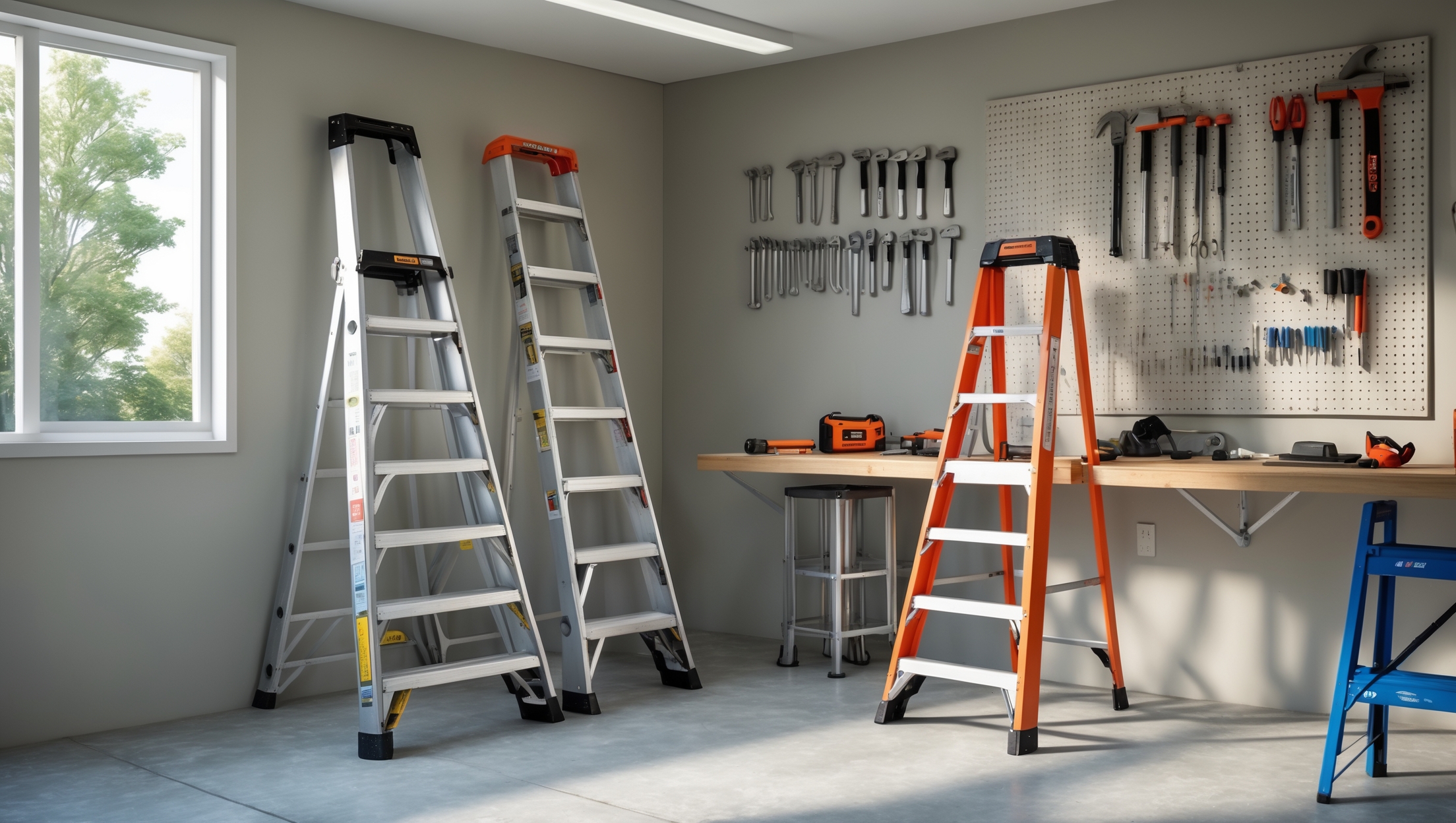
Introduction: Why Ladder Safety Is Critical for Every DIY Homeowner
Ladders are indispensable tools for countless home improvement projects, from cleaning gutters and painting walls to replacing light fixtures and installing shelving. Yet, ladder-related accidents are among the most common—and most preventable—sources of injury for DIY enthusiasts. According to the U.S. Consumer Product Safety Commission, more than 164,000 Americans are treated in emergency rooms each year due to ladder injuries at home. Most of these incidents result from simple mistakes: using the wrong type of ladder, improper setup, overreaching, or ignoring basic safety precautions. Unfortunately, even a minor fall from a few feet can have serious consequences.
This comprehensive guide is designed to equip homeowners and DIYers with practical, expert-level knowledge to use ladders safely and confidently. We’ll cover how to select the right ladder for your project, essential pre-use inspections, correct setup techniques, safe climbing practices, and crucial maintenance tips. Along the way, we’ll debunk common myths and provide actionable checklists to help you avoid the pitfalls that lead to injuries. Whether you’re a seasoned renovator or just starting your first project, understanding ladder safety isn’t just about following rules—it’s about protecting yourself, your family, and your investment in your home.
Choosing the Right Ladder for Your Project
Understanding Ladder Types
- Step Ladders: Self-supporting and ideal for indoor tasks such as painting, changing bulbs, and hanging décor. Their wide base provides stability for most standard ceiling heights.
- Extension Ladders: Not self-supporting. These ladders lean against a stable surface and are perfect for outdoor jobs like cleaning gutters, roof work, or trimming trees.
- Platform Ladders: Feature a wide standing surface at the top, offering comfort and security for prolonged tasks.
- Multi-Position Ladders: Highly adjustable, these can function as a step ladder, extension ladder, or scaffold, making them versatile for varied jobs.
Key Selection Criteria
- Height: Always choose a ladder that allows you to work without standing on the top rung or step. For extension ladders, ensure at least 3 feet extends beyond the roofline or work surface.
- Weight Rating: Ladders are rated by maximum load (user + tools). Common ratings include Type III (200 lbs, light duty), Type II (225 lbs, medium duty), Type I (250 lbs, heavy duty), and Type IA (300 lbs, extra heavy duty).
- Material: Aluminum ladders are lightweight and rust-resistant but conduct electricity; fiberglass ladders are heavier but non-conductive and safer for electrical tasks.
Pre-Use Ladder Inspection: Avoiding Hidden Dangers
Visual Checkpoints
- Look for cracks, bends, or splits on rails and rungs.
- Check for loose, missing, or damaged hardware (rivets, bolts, feet, hinges).
- Ensure anti-slip feet are intact and not worn down.
- Confirm all locks, spreaders, and braces operate correctly and lock firmly.
- Inspect for oil, grease, or other substances that could make the ladder slippery.
When to Retire a Ladder
Never attempt to repair a structurally compromised ladder. If you spot significant damage, especially to rails or locking mechanisms, it’s time to replace the ladder. Mark unsafe ladders clearly and remove them from service immediately.
Setting Up Your Ladder Safely
Location Matters
Always place your ladder on a firm, level surface. Avoid setting up on uneven ground, loose gravel, or slippery floors. If working outdoors, clear away debris, stones, or tools from the base area. Indoors, avoid positioning ladders near doorways or high-traffic zones unless you can block access.
Proper Ladder Angle
- For extension ladders, use the 4-to-1 rule: for every four feet of ladder height, set the base one foot away from the wall or support.
- Step ladders must be fully opened with spreaders locked before climbing.
Stabilization Techniques
- Use ladder levelers for uneven surfaces.
- Secure the ladder top and/or base with rope or ladder stabilizers, especially for high or windy locations.
- Never lean a ladder against weak or movable surfaces (e.g., gutters, window sills).
Safe Climbing and Working Practices
The Three-Point Rule
Always maintain three points of contact—two hands and one foot, or two feet and one hand—when ascending, descending, or working from a ladder. This greatly reduces your risk of losing balance.
Carrying Tools and Materials
- Use a tool belt or a bucket attached to a rope to hoist tools; never carry tools in your hands while climbing.
- Keep both hands free for gripping the ladder.
Safe Reaching Habits
- Never lean or overreach. If your belt buckle passes outside the ladder rails, you are reaching too far—climb down and reposition the ladder.
- Face the ladder when ascending or descending; never climb sideways or backwards.
Maximum Standing Height
- On a step ladder, never stand on the top cap or the step below it.
- On an extension ladder, never stand on the top three rungs.
Weather and Environmental Considerations
Wind and Rain
Avoid using ladders outdoors during strong winds, rain, or storms. Wet ladder rungs and surfaces can be extremely slippery. Gusts of wind can destabilize even properly set ladders.
Lighting Conditions
Ensure adequate lighting when working indoors or outdoors in low-light conditions. Set up temporary work lights if necessary to avoid missteps or missed footing.
Electrical Hazards
- Keep metal ladders away from electrical wires and sources.
- Use only fiberglass ladders when working near electricity.
Ladder Maintenance Best Practices
Routine Cleaning
Wipe down rails and rungs after each use to remove dust, paint, or sticky substances that could cause slips. Periodically wash ladders with mild soap and water, allowing them to dry thoroughly before storage.
Storage Tips
- Store ladders horizontally on racks or hooks to prevent warping.
- Keep ladders in a dry, covered location to protect against rust and UV damage.
- Do not hang heavy items from a ladder in storage, as this can bend rails over time.
Common Ladder Safety Myths Debunked
- “It’s safe to stand on the top rung if I’m careful.” — Absolutely not. The top rung or cap is not designed for standing and offers no support.
- “I can use a chair or table instead of a ladder for quick jobs.” — Chairs and tables are not substitutes for ladders. They are unstable and not designed for climbing.
- “A damaged ladder can be fixed with duct tape or wire.” — Never attempt makeshift repairs on ladders. Only factory-authorized repairs are safe and acceptable.
- “I’m only going up a few steps, so I don’t need to be careful.” — Most accidents happen close to the ground. Always follow safety rules, even for minor tasks.
Ladder Safety Checklist: Before, During, and After Use
Before Use
- Inspect ladder for damage or defects
- Confirm correct ladder type, height, and weight rating
- Set up on stable, level ground
- Ensure all locks and braces are secured
During Use
- Maintain three points of contact
- Do not overreach or stand on restricted steps
- Use tool belts or hoist tools separately
- Be mindful of weather and environmental hazards
After Use
- Clean ladder surfaces
- Check for new damage or wear
- Store ladder properly in a dry, safe location
What to Do If an Accident Happens
Even with all precautions, accidents can occur. If you or someone else falls or is injured while using a ladder:
- Assess for any head, neck, or back injuries—do not move the person unless necessary for safety.
- If there is bleeding, apply pressure with a clean cloth.
- Call emergency services if the injury is serious or if there is loss of consciousness, severe pain, or suspected broken bones.
- Report the incident and review what went wrong to prevent future accidents.
Conclusion: Building a Culture of Safety in Home Improvement
Ladder safety is not just a checklist to follow—it’s a habit that every homeowner and DIY enthusiast must cultivate. The convenience of ladders in home projects is matched only by the potential for injury when they’re misused. By understanding ladder types, inspecting before each use, setting up properly, and following proven climbing practices, you significantly reduce the risk of accidents. Remember, most ladder injuries are preventable with just a few moments of attention and care.
Let ladder safety become second nature. Invest in the right ladder for your needs, never ignore warning signs, and always prioritize a secure setup. Share these practices with family members, especially children and older adults who may be tempted to use a ladder unsupervised. Safety doesn’t end when the project is finished—ongoing maintenance and proper storage ensure your ladders remain reliable tools for years to come. Each successful, accident-free project reinforces the value of putting safety first. Empower yourself with knowledge, and enjoy your home improvements with confidence and peace of mind.
I noticed you mention both platform and multi-position ladders. For a small business with varied maintenance needs, is one type generally safer or more versatile than the other?
Multi-position ladders are generally more versatile since they can be adjusted for different tasks and spaces, making them suitable for varied maintenance needs in a small business. Platform ladders offer added stability and comfort for long tasks but are less adaptable. Choose based on the range of jobs you expect to handle.
The article mentions pre-use inspections for ladders. Could you give some real-world tips on what specific issues to watch for, especially if my ladder is a few years old and used regularly outdoors?
When inspecting an older, outdoor-used ladder, look out for bent or cracked rungs, loose screws or bolts, rust or corrosion, and any signs of warping or splits in the side rails. Also, check that the feet are secure and not worn down, and ensure that locks and hinges move smoothly and hold firmly.
Could you clarify how to tell when a step ladder versus a platform ladder is the safer choice for indoor projects? Sometimes my tasks take longer and comfort matters.
For longer indoor tasks where you need to stand for extended periods or move around a bit, a platform ladder is usually safer and more comfortable due to its wider, level standing area. Step ladders are great for quick jobs or when you need to reach something directly overhead. Choose based on the duration and type of movement needed.
I’ve had issues with my extension ladder slipping even though I thought I set it up correctly. Could you explain what ‘proper setup techniques’ really involve, especially for uneven outdoor ground?
Proper setup means placing your ladder on stable, level ground and using ladder levelers if the surface is uneven. Always maintain the correct angle: for every four feet in height, place the base one foot out. Make sure the feet are secure, and never set up on soft or loose soil without proper support.
Regarding the pre-use inspections you mention, what specific signs of wear or damage should I look for in an older step ladder before letting my employees use it for indoor maintenance?
Inspect the ladder for cracked, bent, or missing steps, loose or corroded rivets, warped rails, and damaged or missing feet. Make sure all locking mechanisms work properly and the spreaders fully lock. Check for slippery substances or excessive rust. If you find any of these issues, the ladder should not be used.
You mentioned that overreaching is one of the main causes of ladder injuries. Are there specific tips or tools you recommend to help avoid overreaching when working on high ceilings?
To avoid overreaching, always reposition your ladder instead of stretching to reach. Use an extension ladder or a platform ladder for high ceilings, which offer better reach and stability. Consider using tools with longer handles to minimize the need to lean out from the ladder.
Can you give more details about what kind of pre-use inspections you recommend for extension ladders before cleaning gutters or roof work?
Before using an extension ladder, check for damaged or missing rungs, loose or bent side rails, and make sure all locks and pulleys function smoothly. Ensure the feet aren’t worn down and the ladder is free of oil, dirt, or debris. Inspect for any rust, especially around joints or moving parts.
I’m curious about multi-position ladders you referenced—are they a good investment for a small business doing occasional repairs, or would a step ladder and extension ladder be more practical?
Multi-position ladders can be a smart investment for a small business, especially if you want flexibility without storing multiple ladders. They can serve as both step and extension ladders, but they’re heavier and sometimes less stable for certain tasks. If you often do repairs in tight or varied spaces, one multi-position ladder might be more practical than buying separate ones.
You mention both platform ladders and step ladders for indoor tasks. If I’m painting a staircase wall, which type would give me more stability and what should I watch out for?
For painting a staircase wall, a platform ladder generally offers more stability because it has a larger standing surface and sturdy rails. However, make sure the ladder’s feet are firmly placed on steps of equal height, and never straddle the ladder across uneven steps. Always maintain three points of contact while working.
Is there an affordable multi-position ladder you suggest for a small business with limited storage? I’d like something versatile for both indoor light maintenance and occasional exterior jobs without needing to own several types.
A telescoping multi-position ladder is a great fit for your needs. They’re compact for storage, adjust to different heights, and work well for both indoor and outdoor tasks. Look for models rated for commercial use; brands like Little Giant and Gorilla offer reliable options at reasonable prices.
For the pre-use inspections you mention, what specific signs of wear or damage should I look for that would mean the ladder is no longer safe to use?
Look for cracks, bends, or splits in the rails and steps; missing or loose rivets and fasteners; worn, missing, or damaged feet; and any rust or corrosion on metal parts. Also, check that the locking mechanisms work properly and the ladder stands firmly without wobbling.
You mention multi-position ladders being highly adjustable—are there situations where they might actually be less safe than using a dedicated step or extension ladder?
Yes, multi-position ladders can be less safe if not set up properly or if used on uneven ground, since their flexibility adds complexity. For very high work or simple indoor tasks, a dedicated extension or step ladder may provide better stability and be easier to use safely.
The article mentions that overreaching is a common cause of ladder accidents. Can you explain how to know when you’re overreaching and what to do to avoid it while working on tasks that aren’t easy to reach?
You’re overreaching if your belt buckle or torso extends past the sides of the ladder. To avoid this, always keep your hips centered between the ladder rails. If you need to reach further, climb down and move the ladder closer to your work area instead of stretching from your current position.
If I have limited storage space, is a multi-position ladder a practical alternative to owning several types, or does that come with safety trade-offs for beginners?
A multi-position ladder can be a practical choice for limited storage since it combines several ladder types in one. For beginners, always follow the manufacturer’s instructions for setup and locking positions to ensure safety. Take your time getting familiar with adjustments, and double-check stability before each use.
Is there a big difference in maintenance requirements between extension ladders and multi-position ladders, or are the basic maintenance tips pretty much the same for all types?
The basic maintenance steps, like checking for loose parts, cleaning, and inspecting for damage, are similar for both extension and multi-position ladders. However, multi-position ladders have more hinges and locking mechanisms, so they require a bit more attention to those moving parts to ensure smooth and safe operation.
Could you clarify what specific inspections I should do before using an extension ladder for outdoor jobs like cleaning gutters? Are there particular warning signs to look for with older ladders?
Before using your extension ladder, check for any cracks, bent rungs, missing feet, loose bolts, or rust, especially if it’s an older ladder. Make sure the locking mechanisms work smoothly and that the ladder isn’t wobbly or warped. Avoid using it if you spot damaged or worn parts.
When inspecting a ladder before use, what are the main warning signs that mean it’s no longer safe, especially if it’s an older wooden ladder?
With older wooden ladders, check for cracks, splits, warped or loose rungs, and signs of rot or softness in the wood. Also look for missing or loose hardware and any wobbling or instability. If you spot any of these, the ladder isn’t safe to use.
If I’m mainly doing outdoor gutter cleaning a couple times a year, is it better to invest in an extension ladder or would a multi-position ladder work just as well?
For outdoor gutter cleaning, an extension ladder is usually the better choice. It provides the necessary height and stability for reaching gutters safely. Multi-position ladders are versatile, but may not always offer the same reach or feel as secure when fully extended.
If a ladder gets wet or muddy during outdoor use, are there particular cleaning or maintenance steps I should follow before storing it back in my workshop?
Before storing a wet or muddy ladder, rinse off any dirt and wipe it down with a dry cloth to remove moisture. Allow it to air dry completely, especially around joints and locking mechanisms, to prevent rust or corrosion. Check for any remaining debris, and make sure all moving parts operate smoothly before putting it away.
You mention that even a minor fall from just a few feet can be serious. Are there any specific safety features or ladder add-ons that help reduce injuries from short falls?
Yes, some ladders come with features like wider, slip-resistant steps, handrails, and stabilizer bars that offer extra security. You can also add non-slip feet or ladder mats for better grip on various surfaces. Using these can help minimize the risk and severity of injuries, even from short falls.
I’m curious if there are specific maintenance tips for extension ladders that are used mostly outdoors, especially regarding rust or wear from being left outside occasionally.
For extension ladders used outdoors, regularly check for rust, especially on metal parts, and lubricate moving sections. Wipe down the ladder after use to remove moisture or dirt. Store it in a dry, sheltered place when possible, and inspect for cracks or loosened rivets if it’s been exposed to weather.
I run a small remodeling crew and we often use extension ladders for exterior work. Could you clarify what kind of inspection we should do before each use, beyond just checking for cracks?
Before each use, inspect the ladder’s rungs, locks, feet, and ropes for bends, wear, or looseness. Make sure all moving parts operate smoothly and that locking mechanisms engage fully. Also, look for any corrosion, missing labels, or buildup of dirt that could affect stability. Confirm the ladder is clean and dry before setting it up.
When you mention multi-position ladders, are there particular safety risks that come with adjusting them to different configurations compared to standard step ladders?
Yes, multi-position ladders do have some unique safety risks. It’s important to ensure all locking mechanisms are fully engaged when changing configurations, as improper locking can lead to collapse. Also, always double-check stability after adjustment, and be mindful of pinch points when handling moving parts.
If I’m working alone on an extension ladder for outdoor projects like cleaning gutters, what are some specific safety tips to prevent overreaching or losing balance?
When working alone on an extension ladder, always keep your belt buckle between the ladder rails to avoid overreaching. Move the ladder frequently instead of leaning sideways. Make sure the ladder is set on firm, level ground and fully locked before climbing. Never stand on the top three rungs, and keep three points of contact (two hands and one foot, or two feet and one hand) at all times.
You mentioned that even a minor fall from a few feet can have serious consequences. Is there a recommended minimum height or type of ladder where extra precautions should be taken beyond the basics?
Extra precautions should be taken anytime you’re working from a ladder, regardless of height. However, once you’re more than 3 feet off the ground or using extension or multi-position ladders, it’s especially important to use stabilizers, maintain three points of contact, and avoid leaning or reaching out too far.
You mention that even a minor fall from a ladder can have serious consequences. Are there specific types of injuries that DIYers should watch out for, and what first aid steps would you recommend if an accident does occur?
DIYers often face injuries like sprains, fractures, head bumps, or even back injuries from ladder falls. If an accident happens, keep the person still, stop any bleeding with gentle pressure, and apply ice to bruises. Seek medical help for head injuries, difficulty moving, or severe pain.
I’m never sure how to tell if a ladder is still safe to use. What exactly should I be inspecting before climbing up each time, and are there warning signs that mean I should replace my ladder?
Before using a ladder, check for cracks, bent steps, loose rungs, rust, or missing parts. Make sure all locks and hinges work smoothly. If you notice wobbling, damaged feet, or anything broken, it’s time to replace the ladder for your safety.
Can you explain more about what to look for during a pre-use ladder inspection? I struggle to know when a ladder is no longer safe to use.
During a pre-use ladder inspection, check for cracks, bent or missing rungs, loose screws, slippery steps, and any rust or corrosion. Make sure all locking mechanisms work and the feet are intact. If you notice any significant damage, instability, or parts that are not functioning properly, the ladder is no longer safe to use.
I have some outdoor projects coming up, like trimming trees and cleaning gutters. Between extension ladders and multi-position ladders, which would be safer for someone who is new to ladder use?
For outdoor tasks like trimming trees and cleaning gutters, an extension ladder is often safer for beginners because it provides more stability and reach for working at height. Make sure to set it up on firm, level ground and always follow the ladder’s safety guidelines.
If I’m working alone and need to set up an extension ladder outdoors, are there any tips for making sure it’s stable without extra help?
To stabilize an extension ladder outdoors when working alone, place it on firm, level ground and ensure the feet are secure. Angle the ladder so for every 4 feet of height, the base is 1 foot out from the wall. Tie off the top or use ladder stabilizers if you can. Always double-check stability before climbing.
I noticed you mentioned multi-position ladders. Are those generally safer for homes with limited storage space, or do they have more risks compared to basic step ladders?
Multi-position ladders are great for limited storage because they fold and adjust in size, making them more compact. However, they can be more complicated to set up, so it’s important to follow instructions carefully. Basic step ladders are simpler and may be safer for straightforward tasks, but aren’t as versatile.
Could you elaborate on what specific pre-use inspections should be performed before using a step ladder versus an extension ladder?
Before using a step ladder, check for secure, undamaged steps and hinges, and ensure locking devices are working. For extension ladders, inspect the rails, rungs, locks, and rope for wear or damage, and make sure the feet are slip-resistant. Both ladders should be clean and free of oil or debris before use.
When inspecting a ladder before use, what specific signs of wear or damage should I look for that would make a ladder unsafe, even if it looks mostly fine at a glance?
Look closely for cracks or splits in the rails, loose or missing rungs, bent or warped steps, rust on metal parts, loose bolts, and damaged feet or locking mechanisms. Even small signs of instability, corrosion, or wobbling mean the ladder shouldn’t be used. Always double-check all moving parts and ensure nothing is worn out or broken.
Could you explain how to tell if a step ladder is still safe to use after it’s been stored in a garage for a few years? I’m not sure what to look for during the pre-use inspection.
Check the ladder for any rust, cracks, or bent parts, especially at the joints and steps. Make sure all locking mechanisms work smoothly, and the feet are not worn or missing their grips. Test for stability by gently rocking it before use, and if anything feels loose or damaged, the ladder should not be used.
When choosing between an extension ladder and a multi-position ladder for cleaning second-story gutters, is there a particular safety advantage to one over the other, especially for someone working alone?
For cleaning second-story gutters, an extension ladder is usually safer and more stable, especially when working alone. Multi-position ladders offer versatility but can be less steady when fully extended. Always ensure the ladder is on firm ground and follow the manufacturer’s safety instructions.
I run a small painting business and sometimes we have to work on uneven ground outdoors. Do you have any extra safety tips or equipment recommendations for setting up extension ladders safely in those situations?
When working on uneven ground, use ladder levelers or adjustable ladder stabilizers to ensure the ladder stands evenly. Always secure the ladder’s feet on firm, non-slippery surfaces and avoid stacking objects to level it. Consider using a platform or board to create a stable base if needed, and check that the ladder’s angle remains safe after adjustments.
If I want to clean my gutters but only have a step ladder, is it safe to use it for that purpose, or should I get an extension ladder instead?
For cleaning gutters, it’s generally safer to use an extension ladder rather than a step ladder. Step ladders are designed for stable, level surfaces and may not provide the height or stability needed for gutter work. An extension ladder can reach higher safely and lets you work while facing the gutters directly.
Could you clarify what kind of inspections should be done on a ladder before each use? Are there specific signs of wear to look out for that homeowners might miss?
Before using a ladder, check for loose or missing rungs, cracked rails, bent steps, and worn or slippery feet. Make sure all locking mechanisms work and the ladder is stable. Watch for rust, corrosion, or splinters, especially if the ladder is stored outside. Even small cracks can weaken a ladder, so address any damage before use.
If I only have space and budget for one ladder, would a multi-position ladder really be safe and practical for both indoor chores like changing light fixtures and outdoor jobs like cleaning gutters?
A multi-position ladder can be both safe and practical for indoor and outdoor tasks if you choose a model that meets safety standards and matches the heights you need. Just be sure to follow the manufacturer’s instructions and lock the hinges securely before each use.
Can you give more tips on checking if a ladder is still safe to use after being in storage for a while? I’m worried about hidden damage I might not notice during a quick inspection.
After storage, check your ladder for loose or missing parts, rust, warped or bent rails, and cracks in joints. Open and close it fully to ensure smooth movement. Test all locks and hinges for security. If it’s an extension ladder, verify the rope and pulleys work properly. If you find any damage, avoid using the ladder until it’s repaired or replaced.
Could you provide more guidance on what to look for during a pre-use inspection, especially for multi-position ladders? I want to be sure I’m not missing any critical safety steps.
When inspecting a multi-position ladder, check for loose, missing, or damaged locking hinges and joints, ensure all locks engage properly, and look for any cracks, bends, or corrosion on the rails and rungs. Make sure feet are secure and slip-resistant. Confirm all moving parts operate smoothly and nothing feels unstable or wobbly before use.
Is there a recommended maintenance schedule or checklist for keeping ladders in good condition, or is it enough to just look them over before each use?
It’s best to do both—a quick inspection before each use and a more thorough maintenance check every few months. Regularly look for loose bolts, damaged rungs, worn feet, and clean off debris. Periodically tighten hardware and store the ladder in a dry place to prevent rust or damage.
Could you offer some advice on how to properly inspect a ladder for wear or damage before starting a DIY project, especially if it’s an older ladder?
Before using an older ladder, check for cracks, bent rungs, or loose screws. Inspect the feet for wear or missing grip pads, and make sure locks and hinges work smoothly. Clean off any oil or debris, and never use a ladder with visible damage or unstable parts.
For ladder maintenance, what specific signs should I look out for that mean a ladder is no longer safe to use, even if it seems okay at first glance?
Check for cracks, bends, or splits in the ladder’s rails or rungs, loose or missing bolts and rivets, worn or non-slip feet, and any rust or corrosion, especially at joints. Also, ensure locking mechanisms work smoothly. Even subtle damage can compromise safety, so if you find any of these issues, it’s best to stop using the ladder.
Are there certain basic inspections you recommend doing every time before using a ladder, or is it only necessary to inspect them if they’ve been in storage for a while?
It’s important to inspect your ladder every time before use, not just after storage. Always check for loose steps, damaged feet, cracks, bent parts, and secure locking mechanisms to ensure safety each time you set it up.
Could you clarify how often I should inspect my ladders for wear and tear? I use them frequently for both indoor and outdoor client projects and want to avoid missing anything important.
If you use your ladders often for both indoor and outdoor projects, it’s best to inspect them before each use. Look for cracks, loose rungs, bent rails, or worn feet every time, and do a more thorough inspection monthly to catch any hidden damage or wear.
You mention extension ladders for outdoor tasks like cleaning gutters and trimming trees. How do I know what height of extension ladder is safe for a two-story house without risking overreaching?
For a typical two-story house, a 24- to 28-foot extension ladder usually works well. To avoid overreaching, make sure the ladder extends at least 3 feet above the roofline or gutter, and always keep your hips within the ladder’s side rails while working.
Can you explain how to tell when a ladder actually needs to be replaced versus just repaired after wear and tear? I want to avoid unnecessary costs but also stay safe.
Check your ladder for cracks, bent rungs, missing feet, or loose joints—these usually mean replacement is safer. Minor issues like loose screws or surface rust can sometimes be repaired. If the ladder feels unstable or has structural damage, it’s best not to risk it and replace it for safety.
If a DIYer is working alone on an outdoor project like cleaning gutters with an extension ladder, what are some extra setup precautions you’d recommend beyond what’s mentioned in the guide?
When working alone, always make sure your ladder is on firm, level ground and use ladder stabilizers or anti-slip feet. Secure the ladder at the top if possible, and avoid overreaching—move the ladder instead. Also, let someone know you’re working outside so they can check on you if needed.
Could you clarify how often ladders should be inspected for safety issues, especially if they’re only used a few times a year?
Ladders should be inspected before each use, even if you only use them a few times a year. Look for damage like cracks, loose steps, or missing parts every time. Also, do a more thorough inspection at least once a year, especially if the ladder is stored in areas with moisture or temperature changes.
When working outdoors, is it safer to use a platform ladder or a step ladder if the ground isn’t perfectly level? I’m not sure how to decide between the two.
If the ground isn’t perfectly level, a platform ladder is generally safer because it offers a larger, more stable standing surface. However, neither type should be used on uneven ground unless you use ladder levelers or stabilizers to ensure the base is steady. Always make sure your ladder is secure before climbing.
For outdoor projects like cleaning gutters, you mention extension ladders, but I often have to deal with uneven ground. Are there any special safety tips or accessories you recommend for stabilizing extension ladders on sloped yards?
For sloped or uneven ground, use ladder levelers or stabilizer bars, which attach to your extension ladder and help keep it steady. Always make sure each foot is firmly supported, and consider using a solid plank or ladder mat under the legs for added stability on soft or sloped surfaces.
If I only have space to store one ladder, would a multi-position ladder be a safe option for both indoor tasks like changing bulbs and outdoor projects like cleaning gutters?
A multi-position ladder can be a safe and practical choice for both indoor and outdoor tasks if you choose a reliable, certified model and follow the manufacturer’s instructions. Make sure it locks securely in each configuration and always place it on stable, even surfaces to reduce accident risks.
If a ladder slips while I’m working outside, what immediate steps should I take to minimize injury or damage, especially if I’m working alone?
If your ladder slips while you’re outside and alone, try to stay calm and protect your head as you land. If you fall, assess yourself for injuries before moving. If you’re hurt and can’t get up, call for help using your phone or loud voice. Always keep your phone within reach when working alone for emergencies.
Are there any maintenance tips specific to multi-position ladders, since they have so many moving parts compared to standard step ladders? I’m worried about making sure all the hinges and locks stay safe over time.
Multi-position ladders do need extra care. Regularly inspect all hinges, locking mechanisms, and joints for wear or debris. Lubricate moving parts lightly if the manufacturer allows. After each use, ensure everything is clean and free of paint or dust, and always check that all locks engage securely before climbing.
Could you give some tips on how to tell if a ladder is too worn out to use safely? I worry about missing something during those pre-use inspections you mentioned.
Check your ladder for any cracks, bent steps, loose rivets, missing rubber feet, or rust, especially around joints. Make sure locks and hinges work smoothly and the ladder doesn’t wobble. If you spot structural damage or it feels unstable, it’s best not to use it and consider replacing it.
What should I look for when inspecting my ladder before using it? Are there any red flags that mean I shouldn’t use it even if it seems mostly fine?
Before using your ladder, check for cracks, bent parts, missing or loose rungs, and slippery or damaged feet. Make sure hinges and locks work properly. If you spot any structural damage, rust, or instability, avoid using the ladder, even if it seems okay otherwise. Safety always comes first.
Can you go into more detail about what a proper pre-use inspection looks like? I’m always worried I’ll miss something important before climbing up.
A proper pre-use inspection means checking the ladder for cracks, dents, or bent parts, ensuring all rungs and steps are secure and clean, testing locks and hinges for stability, and making sure the feet are not worn or slippery. Also, confirm that all labels are readable and that the ladder is rated for your weight.
Is there a particular maintenance routine you suggest for homeowners who use their ladders frequently, especially for outdoor jobs like gutter cleaning?
For frequent outdoor ladder use, check all rungs and joints for cracks before each use, clean off dirt or debris, and lubricate any moving parts monthly. After each job, store the ladder in a dry, shaded area to prevent rust or sun damage. Inspect for loose or missing hardware every few months and tighten or replace as needed.
Can you explain how to tell if a ladder has been damaged during storage or use, and what specific signs I should look for during the pre-use inspection?
Check your ladder for cracks, bends, or dents in the rails and rungs, missing or loose steps, rust or corrosion on metal parts, and splits in wooden ladders. Make sure all bolts and rivets are tight, and ensure the ladder’s feet are secure and not worn down. If you spot any of these issues, don’t use the ladder until it’s repaired or replaced.
If I’m only working indoors on a single-story home, is a step ladder usually enough, or are there situations where a platform or multi-position ladder would be safer?
For most indoor tasks in a single-story home, a step ladder is usually sufficient. However, if you need extra stability, a larger work surface, or will be reaching at awkward angles, a platform or multi-position ladder can be safer and more comfortable. Always choose a ladder that fits the task and offers good stability.
What’s the best way to properly set up an extension ladder for cleaning gutters if my ground outside isn’t perfectly level? The article mentioned ladder setup techniques, but I’m still a little unsure for uneven surfaces.
For uneven ground, use ladder levelers or stabilizers designed for extension ladders—they attach to the ladder’s feet and help balance it safely. Always make sure each foot is firmly planted before climbing, and never use makeshift items to prop up the ladder.
You mentioned that most ladder accidents happen from simple mistakes like improper setup. Are there visual signs I should look for to know if my ladder is set up correctly before climbing?
Yes, there are some key visual checks before climbing. Make sure all four feet of the ladder are on level, solid ground and the ladder isn’t leaning to one side. Check that any locks or spreaders are fully engaged and the ladder is fully opened if it’s a step ladder.
You mention that even a short fall can cause serious injuries. Are there extra precautions I should take if I’m doing projects with kids around the house?
Absolutely, extra care is needed with kids nearby. Keep children clear of the work area, never allow them to climb or play on the ladder, and make sure tools aren’t left unattended. If possible, have another adult supervise the kids while you work to minimize distractions and risks.
Could you share some tips on what to check for during a pre-use ladder inspection? I have an older ladder and want to make sure I’m not missing any crucial signs of wear before using it.
Absolutely, checking your ladder before use is important, especially if it’s older. Look for cracks, bends, or splits in the rails and steps. Make sure all rivets and bolts are tight and not rusted. Ensure the feet are secure and not worn out, and check that the locking mechanisms work smoothly. If anything seems damaged or unstable, don’t use the ladder.
When doing basic tasks like changing light bulbs or installing shelves, are there quick safety checks I should always do before climbing up, even if I use the same ladder regularly?
Absolutely. Before each use, check that the ladder is stable and all locks or spreaders are engaged. Make sure the feet aren’t worn or slippery and the steps are clean. Inspect for any cracks or damage, even if you use the ladder often. Always set it on a flat surface and keep the area clear of clutter.
For someone who needs to clean gutters and also paint high interior walls, is it better to invest in a multi-position ladder or stick with separate step and extension ladders?
A multi-position ladder can be a smart investment because it adjusts for both indoor and outdoor tasks like gutter cleaning and painting high walls. It offers flexibility and saves storage space, but make sure you choose one that meets the required height and safety standards for your specific needs.
For a small business trying to stay on budget, do you have suggestions for the most versatile ladder type that would cover both indoor and outdoor jobs without needing multiple ladders?
A multi-position or articulating ladder is usually the best choice for versatility and value. It can be adjusted to function as a step ladder, extension ladder, or even a scaffold, making it suitable for most indoor and outdoor tasks without the need to purchase several different ladders.
Does the guide suggest any budget-friendly brands or features to look for in a multi-position ladder that would be reliable for both indoor and outdoor DIY projects?
The guide doesn’t list specific ladder brands, but it does recommend looking for features like non-slip feet, lightweight but sturdy materials (such as aluminum), and secure locking mechanisms. These features help ensure safety and reliability for both indoor and outdoor DIY tasks, even when working with budget-friendly options.
I’m interested in the maintenance tips you mentioned. Are there any simple steps you recommend for storing ladders safely to help extend their lifespan and prevent accidents?
Store your ladder in a clean, dry place away from moisture to prevent rust or corrosion. Keep it off the ground, ideally hung horizontally on sturdy hooks, and make sure it’s out of the way of foot traffic to avoid accidental bumps or falls. Always lock extension ladders closed before storing.
You talked about different ladder types for different jobs, but how do you decide between a platform ladder and a regular step ladder for indoor painting projects? Is there a significant safety difference?
For indoor painting, a platform ladder gives you a larger, flat surface to stand on, which can reduce foot fatigue and help you balance tools or paint. While both ladders are safe when used properly, the platform ladder generally offers more stability and comfort for longer tasks. Choose it if you’ll be up there for a while or need extra space for supplies.
Could you clarify what kinds of inspections I should do before using a multi-position ladder, especially if it’s been stored in my garage for a few months?
Before using your multi-position ladder, check for any visible cracks, bends, or dents in the rails and rungs. Make sure all hinges, locks, and joints move smoothly and lock securely. Look for rust, corrosion, or loose hardware, and confirm the feet are clean and not worn out for good grip.
If I’m planning to trim trees by myself, are there extra precautions I should take when setting up an extension ladder on uneven ground?
Yes, when using an extension ladder on uneven ground, always use ladder levelers or place a solid, stable board under one side to create a flat surface. Make sure the ladder’s feet are secure and won’t slip. Avoid working alone if possible, and check that the ladder is at the proper angle—about 75 degrees—for safety.
I’m wondering if there are specific types of ladders you would recommend for people working alone versus those doing projects with a partner, particularly for tasks like gutter cleaning or painting high ceilings.
For solo work like gutter cleaning or painting high ceilings, an extension ladder with stabilizing feet offers good reach and stability. If you have a partner, a platform or multi-position ladder can be easier to handle safely, since someone can help steady it or assist with moving and setup.
When checking a ladder before use, what are the main things I should look out for during the inspection to make sure it’s still safe, especially if it’s been stored in the garage for a while?
Inspect the ladder for any cracks, bends, or rust on the rails and steps. Make sure all joints, bolts, and rivets are tight and not missing. Ensure the feet are intact and not worn, and that locks or spreaders are working properly. Clean off grease or debris before use.
You mention that overreaching is a common cause of ladder accidents. Could you give some practical tips on how to avoid overreaching, especially when working alone on a project?
To avoid overreaching, always keep your belt buckle between the ladder’s side rails and move the ladder instead of stretching. Use a tool belt or bucket to keep supplies handy, and choose a ladder that’s tall enough so the work area is within easy reach. It’s also helpful to plan your movements in advance to minimize repositioning.
If I have a multi-position ladder, are there any extra safety checks or setup steps compared to standard step ladders, particularly when adjusting its configuration?
With a multi-position ladder, always double-check that all locking hinges and joints are fully engaged and secured before climbing. Make sure each segment is properly aligned for the configuration you need. Inspect for worn or damaged parts and always set it on a stable, even surface. Adjust slowly and carefully, confirming stability before use.
If I need to clean gutters on a two-story home, is an extension ladder always the safest choice, or are there circumstances where a multi-position ladder would be better?
For cleaning gutters on a two-story home, an extension ladder is usually safest because it can reach higher and offers better stability. A multi-position ladder may work if it meets the height and weight requirements, but it must be set up on firm, level ground and locked securely. Always follow the ladder’s instructions and never stand on the top rungs.
You mention multi-position ladders as highly adjustable. For a small business with limited storage space, would you recommend these over separate step and extension ladders for both indoor and outdoor tasks?
Multi-position ladders are a smart choice for small businesses with limited storage since they combine the functions of step and extension ladders in one unit. They’re ideal for a range of indoor and outdoor tasks, saving both space and money.
If a ladder makes a slight creaking noise during setup, but all visible parts look fine, should I be concerned about its safety or is that normal wear?
A slight creak isn’t always a problem, but it can indicate hidden issues like loose joints or minor damage. Double-check all connections and locking mechanisms, and distribute your weight gently at first. If the noise persists or worsens, consider having the ladder inspected or replaced for safety.
You mentioned regular ladder inspections as important for safety. Could you share a simple checklist for what business owners should look for before each use, especially with older ladders?
Absolutely. Before each use, check for cracked or bent rails, missing or loose rungs, secure feet, worn or slippery steps, intact locking mechanisms, and any rust or corrosion. Make sure all labels are legible, hinges work smoothly, and the ladder stands firm with no wobble.
Could you elaborate on the main differences between step ladders and platform ladders when it comes to stability and safety for long projects indoors?
Step ladders are versatile and easy to move, but can become unstable if you overreach or stand on the top rung. Platform ladders, on the other hand, have a larger standing surface and often higher guardrails, offering more stability and comfort for longer indoor projects. For extended tasks, a platform ladder generally provides better safety and support.
You mentioned overreaching as a cause of ladder injuries—are there any specific techniques or tools that help prevent this when working alone?
To prevent overreaching when working alone, always position the ladder so you can easily reach your work without stretching. Use a tool belt or a bucket attached to the ladder to keep tools within arm’s reach, and consider ladder stabilizers or platforms for better balance and a wider working area.
Could you explain the main differences between platform ladders and multi-position ladders for longer projects, and which might be safer for someone working alone at home?
Platform ladders have a large, stable standing surface and are great for tasks requiring you to stay in one spot for a while. Multi-position ladders are more versatile and can be adjusted for different setups but may be less stable if not properly locked. For solo home projects, a platform ladder is usually safer and more comfortable.
If I need a ladder for both indoors and occasional outdoor jobs, is it practical to invest in just one type of adjustable ladder, or do you recommend having separate ladders for each scenario?
Investing in a high-quality adjustable ladder is a practical choice for both indoor and occasional outdoor use. Look for one that’s sturdy, has non-slip feet, and can extend to the heights you need. Just ensure it’s lightweight enough to maneuver indoors and rated for outdoor stability.
I’m a bit confused about how to know when a platform ladder is a better choice than a step ladder for indoor projects. Are there certain tasks where the platform ladder is much safer or more practical?
A platform ladder is often safer and more practical for tasks that require working at the same height for a while, like painting or installing fixtures. Its larger platform gives you more stable footing and lets you work hands-free. Step ladders are fine for quick, short tasks or when you need to move frequently.
When inspecting a ladder before use, what are some warning signs of wear or damage that mean it’s no longer safe, even if it still feels sturdy?
Look out for cracks, splits, bends, or corrosion on ladder rails and rungs. Loose or missing rivets, bolts, or steps are also red flags. Check for feet that are worn or missing, and make sure locking mechanisms work properly. Even if it feels sturdy, any of these signs mean the ladder isn’t safe to use.
Can you recommend any quick checks I should do before using an extension ladder to make sure it is still in good shape? I’m worried about missing something important during inspections.
Before using your extension ladder, check for loose or missing rungs, damaged feet or side rails, and make sure all locking mechanisms work smoothly. Also, confirm the ladder is clean and free of oil or dirt. If you spot any cracks, dents, or corrosion, don’t use the ladder until it’s properly repaired.
The article talks about pre-use ladder inspections. Could you give some examples of key things to look out for during these inspections, especially for older ladders?
During pre-use ladder inspections, especially with older ladders, check for cracked or bent rungs, loose or missing bolts, damaged feet or non-slip pads, signs of rust or corrosion, and any wobbling or instability. Also, make sure locking mechanisms work smoothly and that the ladder is clean and free from oil or mud.
When checking my ladder before use, what are the key signs it might be unsafe even if it looks fine at first glance? Sometimes I’m unsure if something minor like a wobbly step is enough to replace it.
Even if a ladder appears fine, check for hidden issues like loose or wobbly steps, bent rails, cracks, rust, missing feet or hardware, and slippery or damaged treads. Any instability, such as a wobbly step, is a serious sign—it’s best to repair or replace the ladder rather than risk using it.
Are there any specific tips for making sure a multi-position ladder is set up securely when switching between configurations during a single project?
When switching a multi-position ladder between setups, always lock all hinges and safety mechanisms before climbing. Place the ladder on a flat, stable surface each time you change its configuration, and double-check that it’s fully opened or locked in the new position before use.
Can you explain how often I should be doing these pre-use ladder inspections at home? I’m not sure if it’s needed every single time or just once in a while.
It’s best to inspect your ladder every single time before you use it, even for quick tasks. Regular checks help catch any damage, loose parts, or wear that could cause accidents. This quick inspection keeps you safer each time you use the ladder.
You mentioned overreaching is a common cause of ladder accidents. Is there a recommended distance or way to judge if I’m reaching too far when working on a ladder?
A good rule is to keep your belt buckle (or navel) between the ladder’s side rails at all times. If you need to reach farther, climb down and move the ladder instead of stretching, as overreaching increases the risk of losing balance.
If I only have room for one ladder in my small shop, would you recommend a multi-position ladder over a traditional step or extension ladder for most interior and exterior handyman jobs?
A multi-position ladder is a great choice for a small shop because it offers versatility for both interior and exterior tasks. It can adjust to different heights and configurations, effectively replacing the need for separate step and extension ladders.
If a ladder is a few years old but looks fine, what specific signs of wear or damage should I check for during the pre-use inspection you mentioned?
During your pre-use inspection, check for cracked or bent rungs, side rails, loose or missing bolts and rivets, worn or damaged feet, and any rust or corrosion around joints. Also, make sure all locking mechanisms work smoothly and there are no splinters or sharp edges, especially if it’s a wooden ladder.
For someone starting out with DIY projects on a budget, which ladder type would be the most versatile for a mix of indoor and outdoor tasks?
A multi-position or articulating ladder is often the best choice for beginners on a budget. It can be adjusted for different heights, used as a step ladder indoors, or fully extended for outdoor tasks. This makes it versatile and cost-effective for various DIY projects.
For someone on a tight budget, is it better to get a single multi-position ladder instead of buying separate step and extension ladders for different home projects?
A single multi-position ladder can be a smart, budget-friendly choice, especially if you have limited space and need versatility for different tasks. Just make sure the ladder you choose meets your height and weight requirements for all intended projects and complies with safety standards.
In the article, you mention overreaching as a common cause of ladder accidents. Are there specific guidelines for how far you can safely reach while standing on different types of ladders?
Yes, it’s best to keep your belt buckle or navel area within the side rails of the ladder—this applies to both step ladders and extension ladders. Avoid leaning out so far that your center of gravity shifts past the rails. If you can’t easily reach your work, climb down and move the ladder instead.
After a ladder has been used outside for roof work, what are the most important maintenance steps to prevent wear and ensure it’s safe for the next project?
After outdoor use, wipe down the ladder to remove dirt or moisture. Inspect it for any damage, like bent steps or loose hardware. Check rubber feet for wear, and make sure all locks work smoothly. Store the ladder in a dry, sheltered place to protect it from weathering.