

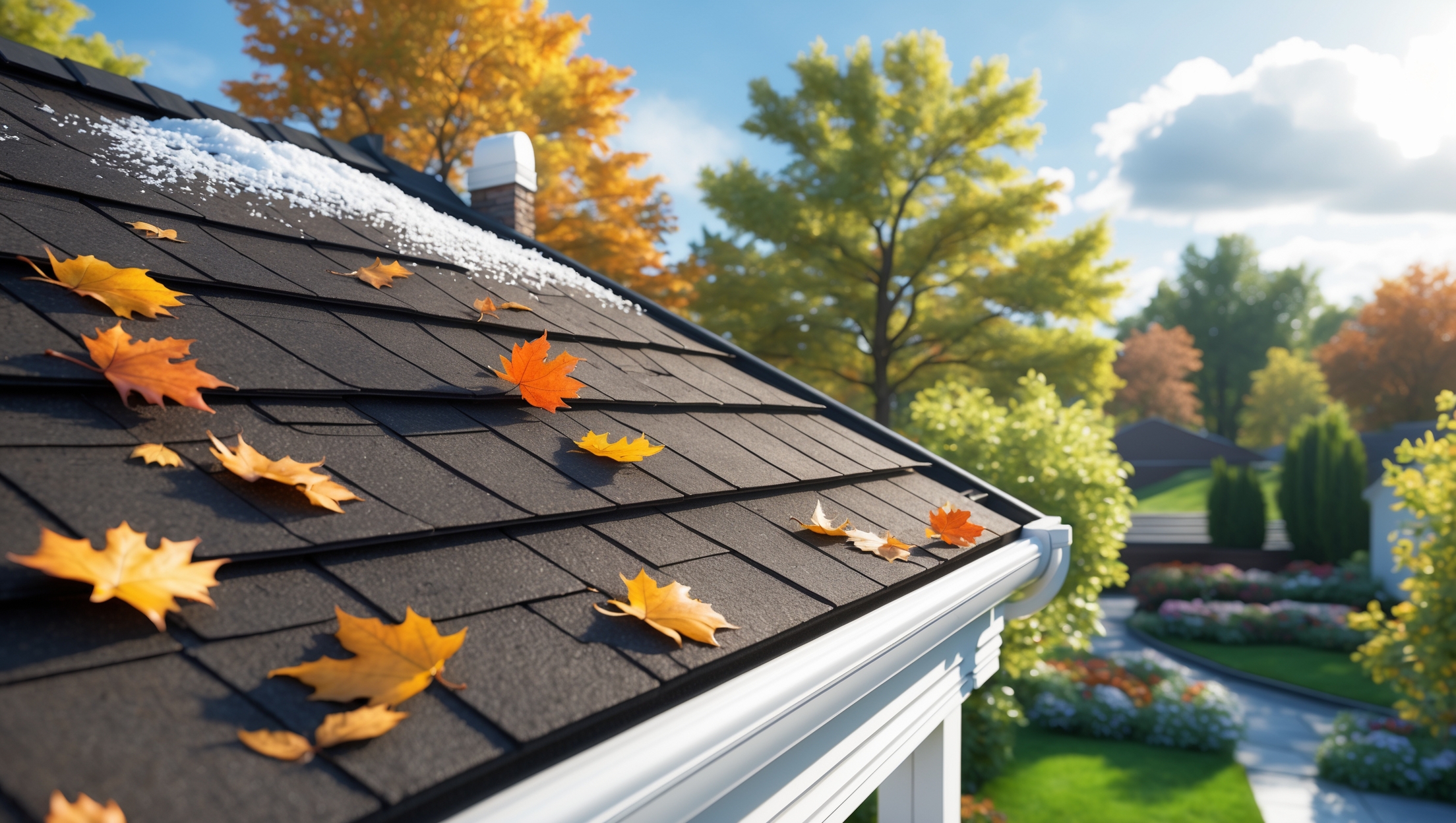
Introduction: Why Seasonal Roof Maintenance Matters
Your roof is your home’s first line of defense against the elements—be it pounding rain, glaring sun, heavy snow, or gusty winds. Yet, it’s often overlooked until a leak appears or shingles are found in the yard. Proactive, seasonal roof maintenance isn’t just for the ultra-cautious homeowner—it’s a critical practice to preserve your investment, prevent costly emergency repairs, and even extend the life of your roof by a decade or more. But what exactly should you do, and when? And how does your local climate change your approach? This guide delivers a practical, step-by-step checklist tailored to each season and climate, with clear explanations, actionable tips, and warning signs to watch for. Whether you live in a region battered by snow, scorched by summer sun, or somewhere in between, you’ll find expert advice to keep your roof in peak condition year-round.
Understanding Your Roof: Materials and Vulnerabilities
Common Roofing Materials
- Asphalt shingles: Affordable, widely used, but prone to heat and wind damage.
- Metal roofing: Durable and fire-resistant, but can leak at seams if not maintained.
- Clay/concrete tile: Long-lasting, ideal for hot climates, but tiles can crack in freeze-thaw cycles.
- Wood shakes/shingles: Attractive, but require more maintenance and are susceptible to rot and pests.
- Slate: Extremely durable, but heavy and costly to repair.
- Flat/low-slope roofs: Typically use membrane materials; vulnerable to pooling water and punctures.
Before diving into seasonal tasks, confirm your roof’s material and check the manufacturer’s care guidelines. This ensures you don’t void warranties and use the right cleaning methods.
Spring Roof Maintenance Checklist
Why Spring?
Winter weather can be harsh on your roof, making spring an ideal time for a thorough inspection and cleaning. Melting snow, ice, and heavy rain often reveal hidden damage.
Essential Spring Tasks
- Visual Inspection: From the ground and with binoculars, look for missing, curled, or cracked shingles, and check that flashing is secure.
- Gutter Cleaning: Remove debris, leaves, and twigs from gutters and downspouts. Ensure water flows freely away from your foundation.
- Moss and Algae Treatment: In damp climates, apply a roof-safe moss remover. Never pressure-wash shingles—it can damage granules.
- Check for Leaks: After spring rains, inspect attic ceilings for water stains, musty odors, or mold growth.
- Trim Overhanging Branches: Cut back limbs that could drop debris or rub against the roof in the wind.
Climate-Specific Tips
- Snow-prone regions: Look for ice dam damage and ensure attic insulation and ventilation are adequate to prevent recurrence.
- Storm-prone areas: Tighten loose gutters and check for wind-lifted shingles.
Summer Roof Maintenance Checklist
Why Summer?
Summer’s heat and sun can accelerate aging, especially in asphalt shingles. It’s also the best season for roof repairs, as materials adhere and cure more effectively in warm, dry conditions.
Essential Summer Tasks
- Inspect for UV Damage: Look for blistering, fading, and brittle shingles.
- Seal Exposed Nails: Use roofing cement to cover exposed fasteners that could rust and leak.
- Check Roof Vents: Clear debris from attic and roof vents to ensure proper airflow and prevent overheating.
- Inspect Skylights and Roof Penetrations: Ensure seals are intact around skylights, chimneys, and vent pipes.
- Attic Check: Look for signs of heat buildup, which can shorten shingle life and lead to mold growth.
Climate-Specific Tips
- Hot, sunny regions: Consider installing a reflective roof coating to reduce heat absorption and lower cooling costs.
- Areas with summer storms: Reinforce loose shingles and flashing to prevent wind damage.
Fall Roof Maintenance Checklist
Why Fall?
Fall is prime time to prepare your roof for winter’s challenges—be it snow, ice, or heavy rain. Addressing issues now prevents leaks and insulation problems when repairs are harder to make.
Essential Fall Tasks
- Final Gutter Cleaning: Clear out fallen leaves and check for proper slope toward downspouts.
- Inspect Flashing and Seals: Ensure all metal flashing is tight and caulked, especially around chimneys and valleys.
- Check for Pest Intrusion: Look for gaps where rodents, birds, or insects might enter as temperatures drop.
- Assess Roof Valleys: Check for buildup of leaves and debris, which can trap moisture and ice.
- Review Attic Insulation: Adequate insulation prevents ice dams and keeps heating bills in check.
Climate-Specific Tips
- Cold regions: Install heating cables in ice dam-prone areas (if recommended for your roof type).
- Wet climates: Apply moss and algae preventative treatments before the rainy season.
Winter Roof Maintenance Checklist
Why Winter?
Winter’s snow, ice, and cold can test any roof. While access may be limited, there are still key maintenance steps and warning signs to monitor.
Essential Winter Tasks
- Monitor for Ice Dams: Watch for icicles at the roof edge—a sign of poor insulation and ice dam formation.
- Clear Heavy Snow: Use a roof rake (from the ground) to remove deep snow and reduce structural load. Never climb onto an icy roof.
- Inspect Attic for Leaks: During thaws, check for new stains or drips in the attic.
- Look for Wind Damage: After storms, check for missing shingles or flashing from a safe distance.
Climate-Specific Tips
- Regions with freeze-thaw cycles: Keep gutters clear to prevent ice blockages and water backup.
- Mild winter zones: Take advantage of dry days to handle minor repairs and trim back winter-growth vegetation.
Warning Signs: When to Call a Professional
- Multiple missing, cracked, or curling shingles
- Persistent leaks despite DIY fixes
- Visible sagging or dips in the roofline
- Soft spots or spongy decking when walking (use caution)
- Extensive moss, algae, or mold growth
- Damaged or rusted flashing and vents
These issues often indicate deeper structural problems that require expert assessment and repair.
Tools and Safety Essentials for Roof Maintenance
- Sturdy ladder: Always place on level ground and secure at the top and bottom.
- Roofing shoes: Non-slip footwear is essential on sloped surfaces.
- Roof rake: For snow removal from the ground.
- Work gloves and safety glasses: Protect your hands and eyes from debris and sharp edges.
- Binoculars: For safe, ground-level inspections.
- Garden hose or leaf blower: For clearing debris from flat roofs.
- Caulk gun and roofing cement: For minor repairs to flashing and nail holes.
If your roof is steep, high, or in poor condition, hire a professional for all but the most basic tasks.
Roof Maintenance for Special Climates
Desert and Hot Climates
- Inspect for cracking and fading: UV exposure accelerates wear, especially on asphalt and wood roofs.
- Check for dry rot: Wood shakes are particularly vulnerable in arid conditions.
- Consider white or reflective coatings: These reduce heat absorption and lower cooling costs.
Coastal and Humid Climates
- Check for rust: Metal components can corrode quickly in salty air.
- Monitor for algae and moss: Keep surfaces clean to prevent growth and decay.
- Inspect seals and fasteners: Humidity can degrade caulking and adhesives.
High-Wind and Storm-Prone Regions
- Reinforce flashing and shingles: Secure any loose components before storm season.
- Trim trees: Remove weak limbs that could damage the roof in high winds.
- Install storm clips or straps: These help anchor the roof to the structure, especially in hurricane zones.
Mountain and Snowy Climates
- Check for ice damming: Ensure insulation and ventilation are adequate.
- Remove heavy snow: Prevent excess load and water infiltration.
- Inspect valleys and flat areas: These are prone to pooling and leaks.
Proactive Maintenance: Extending Roof Life and Saving Money
Staying on top of seasonal maintenance not only prevents leaks and major repairs, but can also help you spot warranty issues early, keep insurance valid, and increase your home’s value. Many roofing warranties require documented, regular inspections—save photos and notes from each season in a home maintenance file. If you’re handy, small repairs like re-caulking flashing or replacing a few shingles can be DIY tasks; for anything involving structural concerns, always call a professional.
Conclusion: Year-Round Roof Care—A Smart Investment
Roof maintenance isn’t glamorous, but it’s one of the smartest investments you can make in your home. By following a detailed, climate-appropriate checklist each season, you’ll prevent small issues from turning into costly disasters, keep your family safe and dry, and extend the lifespan of one of your home’s most expensive features. Adapt your maintenance to your roof’s material, local weather patterns, and the unique vulnerabilities of your region—no two roofs are exactly alike. Don’t wait for a leak to take action: proactive care always costs less than emergency repairs. If in doubt, consult a licensed roofing professional for annual inspections or repairs beyond your comfort level. With the right approach and a little diligence, you’ll enjoy peace of mind through every season and weather event, knowing your home is protected from the top down.
Could you give some advice on what maintenance tasks should be DIY versus which ones really require a professional, especially for roofs with older wood shingles?
For older wood shingles, DIY tasks you can safely handle include cleaning debris, checking for moss, and looking for obvious damage. However, repairs like replacing shingles, fixing leaks, or addressing structural issues are best left to professionals, as older wood can be fragile and working at height always carries risks.
The guide mentions checking the manufacturer’s care guidelines based on material. For older roofs where documentation is missing, what are the safest general cleaning methods to avoid accidentally voiding a warranty or causing damage?
For older roofs without documentation, use a soft-bristle brush or a leaf blower to remove debris. Avoid power washing, harsh chemicals, or abrasive tools, as these can damage most materials. Clean gutters regularly and inspect for signs of moss or algae, removing them gently with a mild soap solution if needed.
You mention that clay tiles can crack during freeze-thaw cycles. Are there preventative steps I should take before winter hits if I have a tile roof in a colder climate?
Before winter, inspect your clay tiles for existing cracks or damage and replace any compromised tiles. Clear debris from the roof and gutters to prevent water buildup, and ensure proper attic ventilation to reduce ice formation. Sealing small cracks and scheduling a professional inspection can also help protect your tile roof from freeze-thaw damage.
If I have a flat roof with membrane materials, are there specific seasonal maintenance steps that differ from what you recommend for sloped roofs with shingles?
Yes, flat roofs with membrane materials need a few different steps. Check for ponding water after rain, as flat roofs don’t drain as quickly. Inspect seams and flashing for cracks or lifting, since membranes can be vulnerable there. Remove debris regularly, especially before and after storms, to prevent punctures and drainage issues.
If my house has both a flat section and a sloped part, do I need to approach seasonal maintenance differently for each area, or can I use the same checklist for both?
You should approach maintenance differently for each roof section. Flat roofs are more prone to pooling water and need extra attention to drainage and membrane integrity, while sloped roofs require checks for shingle or tile condition and clear gutters. It’s best to adapt the checklist to suit each roof type’s specific needs.
You mention checking the manufacturer’s care guidelines to avoid voiding warranties. What are some mistakes people make during seasonal cleaning that could accidentally void a roof warranty?
Using pressure washers, harsh chemicals, or abrasive tools are common mistakes that can void a roof warranty. Also, improper installation of accessories or making unauthorized repairs without the manufacturer’s approval can be problematic. Always follow the care instructions and use recommended cleaning products and methods to protect your warranty.
Does the checklist cover how to spot early signs of water damage on wood shingles specifically, or should I look out for anything unique beyond rot and pests?
The checklist does mention checking for early water damage on wood shingles, including signs like discoloration, warping, or soft spots, in addition to rot and pests. It’s also wise to watch for mold growth and any splitting or curling of the shingles, which can indicate moisture issues.
Could you explain how to tell if winter weather has caused hidden damage to asphalt shingles versus wood shakes? I’m not sure what signs to look for in spring.
After winter, inspect asphalt shingles for curling, cracking, granule loss, or dark patches—these point to weather damage. For wood shakes, look for splitting, warping, mold, or soft spots. Both types can hide leaks, so check the attic for moisture or stains too. If you notice any of these signs, consider a professional inspection.
If I have asphalt shingles in a region that gets a lot of wind and sun, what specific signs of damage should I look for in spring besides missing shingles?
In addition to missing shingles, check for cracked, curled, or blistered shingles, as well as granule loss that exposes the black shingle base. Look for lifted edges, loose nails, and any shingles that appear buckled or warped. Also inspect for exposed underlayment or flashing issues.
If a roof has both asphalt shingles and sections of flat membrane (a common mix where I live), should the seasonal checklist be combined or should I follow separate guidelines for each material?
It’s best to follow separate guidelines for each roofing material. Asphalt shingles and flat membranes have different maintenance needs and potential problem areas. When doing your seasonal checks, address each section according to its specific materials to ensure thorough care.
Could you elaborate on how the seasonal checklist should be adjusted for mixed-climate regions where winters are mild but sudden storms or heat waves occur throughout the year?
In mixed-climate regions with mild winters but unpredictable storms or heat waves, it’s important to inspect your roof more frequently—at least at the start of each new season and after any major weather event. Focus on checking for loose shingles, clearing debris, ensuring gutters are clear, and looking for signs of water intrusion or heat damage year-round.
If I have an older asphalt shingle roof in an area with heavy spring rain, what are the early warning signs of damage I should watch for beyond missing shingles?
For an older asphalt shingle roof in heavy spring rain areas, watch for curling or cracked shingles, granule loss (bald spots), dark streaks indicating algae, sagging spots, and signs of leaks in your attic like damp insulation or water stains on rafters. Early repairs can prevent bigger issues later.
Are there budget-friendly ways to spot damage on a roof without having to hire a professional every spring, especially if my shingles are several years old?
Absolutely, you can use binoculars from the ground to look for missing, cracked, or curling shingles and check for dark streaks or moss. Inspect your attic for water stains after rainfall. Regularly cleaning gutters can also help you spot shingle granules, which indicate wear.
For homes with older asphalt shingles, do you recommend any specific signs to watch for after winter beyond missing or curled shingles? I want to make sure I’m not overlooking subtle damage.
Besides missing or curled shingles, check for cracked shingles, granule buildup in gutters, soft or spongy spots when you walk on the roof, and any dark or damp patches in your attic or ceiling. These can indicate underlying water damage or aging shingles that need attention.
If I have a flat roof with a membrane material, how often should I check for pooling water, and are there affordable ways to prevent small punctures from turning into bigger problems?
For flat roofs with membrane material, it’s best to check for pooling water at least every few months, especially after heavy rain. To prevent small punctures from becoming bigger issues, use roof sealant patches as soon as you spot damage and keep the roof clear of debris that could cause punctures.
Is there a way to prevent clay tiles from cracking during freeze-thaw cycles, or is it just unavoidable in colder climates?
You can reduce clay tile cracking in freeze-thaw cycles by sealing the tiles with a breathable sealant, making sure they’re properly installed with no trapped moisture, and keeping gutters clean to prevent water buildup. While some risk remains in harsh climates, these steps help protect your roof.
Could you clarify what kind of maintenance flat roofs need in spring compared to pitched roofs, especially when it comes to checking for pooling water or punctures?
Flat roofs need special attention in spring since they are more prone to pooling water and punctures. Inspect for standing water, clear debris from drains, and check for punctures or membrane damage. Pitched roofs shed water more easily, so focus on checking shingles, flashing, and gutters for winter damage rather than water pooling.
When it comes to following manufacturer care guidelines for different roofing materials, do most companies provide those details online or would you usually have to contact them directly if you don’t have the paperwork anymore?
Most roofing manufacturers post their care and maintenance guidelines on their official websites, often under support or resources sections. If you can’t find the information online, contacting their customer service directly is a good next step—they can usually email or mail you the instructions you need.
Does doing routine spring maintenance myself risk voiding my roof’s warranty if I don’t use a professional, or are there specific tasks that should only be handled by a roofer?
Many roof warranties require that certain repairs or inspections be done by licensed professionals, while basic maintenance like clearing debris or checking gutters is usually fine to do yourself. To avoid risking your warranty, check your warranty documentation for specific exclusions or required procedures.
For someone living in a place with both heavy snow and hot summers, are there specific spring maintenance tasks I should prioritize because of the extreme temperature swings?
After a winter with heavy snow, it’s important to check your roof for ice dam damage, clear away debris, and inspect shingles or tiles for cracks caused by freezing and thawing. Also, make sure gutters and downspouts are clear to handle spring rains, and check attic ventilation so your roof can better handle the upcoming summer heat.
What are some signs that shingles are damaged from heat versus wind, and how urgent is it to replace or repair them if I notice these issues during a spring inspection?
Heat damage to shingles usually shows as curling, blistering, or cracking, while wind damage often results in lifted, missing, or creased shingles. If you spot these problems in spring, plan repairs soon to prevent leaks and more expensive damage—especially before summer storms hit.
If my roof is made of asphalt shingles and I live somewhere that gets heavy spring rain and wind, how often should I be checking for damage or loose shingles each season?
For asphalt shingles in an area with heavy spring rain and wind, it’s best to inspect your roof at least twice each season—once after major storms and again midway through the season. This helps catch loose or damaged shingles early and prevents leaks or further issues.
If I have an asphalt shingle roof and notice a couple of shingles missing after a windy winter, should I replace them right away in spring or wait for a professional inspection first?
It’s best to replace missing asphalt shingles as soon as possible to prevent water leaks and further damage. If you’re comfortable doing minor repairs, you can replace them yourself, but if in doubt, scheduling a professional inspection first is a safe approach.
How do you safely check for damage on a steep roof without hiring a professional every spring? Are binoculars enough or should I consider a drone?
For steep roofs, binoculars are a safe and affordable way to spot obvious issues from the ground, like missing shingles or debris. A drone can provide a closer look at hard-to-see areas without risk, but always follow local drone regulations. Avoid climbing up yourself unless you have proper training and safety gear.
You mention manufacturer care guidelines to avoid voiding warranties. What are some common mistakes homeowners make during seasonal maintenance that could accidentally void a roof warranty?
Some common mistakes that can void a roof warranty include using harsh chemicals or pressure washers, installing satellite dishes or solar panels without approval, making repairs with non-approved materials, or failing to document maintenance. Always follow the manufacturer’s care instructions and keep records of any work done.
Could you give some guidance on how to safely inspect a steep or high roof during spring without risking injury?
For steep or high roofs, it’s safest to inspect from the ground using binoculars. Look for missing shingles, debris, or signs of damage. If a closer look is needed, consider hiring a professional instead of climbing up yourself to avoid unnecessary risks.
You mention that clay and concrete tiles can crack in freeze-thaw cycles. If I’m in a region with occasional freezing but mostly mild winters, how often should I check for this kind of damage each year?
In regions with mostly mild winters and only occasional freezing, it’s a good idea to inspect your clay and concrete tiles at least twice a year—once before winter and once after. This helps catch any cracks early, especially after any unexpected cold snaps.
For homeowners with flat or low-slope roofs, do you recommend any specific membrane materials that perform best in climates with heavy rain, or is routine inspection the top priority?
For flat or low-slope roofs in heavy rain areas, single-ply membranes like TPO, PVC, or EPDM are commonly recommended for their waterproofing properties. However, even with quality materials, routine inspections are essential to catch issues like ponding water or seam separations before they cause damage.
For homeowners in regions with heavy snowfall, how often should we check for ice dam damage in early spring, and are there particular warning signs that might not be obvious during a basic inspection?
In areas with heavy snowfall, it’s wise to check for ice dam damage at least twice during early spring—right after major melts and again after the freeze-thaw cycle slows. Beyond visible water stains, look for warped shingles, peeling paint near roof edges, or musty attic odors, as these can signal hidden leaks or trapped moisture.
If my roof is a mix of flat and sloped areas with different materials, should I follow separate checklists for each section or is there an efficient way to combine seasonal maintenance?
It’s best to tailor your maintenance to each roof section since flat and sloped areas, especially with different materials, have unique needs. You can combine your checklist, but clearly note tasks specific to each area and material to stay efficient and thorough during seasonal inspections.
How do I check if cleaning methods or sealants might void my roof’s warranty? Are there common mistakes homeowners make here when doing seasonal maintenance?
To avoid voiding your roof’s warranty, always review your warranty documents for approved cleaning methods and sealants. Many warranties prohibit pressure washing or using non-approved chemicals. A common mistake is using harsh cleaners or unapproved sealants, so check with your manufacturer or installer before starting any maintenance.
You mentioned that metal roofs can leak at the seams if not maintained properly. What are some early warning signs of this type of leak before it gets serious?
Some early warning signs of seam leaks in metal roofs include visible rust or corrosion around seams, loose or missing fasteners, water stains on attic ceilings, and peeling paint near the roof edges. Spotting these issues early can help you prevent more serious leaks and costly repairs.
About the spring inspection you mentioned—what’s the best way to safely check for winter-related damage on a two-story house without actually getting on the roof? Are binoculars or a drone effective enough?
Binoculars work well for spotting obvious damage like missing shingles or clogged gutters from the ground. A drone gives you a closer, more detailed look and is especially useful for hard-to-see areas. Both methods are effective if you avoid climbing, but for suspected serious issues, consider a professional inspection.
For a small business with a flat roof in a rainy climate, what would you recommend as the top priority during spring maintenance to prevent leaks and water pooling issues?
For a small business with a flat roof in a rainy climate, clearing all drains, gutters, and scuppers should be your top priority in spring. This ensures proper water flow and helps prevent leaks or water pooling. Additionally, inspect for any membrane damage or seam separations and repair them promptly.
You mention that regular maintenance can extend a roof’s life by a decade or more. Could you explain which specific seasonal tasks have the greatest long-term impact for roofs in regions with frequent freeze-thaw cycles?
In areas with frequent freeze-thaw cycles, the most important seasonal tasks are cleaning gutters and downspouts to prevent ice dams, inspecting and sealing flashing and joints to keep out water, and checking for cracked or missing shingles. Addressing these tasks before winter and after thawing helps protect against water intrusion and freeze-related damage, significantly extending roof life.
How do I know if inspecting and cleaning my roof in the spring is a DIY job or if I should hire a professional, especially if I have a flat roof with some pooling after heavy rain?
If your flat roof has pooling water after rain, it’s wise to be cautious. Minor inspections and debris removal can be DIY if you feel safe and have the right equipment. However, for persistent pooling or if you notice damage, leaks, or feel unsure, hiring a professional is safer and ensures proper assessment and repairs.
How would you recommend balancing roof maintenance schedules if I live in a place that gets both heavy winter snow and strong summer sun? Should I prioritize different tasks based on the season?
In areas with harsh winters and hot summers, it’s smart to focus on different tasks each season. Before winter, inspect and clean gutters, check for damaged shingles, and ensure flashing is secure. After winter, look for ice damage and clear debris. In late spring or early summer, check for sun damage, reseal where needed, and ensure proper attic ventilation.
Could you clarify what cleaning methods are safe for asphalt shingles so I don’t accidentally void the warranty while doing my spring maintenance?
To safely clean asphalt shingles and protect your warranty, avoid pressure washers and harsh chemicals. Use a garden hose with gentle water flow and a soft-bristle brush. For moss or algae, a 50:50 mix of water and mild bleach is usually safe—always rinse thoroughly. Double-check your manufacturer’s guidelines to be sure.
If I have an older asphalt shingle roof and notice some shingles missing after winter, is it possible to do minor repairs myself or should I call a professional right away?
You can replace a few missing asphalt shingles yourself if you’re comfortable working safely on your roof. However, if there’s widespread damage or you’re unsure about the roof’s condition, it’s best to call a professional for a thorough inspection and repair.
I have an older flat roof with a membrane material, and I keep having issues with pooling water. Are there specific spring maintenance steps you recommend to prevent damage in this type of roof?
For a flat membrane roof, check and clear all drains and gutters in spring to ensure proper water flow. Inspect the membrane for cracks, blisters, or lifted seams, and address any issues promptly. Also, look for low spots where water pools and consult a roofer about adding tapered insulation or improving drainage if pooling persists.
We have a flat roof and deal with a lot of pooling water in spring. Are there extra steps we should be taking that aren’t on a regular pitched roof checklist?
Flat roofs are more prone to pooling, so in addition to standard maintenance, make sure to clear all drains and scuppers frequently, check for low spots where water collects, and inspect the membrane for punctures or blisters. Consider having a professional assess the roof’s slope and drainage each spring.
How often should I check manufacturer care guidelines to make sure I am not accidentally voiding my roof warranty when doing seasonal tasks, especially if it’s an older asphalt shingle roof?
It’s a good idea to review your manufacturer’s care guidelines at least once a year before performing seasonal maintenance, especially with an older asphalt shingle roof. If the guidelines change or your roof ages, check them again before starting any new tasks to avoid any warranty issues.
Are there any specific seasonal maintenance tasks that would be different for someone in a super humid climate compared to a dry, hot one?
Yes, in super humid climates, it’s important to watch for mold, algae, and moss growth on your roof, and to keep gutters clear of debris to prevent moisture buildup. In dry, hot climates, focus more on checking for cracked or brittle roofing materials and ensuring proper attic ventilation to prevent heat damage.
If I have a mix of asphalt shingles and a flat roof with membrane material, should I follow different seasonal maintenance steps for each area, or is there a way to combine the checklists effectively?
It’s best to tailor your maintenance for each area. Asphalt shingles need checks for damaged or missing shingles and proper ventilation, while flat membrane roofs require inspections for ponding water, punctures, or membrane separation. You can combine your checklist by grouping shared tasks, but keep specific checks for each roof type.
If my house has a flat membrane roof and I notice minor pooling after rain, is that something I can handle myself during seasonal maintenance, or does it always require a professional?
Minor pooling on a flat membrane roof can often be managed by clearing debris from drains and ensuring gutters are clean. However, if the pooling persists or covers a large area, it’s best to have a professional inspect it to prevent long-term damage or leaks.
Could you elaborate on what makes flat or low-slope roofs especially vulnerable in certain climates? I live in a region with heavy spring rains, and I’m worried about how to spot early pooling or puncture issues before they get serious.
Flat and low-slope roofs are prone to water pooling because they don’t shed rain as quickly as steeper roofs. In regions with heavy spring rains, this can lead to leaks or punctures. Check your roof after storms for standing water, soft spots, or debris. Early attention to clogged drains and small cracks helps prevent larger issues.
For homeowners on a tight budget, which seasonal maintenance tasks are most critical to do yourself before calling a pro, especially after a harsh winter?
After a harsh winter, focus on removing debris from gutters and downspouts, checking for missing or damaged shingles, and inspecting attic spaces for leaks or water stains. These tasks are budget-friendly and help catch issues early, reducing the need for professional help unless you spot serious damage.
The article mentions following manufacturer care guidelines to avoid voiding warranties. Is there a standard place homeowners can find this information, or does it usually come with the original roofing paperwork?
Manufacturer care guidelines are most often included with the original roofing paperwork you receive after installation. If you don’t have that paperwork, you can usually find maintenance instructions on the manufacturer’s website or by contacting the contractor or installer who did the work.
You mention that slate roofs are heavy and costly to repair. Are there specific preventative measures homeowners can take during seasonal maintenance to minimize the risk of expensive slate repairs down the line?
Yes, preventative maintenance for slate roofs can help avoid expensive repairs. Regularly clear debris from the roof and gutters, check for cracked or slipped slates after storms, and ensure flashing is watertight. Avoid walking on the roof to prevent slate breakage, and schedule yearly inspections by a slate roofing professional to catch issues early.
How do I know if I need to worry about freeze-thaw cycles affecting my clay tiles? I live in an area that sometimes dips below freezing, but not all winter.
If your area experiences temperatures that fluctuate around freezing, even if only occasionally, freeze-thaw cycles can affect clay tiles. Look for signs like cracked or spalling tiles after cold snaps. Checking your roof after a freeze and keeping tiles well-sealed will help prevent damage.
If I have an asphalt shingle roof in a region with hot summers and occasional storms, are there any extra maintenance steps I should add to the spring checklist beyond a visual inspection?
In addition to a visual inspection, clear debris from gutters and downspouts, check for loose or curling shingles, and look for signs of heat damage like blistering. It’s also helpful to ensure attic ventilation is working well to reduce heat buildup during hot months.
Are there any budget-friendly tips for maintaining wood shake roofs so they last longer without constantly hiring professionals?
To extend the life of wood shake roofs without frequent professional help, regularly remove debris with a soft broom, keep gutters clear, trim overhanging branches, and inspect for damaged shakes to replace them promptly. Applying a mild cleaning solution like diluted bleach can help control moss and mildew. Always avoid pressure washing, as it can damage the wood.
If I have a metal roof and live somewhere with a lot of snow in the winter, are there any extra steps I need to add to my spring checklist that wouldn’t apply to asphalt shingles?
For a metal roof in snowy climates, check for any signs of shifting or damage to snow guards and fasteners in spring, as heavy snow can stress these components. Also, inspect seams and flashing for gaps caused by snow and ice movement—this isn’t usually necessary for asphalt shingles.
Are there budget-friendly options for cleaning and maintaining wood shakes, especially to prevent rot or pest issues, or is it always better to call in a pro for those jobs?
You can maintain wood shakes on a budget by using a soft-bristle brush, mild detergent, and water to gently clean off debris. Regularly clear leaves and branches, and inspect for signs of rot or pests. Applying borate-based wood preservatives can help deter insects. Professional help may be needed for severe rot or infestations, but basic upkeep can be handled yourself.
If my asphalt shingle roof suffered from wind damage over the winter, is there an order in which repairs and inspections should be handled in spring to avoid further problems?
Start with a thorough inspection to identify missing or damaged shingles and check for any leaks or exposed underlayment. Address immediate repairs, like replacing shingles and sealing leaks, before cleaning gutters or performing other seasonal maintenance. This ensures your roof is watertight before tackling less urgent tasks.
My building has clay tile roofing and last year some tiles cracked during a cold snap. What’s the best way to spot early damage after winter before it causes leaks?
After winter, carefully inspect your clay tiles for cracks or chips, especially looking for any that are misaligned or seem looser than others. Check the attic ceiling for moisture stains or drips, and look for debris buildup that might hide damaged tiles. Addressing any small cracks right away helps prevent bigger leaks later.
You mentioned warranty concerns with certain roof materials. For a flat roof with a membrane system, are there specific cleaning products or methods I should avoid so I don’t accidentally void the manufacturer’s warranty?
For membrane flat roofs, it’s best to avoid harsh chemicals, abrasive cleaners, and power washing, as these can damage the material and potentially void your warranty. Use mild soap, soft brushes, and gentle rinsing. Always check your manufacturer’s guidelines for approved cleaning products and methods to stay covered.
You mention that metal roofs can leak at the seams if not maintained—what specific steps should I include in my seasonal checklist to prevent this from happening, especially in areas with a lot of rain?
To prevent leaks at seams on metal roofs, check all seams and fasteners for gaps or rust, clean away debris, reseal joints with appropriate sealant, and tighten any loose screws. In rainy areas, inspect more frequently and clear gutters and downspouts to avoid water pooling near seams.
How often should I check the seams on a metal roof if I live in an area with heavy seasonal rain? The article mentions leaks at seams but does not specify a recommended inspection frequency.
In regions with heavy seasonal rain, it’s best to inspect the seams on your metal roof at least twice a year—ideally before and after the rainy season. After severe storms, do a quick check as well to catch any early signs of leaks or damage.
For a metal roof, what specific maintenance steps should I take in spring to prevent leaks at the seams, especially after a snowy winter?
In spring, inspect all seams and fasteners on your metal roof for gaps or loosening caused by winter snow and ice. Tighten any loose fasteners, clear debris from seams, and apply a suitable metal roof sealant to any visible gaps or worn areas to prevent leaks.
How do you figure out if a cracked clay tile on the roof from a freeze-thaw cycle is something you need to repair immediately, or can it wait until the next maintenance season?
If a cracked clay tile is letting in water or looks like it could break further, repair it as soon as possible to prevent leaks and structural damage. If the crack is minor and there are no signs of water ingress, you can usually wait until your next maintenance season. Monitor the area closely for worsening damage.
You mentioned that tile roofs can crack in freeze-thaw cycles. Are there specific warning signs to look for during spring inspections in colder climates to catch problems early?
During spring inspections, look for visible cracks or chips in the tiles, areas where tiles appear loose or shifted, and signs of moisture or leaks inside the attic. Also check for tile fragments in gutters or on the ground, which could indicate damage from freeze-thaw cycles.
Could you share any budget-friendly ways to extend the life of asphalt shingles in places where high winds are common, or is it better to consider upgrading to a different material?
To help asphalt shingles last longer in high-wind areas, you can regularly check for loose or damaged shingles and re-secure them with roofing cement. Trimming nearby trees and cleaning gutters also prevent damage. If wind damage is frequent, you might consider upgrading to wind-resistant shingles or alternative materials, but basic maintenance is the most budget-friendly first step.
You mention that clay or concrete tiles can crack during freeze-thaw cycles. What is the best way to spot early warning signs of this kind of damage before it gets serious?
To spot early signs of freeze-thaw damage on clay or concrete tiles, look for small surface cracks, chips, or flaking, especially after winter. Check for loose or shifted tiles and any signs of moisture underneath. Regularly inspecting your roof after harsh weather helps catch these issues early before they become serious.
Could you clarify how frequently manufacturers require inspections or cleanings for warranties on asphalt shingles? I want to make sure I don’t accidentally void mine while doing seasonal maintenance.
Most asphalt shingle manufacturers recommend professional inspections at least once a year for warranty compliance, but some require two. Cleanings typically aren’t mandatory unless specified, but it’s wise to check your warranty documents for exact terms. Always keep records of inspections and maintenance to protect your coverage.
How do I check if cleaning methods I’m using on my metal roof might void the manufacturer’s warranty? The article mentions following care guidelines but I’m not sure what to look for.
To be sure your cleaning methods won’t void your metal roof’s warranty, review your warranty paperwork or contact the manufacturer directly. Pay close attention to any listed prohibited chemicals, abrasive tools, or pressure washing restrictions. If you’re unsure, ask the manufacturer for their recommended cleaning practices to stay covered.
How do I know if following the manufacturer’s care guidelines for my specific roof material will still address regional climate challenges, like freeze-thaw cycles in spring?
Manufacturer’s care guidelines are a solid foundation, but they might not cover every regional issue. Check if the guidelines mention climate considerations. If not, supplement them with local advice—consult a roofing professional in your area to ensure your roof is protected against specific challenges like freeze-thaw cycles.
If my roof is still under a manufacturer’s warranty, which specific seasonal maintenance steps might void the warranty, and how do I confirm the right practices for my materials?
Using harsh chemicals, power washing, or walking on delicate materials can often void some manufacturer warranties. Always use gentle cleaning methods and avoid unauthorized repairs. To confirm the best practices for your specific roof, check your warranty documents and contact the manufacturer or installer for approved maintenance procedures.
The article mentions checking manufacturer care guidelines before maintenance. How can I find these if our roof was installed years ago and we’re not sure of the brand?
If you’re unsure of your roof’s brand, look for any labels or documentation left in your attic or near the electrical panel. You can also check with the contractor who installed the roof or contact a local roofer to help identify the material. Detailed photos may help experts narrow it down if needed.
If my house has asphalt shingles, what specific signs of wind or heat damage should I look for during a spring inspection that might not be obvious to a first-time homeowner?
For asphalt shingles, look for curled, cracked, or lifted shingle edges, as these can indicate wind or heat damage. Also check for missing granules, shiny or bare patches, and any shingles that appear warped or blistered. Pay attention to loose nails or exposed areas, as these can let in water.
Does doing seasonal maintenance on a slate roof differ a lot from what you’d do for asphalt shingles, especially in terms of what you should be checking for in spring?
Yes, seasonal maintenance differs a bit. With slate roofs, focus more on checking for cracked, loose, or missing tiles and making sure flashing is intact, since slate is durable but can break. For asphalt shingles, you’ll want to look for curling, granule loss, and overall wear. Both types need gutter cleaning and debris removal in spring.
You mentioned that improper cleaning methods could void a roof’s warranty. What are some common mistakes homeowners make when cleaning different roof materials, and how can I avoid them?
Homeowners often use pressure washers or harsh chemicals, which can damage shingles and void warranties, especially on asphalt or tile roofs. For metal roofs, using abrasive tools can scratch the surface. Always use a soft brush, mild cleaner, and follow manufacturer guidelines for your specific roofing material to stay within warranty terms.
I recently moved to an area with a lot of heavy winds, and my roof has asphalt shingles. What are some specific signs of wind damage I should look for during my spring inspection?
During your spring inspection, check for lifted, curled, or missing shingles, as these can be signs of wind damage. Also look for creased or cracked shingles, granule loss, and any exposed nails. Pay attention to debris buildup, especially around roof edges and ridges, as this can indicate where wind has affected your shingles most.
If I’m not sure whether my roof is membrane or traditional shingles, how can I safely figure that out before starting the seasonal maintenance steps?
To identify your roof type, check if the surface is flat and smooth (often membrane) or covered with overlapping individual pieces (shingles). If you have safe attic access, look up from inside for additional clues. If you’re still unsure, it’s best to consult a local roofer before proceeding.
If regular inspections reveal cracked tiles on a clay roof after a freeze-thaw cycle, what are the recommended next steps and is it typically something a homeowner can address themselves?
If you find cracked clay tiles after freeze-thaw cycles, it’s important to replace them quickly to prevent leaks and further damage. Some handy homeowners can replace individual tiles themselves, but since clay tiles are fragile and roof work can be risky, hiring a professional is often safer and ensures proper installation.
You mention that clay tiles can crack during freeze-thaw cycles. What’s the most cost-effective way to spot and repair minor cracks before they turn into bigger problems?
To spot minor cracks in clay tiles, inspect your roof after winter or heavy weather, looking for visible cracks or chipped areas. For small cracks, use a clear roofing sealant to fill them and prevent water from seeping in. This simple DIY fix helps avoid larger, more costly repairs later.
If my roof is made of wood shakes and I’m noticing some discoloration after winter, should I be worried about rot or pests already, or is that normal after a wet season?
Some discoloration after a wet winter is fairly common with wood shake roofs, but it can also signal early moisture issues like rot or mold. Check for soft, spongy areas or musty smells, as these could indicate rot or pests. If you’re unsure, a professional inspection is a good idea to catch any problems early.
You mention different roof materials like asphalt shingles, metal, and tile. How does the maintenance checklist change if you have a metal roof versus asphalt shingles, especially in a region with a lot of rain?
With metal roofs in rainy regions, focus on checking for rust, loose fasteners, and ensuring seams are watertight. For asphalt shingles, look out for missing, curled, or damaged shingles and clear granule buildup from gutters. Both types should have their gutters cleaned regularly, but metal roofs generally require less frequent repairs than asphalt shingles.
For a roof with asphalt shingles in an area that gets heavy spring storms, what specific signs of weather damage should I look for during my inspection?
When inspecting asphalt shingles after heavy spring storms, look for missing or cracked shingles, granule loss, curled edges, and any loose or exposed nails. Also check for dented flashing, clogged gutters, and signs of water stains or leaks inside your attic or ceiling.
If my house has both asphalt shingles and a small section with flat roofing, do I need to follow two separate maintenance checklists each season, or can I combine the steps somehow?
You can combine the steps, but make sure you include specific maintenance tasks for both asphalt shingles and flat roofing. Address the unique needs of each type in your routine, such as checking for shingle damage and inspecting flat areas for ponding water or membrane issues.
You mention that tile roofs can crack with freeze-thaw cycles. Is there a particular inspection technique or maintenance product you recommend to help prevent this in colder climates?
Inspect tile roofs in colder climates by checking for small cracks or chips, especially after winter storms. Use binoculars for hard-to-reach areas. Applying a breathable, water-repellent sealant can help prevent moisture from seeping in and expanding during freeze-thaw cycles. Replace any damaged tiles promptly to avoid further issues.
I have a flat roof with a membrane material and last spring I noticed some water pooling after heavy rains. Do you recommend any specific maintenance steps or products to prevent damage from pooling water in the spring?
For flat roofs with membrane materials, it’s important to keep drains and gutters clear to improve water flow. Inspect the membrane for blisters or cracks and patch any weak spots with a compatible sealant. If pooling is frequent, consider installing tapered insulation or a roof cricket to improve drainage and reduce water accumulation.
For someone living in a region with big temperature swings, are there special precautions to take with clay or concrete tile roofs during the winter and spring transitions?
With clay or concrete tile roofs in areas that experience big temperature swings, it’s important to check for cracked or loose tiles, clear debris from valleys and gutters, and ensure proper attic ventilation. Freeze-thaw cycles can cause tiles to shift or crack, so inspect after winter storms and address any damage promptly to prevent leaks or further deterioration.
Can you explain how often I should check for crack damage on clay tiles in places where the temperature drops below freezing at night but warms up during the day?
In areas with freeze-thaw cycles, it’s best to inspect your clay roof tiles for cracks at least twice each season, especially in fall and spring. Sudden temperature changes can cause existing cracks to worsen, so regular checks help catch issues before they become serious.
We use asphalt shingles and get a lot of high winds in our area. Are there preventative measures I can take each spring to limit shingle loss or damage, or is it mostly about regular inspections?
Besides regular inspections, you can help prevent shingle loss by checking for any loose or curling shingles each spring and securing them with roofing cement. Also, trim back overhanging branches, clear debris from your roof and gutters, and make sure attic ventilation is adequate to reduce wind uplift.
I noticed the article mentions voiding warranties if I use the wrong cleaning methods. How can I find the manufacturer’s care guidelines if my house is older and those documents are missing?
If you don’t have the original documents, try checking your roof for a manufacturer label or brand name, often found under shingles or on attic access points. You can then contact the manufacturer directly or visit their website for care guidelines. If you’re still unsure, a local roofing professional can help identify your roof type and recommended cleaning methods.
For someone with a busy schedule, is there a way to split up the spring maintenance tasks over several weekends, or are some things more urgent to do right away?
You can definitely split up the spring maintenance tasks over a few weekends. However, it’s a good idea to prioritize any tasks related to roof leaks, clogged gutters, or visible damage first, as these can lead to bigger problems if delayed. Other tasks, like minor cleaning or trimming overhanging branches, can be scheduled later.
If a homeowner discovers cracked tiles after a freeze-thaw cycle, is it best to repair them right away or can it wait until the next routine check, and does this affect the roof’s warranty?
It’s important to repair cracked tiles as soon as possible after a freeze-thaw cycle to prevent leaks or further damage. Delaying repairs could worsen the issue and potentially void your roof’s warranty, as many warranties require prompt attention to problems.
Could you clarify what to look for in manufacturer’s care guidelines that might be different from standard seasonal maintenance tips, particularly for asphalt shingle roofs?
Manufacturer’s care guidelines for asphalt shingles may specify approved cleaning products, recommend inspection frequency, and highlight materials or methods that could void the warranty. These details often go beyond standard tips by focusing on warranty protection and product longevity, so it’s important to follow their specific instructions in addition to general maintenance advice.
How can I figure out if my roof warranty will be affected by doing seasonal maintenance myself instead of hiring a professional? Are there common mistakes homeowners make that could void it?
Check your warranty documents or contact your roofing manufacturer to see if DIY maintenance is permitted. Some warranties require work by licensed professionals or have guidelines for homeowner maintenance. Common mistakes that might void coverage include using improper cleaning products, damaging shingles, or failing to document your work, so always follow the manufacturer’s instructions closely.
You mentioned manufacturer care guidelines for different roof materials. If a previous homeowner didn’t provide documentation, what’s the best way to figure out which maintenance practices won’t void my roof’s warranty?
If you don’t have the original documentation, check for any labels or stamps on your roof materials, or contact the roof manufacturer directly with photos or descriptions. You can also speak with a local roofing contractor who may recognize the material and advise on standard warranty-safe maintenance.
Does doing regular seasonal maintenance, as you suggest, help keep a roof warranty intact even if the manufacturer’s guidelines are pretty strict?
Yes, following regular seasonal maintenance can help keep your roof warranty intact, especially if you document your efforts. Most manufacturers require proper care as part of their warranty terms, so maintaining your roof and keeping records of your inspections and repairs can support any future warranty claims.
If my home uses clay tiles and I live in a climate with significant freeze-thaw cycles, are there additional preventive measures I should be taking each season besides your standard checklist?
With clay tiles in freeze-thaw climates, it’s wise to check regularly for cracked or loose tiles and repair them immediately. Also, keep gutters and valleys clear to prevent water pooling, and make sure any damaged mortar is replaced quickly to avoid water intrusion and freeze damage.
For someone with a flat membrane roof in a region that gets heavy spring rains, what are the most important maintenance steps to prevent water pooling and leaks as the season changes?
For a flat membrane roof in rainy regions, clear all drains and gutters of debris before spring. Inspect the membrane for cracks, blisters, or punctures, and repair any damage immediately. Ensure the roof slope directs water toward drains. Regularly check for standing water after rain and address low spots promptly to prevent leaks.
You mention wood shakes need more maintenance because of rot and pests. Are there preventative treatments I can use in spring to make this easier, or is regular cleaning enough?
Applying a wood preservative or water-repellent treatment in spring can help protect wood shakes from rot and pests. This, combined with regular cleaning to remove debris and moss, will make maintenance easier and more effective throughout the year.
You mentioned that metal roofs can leak at seams if not maintained. What kind of checks or repairs should I focus on after a harsh winter to catch seam issues early?
After a harsh winter, inspect the seams on your metal roof for gaps, lifted panels, or deteriorating sealant. Check for signs of rust or water staining around seams. Reseal any worn areas with a compatible sealant, and tighten any loose fasteners you find. Addressing these early helps prevent leaks and further damage.
How often should metal roof seams be checked for leaks, and are there any specific products you recommend for resealing them after a tough winter?
Metal roof seams should be checked at least twice a year, ideally in the spring and fall, and after any severe weather events. For resealing, look for high-quality, weather-resistant metal roof sealants, such as polyurethane or silicone-based products designed specifically for metal applications.
I know spring is a key time for roof inspections after harsh weather. How thorough does the inspection need to be for an older wood shake roof, and are there any DIY fixes that actually last if I spot minor rot or damage?
For an older wood shake roof, the inspection should be very thorough—check for loose, split, or curled shakes, moss, and signs of rot throughout the entire roof. Minor issues like loose shakes can be re-nailed or replaced individually, and small areas of rot can be treated with wood preservative. However, DIY fixes are usually temporary; lasting repairs often need professional attention.
For a small business with a flat membrane roof, are there extra precautions I should take in spring compared to a residential roof, especially to prevent leaks?
For a flat membrane roof on a small business, spring maintenance should include checking for membrane punctures, ensuring all seams and flashing are sealed, and clearing drains of debris to prevent pooling. Unlike most residential roofs, flat roofs are more prone to water pooling, so regular inspection and prompt repairs are especially important.
Could you explain how to tell if a metal roof’s seams are starting to fail before leaks actually become visible inside the house?
You can spot early seam issues on a metal roof by looking for raised, separated, or rusted seams, loose fasteners, or sealant that’s cracking or missing. Also, check for water stains or dampness in your attic after rain, even if there are no visible leaks inside yet.
Do you have any suggestions for inspecting a flat or low-slope roof safely, especially when looking for signs of pooling water or punctures after winter?
For flat or low-slope roofs, use a sturdy ladder and wear slip-resistant shoes. Inspect after winter during daylight, ideally with someone nearby for safety. Look for standing water, soft spots, and visible punctures. Use binoculars from the ground for an initial check and avoid walking on icy or wet surfaces to prevent accidents.
You mention that some maintenance steps can void warranties if not done according to manufacturer guidelines. Could you clarify what specific spring cleaning methods might put an asphalt shingle warranty at risk?
Using high-pressure power washing on asphalt shingles during spring cleaning can often void warranties, as it may damage the shingle surface. Applying harsh chemicals or abrasive cleaning tools can also be risky. Always follow the manufacturer’s recommended cleaning methods, typically soft-brushing and gentle rinsing, to protect your warranty.