

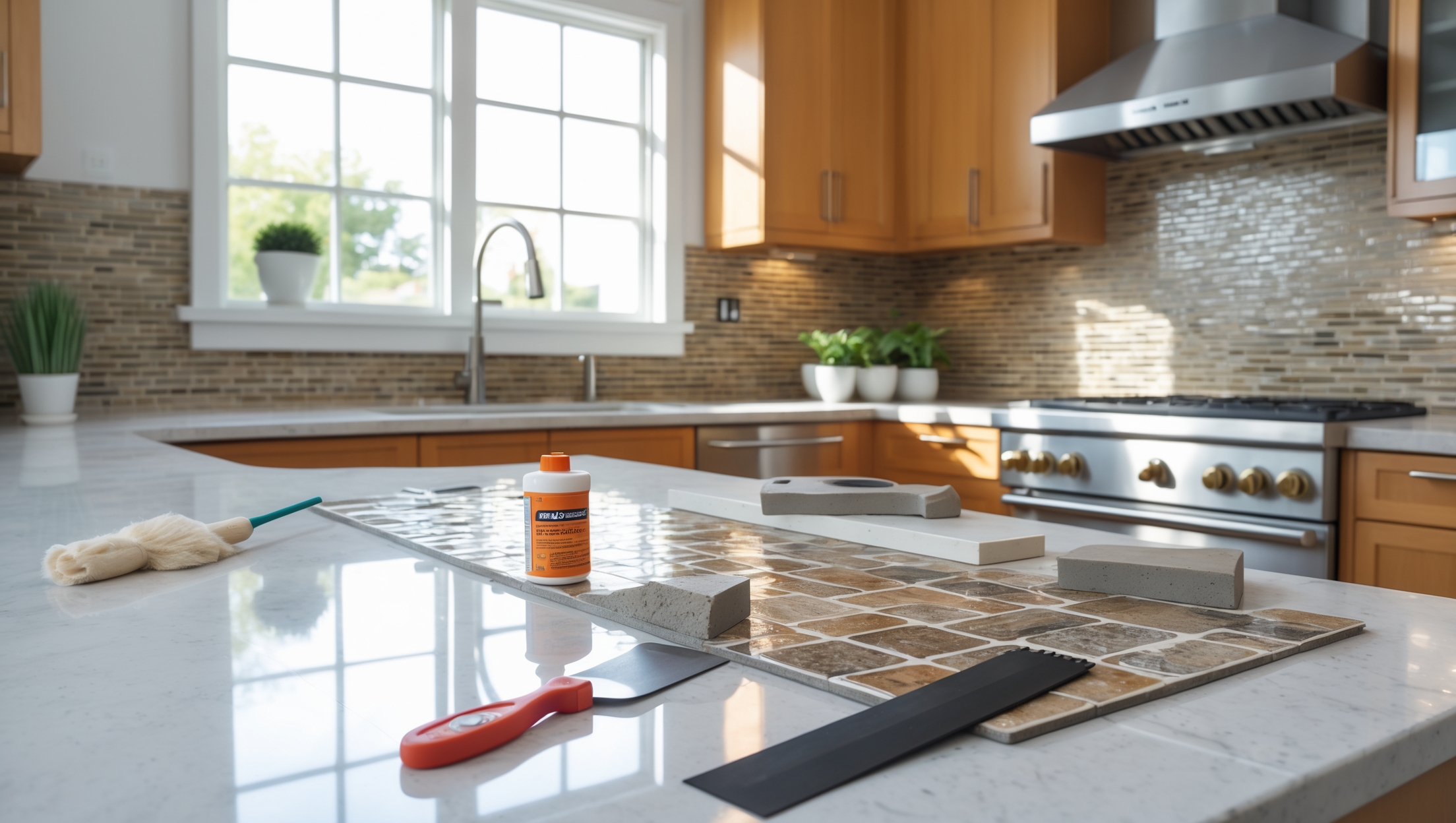
Introduction: Why DIY Kitchen Backsplash Projects Go Over Budget
Upgrading your kitchen backsplash is one of the most popular and impactful home improvement projects for both aesthetics and functionality. Many homeowners are drawn to the idea of tackling a DIY backsplash, enticed by countless online tutorials and the promise of cost savings. But, as seasoned renovators know, the reality often involves hidden expenses, unexpected obstacles, and budgeting pitfalls that can quickly turn a simple update into a costly headache. Understanding these potential pitfalls before you begin is crucial for keeping your project on track and your finances in check. This comprehensive guide explores the true costs behind DIY kitchen backsplash projects, uncovers the most common budgeting mistakes, and provides actionable strategies to help you avoid overspending while achieving professional-looking results.
Understanding the Real Costs of a DIY Backsplash
Material Costs: More Than Just Tile
At first glance, backsplash projects seem straightforward: pick your favorite tile, add adhesive and grout, and you’re set. However, the cost of materials extends far beyond the tile itself. Overlooking these additional requirements is a primary reason projects go beyond budget.
- Tile: Prices vary widely, from $5/sq.ft. for basic ceramic to $30+/sq.ft. for artisan or natural stone tiles. Factor in at least 10% extra for cuts and breakage.
- Adhesives & Grout: Quality thin-set mortar and grout for a standard 30 sq.ft. backsplash may cost $40–$80 combined, but specialty or stain-resistant products can double this.
- Backer Board: For uneven walls or moisture-prone areas, cement backer board is often required ($15–$25 per sheet).
- Sealants: Especially crucial for porous tiles like marble or travertine ($10–$25 per bottle).
- Edge Trim & Accessories: Metal or ceramic trim pieces for exposed edges ($10–$30 per 8 ft. length), plus spacers, caulk, and finishing tools.
Tooling Up: Essential Tools and Their Actual Cost
While basic tools are often on hand, a professional result may require several specialty items. Renting or purchasing these can significantly affect your budget.
- Tile Cutter or Wet Saw: $50–$100 to rent for a weekend, $100–$300+ to purchase.
- Notched Trowel & Grout Float: $10–$20 each.
- Level, Tape Measure, Mixing Paddle: $20–$60 total, if not already owned.
- Sponge, Buckets, and Rags: $10–$20.
- Personal Protective Equipment (PPE): Safety glasses, gloves, and dust mask ($15–$25).
Disposal and Prep Work Costs
Removing an existing backsplash can generate debris that must be disposed of properly. Dumpster bags or special hauling fees can run $30–$100. Wall repair materials (joint compound, sandpaper, primer) may add $20–$40, especially if drywall damage is extensive.
Surprise Expenses
- Unexpected Wall Damage: Water damage, mold, or uneven surfaces can require professional repair—potentially $200–$500.
- Electrical Work: Outlet relocation or box extensions ($10–$50 per unit) may be necessary for code compliance or aesthetic reasons.
- Extra Tiles: Matching discontinued tiles later can be impossible. Buying from a single batch—even if it means extra up front—prevents mismatched repairs and future costs.
Top Budgeting Mistakes Homeowners Make
1. Underestimating Square Footage and Waste
Misjudging the actual area to cover is a common error. Always measure the width and height of each section, deducting windows or outlets, then add 10–15% for cuts and breakage. For mosaic or hex tile, consider up to 20% extra for increased waste.
2. Ignoring Preparation and Repair Costs
Assuming the wall is ready for tile leads to surprise repairs. Old adhesive, grease, or paint must be removed; damaged drywall or uneven surfaces require patching or backer board. Failing to budget for these steps can derail your timeline and finances.
3. Skimping on Tools or Safety
Borrowing or improvising with inadequate tools often results in poor cuts, crooked installations, and wasted material. Likewise, ignoring PPE can lead to injuries—and medical bills. Invest in proper gear or rentals for a smoother, safer process.
4. Overlooking Small Accessories
Edge trim, spacers, caulk, and sealants are often forgotten in initial budgeting, but they’re essential for a finished look and moisture protection. These add up, particularly for longer runs or specialty finishes.
5. Not Factoring in Time Costs
DIYers frequently underestimate the time required, especially for tile layout, cutting, and curing. Rushing to finish can lead to costly mistakes, while drawn-out projects may mean eating out more or living with construction mess longer than planned.
Cost Breakdown: Sample Budget for a 30 Sq.Ft. Backsplash
- Tile (mid-range subway tile): 35 sq.ft. @ $8 = $280
- Thin-set mortar & grout: $70
- Backer board: $45
- Edge trim: $40
- Sealant: $20
- Rental (wet saw): $60
- Tools & PPE: $35
- Disposal (dumpster bag): $40
- Wall repair materials: $25
- Electrical box extenders (2): $20
Total Estimated Cost: $635
Contingency (10%): $64
Grand Total: $699
This is often 20–40% more than homeowners expect when looking only at tile price.
Strategies to Prevent Budget Overruns
Comprehensive Planning and Quote Comparison
List every material, tool, and accessory required. Use online calculators for tile and grout to avoid under- or over-purchasing. Compare prices across local and online suppliers, factoring in delivery fees for heavy or fragile items. Don’t forget to ask about return policies for unused tiles or unopened materials.
Set Aside a Realistic Contingency Fund
Add 10–20% to your total estimated budget to cover surprises. This cushion can be the difference between a smooth project and financial frustration.
Invest in Quality Where It Counts
Cheap tools or materials may seem cost-effective but can lead to breakage, poor adhesion, or premature failure. Prioritize quality adhesive, grout, and sealant over top-of-the-line tiles if necessary. Renting quality tools is often better than buying cheap ones.
Account for Hidden Labor Costs
Even DIY projects have time costs. Consider whether taking time off work, arranging childcare, or outsourcing prep or cleanup might impact your overall budget. Set a realistic project schedule to minimize disruption and avoid rushed mistakes.
Case Study: Avoiding Overruns in a Real-World DIY Backsplash
Consider the experience of a homeowner, “Ava,” who set out to install a glass subway tile backsplash. Her initial estimate was $300, based on tile price alone. She didn’t budget for:
- Specialty thin-set for glass tile ($30 extra)
- Tile nippers and wet saw rental ($80)
- Edge trim to match her cabinets ($25)
- Wall patching compound ($15)
- Outlet spacers and longer screws ($12)
- Grout sealer ($12)
- Unexpected mold behind the old backsplash ($175 for partial drywall replacement and primer)
The final cost was $649—over double her initial expectation. Ava notes that thoroughly researching required materials and potential wall issues, as well as speaking with a local tile supplier, would have prevented many of her budgeting errors.
Frequently Overlooked Budget Items
- Delivery Fees: Large tile orders can incur delivery costs of $30–$75, especially for fragile or heavy stone tiles.
- Tile Spacers and Cleanup Supplies: These small items may not be included in kits and can add $10–$15.
- Primer or Special Wall Sealers: Moisture-prone areas require additional prep ($15–$25).
- Matching Paint for Touch-Ups: After backsplash installation, adjacent walls often need repainting ($15–$40).
- Return Fees or Restocking Charges: Some suppliers charge 10–20% for returned tile boxes.
Tips for Budget-Friendly, Professional Results
- Choose Simple Tile Patterns: Straight-lay or subway patterns minimize waste and cuts.
- Buy from Local Suppliers: Reduces delivery fees and makes returns easier.
- Borrow or Rent Tools: Ask friends or local tool libraries before buying new equipment.
- Plan for Cleanup: Set aside time and supplies for thorough post-project cleaning—incomplete grout or adhesive removal can be a costly fix later.
- Keep Extra Tiles: Store 1–2 boxes for future repairs, as batches may change or discontinue.
Conclusion: Achieving a Stunning Backsplash Without Breaking the Bank
Tackling a DIY kitchen backsplash can be an immensely satisfying and value-boosting home improvement. However, the allure of “cheap and easy” upgrades often masks the true complexity and expense of doing it yourself. By understanding the full range of material, tool, and preparation costs—as well as the most common budgeting pitfalls—you can avoid the financial surprises that derail so many projects. Thorough planning, realistic budgeting, and investment in proper tools and materials are the keys to success. Don’t forget to set aside a contingency fund for those inevitable surprises, and always factor in your time and labor as part of the project cost.
Remember, a beautiful backsplash isn’t just about the tile you choose—it’s the result of careful preparation, attention to detail, and smart spending. By following the strategies and considerations outlined in this guide, you’ll be equipped to create a durable, designer-quality backsplash that enhances your kitchen and adds long-term value to your home, all while keeping your budget firmly under control. With the right mindset and preparation, your DIY backsplash project can be both an enjoyable experience and a sound financial investment.
The article points out that specialty grout and adhesives can double in price. Are there significant benefits to the pricier options, or can I achieve good results with the basic products for a standard ceramic tile backsplash?
For a standard ceramic tile backsplash, basic grout and adhesives usually work well and can provide lasting results when applied properly. The pricier specialty options mainly help with specific needs like stain resistance, flexibility, or unusual tile types. If your tiles and wall conditions are straightforward, basic products should be sufficient.
Could you elaborate on how to estimate the cost of edge trim and accessories if my backsplash has several corners and exposed edges?
To estimate the cost of edge trim and accessories, measure the total length of all corners and exposed edges. Multiply that length by the price per foot or meter of the trim you plan to use. Factor in connectors, end caps, and mounting hardware, as these may be sold separately.
Could you give more detail on how to estimate the right amount of tile, especially accounting for cuts and breakage? I worry about buying too much or too little for my backsplash.
To estimate the right tile amount, measure your backsplash area (length x height) to get square footage. Add 10–15% extra to cover cuts, mistakes, and breakage. For complex patterns or lots of small cuts, lean closer to 15%. Always round up to the nearest full box, as tile colors can vary between batches.
How much extra should I realistically budget for mistakes or breakage in a DIY backsplash project, especially if I’m using more expensive artisan or natural stone tiles?
When working with artisan or natural stone tiles, it’s wise to budget an extra 10–20% above your tile needs to cover mistakes, breakage, and any future repairs. These materials often have higher waste rates due to irregularities or cuts, so a bit of surplus is practical.
You mention needing to factor in at least 10% extra tile for cuts and breakage. Is this usually enough, or should I plan for even more overage if my kitchen has tricky corners and outlets?
If your kitchen has a lot of tricky corners, outlets, or unusual layouts, it’s wise to plan for a bit more than the standard 10% overage—aim for 12–15% extra tile. This gives you enough to handle unexpected cuts, mistakes, and pattern matching.
How can I estimate upfront whether my kitchen walls will need cement backer board? I’m not sure how to tell if they’re too uneven or moisture-prone.
To estimate if you need cement backer board, check your walls for flatness using a level; if there are uneven spots over 1/8 inch in 4 feet, backer board may help. Also, if the area is near a sink or stove and seems prone to moisture, or if current drywall feels soft or damaged, backer board is a safer option.
You talk about using backer board for uneven walls. Is this something most beginners can install themselves, or should I be budgeting for professional help at that stage?
Installing backer board can be manageable for beginners if you’re comfortable with measuring, cutting, and using basic tools. However, if your walls are very uneven or you’re unfamiliar with home projects, hiring a professional might save time and prevent mistakes. Consider your skill level and available tools before deciding.
How do I know if my kitchen walls need cement backer board before installing a backsplash, or if I can skip that step to save on costs?
Check what your current wall is made of. If you have drywall in good condition (no moisture issues or crumbling), most standard tile backsplashes can go directly over it. Cement backer board is needed if your walls are damaged, prone to moisture, or if you’re installing heavy tile or stone. Always avoid tiling over wallpaper or flaking paint.
I see you mentioned the cost of backer board for uneven walls or moisture areas. How can I tell if my kitchen wall really needs it, or if I can skip that step to save money?
To decide if you need backer board, check if your wall is flat and free from moisture. If the surface is bumpy, crumbling, or often gets damp (like near a sink), backer board helps tiles stick and prevents water damage. On smooth, dry, painted drywall, you might be able to skip it.
What are some common mistakes DIYers make when trying to save on material costs that end up making the project even more expensive in the end?
DIYers often try to save by buying low-quality tiles or cheap adhesives, but these can crack or fail, leading to costly repairs. Underestimating the amount of material needed is another mistake—running short mid-project can mean mismatched colors and extra expenses for rush orders.
Could you elaborate on how specialty or stain-resistant grout might impact the budget compared to standard options, and if the performance justifies the higher cost for a typical kitchen backsplash?
Specialty or stain-resistant grout typically costs more than standard grout, sometimes double or more. However, it resists stains, mold, and discoloration, reducing cleaning time and potential repairs. For a busy kitchen, this can be worth the higher upfront cost, especially if you want long-lasting, low-maintenance results.
What are some specific examples of specialty adhesives or grout that might double the cost, and are they always necessary for a basic ceramic backsplash?
Epoxy grouts and high-performance adhesives like thinset mortars formulated for glass tiles can be much pricier than standard products, sometimes doubling your material costs. For a basic ceramic backsplash, standard pre-mixed grout and regular tile adhesive are usually sufficient unless your tiles or installation area have special needs.
You mentioned that specialty grout or stain-resistant products can double the adhesive costs. Is it really necessary to go with those pricier options for a kitchen backsplash, or will the standard products hold up just fine?
For most kitchen backsplashes, standard adhesive and grout products work well if installed and maintained properly. Specialty or stain-resistant products are helpful in areas exposed to heavy splashes or grease, but they’re not essential for every kitchen. Choosing depends on your cooking habits and how much maintenance you’re willing to do.
Can you give more details on how to accurately estimate the amount of extra tile to buy for cuts and breakage? Is 10 percent usually enough, or does it depend on the tile type or pattern?
The extra tile you need can depend on the tile shape, size, and the complexity of your layout. For standard patterns, 10 percent extra usually works, but if you have diagonal or herringbone patterns, or if your tiles are delicate, consider 15 percent. Always round up, just in case you need replacements later.
The article mentions artisan or natural stone tiles can cost significantly more. Are there budget-friendly tile alternatives that still look high-end but help keep costs down?
Yes, you can find budget-friendly options that still offer a high-end look. Porcelain and ceramic tiles often mimic the appearance of natural stone or handmade tiles at a fraction of the cost. Glass tiles and high-quality vinyl peel-and-stick tiles are also stylish alternatives that can help you save without sacrificing style.
How do I know if my kitchen walls really need a cement backer board, or if I can skip that step to save money? The price you mentioned could bump up my budget quite a bit.
You usually need cement backer board if your wall is uneven, prone to moisture, or if you’re tiling over drywall near a stove or sink. For dry, flat, painted walls in good condition, you may be able to tile directly. If you’re unsure, check your tile’s manufacturer guidelines or consult a professional for your specific situation.
How do you determine if your kitchen wall needs a cement backer board or if you can skip that step? It sounds like it can add a lot to the cost if needed.
Cement backer board is usually required if your wall is uneven, damaged, or made of drywall that may get wet. For walls in good condition and away from moisture, you can often tile directly over painted drywall. Always check for stability and moisture exposure before skipping backer board to avoid future issues.
If my kitchen walls are already pretty smooth, is using cement backer board still necessary, or can I skip that step to save on costs?
If your kitchen walls are smooth, dry, and in good condition, you can usually install backsplash tile directly onto drywall, especially for lighter ceramic tiles. Cement backer board is recommended mainly for areas that will get very wet or if your walls are uneven. Just make sure your wall is clean and primed before tiling.
You mentioned specialty grouts can really increase costs—are there certain types of projects or tile materials where splurging on those is actually necessary?
Splurging on specialty grouts is necessary for projects using glass tiles, natural stone, or metal tiles, as well as mosaics with very narrow joints. These materials often require stain resistance, flexibility, or non-sanded grouts to prevent scratching or discoloration, so paying extra can help avoid long-term issues.
I’m curious about the cost difference between using ceramic and natural stone tiles when you factor in all the hidden material expenses like sealants and trim. Does going with the cheaper tile really save that much once everything else is included?
Choosing ceramic tiles usually results in lower overall costs, even after adding hidden expenses like sealants and trim. Natural stone often requires pricier sealants and more intensive prep, which can raise the total project price significantly. So, while the gap narrows, ceramic still tends to be the budget-friendly option when you include all material costs.
You mention the extra costs for adhesives, grout, and sealants. Are there any brands or product types that strike the best balance between quality and affordability for a typical 30 sq.ft. backsplash?
For a 30 sq.ft. backsplash, many homeowners find products like MAPEI or Custom Building Products offer reliable quality at reasonable prices for adhesives and grout. For sealants, look for water-based options labeled for kitchen or tile use, which tend to be both affordable and effective. Always check product coverage estimates to avoid overbuying.
How much of a difference does choosing a more expensive grout or adhesive actually make in the overall quality and longevity of the backsplash? Is it really worth doubling the price compared to standard products?
Higher-quality grout or adhesive can make a noticeable difference in durability and resistance to stains or cracking. While you may pay more, premium products often prevent issues like moisture damage or discoloration over time. For areas prone to splashes or heavy use, the investment can be worthwhile, though for low-traffic kitchens, standard options often suffice.
If my tile choice is on the pricier side, like natural stone, are there any areas where I could reasonably save on materials or tools without sacrificing quality?
You can save by borrowing or renting specialty tools instead of buying them outright, and by comparing prices on adhesives and grout—sometimes store brands offer good quality at lower prices. Consider standard tile sizes for less waste and avoid unnecessary extras like elaborate trim pieces.
If I end up choosing an artisan tile in the $30 per square foot range, how much should I realistically budget for overage and breakage beyond the recommended 10%?
For artisan tiles at $30 per square foot, consider budgeting for a 15% overage, especially if the tile pattern is complex or if cuts are tricky. This extra 5% helps cover unexpected breakage, future repairs, or discontinued styles. So, for every 100 square feet, plan on buying about 115 square feet.
If I underestimate how much grout or adhesive I need and run out mid-project, is it okay to switch brands or types, or could that cause visible issues on the finished backsplash?
Switching brands or types of grout or adhesive partway through can lead to differences in color, texture, or finish, which might be noticeable on your backsplash. It’s best to use the same product throughout to ensure a consistent look and strong bond.
Can you clarify at what point a standard drywall is not sufficient, and cement backer board becomes necessary for a DIY backsplash project? It seems like that could add a hidden cost.
Standard drywall is usually fine for dry areas, but if your backsplash is behind a sink or ranges close to moisture or heat, cement backer board is recommended. This upgrade prevents water damage and tile failures, but does add both material and labor costs, making it an important potential hidden expense.
I noticed you mentioned the cost of backer board for uneven walls. How can I tell if my kitchen wall needs one, or if I can skip that step to save money?
Check your wall by running a level or straightedge along its surface. If you find dips, bumps, or the wall feels wavy, you’ll likely need a backer board for a smooth tile finish. If the wall is flat, dry, and sturdy, you might be able to skip it and save on costs.
If I opt for cheaper ceramic tile but invest in higher-quality grout and sealant, will that help me avoid some of the common budget pitfalls mentioned?
Choosing more affordable ceramic tile and pairing it with high-quality grout and sealant can help you avoid costs related to future repairs, stains, or water damage. However, be sure to still account for other expenses like tools, substrate prep, and potential tile waste to stick to your budget.
You mentioned sealants are essential for porous tiles like marble or travertine. Are there specific types or brands you recommend, and how often do they need to be reapplied to keep the backsplash protected?
For porous tiles like marble or travertine, a penetrating or impregnating sealer is best. Popular brands include Miracle Sealants, Aqua Mix, and DuPont StoneTech. Typically, you should reapply the sealant every 1 to 2 years, but check the product label for specific recommendations.
I’m curious about how much extra to budget for unexpected issues like uneven walls or necessary backer boards. Do you have a ballpark percentage for these surprises compared to just the basic tile and adhesive estimation?
It’s wise to add about 15-20% to your basic tile and adhesive budget to cover surprises like uneven walls, extra materials, or needing backer boards. These issues can definitely add up, so this buffer helps avoid mid-project stress.
You mention specialty grout and sealants can double costs in some cases. For someone with kids who may be messy, is it worth spending extra on these products for long-term durability, or will the basic options suffice?
If you have kids and expect spills or frequent messes, investing in specialty grout and sealants is likely worth it. These products offer better stain resistance and durability, which can save you maintenance hassles and repairs over time compared to basic options.
I noticed you mentioned needing to factor in at least 10% extra tile for cuts and breakage. In your experience, is 10% usually enough, or would you recommend buying even more to be safe, especially with intricate patterns?
For standard layouts, 10% extra tile usually covers cuts and breakage. However, with intricate patterns or diagonal layouts, it’s wise to buy 15% extra to be safe. Complex designs often lead to more offcuts and mistakes, so having a little more on hand helps avoid issues if some tiles are damaged or miscut.
You mention stain-resistant grout can double the cost, but is it really necessary for a normal kitchen, or is regular grout usually fine if it’s sealed?
Stain-resistant grout is not absolutely necessary for most typical kitchens. Regular grout works well if you seal it properly and keep up with occasional resealing. The added cost for stain-resistant grout mainly pays off in areas where spills and stains are frequent or if low maintenance is a priority.
You mentioned needing to factor in extra tile for cuts and breakage—do you have any recommendations on how to accurately estimate how much extra to buy, especially for more intricate patterns?
For intricate patterns like herringbone or mosaics, it’s wise to buy 15-20% extra tile to cover cuts and breakage. For basic layouts, 10% extra is usually enough. Measure your backsplash area, calculate the square footage, and then add the extra percentage to your total before purchasing.
You listed a big range in tile prices. For someone on a strict budget, are there types of tile or stores that tend to have better deals without sacrificing quality too much?
For a tight budget, ceramic subway tiles are a solid choice—they’re affordable and still look great. Big-box home improvement stores often have good sales or clearance sections. Also, check out local tile outlets or surplus stores, as they can offer quality tiles at lower prices.
For someone with older, uneven walls, how much extra should I budget for backer board and any prep work? Is there a good way to estimate these costs before starting?
For older, uneven walls, it’s wise to budget an extra $2–$4 per square foot for backer board and prep materials. To estimate, measure your backsplash area and multiply by this amount. Also factor in possible costs for joint compound or additional fasteners if your walls are very uneven.
You mentioned that specialty or stain-resistant grouts can double the cost compared to regular ones. How do I know if I really need those, or if standard products are enough for a typical kitchen?
Specialty or stain-resistant grouts are especially useful if your kitchen sees a lot of cooking, splashes, or frequent cleaning, as they help prevent staining and are easier to maintain. For lower-traffic kitchens or backsplashes that won’t get messy often, standard grout is usually sufficient.
You mentioned needing about 10% extra tile for cuts and breakage. Is that generally enough if I’m working with a tricky pattern or should I buy even more to be safe?
If your pattern is complex or has lots of small pieces and detailed cuts, it’s smart to buy 15% extra tile instead of just 10%. Intricate layouts can lead to more waste, so having extra ensures you won’t run short.
You mentioned that specialty grout and adhesives can double the cost compared to standard options. How do I know when it’s necessary to invest in these premium products versus sticking with the basics for a DIY backsplash?
Specialty grout and adhesives are usually needed for glass, metal, or natural stone tiles, or areas exposed to lots of moisture. For standard ceramic or porcelain tiles in low-moisture areas, basic products are often sufficient. Always check the manufacturer’s recommendations for your specific tile type before deciding.
If I run into issues with uneven walls, how can I estimate whether additional backer board or prep work will significantly impact my overall cost?
To estimate extra costs for uneven walls, measure the area that needs leveling or backer board. Price out the materials and factor in any tools or supplies you might need. Add some buffer for unexpected issues. This will help you see if the extra prep will noticeably affect your budget.
You mentioned sealants for porous tiles—does that mean a marble backsplash ends up costing quite a bit more than ceramic once you add in all the required products?
Yes, a marble backsplash usually costs more than ceramic, not just because of the tile price but also due to extra materials like special sealants and cleaners. Marble needs sealing before and after installation, and you might need to reapply sealant regularly, which adds to ongoing costs.
You mention that cement backer board might be needed for uneven walls. Is there an easy way for a beginner to tell if their walls need this extra step before starting, or should I just plan on including it in the budget?
You can check your wall by laying a long level or straightedge flat against it; if you notice gaps or significant bumps, cement backer board can help create a smooth surface. If you’re unsure, it’s wise to include it in your budget just in case.
You mention specialty grout and sealants can double material costs—are there certain types of tiles where the pricier options are truly necessary, or can I save by sticking with standard products?
Specialty grout and sealants are especially important for natural stone tiles like marble, travertine, or slate, which can stain or absorb moisture. For basic ceramic or porcelain tiles, standard grout and sealant usually work well, so you can often save money without sacrificing quality.
If I end up needing more tile because of breakage or mistakes, is it usually easy to find matching tiles later, or should I buy extra upfront to avoid supply issues?
It’s best to buy extra tiles upfront, ideally 10-15% more than you need. Matching the same tile later can be difficult due to differences in dye lots or discontinued styles. Having extra on hand helps with breakage and ensures a consistent look.
How do you recommend estimating the right amount of tile to buy, considering the 10% extra for breakage, especially when using more expensive materials like natural stone?
To estimate tile needs, measure your backsplash area (height x width) to get total square footage. Calculate how many tiles cover that area, then add 10% for waste and breakage. With expensive materials like natural stone, it’s wise to round up to the next box, as color and texture can vary between batches.
Do you have any advice for DIYers on how to estimate how much extra tile is needed for cuts and breakage, especially with irregularly shaped or patterned tiles?
For irregularly shaped or patterned tiles, it’s wise to buy at least 15% extra to cover cuts, breakage, and pattern matching. With more complex shapes or detailed layouts, consider increasing the extra to 20%. Always round up when ordering, just to be safe.
For someone trying to stick to a strict budget, what are the most common surprises in DIY backsplash projects that tend to push spending past the initial estimate?
Unexpected costs often come from tool purchases you didn’t plan for, extra tiles needed due to mistakes or breakage, and overlooked materials like grout, spacers, or sealant. Prep work, such as wall repairs or removing old backsplash, can also add expenses. Factoring in a small buffer helps avoid budget overruns.
You mentioned that specialty grout and sealant can really add to the budget. Are they necessary for a basic ceramic tile backsplash, or can I save by sticking with the standard products?
For a basic ceramic tile backsplash, standard grout and sealant are usually sufficient and can help you save money. Specialty products are generally needed only for high-moisture areas, heavy-duty use, or unusual tile types. Just make sure you choose grout and sealant suitable for kitchen environments.
You talk about backer board being needed for uneven or moisture-prone walls. How can I tell if my wall actually needs one, and what happens if I skip it to save money?
Check your wall for flatness by placing a long level or straightedge against it—if you notice gaps, it’s uneven. If the wall is near sinks or gets damp often, it’s moisture-prone. Skipping backer board can lead to tiles cracking, poor adhesion, or mold, so it’s risky to leave it out just to cut costs.
I noticed edge trim can get pricey. Are there any budget-friendly alternatives to metal or ceramic trim for finishing backsplash edges, or is it risky to try to go without them?
You can use peel-and-stick vinyl trim, wood molding painted to match, or even caulk for a neat finish—these are all more affordable than metal or ceramic trims. Going without any edge treatment can leave tiles exposed and prone to chipping, so some sort of trim is definitely recommended for durability and a polished look.
The article mentions that specialty or stain-resistant grout can double the cost. Is that upgrade worth it for a standard kitchen, or can most homeowners stick with the basic products without issues down the line?
Upgrading to specialty or stain-resistant grout can be worthwhile if your kitchen sees heavy use or frequent spills, as it’s easier to clean and resists discoloration. For most standard kitchens with moderate use, basic grout is usually sufficient as long as it’s properly sealed and maintained.
If my kitchen wall isn’t perfectly flat, how difficult is it for a beginner to install cement backer board, and does that usually add a lot of labor time to the project?
Installing cement backer board on an uneven wall can be tricky for a beginner. You’ll likely need to spend extra time shimming or leveling the surface before attaching the board, which adds to both the effort and project duration. Expect the process to take several extra hours, especially if you haven’t done this type of prep work before.
You mention that specialty or stain-resistant grout can double the cost compared to standard grout. How do I know if I actually need those specialty products, or would regular grout be fine for most kitchens?
Specialty or stain-resistant grout is especially useful in kitchens that see a lot of cooking, splashes, and frequent cleaning, as it resists stains and mildew better. If your kitchen gets only light use or you’re comfortable sealing standard grout regularly, regular grout is usually sufficient. Consider your cleaning habits and kitchen activity level before deciding.
How much of a price difference should I expect between using standard grout versus specialty or stain-resistant grout over a typical 30 square foot backsplash?
For a 30 square foot backsplash, standard grout usually costs around $10–$20, while specialty or stain-resistant grout can range from $30–$60. So, you might see a price difference of $20–$50 total for the project, depending on the brand and type you choose.
You mentioned that specialty or stain-resistant grout can double the cost compared to standard options. How do I know if I really need those upgraded products for a regular home kitchen, or are they more for high-traffic or commercial spaces?
Specialty or stain-resistant grout is most helpful if your kitchen backsplash is prone to frequent splashes, stains, or if you want easier cleaning. For most regular home kitchens with typical use, standard grout works well if it’s properly sealed. Upgraded grout is usually a bigger benefit in commercial or very high-traffic areas.
Can you give a rough estimate of what a typical 30 sq.ft. backsplash project actually ends up costing once you factor in all these hidden extras like backer board, edge trim, and sealants?
For a 30 sq.ft. DIY backsplash, including hidden extras like backer board, edge trim, grout, adhesive, and sealants, the total cost usually falls between $400 and $800. The final amount depends on the materials you choose and whether you already own basic tools.
If I already have some leftover grout and adhesive from a previous project, is it still worth budgeting for new materials, or can I safely use the old ones for a small backsplash job?
If your leftover grout and adhesive are still within their shelf life and haven’t hardened or separated, you can use them for a small backsplash. However, it’s wise to budget for new materials just in case you run short or find the old products are no longer usable.
Could you give an estimate of the total hidden costs (like edge trims and sealants) for a typical 30 sq. ft. backsplash if I opt for mid-range ceramic tiles?
For a 30 sq. ft. backsplash with mid-range ceramic tiles, hidden costs like edge trims, sealants, extra adhesive, grout, and small tools typically range from $100 to $200. These expenses are in addition to the cost of the tiles themselves and can vary based on your chosen materials and kitchen layout.
I noticed you mentioned needing at least 10% extra tile for cuts and breakage. Is that usually enough for beginners, or should a first-timer get even more to be safe?
For most projects, 10% extra tile is generally sufficient. However, if you’re a complete beginner or working with a tricky tile pattern, getting 15% extra can offer extra peace of mind and help cover mistakes, miscuts, or future repairs.
You mention needing at least 10% extra tile for cuts and breakage. Is that usually enough, or would you suggest buying even more just in case I make mistakes while installing?
Buying 10% extra tile typically covers cuts and minor breakage, but if you’re new to tiling or your backsplash layout is complex, getting up to 15% extra can give you extra peace of mind and help avoid delays if you make mistakes or need to replace damaged pieces later.
You mentioned that specialty or stain-resistant grout can double the cost—are there budget-friendly alternatives that still hold up well in kitchens with lots of cooking and moisture?
You might consider using a standard cement-based grout and applying a quality grout sealer yourself. This combination is more affordable than specialty grouts but still offers good protection against stains and moisture, especially if you reapply the sealer as recommended.
The article talks about budgeting for extra tile due to cuts and breakage. How much extra do you recommend buying to be on the safe side without overbuying?
It’s wise to buy about 10% extra tile to cover cuts, breakage, and small mistakes. For more intricate patterns or unusually shaped areas, consider bumping that up to 15%. This helps avoid running short without leaving you with a lot of unused tile.
After calculating the actual costs for tile, grout, backer board, and accessories, is there a typical budget cushion you recommend setting aside for unexpected expenses?
It’s wise to set aside an extra 10–20% of your total calculated budget for unexpected expenses. This cushion helps cover issues like broken tiles, extra supplies, or last-minute tool purchases that often pop up during DIY projects.
You mentioned that specialty adhesives and grouts can double the price compared to standard ones. How do I know if I really need those specialty products for my kitchen, or can the basic versions work for most DIYers?
Specialty adhesives and grouts are mostly necessary if you’re using glass, metal, or unusually large tiles, or if your kitchen gets a lot of moisture. For standard ceramic or porcelain tiles in a typical kitchen, most DIYers find the basic versions perfectly suitable and cost-effective.
You mention that pricing for tiles can range a lot depending on the material. For someone on a tighter budget, are there specific types of tile or stores you recommend to minimize material costs without sacrificing too much quality?
If you’re watching your budget, ceramic tiles are usually the most affordable and versatile option. You can also look for deals at large home improvement stores, local hardware stores, or tile outlet centers, which often carry quality overstock or discontinued styles at lower prices.
You mention that specialty or stain-resistant grout can double the cost compared to standard options. Are there specific situations where investing in these products is truly necessary, or can most homeowners get by with standard grout?
Specialty or stain-resistant grout is especially useful in kitchens with heavy cooking, frequent splatters, or high humidity, as it resists stains and is easier to clean. For low-traffic kitchens or backsplashes outside heavy-use areas, standard grout can work well if sealed properly and maintained regularly.
When budgeting, should I expect additional hidden costs beyond the materials you listed, such as disposal of old materials or unexpected wall repairs that might come up once I remove my existing backsplash?
Yes, it’s wise to budget for extra costs beyond the listed materials. You might encounter expenses like disposing of old tiles, patching damaged drywall, fixing plumbing or electrical issues, or needing extra adhesive or grout. Setting aside a contingency fund for unexpected repairs can help prevent surprises.
Are there any typical hidden costs that come up after the main installation, like maintenance or repairs, that most people forget to include in their original budget?
Yes, after installing a DIY kitchen backsplash, people often overlook ongoing costs like resealing grout, replacing chipped tiles, and cleaning supplies for specific materials. If you choose a porous tile, maintenance can be higher. Setting aside a bit extra for future touch-ups or repairs will help you avoid surprises.
If you end up needing backer board for uneven walls, how do you figure out early on if that’s necessary or if you can skip it?
To determine if you need backer board, check your wall for flatness using a level or straightedge. If you notice significant dips, bumps, or crumbling drywall, backer board is recommended. Smooth, solid, and clean walls usually don’t require it. Inspect before buying materials to plan your budget.
The sealants for porous tiles sound important but I’m not sure if they’re needed for glass or ceramic tiles too. Is that an extra step I can skip if I choose those materials?
You can usually skip sealant for glass and most ceramic tiles since they’re non-porous and already water-resistant. However, sealing the grout is still recommended to prevent moisture and stains, regardless of tile type.
You mention that specialty or stain-resistant adhesives and grouts can double the cost—are there situations where you think these higher-end products are really necessary, or could most homeowners stick with the standard options?
Specialty or stain-resistant adhesives and grouts are most worthwhile in kitchens with heavy cooking, lots of moisture, or where spills and stains are frequent. If your kitchen sees light use and you clean up quickly, standard products are usually fine, but for peace of mind or easier maintenance, the higher-end options can be a smart investment.
If my kitchen walls are a bit uneven, is using cement backer board really necessary, or are there affordable alternatives that still work well for DIYers?
If your kitchen walls are uneven, cement backer board is a reliable option because it creates a flat, stable surface for tiling. However, for mild unevenness, you could use a quality tile underlayment or leveling compound, which are generally more affordable and still DIY-friendly. Just make sure the surface ends up smooth and sturdy before tiling.
If I already have basic tools like a tile cutter and trowel, should I expect to save much, or are the other hidden costs like mortar and backer board usually what push the budget over?
Having basic tools like a tile cutter and trowel will definitely help you save on upfront costs. However, expenses like mortar, backer board, grout, and sometimes unexpected supplies can still add up and push your budget higher than expected. It’s wise to budget for these materials and a little extra for surprises.
If my kitchen wall turns out to be uneven, is using cement backer board mandatory, or are there any other solutions that might be less expensive for a small area?
For a small area, you might not need cement backer board. You could use a patching compound or skim coat to even out minor irregularities, which is often less expensive. However, for significant unevenness or moisture-prone areas, backer board is safest for durability.
With the price range for tile varying so much, what are some tips for keeping material costs down without sacrificing durability or style for a small business kitchen redo?
Consider using classic subway tiles, which are affordable and timeless. Shop at local surplus stores or look for overstock deals online. Mixing basic tiles with a few accent pieces can add style without breaking the bank. Porcelain and ceramic tiles are both durable and budget-friendly options for a small business kitchen.