

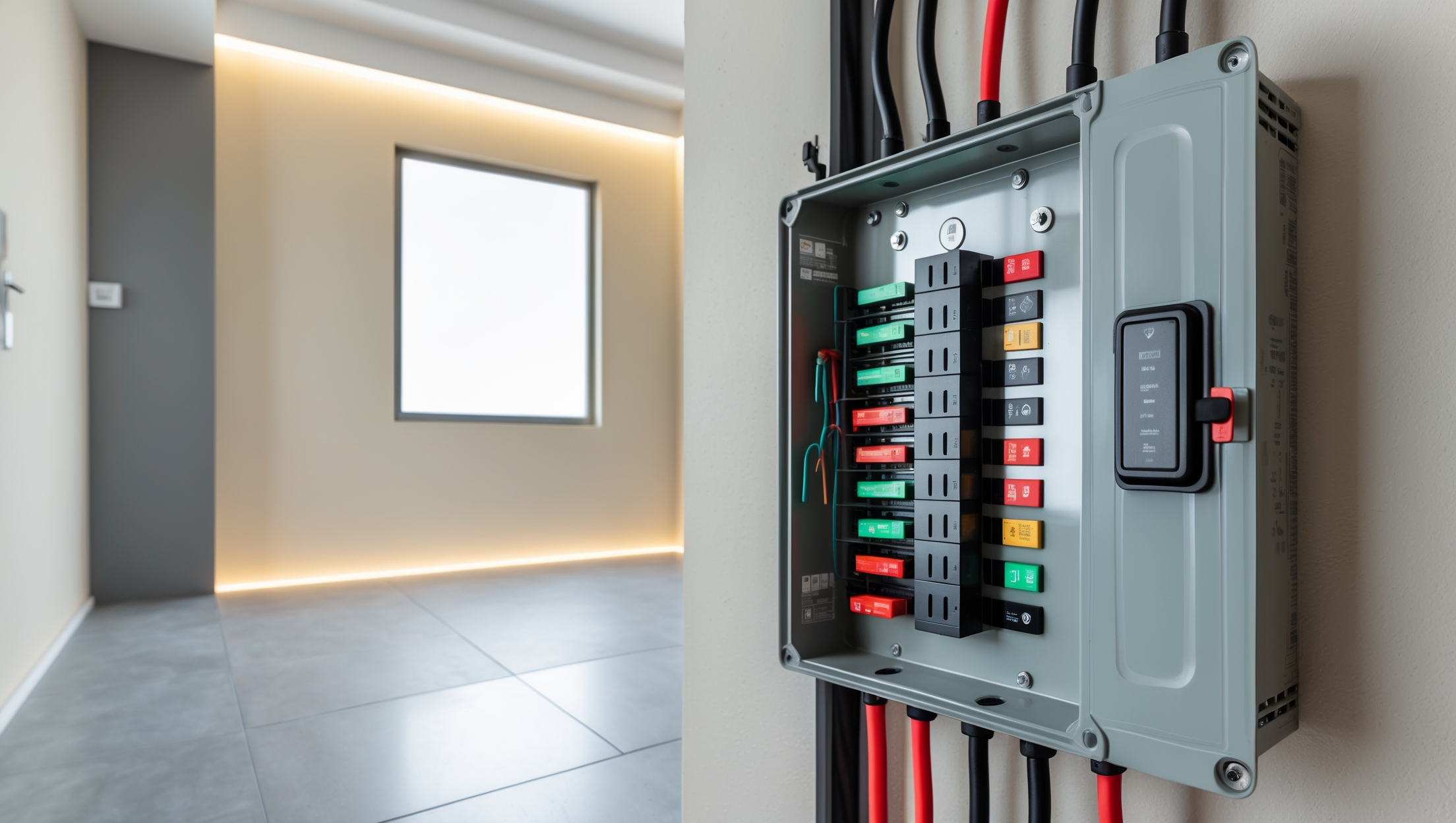
Introduction: Why Whole-House Surge Protection Matters
Power surges can strike without warning, whether from lightning strikes, utility grid switching, or even the operation of high-powered appliances. These sudden spikes in voltage may last less than a second, but their effects can be devastating—damaging sensitive electronics, appliances, and even the wiring inside your walls. While many homeowners rely on plug-in surge strips, these offer only limited local protection. A whole-house surge protector installed at your main electrical panel acts as your home’s primary defense, diverting excess voltage away from your electrical system before it can inflict harm. This proactive investment not only shields your valuable devices but also helps prevent costly repairs and insurance claims. In this comprehensive step-by-step tutorial, you’ll learn exactly how to select, prepare for, and safely install a whole-house surge protector, along with essential compliance and safety best practices. Whether you’re a seasoned DIYer or looking to expand your home improvement skills, this guide will empower you to take control of your home’s electrical safety.
Understanding Whole-House Surge Protectors
What Is a Whole-House Surge Protector?
A whole-house surge protector is a device installed directly to your home’s main electrical panel. Its purpose is to detect and divert excess voltage from surges—often caused by lightning, power grid fluctuations, or large appliances—safely into the ground, protecting every circuit downstream. Unlike plug-in strips, these protectors cover your entire home, including hard-wired devices and outlets.
Types of Whole-House Surge Protectors
- Type 1: Installed between the utility pole and your main breaker panel. Typically used in new constructions or major electrical upgrades.
- Type 2: Installed at the main service panel (most common for retrofit projects). These are designed to stop surges before they enter your home’s internal wiring.
How Surges Enter Your Home
- External Surges: Lightning strikes, utility switching, transformer failures.
- Internal Surges: Cycling of large appliances (A/C, refrigerator, pumps) can cause minor, repeated surges that degrade electronics over time.
Planning and Preparation
Assessing Your Home’s Electrical Panel
Before beginning, inspect your main electrical service panel. Ensure there is adequate space for a surge protector, typically installed in a knockout near the panel’s edge. Take note of your panel’s brand and model, as some surge protectors are designed for specific panels.
Choosing the Right Surge Protector
- UL 1449 Listing: Always select a protector certified to UL 1449, the industry standard for safety and performance.
- Clamping Voltage: Lower is better (e.g., 400V or below) for sensitive electronics.
- Maximum Surge Current: Look for at least 20,000 amps per phase.
- Indicator Lights/Alarms: Many models feature visual indicators or audible alarms to show the unit’s status.
- Compatibility: Some brands (Square D, Eaton, Siemens) have models tailored for their electrical panels. Universal units are also available.
Tools and Materials Checklist
- Whole-house surge protector (Type 2, UL 1449 listed)
- Phillips and flathead screwdrivers
- Drill and bits (for mounting if required)
- Wire stripper/cutter
- Voltage tester/multimeter
- Electrical tape
- Wire nuts or terminal connectors (as specified by manufacturer)
- Personal protective equipment (safety glasses, insulated gloves)
- Lockout/tagout device (recommended for added safety)
- Manufacturer’s installation manual
Safety Precautions and Compliance
When to Hire a Licensed Electrician
Working inside your main service panel can be hazardous. If you are unfamiliar with electrical systems, or if your local code prohibits DIY electrical work, always hire a licensed electrician. Many insurance policies and electrical codes require professional installation for warranty and liability purposes. Check your local regulations before proceeding.
Personal and Home Safety
- Turn Off Main Power: Always shut off the main breaker before removing the panel cover. Confirm with a voltage tester that all circuits are de-energized.
- Lockout/Tagout: Use a lockout/tagout device if possible to prevent accidental re-energizing.
- Dry Conditions Only: Never work on electrical panels in wet or damp environments.
- Proper Lighting: Ensure the area is well-lit to avoid mistakes.
- PPE: Use safety glasses and insulated gloves throughout the process.
Permit and Code Considerations
- Check with your city or county permitting office to determine if a permit is required for surge protector installation.
- Installation must comply with local electrical codes and the National Electrical Code (NEC) Article 285 (Surge-Protective Devices).
- Keep manufacturer documentation for inspections and warranty claims.
Step-by-Step Installation Guide
Step 1: Prepare the Work Area
- Clear the area around the main electrical panel.
- Lay out all required tools and the surge protector within easy reach.
- Ensure good lighting and a stable standing position.
Step 2: Shut Off Power and Verify
- Turn off the main breaker to cut power to the panel.
- Test with a non-contact voltage tester to confirm all circuits are de-energized.
- Apply a lockout/tagout device for added safety.
Step 3: Remove Panel Cover
- Use a screwdriver to carefully remove the panel cover. Set the screws aside in a safe location.
- Take care not to touch any wires or bus bars, even with the power off.
Step 4: Identify Mounting Location and Knockout
- Choose a knockout near the top or bottom edge of the panel (as per manufacturer’s instructions).
- Remove the metal knockout with pliers or a screwdriver.
- Deburr the edges to prevent wire abrasion.
Step 5: Mount the Surge Protector
- If your unit mounts externally, secure it to the wall next to the panel using the provided hardware.
- If it mounts internally, attach it inside the panel as directed.
- Feed the surge protector’s wires through the knockout and into the panel.
Step 6: Make Electrical Connections
- Most surge protectors have four wires: two hots (black and red), one neutral (white), one ground (green or bare).
- Connect the two hot wires to a dedicated double-pole (240V) breaker. If required, install a new breaker of the correct amperage (usually 15A or 20A, as specified).
- Connect the neutral wire to the neutral bus bar.
- Connect the ground wire to the ground bus bar. Ensure solid, secure connections.
- Keep all wiring as short and straight as possible for optimal protection.
Step 7: Secure and Inspect
- Double-check all connections for tightness and correct placement.
- Neatly arrange wires to prevent interference with other circuits.
- Reinstall the panel cover, ensuring no wires are pinched.
Step 8: Restore Power and Test
- Remove lockout/tagout and turn the main breaker back on.
- Switch on the dedicated surge protector breaker.
- Observe the surge protector’s indicator light or status display. Most units will have a green LED to indicate proper function.
- If the unit fails to indicate normal operation, shut off power and recheck your work.
Step 9: Final Checks and Documentation
- Label the new breaker as “Surge Protection.”
- Record the installation date and model number in your home maintenance file.
- Store the user manual and warranty card in a safe place.
Ongoing Maintenance and Troubleshooting
Visual Inspections
Check the indicator lights on your surge protector at least once a month. If your area experiences frequent storms or power fluctuations, inspect after every major event. If the unit shows a fault or loss of protection, replace it immediately.
When to Replace Your Surge Protector
- Most units are designed to absorb a limited number of surges before wearing out.
- If the indicator light is red or off, or if you hear repeated alarms, the device has likely expended its protective capacity.
- Replace the unit according to the manufacturer’s recommendations or after any major surge event (such as a nearby lightning strike).
Warranty and Insurance Considerations
- Some manufacturers offer connected equipment warranties. Register your product for coverage.
- Notify your homeowner’s insurance provider that you have installed a whole-house surge protector; some policies offer discounts for this added protection.
Frequently Asked Questions
Can I install a whole-house surge protector myself?
If you are experienced and local codes allow, you can install a surge protector with careful adherence to safety protocols. When in doubt, hire a licensed electrician.
Will a surge protector stop lightning damage?
While no device can guarantee 100% protection from a direct lightning strike, a whole-house surge protector significantly reduces risk from indirect surges and utility grid spikes. For high-risk areas, consider additional point-of-use protection.
Do I still need plug-in surge strips?
Yes—whole-house units protect against large surges, but sensitive electronics may still benefit from local surge strips for layered protection.
Conclusion: Peace of Mind Through Proactive Protection
Investing in a whole-house surge protector is a smart, cost-effective way to defend your home’s electrical system against unpredictable voltage spikes. With a careful, step-by-step installation, you’ll safeguard everything from your kitchen appliances and home theater to smart devices and HVAC systems. Protecting your investments means more than just plugging in a few surge strips; it means addressing surges at the source, right at your main panel. This project is well within reach for confident DIYers, but always respect the inherent dangers of working with electricity and defer to professionals and local codes when appropriate. Regular inspections, prompt replacement after major events, and clear documentation will keep your system in top shape for years to come. By following this guide, you’re not only enhancing your home’s resilience but also gaining the peace of mind that comes with knowing your family and property are shielded from sudden electrical threats. Take the proactive step today—your future self (and your electronics) will thank you.
When installing a whole-house surge protector at the main electrical panel, do I need to turn off power to the entire house, or just the breakers connected to the panel? Also, do you recommend hiring an electrician for this step if I don’t have experience with electrical panels?
You should turn off power to the entire house at the main breaker before installing a whole-house surge protector, as this ensures maximum safety. If you’re not experienced with electrical panels, it’s safest to hire a licensed electrician for the installation.
Once a whole-house surge protector is installed, how much ongoing maintenance or periodic checks does it typically require to make sure it’s still working properly?
A whole-house surge protector usually requires very little maintenance. It’s a good idea to visually inspect the indicator lights every few months, as these will show if the device is still protecting your home. If the light goes out or turns red, the protector may need replacing.
You mentioned that whole-house surge protectors can help with insurance claims. Do most insurance companies in the US offer lower premiums if you have one installed, and is documentation usually required?
Most US insurance companies don’t automatically offer lower premiums for installing a whole-house surge protector, but some might consider it a safety upgrade. Documentation, like a receipt or installation certificate, is often required if a discount is available. It’s best to check directly with your insurance provider about their specific policies.
You mention both Type 1 and Type 2 surge protectors—how do I determine which type is better suited for a small retail space that’s already built and operational?
For an existing retail space, a Type 2 surge protector is usually more suitable because it can be installed directly at the electrical panel without needing access to your main utility line. Type 1 protectors are typically used during new construction or where the protector is installed before the main panel.
About installation at the main service panel, do homeowners usually need to get any permits before starting, or is it fine to do this as a regular DIY project in most places?
In many areas, installing a whole-house surge protector at the main service panel does require an electrical permit, even for homeowners. Always check with your local building department before starting the project to ensure you meet any code or inspection requirements.
If I follow the installation steps myself, are there any common mistakes people make that could affect insurance coverage or code compliance I should look out for?
Absolutely, doing the installation yourself can affect both insurance and code compliance if certain steps are missed. Common mistakes include not getting required permits, incorrect breaker connections, improper grounding, or failing to use a certified surge protector. Always check your local regulations and consider having your work inspected to avoid coverage issues.
If I already have plug-in surge strips on some devices, will installing a whole-house surge protector really provide a noticeable difference in protection for things like my HVAC system and appliances?
Yes, a whole-house surge protector adds an extra layer of protection for large appliances and systems like your HVAC, which aren’t usually plugged into surge strips. It helps defend against surges from outside sources, like lightning or utility issues, which plug-in strips alone may not catch. Both together offer more comprehensive coverage.
Are there any specific brands or certification marks you recommend looking for when selecting a whole-house surge protector for an older home?
When choosing a whole-house surge protector, look for products with UL 1449 certification, as this ensures tested safety standards. Reliable brands include Eaton, Siemens, Square D, and Leviton. Double-check compatibility with your home’s electrical panel, especially in older homes, and consider a model with a high surge current rating for better protection.
You mentioned Type 1 and Type 2 whole-house surge protectors. Is there a big cost difference between them, and how do I figure out which type is right for an older house like mine?
Type 1 surge protectors (installed before your main panel) are generally a bit more expensive than Type 2 (installed inside the panel), but the difference isn’t huge—often $50–$150 more. For older homes, Type 2 is usually sufficient unless you frequently experience lightning strikes or have overhead power lines; then, consider Type 1 or a combination for extra protection.
When installing a Type 2 whole-house surge protector at the main panel, do I need to turn off power to the entire house, or can I just shut off the main breaker during installation?
You should shut off the main breaker before installing a Type 2 whole-house surge protector. This will disconnect power to the entire house and make it safer to work inside the main panel. Always double-check that the panel is de-energized before starting any electrical work.
Is there any maintenance or periodic inspection recommended after installing a whole-house surge protector to ensure it’s still providing effective protection over time?
Yes, it’s a good idea to periodically inspect your whole-house surge protector. Check the indicator lights on the device—if the light is off or red, it may need replacement. Inspect for physical damage or signs of overheating, and review the manufacturer’s guidelines for specific maintenance and replacement intervals, as many units recommend replacement every few years.
Does adding a whole-house surge protector affect my homeowner’s insurance coverage or premiums, or do I need to notify my insurer once it’s installed?
Adding a whole-house surge protector usually won’t increase your premiums and may qualify you for a discount with some insurers, since it reduces electrical risk. It’s a good idea to notify your insurance company after installation to check if any benefits or requirements apply to your policy.
After installing one of these protectors, is there any regular maintenance or checking I need to do, or can I just install it and forget about it for a few years?
After installing a whole-house surge protector, it’s a good idea to check its indicator light every few months to ensure it’s still functioning properly. Some units also have replaceable modules, so refer to the manual for guidance. Generally, they’re low maintenance, but a periodic visual check helps confirm ongoing protection.
The article mentions Type 1 and Type 2 surge protectors. How would I decide which type is best for my older home if I’m not planning any major electrical upgrades?
For an older home without major electrical upgrades planned, a Type 2 surge protector is usually the better choice. Type 2 devices are designed for installation at your main electrical panel and offer strong protection for household circuits. Type 1 protectors are typically used when upgrading or replacing your main service equipment.
Do you have tips for how to tell if my electrical panel is compatible with a whole-house surge protector, especially in an older home? I want to avoid buying something I can’t actually install.
To check compatibility, open your panel and look for available breaker spaces and a neutral/ground bar. Most surge protectors need a double-pole breaker slot. If your panel is very old (like with screw-in fuses or no main breaker), consult an electrician first, as upgrades may be needed for safe installation.
Could you explain how to safely choose between a Type 1 and Type 2 whole-house surge protector when upgrading an older home, especially if I’m not doing a full electrical overhaul?
If you’re not doing a full electrical overhaul, a Type 2 surge protector is usually the better choice. It installs at your main panel and protects against surges from both inside and outside your home. Type 1 units are mainly for new builds or when replacing the main panel, as they install before the main breaker. Always check compatibility with your panel and consult a licensed electrician.
If I already have a few plug-in surge strips for my electronics, is it still worth investing in a whole-house surge protector, or is that overkill for an apartment?
Using plug-in surge strips provides good protection for your electronics, especially in an apartment where you may not control the building’s main electrical panel. A whole-house surge protector is usually more useful for homeowners, so for most apartment situations, surge strips are sufficient and a whole-house device is generally unnecessary.
I noticed you mentioned that plug-in surge strips only protect locally. If I already have a bunch of high-end surge strips, is adding a whole-house surge protector still worth it, or is it overkill?
Adding a whole-house surge protector complements your surge strips by guarding against large surges that could affect your entire electrical system, like lightning strikes. Surge strips mainly protect connected devices, while a whole-house unit adds an extra layer of protection for all outlets and hardwired appliances. So, it’s not overkill—both work together for broader protection.
Do whole-house surge protectors need to be replaced after a major power surge, or do they keep working unless the indicator says otherwise? I want to make sure I’m budgeting for future replacements if needed.
Whole-house surge protectors often need replacement after a major surge, even if they may still appear functional. However, most units have a status indicator that shows if protection is still active. It’s smart to check the indicator after any major event and factor possible replacement into your maintenance budget.
You mentioned that whole-house surge protectors can defend against surges from large appliances. Does installing one impact how I should use surge strips for sensitive electronics inside the house, or are those still necessary?
A whole-house surge protector offers strong overall protection by blocking big surges before they enter your home, but it’s still a good idea to use surge strips for your sensitive electronics. The surge protector handles larger surges, while surge strips add an extra layer for smaller, localized spikes that could still occur inside the house.
Could you explain how to make sure my installation is up to code and won’t affect my homeowner’s insurance? I want to be sure I’m following all the right safety steps.
To ensure your surge protector installation is up to code, always follow your local electrical codes, which may require a licensed electrician to perform the work. Keep documentation of the installation and use UL-listed equipment. For insurance, contact your provider before starting—their approval or inspection might be necessary for coverage.
Could you explain how to choose between a Type 1 and Type 2 surge protector if I’m planning an electrical upgrade, not a full new construction?
If you’re upgrading your existing electrical system (not doing new construction), a Type 2 surge protector is usually recommended. Type 2 devices are designed for installation at your main service panel and handle surges from both outside and inside the home, making them ideal for retrofit projects.
If I have a lot of sensitive electronics plugged into surge strips already, is installing a whole-house surge protector still necessary, or would that be overkill?
Using surge strips is a good start, but a whole-house surge protector adds extra protection against larger surges that might come in through your main electrical panel. It’s not overkill—think of it as adding a first line of defense for your entire home, especially if you have valuable electronics.
Can you explain how to figure out if my electrical panel is compatible with a whole-house surge protector before I buy one? I’m not sure what to look for.
To check compatibility, look at your electrical panel’s model and brand—most surge protectors specify which panels they fit. Make sure there’s space for a double-pole breaker or a spot for the surge protector itself. If your panel is older or crowded, you may need an electrician to assess it before purchase.
If my small business runs a lot of sensitive equipment, is a Type 2 whole-house surge protector enough, or should I be looking at additional point-of-use protection too?
A Type 2 whole-house surge protector offers good protection for your entire electrical system, but for sensitive business equipment, adding point-of-use surge protectors is recommended. These provide an extra layer of protection against smaller, localized surges that might not be fully blocked by the main unit.
Can you clarify whether a typical retrofit project for an existing business building would use a Type 1 or Type 2 protector, and is one more effective than the other for commercial properties?
For a retrofit in an existing business building, Type 2 surge protectors are most commonly used because they are installed at the main panel and handle surges from internal and external sources. Both Type 1 and Type 2 offer strong protection, but for most commercial retrofits, Type 2 is both effective and practical.
Could you explain how to determine the appropriate surge protector capacity for a typical household, especially if someone uses multiple high-powered appliances?
To choose the right surge protector capacity, check your main electrical panel’s amperage—most homes have 100 or 200 amps. Pick a surge protector rated for at least that much. If you use high-powered appliances, consider a unit with a higher surge current rating, like 40,000 amps or more, to provide extra protection.
How do you determine the right surge protector capacity for a typical household with lots of sensitive electronics and appliances? Is there a calculation or guideline you recommend before buying?
To choose the right surge protector capacity, check your main panel’s amperage (usually 100 or 200 amps) and match the protector to it. For homes with many sensitive electronics, look for protectors rated at least 40,000–80,000 amps surge current and UL 1449 certification. An electrician can assess your specific needs if you’re unsure.
If a surge happens and the protector activates, will I need to replace the whole unit or does it just reset itself? How can I tell if it’s still working after a big storm?
Most whole-house surge protectors are designed to sacrifice themselves to protect your home, so after a major surge, the unit may need to be replaced. Many models have an indicator light—if the light is off or red after a storm, the protector is no longer working and should be replaced. Always check your specific model’s instructions.
Do whole-house surge protectors need to be replaced after a major lightning strike, or do they keep working unless you see visible damage?
Whole-house surge protectors can be damaged or lose effectiveness after a major lightning strike, even if there’s no visible damage. It’s a good idea to check the indicator light or status window on your device, and consider replacing it if the indicator shows it’s no longer protecting.
Could you clarify whether installing a whole-house surge protector at the main panel requires an electrical permit or inspection in most municipalities, and are there specific code requirements homeowners should be aware of?
In most areas, installing a whole-house surge protector at your main panel does require an electrical permit and may need an inspection, since it involves modifying your home’s electrical system. Building codes often require the device to be UL-listed and installed according to the manufacturer’s instructions. It’s best to check with your local building department for the exact requirements.
Once a whole-house surge protector is installed at the main panel, do I still need to keep using plug-in strips for sensitive electronics, or is the panel protection usually enough?
A whole-house surge protector offers strong initial defense, but it’s still a good idea to use plug-in surge strips for sensitive electronics. Layered protection helps shield your devices from smaller surges or those entering through other sources, like phone or cable lines.
You mention Type 1 and Type 2 surge protectors—if my home is older and I’m doing this as a retrofit, is there a significant difference in the protection level or reliability between these two types?
Type 1 surge protectors are installed before your main panel and handle surges from utility lines, while Type 2 units are installed after the main breaker and protect against internal surges. For most retrofits in older homes, a Type 2 protector usually offers ample protection and reliability, especially if your main concern is surges from within your home’s wiring or from nearby lightning strikes.
You mention that whole-house surge protectors should be installed at the main panel—does installation require shutting off power to the entire house, and if so, about how long does the installation process typically take?
Yes, installing a whole-house surge protector does require shutting off power to the entire house for safety. The installation typically takes about 1 to 2 hours, depending on the complexity of your electrical panel and the experience of the installer.
For a retrofit project in an older home, how do I determine if my existing electrical panel can accommodate a Type 2 whole-house surge protector, or if I need to upgrade or modify the panel first?
To check if your panel can handle a Type 2 surge protector, look for open breaker spaces and verify there’s enough room for the device and wiring. Also, ensure your panel is up to current code and not outdated (like certain brands with safety recalls). If unsure, consult a licensed electrician for a safety assessment before installing or upgrading.
The article mentions both Type 1 and Type 2 protectors, but how do you know which one is best for your home if you don’t know much about your electrical setup?
If you’re not sure about your home’s electrical setup, Type 2 protectors are usually the safest bet, as they’re designed for installation at your main panel and offer strong protection. If you want to be certain, it’s a good idea to ask a licensed electrician—they can assess your system and recommend the right type.
The article mentions compliance and safety best practices. Are there any specific codes or permits I need to check before starting this surge protector installation myself?
Yes, before starting the installation, check your local electrical codes, as requirements can vary by location. Most areas require a permit for panel work, and installations often need to follow the National Electrical Code (NEC). It’s also a good idea to consult your local building department to confirm any specific regulations or inspections needed.
For busy homeowners, about how long does the entire installation process typically take, from prep to finish, if this is your first time doing it?
For first-time DIYers, installing a whole-house surge protector usually takes about 2 to 3 hours from preparation to finish. This includes turning off the main power, mounting the unit, wiring, and double-checking all connections for safety.
For homeowners with sensitive electronics hardwired into the home, are there extra steps or precautions needed during installation to ensure those devices are fully protected?
When you have sensitive hardwired electronics, ensure the surge protector is installed as close to the main panel as possible and all circuits are covered. Double-check grounding; poor grounding can reduce protection. In some cases, installing additional point-of-use surge protectors at the device or circuit level can offer extra protection for especially sensitive equipment.
If I already have plug-in surge strips throughout my house, do I still need to worry about adding a whole-house surge protector at the panel?
Plug-in surge strips help protect individual devices, but a whole-house surge protector guards your entire electrical system from large surges, like lightning strikes or utility fluctuations. Using both together gives layered protection, since some surges can bypass plug-in strips or enter through other home wiring.
Can you elaborate on what kind of maintenance or inspection a whole-house surge protector requires after installation? I want to make sure it’s working properly long term.
After installation, check your whole-house surge protector’s indicator light regularly; a green light usually means it’s working, while red or off suggests replacement is needed. Inspect the device annually for physical damage or loose connections, and after major power surges, verify its status as some models sacrifice themselves to protect your home.
When selecting a whole-house surge protector, are there specific safety certifications or ratings I should look for to ensure it meets the latest standards?
Yes, you should look for whole-house surge protectors that are UL 1449 listed, which ensures they meet current safety standards. Also, check the Nominal Discharge Current (In) rating and ensure the unit is rated for your home’s electrical panel voltage and amperage.
After installing a whole-house surge protector, do I still need to use plug-in surge strips for my sensitive electronics like computers and TVs, or would that be unnecessary?
Using a whole-house surge protector gives your home broad protection from large surges, like those caused by lightning or utility issues. However, plug-in surge strips can add another layer of defense for sensitive devices, guarding against smaller surges that may still occur inside your home. It’s a good idea to continue using them for extra safety with electronics.
The article mentions Type 1 and Type 2 surge protectors—how do I know which type is right for my older home, and is there a big difference in installation complexity or cost?
Type 1 surge protectors install before your main breaker, while Type 2 units install after it. For most older homes, a Type 2 surge protector is usually sufficient and is easier and less costly to install. Type 1 units may require a licensed electrician and more complex setup. If you have frequent lightning in your area, consider consulting an electrician for the best option.
When it comes to actually wiring a Type 2 whole-house surge protector at the main panel, are there common mistakes DIYers should watch out for, especially regarding grounding or breaker placement?
When wiring a Type 2 surge protector, avoid connecting it to a shared or undersized breaker—use a dedicated breaker of the correct rating. Always ensure the ground wire is as short and straight as possible for effective protection. Double-check all connections are tight and follow manufacturer instructions closely.
Is it necessary to turn off the main breaker to the entire house before starting the installation, or can I just turn off the breakers in the panel where I’ll be adding the surge protector?
You should always turn off the main breaker to the entire house before installing a whole-house surge protector. This ensures that all electricity to the panel is shut off, making it much safer to work inside the panel and reducing the risk of electrical shock.
Can you give some tips on what to watch out for when choosing a surge protector to make sure it actually covers all the hard-wired appliances, like a central air conditioner or oven?
When choosing a surge protector for whole-house coverage, check its surge current rating (higher is better) and ensure it’s UL 1449 listed. Make sure it’s installed at your main electrical panel, not just a subpanel, so it protects all circuits—including hard-wired appliances like your AC and oven. Confirm compatibility with your panel type and consider professional installation.
You mentioned that Type 1 protectors are used in new construction, but can I retrofit a Type 1 device in an older home, or am I limited to Type 2 for upgrades?
You can retrofit a Type 1 surge protector in an older home, provided it’s installed at the main service panel, just like in new construction. It’s not limited to new builds. Just make sure the installation meets your local electrical codes and consider having a licensed electrician handle the work.
The article mentions that whole-house surge protectors help prevent costly repairs and insurance claims. Do most insurance companies require them, or can having one installed actually lower your homeowner’s insurance premium?
Most insurance companies don’t require whole-house surge protectors, and installing one usually doesn’t directly lower your premium. However, some insurers may offer discounts for added safety features, so it’s a good idea to check with your provider. Even without a discount, surge protectors can help you avoid costly damage and claims.
The article mentions that whole-house surge protectors can help prevent insurance claims. Are there particular models or certifications insurers look for when offering premium discounts to small business owners?
Insurers often prefer surge protectors that are UL 1449 certified, as this standard ensures strong safety and performance. Some may also look for devices installed by licensed electricians. It’s best to check with your specific insurer, as requirements and eligible models can vary by provider.
After installing a whole-house surge protector, are there any regular maintenance tasks or inspections required to keep it working properly, or does it just work passively for years?
A whole-house surge protector generally works passively, but it’s wise to check its indicator lights regularly to ensure it’s still functioning. Also, inspect after major surges or storms. Aside from that, there’s usually no ongoing maintenance, though replacing it after several years or big surges is recommended.
Are there any specific electrical codes or permit requirements I need to keep in mind when adding a whole-house surge protector to my existing panel?
Yes, installing a whole-house surge protector often falls under local electrical codes, and a permit may be required, especially if you’re modifying your main panel. It’s important to check with your local building department or a licensed electrician to ensure you meet all regulations and obtain any necessary permits before starting the installation.
Can you explain how I would know whether my house needs a Type 1 or Type 2 whole-house surge protector, especially if I am not sure about the specifics of my electrical panel?
Type 1 surge protectors are usually installed before your main breaker panel, often used if your home gets frequent power surges from the utility lines. Type 2 protectors are installed inside the panel and handle surges from both outside and inside your home. If unsure, a Type 2 is generally suitable for most residential setups, but an electrician can confirm the best fit for your panel.
Does the article cover how to choose between a Type 1 and Type 2 surge protector if you are in an older home with no major electrical upgrades planned, or would Type 2 always be recommended for retrofit situations?
The article explains the differences between Type 1 and Type 2 surge protectors and notes that for retrofit installations—especially in older homes—Type 2 devices are usually recommended. It doesn’t cover every scenario in depth, but it suggests Type 2 is typically the better choice when no major upgrades are planned.
For DIY installation, how do I know if my main electrical panel has enough space for a whole-house surge protector, and are there alternatives if panel space is tight?
To check if your main panel has space, look for two open breaker slots since most whole-house surge protectors need them. If your panel is full, you can use tandem breakers to free up space or install the surge protector in a subpanel if available.
You mention Type 1 surge protectors for new construction—does that mean installing a Type 2 on an existing panel is less effective, or are there any drawbacks compared to Type 1?
Type 2 surge protectors are still very effective for existing panels. The main difference is that Type 1 models protect against surges from the utility side before they enter your home’s wiring, while Type 2 devices focus on stopping surges at the panel. For most homes, a Type 2 provides solid protection and is a practical solution when retrofitting.
Does a whole-house surge protector provide any protection against surges caused by things like air conditioners cycling on and off, or is it mainly for external threats like lightning and grid issues?
A whole-house surge protector helps protect against both external surges like lightning and grid issues, and internal surges caused by large appliances cycling on and off, such as air conditioners. It offers broad protection for your home’s electrical system from a variety of surge sources.
If my house already has plug-in surge strips for most of the electronics, do I still need to worry about installing a whole-house surge protector, or is that overkill?
Plug-in surge strips do protect individual devices, but a whole-house surge protector shields your entire electrical system from large surges, like those from lightning or utility issues. They work together for layered protection. If you want broader safety for appliances and wiring, a whole-house unit is still worthwhile, not overkill.
When installing a Type 2 whole-house surge protector at the main panel, is it necessary to have dedicated breakers for the unit, or can it share a breaker with other circuits in the panel?
For a Type 2 whole-house surge protector, it’s generally best to install it on a dedicated breaker for optimal protection and compliance with most manufacturer instructions. Sharing a breaker with other circuits can reduce the effectiveness of the surge protector and may not meet code requirements or warranty conditions.
Could you elaborate on how to determine if my main electrical panel has enough room for a surge protector installation, or if modifications are usually needed in retrofit scenarios?
To check if your panel has room, look for at least one available circuit breaker slot and enough physical space for the surge protector device. If all slots are filled or space is tight, modifications like installing a subpanel or rearranging breakers may be needed. An electrician can confirm the best approach for your specific panel.
If I already have surge strips on my equipment, is adding a whole-house surge protector still necessary, or would it be redundant for most office appliances?
Using both surge strips and a whole-house surge protector isn’t redundant—they actually complement each other. Surge strips protect individual devices from small surges, while a whole-house protector blocks large surges at the panel, adding an extra layer of safety for all appliances, including your office equipment.
If my main panel is already pretty full, are there any particular models or installation tips for fitting a whole-house surge protector, especially the type 2 kind you mentioned?
If your main panel is crowded, look for compact Type 2 surge protectors designed for tight spaces—they often mount externally. Some models can be wired to a double-pole breaker or directly to the panel’s lugs if your local code allows. Consulting an electrician ensures safe and code-compliant installation in a full panel.
For a small business operating out of an older building, would a Type 2 whole-house surge protector be enough protection if we have lots of sensitive point-of-sale equipment and computers?
A Type 2 whole-house surge protector offers strong protection against large surges, like those from lightning or utility issues. However, for sensitive equipment such as point-of-sale systems and computers, it’s also a good idea to add point-of-use surge protectors at each outlet for extra defense against smaller, internal surges.
When prepping for installation at the main panel, are there any particular safety steps or local code requirements that DIYers should be aware of before starting the project?
Before starting, always turn off the main breaker to cut power to the entire house. Use insulated tools and verify power is off with a tester. Check your local electrical code—some areas require permits or licensed electricians for panel work. Personal protective equipment like gloves and safety glasses is also recommended.
About installation, do I need to shut off power to the entire house during the process, or is there a safer way to handle the wiring without a full shutdown?
For safety, you should shut off power to the entire house at the main breaker before installing a whole-house surge protector. Working with live wires, even with some circuits off, is dangerous. A full shutdown is the safest way to handle the wiring and protect yourself from electrical shock.
What should I look for when choosing a whole-house surge protector for an older electrical panel? Are there compatibility concerns I need to be aware of before purchasing one?
When choosing a surge protector for an older electrical panel, check the panel’s amperage rating and available space for installation. Make sure the surge protector matches your panel’s voltage and is UL 1449 listed. Some older panels may lack enough room or modern breakers, so you might need a licensed electrician to assess compatibility before purchasing.
You mention that whole-house surge protectors are more effective than plug-in strips since they cover every circuit. Are there any specific requirements for older homes or wiring types that I should be aware of before installing one?
Yes, older homes may have outdated or ungrounded wiring, which can affect proper surge protector installation. It’s important to check that your electrical panel and wiring are up to code and properly grounded. If you’re unsure, consult a licensed electrician before proceeding to ensure safety and compatibility.
What’s a realistic budget estimate for a whole-house surge protector installation if I hire a licensed electrician versus doing it myself, including possible permits or equipment costs?
If you hire a licensed electrician, expect to pay between $300 and $700 total, which includes labor, equipment, and possible permit fees. Doing it yourself can cost $100 to $300 for the surge protector and materials, plus permit fees if required by your local code.
Does the article recommend any specific surge protector brands or features to look for if I’m on a tight budget but still want solid protection for all my home electronics?
The article doesn’t mention specific surge protector brands, but it does suggest looking for whole-house surge protectors with a minimum rating of 40,000 to 50,000 amps and UL 1449 certification. These features offer good protection without overspending. Checking for a clear warranty from the manufacturer is also recommended.
Does the tutorial cover any specific compliance codes or permitting requirements for installing a surge protector at the main panel? I want to make sure I stay within local safety guidelines during installation.
The tutorial explains the general installation process but does not detail specific compliance codes or permitting requirements. For safety and legal compliance, you should check with your local building authority or a licensed electrician to ensure your installation meets all local codes.
If I’m mostly worried about surges from lightning strikes versus those from appliances cycling on and off, does it matter whether I choose a Type 1 or Type 2 surge protector?
If lightning strikes are your main concern, a Type 1 surge protector is recommended since it’s designed to handle high-energy surges from external sources like lightning. Type 2 protectors are better for internal surges caused by appliances cycling. For the best protection, some electricians install both.
Does adding a whole-house surge protector have any impact on home insurance premiums or claims, or is it just considered an extra layer of protection for appliances and wiring?
Installing a whole-house surge protector is mainly considered an added layer of protection for your appliances and wiring. It typically does not lower home insurance premiums, but it can support a claim by showing you’ve taken steps to prevent electrical damage. Always check with your specific insurer for details.
You mentioned both Type 1 and Type 2 surge protectors—how do I know which type my older home needs, especially if I’ve never done an upgrade before?
For most older homes, a Type 2 surge protector installed at the main panel is recommended, as it provides solid protection for your home’s circuits. However, if your home has overhead electrical service or frequent utility surges, adding a Type 1 protector at the service entrance offers extra safety. If unsure, consulting a licensed electrician can help you choose the best fit for your situation.
How do I determine the right surge protector capacity for my business if I have several high-powered appliances running at the same time?
To choose the right surge protector capacity for your business, add up the amperage or wattage of all high-powered appliances that may run simultaneously. Select a surge protector with a current rating and surge capacity that meets or exceeds this total, and consider one designed for commercial or industrial use for extra protection.
I see you mentioned Type 1 and Type 2 surge protectors. For a typical older home that’s already built, is it possible for a DIYer to install a Type 1, or is Type 2 always the better choice?
For most existing homes, a Type 2 surge protector is the more practical option for DIY installation because it mounts to your main panel and doesn’t require working directly at the utility meter. Type 1 devices usually need to be installed between the utility and your main breaker, which often requires a professional and possibly utility coordination.
Do you have any recommendations for what to look for in terms of surge protector warranties or lifespan, especially when it comes to protecting sensitive electronics throughout the house?
When choosing a whole-house surge protector, look for one with a warranty that covers both the device and connected equipment. Warranties typically range from 5 to 10 years. Also, check the device’s joule rating and whether it offers replacement if it wears out, since sensitive electronics benefit from strong, long-lasting protection.
If most plug-in surge strips only protect specific devices, is it still recommended to keep using them together with a whole-house surge protector, or does that become unnecessary once the panel unit is installed?
It’s still a good idea to use plug-in surge strips even after installing a whole-house surge protector. The whole-house unit protects against big surges, but plug-in strips add an extra layer of defense for sensitive electronics against smaller, everyday surges.
You mention both Type 1 and Type 2 surge protectors—are there measurable performance differences between them, or is placement the only consideration for most homeowners?
Type 1 and Type 2 surge protectors mainly differ in where they’re installed and what surges they handle. Type 1 units are placed before your main breaker and can handle larger surges, like direct lightning strikes. Type 2 units go after the main breaker and protect against surges from within the home or nearby. For most homeowners, placement and application matter more than measurable performance differences.