

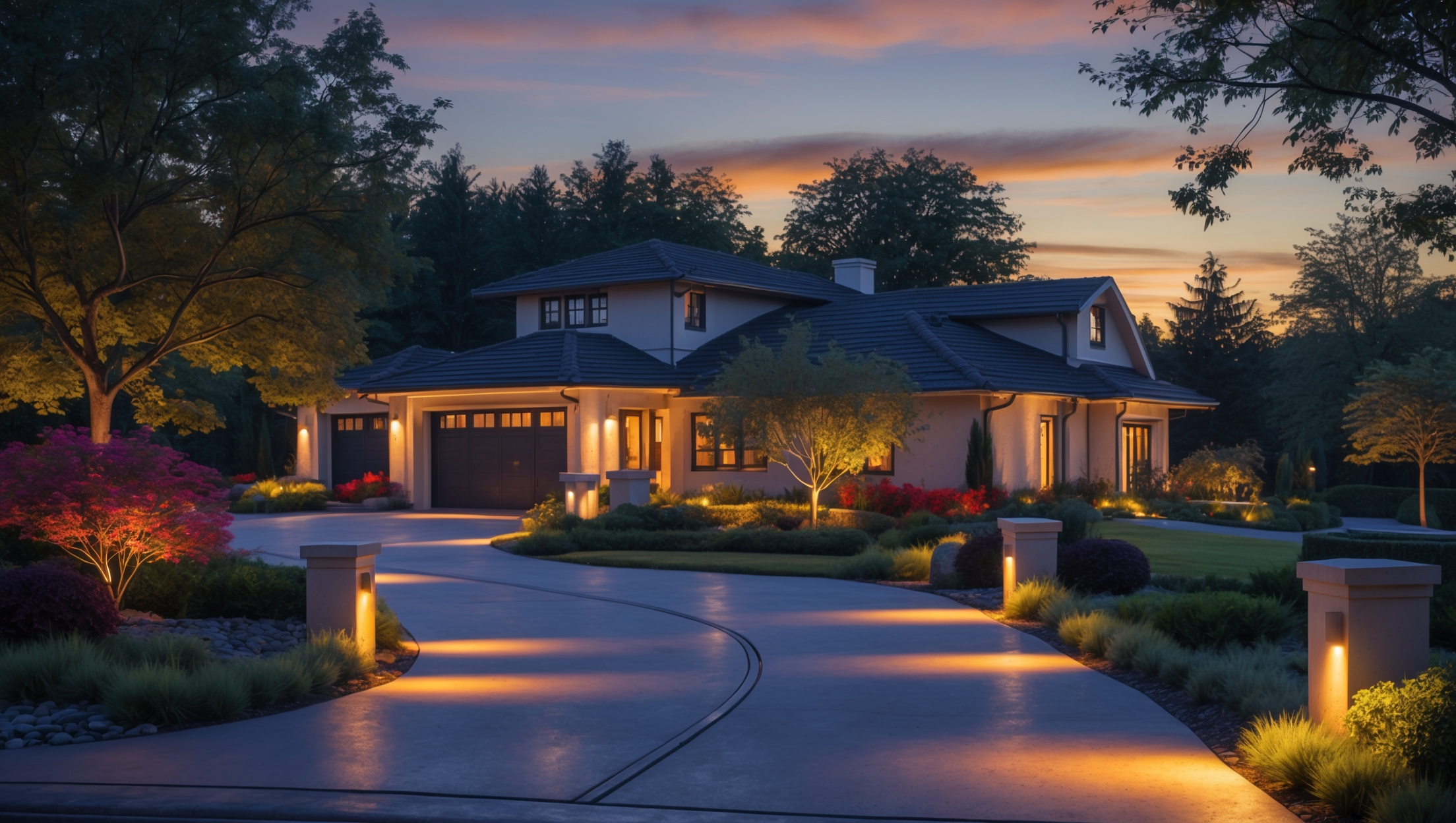
Introduction: The Power of Security Lighting in Home Improvement
When it comes to home improvement projects that deliver both immediate benefits and long-term peace of mind, security lighting stands tall. Installing a well-designed security lighting system is one of the most effective ways to deter intruders, reduce accidents, and enhance the overall safety of your property. Whether you’re a homeowner looking to boost curb appeal while protecting your family, or a DIY enthusiast seeking to add value to your investment, security lighting is a smart upgrade with measurable returns.
Yet, many homeowners overlook the details that make security lighting effective. What type of fixtures should you choose? Where exactly should you place them for maximum coverage? How much should you expect to spend from start to finish? And once installed, how do you keep your system reliable for years to come? This comprehensive guide dives deep into the nuts and bolts of home security lighting—from cost breakdowns and budgeting tips to recommended setups, equipment choices, and maintenance best practices. If you’re ready to take a confident step toward a safer, brighter home, read on for everything you need to know to get security lighting right the first time.
Understanding Security Lighting: Types and Functions
Why Security Lighting Matters
Security lighting does more than just brighten your entryway; it forms a critical first line of defense against intruders and accidents. A well-lit exterior discourages trespassers and makes it easier for you and your neighbors to spot suspicious activity. Proper lighting also reduces the risk of trips and falls on walkways, stairs, and driveways.
Key Types of Security Lighting
- Motion-Activated Lights: Activate automatically when movement is detected. Ideal for driveways, backyards, and entry points.
- Dusk-to-Dawn Lights: Use photocells to turn on at sunset and off at sunrise. Great for continuous perimeter lighting.
- Floodlights: Provide broad, intense light coverage. Useful for illuminating large areas such as backyards or parking spaces.
- Pathway and Step Lights: Focused on walkways and stairs for safety and aesthetics.
- Smart Security Lights: Integrate with home automation systems and often include cameras, alerts, and remote controls.
Cost Breakdown: What to Expect When Upgrading Security Lighting
Major Cost Factors
- Type and Number of Fixtures: More fixtures and advanced features (e.g., built-in cameras, smart controls) increase costs.
- Wiring and Installation: Professional installation, especially for hardwired systems, can add significant labor costs.
- Power Source: Solar options reduce wiring costs but may have higher upfront fixture prices.
- Quality of Materials: Weather-resistant, durable materials cost more but last longer and require less maintenance.
Average Cost Ranges
- Basic Motion-Activated Lights: $25–$75 per unit (DIY installation)
- Smart Security Lights: $100–$250 per unit (excluding hub or camera subscriptions)
- Floodlights (Hardwired): $50–$150 per fixture + $75–$200 labor per unit if professionally installed
- Solar Pathway Lights: $30–$75 for a 6-pack set (DIY)
- Professional Installation (Full System): $500–$2,500 depending on complexity and property size
For a typical suburban home, a comprehensive security lighting upgrade averages between $300–$1,200 with some DIY effort, or $1,000–$3,000 for fully professional setup with smart features.
Budgeting Tips
- Start with high-risk areas (front door, garage, dark side yards) and expand over time.
- Mix and match fixture types for coverage and cost-efficiency.
- Factor in ongoing costs: bulb replacements, electricity, and battery changes.
- Check for local rebates on energy-efficient or solar lighting options.
Planning Your Security Lighting Setup
Assessing Your Property
Walk around your home at night and note areas of deep shadow, poorly lit entry points, and potential hiding spots. Use a notepad or mobile app to map out:
- Entry doors (front, side, back)
- Garage doors
- Windows accessible from the ground
- Driveways and walkways
- Fences, gates, and sheds
- Dark corners or overgrown landscaping
Choosing Fixture Types for Each Zone
- Front Door & Porch: Dusk-to-dawn or smart lights with cameras.
- Garages & Driveways: Wide-beam motion-activated floodlights.
- Side Yards: Motion lights with medium-range sensors.
- Backyard: Combination of floodlights and smart fixtures for remote monitoring.
- Walkways: Low-profile solar or LED path lights.
Minimizing Light Pollution and Neighbor Complaints
- Choose fixtures with adjustable heads and shields to direct light downward.
- Opt for warm white LEDs (2700–3000K) for less glare and softer appearance.
- Set timers or motion intervals to avoid constant illumination in sensitive areas.
Recommended Tools and Equipment
Essential Tools for DIY Installation
- Voltage tester
- Wire strippers and cutters
- Drill with masonry bits (for brick or concrete mounting)
- Screwdrivers (flat and Phillips)
- Outdoor-rated extension cords (for temporary setups)
- Ladder with anti-slip feet
- Weatherproof electrical boxes and connectors
- Personal protective equipment (safety glasses, gloves)
Fixture and Accessory Recommendations
- Choose LEDs for longevity (25,000–50,000 hours) and low energy use.
- Prioritize IP65 or higher weatherproof ratings for exposed fixtures.
- Look for motion sensors with adjustable range and sensitivity.
- Consider smart lights compatible with your home automation system (Wi-Fi, Zigbee, Z-Wave).
- For solar lights, ensure a minimum of 8–10 hours of battery life per charge.
Step-by-Step: Installing Security Lighting Safely
Pre-Installation Checklist
- Review manufacturer instructions for each fixture.
- Shut off power at the breaker before working on electrical circuits.
- Gather all necessary tools and confirm you have correct mounting hardware.
- Test fixtures and bulbs before final installation.
General Installation Steps
- Mark Mounting Locations: Use a pencil or painter’s tape to mark where fixtures will be attached. Confirm lines of sight and sensor coverage.
- Install Mounting Brackets: Attach hardware to wall or eaves, using anchors for brick or stucco surfaces.
- Wire the Fixture: For hardwired units, connect black (hot), white (neutral), and green or bare (ground) wires following color codes. Use weatherproof connectors.
- Attach Fixture: Securely fasten the fixture to the bracket. Double-check for tight seals to prevent water ingress.
- Test Operation: Restore power and test the fixture’s light and sensor functions. Adjust sensors as needed.
- Finalize Settings: Set timers, adjust motion sensitivity, and position heads for optimal coverage.
Special Considerations for Solar and Smart Lights
- Place solar panels in direct sunlight, away from trees or roof overhangs.
- Connect smart lights to your home network before mounting for easier troubleshooting.
- Use manufacturer apps to configure zones, alerts, and automation routines.
Maintenance Best Practices for Longevity and Reliability
Routine Maintenance Tasks
- Clean Lenses and Panels: Wipe down light covers and solar panels every two months to prevent dirt buildup and reduced output.
- Inspect for Damage: Check housings, seals, and wiring after storms or seasonal changes for cracks, rust, or exposed wires.
- Test Sensors Regularly: Walk past motion lights monthly to confirm they activate at the correct distance and angle.
- Replace Bulbs and Batteries: Swap out failing bulbs promptly. For solar and battery-powered units, replace batteries every 1–2 years or as needed.
- Trim Landscaping: Cut back bushes and tree limbs that may block light or sensors.
Troubleshooting Common Issues
- Flickering Lights: Check for loose bulbs or connections. For smart fixtures, reset or update firmware.
- Sensor Not Detecting Motion: Clean the lens, clear obstructions, and adjust sensitivity settings.
- Lights Stay On Constantly: Inspect for stuck relays, misaligned sensors, or reflective surfaces causing false triggers.
- Reduced Solar Output: Clean panels and verify sun exposure. Replace batteries if output remains low.
Compliance, Permits, and Insurance Considerations
Do You Need a Permit?
Most exterior lighting projects do not require permits if you’re replacing or upgrading existing fixtures and not altering wiring circuits. However, new hardwired installations or adding new electrical runs may require permits in some municipalities. Always check local codes before starting work.
Insurance and Liability
- Document your upgrade with photos and receipts for insurance purposes.
- Notify your insurer if you add smart security features, as they may qualify for premium discounts.
- Ensure all outdoor wiring meets code to avoid claims denial in case of damage or injury.
Case Study: A Real-World Security Lighting Upgrade
Consider the Jones family, who recently upgraded their 2,000-square-foot suburban home’s exterior lighting. They began with a budget of $1,200 and aimed to cover all entry points, driveway, and backyard. After mapping risk zones, they installed three motion-activated LED floodlights (garage, backyard, side gate), six solar path lights, and two smart porch lights with built-in cameras. The family handled most of the installation themselves, hiring an electrician for a new hardwired light at the back door. Their total cost: $1,050, including all fixtures and a half-day of professional labor. Since the upgrade, they’ve reported a noticeable drop in nighttime loitering and greater confidence when coming home after dark. Regular checks and cleaning take about 30 minutes every three months.
Conclusion: Illuminating Your Path to a Safer Home
Security lighting is more than a deterrent—it’s an investment in your family’s safety, your home’s value, and your peace of mind. By understanding the types of fixtures available, mapping your property’s unique needs, and budgeting wisely, you can design a lighting system that works for your specific situation. Whether you choose a DIY approach or professional installation, prioritize weatherproof, energy-efficient fixtures and keep maintenance on your calendar for years of reliable performance.
Taking the time to plan your setup, use quality equipment, and perform regular upkeep will maximize your security lighting’s effectiveness while minimizing hassle and cost. Remember to stay informed about local codes and insurance requirements, and document your improvements for potential savings. With thoughtfulness and a bit of hands-on effort, you can create a safer, more welcoming space for everyone who calls your house a home. Let security lighting shine as a cornerstone of your home improvement journey—one that pays dividends every night.
I’m trying to figure out how much it costs to run dusk-to-dawn lights versus motion-activated ones over a year. Is there a big difference in electricity use and maintenance between the two?
Dusk-to-dawn lights stay on all night, so they typically use much more electricity over a year compared to motion-activated lights, which only turn on when needed. This means higher energy costs for dusk-to-dawn setups. Maintenance is similar for both, mainly replacing bulbs and occasional sensor cleaning, but dusk-to-dawn lights might need more frequent bulb changes since they run longer.
Does the article cover any recommendations on how to position floodlights around a larger property without causing excessive glare or bothering neighboring businesses nearby?
Yes, the article discusses how to position floodlights effectively on larger properties. It suggests angling lights downward, using shields or motion sensors, and placing them carefully to minimize glare and avoid shining directly onto neighboring businesses, helping maintain good relations and effective security.
Once I set up security lighting, how often should I check or replace bulbs and sensors to make sure everything keeps working properly?
It’s a good idea to check your security lighting and sensors every three to six months. Replace bulbs as soon as they dim or burn out, and test sensors regularly to ensure they respond correctly. LED bulbs last longer but should still be checked for reliability.
Do you have any recommendations for energy-efficient security lighting options that still provide strong motion detection, especially for businesses with parking lots?
For business parking lots, I recommend using LED floodlights with built-in motion sensors. They’re energy-efficient, have a long lifespan, and provide excellent brightness. Look for models with adjustable sensitivity and wide detection angles to cover larger areas effectively. Solar-powered LED options can further reduce energy costs and maintenance.
After I set up the security lighting, what kind of maintenance should I expect to do each year to keep everything running well?
Each year, check and clean your security light fixtures to remove dust, dirt, or cobwebs. Replace any burnt-out bulbs and trim plants that might block the lights. Inspect wiring and mounting hardware for damage or corrosion, and test motion sensors to ensure they work properly.
Could you give an example of a typical cost breakdown for installing dusk-to-dawn lights around a standard single-family home, including any wiring or professional help that might be needed?
For a standard single-family home, installing dusk-to-dawn lights usually costs $40–$100 per light fixture, $100–$300 for professional installation (including wiring), and $50–$150 for materials like wiring or mounting hardware. Altogether, installing 4–6 lights may total $600–$1,200, depending on fixture quality and labor rates in your area.
Could you give more detail about where exactly to position floodlights for the best coverage without causing glare for neighbors or creating dark spots a burglar could exploit?
Aim to mount floodlights 8–10 feet high and angle them downward at about 22 degrees to cover entry points like doors, garages, and pathways. Place lights so their beams stop at your property line, avoiding direct shine into neighbors’ windows. Overlap light zones slightly to eliminate shadows, but avoid over-lighting which can cause glare or deep shadows.
I’m new to DIY projects, so I’m wondering about the maintenance part—how often do you typically need to replace bulbs or check the fixtures once a security lighting system is installed?
For most outdoor security lighting, you’ll want to check the fixtures every 6 to 12 months for any signs of wear, dirt, or damage. With LED bulbs, replacements are rarely needed—usually every 5 to 10 years—but for older bulbs, check them yearly and replace as needed.
Once the security lighting system is set up, how often should homeowners typically check or replace bulbs and sensors to ensure the system remains reliable year after year?
Homeowners should check security lighting bulbs and sensors every 3 to 6 months to make sure they’re working properly. Replace bulbs as soon as they burn out and clean sensors regularly. For LED bulbs, replacement may only be needed every few years, but sensors should be tested more frequently to ensure dependability.
Could you elaborate on how to choose between motion-activated lights and dusk-to-dawn lights for specific areas like walkways versus backyards?
For walkways, motion-activated lights are ideal because they light up only when someone approaches, saving energy and alerting you to movement. For backyards, dusk-to-dawn lights provide consistent illumination through the night, which is useful for large areas or spaces needing constant visibility.
Could you provide more detail on the typical maintenance tasks required for dusk-to-dawn lights compared to motion-activated fixtures? I’m wondering if one requires more frequent attention than the other.
Dusk-to-dawn lights typically need bulb replacements and occasional sensor cleaning, since they’re on all night and can wear out faster. Motion-activated fixtures might need less frequent bulb changes but require regular sensor checks and cleaning to ensure proper motion detection. Overall, dusk-to-dawn lights may require a bit more frequent maintenance due to their longer run times.
When setting up security lighting, how do I determine the best placement for fixtures to get full coverage without creating overly bright spots or shadows that could actually reduce visibility?
To get even coverage, position fixtures at entry points like doors and driveways, mounting them high enough to spread light broadly. Use wide-beam or adjustable lights, and angle them so their beams overlap slightly. Avoid placing lights directly opposite each other, which can cause glare or harsh shadows.
The article mentions motion-activated lights and dusk-to-dawn lights. For a college student renting an apartment, which type would be easier to install without making permanent changes?
For a college student renting an apartment, motion-activated plug-in lights or battery-powered models are usually easier to install without making permanent changes. They typically require no wiring or drilling—just plug in or place them where needed. Dusk-to-dawn lights often require more permanent installation, which may not be allowed in rentals.
Are there any security lighting options that work well in areas with frequent wildlife activity without setting off false alarms every night?
Yes, there are security lights with animal-sensitive motion sensors that help prevent false alarms from wildlife. Look for models with adjustable sensitivity or dual-zone detection, so you can fine-tune the sensor to ignore smaller animals while still picking up human movement.
Can you clarify the main cost differences between installing floodlights versus motion-activated lights for a medium-sized yard? I want to map out a realistic budget.
Floodlights generally cost more upfront, especially if you choose high-wattage models and need extensive wiring. Motion-activated lights are usually less expensive to purchase and install, plus they use less electricity since they’re only on when triggered. For a medium-sized yard, expect higher installation and ongoing energy costs with floodlights, while motion-activated lights offer savings in both areas.
Could you give more details on how much ongoing maintenance is typically required for motion-activated lights versus dusk-to-dawn lights after installation?
Motion-activated lights generally need occasional sensor cleaning and bulb replacement, since the sensors can get dirty or misaligned. Dusk-to-dawn lights, which stay on longer each night, may require bulb replacements more frequently. Both types usually need an annual check-up, but dusk-to-dawn models might have slightly higher maintenance due to longer operating hours.
If I’m setting up security lighting for the first time, does the guide suggest whether it’s better to start with a basic DIY system or hire a professional for setup and long-term maintenance?
The guide explains that starting with a basic DIY security lighting system is a cost-effective option for most homeowners, especially for straightforward setups. However, it also suggests hiring a professional if you need more complex installations or want ongoing maintenance, as this can ensure optimal coverage and less hassle in the long run.
Could you explain the main differences in upfront and ongoing costs between motion-activated lights and dusk-to-dawn lights? I’m trying to figure out which option might be more cost-effective over time.
Motion-activated lights usually have a slightly higher upfront cost due to their sensors, but they use less electricity since they only switch on when triggered. Dusk-to-dawn lights often have a lower initial price, but may cost more in the long run because they stay on all night, increasing electricity usage. For long-term savings, motion-activated lights are generally more cost-effective.
If I install motion-activated lights on my garage and driveway, how sensitive are these sensors to passing cars or animals? I want to avoid them constantly turning on for every little movement.
Motion-activated lights usually have adjustable sensitivity settings, so you can fine-tune them to ignore small animals or distant cars. Aim the sensors downward and set them to cover just the area you want, which reduces unnecessary triggers from passing traffic or pets.
How should I prioritize which entry points or exterior areas to light first if I can’t afford a full system installation all at once? Any guidelines for small business owners?
For small businesses with a limited budget, start by lighting main entry points, loading docks, and parking areas since these are most vulnerable. Next, focus on areas hidden from the street or staff view. Prioritize spaces where valuables are stored or where employees and customers frequently enter or exit.
You mentioned a cost breakdown, but what would a realistic budget look like for covering both the front and backyard of an average-sized home? Are there ways to keep the costs lower without sacrificing safety?
For an average home, expect to spend $200–$600 for quality motion-sensor lights covering both front and backyard. You can save by choosing energy-efficient LED fixtures, installing only where needed, and handling basic installation yourself. Focus lighting on entry points and pathways to maintain safety while keeping costs reasonable.
For a small business property, do you recommend motion-activated lights or dusk-to-dawn lights to balance both security and electricity costs?
For most small business properties, combining motion-activated lights in low-traffic areas with dusk-to-dawn lights at main entrances is effective. Motion-activated lights save electricity by only turning on when needed, while dusk-to-dawn lights ensure continuous visibility in key spots. This blend balances security and energy costs well.
The excerpt mentions ongoing maintenance for security lighting. Can you elaborate on what sort of upkeep is typically required, and how often I should expect to check or replace bulbs and sensors?
Ongoing maintenance for security lighting usually involves cleaning the fixtures, checking for damage, and ensuring bulbs and sensors are working. Bulbs should typically be checked every 6–12 months, or sooner if you notice dimming. Motion sensors might need testing and occasional cleaning every few months to keep them responsive.
The article mentions maintenance best practices for keeping the lighting system reliable. What are some common issues people should watch out for with outdoor security lights over time?
Common issues with outdoor security lights include burnt-out bulbs, dirt or debris covering sensors, weather damage to fixtures, and loose wiring. It’s important to regularly check for these problems, clean the lights, and ensure all components are securely fastened to keep your system working effectively.
If I already have some outdoor lighting fixtures, is it possible to upgrade them to fit the recommended security lighting setups, or would I need to start from scratch for the best coverage and safety?
You can often upgrade your existing outdoor lighting fixtures by changing bulbs to brighter LEDs, adding motion sensors, or adjusting placement for better coverage. In many cases, you don’t need to start from scratch—just ensure your current setup covers entry points and dark areas effectively.
The article mentions placing lights for maximum coverage—do you have tips on how to figure out the best spots around a typical college house or apartment?
For a college house or apartment, focus on entry points like front and back doors, windows at ground level, and any dark pathways or parking areas. Place lights high enough to avoid tampering. Motion-sensor lights near entrances and in secluded corners help maximize coverage and deter intruders.
What should I consider when choosing where to place security lighting for maximum coverage, especially if my property has both large open areas and narrow walkways?
For maximum coverage, place security lights high up to cover large open areas broadly, aiming them to minimize shadows. For narrow walkways, use focused lights along the path to eliminate dark spots. Make sure entrances, driveways, and any hidden corners are well-lit without causing glare or light pollution.
If I already have some basic outdoor lighting, how do I figure out which areas of my property still need extra coverage for better security?
Walk around your property at night to spot any dark or shadowed areas where visibility is low. Focus on entry points, paths, garages, and blind spots. If possible, use a friend to test visibility or review footage from any existing cameras to see if any areas are poorly lit.
If I want to tackle the installation myself as a DIY project, what skills or tools would you say are essential, and are there any common mistakes to watch out for?
For a DIY installation, basic electrical skills are helpful, along with tools like a drill, screwdriver, voltage tester, and wire strippers. Always turn off the power before starting. Common mistakes include poor placement (causing shadows or glare) and incorrect wiring. Double-check instructions, and if you’re unsure about wiring, consult a professional for safety.
If I already have some outdoor lighting, what are the best steps to upgrade to a more effective security lighting system without completely starting from scratch?
You can upgrade your existing outdoor lighting by replacing old bulbs with brighter LED security bulbs, adding motion sensors, and repositioning fixtures to cover dark areas. Consider installing timers or smart controls for better scheduling, and regularly check that all lights are working properly for maximum security.
Once the security lights are installed, are there any common issues beginners should watch out for to keep the system working reliably, like weather-related problems or wiring mistakes?
After installation, beginners should watch for loose or exposed wiring, which can cause malfunctions or safety hazards. Weather can sometimes cause water to seep into fixtures, so check for proper sealing. Also, regularly clean the lights and ensure sensors aren’t blocked by debris or overgrown plants.
Can you clarify how much ongoing maintenance is typically needed for dusk-to-dawn lights compared to motion-activated lights, especially over several years?
Dusk-to-dawn lights generally need less ongoing maintenance since they operate continuously and have fewer activation cycles, mainly requiring occasional bulb changes and sensor checks. Motion-activated lights may need more frequent sensor cleaning or adjustments, as dust and weather can affect their sensors, but both types are quite low-maintenance with modern LED options.
Could you explain more about where to position motion-activated lights for the best coverage without causing too many false alarms from animals or cars?
For best coverage, place motion-activated lights at entry points like doors and garages, about 6–10 feet above ground, and angle them downwards. Aim sensors away from busy streets and avoid pointing them at bushes or trees that may trigger false alarms from animals. Adjust sensitivity settings to further reduce unwanted activations.
Could you break down the average cost differences between basic floodlights and those with built-in motion sensors or dusk-to-dawn features? I’m trying to set a realistic budget before starting.
Basic floodlights usually cost between $15 and $30 each. Models with built-in motion sensors typically range from $30 to $70. Floodlights featuring dusk-to-dawn sensors are similar, often priced between $25 and $60. If you want both motion and dusk-to-dawn features in one unit, expect to pay $40 to $90 per light.
If my budget is pretty limited, which type of security lighting would you suggest prioritizing first for the most impact—floodlights, motion-activated, or dusk-to-dawn fixtures?
If your budget is tight, motion-activated lights are a smart first choice. They use less energy than dusk-to-dawn lights and only turn on when needed, offering strong deterrence with lower costs. Position them near entry points for the most impact.
Is there a type of security lighting, like motion-activated versus dusk-to-dawn, that tends to be more reliable or cost-effective in the long run, especially for someone new to DIY installations?
Motion-activated lights are generally more cost-effective for DIY beginners since they only use electricity when triggered, saving energy and reducing utility costs. They’re also easy to install and maintain. Dusk-to-dawn lights provide constant lighting but use more power, making them a bit more expensive to run long-term.
I have young kids who like to play outside in the evenings. What type of security lighting setup would provide enough coverage for both safety and deterring intruders without making our backyard feel too harshly lit?
For a family-friendly backyard, consider using motion-activated LED floodlights combined with softer ambient pathway or wall lights. Place lights near play areas and entry points, aiming fixtures downward to reduce glare. This setup keeps the space well-lit for safety and play, while deterring intruders and avoiding an overly harsh atmosphere.
After setting up a security lighting system, how often should fixtures and sensors be checked or maintained to ensure they’re still effective?
It’s best to check and maintain your security lighting fixtures and sensors every three to six months. Look for burned-out bulbs, dirt on lenses, and test the sensors to make sure they’re responding properly. Regular maintenance ensures your system stays reliable and effective.
How often do I need to check or replace parts on these lighting systems to keep them reliable? Is there a maintenance schedule you recommend for DIYers to follow?
For most home security lighting systems, it’s a good idea to check bulbs, wiring, and timers every 3 to 6 months. Clean fixtures, remove debris, and look for signs of wear. Replace bulbs as needed and test sensors each season to ensure everything is working reliably.
If I’m just getting started and want a budget-friendly setup, what are the minimum must-have lights and where should I prioritize installing them for maximum effect?
For a budget-friendly start, focus on motion-activated lights at your main entry points—front door, back door, and garage. If possible, add a light covering pathways or dark corners. Prioritize areas where people could approach unseen to maximize both deterrence and safety.
How much should I expect to spend per year on maintenance for a standard security lighting setup, not counting the initial installation cost?
For a standard security lighting setup, you can expect to spend about $20 to $50 per year on maintenance. This typically covers replacing bulbs, cleaning fixtures, and checking for wiring issues. LED lights may lower these costs further since they last longer and require less frequent replacement.
Does the cost breakdown in your guide include the price differences between motion-activated lights and dusk-to-dawn lights? I’m wondering which type has a higher upfront and maintenance cost over time.
Yes, the cost breakdown covers both motion-activated and dusk-to-dawn lights, highlighting the differences in upfront and maintenance costs. Generally, motion-activated lights tend to have a slightly higher initial price but may save on electricity and bulb replacement over time compared to dusk-to-dawn models, which stay on longer each night.
Could you provide more details on the maintenance costs for motion-activated lights versus dusk-to-dawn lights? I’m trying to estimate what ongoing expenses would look like after installation.
Motion-activated lights generally have lower ongoing costs because they only operate when movement is detected, reducing bulb replacements and energy use. Dusk-to-dawn lights stay on all night, leading to higher electricity costs and more frequent bulb changes. Expect to spend a bit more annually maintaining dusk-to-dawn lights compared to motion-activated options.
How much should I realistically budget for a complete security lighting system if I’m a homeowner who wants both curb appeal and maximum coverage, including installation and ongoing maintenance?
For a full security lighting system that balances curb appeal and maximum coverage, homeowners typically budget between $1,000 and $3,000. This covers quality fixtures, professional installation, and the first year of maintenance. Annual upkeep usually runs $100 to $300, depending on bulb replacements and system checks.
You mentioned different types of lighting like floodlights and dusk-to-dawn options. For a small business with a shared parking lot, which type would be most effective without running up the electricity bill?
For a small business with a shared parking lot, LED dusk-to-dawn lights are an effective choice. They provide consistent illumination when needed, are energy-efficient, and minimize electricity costs compared to older lighting options. Consider motion-activated LED floodlights for targeted coverage if you want extra savings by only lighting specific areas when movement is detected.
What kind of maintenance do motion-activated lights need compared to dusk-to-dawn systems? I want to make sure I’m not adding a lot of extra chores to my weekend routine.
Motion-activated lights usually need occasional cleaning of sensors and checking for obstructions, plus bulb replacement as needed. Dusk-to-dawn systems require similar bulb care but may need less frequent sensor cleaning. Neither system should add much to your routine, but motion sensors can be more sensitive to dirt and cobwebs, so quick checks are helpful.
Once the security lights are installed, what regular maintenance tasks should I expect to keep the system reliable, and how often should those usually be done?
After installation, check and clean the light fixtures and sensors every few months to remove dirt or debris. Replace bulbs promptly if they burn out, and test motion sensors at least twice a year to ensure they’re working correctly. Also, inspect wiring and connections annually for signs of wear or damage.
I noticed the article mentions motion-activated and dusk-to-dawn lights as different options. Is it better to combine both types around the house, or is one generally enough for most homes?
Combining both motion-activated and dusk-to-dawn lights can offer the best coverage—dusk-to-dawn lights provide constant security in key areas, while motion-activated lights alert you to movement elsewhere. For most homes, one type may be enough, depending on your needs, but using both increases overall safety and efficiency.
When it comes to maintaining security lighting over the years, what are some common issues or failures I should look out for to keep the system reliable?
Watch for burned-out or dimming bulbs, faulty wiring connections, weather damage to fixtures, and sensors becoming misaligned or blocked by debris. Regularly clean lenses and check that timers and motion sensors are functioning as intended to ensure your lighting system stays dependable.
If I want to install security lights myself, what kind of wiring or electrical skills do I need to safely set up floodlights compared to entryway lights?
For floodlights, you’ll usually need to handle higher voltage wiring, install weatherproof boxes, and possibly connect to a dedicated circuit. Entryway lights often tap into existing porch wiring and may be simpler. In both cases, you should know how to turn off power at the breaker, use a voltage tester, and safely connect wires. If unsure, consulting an electrician is safest.
You said a good system needs maintenance to stay reliable. What kind of routine upkeep is actually necessary—are there common issues people should watch for to keep their lights effective year-round?
Routine upkeep for security lighting includes checking bulbs regularly to replace any that have burned out, cleaning fixtures to remove dirt or debris, and inspecting wiring for damage. Make sure sensors are free from obstructions and test timers or motion detectors to ensure they respond properly. Watch for issues like weather damage or loose connections, especially after storms.
When budgeting for a new security lighting setup, what are the typical upfront costs versus ongoing maintenance expenses I should expect? Does one lighting type tend to be more affordable in the long run?
Upfront costs for security lighting can range from $50 to $500 or more, depending on the type and coverage needed. LED lights usually have higher initial costs but lower ongoing maintenance and energy expenses compared to traditional bulbs like halogen. Over time, LEDs tend to be more affordable due to their durability and efficiency.
I’m new to installing outdoor lights—how do I figure out the best spots around my house to get both security and safety without overdoing it?
To find the best spots, focus on entry points like doors and garage, walkways, and any dark areas where someone could hide. Aim lights downward to avoid glare and light trespass. Space them evenly for coverage, but avoid overlapping too much—highlight paths, not every corner. Motion sensors also help by lighting up only when needed.
Can you provide more information on how much ongoing maintenance typically costs for motion-activated versus dusk-to-dawn security lights?
Ongoing maintenance costs for both types are usually low. Motion-activated lights often need occasional sensor cleaning and bulb replacements, averaging $10–$30 per year. Dusk-to-dawn lights generally require only bulb replacements, around $5–$20 per year. Costs can vary depending on bulb type and local rates, but both options are budget-friendly to maintain.
Can you share more about the ongoing maintenance costs mentioned for these security lighting systems? I’m trying to understand if there are any hidden expenses after installation.
Ongoing maintenance costs for security lighting mainly include replacing bulbs, cleaning fixtures, and occasionally updating sensors or timers. LED lights reduce bulb replacement frequency, but you might still spend on cleaning or fixing wiring issues. There are usually no major hidden expenses, but occasional repairs or upgrades should be budgeted for over time.
Could you provide a ballpark estimate of annual maintenance costs for different types of security lighting, especially if I want to install both dusk-to-dawn lights and floodlights?
Annual maintenance costs for security lighting depend on the type. For dusk-to-dawn LED lights, expect $10–$20 per fixture yearly, mainly for occasional cleaning. Floodlights may cost $15–$40 per fixture, covering bulb replacements and cleaning. If using LEDs for both, costs stay lower since they last longer and use less power.
What are some common mistakes business owners make when setting up security lighting, and how can these be avoided during the initial installation?
Business owners sometimes place lights too high or too low, creating shadows or glare. Overlooking dark corners, ignoring maintenance needs, and choosing fixtures with insufficient brightness are also common errors. To avoid these, plan lighting carefully, ensure even coverage, select weatherproof fixtures, and schedule regular checks to keep all lights working properly.
I’m interested in DIY installation for security lighting. Are there any common mistakes people make with fixture placement that could reduce effectiveness or coverage?
Poor placement is a common issue—fixtures set too high or low can miss key areas, and placing lights directly above doorways may create shadows. Avoid pointing lights toward neighbors or windows to prevent glare. It’s best to overlap light coverage zones and ensure all entry points, paths, and dark corners are well lit.
How much ongoing maintenance is actually needed to keep a security lighting system reliable, especially in areas with harsh weather or lots of trees? I want to avoid frequent repairs if possible.
Most security lighting systems only need basic upkeep like cleaning lenses, checking for loose fixtures, and changing bulbs as needed. In areas with harsh weather or heavy tree cover, inspect the lights every few months for damage, dirt, or blocked sensors. Using weather-resistant fixtures and LED bulbs can help minimize how often you need to perform repairs or replacements.
When it comes to budgeting, how much should I expect to spend on maintenance each year after setting up a basic dusk-to-dawn lighting system? Are there typical hidden costs I should watch out for?
For a basic dusk-to-dawn lighting system, annual maintenance costs are usually low—around $20 to $50 for occasional bulb replacements and cleaning. Hidden costs might include increased electricity bills and rare fixture repairs. If your system uses smart or sensor-based lights, keep in mind that replacement sensors or batteries could add to expenses over time.
What kind of maintenance do these systems typically need once they’re installed? I’m worried I might miss something important and end up with lights not working when I need them most.
Routine maintenance for home security lighting usually includes checking bulbs and replacing any that burn out, cleaning fixtures to remove dust or debris, and making sure sensors or timers are working properly. It’s also helpful to inspect wiring occasionally and test the system every few months to ensure all lights activate as intended.
Once the lights are installed, how often should I check or replace bulbs or sensors to keep the system working well?
After installation, it’s a good idea to check your home security lighting system every three to six months. Replace bulbs as soon as they burn out, and test sensors during each checkup to make sure they’re working properly. Regular cleaning of fixtures can also extend their lifespan and maintain performance.
How do I know if I need both floodlights and motion-activated lights, or is one type usually enough for most homes?
It depends on your home’s layout and security needs. Floodlights are great for illuminating large areas like driveways, while motion-activated lights work well for entry points or hidden spots. Using both offers comprehensive coverage, but for smaller spaces, one type may be enough if placed strategically.
If I’m on a tight student budget, are there affordable DIY security lighting setups you’d recommend that still offer solid protection and reliability?
Yes, you can protect your space affordably with battery-powered LED motion sensor lights, which are easy to install and inexpensive. Place them by entryways and dark corners for better coverage. Solar-powered options are another low-cost, no-wiring choice for outdoor areas, requiring just a bit of setup.
What is a realistic total cost range for a basic security lighting setup for an average-sized home, including both fixtures and installation?
For a basic security lighting setup on an average-sized home, you can typically expect to spend between $200 and $700 in total. This includes the cost of standard fixtures and professional installation. The final price can vary depending on the number of lights, fixture types, and local labor rates.
After setting up new security lights, how often should I be expecting to perform maintenance to keep everything working smoothly, especially with kids running around outdoors?
You should check your security lights every 3 to 6 months. Look for loose fixtures, clean the lenses, and replace any bulbs that are dim or out. If your kids play nearby, you might want to do quick checks more often to catch any accidental bumps or damage.
I noticed the article mentions motion-activated and dusk-to-dawn lights. For a small business property, would one type be better for deterring break-ins, or should I consider using both?
For a small business, combining both motion-activated and dusk-to-dawn lights offers stronger protection. Dusk-to-dawn lights provide constant visibility, while motion-activated lights draw attention with sudden brightness if someone approaches. This layered approach deters break-ins more effectively than using just one type.
For someone living in a rental and unable to do major installations, are there affordable security lighting options that don’t require permanent wiring or modification but still work well?
Absolutely, there are several options perfect for rentals. Battery-powered security lights, solar-powered motion sensor lights, and plug-in LED floodlights are all affordable and require no permanent wiring or drilling. These can be easily mounted with adhesive pads or hooks and moved if you relocate, offering flexibility and effective coverage.
You mention maintenance best practices for keeping the lighting system reliable. What kind of routine maintenance should I be budgeting for, and do different types of fixtures require different upkeep?
Routine maintenance usually includes cleaning the fixtures and lenses, checking for burnt-out bulbs, and inspecting wiring for wear. LED fixtures need less frequent bulb replacement but should still be cleaned and checked for moisture or bugs. Motion sensors and timers should be tested regularly. Traditional bulbs need more frequent replacement. Budget a little extra if you have a mix of fixture types.
Could you explain whether motion-activated lights or dusk-to-dawn lights are more cost effective in the long run when it comes to energy use and maintenance?
Motion-activated lights are generally more cost effective over time because they only turn on when needed, leading to lower energy use and less frequent bulb replacements. Dusk-to-dawn lights stay on all night, which increases both electricity costs and maintenance needs compared to motion-activated options.
Are there certain types of security lighting that work better for renters or people in apartments, since a lot of the article talks about homeowners?
Absolutely, renters and apartment dwellers can use battery-powered or plug-in motion sensor lights, smart bulbs, and LED strip lighting. These options don’t require wiring or permanent changes, and many can be installed with adhesive or simple brackets, making them easy to remove when you move out.
Could you give an estimate of the ongoing maintenance time or costs for security lighting, especially the dusk-to-dawn type? I’m trying to plan our busy schedule around it.
Dusk-to-dawn security lights are pretty low maintenance. Expect to check them every few months to clean lenses and trim nearby foliage—about 15-30 minutes per fixture each time. Bulb replacement is rare with LEDs but budget roughly $10–$20 per year for upkeep, mostly for cleaning or the occasional part replacement.
When budgeting for a new security lighting system, what are the main ongoing maintenance costs I should expect beyond the initial installation?
After installation, you should budget for replacement bulbs (especially if not using LEDs), periodic cleaning of fixtures, checking and repairing wiring, and possibly adjusting timers or sensors. If your system is smart or automated, software updates or battery replacements for wireless components may also be necessary.
If I’ve already installed some basic outdoor lights, what specific steps should I follow to upgrade them into an effective security lighting system as described in your guide?
To upgrade your basic outdoor lights for better security, choose brighter LEDs, add motion sensors, and position lights to cover entry points and dark corners. Install timers or smart controls for automatic operation. Regularly clean fixtures and check for burnt-out bulbs to keep your system effective.
I’m wondering how often you typically need to replace bulbs or components in these security lighting setups to keep them reliable over the years. Is there a type that lasts longer with less frequent maintenance?
LED security lights generally last much longer than traditional incandescent or halogen bulbs, often up to 25,000–50,000 hours, meaning you might only need to replace them every 7–10 years with typical use. LEDs also require less frequent maintenance compared to other types.
Can you give an idea of the ongoing maintenance costs after the initial installation? I’m curious how often bulbs or sensors typically need replacing to keep the system effective.
Ongoing maintenance costs are generally low, especially if you use LED bulbs, which can last 5–10 years. You might need to replace bulbs every few years and motion sensors every 5–7 years, depending on the model. Expect to spend a small amount annually—usually under $50 to keep everything working well.
Do you have any tips on where to position motion-activated versus dusk-to-dawn lights for the best security coverage without causing too much light pollution or bothering the neighbors?
Place motion-activated lights near entrances, pathways, and driveways where activity is most likely. Use dusk-to-dawn lights for general areas like corners and the sides of your home. Aim fixtures downward and use shielding to prevent light from spilling into neighbors’ property, reducing both light pollution and disturbances.
If I install a security lighting system myself instead of hiring a professional, are there any common mistakes new DIYers should watch out for during setup or maintenance?
When installing security lighting yourself, avoid placing lights too high or too low, which can affect coverage. Make sure fixtures are weatherproof, use proper wiring rated for outdoor use, and check that motion sensors aren’t aimed at busy streets or moving trees to prevent false alarms. Regularly clean lights and check for loose connections during maintenance.
After installing security lighting, what are some common maintenance issues I should watch out for to keep everything working reliably, especially during harsh weather months?
Watch for burned-out bulbs, water or moisture getting into fixtures, corrosion on wires or fittings, and loose mounts or connections after wind or storms. Also, regularly clean lenses, trim vegetation blocking lights, and test motion sensors to ensure they’re still responsive, especially after heavy rain or snow.
Can you provide more detail on the recommended placements for different types of security lighting, such as where to use motion-activated lights versus dusk-to-dawn fixtures?
Motion-activated lights are best for entry points like doors, garages, and dark pathways, where sudden illumination deters intruders. Dusk-to-dawn fixtures work well for areas needing consistent lighting, such as driveways, front porches, and backyards, to maintain visibility all night. Combining both types ensures key spots are always covered while conserving energy.
Is it necessary to hire a licensed electrician for installing dusk-to-dawn fixtures, or can a DIY homeowner handle the setup safely with basic tools?
Many dusk-to-dawn fixtures are designed for DIY installation, especially if they simply replace existing light fixtures and you have basic electrical knowledge. However, if new wiring is required or if local codes demand, hiring a licensed electrician is safer and ensures compliance.
For maintenance, are there any specific things I should watch for with dusk-to-dawn lights to keep them reliable over several years, especially in areas with harsh winters?
To keep dusk-to-dawn lights reliable, regularly clean the fixtures to prevent buildup of snow, ice, and debris. Check seals for water damage, replace bulbs promptly, and inspect wiring for wear. In harsh winters, make sure sensors aren’t blocked by ice or snow, and consider weatherproof fixtures to handle temperature extremes.
If I already have some exterior lights installed, what are the most cost-effective upgrades to turn them into a proper security lighting setup as described in your article?
You can make your existing exterior lights more effective for security by adding motion sensor attachments, replacing bulbs with brighter or energy-efficient LEDs, and setting up timers or smart controls for automatic operation. Ensuring fixtures are positioned to eliminate dark spots also boosts coverage without major new costs.
Could you provide more guidance on how to choose between motion-activated lights and dusk-to-dawn lights for different areas of the home? I want to make sure I’m maximizing both security and energy efficiency.
For entryways and driveways, motion-activated lights work well since they only turn on when needed, saving energy and deterring intruders. Dusk-to-dawn lights suit backyards or dark corners where constant illumination boosts security. Consider combining both: motion-activated for high-traffic zones, dusk-to-dawn for spots needing all-night visibility.
You mentioned a cost breakdown for security lighting projects—could you give a ballpark estimate of what a basic DIY setup might run from start to finish for a small home?
A basic DIY security lighting setup for a small home usually costs between $100 and $300. This covers several LED motion sensor lights, wiring or solar options, and basic tools. If you already have tools, you might save more. Keep in mind, professional installation or advanced features will increase costs.
The article mentions cost breakdowns, but could you clarify what factors typically have the biggest impact on the total installation budget for a new security lighting system?
The biggest factors affecting the total installation budget are the number and type of lights you choose, whether you opt for wired or solar-powered fixtures, the complexity of installation (like trenching for wires), and any professional labor costs. Additional features such as motion sensors or smart controls can also increase the overall price.
Could you give a ballpark figure for what a typical homeowner should budget if they want to upgrade both motion-activated and floodlight fixtures around a medium-sized house?
For a medium-sized house, upgrading to motion-activated and floodlight fixtures usually costs between $400 and $1,000. This includes purchasing quality fixtures, basic wiring, and professional installation. DIY installation can lower costs, but hiring an electrician increases reliability and safety.
If I want to improve safety along my driveway and front walkway, is it better to use floodlights or multiple smaller fixtures? What placement would you recommend for the best coverage?
For driveways and front walkways, using multiple smaller fixtures is usually better than relying on a single floodlight. Space them evenly along the path to eliminate dark spots and reduce harsh glare. Aim fixtures downward to light the walkway directly, and place them at regular intervals (about 6 to 8 feet apart) for even coverage and improved safety.
The article mentions a cost breakdown for setup—could you share some typical numbers or price ranges for a starter DIY system, including installation supplies?
A starter DIY security lighting system typically ranges from $50 to $200, depending on the number of lights and features like motion sensors. Basic installation supplies, such as mounting hardware and wiring, usually add $20 to $40. Most people can set up a small system for under $250.
What’s a reasonable budget range for setting up security lighting around a medium-sized home, including both up-front costs and ongoing maintenance?
For a medium-sized home, expect initial setup costs for security lighting to range from $200 to $1,000, depending on fixture types and installation complexity. Annual maintenance, such as bulb replacements and occasional repairs, typically runs between $30 and $100. Smart lighting or professional installation can push costs higher.
What are some placement mistakes people usually make with security lighting that reduce its effectiveness, and how can I avoid them?
Common mistakes include placing lights too high or too low, causing shadows or missed areas, and pointing lights directly at neighbors or windows, leading to glare. To avoid these, mount lights at a moderate height, angle them to cover entry points, and check for dark spots after installation.
You mention cost breakdowns in the article, but how much should homeowners realistically budget for ongoing maintenance like bulb replacement or sensor recalibration each year?
Homeowners should typically budget between $30 and $100 per year for ongoing maintenance like bulb replacements and sensor recalibration. Costs vary based on the number of fixtures, bulb types, and whether you handle maintenance yourself or hire a professional.
If I start with just a couple of fixtures around my entryway, is it easy to expand the system later, or should I plan the whole setup from the start for best results?
You can definitely start with a few fixtures around your entryway and expand later. Just make sure your initial setup allows for easy wiring and placement of additional lights. Planning ahead, even roughly, will help ensure your system can grow smoothly without major changes.
After setting up security lighting, what are some common issues business owners run into that could reduce effectiveness, and how can we prevent them?
Common issues include poorly aimed lights creating shadows, lights being blocked by new landscaping, and bulbs burning out unnoticed. To prevent these, regularly check lighting coverage, trim any overgrown plants, and set reminders to inspect and replace bulbs as needed.
What maintenance tasks should I expect after installing these security lights, and how often do most homeowners need to replace bulbs or update equipment?
After installing security lights, you should regularly clean the fixtures and check for dirt or debris that might block sensors. Most homeowners replace bulbs every 1–3 years, depending on usage and bulb type. LEDs last longer but still need occasional checks. Motion sensors or timers may need recalibration or battery replacements annually. Inspect wiring and fixtures for wear at least once a year.
Does the cost breakdown in the article include installation fees if you hire a professional, or is it only based on DIY setups?
The cost breakdown in the article covers both DIY setups and professional installation. It specifies which costs apply to hiring a professional, so you can compare both options clearly.
Do you have any advice on how to choose between motion-activated lights and dusk-to-dawn lights for a home with young kids? I want to keep the house safe but also avoid lights constantly turning on at night.
For homes with young kids, dusk-to-dawn lights provide consistent lighting and reduce the chance of lights startling children at night. However, they may use more energy. Motion-activated lights only turn on with movement, saving energy, but can be triggered by kids or pets. Consider placing motion lights in low-traffic areas and dusk-to-dawn in main entryways for balance.