

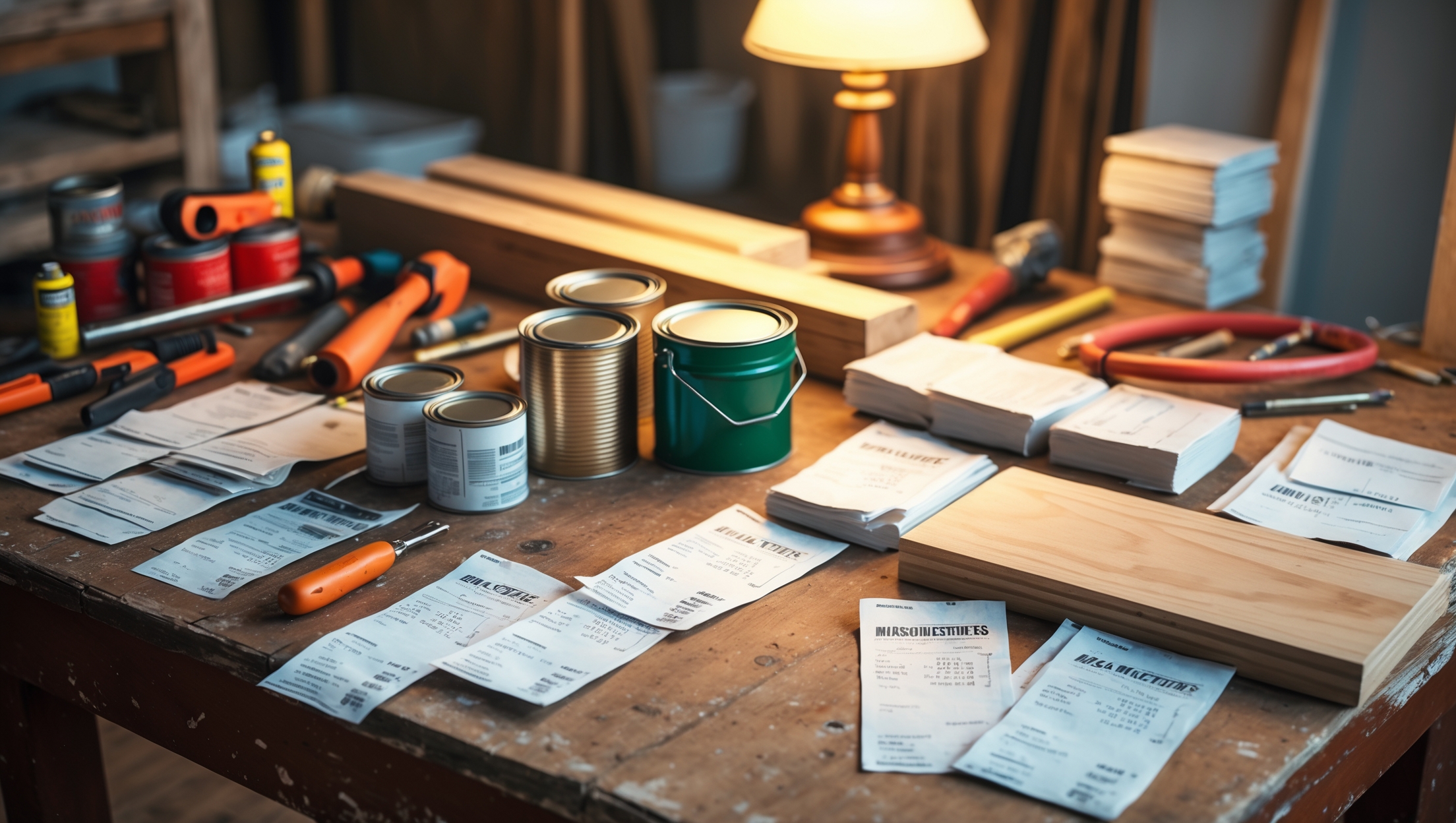
Introduction: The Real Price of DIY Home Improvement
DIY home improvement has become a popular way for homeowners to save money, personalize their spaces, and take pride in their handiwork. With countless online tutorials and reality shows touting the satisfaction (and supposed savings) of doing it yourself, it’s easy to see why so many people are inspired to pick up a paintbrush or power drill. However, many enterprising renovators quickly discover that the real costs of DIY projects are often much higher than anticipated. From hidden supply expenses and specialized tools to permit fees and the price of correcting mistakes, the final bill can surprise even the savviest planner. This article delivers a transparent, detailed breakdown of all the potential costs—obvious and hidden—associated with tackling home improvements yourself. Whether you’re contemplating a kitchen facelift, bathroom refresh, or building a new deck, understanding these expenses will help you avoid sticker shock, build a realistic budget, and decide when to DIY or hire a pro.
Material Costs: Beyond the Price Tag
Estimating Materials Accurately
Most homeowners start with a basic calculation of materials: flooring, paint, tiles, lumber, fixtures, and so on. However, DIYers frequently underestimate quantities, overlook waste factors, or forget about incidentals. For example, when laying tile, you’ll need to account for breakage, pattern matching, and cuts—typically 10-15% more than the exact square footage. Paint jobs often require primer and multiple coats, which can double the expected cost.
Quality vs. Price
Cheaper materials may seem like a smart way to save, but they often wear out faster or create installation challenges. Substandard caulking, trim, or hardware can undermine the finished product. It’s wise to research materials and invest where durability counts, such as flooring, countertops, and plumbing fixtures.
Don’t Forget Fasteners and Consumables
- Screws, nails, and adhesives
- Sandpaper, painter’s tape, drop cloths
- Caulk, grout, sealants
- Specialty cleaners or prep solutions
These small-ticket items can add up, especially if you need to buy full packages or containers for a one-off job.
Tool and Equipment Expenses: More Than You Might Think
Essential Tools for the Job
DIYers often own basic hand tools, but many home improvement projects require specialized equipment. Renting is an option, but frequent trips to the tool rental shop can eat into your schedule and budget. Consider:
- Power tools (saws, drills, sanders)
- Tile cutters, wet saws
- Ladders and scaffolding
- Protective equipment (goggles, gloves, masks)
- Measuring and leveling tools (laser level, stud finder)
If you buy, factor in maintenance and storage. If you rent, be aware of minimum charges and late fees.
Hidden Equipment Costs
Additional costs may include blades, bits, batteries, or fuel for power tools. Equipment can also wear out or break mid-project, requiring unplanned replacement or repair.
Permit Fees and Compliance Costs
Understanding Permit Requirements
Many DIYers assume small projects don’t require permits, but even minor structural, electrical, or plumbing changes may be regulated. Permit costs range from $50 for minor projects to several hundred dollars for major remodels.
The Cost of Non-Compliance
Skipping permits can lead to fines, forced removal of unapproved work, or complications during home resale. Some municipalities require as-built inspections, adding to the expense.
Time: The Overlooked Expense
How Much Is Your Time Worth?
The labor cost of DIY is often ‘free’—but only if you value your time at zero. Consider your hourly wage or the value of your free time. Delays, mistakes, and learning curves can stretch a weekend project into weeks of evenings and lost leisure.
Project Delays and Hidden Timeline Costs
- Waiting for materials or tool rentals
- Unexpected complications (e.g., finding mold or rot)
- Physical fatigue or injury slowing progress
- Weather-related delays for exterior work
Prolonged projects can also affect your living space, requiring meals out, temporary storage, or alternative accommodations.
The Price of Mistakes: Corrections and Redos
Common DIY Errors and Their Costs
Even experienced DIYers make mistakes. Mis-measuring, improper installation, or using the wrong materials can result in:
- Wasted materials
- Re-purchasing supplies
- Hiring a pro to fix problems
For example, improper tile installation might require tearing up and redoing the entire floor, doubling costs. Electrical or plumbing mistakes could cause damage requiring emergency repairs.
Insurance Considerations
DIY work that doesn’t comply with code or is poorly executed can void homeowners’ insurance or lead to denied claims for related damages.
Unexpected Costs: What Most Budgets Miss
Disposal and Cleanup
Removing old materials, demolition debris, or hazardous waste (like asbestos or lead) often requires special disposal. Dumpster rental, dump fees, or hazardous material handling can add hundreds to the final bill.
Living Disruptions
- Eating out due to a torn-up kitchen
- Laundry services while appliances are disconnected
- Boarding pets or extra childcare
These indirect costs are easy to overlook but can have a substantial impact.
Unexpected Repairs
DIY projects often reveal underlying problems—water damage, pests, structural issues—that require immediate attention and extra funds. Always build a contingency (10-20%) into your budget for surprises.
Case Study: DIY Bathroom Remodel Cost Breakdown
Let’s examine a real-world example of a small DIY bathroom remodel to illustrate typical (and hidden) costs:
- Materials: Tile, grout, thinset, fixtures, paint, caulk – $2,200
- Tools: Wet saw rental, drill, safety gear, assorted hand tools – $350
- Permits: Plumbing and electrical – $180
- Disposal: Dumpster rental, dump fees – $250
- Consumables: Painter’s tape, sandpaper, cleaning supplies – $70
- Unexpected Repairs: Subfloor patch, mold remediation – $400
- Dining Out: Due to kitchen and bathroom being out of service – $180
- Total Actual Cost: $3,630
- Original DIY Estimate: $2,500
This project went over budget by more than 40%, primarily from disposal, unexpected repairs, and indirect living expenses.
Strategies to Minimize DIY Home Improvement Costs
Research and Plan Thoroughly
Meticulous planning is your best defense against hidden expenses. Study tutorials, read product reviews, and price out every component—including fasteners, consumables, and disposal.
Rent vs. Buy Tools Wisely
For one-time or rare jobs, renting is usually more economical. For ongoing repairs or multiple projects, investing in quality tools can save money over time.
Build in a Contingency
Set aside at least 10-20% of your budget for surprises. This can cover unforeseen repairs, extra materials, or unplanned labor.
Know When to Hire a Pro
If a project requires specialized knowledge (like electrical, plumbing, or structural changes), or if a mistake could be costly or dangerous, it may be cheaper in the long run to hire a licensed professional for those portions of the job.
Conclusion: Transparency Leads to Success
DIY home improvement can be immensely rewarding and, with careful planning, a smart way to add value to your home. However, the true cost of these projects goes far beyond the price of paint and plywood. Tools, permits, time, mistakes, and indirect expenses can quickly inflate your budget and turn an exciting project into a stressful financial burden. By understanding and accounting for every potential cost—from demolition to disposal, from tool rentals to take-out dinners—you empower yourself to make informed decisions and avoid unwelcome surprises. Remember, a meticulously crafted budget is as essential to a successful DIY as a sturdy ladder or sharp saw. Before you start, take the time to research, plan, and cushion your budget for the unexpected. In the end, transparency in your cost breakdown doesn’t just protect your wallet—it leads to a smoother, safer, and more satisfying home improvement experience. Whether you tackle a project yourself or call in the experts, knowing the real numbers is the foundation of every successful renovation.
When deciding between investing in higher quality materials versus saving money upfront, are there certain areas of a home renovation where cutting costs is actually safe or advisable?
It’s generally safest to save on cosmetic features like paint, light fixtures, or cabinet hardware, since these are easy to upgrade later. For structural elements, plumbing, electrical, or foundational work, investing in higher quality is important because cutting costs here can lead to bigger, more expensive problems down the line.
How do you typically budget for correcting mistakes or unexpected issues during a DIY project? Is there a rule of thumb for adding a percentage to the initial estimate to cover these surprises?
It’s common to add an extra 10–20% to your initial project budget to cover mistakes or unexpected issues during DIY work. This cushion helps ensure you have enough funds set aside for surprises like material waste, tool replacement, or fixing errors.
I get that using cheaper materials might cause problems down the line, but are there specific items in a kitchen remodel where splurging on quality really pays off versus where you can safely save?
In a kitchen remodel, it’s usually worth investing in cabinets, countertops, and plumbing fixtures since these get the most use and impact durability. You can safely save on backsplashes, lighting fixtures, and hardware—these are easier and less costly to update later if needed.
When you talk about investing in better quality materials for things like flooring or plumbing, how much more expensive are the durable options compared to the budget ones? Is the extra upfront cost usually worth it for DIY projects?
Durable materials for flooring or plumbing can cost 30% to 100% more than budget options. While the upfront cost is higher, quality materials often last much longer, reduce repairs, and improve resale value, making the investment worthwhile especially in high-use areas or if you plan to stay in your home for years.
In your breakdown of material expenses, you mention people often forget about fasteners and consumables. Can you give examples of what these consumables are, and roughly how much they can add to an average project budget?
Consumables include things like sandpaper, caulk, painter’s tape, wood glue, screws, nails, and finishing pads. These items are often overlooked but can add up quickly. For an average DIY project, they might add 5–10% to your total material costs, sometimes more depending on the project’s scope.
I’m curious about the permit fees mentioned in the article. How do you know if your DIY project actually needs a permit, and are there types of projects that people often forget about when it comes to getting permits?
Great question! Whether you need a permit depends on your local regulations and the scope of your project. Structural changes, electrical work, plumbing, and additions almost always require permits, but people often forget about decks, fences, or major landscaping. It’s always best to check with your city or county permit office before starting—even smaller projects might be regulated in your area.
If I run into mistakes that need to be fixed, how can I estimate the extra time and money it might add to my project? Is there a general rule of thumb for setting aside a contingency fund?
To estimate extra time and costs for mistakes, add 10-20% to both your original budget and timeline as a contingency. This buffer covers unexpected fixes and delays. Carefully track your expenses and progress so you can adjust if issues come up.
In the article, you mention permit fees as part of the hidden costs. For a project like building a new deck, how do I figure out exactly what permits I need and how much they’ll cost before I start?
To find out which permits you need and their costs for building a new deck, contact your local city or county building department. They can tell you about specific requirements and provide current fee schedules. Make sure to ask about zoning rules and inspections too, as these can affect both costs and project timing.
Do you have any tips for accurately estimating incidentals like fasteners and adhesives in a typical kitchen remodel? It seems easy to overlook these smaller costs when planning a project.
A good way to estimate incidentals like fasteners and adhesives is to break the project down by task—cabinet installation, backsplash, flooring, etc. For each phase, list the materials needed and add a buffer of about 10-15% over your best estimate to cover extras or mistakes. Reviewing manufacturers’ recommendations for each product can also help you gauge realistic quantities.
You mention that lower-quality materials can lead to more problems down the line. Are there certain areas where it really pays off to upgrade versus others where you can safely save?
Upgrading is especially important for critical areas like roofing, plumbing, and electrical components, since failures here can be costly or dangerous. For cosmetic touches such as paint or cabinet hardware, you can usually opt for more budget-friendly options without major risk.
When estimating materials, is there a rule of thumb for how much extra to buy for waste and mistakes, especially if it’s my first time tiling or painting?
For first-time tiling, it’s smart to buy about 10-15% extra tiles to cover cuts, breakage, or errors. For painting, add about 10% more paint than your calculations suggest to account for extra coats or touch-ups. This cushion helps avoid last-minute trips and keeps your project on track.
Can you explain more about accounting for waste factors in material estimates? For example, how do you know when to buy 10% extra versus 15% when working with things like tile or flooring?
When estimating waste factors, consider the layout and complexity of your space. For simple, square rooms, 10% extra usually covers mistakes and cuts. For rooms with lots of angles, patterns, or tricky layouts, 15% is safer since you’ll have more offcuts. Always check manufacturer recommendations too, as some materials may need more or less extra depending on their size and installation method.
How do you recommend estimating the cost of consumables like screws, adhesives, and other fasteners? I always seem to end up making extra trips to the hardware store because I didn’t budget enough for these smaller items.
Estimating consumables can be tricky. Start by making a detailed list of all project steps and materials. For each step, note what fasteners or adhesives you’ll need and add about 10-20% extra for mistakes or unforeseen needs. Buying in slightly larger quantities can help reduce those extra trips.
When budgeting for a bathroom refresh, how can I avoid underestimating those hidden costs like fasteners and adhesives? Is there a checklist or method you recommend for first-timers?
To avoid underestimating hidden costs, make a detailed list of every task in your bathroom refresh, then break down all materials and supplies needed for each. Include small items like screws, caulk, tape, and adhesives. Reviewing tutorials and sample supply lists can help first-timers catch commonly forgotten items. Double-check your list before buying.
Do you have any tips for accurately estimating the amount of extra material needed for things like tile or paint? I always seem to end up either buying too much or running out mid-project.
To estimate extra material, add about 10% to your tile total for cuts and breakage, and round up paint quantities to the next whole can. Always measure carefully, double-check your calculations, and consult store staff for project-specific advice if you’re uncertain.
You mentioned permit fees as a hidden cost. Can you give examples of which kinds of DIY projects typically require permits and how much those permits might add to the overall budget?
Projects like electrical rewiring, structural changes, plumbing updates, and building additions usually require permits. Permit fees can range from $50 for minor work to several hundred dollars for major renovations. Always check with your local building department, as costs and requirements can vary widely by location and project.
Do you have any tips for sourcing durable materials without spending a fortune? I’m worried about accidentally choosing something low quality that could cause problems later.
Look for reputable local suppliers and ask about discounts on overstock or discontinued items. Visiting warehouse stores or buying in bulk can also help you save. When in doubt, check online reviews or ask for sample pieces to assess quality before committing to larger purchases.
The article mentions permit fees as a hidden cost—how can I find out which DIY projects in my area actually require a permit, and what happens if I skip that step?
To find out which DIY projects need permits in your area, check your local city or county building department’s website or call them directly. If you skip the permit, you risk fines, forced removal of the work, or problems selling your home later since unpermitted improvements can cause issues during inspections.
I noticed you mentioned unexpected permit fees as part of the hidden costs. Do you have advice on how to find out which permits are needed before starting a project, and what happens if you accidentally skip this step?
To find out which permits you need, contact your local building department—they can specify requirements based on your project and location. If you skip the permit step, you might face fines, delays, or even be required to undo work, so it’s always worth checking first.
I noticed you talked about incidental materials like screws, nails, and adhesives. In your experience, is there a recommended way to estimate those costs up front so they don’t catch you off guard?
A good approach is to list out each task and the materials required, then estimate quantities for items like screws, nails, and adhesives. Check manufacturer recommendations or project guides for typical usage rates, then add a buffer of about 10-20 percent to cover unexpected needs. Keeping receipts can also help you adjust estimates for future projects.
When you talk about permit fees as a hidden cost, how do I find out which projects in my city actually require permits before I get started?
To find out which projects need permits in your city, check your local government or building department’s website. You can also call their office directly and describe your project—they’ll tell you what’s required. Requirements vary by location and project type, so it’s smart to confirm before you begin any work.
I’m planning a bathroom refresh and saw that you recommend investing in quality plumbing fixtures. Are there certain items where it’s okay to go with cheaper options, or should I always stick to higher-end materials?
For areas like faucets and showerheads, investing in quality pays off due to frequent use and potential leak issues. However, for things like towel bars, toilet paper holders, or cabinet hardware, budget-friendly options usually work just fine. Prioritize quality where durability and water resistance matter most.
If a DIY project goes off budget because of mistakes or underestimating materials, what are the typical extra costs involved in fixing those errors, and at what point does it make more sense to hire a professional instead?
Extra costs from DIY mistakes or underestimating materials often include buying replacement materials, renting or buying additional tools, and sometimes undoing and redoing faulty work. If these costs begin to approach or exceed half the price of hiring a professional, or if safety or specialized skills are needed, it’s usually wiser to call in an expert.
You mentioned that cheaper materials can lead to more problems down the line. Can you give examples of where it really pays off to invest in higher quality versus where savings are possible?
Investing in higher quality materials really pays off for things like flooring, plumbing fixtures, and paint, since these get a lot of use and wear. On the other hand, for items like cabinet hardware or decorative trim, you can often save money without sacrificing much in durability or appearance.
If I start a bathroom refresh myself and end up needing to hire a pro halfway through, do you have tips on how to budget for that possibility up front?
Budgeting for a possible pro midway is smart. Estimate the full professional cost upfront, then set aside at least 20–30% of your total budget for unexpected labor. Research local contractor rates and factor in potential fees for fixing DIY mistakes, so you’re financially prepared if you need expert help later.
When you mention permit fees as a hidden cost, how do I find out if my project actually needs one, and how much should I expect to pay for something like a small bathroom update?
To check if your bathroom update needs a permit, contact your local building department or visit their website. Permit requirements vary by location and project scope. For a small bathroom update, fees can range from $50 to several hundred dollars depending on the work involved. Always confirm before starting to avoid fines or complications.
You mentioned permit fees as a hidden cost—do all DIY projects require permits, or is that only for bigger renovations like decks and additions? How do I figure out what needs a permit in my area?
Not all DIY projects need permits—smaller tasks like painting or minor repairs usually don’t. Permits are typically required for major changes such as additions, decks, or electrical work. To find out exactly what’s needed in your area, contact your local building department or check their website for a list of projects that require permits.
When it comes to materials, you talk about spending more on higher-quality items for durability. How can someone figure out which parts of a project are worth splurging on and which areas you can safely save with more affordable options?
To decide where to spend more, focus on any materials that affect safety, longevity, or are hard to replace later—like structural lumber, wiring, or waterproofing. You can save on things that are easily updated or mostly decorative, such as paint, light fixtures, or cabinet hardware. Prioritizing function and wear helps guide your choices.
Could you elaborate on how to estimate waste factors for materials like tile or flooring, especially for someone doing a project for the first time? Any tips to avoid overbuying or running short?
When estimating waste for tile or flooring, add about 10% extra for simple layouts and up to 15% for intricate patterns or angled cuts. Always measure each area carefully and round up to the nearest full box or package. Double-check your math and consult store return policies in case you have leftovers.
When planning for a DIY renovation, what’s the best way to anticipate and calculate those hidden supply expenses you talk about, so there are fewer surprises mid-project?
Start by listing every task in your renovation, then break down what materials and tools each will require. Add 10–20% to your materials budget for unexpected items, like extra fasteners or replacement parts. Reviewing supply lists from similar projects online or asking at hardware stores can also help you spot common overlooked expenses.
When it comes to quality versus price on materials, are there any specific items where I can safely save money without risking durability, or should I always go for the best available?
You can often save money on cosmetic items like paint, cabinet hardware, or light fixtures without majorly impacting durability. However, for structural elements like flooring, plumbing, or electrical components, it’s usually best to prioritize quality to avoid costly repairs later.
For someone considering a kitchen facelift, how should I weigh the long-term costs of using mid-range versus premium materials, especially for things like countertops and plumbing fixtures?
When choosing between mid-range and premium materials for your kitchen, consider durability and maintenance costs. Premium materials often last longer and resist damage better, reducing future repair or replacement expenses. However, mid-range options can still perform well if maintained properly. Think about your usage habits and whether the upfront premium cost offsets potential savings over time.
The part about underestimating material quantities really resonated with me. Is there a general rule or calculator you’d recommend for figuring out how much extra to buy for things like paint or tile?
A common rule is to buy about 10% extra for most materials like paint, tile, or flooring. This covers mistakes, pattern matching, and future repairs. Many hardware stores and paint brands also offer online calculators—just enter your room dimensions and they’ll estimate quantities, often including that recommended surplus.
Can you provide advice on how to factor in the costs of fixing mistakes or hiring professionals to correct errors if a DIY project goes off track?
It’s wise to set aside a contingency fund—typically 10-20% of your project budget—for unexpected errors or professional help. When planning, research local rates for tradespeople and consider the cost of replacing materials if needed. This way, you’re financially prepared if the DIY project doesn’t go as planned.
You mentioned that most people underestimate material quantities, especially for things like tile or paint. Are there any online calculators or tools you recommend to help estimate these amounts more accurately for a beginner?
Yes, there are several online calculators that can help beginners estimate materials more accurately. For paint, most paint brand websites offer simple calculators where you enter room dimensions. For tile, sites like Home Depot and Lowe’s provide tile calculators that let you input the area size and tile size. These tools can help you avoid buying too much or too little.
When you mention permit fees as a hidden DIY cost, how do I find out if my project actually needs a permit and what those fees might be? I’m not sure how to factor this into my initial budget.
To determine if your project needs a permit, contact your local building department or city website—they can confirm requirements for your specific work. They can also provide a fee schedule, so you can add those costs to your budget. Permits are often needed for electrical, plumbing, or structural changes.
When factoring in hidden costs like permit fees and fixing mistakes, is there a point where hiring a pro actually becomes cheaper than DIY, especially for something like a bathroom remodel?
Yes, there’s definitely a point where hiring a professional can be more cost-effective, especially with complex projects like bathroom remodels. Hidden costs like permits, tool rentals, and correcting errors can add up quickly with DIY. For major plumbing or electrical work, pros often work faster and avoid costly mistakes, sometimes making their services the better value overall.